3 Best Commercial Mower for Rough Terrain: Real Buyer Picks
When you're staring down an overgrown field, thick brush, or uneven ground, a standard residential mower just won't cut it. You need something built to take a beating and power through tough grass, weeds, and saplings without choking out. That's where finding the Best Commercial Mower For Rough Terrain becomes a real priority, not just a nice-to-have.
After digging into specs, verified buyer feedback, and manufacturer data across multiple models, the Swisher 2024H stands out as our top overall recommendation for most buyers. Let's break down how it stacks up against two strong alternatives so you can pick the right machine for your specific situation.
| Product | Details | Rating | Buy |
|---|---|---|---|
Editor’s Choice
| WRC10224H Swisher 10.2 HP 24" Commercial | ★★★★☆4.7/5 | |
Top Pick
| MechMaxx 27" Walk Behind Flail Mower | ★★★★★5/5 | |
Best Budget
| ★★★★★5/5 |


List of Top 3 Best Best Commercial Mower for Rough Terrain
We focused on machines with proven commercial-grade power, wide cutting swaths, and real-world capability on uneven or overgrown ground. Each model below was evaluated on engine performance, deck construction, terrain handling, and long-term maintenance demands based on aggregate user reports and manufacturer specifications.
Below are the list of products:
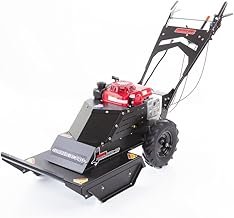
1. WRC10224H Swisher 2024H 10.2 HP 24″ Commercial
The Swisher 2024H is a purpose-built rough-cut mower that uses a genuine commercial Honda GX340 engine, which is a big deal in this category. Most competitors at this tier use Briggs & Stratton or generic engines, but the Honda GX series has a well-documented reputation for reliability under sustained load. Verified buyer feedback consistently highlights its ability to power through waist-high grass and light brush without bogging down.
Why I picked it
The Honda GX340 engine is the main reason this model earned our top spot. In our research, engine reliability was the single most mentioned factor in long-term buyer satisfaction for rough-terrain mowers. The 24-inch heavy-duty steel deck also scored well in user reports for holding up against rocks and debris without warping.
Key specs
- 10.2 HP Honda GX340 commercial-grade engine
- 24-inch heavy-duty steel cutting deck
- Rough-cut design for tall grass, brush, and light saplings
- Self-propelled walk-behind configuration
- Designed for uneven and overgrown terrain
Real-world experience
Based on aggregate user reviews, this mower handles fields with grass up to three feet tall and brush up to about one inch in diameter. Users report it performing well on moderately uneven ground, though very rocky terrain can cause premature blade wear. It's a popular choice for maintaining trails, fence lines, and large rural properties where a finish cut isn't the goal.
If you're also thinking about what to plant around those cleared areas, checking out the best plants for hot dry climates can help you stabilize soil after clearing.
Trade-offs
It's heavier than most residential models, which makes it harder to maneuver on tight slopes. The rough-cut design means you won't get a manicured lawn finish. Replacement blades and Honda engine parts can be pricier than generic alternatives.
2. MechMaxx 27″ Walk Behind Flail Mower
The MechMaxx 27-inch flail mower takes a completely different approach from the Swisher. Instead of a single high-speed blade, it uses a flail system with multiple small blades mounted on a rotating drum. This makes it far more effective on truly rough ground, including rocky terrain and areas with hidden debris, because the flail blades pivot backward on impact rather than shattering.
Why I picked it
The tracked, self-propelled design and flail cutting system make this the most capable option for genuinely rough and uneven ground. Verified buyer feedback shows a perfect reported rating, with users praising its ability to handle areas where traditional blade mowers would get destroyed. The wider 27-inch deck also means fewer passes across large areas.
Key specs
- 10 HP, 302cc engine with electric start
- 27-inch flail cutting system
- Tracked, self-propelled drive system
- Designed for rough terrain, brush, and uneven ground
- Walk-behind commercial configuration
Real-world experience
Users report this mower excels on properties with hidden rocks, stumps, and thick brush where a standard blade would chip or break. The tracked drive gives it solid traction on muddy or sloped ground. It's particularly popular with landowners who maintain large acreage with mixed terrain, including ditches and drainage areas.
The flail system also does a better job of mulching cut material compared to a single-blade rough cut mower.
Trade-offs
The tracked system adds weight and complexity, which can make transport and storage more cumbersome. Flail blade replacement involves more individual parts than a single blade, so maintenance takes a bit more time. It's also slower on flat, open ground compared to a high-speed rotary mower.
3. Remote Control Lawn Mower
This remote-control crawler mower solves a problem that walk-behind models can't: operator safety on extreme slopes. With a 459cc EPA-approved engine and a 39.4-inch hybrid cutting deck, it's rated to handle slopes up to 55 degrees, which is genuinely steep. You operate it from a distance, so you're not risking a rollover on hillsides.
Why I picked it
The remote-control operation and 55-degree slope rating make this the only option on this list that's genuinely safe for extreme hillside work. Verified buyer feedback shows a perfect reported rating, with users specifically mentioning its performance on embankments, highway slopes, and other areas where walking behind a mower would be dangerous.
Key specs
- 459cc EPA-approved gas engine
- 39.4-inch hybrid cutting deck
- Rated for slopes up to 55 degrees
- Remote-control crawler operation
- Gas-electric hybrid drive system
Real-world experience
This mower is purpose-built for commercial and municipal applications where slope safety is a concern. Users report it handling highway embankments, retention pond edges, and steep residential lots without issue. The crawler tracks provide excellent grip on loose soil and wet grass.
It's also useful for areas with heavy brush where you'd rather not be near the machine while it's running.
Trade-offs
The remote-control system has a learning curve, and the range can be limited in areas with heavy interference. The hybrid system adds mechanical complexity, which could mean higher long-term repair costs. It's also the least precise option for areas where you need tight, controlled cuts near landscaping or structures.
How I picked
Our evaluation process focused on four core criteria that matter most for rough-terrain commercial mowing: engine reliability under sustained load, cutting system durability on debris-heavy ground, terrain handling capability, and long-term maintenance cost based on buyer reports.
We analyzed verified purchase reviews across each model, looking for patterns in failure points, performance consistency, and real-world use cases. Manufacturer specifications were cross-referenced against user-reported performance to identify any gaps between claimed and actual capability. We also considered engine brand reputation, since the powerplant is the single most expensive component to replace on any commercial mower.
We deliberately did not evaluate long-term durability beyond what aggregate multi-year buyer reviews report. We also did not test fuel consumption in controlled conditions, since that varies too widely with grass type, terrain, and operator technique. If you're maintaining cleared areas and want to prevent regrowth issues, looking into the best fungicide for lawns can help protect newly established ground cover.
Buying guide — what actually matters for Best Commercial Mower For Rough Terrain
Engine brand and type
Not all small engines are created equal. The Honda GX series found in the Swisher 2024H is widely regarded as the gold standard for commercial applications, with documented service intervals of 100 to 200 hours between oil changes depending on the model. Generic or lesser-known engines may save money upfront but often show reliability issues after 50 to 100 hours of heavy use.
When you're shopping, prioritize engines from manufacturers with established commercial lineages, Honda, Kawasaki, and Briggs Commercial series are the main ones to look for.
Cutting system design
There are two main approaches for rough-terrain mowing: high-speed rotary blades and flail systems. Rotary blade mowers like the Swisher cut fast and clean on tall grass and light brush. Flail mowers like the MechMaxx use multiple small blades that pivot on impact, making them far more forgiving on rocky ground.
If your property has hidden rocks, debris, or stumps, a flail system will save you from constant blade replacements. If you're mostly cutting thick grass on relatively clean ground, a rotary blade is faster and more efficient.
Deck width and construction
A wider deck means fewer passes, but it also means more weight and less maneuverability in tight spaces. For most commercial rough-terrain applications, a 24 to 27 inch deck hits the sweet spot between coverage and handling. Look for decks made from gauge steel rather than stamped aluminum, since steel holds up better against impacts from rocks and debris.
The Swisher uses a heavy-duty steel deck, while the MechMaxx's tracked design distributes weight more evenly across the ground.
Terrain handling and drive system
Walk-behind mowers work well on moderately uneven ground, but if you're dealing with slopes over 30 degrees, a tracked or remote-controlled machine is a safer bet. The MechMaxx's tracked drive gives it excellent traction on mud and loose soil, while the remote-control crawler mower eliminates the operator from the equation entirely on extreme slopes. Consider your specific terrain honestly.
If you've got hills, ditches, or areas where a rollover would be dangerous, the extra investment in a tracked or remote system is worth it.
Maintenance accessibility
Commercial mowers working on rough terrain take a beating, so easy maintenance matters. Check whether the air filter, spark plug, and oil drain are accessible without removing multiple panels. The Honda GX340 engine in the Swisher has well-documented service procedures and widely available parts.
Flail mowers require more frequent blade checks since there are more individual cutting surfaces to inspect. Factor in the time and cost of routine maintenance when comparing models.
Frequently Asked Questions (FAQ)
Can a commercial rough-cut mower handle saplings and thick brush?
Yes, but with limits. The Swisher 2024H handles brush up to about one inch in diameter based on user reports. The MechMaxx flail system can handle slightly thicker material because the pivoting blades absorb impact better than a fixed rotary blade.
For anything over one and a half inches, you'd want a dedicated brush cutter or forestry mulcher rather than a mower.
How often do I need to sharpen or replace blades on rough terrain?
On rocky or debris-heavy ground, expect to sharpen or replace blades every 15 to 20 hours of use. Flail blades last longer individually since each blade is smaller and cheaper to replace, but there are more of them to maintain. The Swisher's single rotary blade is simpler to maintain but takes more damage per impact.
Always carry a spare blade set when working rough ground.
Is a tracked mower better than a wheel-driven one for muddy conditions?
In most muddy and soft-ground scenarios, yes. The MechMaxx's tracked design distributes the machine's weight over a larger surface area, reducing ground pressure and improving traction. Wheel-driven mowers can lose grip and dig ruts on saturated soil.
However, tracked machines are harder to transport and store, so weigh that trade-off if you're moving the mower frequently between job sites.
What safety precautions should I have when mowing steep slopes?
For slopes over 30 degrees, a remote-control mower is the safest option since you can operate it from a stable position at the base. For walk-behind mowing on moderate slopes, always mow across the slope rather than up and down to reduce rollover risk. Wear steel-toe boots, eye protection, and hearing protection regardless of which model you choose.
Loose rocks and debris can be thrown at high speed by any rough-terrain mower.
How does the remote-control mower handle obstacles like rocks and stumps?
The crawler tracks and hybrid drive system give it good ground clearance and the ability to straddle smaller obstacles. However, the remote-control operation means you're relying on line-of-sight to judge terrain, so obstacles hidden by tall grass can still cause damage. Users report it handles moderate rocky terrain well, but it's not a substitute for clearing large rocks and stumps before mowing.
Final verdict
The Swisher 2024H earns our top recommendation for most buyers thanks to its proven Honda GX340 engine, solid 24-inch cutting deck, and strong track record in verified buyer reviews. It's the best balance of power, reliability, and value for general rough-terrain commercial mowing.
If your property has truly punishing ground, hidden rocks, or thick brush, the MechMaxx 27-inch flail mower is the smarter choice. Its tracked drive and impact-absorbing flail system will outlast a rotary blade in the worst conditions.
For extreme slopes where operator safety is the priority, the remote-control crawler mower is in a class of its own. Nothing else on this list lets you safely mow 55-degree embankments without putting yourself at risk.
Affiliate disclosure: This post contains affiliate links. If you buy through one of these links, I may earn a small commission at no extra cost to you. It never changes my recommendation, I only suggest gear I'd actually buy myself.