How to Stop Weeds Before They Grow in 2026 (Complete Guide)
You spend a weekend pulling weeds, and within a week they’re back. That cycle is exhausting. If you want to break it, you need to learn how to stop weeds before they grow.
Prevention is the only real shortcut.
Research from university extension services shows that a single square foot of soil can hold over 500 dormant weed seeds. Those seeds wait for the right light, moisture, and temperature. Without a pre-emergent strategy, you’re stuck playing catch-up all season.
Let’s fix that.
Quick Answer
Apply a pre-emergent herbicide before weed seeds germinate. Time it based on soil temperature. Use a granular spreader for lawns.
Use mulch for garden beds. Reapply according to the label. Stop the seeds, stop the weeds.
Why Most “Weed Prevention” Fails (and why yours won’t)
Most people grab a bag of pre-emergent and toss it down on a random Saturday in March. That’s not a plan. That’s a gamble.
The biggest mistake is timing. Apply too early and the chemical barrier breaks down before the weeds sprout. Apply too late and the weeds have already germinated.
Pre-emergents only work on seeds, not on existing plants.
The second mistake is skipping the water-in step. Most synthetic pre-emergents need about half an inch of water to activate the barrier. If you spread granules on dry soil and forget to water, they sit there useless.
The third mistake is ignoring the weed type. Different weeds germinate at different soil temperatures. Crabgrass starts popping at 55°F.
Annual bluegrass waits until the soil cools in autumn. One blanket treatment in spring won’t cover everything.

The One Rule That Makes or Breaks Prevention
Here’s the core rule: apply the pre-emergent before the weed seeds sense the conditions they need to sprout.
That single rule governs everything else. Your lawn type, your garden layout, your climate, and your chosen product all feed into one question: when exactly does that window open?
Pre-emergents work by forming a chemical barrier at the soil surface. When a weed seed germinates, the emerging root contacts the barrier and stops growing. The seed never becomes a plant.
But that barrier doesn’t last forever. Most products provide 2 to 4 months of control, depending on rainfall and microbial activity. If you apply too early, the barrier fades before the late‑sprouting weeds start.
If you apply too late, you’re just fertilizing the soil.
That’s why many lawn care pros split their spring application into two passes: an early spring round for the first wave, then a follow‑up 6 to 8 weeks later for the stragglers. It’s the same principle behind timing your fertilizing schedule for specific plants, you wouldn’t apply a slow‑release fertilizer for flowers in the middle of winter and expect results.
First Decision: Lawn or Garden Bed?
This is your most important fork in the road. Your method changes completely depending on what you’re protecting.
If It’s a Lawn
Lawn pre‑emergents are typically granular herbicides that you spread with a broadcast spreader. They need to reach the soil surface, so you want to apply before the grass gets too thick. Products containing prodiamine or dithiopyr are common here.
You also need to work around overseeding. Most pre‑emergents prevent grass seed from germinating too. If you plan to reseed in the spring, you either need a different approach or you need to wait 8 to 12 weeks after application.
That’s why many people overseed in fall and apply pre‑emergent only in spring.

If It’s a Garden Bed
In flower beds and vegetable gardens, you have more options. You can use an organic pre‑emergent like corn gluten meal, or you can rely on physical barriers.
Mulch is the simplest physical barrier. A 3‑ to 4‑inch layer of shredded bark, wood chips, or straw blocks light and prevents most weed seeds from sprouting. It also keeps soil moisture steady and looks clean.
For annual beds, landscape fabric or cardboard under the mulch works even better. The fabric blocks weeds while letting water and air through. Just keep the fabric covered with mulch, because exposed fabric degrades in the sun and looks messy.
For vegetable gardens, stick to organic options. Corn gluten meal works as a pre‑emergent, but it also acts as a light fertilizer (about 10% nitrogen). That’s a bonus, but it means you need to apply it at the right rate, too much and you’ll burn seedlings.
For flower beds, consider using the best flowers for flower beds that can tolerate the same pre‑emergent schedule.
Second Decision: Which Weed Are You After?
Not all weeds respond the same way. Knowing your enemy makes your timing and product choice much more accurate.
| Weed Type | Category | Germination Trigger | Best Pre‑Emergent Timing |
|---|---|---|---|
| Crabgrass | Annual grass | Soil temp 55°F for 3–5 days | Early spring |
| Annual bluegrass | Annual grass | Soil temp below 70°F in fall | Late summer / early fall |
| Foxtail | Annual grass | Soil temp 60°F | Spring |
| Henbit | Broadleaf winter annual | Soil temp below 65°F in fall | Fall |
| Purslane | Broadleaf summer annual | Soil temp 70°F | Spring after last frost |
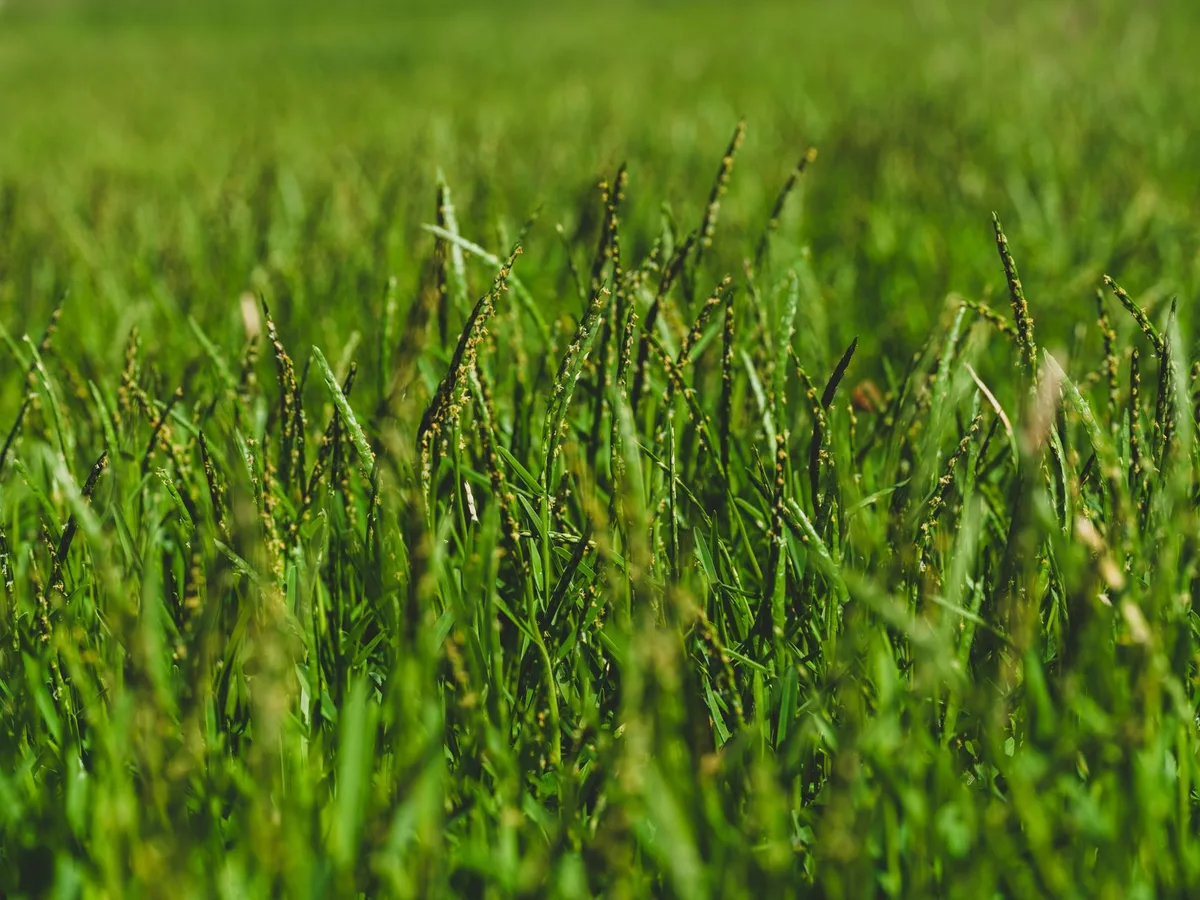
Crabgrass is the most common target. It’s an annual grass that dies each winter, so prevention is straightforward. But if you have perennial weeds like nutsedge or quackgrass, pre‑emergents won’t help, those spread through underground tubers and rhizomes.
For those, you need a post‑emergent product that targets the root system.
If you’re dealing with broadleaf weeds like dandelion or clover in your lawn, a pre‑emergent that targets the seeds won’t stop the existing taproots. You need to combine prevention with spot‑treating the perennials already in your lawn.
Timing Cheat Sheet: Soil Temperatures for Common Weeds
You need a soil thermometer. They cost about $10 at any garden center. Insert the probe 2 to 3 inches deep and take a reading in the morning before the sun warms the surface.
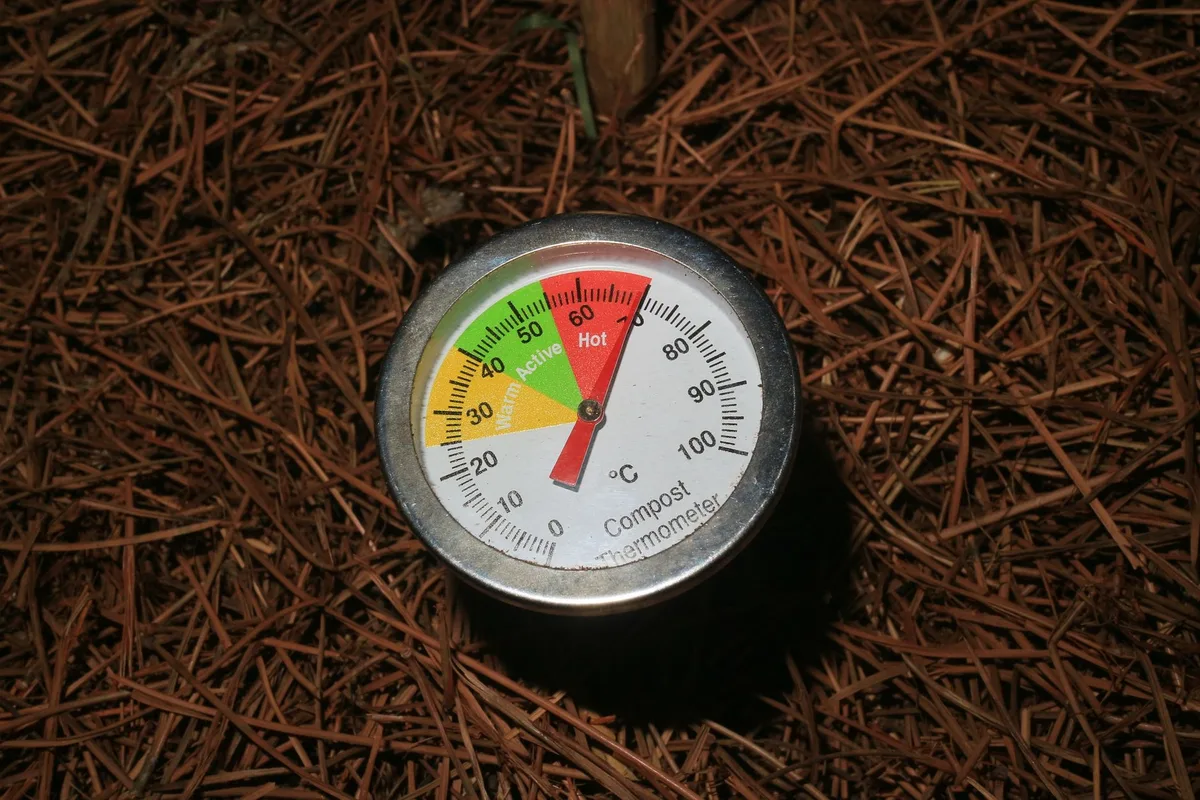
- Crabgrass: Apply when soil reaches 50°F and is rising. That’s typically when forsythia bushes are blooming.
- Foxtail and goosegrass: Wait until soil hits 55°F to 60°F. These germinate slightly later than crabgrass.
- Annual bluegrass: Apply in early fall, when soil drops to 70°F.
- Henbit and chickweed: Apply 2 to 3 weeks before the first expected frost in fall.
If you miss the window for the main weed, you can still use a product with dithiopyr, which has some early post‑emergent activity on very tiny crabgrass. It’s not a complete rescue, but it buys you some time.
As of 2026, many lawn care apps and local extension offices provide soil temperature tracking. You can also check a nearby weather station online if you don’t want to buy a thermometer. Just make sure you’re checking soil temp, not air temp, there can be a 15°F difference.
Your Options (Mapped to Your Answers)
By now you know your lawn type, your garden type, and your target weed. Here’s how those answers map to specific products and methods.
If you have a cool‑season lawn (fescue, bluegrass, ryegrass)
Apply a granular pre‑emergent containing prodiamine or dithiopyr in early spring. Use a broadcast spreader set to the product’s labeled rate. Water in immediately with half an inch of irrigation.
A second application in early fall targets winter annuals like annual bluegrass and henbit. Just avoid fall applications if you plan to overseed that same season. Many cool‑season lawns need fall overseeding, and most pre‑emergents prevent grass seed from germinating for 8 to 12 weeks.
If you have a warm‑season lawn (Bermuda, zoysia, St. Augustine)
Your timing shifts earlier. Apply in late winter or very early spring, when soil temperature reaches 50°F. Warm‑season lawns go dormant in winter, so you can often apply before the grass fully greens up.
Be careful with St. Augustine. It spreads by stolons and is sensitive to certain pre‑emergents.
Check the label for “St. Augustine safe” before buying. Prodiamine is generally safe, but pendimethalin can cause damage.
If you have garden beds
You have three strong options:
- Organic pre‑emergent (corn gluten meal). Apply 20 pounds per 1,000 square feet. Water it in lightly. It inhibits root formation on germinating seeds. Reapply every 6 weeks during the growing season.
- Mulch layer. Spread 3 to 4 inches of shredded bark or wood chips. Replace or top up as it decomposes. This blocks light and prevents most annual weeds.
- Landscape fabric plus mulch. Lay fabric over bare soil, cut slits for existing plants, then cover with 2 to 3 inches of mulch. The fabric stops seeds in the soil below while the mulch blocks airborne seeds.
For vegetable beds, skip synthetic pre‑emergents. Most are not labeled for edible crops. Corn gluten meal is safe, but it also fertilizes, so account for that extra nitrogen in your overall fertilizing schedule.
If you want a non‑chemical approach for the lawn
Corn gluten meal works on lawns too, but it takes more product and more precise timing. You need 20 pounds per 1,000 square feet, applied when soil hits 50°F. It must be watered in within 24 hours.
The catch: corn gluten meal suppresses grass seed germination too. Don’t use it on a lawn you plan to overseed. And it’s less effective than synthetic options, especially in heavy rain.
Common Mistakes That Wreck Pre‑Emergent Results
Let’s save you some frustration. These are the most common errors we see in our research.
Applying at the wrong time
This is the number one mistake. You apply in March because the calendar says spring, but your soil temperature is still 42°F. The pre‑emergent breaks down by the time the soil warms up to 55°F.
You get zero weed control.
Check soil temperature, not the calendar. That’s non‑negotiable.
Not watering in
Granular pre‑emergents need water to activate. Without it, the granules sit on the soil surface and never form the chemical barrier. The product label will specify how much water is needed, usually about half an inch.
If you apply and it doesn’t rain within 24 hours, run the sprinklers.
Disturbing the soil after application
Aeration, dethatching, digging, or even heavy foot traffic can break the chemical barrier. Once the barrier is cracked, weed seeds germinate through the gaps.
Wait at least a week after application before doing any soil‑disturbing work. If you’re planning for simple DIY repairs to your lawn equipment or turf, do them before the pre‑emergent goes down.
Using the wrong product for the weed type
Pre‑emergents only work on seeds. If you have existing weeds, they won’t die. You need a post‑emergent for that.
Also, some pre‑emergents are broad‑spectrum, while others target only grassy weeds. Read the label to confirm it covers your specific weed.
Ignoring the re‑application window
Most products last 2 to 4 months. If your season is long, one spring application won’t cover you through summer. A split application (early spring plus late spring) catches the full germination window.
Some products like dithiopyr offer early post‑emergent activity on tiny crabgrass, giving you a bit of forgiveness if you’re late. But don’t rely on that.
Pro Tips for Long‑Term Weed Control
Prevention works best when it’s part of a bigger system. Here’s what the long haul looks like.
Build a healthy lawn
A thick, vigorous lawn crowds out weeds naturally. Mow at the right height for your grass type. Water deeply but infrequently.
Fertilize based on a soil test.
When your lawn is dense, weed seeds land on grass blades instead of soil. They never get the light or soil contact they need to germinate. It’s the simplest form of prevention.
Manage the weed seed bank
Every time a weed goes to seed, you add to the soil seed bank. That bank can hold viable seeds for decades. The goal is to draw down that bank over time.
Pre‑emergents stop new seeds from joining the bank. Hand‑pulling or spot‑spraying prevents existing weeds from producing seeds. Combined, these two actions slowly empty the bank.
Use mulch as a year‑round strategy
In garden beds, never let the mulch get thin. Top it up every spring. A consistent 3‑inch layer stops seeds from reaching soil and keeps moisture steady for your desired plants.
For flower beds with heavy weed pressure, consider using the best flowers for flower beds that also tolerate a thick mulch layer. Some perennials struggle with deep mulch around their crowns, so keep it a few inches away from stems.
Rotate your pre‑emergent chemistry
Weed populations can develop resistance to certain active ingredients. If you use prodiamine every year for a decade, you may see declining results.
Alternate between products with different modes of action. For example, use prodiamine one year and dithiopyr the next. Check the product label for the active ingredient name, not just the brand name.
Know when to call it quits
If you have a severe infestation of perennial weeds like nutsedge or quackgrass, pre‑emergents alone won’t solve it. You need a multi‑year plan combining post‑emergents, hand removal, and possibly renovating the area with solarization or sheet mulching.
Sometimes starting fresh with a solarization treatment (clear plastic over moist soil for 4 to 6 weeks in summer) kills the seed bank and perennial roots. Then you restart with a clean slate.
Decision Guide: Quick Pick for Your Situation
Here’s a quick reference based on common scenarios.
| Your Situation | Best Approach |
|---|---|
| Existing lawn, wants to prevent crabgrass | Granular prodiamine or dithiopyr, early spring, water in |
| Lawn that needs spring overseeding | Skip pre‑emergent or use a product with siduron (Tupersan) which allows grass seed to germinate |
| Garden beds, want no chemicals | 3‑4 inch mulch layer plus corn gluten meal in spring |
| Vegetable garden | Corn gluten meal only, or cardboard + mulch |
| Heavy perennial weed pressure | Skip pre‑emergent. Use post‑emergent or solarization first |
| Organic lawn | Corn gluten meal at 20 lb/1,000 sq ft, applied twice per season |
What about combination products?
Many products combine a pre‑emergent with a fertilizer. These “weed and feed” products are convenient, but they force you to fertilize at a time that may not match your lawn’s needs.
If your lawn needs fertilizer in spring, a combination product works well. If your soil already has enough nitrogen, you’re better off applying a straight pre‑emergent without the fertilizer. Run a soil test to know where you stand.
When should you skip prevention?
Skip pre‑emergents if you’re starting a new lawn from seed. Most products block grass seed germination. Wait until the new grass has been mowed at least three times before applying anything.
Skip them if you plan to aerate or dethatch within the next two weeks. Do those tasks first, then apply the pre‑emergent.
Frequently Asked Questions
Can I use pre‑emergent in a vegetable garden?
Most synthetic pre‑emergents are not labeled for edible crops. Corn gluten meal is the safest option for vegetable beds. You can also use cardboard, landscape fabric, or a thick mulch layer.
Always check the product label before applying near anything you plan to eat.
How long does pre‑emergent last in the soil?
Most products provide 2 to 4 months of control. Prodiamine and dithiopyr tend toward the longer end of that range. Pendimethalin is usually shorter.
Heavy rain or frequent irrigation can shorten the residual period. High soil microbial activity also breaks it down faster.
What happens if it rains right after I apply?
Rain is fine, even helpful. You need about half an inch of water to activate the barrier. Heavy downpours can wash granules off slopes or into storm drains, so check the product label for runoff precautions.
If the rain comes before you’ve spread the product evenly, wait for dry weather and start over.
Does corn gluten meal really work for weed prevention?
Yes, but it’s less potent than synthetic options. Research from university extension services shows it can reduce weed germination by 50 to 70 percent when applied correctly. The key is timing, rate, and re‑application.
Many users find it works best when combined with a thick mulch layer.
Can I apply pre‑emergent before seeding my lawn?
No. Most pre‑emergents prevent grass seed from germinating. If you need to overseed, use a product containing siduron.
It’s a pre‑emergent that allows grass seed to grow while blocking weed seeds. Apply it after seeding, not before.
Why do I still have weeds after applying pre‑emergent?
Three likely reasons. You applied too late and the weeds had already germinated. You didn’t water it in.
Or the weeds are perennials that spread by roots or tubers, not seeds. Pre‑emergents only stop seed germination. For established weeds, use a post‑emergent product.