When Should You Fertilize Grass (2026) — Step-by-Step Guide
When should you fertilize grass is the kind of question that sounds simple until you try to answer it. Your neighbor swears by Easter weekend. Your uncle says right before the Super Bowl.
Both of them could be dead wrong for your lawn.
Most people treat it like a calendar date. It's not. Research from university turfgrass programs shows that a cool-season lawn needs about 2 to 4 pounds of nitrogen per 1,000 square feet over a full growing season.
But the when matters far more than the how much. Apply at the wrong time and you're feeding weeds, wasting money, and stressing the grass. Let's walk through the decision tree so you know exactly when to pull the trigger.
Quick Answer
Fertilize cool-season grass in early fall and late spring. Fertilize warm-season grass in late spring and summer. Soil temperature at a 2-inch depth should reach 55°F for cool-season grass.
Warm-season grass needs 65°F. Never fertilize dormant grass. Test your soil every three years.
Not a Calendar Question — It's a Decision Tree
The best time to fertilize depends on three things. Your grass type. Your local climate.
And the current soil temperature. That's it. Get those three right and the calendar stops mattering.
This is a decision tree, not a date book. Ask yourself one question first. What kind of grass do I have?
The answer splits everything that follows. Cool-season and warm-season grasses have completely different growth cycles. They wake up at different temperatures.
They store energy at different times of the year.
Here's a concrete example. If you feed warm-season grass in October, you're giving it a steak dinner right before it goes dormant. That nitrogen doesn't get absorbed.
It sits on the surface and either runs off or feeds winter weeds. If you feed cool-season grass in July, you're forcing top growth during peak heat stress. The roots can't keep up and the grass thins out.
The right approach is simple once you know the variables. Let's start with the most important one.
First, What Kind of Grass Do You Have? (Cool-Season vs Warm-Season)
This is the fork in the road. Get it wrong and your entire fertilization plan falls apart.
Cool-season grasses include tall fescue, Kentucky bluegrass, and perennial ryegrass. They grow best in spring and fall when soil temperatures sit between 55°F and 75°F. They go dormant or struggle through hot summer months.
You see these lawns all over the northern United States, the Pacific Northwest, and parts of the UK.
Warm-season grasses include Bermuda, St. Augustine, Zoysia, and centipede grass. These thrive in heat.
They hit their stride when soil temperatures climb above 65°F. They go brown and dormant as soon as winter temperatures drop consistently below 50°F. You find them across the southeastern US, the Gulf states, and Southern California.
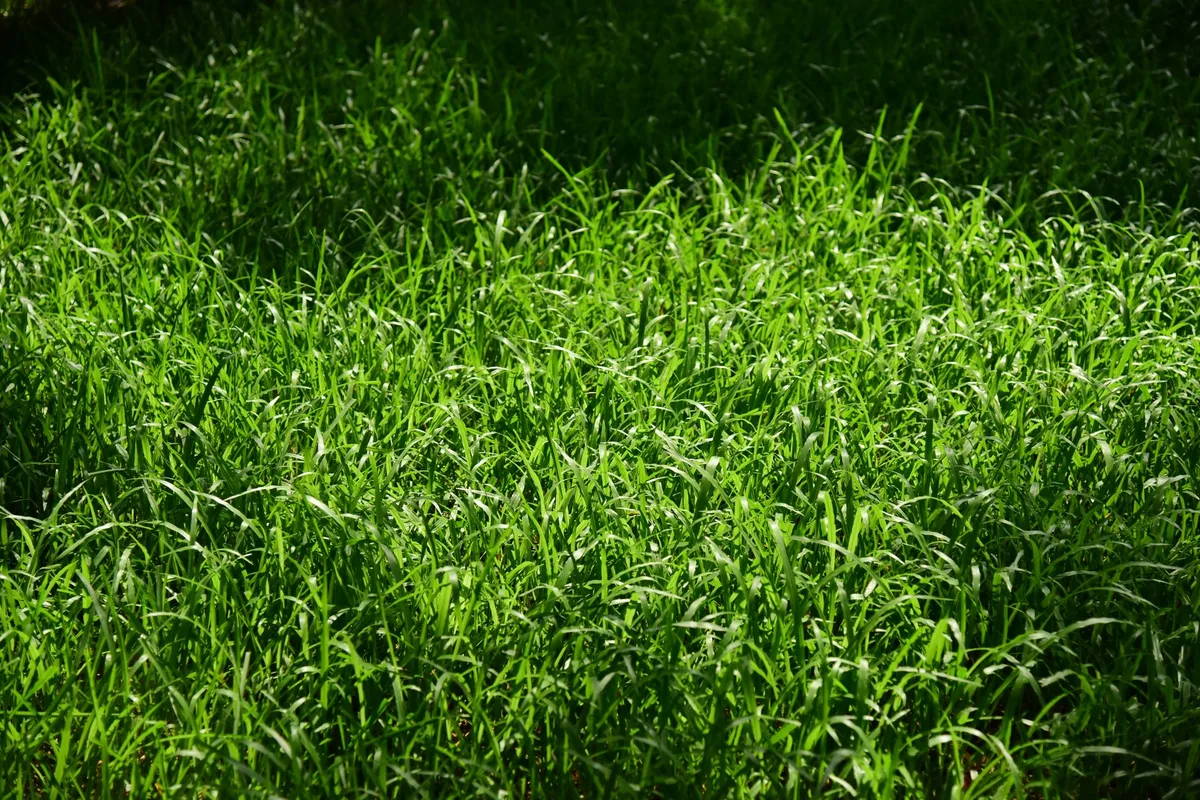
How can you tell which one you have without a botany degree? Look at the leaf blades. Cool-season grasses usually have a V-shaped blade with a visible midrib running down the center.
Kentucky bluegrass has a boat-shaped leaf tip. Warm-season grasses are different. Bermuda has fine, narrow blades with a spreading growth habit.
St. Augustine has broad, coarse blades that feel thick. Zoysia feels stiff and wiry.
If you're still unsure, your local cooperative extension office can identify a sample for free or for a few dollars. As of 2026, most state extension services also offer online photo identification. Getting this right is the foundation of everything else.
The One Tool That Stops Guesswork: Your Soil Thermometer
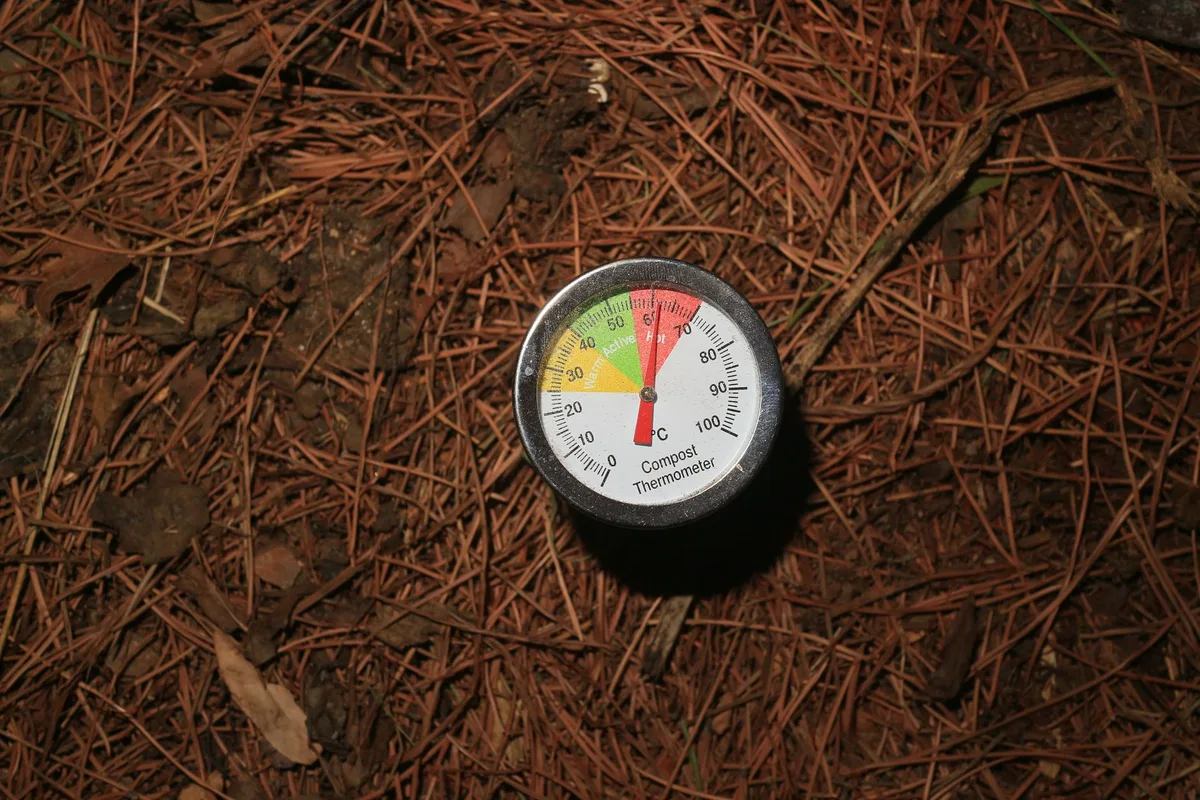
Here's a simple fact. Soil temperature drives grass growth more than air temperature does. That's why a $10 soil thermometer is the best investment you can make for your lawn.
Measure the temperature at a 2-inch depth. Take the reading in the morning before the sun warms the surface. Check three or four spots across your lawn for consistency.
For cool-season grass, start fertilizing when the soil hits 55°F consistently. For warm-season grass, wait until it reaches 65°F.
Why does this matter so much? Because grass roots aren't active below these thresholds. They can't take up nitrogen efficiently.
The fertilizer either sits there waiting or washes away into storm drains. You get runoff instead of growth. And you lose every dollar you spent.
Using a soil thermometer removes all the guesswork. It doesn't care what month it is. It doesn't care what your neighbor recommends.
It tells you exactly when your specific lawn is ready to eat. That's especially useful if you use organic fertilizer choices, which release nutrients more slowly and need active soil biology to break them down.
This also pairs well with a simple soil test. Most university extension labs charge between $15 and $35. That small investment tells you your pH and nutrient levels.
It prevents over-fertilizing and helps you choose the right N-P-K ratio. Worth every penny.
Spring Feeding — The Biggest Mistake People Make
This is where most homeowners go wrong. They see the grass turning green in March and think it's time to feed. That first green-up in early spring is actually the grass using stored energy from last fall.
Adding nitrogen too early does more harm than good.
Here's what happens. The soil is still cold, usually below 55°F. The grass roots are barely active.
But the weeds are wide awake. Crabgrass and other summer annuals germinate in that same temperature window. So when you apply nitrogen in early spring, you're giving the weeds a head start while your grass can't even use the food.
Worse, early nitrogen forces top growth before the root system is ready. The grass looks lush for a week or two. Then it crashes when summer heat hits because the roots never developed properly.
You end up with a shallow, weak lawn that needs constant watering.
This surge growth also increases disease pressure. Pairing good timing with proper fungicide applications keeps your lawn healthy through the transition. But the best strategy is to not create the problem in the first place.
For cool-season lawns, the smart play is to wait until the second mowing in spring. That tells you the grass is actively growing and the roots can handle nitrogen. Use a slow-release fertilizer at that point.
For warm-season lawns, wait until you've mowed at least twice after the last frost. And here's a pro tip. If you used a fall winterizer application correctly, your lawn may not even need a spring feeding at all.
Many studies show that a single well-timed fall application outperforms a spring-summer split for overall turf health.
The Cool-Season Schedule: Fall Is King, Spring Is a Trap
For cool-season lawns, fall is the most important feeding window of the year. Period. Here's why.
Cool-season grasses build root systems in the fall. They store carbohydrates for winter survival and next spring's green-up. A fall feeding in September or October gives the grass exactly what it needs when it can actually use it.
The ideal schedule looks like this:
| Application Window | Timing | Purpose |
|---|---|---|
| Early fall | September (soil still warm) | Root development, energy storage |
| Late fall / winterizer | Late October to November | Potassium boost for winter hardiness |
| Late spring | May (after 2nd mowing) | Moderate growth, avoid summer burnout |
| Summer | Skip it | Heat stress means no uptake |
The winterizer application is the one most people skip. Apply it about six weeks before the first average frost date. Use a fertilizer with higher potassium and lower nitrogen.
The potassium helps the grass resist winter diseases and survive freeze-thaw cycles. Think of it as a winter coat for your lawn.
Spring feeding on a cool-season lawn should be light. Use a slow-release nitrogen source so you don't get a growth surge that fades by July. If you're dealing with tree shade or competition from roots, adjust your rates down.
And remember that spring feeding isn't mandatory. If your lawn came through winter looking good, you can skip it entirely and focus on proper mowing height.
A good rule of thumb for all lawns is to follow the one-pound rule. Never apply more than one pound of nitrogen per 1,000 square feet in a single feeding. Split your total annual nitrogen into two or three applications.
This prevents runoff and gives the grass steady nutrition. Your lawn reacts better to smaller, consistent meals than one giant feast.