Guide to Warm Season Vs Cool Season Grass: Easy Methods
You stare at your yard. Your neighbor’s lawn is thick and green. Yours looks brown and dead.
You both water the same amount.
That difference comes down to one thing: Warm Season vs Cool Season Grass. The grass type you planted either loves your climate or fights it every single day. According to the USDA Plant Hardiness Zone Map as of 2026, the United States splits into zones that determine exactly which grass will thrive and which will struggle.
Once you understand those zones, the choice becomes obvious.
The Problem: Why Your Lawn Looks Dead While Your Neighbor’s Is Perfect
It is August. Your neighbor’s lawn is emerald green. Yours is straw yellow.
You are both out there with sprinklers. What gives?
You are looking at the wrong grass for your climate.
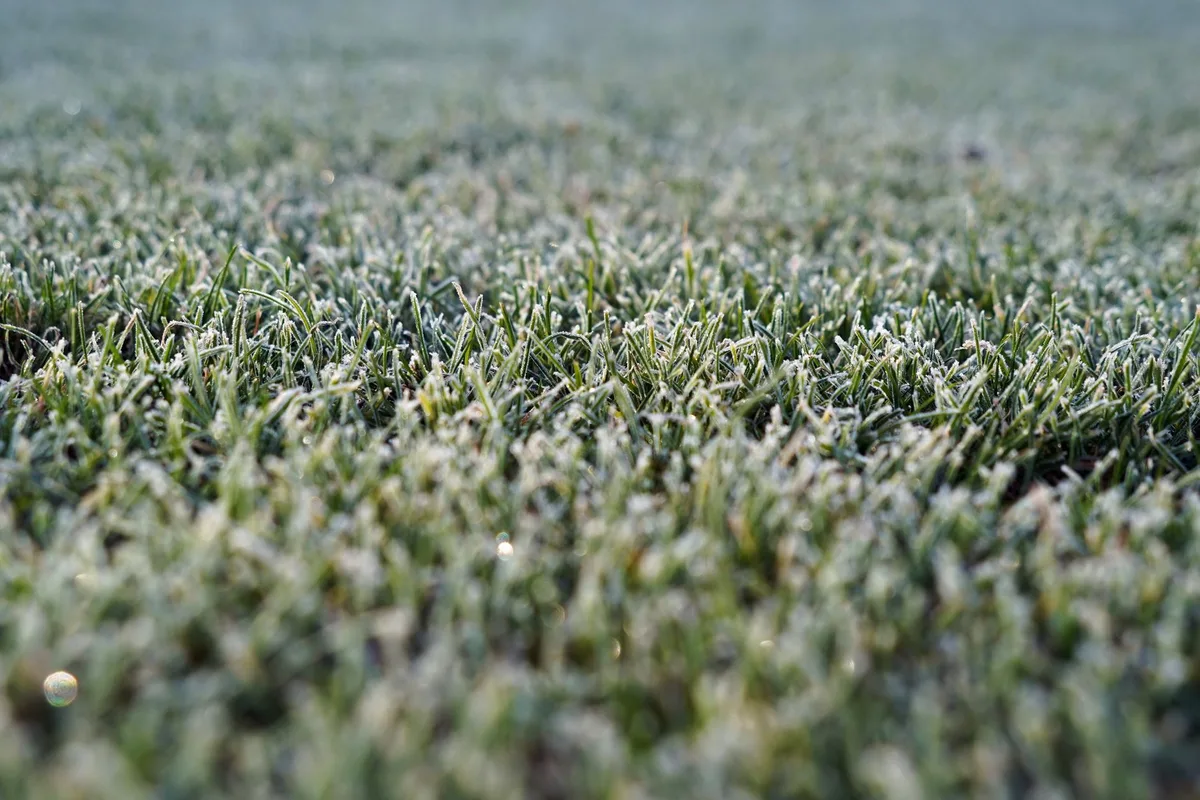
Cool-season grasses like Kentucky Bluegrass and Tall Fescue go dormant in summer heat. They turn brown to survive. Warm-season grasses like Bermuda and Zoysia hit their stride when temperatures top 80 degrees.
They keep that deep green all summer long.
The same thing happens in reverse during winter. Warm-season grasses go dormant and turn tan. Cool-season grasses stay green through snow and frost.
Your neighbor planted for their climate. You probably did not.
Understanding this seasonal cycle is the first step. The second step is knowing which grass matches your specific yard. That is what we are going to walk through here.
Quick Answer
Choose warm-season grass for hot summers and mild winters. Choose cool-season grass for cold winters and moderate summers. Your USDA hardiness zone tells you which one fits.
Zones 3 through 6 favor cool-season grass. Zones 8 through 10 favor warm-season grass. The Transition Zone (zones 6 and 7) requires a careful mix.
Warm-Season vs Cool-Season: What Actually Makes Them Different
The difference goes deeper than just when they turn green. These two grass types grow completely differently.
Warm-season grasses evolved in tropical and subtropical regions. They do their best work when soil temperatures hit 65 to 70 degrees Fahrenheit. Air temperatures above 80 degrees are ideal.
These grasses spread through stolons (above-ground runners) and rhizomes (underground stems). Bermuda grass can carpet a bare patch in weeks during July.
Cool-season grasses evolved in northern climates with cold winters and moderate summers. They grow actively in spring and fall when temperatures sit between 60 and 75 degrees. They slow down or go dormant when summer heat pushes past 85 degrees.
Most cool-season varieties are bunch-type grasses. They do not spread aggressively. They need overseeding to fill bare spots.
The growth cycle difference matters for everything else: mowing frequency, watering schedule, fertilizer timing, and weed pressure.
Here is the quick reference:
| Feature | Warm-Season Grass | Cool-Season Grass |
|---|---|---|
| Active growth period | Late spring through summer | Spring and fall |
| Dormancy period | Winter (turns brown) | Summer (may turn brown) |
| Spread method | Stolons and rhizomes | Bunch-type (most varieties) |
| Ideal temperature range | 80–95°F | 60–75°F |
| Mowing height | Low (0.5–2 inches) | Higher (2–4 inches) |
| Water need | Lower once established | Higher in summer |
| Best use | Southern lawns, high traffic | Northern lawns, shade areas |
This table is not just trivia. It tells you how much water you will use, how often you will mow, and what kind of maintenance you are signing up for.
The 3 Questions That Decide Everything for Your Lawn
You do not need a degree in turfgrass science to pick the right grass. You just need honest answers to three questions.

What’s Your USDA Hardiness Zone?
This is the most important question. The USDA zone map divides North America into 13 zones based on average annual minimum temperature.
- Zones 3 through 6: Cool-season grasses thrive here. Winters are harsh. Summers are moderate. Kentucky Bluegrass, Tall Fescue, and Perennial Ryegrass are at home in these zones.
- Zones 7 and 8 (the Transition Zone): This is the tricky middle ground. Hot summers and cold winters mean no grass type is perfect. You can grow cool-season or warm-season here, but each comes with trade-offs.
- Zones 8 through 10: Warm-season grasses dominate. Winters are mild. Summers are long and hot. Bermuda, Zoysia, and St. Augustine rule here.
Find your zone on the official USDA map. It is the single best predictor of which grass will succeed.
How Much Sun Does Your Yard Actually Get?
Grass is a plant. Plants need light.
- Full sun (6+ hours direct): You have the most options. Bermuda grass loves full sun. So does Zoysia.
- Partial shade (4 to 6 hours): St. Augustine and Tall Fescue handle this well. Fine fescues also perform decently.
- Deep shade (under 4 hours): No grass will thrive here. You might consider shade-tolerant ground covers or a mulched bed instead. For alternative ground covers that handle low light, look into options for a dark corner of your property.
Sunlight is non-negotiable. If you plant a full-sun grass in a shady yard, you will fight thin patches and disease forever.
How Do You Use Your Lawn?
This question is about traffic and maintenance tolerance.
- High traffic (kids, dogs, parties): Bermuda grass is the champion here. It recovers fast from wear. Zoysia is also good but slower.
- Low traffic (mostly looks, occasional walk): Tall Fescue or Kentucky Bluegrass works well. They look great but do not bounce back from constant pounding.
- Low maintenance (you do not want to mow every week): Centipede grass or Buffalograss are lower-input options. They grow slower and need less fertilizer.
Be honest with yourself here. If you hate mowing, do not plant Kentucky Bluegrass. It demands frequent cutting during its active growth periods.
The Decision Tree: Walk Through the Branches Step by Step
Now we put it all together. Follow the branch that matches your situation.
Branch 1: You Live in the North (Zones 3–6)
You live where winters freeze hard and summers stay manageable. Cool-season grass is your best bet.
Top picks:
- Kentucky Bluegrass: Great color, dense turf, self-repairs via rhizomes. Needs plenty of sun and consistent watering. Ideal for the upper Midwest and Northeast.
- Tall Fescue: Deep roots, better drought tolerance than Bluegrass. Works well in the lower end of this zone. Good for clay soils.
- Fine Fescue: Shade-tolerant, low-maintenance. Good for areas that do not get heavy foot traffic.
- Perennial Ryegrass: Fast germination, great for overseeding. Not great as a standalone lawn because it does not spread.
What you will deal with: Summer heat stress. Cool-season lawns look great in May and October. In July and August, you will need to water deeply and raise your mowing height to reduce stress.
Applying a proper treatment early can prevent the fungal issues that show up during humid stretches.
What you will not deal with: Winter dormancy. Your lawn stays green under snow.
Branch 2: You Live in the South (Zones 8–10)
Summers are long and hot. Winters are short and mild. Warm-season grasses are built for this.
Top picks:
- Bermuda grass: Thrives in full sun, handles traffic, spreads fast. It is the go-to for southern lawns and sports fields. The trade-off: it invades flower beds aggressively.
- Zoysia grass: Slower to establish but forms a dense, soft carpet. Handles moderate shade better than Bermuda. Good for lawns that get some light foot traffic.
- St. Augustine: Best shade tolerance of the warm-season group. Works well in coastal areas because it handles salt. Needs more water than Bermuda.
- Centipede grass: Low-maintenance, slow growth, needs little fertilizer. Perfect if you want a decent lawn with minimal effort.
What you will deal with: Winter dormancy. Your lawn will go tan or brown from first frost until spring. Some homeowners overseed with annual ryegrass for winter color, but that means extra watering and mowing through the cooler months.
What you will not deal with: Snow mold or winter kill from deep freezes.
Branch 3: You’re Stuck in the Transition Zone (Zones 6–7)
This is the hardest region for lawns. You live somewhere like Tennessee, North Carolina, Kansas, or Virginia. Summers are southern.
Winters are northern. Neither grass type is perfect.
Two approaches work here:
Go warm-season: Plant Zoysia or Bermuda. They will look amazing from June to September. They will go dormant and tan from November to April.
That means about four to five months of brown lawn.
Go cool-season: Plant Tall Fescue or a Kentucky Bluegrass blend. They will stay green through winter. You will need to irrigate heavily in July and August.
You might need to reseed thin spots every fall. If you already have trees in your yard suited to this climate, they can provide partial shade that helps cool-season grass survive summer heat.
The hybrid option: Plant a warm-season base like Zoysia or Bermuda. Overseed it with annual ryegrass in late September. The ryegrass keeps the lawn green all winter and dies off naturally in late spring as the warm-season grass wakes up.
What you will deal with: Compromise. No grass in the Transition Zone is perfect. You are either dealing with brown winters or stressed summers.
What Each Grass Type Is Best For (Be Honest With Yourself)
You now know your zone and your sunlight. Here is where we match specific grasses to real-world situations.
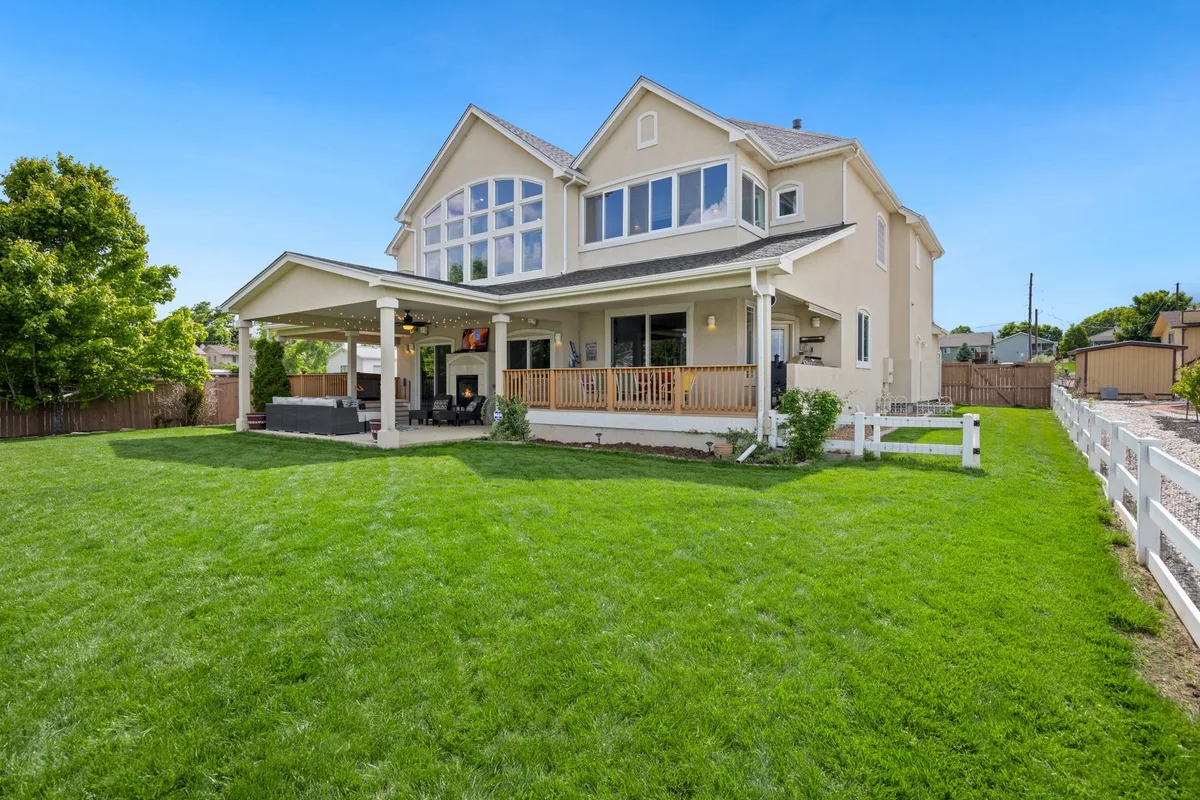
Bermuda grass is best for full-sun, high-traffic yards in zones 8 through 10. It handles dogs, kids, and parties. It requires frequent mowing during peak growth.
It will invade flower beds if you do not edge regularly.
Zoysia grass is best for moderate-traffic lawns in zones 6 through 10. It grows slower than Bermuda. It handles light shade better.
The trade-off is slow establishment. Zoysia can take two full seasons to fill in from plugs.
St. Augustine is best for coastal yards and shady southern properties. It has the best salt tolerance of any warm-season grass.
It needs more water than Bermuda or Zoysia. It does not handle heavy traffic well.
Kentucky Bluegrass is best for northern lawns that get consistent water. It creates the thickest, most uniform turf in the cool-season group. It needs full sun and regular fertilizer.
It struggles in drought without irrigation.
Tall Fescue is best for transition zone homeowners and northern yards with some shade. Its deep root system gives it better drought tolerance than Bluegrass. It stays green through winter.
It does not self-repair, so bare spots need overseeding.
Fine Fescue is best for shady, low-maintenance areas where you do not walk much. It needs little fertilizer. It handles acidic soil well.
It will not hold up to traffic.
Centipede grass is best for low-input southern lawns. It needs less fertilizer than any other warm-season grass. It grows slowly.
It turns yellow if you overfeed it.
Perennial Ryegrass is best for overseeding or quick patches. It germinates in five to seven days. It does not spread.
It needs full sun.
Be honest about your situation. If you have kids and a dog, do not plant Fine Fescue. If you hate mowing, do not plant Bermuda.
Match the grass to your reality, not your hopes.
Common Mistakes That Wreck a New Lawn Before It Starts
Most lawn failures happen before the seed goes in the ground. Here are the ones we see most often.
Planting the wrong grass for your zone. This is the number one mistake. Someone buys a bag of Bermuda seed in Ohio because they want a "southern-looking lawn." Bermuda will grow in Ohio. It will die every winter.
You will reseed every spring. Save yourself the trouble and pick a grass that matches your zone.
Planting at the wrong time. Warm-season grasses need soil temperatures above 65 degrees to germinate. Cool-season grasses need soil between 50 and 65 degrees. Planting too early or too late means poor germination and weed competition.
Check your local soil temperatures before you sow.
Skipping the soil test. Grass will not grow well in soil with the wrong pH. Most cool-season grasses prefer pH between 6.0 and 7.0. Warm-season grasses tolerate slightly lower pH.
A simple soil test from your local extension office tells you what you need. It costs about 15 dollars. It saves you from wasting money on fertilizer that does nothing.
Seeding too thick or too thin. Too much seed creates competition and weak plants. Too little seed leaves bare spots for weeds. Follow the recommended seeding rate on the bag.
For Tall Fescue, that is about 6 to 8 pounds per 1,000 square feet for new lawns. For Bermuda, it is 1 to 2 pounds.
Watering wrong. New seed needs consistent moisture. That means light watering two to three times per day. Mature grass needs deep, infrequent watering.
People often do the opposite. They water new seed too little and established lawns too much.
Mowing too short. Scalping a lawn stresses the grass. It opens the door for weeds and disease. Follow the recommended mowing height for your grass type.
Bermuda can handle low mowing. Tall Fescue cannot.
Ignoring thatch. Warm-season grasses like Bermuda and Zoysia build thatch over time. Thatch thicker than half an inch blocks water and nutrients. Annual dethatching keeps the lawn healthy.
If you avoid these mistakes, you are already ahead of most new lawns.
Pro Tips: Small Tweaks That Save You Time and Money
These are not complicated. They are the practical adjustments that experienced lawn owners figure out over years.
Mow high in summer. For cool-season grasses, raise your mower deck by half an inch when summer heat hits. Taller grass shades the soil and holds moisture. It reduces heat stress significantly.
Water in the morning. Watering between 5 AM and 9 AM reduces evaporation and gives the grass time to dry before night. Wet grass at night encourages fungal diseases. This single change can prevent more problems than any fungicide.
Leave the clippings. Grass clippings are free fertilizer. They break down quickly and return nitrogen to the soil. Do not bag them unless you are dealing with disease or heavy thatch.
Sharpen your mower blade. Dull blades tear the grass instead of cutting it. Torn grass tips turn brown and create entry points for disease. Sharpening once or twice per season makes a visible difference.
Apply the right fertilizer at the right time. Warm-season grasses need nitrogen in late spring through summer. Cool-season grasses need it in early fall and late spring. If you have established flower beds nearby, the same principle applies.
Aerate compacted soil. If your yard gets heavy traffic or has clay soil, core aeration once per year helps roots breathe. Do it in early fall for cool-season grass. Do it in late spring for warm-season grass.
Address drainage issues. Grass will not grow in standing water. Low spots that stay wet need grading or a French drain. This is not a quick fix.
It is the right fix.
These small habits compound. Each one makes the next season easier.
Frequently Asked Questions
Can I mix warm-season and cool-season grass seed?
You can, but it rarely works well long-term. The two types compete. One will dominate and the other will thin out.
The result is a patchy lawn that looks different each season. Stick with one type for your base lawn.
Will warm-season grass survive in the North?
Not reliably. Warm-season grasses go dormant during cold winters. Extended freezing temperatures kill the roots.
Some homeowners in zone 6 try Zoysia with mixed results. For zones 5 and colder, stick with cool-season varieties.
Can I overseed my warm-season lawn with ryegrass for winter color?
Yes. This is common in the South. Mow your Bermuda or Zoysia lawn low in September.
Spread annual ryegrass seed. Water it in. The ryegrass stays green all winter and dies off in late spring as the warm-season grass wakes up.
You do need to mow through winter.
What is the easiest grass to maintain?
Centipede grass for warm-season zones and Fine Fescue for cool-season zones. Both grow slowly and need less fertilizer and mowing. Neither handles heavy traffic.
If you want a low-effort lawn, these are your best options.
How long does it take for new grass to establish?
From seed, cool-season grasses germinate in 7 to 14 days. Warm-season grasses take 10 to 21 days. Full establishment takes 6 to 8 weeks for most types.
Zoysia from plugs takes much longer, up to two growing seasons.
Do I need to water my dormant lawn?
Dormant grass does not need regular watering. If you go more than four weeks without rain in winter, give it a light watering to prevent crown dehydration. Do not try to green it up.
Dormant grass is supposed to be brown.
Your Final Decision Guide: One Clear Recommendation
Here is the simplest way to decide.
If you live in zones 3 through 6: Plant Tall Fescue for shade or drought tolerance. Plant Kentucky Bluegrass for a dense, high-quality lawn with consistent watering.
If you live in zones 8 through 10: Plant Bermuda grass for full sun and traffic. Plant St. Augustine for shade and coastal areas.
Plant Centipede grass for low maintenance.
If you live in the Transition Zone (zones 6 through 7): Plant Tall Fescue if you want winter green and can water in summer. Plant Zoysia if you want summer green and can tolerate winter brown.
If you have deep shade: Accept that grass will not thrive. Consider ground covers or mulched beds instead.
That is it. Three questions. Three zones.
One right answer for your yard.
Your lawn does not need to be perfect. It just needs to be the right grass for where you live. Plant what belongs there.
Water it the way it wants. Mow it at the right height. Everything else is just maintenance.