Why Soil Ph Matters 2026
You water your garden. You buy decent soil. You even remember to fertilize.
But your plants still look pale, stunted, or just plain sad. This is exactly why soil pH matters, and it’s the first thing most gardeners overlook.
Think of pH as the gatekeeper of your garden. It doesn’t just measure acidity or alkalinity. It controls whether your plants can access the nutrients sitting right at their roots.
According to the USDA’s Soil Survey data, the ideal pH for most vegetables falls between 6.0 and 7.0. Outside that range, even rich soil becomes a desert. Let’s break down what pH really does, why getting it wrong is so risky, and how to fix it safely.
Quick Answer
Soil pH determines nutrient availability. Most garden crops thrive between 6.0 and 7.0. Acidic soil locks up phosphorus and calcium.
Alkaline soil traps iron and manganese. A simple test prevents months of frustrated watering and wasted fertilizer.
Why Accuracy Matters: One Mistake Can Starve Your Plants
A single point on the pH scale makes a huge difference. Drop from 6.5 to 5.5, and your plants stop absorbing phosphorus. Move up to 7.5, and iron becomes unavailable.
Leaves turn yellow. Growth slows. You start blaming bugs or bad weather.
The real problem is that pH affects the cation exchange capacity (CEC) of your soil. That’s a fancy way of saying how well your soil can hold onto nutrients. In our research, the optimal CEC range lines up closely with a pH between 6.0 and 7.0.
Outside that window, nutrients wash away or get chemically locked.
Here’s a quick look at how pH affects key nutrients:
| Nutrient | Available Below pH 6.0 | Available Above pH 7.5 | Best pH Range |
|---|---|---|---|
| Nitrogen | Limited | Limited | 6.0 – 8.0 |
| Phosphorus | Locked up | Locked up | 6.0 – 7.0 |
| Potassium | Good | Good | 6.0 – 7.5 |
| Iron | Good | Locked up | 4.5 – 6.5 |
| Zinc | Good | Locked up | 5.5 – 7.0 |
That table does a good job showing why most gardens sit right around 6.5. It’s the sweet spot. If you’re having trouble with your flower beds or vegetables, checking the pH is the smart first step before throwing on more fertilizer.
Proper soil preparation gives you a much better shot at healthy growth.
What Soil pH Actually Does (It’s Not Just About Acidity)
Most people think pH is just about acid versus alkaline. It’s more than that. pH is a measure of hydrogen ion concentration. The fewer hydrogen ions, the more alkaline the soil.
The more, the more acidic.
That chemistry determines how tightly soil particles hold onto nutrients. Acidic soil tends to release aluminum and manganese too freely. Those can reach toxic levels for plants.
Alkaline soil binds iron, manganese, and zinc so tight that roots can’t pry them loose.
Soil biology also shifts with pH. Bacteria prefer near-neutral conditions. Fungi handle more acidic soils.
If your soil gets too acidic, bacterial activity drops. Organic matter breaks down slower. Nutrient cycling stalls.
It’s also why water pH matters. If you’re using well water or hard municipal water, it can slowly push your soil pH up. Over a few seasons, you might shift a full point without realizing it.
For the same reason, the type of organic fertilizer you choose matters. Fast-release synthetic fertilizers often acidify soil over time. Slow-release blends balanced for your pH range protect long-term soil health.
The Real Danger: Nutrient Lockout and Toxicity
Nutrient lockout sounds dramatic because it is. Your soil can be full of nutrients, but your plants starve. The pH blocks the chemical pathway that lets roots absorb them.
Here’s a common scenario. A gardener notices yellow leaves on their rhododendrons. They add more nitrogen.
Nothing changes. They add iron. Still nothing.
The problem is soil pH above 7.0, locking up iron and manganese. No amount of fertilizer fixes a lockout. Only correcting the pH unlocks the nutrients.
On the flip side, acidic soil can push aluminum and manganese into toxic ranges. You see stunted roots, brown spotting, and overall poor vigor. The plants aren’t underfed.
They’re poisoned.
Symptoms of pH-related issues include:
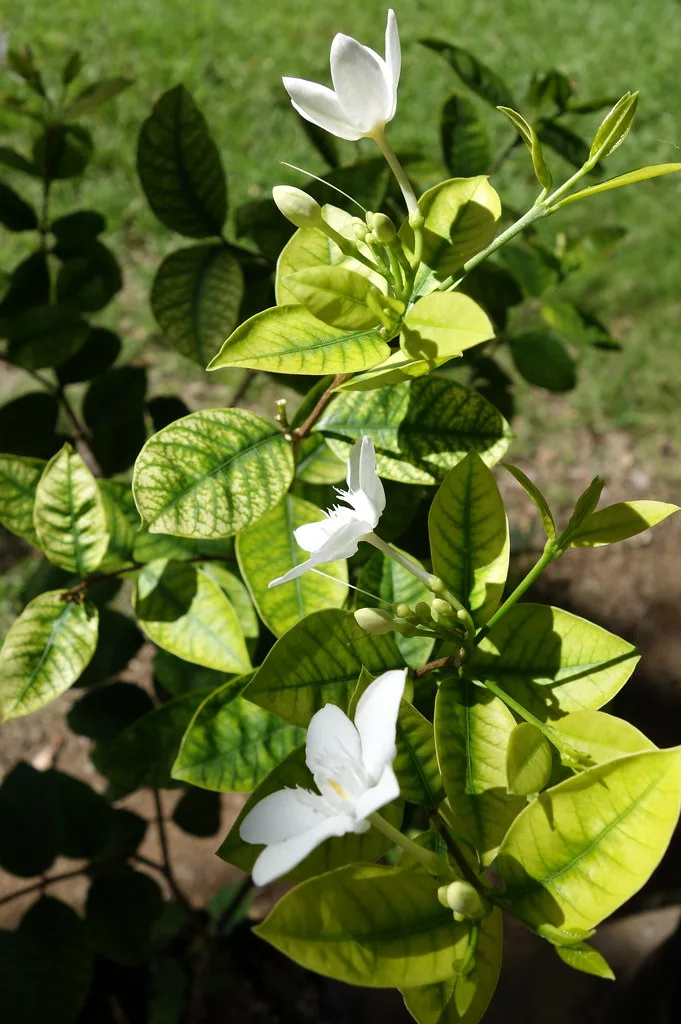
- Yellow leaves with green veins (iron chlorosis)
- Purple or red stems (phosphorus lockout)
- Stunted growth despite feeding
- Brown leaf edges and tip burn
- Poor fruit or flower set
Healthy soil keeps your plants resilient. If you’ve been fighting fungal problems, pH could be the real cause. Weak plants from pH stress get sick faster.
Good soil health takes care of a lot of problems up front.
How to Test Soil pH the Right Way (Don’t Guess)
Guessing leads to wasted money and dead plants. Testing is cheap and easy. You have three main options, and they aren’t all equal.
Option 1: Lab test through your county extension office. This is the gold standard. Cost runs around $10 to $20. You get exact pH, buffer pH (how resistant your soil is to change), and nutrient recommendations.
Turnaround is one to two weeks.
Option 2: A home test kit. The dye-based kits cost $10 to $15. They give you a general range, like “5.5 to 6.5.” Good enough for most home gardeners if you follow the instructions carefully. Bad news: they’re easy to misread.
Many people get the color wrong in dim light.
Option 3: A digital pH meter. These run $30 to $60 for a decent model. Cheaper ones drift fast and need frequent calibration. Good ones work well if you keep them clean.
Follow the manufacturer’s instructions exactly. Never stick a meter into dry soil.
The process is straightforward:
- Collect soil from 5 to 7 spots around your garden. Dig 4 to 6 inches deep.
- Mix all samples in a clean plastic bucket. Remove roots and rocks.
- Let the soil air dry for a day.
- Send the sample or test it per the kit instructions.
- Test every spring and every fall. pH shifts over time.
Learning how to start a garden the right way means testing first. It saves you headaches later.
Raising pH Safely: Lime Types, Rates, and Timing
If your soil is too acidic, lime is the fix. But not all lime is the same.
Calcitic lime (calcium carbonate) adds calcium and raises pH. Dolomitic lime adds calcium and magnesium. If your soil is already high in magnesium, calcitic lime is the better choice. Too much magnesium locks up potassium.
Pelletized lime is cleaner to handle than powdered. It spreads evenly and works slightly faster. But it still takes 6 to 12 months to reach full effect.
Application rates depend on your soil type. Sandy soil needs less lime. Clay soil needs more.
A typical rate on loam to raise pH by one point is about 5 pounds per 100 square feet.
Here’s a general guide:
| Soil Texture | Lime Needed (per 100 sq ft to raise pH 1 point) |
|---|---|
| Sand | 2 – 3 lbs |
| Loam | 4 – 5 lbs |
| Clay | 6 – 7 lbs |
Don’t apply more than 5 pounds per 100 square feet in a single season. Over-liming causes iron and zinc deficiencies. You can always add more next year.
Work lime into the top 6 inches of soil. Water it in well. Then wait.
Retest after 6 months before making another adjustment. Patience pays off here. Changing soil pH is a long game, but it’s the only safe one.
Lowering pH Without Burning Roots: Sulfur, Aluminum Sulfate, and Organic Options
If your soil is too alkaline, you need to bring the pH down. But do it too fast and you’ll damage roots. Do it with the wrong material and you might make things worse.
Elemental sulfur is the safest bet. It works slowly. Soil bacteria convert it into sulfuric acid over several months.
That gradual shift gives roots time to adjust. A typical rate is 1 to 2 pounds per 100 square feet on loam soil to lower pH by one point. Always water it in after application.
Aluminum sulfate works faster but carries risk. It reacts with soil moisture almost immediately. That speed can shock root systems if you overdo it.
Use it only when you need quick results before a planting season. Follow package rates closely. Half a pound per 10 square feet is a common starting point for a one-point drop.
Organic options are gentlest. Peat moss, pine bark, and composted leaves all acidify soil as they break down. The tradeoff is volume.
You need a lot. For a raised bed, mixing in a 2-inch layer of peat moss can lower pH by about half a point. Pine needles work too but take a full season to show effect.
Which method should you choose? Our research suggests this rule of thumb: if you can wait, use sulfur. If you need results this season, use aluminum sulfate at half the recommended rate.
If you’re building new beds, mix in organic material from the start. This is especially important if you’re planting acid lovers like blueberries or azaleas in your flower beds.
Common pH Mistakes That Wreck Gardens (and How to Avoid Them)
The most common mistake is testing once and assuming the number is permanent. pH shifts with every season. Rainfall leaches calcium, driving pH down. Hard irrigation water pushes it up.
Without annual testing, you’re flying blind.
Mistake 1: Adding lime or sulfur without a test. You wouldn’t season food without tasting it. Same logic applies. A $15 test kit saves months of frustration.
Mistake 2: Applying too much amendment at once. More is not faster. Over-liming locks up iron and zinc. Over-sulfurizing can drop pH below 4.0, killing soil bacteria.
Always stick to the recommended rate.
Mistake 3: Ignoring soil type. Sandy soil changes pH quickly. Clay resists change. If you apply the same lime rate to clay that you use on sand, you’ll barely move the needle.
Mistake 4: Forgetting water pH. Hard water with high alkalinity slowly raises soil pH. Over several seasons, it can shift a full point. If you notice a steady upward trend, test your irrigation water.
Mistake 5: Assuming all plants want neutral pH. Blueberries thrive at 4.5 to 5.5. Asparagus loves 7.0 to 8.0. One-size-fits-all thinking kills specialty plants.
If you see yellow leaves with green veins on your acid-loving shrubs, it’s likely iron chlorosis from high pH.
Weak plants from pH stress also invite disease. That’s why checking your soil is smart before applying any fungicide for lawns or garden.
When DIY Testing Isn’t Enough: Sending to a Lab
Home test kits give you a range. Lab tests give you precision. If you’re dealing with persistent problems or planning a major garden overhaul, spend the $10 to $20.
Here’s what a lab test provides that a home kit doesn’t:
- Exact pH measurement (not a range)
- Buffer pH (how resistant your soil is to change)
- Organic matter percentage
- Nutrient levels (N, P, K, calcium, magnesium, sulfur)
- Cation exchange capacity
- Specific amendment recommendations
The process is simple. Your county extension office or a university soil lab provides a mail-in kit. You collect samples the same way as a home test.
Then bag, label, and ship them. Results come back in one to two weeks.
Who should use a lab test? Anyone growing high-value crops like fruit trees, berries, or vegetables where yield matters. If you’re dialing in the best fertilizer for pomegranate trees or other heavy feeders, a lab test takes the guesswork out of what they actually need.
Home tests are fine for general maintenance. Labs are for diagnostics and precision.
How Often to Test and Adjust for Long-Term Soil Health
Plan to test twice a year. Early spring before planting and late fall after harvest. That gives you baseline readings for the growing season and a chance to adjust before winter.
Spring testing tells you what winter rains did to your pH. Fall testing shows the effect of your summer irrigation and fertilizer choices. Over a few years, you’ll spot trends.
Maybe your soil is slowly acidifying from heavy rain. Or your well water is pushing it alkaline.
Adjustments should never be abrupt. Split amendments into two applications if you need more than the recommended single-season rate. Apply half in spring, half in fall.
This prevents shocking the soil biology.
For long-term stability, focus on organic matter. Compost, aged manure, and cover crops buffer pH naturally. They prevent wild swings.
A soil rich in organic matter holds pH steady even when conditions change. If you’re managing fruit trees or a permanent garden bed, building organic matter is the best long-term investment you can make.
Best organic fertilizer for fruit trees works best when the pH is correct. Otherwise, those nutrients stay locked in the soil, unreachable.
Quick Reference: Target pH Ranges for Common Plants
This table covers the most common garden plants. Keep it bookmarked for planting season.
| Plant Type | Ideal pH Range |
|---|---|
| Blueberries | 4.5 – 5.5 |
| Rhododendrons / Azaleas | 4.5 – 6.0 |
| Potatoes | 5.0 – 6.0 |
| Tomatoes | 5.5 – 7.0 |
| Peppers | 5.5 – 7.0 |
| Beans | 6.0 – 7.0 |
| Carrots | 6.0 – 7.0 |
| Lettuce | 6.0 – 7.0 |
| Most lawn grasses | 6.0 – 7.0 |
| Asparagus | 7.0 – 8.0 |
| Lavender | 7.0 – 8.0 |
| Roses | 6.0 – 7.0 |
| Hydrangeas | 5.0 – 6.5 (blue flowers) / 6.5 – 7.5 (pink) |
A few things stand out here. Blueberries demand very acidic soil. If you try growing them in neutral soil, they will struggle.
Asparagus is the opposite. It thrives on alkaline ground.
For indoor plants, the ranges are similar. Most houseplants prefer slightly acidic soil around 6.0 to 6.5. If you’re struggling with plants for a south east facing window or other tricky indoor spots, a pH check is a smart first step.
Matching the plant to the pH is far easier than fighting nature.
Final Verdict: What Every Gardener Should Remember About pH
Soil pH is the hidden factor that determines success or failure. You can water perfectly, choose the right fertilizer, and pick the best plants. If the pH is off, nothing works right.
Here is what to take away from all of this. Test before you plant. Test every season.
Know the target range for each crop. Adjust slowly with the right amendment. Build organic matter to buffer pH over time.
The biggest lesson is simple. Don't guess. A $15 test kit or a $20 lab test saves you months of frustration and wasted money.
Whether you're growing tomatoes on a patio or managing a full vegetable garden, pH is the foundation everything else rests on.
As of 2026, the tools are better and cheaper than ever. Digital meters under $50 give reliable readings if calibrated properly. Lab tests return within two weeks.
There is no excuse for flying blind.
Start with a test. Then adjust with patience. Your plants will show you the difference.
Frequently Asked Questions
How long does it take to change soil pH?
Lime takes 6 to 12 months for full effect. Sulfur takes 3 to 6 months. Aluminum sulfate works in weeks but can harm roots if overapplied.
Plan ahead and adjust the season before you plant.
Can I use vinegar to lower soil pH?
Vinegar works temporarily but it is not a practical solution. It lowers pH for a few days then wears off. The amount needed for a garden bed would be impractical and expensive.
Stick with sulfur or organic matter.
What happens if soil pH is too high?
High pH locks up iron, manganese, and zinc. Leaves turn yellow with green veins. Growth slows.
Plants become weak and more susceptible to disease. Alkaline soil above 7.5 requires active correction for most garden crops.
Do indoor plants need pH testing?
Yes. Most houseplants prefer a pH between 6.0 and 6.5. Potting soil pH drifts over time as fertilizers and water accumulate.
A simple test every six months helps catch problems before leaves start yellowing.
Is it safe to use wood ash to raise pH?
Wood ash raises pH quickly and adds potassium. But it can spike pH too fast if overapplied. Never use ash from pressure treated or painted wood.
Limit application to 5 to 10 pounds per 100 square feet per year.
Can I grow blueberries in neutral soil?
Not successfully without amending the soil. Blueberries need a pH between 4.5 and 5.5. In neutral soil they develop iron chlorosis and struggle.
Lower the pH with sulfur or peat moss before planting, then maintain it annually.