Guide to Signs of Fungal Disease in Plants 2026: Quick Guide
You've found a mysterious spot on your favorite houseplant, or maybe a weird powder on your tomato leaves. It's frustrating. You want to know what it is, whether it's going to kill your plant, and what to do about it.
The problem is a lot of plant problems look the same from a distance. Learning the specific Signs of Fungal Disease in Plants is the difference between a quick fix and a total loss.
More than 80 percent of plant diseases in home gardens are caused by fungal pathogens, according to research from university extension services. These organisms thrive on moisture and poor airflow. The good news is most are treatable if you catch them early and use the right approach.
Let's walk through what to look for and what each symptom actually means.
Quick Answer
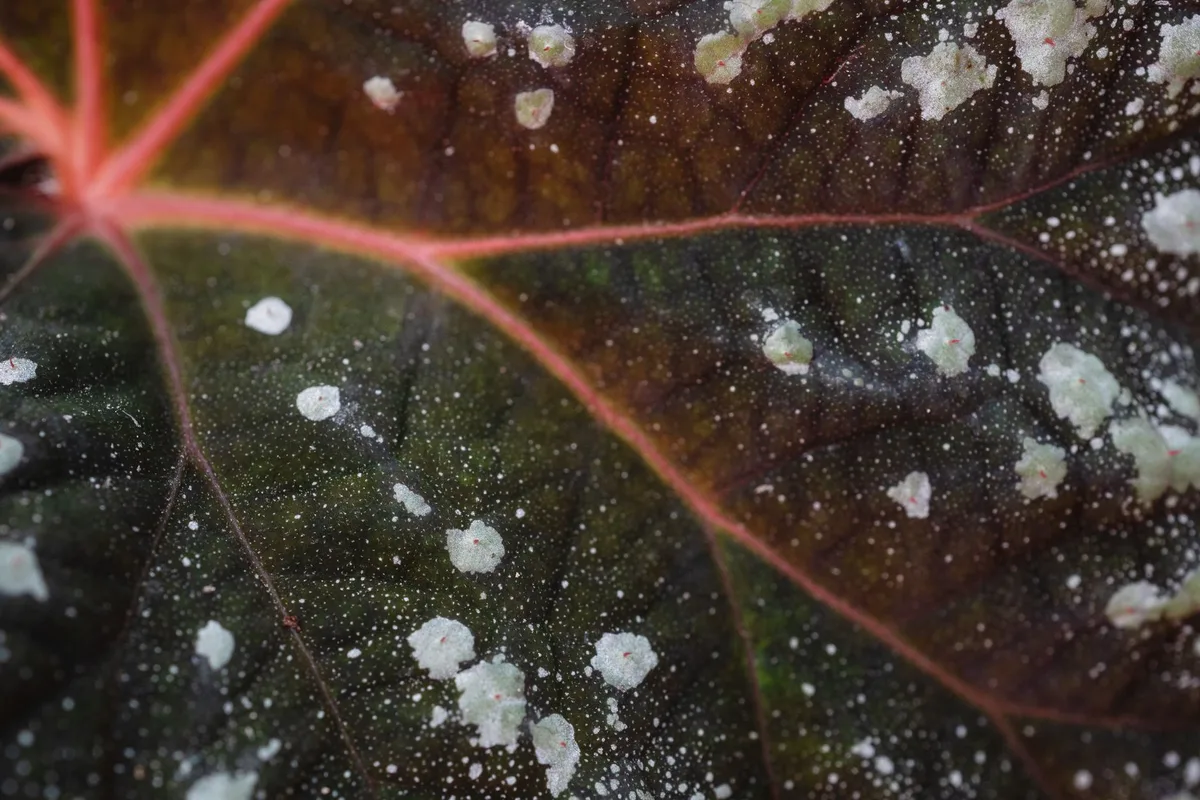
Look for visual clues like white powder, black spots with yellow halos, or orange pustules. Check the leaf undersides and stem base. Fungal diseases often show irregular spots, fuzzy growth, or a musty smell.
Compare what you see against the common diseases below and use the wipe test to confirm.
Why This Is Harder Than It Looks
A single brown spot on a leaf could be a few different things. It might be a fungal infection, a bacterial problem, sunburn, or even pest damage. Treating for the wrong thing wastes your time and money.
It can also stress the plant further.
The real challenge is that many fungal diseases mimic each other early on. Powdery mildew starts as a faint white fuzz that looks like dust. Downy mildew begins as pale yellow patches on the top of the leaf, but the real clue is underneath.
You cannot skip the undersides. You also need to consider the plant's environment. High humidity and poor air circulation are the main triggers.
In our research, the number one mistake home gardeners make is spraying a fungicide without identifying the specific disease first. They use a general product and hope for the best. That rarely works.
You need to match the treatment to the problem. That starts with a careful visual inspection.
The 60-Second Visual Investigation
Before you reach for any spray, do this quick check. It takes about a minute and gives you a solid starting point.
First, inspect the leaf tops. Look for spots, discoloration, or any powdery coating. Note the color, shape, and pattern of the spots. Are they circular or irregular?
Are they clustered or spread out?
Second, flip the leaf over. This is where many fungal signs hide. Downy mildew produces purple or gray fuzz on the underside. Rust pustules also form there.
If you skip this step, you miss the most telling evidence.
Third, check the stem and soil line. Look for mushy stems, dark lesions, or white fuzz near the base. That often points to root rot or stem rot. Also, smell the soil.
A musty or sour odor is a red flag.
Fourth, do the wipe test. Take a clean finger or a dry paper towel and gently wipe the spot. If it comes off easily, it might be powdery mildew or sooty mold. If it stays, it's likely a structural fungal infection or a bacterial issue.
This simple test rules out two common lookalikes instantly.
The Most Common Fungal Diseases (and How to Tell Them Apart at a Glance)
Here are the fungal diseases you're most likely to encounter in a home garden or on houseplants. Each has a distinct visual signature.
Powdery Mildew
Look for white or grayish powder on the tops of leaves. It looks like someone dusted the plant with flour. It usually starts on upper leaves and new growth.
It can spread to stems and buds. It wipes off easily with a finger. It thrives in moderate humidity with warm days and cool nights.
Downy Mildew
This one is trickier. You'll see yellow or pale green angular spots on the top of the leaf. The real giveaway is on the underside.
Look for purple, gray, or white fuzzy growth. It thrives in cool, wet conditions. It does not wipe off like powdery mildew.
Black Spot
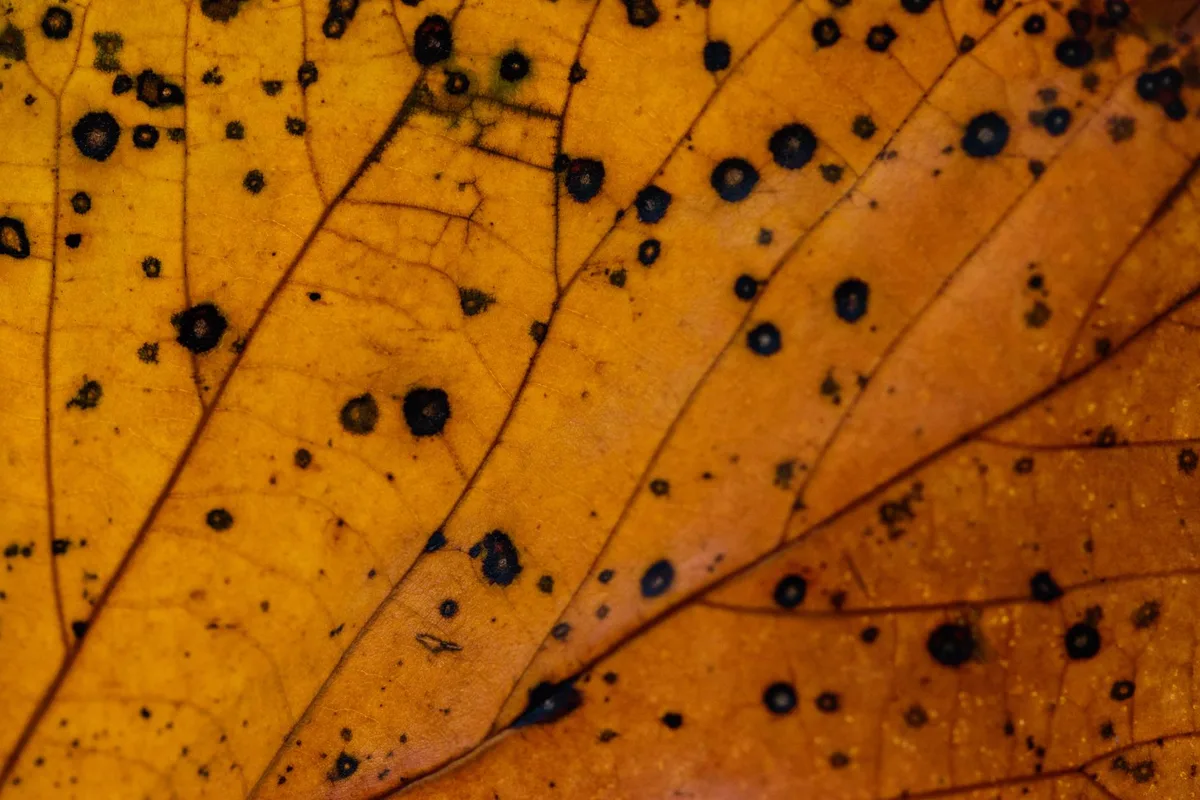
This is very common on roses. You get round black spots with feathery or irregular edges. They often have a yellow halo around them.
The leaves turn yellow and drop early. It starts on lower leaves and moves up. Spores splash up from the soil during rain or watering.
Rust
You'll see orange, red, or brown pustules on the leaf underside. They look like tiny blisters. When you rub them, a rusty powder comes off.
The leaf tops may show yellow spots. It can cause leaf drop and weak growth. It loves warm, humid weather.
Botrytis (Gray Mold)
This one looks like a soft, fuzzy gray coating. It often appears on dead or dying tissue first. It can make leaves and flowers turn brown and mushy.
A musty smell is common. It thrives in cool, damp conditions with poor air circulation.
Anthracnose
Dark, sunken lesions appear on leaves, stems, and fruit. The spots are often irregular and may have a dark border. You might see leaf curling and premature drop.
It spreads quickly in wet weather.
Root Rot
The above-ground signs are subtle at first. Leaves turn yellow, wilt, and drop. Growth slows.
The plants look thirsty even when the soil is wet. The real proof is underground. The roots become brown, mushy, and smell rotten.
This is often caused by overwatering or poorly draining soil.
Still Not Sure? Here's the Quick Lookalike Cheat Sheet
Even with a good description, it's easy to confuse one problem with another. Here is a quick reference for the most common mix-ups.
Fungal Spot vs. Bacterial Spot vs. Sunburn
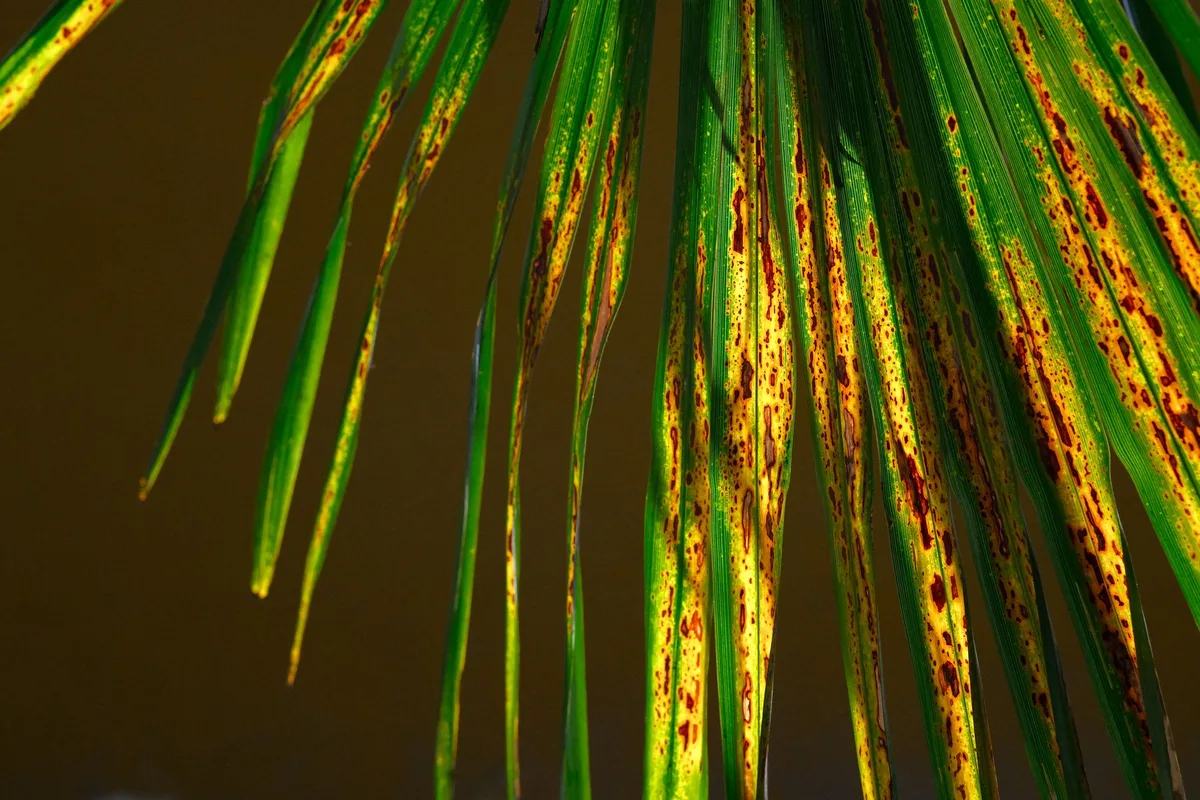
Fungal spots often have a defined border and a powdery or fuzzy center. Bacterial spots look water-soaked and may have a yellow halo, but the center is usually dry and cracked. Sunburn produces a uniform bleached area, not a distinct spot with a border.
Sunburn also appears on the side of the plant that gets the most direct light.
Powdery Mildew vs. Sooty Mold
Both look like a dark or white coating. The key difference is the source. Powdery mildew is a fungal infection that grows on the leaf itself.
Sooty mold grows on the sticky honeydew left by insects like aphids or scale. If you see sooty mold, you also have a pest problem. The sooty mold wipes off easily, but it will come back until you control the insects.
Downy Mildew vs. Botrytis
Both produce fuzzy growth, but the location and color differ. Downy mildew is almost always on the underside of the leaf, and the fuzz is purple or gray. Botrytis appears on any dead or dying tissue, including flowers and stems, and the fuzz is distinctly gray and soft.
Downy mildew makes angular spots; Botrytis makes the tissue brown and mushy.
What to Do Once You Spot It
You have identified the problem. Now act quickly. Fungal spores spread fast in the right conditions.
A delay of just a few days can mean the difference between saving the plant and tossing it.
Step 1: Quarantine the plant. Move it away from other plants immediately. A separate room or a far corner works. Fungal spores travel through air, water splashes, and your hands.
Isolation stops the spread while you treat the source.
Step 2: Remove the worst leaves. Use clean, sharp pruners. Cut off any leaf that is more than 50 percent damaged. Also remove any fallen debris from the soil surface.
Bag the trimmings and toss them in the trash. Do not compost infected plant material. Home compost piles rarely get hot enough to kill fungal spores.
Step 3: Improve air flow and reduce leaf wetness. This is the most overlooked step. Space your plants out. Point a small fan at the plant on low speed.
Water at the soil level, not overhead. Wet leaves are an invitation for more fungal growth. Aim to keep foliage dry by mid-morning.
Step 4: Choose your treatment. For mild cases, start with cultural changes and a simple homemade spray. Mix one teaspoon of baking soda with a quart of water and a few drops of mild soap. Spray weekly.
For tougher infections, you may need a commercial fungicide. We cover that in the next section.
Three Big Mistakes That Ruin Treatment
Spraying the wrong fungicide. This is the most common error. Copper fungicide works well for rust and leaf spot. It does almost nothing for powdery mildew.
Sulfur is great for powdery mildew but can harm some plants in hot weather. Using a general "all purpose" spray often means you get weak results. Match the active ingredient to the disease.
Treating only the top of the leaf. Many fungal diseases start on the underside. If you only spray the top, you miss the main infection site. You must coat both sides of every leaf.
Also spray the stems and the soil surface. Flip those leaves up and aim the nozzle directly at the undersides.
Ignoring the root zone. Above-ground symptoms often start below ground. Overwatering creates the perfect environment for root rot. If your plant shows yellowing leaves and wilting despite wet soil, the roots are likely suffering.
Let the soil dry out between waterings. Consider repotting into fresh, well-draining mix. A proper watering schedule prevents more fungal problems than any spray ever will.
A well-balanced fertilizer routine also helps. Stressed plants are more vulnerable. If your plants are in good health, they fight off infections more effectively.
Check our guide on the best plant fertilizer for indoor plants for tips on keeping your plants robust.
When to Reach for a Fungicide (and Which One)
Not every fungal problem needs chemicals. But some situations call for them. Here is how to decide.
Contact fungicides work on the surface. They kill spores on contact and prevent new ones from germinating. Copper, sulfur, and neem oil are common examples.
Use these when the infection is mild and spotted early. Reapply after rain, because water washes them off.
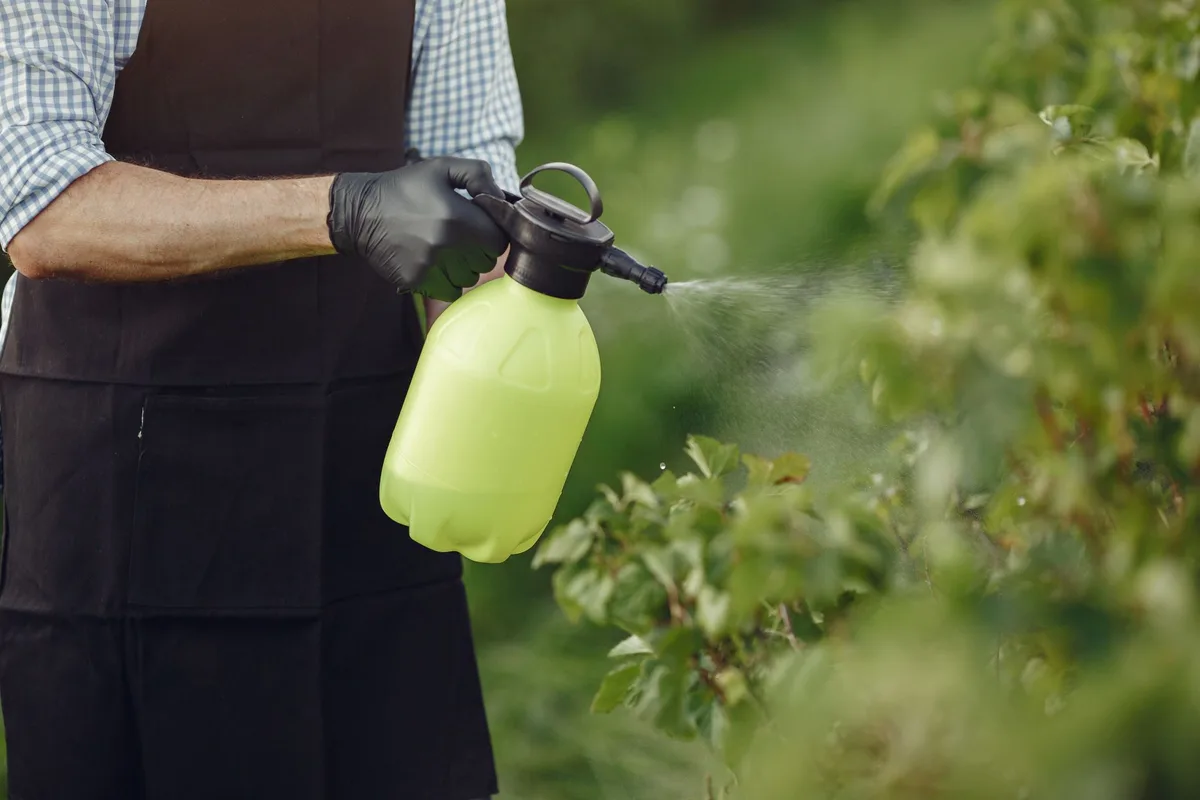
Systemic fungicides get absorbed into the plant tissue. They move through the vascular system and protect from the inside. These are better for deep infections like wilt diseases or when the disease is spreading fast.
Look for active ingredients like propiconazole or myclobutanil.
Organic options that work. Neem oil is a solid choice for mild mildew and rust. It also repels some insects. Sulfur is organic and effective for powdery mildew.
But never use sulfur on plants treated with horticultural oil within two weeks. The combination burns leaves.
Safety basics. Wear gloves, a mask, and eye protection when mixing or spraying. Check the label for the pre-harvest interval if you are treating edibles. Do not spray when pollinators are active.
Early morning or late evening is best. Never dump leftover mix down the drain. Store fungicides in their original containers out of reach of children.
For lawn-specific fungal issues, our guide on the best fungicide for lawns covers the timing and products that work for turf grass.
When the Plant Is a Goner (Knowing When to Toss It)
Sometimes you cannot save it. Knowing when to stop trying saves you time and prevents the disease from spreading.
Signs that treatment won't work. If more than half the leaves are dead or yellow, the plant is too stressed to recover. If the stem is mushy at the base or the roots are completely brown and slimy, it is done. If you have treated it twice with the correct fungicide and the disease keeps spreading, it is time to let go.
How to dispose of infected material. Bag the entire plant in a plastic garbage bag. Seal it tightly. Put it in the trash.
Do not compost it. Do not leave it in a pile in the yard. Fungal spores can survive in dead plant material for months.
They will reinfect your next planting.
What to do differently next time. Start with clean soil and pots. Choose disease-resistant varieties when available. Space plants for good airflow.
Water at the soil level. Remove old leaves regularly. These simple habits prevent most fungal problems.
For indoor plants, avoid overwatering. Many people kill their houseplants with kindness. Root rot is almost always caused by too much water and not enough drainage.
A Quick Reference Table for Your Garden Shed
Here is a cheat sheet you can print and keep near your gardening tools. It covers the most common diseases, their key visual signs, and the best first move.
| Disease | Key Visual Sign | Where It Shows Up | Best First Move |
|---|---|---|---|
| Powdery Mildew | White powder that wipes off | Upper leaf surfaces, new growth | Improve airflow, apply sulfur |
| Downy Mildew | Purple/gray fuzz on underside | Leaf undersides, angular yellow spots | Remove affected leaves, apply copper |
| Black Spot | Round black spots with yellow halo | Lower leaves on roses | Remove infected leaves, apply sulfur |
| Rust | Orange/brown pustules | Leaf undersides | Remove leaves, apply copper |
| Botrytis | Gray fuzzy mold | Dead tissue, flowers, stems | Increase ventilation, remove dead material |
| Anthracnose | Dark sunken lesions | Leaves, stems, fruit | Prune affected parts, apply copper |
| Root Rot | Yellow leaves, mushy roots, smell | Root zone, soil line | Stop watering, repot in dry fresh soil |
Keep this table handy. A quick glance can save you a lot of guesswork when you spot something unusual on your plants.