Guide to Can Trees Recover From Borer Damage: Quick Guide
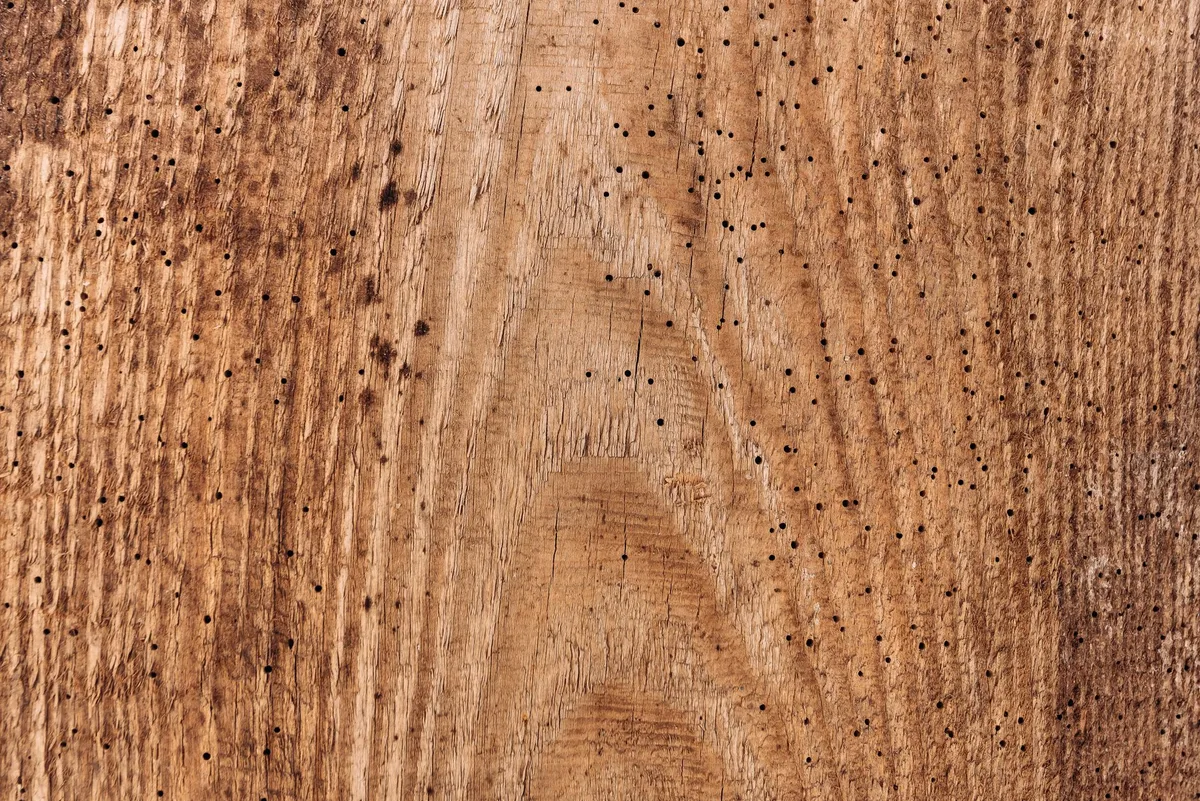
You’ve spotted thinning leaves, sawdust-like stuff near the trunk, or maybe small holes in the bark. It’s a sinking feeling, are borers inside? The big question, “Can Trees Recover from Borer Damage,” has a real answer, but it depends on a few hard numbers you can check yourself.
Some trees bounce back completely. Others are a lost cause before you even see the first sign.
In our research, the single best predictor of recovery isn’t how scary the holes look, it’s how much of the tree’s canopy is still alive and how far the damage goes around the trunk. As of 2026, arborists use two specific thresholds that separate recoverable trees from ones that need to come down. Let’s walk through those numbers first, because they change everything.
Quick Answer
Yes, but only if the damage is caught early. Trees with less than 30% canopy dieback and less than 75% trunk girdling often recover with treatment. Severe damage usually means removal is safer.
Recovery takes two to three years.
Why “Can It Recover?” Isn’t a Simple Yes or No
Here’s the thing: borers don’t kill trees the same way a disease or drought does. They burrow into the vascular tissue, the cambium layer just under the bark, and slowly cut off the flow of water and nutrients. A tree can look healthy on the outside while its circulatory system is being destroyed from within.
That’s why you can’t just glance at a trunk and know. Some trees soldier on with a surprising amount of internal damage. Others collapse fast.
The key is quantifying the damage rather than guessing. Once you understand the two metrics that arborists use, you’ll have a much clearer picture of whether your tree has a fighting chance.
The Two Numbers That Predict Recovery Better Than Anything
Arborists don’t rely on feelings. They rely on two concrete measurements: canopy dieback percentage and trunk girdling percentage. These two numbers, taken together, give you an 80% accurate prognosis without any fancy equipment.
Canopy Dieback: Less Than 30% Is Your Green Light
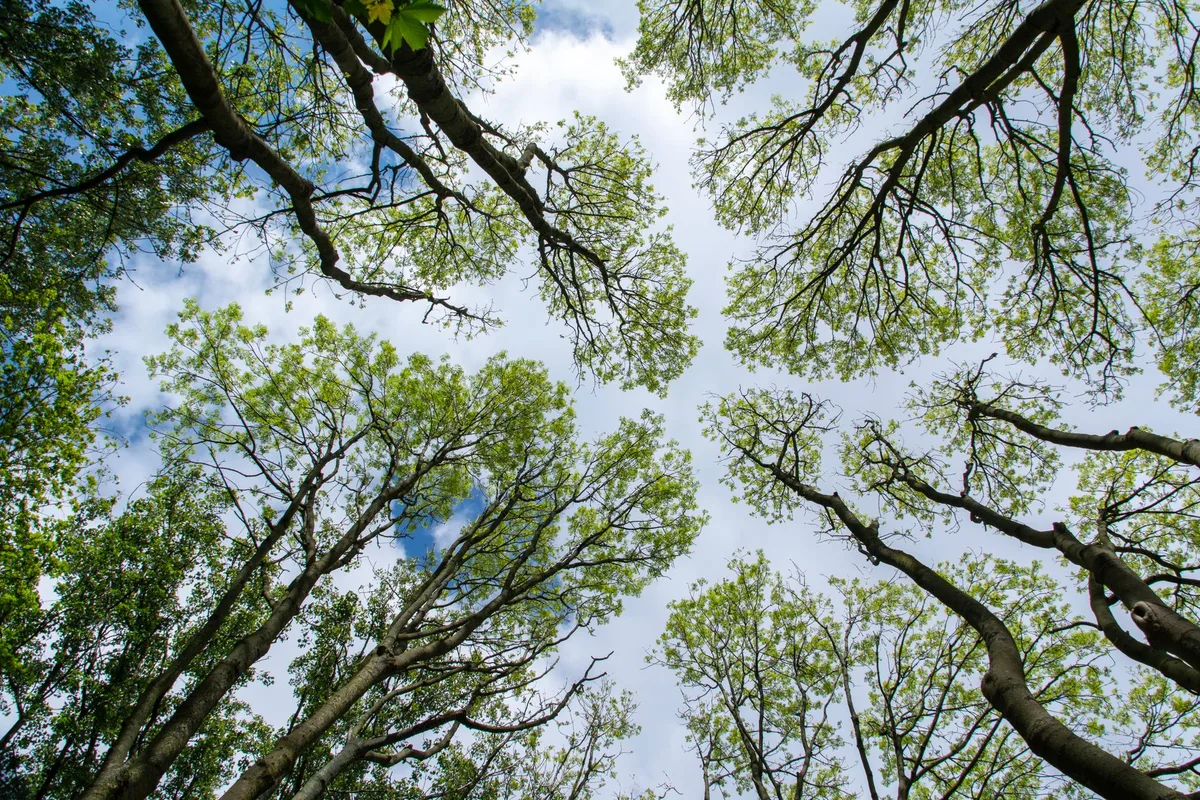
Look up at the tree’s crown. Estimate how much of the leafy part is dead, thinning, or missing leaves. If it’s less than 30% of the canopy, the tree has enough energy reserves to recover with help.
Between 30% and 50% is a gray zone, recovery is possible but less likely, and professional treatment is non-negotiable. Above 50% canopy dieback, the tree is in serious trouble. Most arborists will recommend removal at that point.
Girdling Percentage: When 75% Means Game Over
Take a close look at the trunk where you see the exit holes or bark damage. Imagine the circumference of the trunk. Now estimate what percentage of that circumference has been damaged, cracked bark, exit holes, oozing sap, or dead bark patches.
If more than 75% of the circumference is affected, the tree’s vascular system is too broken to deliver water to the canopy. Even with the best treatment, it rarely recovers fully. Under 50%?
You have a real shot.
How Tree Species Changes Your Odds
Not all trees face the same odds. Some species are naturally more resistant to borers, while others are basically a welcome mat. Knowing your tree type helps set realistic expectations.
High-Risk Species (Ash, Birch, Fruit Trees)
Ash trees are famously vulnerable to the emerald ash borer. Once that pest gets in, recovery is tough because the beetle attacks aggressively and reproduces fast. Birch trees also struggle, especially with bronze birch borer.
Fruit trees like peach, plum, and cherry are prime targets for peach tree borer. If you have one of these, you need to act quickly. Delaying even one season can be fatal.
Moderate-Risk Species (Oaks, Maples)
Oaks and maples are hardier. They can tolerate some borer activity, especially if they’re healthy and mature. However, stressed trees, ones dealing with drought, compaction, or root damage, lose that advantage fast.
A healthy oak can shrug off a few borers. A stressed oak can’t. If you’ve got one of these, focus on boosting the tree’s overall health as your first line of defense.
Flatheaded vs Roundheaded Borers: Why It Matters
Borers come in two main groups, and they damage trees differently. Flatheaded borers (like the emerald ash borer) tunnel just under the bark in winding galleries. They cut off water flow gradually.
Roundheaded borers (like the pine sawyer beetle) bore deeper into the wood, creating larger holes and weakening the tree structurally.
Why does this matter for recovery? Flatheaded borer damage is easier to treat because the cambium can sometimes regenerate if the insect is removed early. Roundheaded borer damage is often more structural, once those tunnels are deep, the tree’s physical stability is compromised.
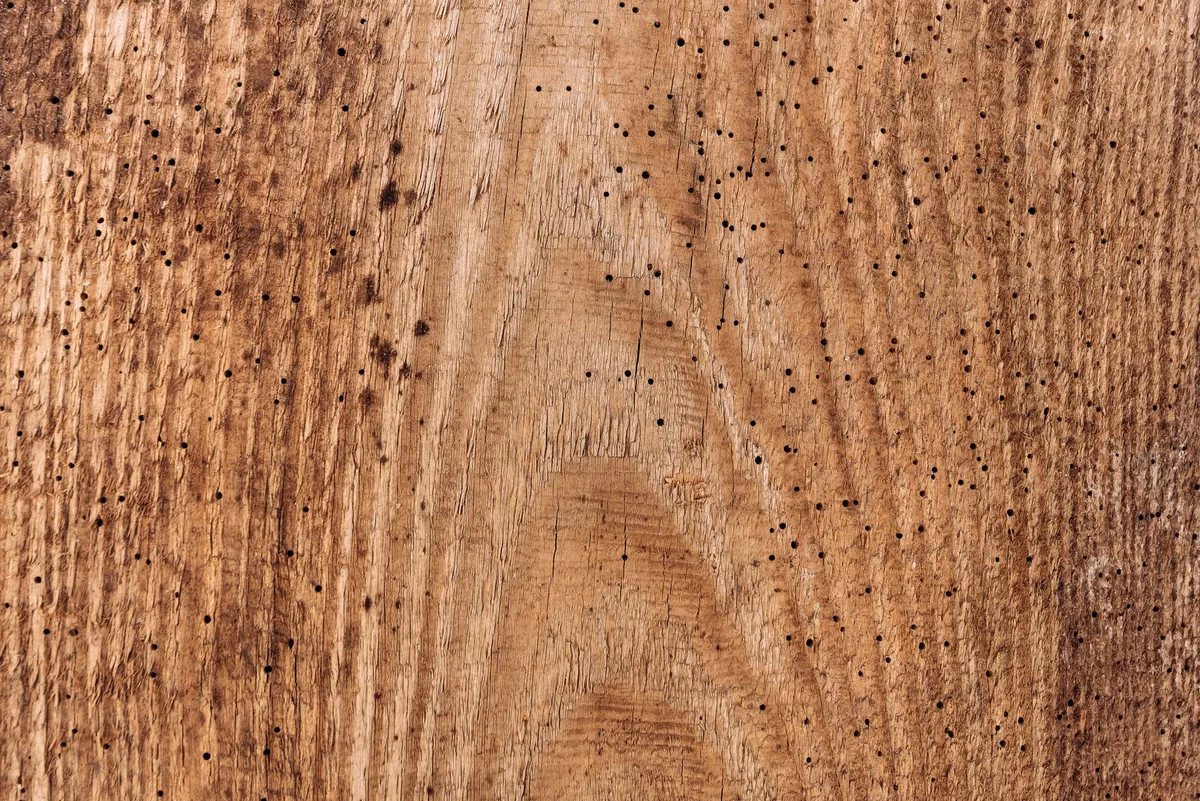
If you see large, round exit holes (about the size of a pencil), you’re dealing with roundheaded borers, and the prognosis is worse. Small D-shaped holes? Flatheaded.
Faster action might save the tree.
Your Step-by-Step Damage Assessment
Now let’s put the theory into practice. Grab a pocket knife, a measuring tape, and a notebook. Follow these steps to assess your tree.
Checking the Cambium Layer
Gently scrape a small patch of bark near the damage site. If the layer underneath is green and moist, the tree is still alive in that spot. Brown, dry, or crumbly tissue means that section is dead.
Check several spots around the trunk. Live cambium in at least half the circumference is a good sign.
Looking for D-Shaped Exit Holes, Frass, and Galleries
Borers leave clues. Flatheaded borers leave D-shaped exit holes. Roundheaded borers leave round ones.
Frass, the sawdust-like excrement, can be packed into galleries or pushed out of holes. If you see frass below the tree, that’s active feeding. Also peel back loose bark to look for winding tunnels (galleries).
The more extensive the tunnels, the longer the infestation has been going on.
Woodpecker Activity as a Clue
Woodpeckers know where the borers are. If you see lots of woodpecker holes gnawed into the bark, the birds are mining for larvae. Heavy woodpecker damage usually means a serious infestation.
However, it also means natural predators are working. Sometimes woodpeckers alone can knock back a minor infestation. But if they’ve stripped large patches of bark, the tree is likely too far gone.
The Decision Tree: Treat, Support, or Remove
Now that you have your numbers and species ID, it’s time to decide. Here’s the logic flow:
Branch 1: Low Damage — Systemic Insecticide + Supportive Care
If canopy dieback is under 30%, girdling under 50%, and the tree is a moderate-risk species, you’re in good shape. Apply a systemic insecticide, either a soil drench (imidacloprid) or a trunk injection (emamectin benzoate) done by a professional. Water deeply during dry spells.
Mulch around the base (but not against the trunk). Prune dead branches. The tree should show new growth within a year.
Branch 2: Moderate Damage — Trunk Injection + Pruning
If dieback is 30-50% and girdling is 50-75%, you need professional help. Trunk injection with emamectin benzoate is the most effective option. It delivers the insecticide directly into the tree’s vascular system, killing borers inside.
Prune away dead branches to reduce stress. Do not fertilize until the tree shows signs of recovery (new shoots). Recovery is possible but will take two to three years.
Branch 3: Severe Damage — Removal
If dieback is over 50% or girdling over 75%, the tree is unlikely to recover. It’s also a safety hazard, weak trunks can snap in a storm. Call a certified arborist to remove the tree.
Replace it with a borer-resistant species suited to your area. Be sure to dispose of infested wood properly (chip it or burn it) to prevent spread to healthy trees.
Treatment Options That Actually Work
You have three main treatment paths, each with its place.
| Treatment | Best For | Effectiveness | Cost |
|---|---|---|---|
| Professional trunk injection | Moderate to high-value trees | 90%+ when applied correctly | $150-$400 per tree |
| Soil drench (imidacloprid) | Small ornamental trees, early infestations | 60-80% | $20-$50 per tree |
| Biological control (parasitoid wasps) | Large-scale or forest settings | 30-50% reduction in borer population | Variable |
Professional Trunk Injection (Emamectin Benzoate)
This is the gold standard for emerald ash borer. It’s injected directly into the trunk, stays in the tree for two years, and kills borers as they feed. You need a licensed arborist to do it.
The cost is steep but often worth it for a beloved shade tree.
Soil Drench vs Foliar Spray (When to Skip Them)
Soil drench is cheaper but less reliable, especially for large trees. It can also harm pollinators if not applied correctly. Foliar spray is largely useless, borers are inside the tree, not on the leaves.
Skip the spray and put your money into a drench or injection.
Biological Control with Parasitoid Wasps
Parasitoid wasps lay eggs inside borer larvae. They’re released as a biological control, especially for emerald ash borer. This method doesn’t save an infected tree directly, but it reduces the overall borer population around you.
It’s a long-term strategy, not an emergency fix.
Common Mistakes That Kill the Tree Faster
Even with good intentions, people make mistakes. Avoid these:
- Applying wound paint or sealant. It traps moisture and encourages rot. Leave the wound open to air.
- Overwatering. Wet soil stresses roots and can promote fungal disease.
- Using high-nitrogen fertilizer during recovery. It pushes leaf growth at the expense of root health.
- Pruning too aggressively. Remove only dead or broken branches. Live branches provide energy.
- Waiting too long to act. Borers reproduce annually. One year’s delay can turn a recoverable tree into a lost cause.
The Recovery Timeline: What Real Progress Looks Like
Be patient. Recovery isn’t instant.
Month 1-6: New Callus Tissue and Epicormic Shoots
Within weeks of treatment, you may see new growth sprouting from the trunk or main branches, these are epicormic shoots. The tree is trying to create new leaves to compensate. Also look for callus tissue forming around the wound edges.
That’s a sign the tree is healing.
Year 1-2: Canopy Regrowth
By the second growing season, the crown should fill back in. Leaves will be smaller at first, then normal size. If the canopy doesn’t improve by the end of year two, the tree may not recover.
Year 3: Full or Failed Recovery
By the third year, a recovered tree looks essentially normal. If it’s still sparse, with dieback increasing, it’s time to consider removal. Most trees that make it to year three with good health stay healthy.
When to Call a Certified Arborist
Call a certified arborist (ISA credential is best) if:
- You’re unsure of the borer species.
- Dieback is over 30%.
- Girdling is over 50%.
- The tree is large and near your house.
- You want a professional injection.
Don’t wait. The earlier you get a professional opinion, the more options you have. Use a reputable service, ask for local references and check their certification.
Frequently Asked Questions
How long does it take for a tree to recover from borer damage?
Most trees show new growth within one growing season and full recovery in two to three years. Severe cases may take longer or never recover.
Can a tree with borer damage be saved if it’s already losing leaves?
Yes, if less than 30% of the canopy is dead. Even with leaf loss, the tree can bounce back with treatment. But if more than half the leaves are gone, recovery is unlikely.
Do I need to remove the tree if borers are present?
Not always. If the damage is minor and the tree is healthy, you can treat it. Severe damage or a high-risk species may require removal.
What kills borers naturally?
Woodpeckers are the best natural predator. Parasitoid wasps also help. But for serious infestations, natural control alone isn’t enough, you need insecticides or professional treatment.
Can borers spread to other trees?
Yes. Adult borers fly to nearby trees. Infested wood should be chipped, burned, or disposed of according to local guidelines to prevent spread.
How do I prevent borers in the future?
Keep trees healthy: water during drought, mulch properly, avoid wounding the trunk, and choose resistant species when planting. For high-value trees, preventive trunk injections every two years are effective.
Your Quick Decision Guide at a Glance
| Condition | Action | Recovery Chance |
|---|---|---|
| < 30% dieback, < 50% girdling | Systemic insecticide + care | High |
| 30-50% dieback, 50-75% girdling | Professional trunk injection | Moderate |
| > 50% dieback, > 75% girdling | Removal | Low |
| D-shaped holes on ash | Act immediately, injection | Moderate if early |
| Round holes on oak | Assess girdling, prune dead wood | Variable |
Take a deep breath. Walk outside, look at your tree, and run through the steps. You now know exactly what to look for.
If the numbers are in your favor, you’ve got a real chance to save that tree. If not, you know what to do next. Either way, you’re making an informed decision, and that’s the best thing you can do for your landscape.
Real-World Recovery Stories: What Success Looks Like
A homeowner in Ohio noticed D-shaped holes on a mature ash tree with about 20% canopy dieback. They called an arborist who did a trunk injection of emamectin benzoate in early spring. Within one growing season, new shoots appeared along the trunk.
By year two, the canopy filled back to about 80% of its original density. That tree is still standing today.
On the other hand, a birch tree with 60% dieback and heavy woodpecker damage was treated with a soil drench. It never recovered. The cambium was too damaged to move water.
Within 18 months, the tree had to be removed. The difference wasn’t luck. It was timing and severity.
Borer-Resistant Trees for Replanting
If you do end up removing a tree, choose a species that borers tend to avoid. That reduces future headaches. Good options include ginkgo, tulip poplar, most hollies, and certain oaks like live oak or southern red oak.
Maples are moderate risk but less attractive to borers than ash or birch.
Steer clear of planting new ash trees in areas with known emerald ash borer activity. Also avoid birches in hot, dry climates where they’re already stressed. A little research upfront saved you years of worry.
Check with your local extension office for species recommendations specific to your area.
Seasonal Care Calendar for Recovering Trees
Spring is the best time to apply systemic insecticides. That’s when borers emerge and start feeding. Summer is for monitoring new growth and watering during dry spells.
Fall is ideal for pruning dead branches and applying mulch. Winter is dormant season, just inspect for bark cracks or new exit holes.
Do not fertilize a recovering tree for at least one full year. Fertilizer pushes leaf growth, which stresses roots that are already struggling. Let the tree focus on healing.
Water deeply once a week if rainfall is sparse. Consistent care through the seasons makes the difference between a tree that limps along and one that fully recovers.
What to Do With Infested Firewood and Debris
Infested wood is a major spread risk. Adult borers can emerge from cut logs and fly to healthy trees up to half a mile away. Never stack infested firewood near living trees.
The safest options are chipping the wood into mulch (which kills larvae), burning it completely, or solarizing it under clear plastic for several weeks.
Some areas have quarantine regulations for certain borers. Check with your local agriculture department before moving firewood across county or state lines. It’s a small step that protects your neighbors’ trees too.
If you’re not sure, treat all suspect wood as infested until proven otherwise.
The Cost of Treatment vs the Cost of Removal
Let’s talk dollars. A professional trunk injection runs $150 to $400 per tree. That’s once every two years.
Removal of a medium-sized tree can cost $500 to $1,500. A large tree near a house can cost $2,000 or more. Replacement with a new tree adds another $100 to $500 depending on size.
So the math is simple. For a high-value shade tree that provides cooling, privacy, and curb appeal, treatment pays for itself in a few years. For a small ornamental tree that’s already struggling, removal and replacement may be cheaper and faster.
Factor in the emotional value too. Some trees are worth fighting for. Others are not.
Common Mistakes That Kill the Tree Faster
Never apply wound paint or sealant. It traps moisture and invites rot. Skip the high-nitrogen fertilizer too.
It pushes leaf growth while roots need to heal. Overwatering is another killer. Wet soil stresses roots and helps fungal diseases take hold.
The Recovery Timeline: What Real Progress Looks Like
Month one to six brings new callus tissue and epicormic shoots. Year one to two shows canopy regrowth, though leaves may be smaller at first. By year three, a recovered tree looks normal.
If it’s still sparse by then, removal is the right call.
When to Call a Certified Arborist
Call one if you’re unsure of the borer species or if dieback exceeds 30%. Also call if girdling is over 50% or the tree is near your house. An ISA certified arborist can do professional trunk injections.
Don’t wait. Early intervention saves trees.
FAQs About Borer Recovery
Can a tree fully recover from borer damage?
Yes, if caught early. Trees with less than 30% canopy loss and under 50% girdling have a high chance. Full recovery takes two to three years.
How do I know if the borers are still active?
Look for fresh frass, new exit holes, or oozing sap in spring and summer. Woodpecker activity also signals active larvae inside.
Should I fertilize a recovering tree?
No. Wait at least one full year. Fertilizer stresses roots that are already compromised.
Focus on deep watering and proper mulching instead.
Your Quick Decision Guide at a Glance
| Condition | Action | Recovery Chance |
|---|---|---|
| < 30% dieback, < 50% girdling | Systemic insecticide + care | High |
| 30-50% dieback, 50-75% girdling | Professional trunk injection | Moderate |
| > 50% dieback, > 75% girdling | Removal | Low |