Guide to Do Earwigs Harm Plants (2026) — Step-by-Step Guide
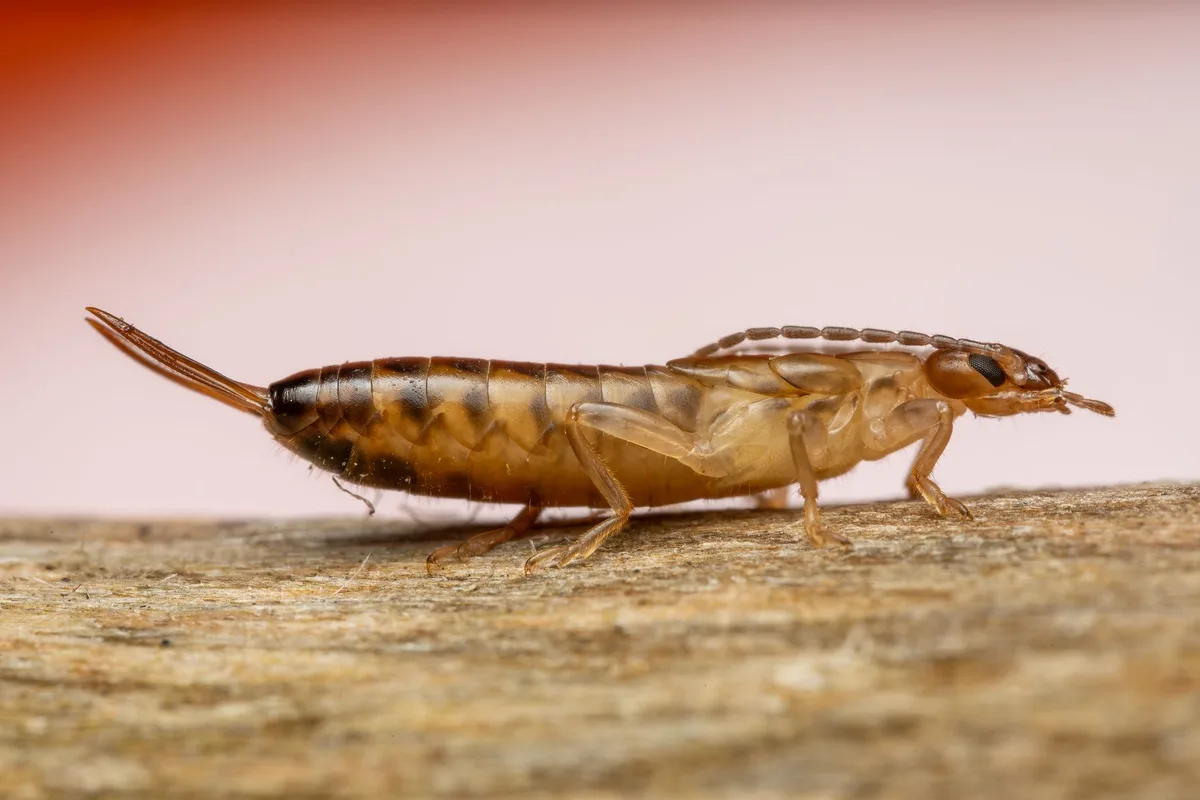
You've spotted ragged holes in your dahlia petals, or maybe your seedling stems are clipped clean at the soil line. Your first question is fair: Do earwigs harm plants? The short answer is yes, but it's complicated.
Earwigs are both predators and scavengers, and they play a split role in the garden that depends entirely on context.
As of 2026, university extension research confirms that earwigs prefer decaying plant matter and small insects over living foliage. But when populations climb past twenty per square foot, or when tender seedlings are the only food available, they absolutely cause damage. Understanding that tipping point is what this guide is for.
Quick Answer
Yes, but only sometimes. Earwigs eat seedlings, soft fruit, and flower petals. They also eat aphids and other pests.
Whether they harm your plants depends on population size and plant type. Most gardens benefit from a few earwigs. A few gardens get destroyed by too many.
How Earwigs Actually Feed – And What That Means for Your Plants
Earwigs have chewing mouthparts, not piercing-sucking ones like aphids. That means they take actual bites out of plant tissue. The damage shows up as irregular, jagged holes on leaf edges and petals, and sometimes as shallow gouges on soft fruit like strawberries or apricots.
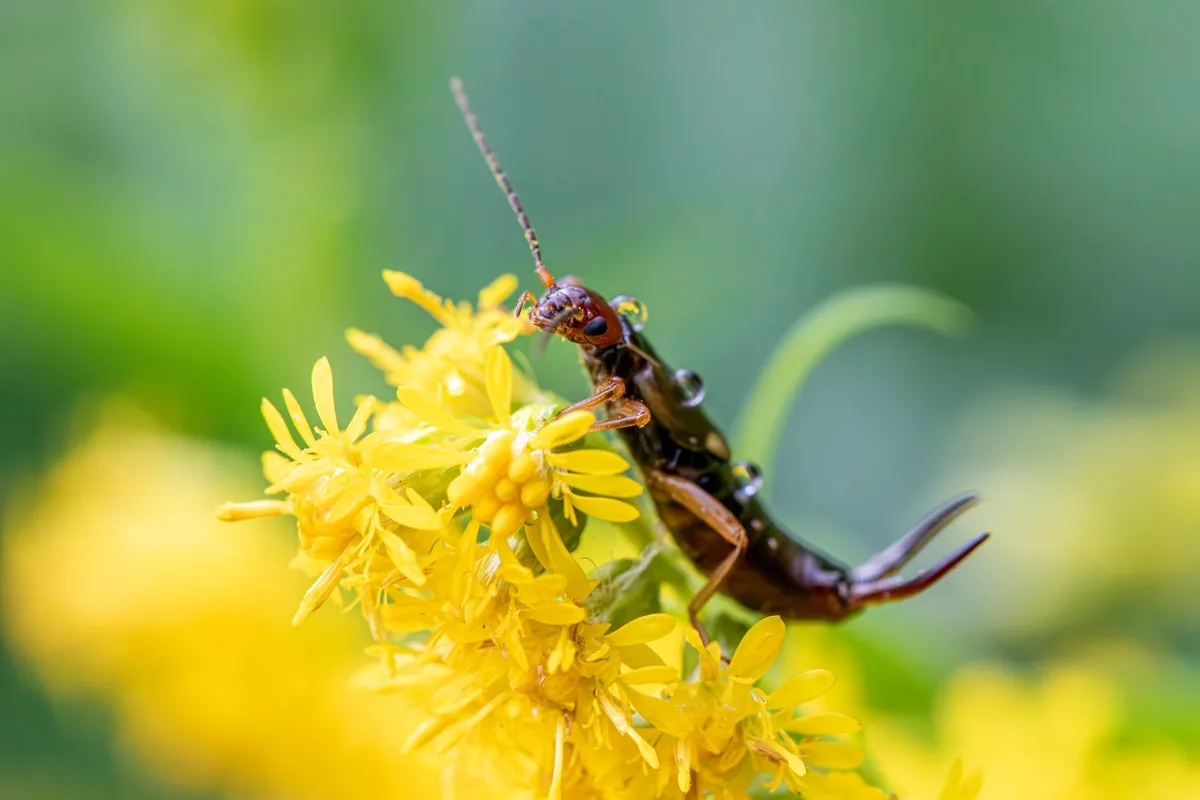
But here's the nuance: earwigs are omnivores. Their first food choice is decaying organic matter dead leaves, compost, fallen fruit. Their second choice is live soft-bodied insects like aphids, spider mites, and small caterpillars.
Live plant tissue comes third on the menu.
That feeding hierarchy matters because it changes how you judge an earwig sighting. If you spot one on a marigold, it might be hunting aphids, not eating the flower. You have to look closer before deciding whether to act.
What Earwigs Actually Eat (Ranked by Preference)
| Food Type | Examples | Frequency |
|---|---|---|
| Decaying matter | Dead leaves, compost, rotting fruit | Primary |
| Soft-bodied pests | Aphids, spider mites, small caterpillars | Secondary |
| Living plant tissue | Seedlings, petals, soft fruit | Tertiary (when other food is scarce) |
This ranking is based on feeding studies from entomology research. It explains why a garden with healthy soil and diverse insect life rarely sees serious earwig damage. The earwigs are busy eating other things.
The Decision Tree: Should You Take Action?
This is the core of the decision. You need to assess four variables before deciding whether to tolerate, trap, or treat. Walk through these steps in order.
Step 1: Check Your Plant Type and Growth Stage
Not all plants are equally vulnerable. Seedlings and transplants are at the highest risk because earwigs can clip entire stems at the soil line. Young bean plants, lettuce starts, and pepper transplants are common victims.
Mature plants rarely suffer serious harm from earwig feeding unless the population is extremely high.
Flowering ornamentals like dahlias, zinnias, marigolds, and roses are the next tier of risk. Earwigs chew holes in petals, and the damage is cosmetic rather than lethal. If you're growing cut flowers for show, even cosmetic damage matters.
If you're growing a pollinator patch, a few chewed petals are no big deal.
Soft fruit is the third risk category. Strawberries, raspberries, and apricots develop shallow cavities where earwigs feed. This can make fruit unmarketable.
For a home grower, one earwig hole per berry is usually tolerable.
Verdict: If you're growing seedlings or prize flowers, pay closer attention. If you're growing mature perennials or fruit trees, earwigs are rarely a true problem.
Step 2: Count the Damage – Cosmetic vs. Critical
Look at the actual amount of tissue missing. A few ragged holes on lower leaves while the top growth looks fine? That's cosmetic.
The plant loses some photosynthetic surface but keeps growing.
Critical damage means stunting, stem clipping, or fruit loss that affects yield. If a quarter of your dahlia petals are chewed, that's cosmetic annoyance. If half your bean seedlings are clipped at ground level, that's a real loss.
Decision point: Cosmetic damage alone is never enough to justify treatment. Critical damage demands action.
Step 3: Identify the Culprit – Earwig vs. Slug vs. Caterpillar
This step matters more than most gardeners realize. Many people treat for earwigs when the real pest is something else entirely.
| Pest | Telltale Sign |
|---|---|
| Earwig | Ragged holes on leaf edges and petals. No slime trail. Feeds at night. |
| Slug | Smooth-edged holes or shredded tissue. Thick slime trail visible in morning. |
| Caterpillar | Clean, round holes or entire leaves skeletonized. Dark frass (droppings) on leaves. |
Go out at night with a flashlight. That's the only way to confirm what's eating your plants. Earwigs are nocturnal and will scatter when the light hits them.
Slugs stay put. Caterpillars are often visible in the daytime.
Step 4: Assess the Population – When Numbers Matter
Population density is the single best predictor of damage. University extension guidelines suggest that more than twenty earwigs per square foot of garden soil means action is warranted. Fewer than that, and the earwigs are likely doing more good than harm as aphid predators.
To estimate population, make a simple trap. Roll up a damp newspaper, place it in your garden bed near the damaged plants, and check it the next morning. Earwigs will crawl inside to hide.
Count how many you find. If the trap holds ten or more, your population is significant.
Step 5: Decide – Tolerate, Trap, or Treat?
Based on the four previous steps, here's your decision framework:
- Tolerate if: damage is cosmetic, population is under twenty per square foot, and you have aphid-prone plants nearby.
- Trap if: damage is cosmetic but you want to reduce numbers, or if population is moderate (10-20 per square foot).
- Treat if: damage is critical, population exceeds twenty per square foot, or seedlings are being lost.
Common Mistakes That Make Earwig Problems Worse
The biggest mistake is treating earwigs you don't need to treat. If you reach for a broad-spectrum insecticide at the first sign of chewed leaves, you'll kill the earwigs' prey (aphids) and their predators (other beneficial insects). The result is often a bigger aphid outbreak later in the season.
Another common error is mistaking natural leaf damage for earwig feeding. Not every irregular hole is an earwig. Wind damage, sunscald, and thrips feeding can look similar.
Always confirm the pest before acting.
Finally, overwatering and heavy mulching create the damp, dark conditions earwigs love. If you pile on thick organic mulch around vulnerable seedlings, you're inviting earwigs to hide there overnight. Use thinner mulch or leave bare soil rings around seedlings.
The best approach is low-impact controls that target earwigs specifically while leaving the rest of your garden ecosystem intact. We'll cover those in the next section.
Low-Impact Controls That Work (Without Killing Beneficials)
The goal here is targeted reduction, not eradication. You want to lower the earwig population just enough to protect vulnerable plants while keeping the aphid-predator benefit intact.
The Oil Trap Method
This is the most effective DIY trap for earwigs. Take a shallow container like a tuna can or yogurt cup. Fill it with vegetable oil about half an inch deep.
Add a splash of soy sauce for scent. Place the trap flush with the soil surface near damaged plants.
Check traps each morning. Empty and refill as needed. A single trap can catch 50 to 100 earwigs per night during peak season.
Place one trap per 10 square feet of garden bed for good coverage.
Habitat Modification
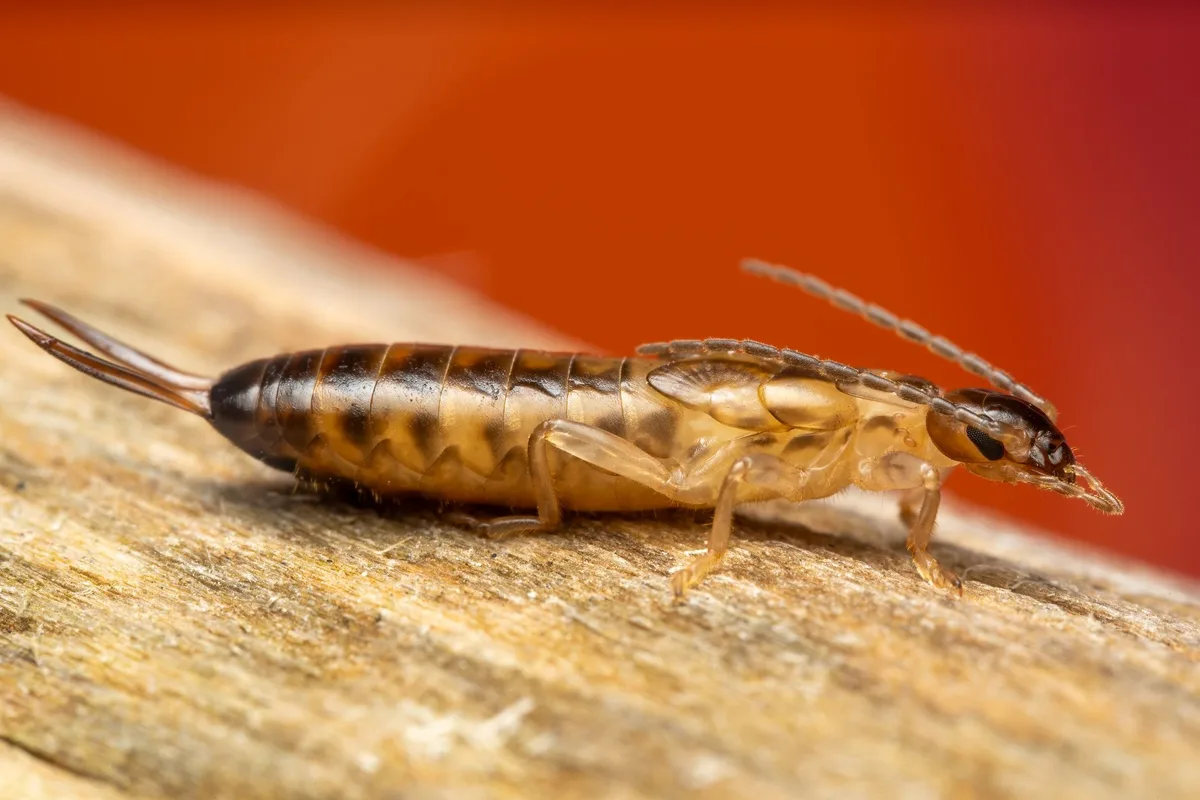
Earwigs need dark, damp hiding spots during the day. Remove those spots and you remove the population. Focus on these actions:
- Rake up leaf litter and garden debris near vulnerable plants
- Pull back thick mulch to create a 6-inch bare soil ring around seedlings
- Move compost piles away from vegetable beds
- Trim ground cover plants that touch the soil
- Clear away fallen fruit and deadheaded flowers promptly
Regular debris removal with a good garden rake makes a real difference. If you need a tool for the job, check out options for clearing away debris in tight spaces.
Diatomaceous Earth
This fine powder is made from fossilized algae. It cuts through earwig exoskeletons and causes dehydration. Apply a light dusting around plant stems and at the base of container pots.
Reapply after rain or overhead watering. Keep it away from flowers where bees forage. Dry diatomaceous earth can harm pollinators if they walk through it.
Barrier Methods
For container plants, a ring of petroleum jelly around the pot rim stops earwigs from climbing up. For in-ground plants, use copper tape or a band of horticultural glue around the main stem. These barriers work well for protecting individual plants without affecting the rest of the garden.
When to Leave Earwigs Alone – The Aphid Connection
Here is the side of the story that often gets overlooked. Earwigs are voracious predators of aphids. A single adult earwig can eat dozens of aphids in one night.
If you have a healthy earwig population, you likely have fewer aphid problems.
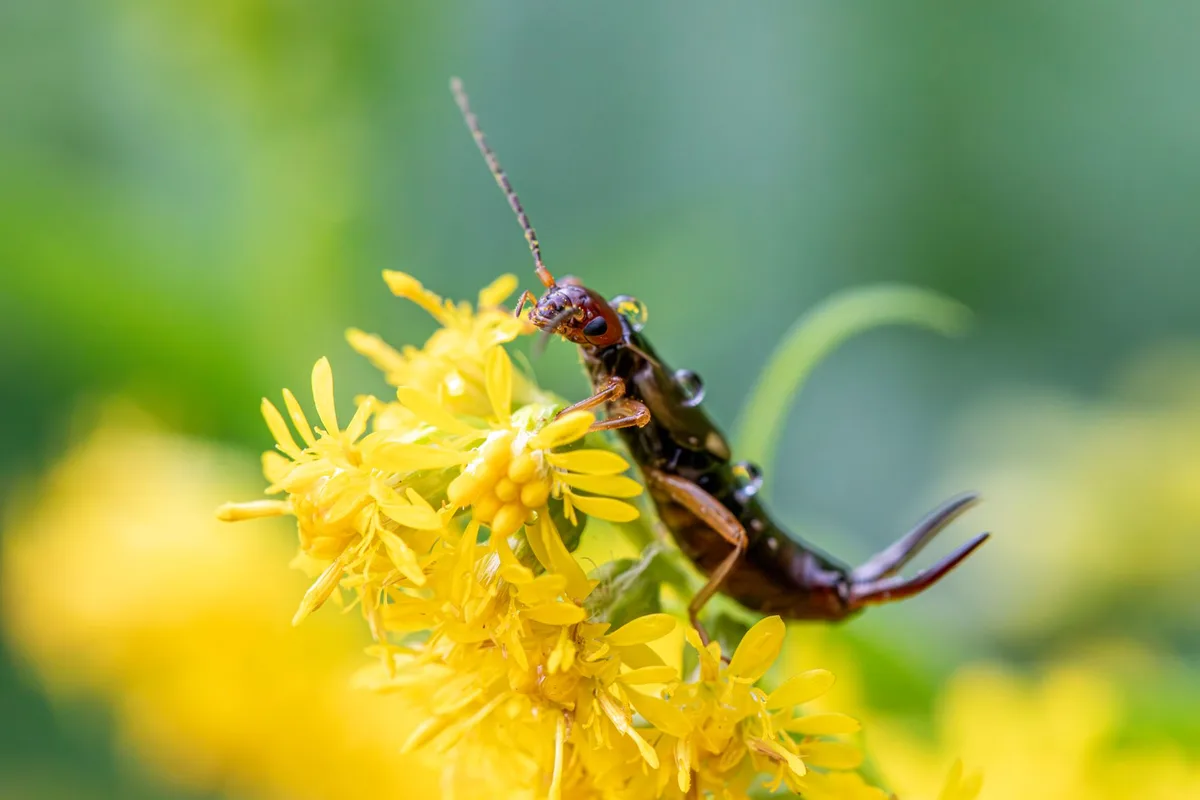
Research from entomology studies confirms that earwigs prefer aphids and spider mites over plant tissue. They actively hunt these pests in the canopy of plants. When aphid populations are high, earwig damage to plants drops significantly because the earwigs have plenty of their preferred food.
Signs You Should Leave Them Alone
- You see earwigs on aphid-infested plants like roses, beans, or milkweed
- Damage is limited to a few lower leaves with small holes
- Your garden has diverse insect life including pollinators
- You are not growing seedlings or soft fruit
The Tipping Point
The decision to leave earwigs alone comes back to population balance. If you have fewer than ten earwigs per square foot and your plants are mature, the earwigs are almost certainly helping more than hurting.
If you do decide to encourage earwigs, consider planting aphid-attracting flowers near their preferred habitat. This gives them a food source that keeps them away from your vegetable beds.
Real Scenarios: Seedling Loss, Petal Damage, and Fruit Holes
Seeing how earwigs behave in real situations helps you apply the decision tree correctly.
Scenario 1: Bean Seedlings Clipped at the Soil Line
You planted bush beans last week. This morning, half of them are lying flat with stems cut cleanly at ground level. There are no slime trails.
This is classic earwig damage on seedlings. The population is likely high. You need to act immediately because unprotected seedlings can be wiped out in two to three nights.
Set oil traps around the remaining seedlings. Apply diatomaceous earth around each stem. Consider using netting or row covers until the plants reach 6 inches tall.
For indoor seed starting, using proper lighting gives you stronger seedlings that can outgrow pest pressure faster.
Scenario 2: Holes in Dahlia Petals but No Other Damage
Your dahlias look beautiful from a distance. Up close, the petals have ragged holes. The foliage is fine.
Fruits and vegetables are untouched.
This is cosmetic damage only. The earwigs are feeding on petals because they find them tender. The plant is not at risk.
If the flowers are for personal enjoyment, do nothing. If you sell cut flowers, set a few oil traps near the dahlias to reduce the population without eliminating it entirely.
Scenario 3: Shallow Cavities in Strawberries
Your strawberries have small gouges on the surface. Some berries have earwigs hiding underneath. The plants themselves look healthy.
Earwigs love soft fruit touching the soil. Use strawberry mats or elevate fruit clusters with straw to keep berries off the ground. Harvest ripe fruit daily to reduce the earwig food source.
You can also apply a ring of diatomaceous earth around each strawberry plant.
Pro Tips for Long-Term Earwig Management
Managing earwigs is not a one-time task. It requires seasonal awareness and consistent habits.
Spring Preparation
In early spring, earwig nymphs emerge from overwintering sites. This is the best time to reduce populations before they reproduce. Remove mulch and debris from garden beds before planting.
Set out a few damp newspaper traps to monitor nymph numbers.
Summer Monitoring
Check your traps weekly during the growing season. If you catch more than twenty earwigs per trap per night, you have a high population. Increase trap frequency or add additional traps.
If you catch fewer than five, stop trapping and let them hunt aphids.
Fall Cleanup
Earwigs overwinter as adults in soil and debris. A thorough fall cleanup reduces next year's population. Remove fallen leaves, spent plants, and garden refuse.
Turn over compost piles to expose earwigs to cold temperatures.
Seasonal Fertilizer Timing
Strong plants resist pest damage better than stressed plants. Using the right fertilizer at the right time helps plants outgrow minor feeding. Focus on balanced feeding throughout the season.
Yearly Cycle Summary
| Season | Action |
|---|---|
| Spring | Remove debris, monitor nymphs, set traps early |
| Summer | Check traps weekly, protect seedlings and fruit |
| Fall | Clean up garden, turn compost, reduce hiding spots |
| Winter | Plan crop rotation and mulch strategy for next year |
Frequently Asked Questions
Do earwigs kill plants completely?
Only in rare cases. Earwigs can kill young seedlings by clipping stems at the soil line. Mature plants rarely die from earwig feeding alone.
The damage is usually cosmetic or reduces yield rather than killing the plant.
How do I tell earwig damage from slug damage?
Earwigs leave ragged holes with no slime trail. Slugs leave smooth-edged holes and a visible slime trail that dries to a silvery sheen. Check your plants at night with a flashlight to confirm which pest is feeding.
Are earwigs beneficial to the garden at all?
Yes. Earwigs are effective predators of aphids, spider mites, and small caterpillars. A balanced earwig population reduces the need for chemical pest control.
They also help break down compost and dead plant material.
What plants do earwigs prefer to eat?
Earwigs favor seedlings, dahlias, zinnias, marigolds, lettuce, strawberries, and raspberries. They avoid plants with tough leaves or strong scents like herbs. They also avoid most woody ornamentals and trees.
Should I use insecticide for earwigs in my garden?
Only as a last resort. Broad-spectrum insecticides kill beneficial insects along with earwigs. This often leads to aphid outbreaks later in the season.
Start with traps and habitat modification. Use chemicals only when damage is critical and other methods have failed.
How many earwigs is too many in a garden?
University extension research suggests more than twenty earwigs per square foot is a problem population. Below that threshold, the benefits usually outweigh the damage. Use a damp newspaper trap to estimate your population size.
Final Decision Guide: A One-Page Cheat Sheet
Use this quick reference to decide your next move. Match your situation to the recommendation.
| Your Situation | Action | Expected Outcome |
|---|---|---|
| Seedlings clipped at soil line, population high | Set oil traps, apply diatomaceous earth, use row covers | Save 80% of remaining seedlings within 3 nights |
| Mature plants with cosmetic leaf holes, under 10 earwigs per trap | Do nothing. Monitor weekly. | Earwigs control aphids; damage stays minimal |
| Flowers with petal damage, no other losses | Set 2-3 oil traps near affected plants | Reduced petal damage in 5-7 days without eliminating earwigs |
| Soft fruit with surface gouges | Elevate fruit off soil, harvest daily, trap around plants | Fruit quality improves; most berries remain usable |
| Population over 20 per square foot, plants stressed | Combine traps, habitat removal, and barrier methods | Population drops to tolerable levels within 2 weeks |
One rule to remember: Tolerance is the default. Action is only needed when damage outweighs benefit. Your garden will tell you which side you are on.
Listen to it.