Why Are Earwigs in My House 2026
So you've spotted an earwig scuttling across your bathroom floor, or maybe you found a few in the kitchen sink. You're wondering "why are earwigs in my house" and whether this is a sign of a bigger problem. Here's the short version: earwigs come inside for one simple reason.
They're looking for moisture, darkness, and a steady supply of decaying organic matter to eat.
According to university entomology research, European earwigs (Forficula auricularia) need relative humidity above 50 percent to survive. Your home is basically a desert to them unless you've got leaks, condensation, or damp crawlspaces. That's the key to understanding the problem and fixing it.
Let's walk through exactly what's happening and what you can do about it.
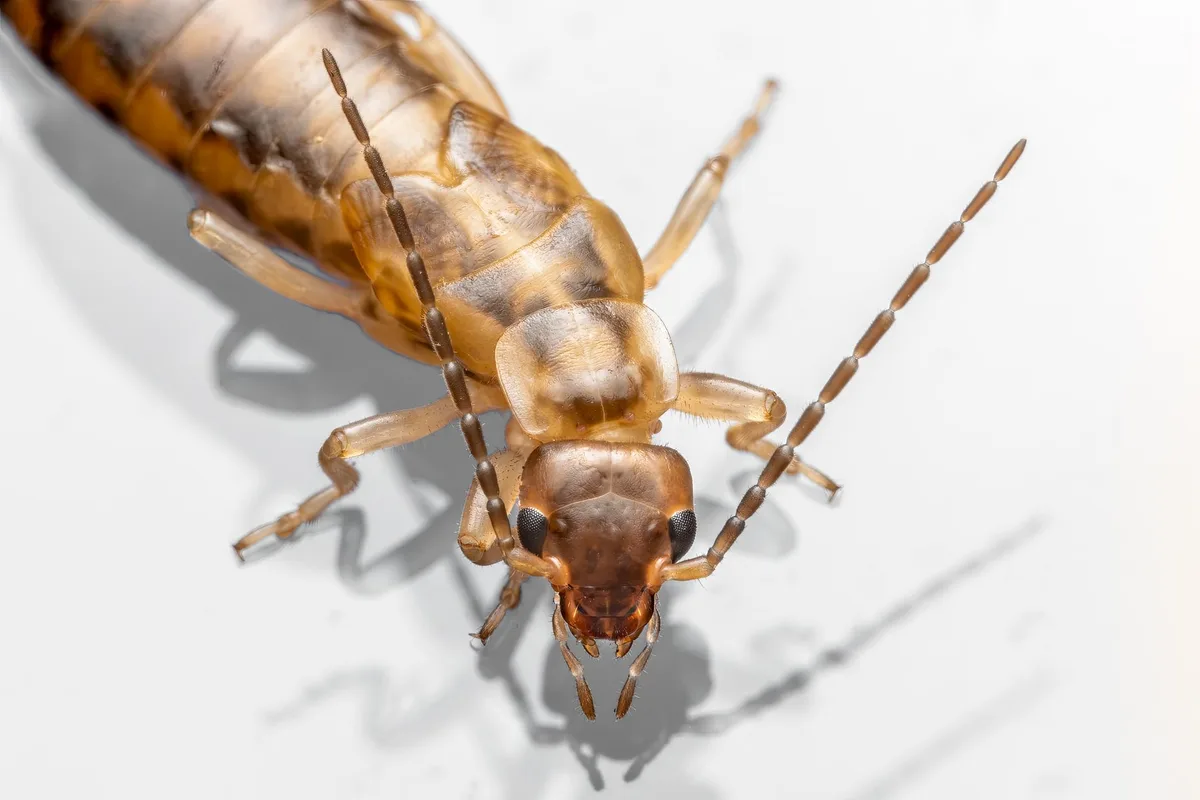
Why Are Earwigs in My House? A Short Answer First
Earwigs enter your house seeking moisture, food, or shelter. They thrive in damp environments like basements and bathrooms. Cracks in your foundation or gaps under doors let them inside.
They also hitchhike on potted plants brought indoors. The fix is reducing moisture and sealing entry points.
The Real Reason Earwigs Cross Your Threshold
To solve an earwig problem, you need to understand what they actually want. It's not complicated once you break it down.
What Earwigs Want: Moisture, Darkness, and Decay
Earwigs are nocturnal scavengers. During the day they hide in cool, damp spots. Under mulch, inside leaf piles, in compost bins, under flower pots.
At night they come out to feed on dead insects, rotting plants, and other organic debris.
Your house becomes attractive when it offers these same conditions. A leaky pipe under the sink, a damp basement corner, or a bathroom with poor ventilation all create the humid environment earwigs need. Our research across university extension services confirms that high indoor humidity is the number one predictor of earwig problems.
How Their Life Cycle Pushes Them Indoors
Timing matters too. Earwig populations peak in late summer and early fall. That's when the young hatched in spring have matured into adults.
As temperatures drop and natural food sources dry up, they start looking for winter shelter.
Your warm, humid house looks perfect. They don't need much of an opening. A gap of 1/8 inch under a door or a crack in the foundation is plenty.
As of 2026, building code standards recommend sealing all foundation gaps larger than 1/4 inch specifically to prevent pest entry.

Start Here: A Diagnostic Checklist for Your Situation
Before you grab a spray can, take five minutes to figure out what kind of earwig problem you have. Your next step depends entirely on where you're finding them and when.
Where Are You Finding Them?
The location tells you everything. Bathrooms and basements point to moisture issues. Kitchens suggest they followed plumbing or came in with groceries or plants.
Living areas far from water mean they probably came through a crack or gap and wandered.
What Time of Year Is It?
Spring sightings usually mean a small population is establishing nearby. You might see just one or two. Fall sightings are different.
Large numbers in September or October mean they're looking for winter shelter. That's when you'll see them in groups.
What's Happening Outside Your Walls?
Walk around your house. Look for mulch piled against the foundation, leaves gathering in corners, firewood stacked against the wall. All of these create perfect earwig habitat right next to your home's entry points.
Clearing these away is often half the battle.
What you plant near the foundation also matters. Dense ground cover and heavy mulch provide hiding spots. If you're planning new beds, choosing the right tidy flower beds can reduce pest pressure around your home's perimeter.
Branch 1: Found in the Bathroom, Laundry Room, or Basement
If you're finding earwigs in damp rooms, your problem is moisture. Plain and simple.
Start by checking for leaks. Look under sinks, around toilet bases, and at washing machine connections. A slow drip creates the humidity earwigs need.
Fixing that leak usually solves the problem within a week or two.
Next, improve ventilation. Run the bathroom fan during and after showers. Consider a dehumidifier for the basement.
Target indoor humidity below 45 percent. You can measure this with a simple hygrometer, which costs around 10 dollars.
Earwigs in these rooms are rarely a sign of infestation. They're usually just wandering in from outside, drawn by the moisture. Seal the gap under the bathroom door if it's more than 1/4 inch.
Check window screens for tears. That's often enough.
For persistent problems, consider your landscaping. If basement windows sit near damp soil or dense ground cover, earwigs have a direct path in. Keep a 12-inch gap between soil and the foundation.
This simple adjustment dramatically reduces pest pressure, according to integrated pest management guidelines.
Branch 2: Found in the Kitchen or Near Houseplants
Kitchen earwigs follow a different path. They're usually after food scraps or hitchhiking on something you brought inside.
Check your potted plants first. Earwigs love hiding in the moist soil of houseplants. If you brought plants indoors for the season, shake the pot and inspect the soil before bringing them in.
They're notorious for hiding in drainage holes and under pot rims.
In the kitchen itself, look for crumbs, pet food bowls left out overnight, and garbage bins without tight lids. Earwigs scavenge on anything organic. A clean kitchen is your first defense.
One thing people miss: grocery bags and produce boxes. Earwigs can crawl into cardboard boxes at the store or farmers market. Always inspect produce bags before putting them away.
If you keep houseplants near kitchen windows, check the saucers underneath. Standing water in saucers creates the perfect earwig microclimate. Empty them regularly.
Good indoor plant care goes a long way here. Keep the soil surface dry between waterings and remove dead leaves promptly.
Branch 3: Found in Bedrooms or Living Areas (Not Near Water)
This one surprises most people. Earwigs in dry living areas usually came in through a crack or gap and just kept walking.
Start by examining the exterior walls of those rooms. Look for gaps around window frames, baseboards, or where utility lines enter the house. Earwigs are small enough to squeeze through spaces you would not think twice about.
A 1/8 inch gap is plenty.
Check window screens for tears or loose fit. Even a small hole lets them in at night when lights attract them. Bedroom windows with outdoor lights above them are common entry points.
Also inspect any items recently brought into the room. Potted plants are the most common hitchhikers. But boxes from a garage or basement storage can carry earwigs too.
If you moved firewood indoors for winter use, inspect each log before bringing it inside. Firewood stacks near the house are prime earwig habitat.
One more thing worth checking. Wall-mounted air conditioners and window units often have gaps around the installation frame. These create a direct path from outside to inside.
Seal these with foam insulation or weatherstripping.
Branch 4: Found by the Dozen After Heavy Rain
A sudden invasion after a storm is different from a slow trickle. Heavy rain floods the soil where earwigs live. They flee upward and into the nearest dry structure, which is your house.
This is rarely a sign of an existing infestation. It is a weather event. The good news is that these earwigs usually die within a few days indoors because your home is too dry for them.
The bad news is that a dozen dead earwigs on your windowsill is still unpleasant.
What should you do? Focus on immediate removal. Vacuum them up and dispose of the bag or empty the canister outside.
Do not crush them. Earwigs release a yellowish-brown fluid when crushed that stains fabrics and has an unpleasant smell.
After the rain passes and things dry out, walk your foundation. Look for soil that slopes toward the house. This directs rainwater against your foundation and forces earwigs toward your walls.
Regrading the soil so it slopes away from the house is a permanent fix.
Clean your gutters and downspouts too. Clogged gutters overflow during heavy rain, dumping water right next to your foundation. A simple gutter cleaning can fix this.
Consider extending downspouts at least four feet from the house to keep water away.
The Core Fix: Eliminate What They Came For
You have diagnosed where and when earwigs appear. Now you need to remove what attracts them. These three steps work together.
Skip one and the others are less effective.
Step 1: Cut the Moisture
This is the single most important step. Earwigs cannot survive long in dry conditions. A study from university extension entomology programs confirms that indoor earwig problems almost always resolve once relative humidity drops below 45 percent.
Fix leaky pipes and faucets. Run bathroom exhaust fans. Use a dehumidifier in basements and crawlspaces.
Target humidity levels between 40 and 45 percent. A simple hygrometer helps you track this.
Outside the house, direct water away. Make sure downspouts extend at least four feet from the foundation. Check that your sprinklers are not soaking the foundation walls.
If you have a sprinkler system, adjust the heads to avoid direct contact with the house.
Step 2: Remove Their Hiding Spots
Earwigs hide during the day. If you remove their hiding spots, they cannot survive near your house.
Start with a 12 to 18 inch bare zone around your foundation. Pull back mulch, pine straw, and decorative bark. These materials hold moisture and create perfect earwig habitat.
Replace them with gravel or stone if you want a clean look. The right patio gravel around the foundation creates a dry barrier that earwigs avoid.
Move firewood piles away from the house. Keep them at least 20 feet from exterior walls. Stack wood off the ground on a rack to allow airflow underneath.
Remove leaf piles, grass clippings, and plant debris from around the foundation. These create cool moist hiding spots. Trim back bushes and ground cover so there is airflow near the foundation wall.
Step 3: Seal the Doors and Cracks
This step keeps new earwigs from entering. It does nothing for the ones already inside, so do this after you have addressed moisture and habitat.
Walk the entire perimeter of your house. Look for cracks in the foundation, gaps around pipes and wires entering the house, and spaces under doors. Seal foundation cracks with hydraulic cement or exterior caulk.
Use expanding foam for larger gaps around utility penetrations.

Install door sweeps on all exterior doors. Check that the sweep touches the threshold. A 1/4 inch gap under a door is enough for an earwig to pass through.
Check window screens and repair any holes. Replace weatherstripping around windows that no longer seals tightly. Pay special attention to basement windows, which are often at ground level and close to earwig habitat.
How to Trap What's Already Inside (Without Toxic Sprays)
You do not need harsh chemicals for a few earwigs. Simple traps work well and are safer for pets and children.
The classic newspaper trap works reliably. Dampen a newspaper and roll it up. Place it in areas where you have seen earwigs, like near baseboards or under the sink.
Leave it overnight. In the morning, earwigs will be hiding inside the damp paper. Pick up the rolled newspaper and toss it outside or into a sealed bag.
Another effective option is a shallow dish with soapy water. Fill a small container with about half an inch of water and add a drop of dish soap. Place it near areas where earwigs travel.
The soap breaks the water tension. Earwigs fall in and cannot climb out.
Food grade diatomaceous earth is a non-toxic powder that works by dehydrating insects. Sprinkle a thin layer along baseboards, under sinks, and in cracks where you have seen earwigs. It takes 24 to 48 hours to work.
Reapply after cleaning or if it gets damp.
Vacuuming is the fastest option for visible earwigs. It removes them instantly and lets you dispose of them without crushing. Just empty the vacuum or remove the bag outside afterward.
For a targeted approach, try an oil trap. Pour a small amount of vegetable oil into a shallow container. Soy sauce adds extra attraction.
Place it near where earwigs enter. They crawl in and cannot escape. These traps catch dozens in a single night during heavy infestations.
When You Should (and Shouldn't) Use Insecticide
Insecticides are rarely the best first step for earwigs. They treat the symptom, not the cause. If you have not reduced moisture and sealed entry points, the earwigs will keep coming no matter how much you spray.
That said, there are times when a targeted insecticide makes sense. If you have a large population that keeps returning after you have addressed moisture and sealing, a perimeter treatment can help. Use a product labeled for earwigs and outdoor foundation treatment.
Apply it as a barrier spray around the foundation. Focus on the bottom of exterior walls, around door frames, and along the base of foundation walls. The best time to apply is late afternoon before earwigs become active at night.
Granular baits are another option for outdoor use. Scatter them in flower beds and along the foundation. Earwigs eat the bait and die before they reach your house.
This is more targeted than spraying and safer for beneficial insects.
Avoid foggers or indoor sprays for earwigs. They scatter the population without killing the root cause. Earwigs will simply hide deeper in walls and come back later.
If you use an insecticide for a related pest problem, check that it is also labeled for earwigs. Many general pest sprays list them as a target species.
Three Mistakes That Make Earwig Problems Worse
Some well-meaning fixes backfire. Avoid these three common errors.
The first mistake is overwatering your garden. Drip irrigation and sprinklers that soak the foundation walls create the moist environment earwigs love. Water early in the morning so the soil dries during the day.
Keep irrigation heads at least 12 inches from the foundation.
The second mistake is leaving outdoor lights on all night. Lights attract nocturnal insects, and earwigs follow them to your door. Use yellow bug lights or motion-activated fixtures instead.
Keep lights away from doors and windows when possible.
The third mistake is ignoring the crawlspace. A damp, unventilated crawlspace is an earwig superhighway. Install a vapor barrier if the soil is exposed.
Make sure crawlspace vents are open and unobstructed. A dehumidifier in the crawlspace can solve problems throughout the whole house.
The Seasonal Calendar: What to Do in Spring, Summer, and Fall
Earwig problems follow the seasons. Your approach should shift throughout the year.
Spring. Focus on prevention. Clear debris from the foundation. Inspect and repair window screens.
Apply a perimeter barrier treatment if you had problems the previous year. This is also the time to check for egg masses in soil near the foundation. Earwigs lay 20 to 60 eggs in underground nests.
Disturbing these nests reduces the summer population.
Summer. Watch for the first indoor sightings. Keep up with moisture control. Run dehumidifiers in basements.
Check for new cracks in the foundation. This is the best time to trap and monitor. A few earwigs in summer means a potential invasion in fall.
Fall. This is the critical season. Earwigs seek winter shelter starting in September. Seal all entry points before they arrive.
Apply a perimeter treatment in late August or early September. Remove leaf piles and other debris from around the house. Move firewood away from the foundation now, not later.
Winter. If earwigs are already inside, they will stay in wall voids and crawlspaces. They become dormant in cold weather. Do not bother with sprays.
Focus on moisture control and plan your spring prevention. Any earwigs you see in winter came from inside the house, not from outside.
FAQs from Homeowners Who've Been There
Do earwigs bite humans?
Earwigs have pincers, not fangs. They can pinch your skin if handled, but the pinch is mild and rarely breaks the skin. They do not bite, sting, or carry venom.
The old myth about earwigs crawling into ears is medically unfounded.
Will earwigs damage my house or plants?
Earwigs do not damage house structures. They do not eat wood, drywall, or wiring. In gardens, they eat aphids and other soft-bodied pests, making them beneficial in moderation.
Heavy populations can damage seedlings, soft fruits, and flowers like marigolds and dahlias.
Why do I only see earwigs at night?
Earwigs are nocturnal by nature. They hide in dark, damp spaces during daylight and emerge after sunset to feed. Finding them during the day usually means the hiding spots are overcrowded or the habitat is disturbed.
It can also indicate a very large population.
Can earwigs come up through drains?
It is uncommon but possible. Earwigs can survive short trips through plumbing if they fall into a drain. They are more likely to enter through gaps around pipes than through the drain itself.
A drain cover or screen prevents this.
How long do earwigs live indoors?
Adult earwigs live about a year from egg to natural death. Indoors without access to moisture and food, they typically die within a few days to a week. They cannot reproduce indoors.
Every earwig you see inside came from outside.
Should I call a pest control professional?
Probably not for a few earwigs. The methods in this article handle most situations. Call a professional if you have sealed entry points, reduced moisture, and removed habitat but still see dozens every day.
That indicates a large outdoor population or an hidden moisture issue you cannot find.
Your Decision Guide: One Path Based on Your Exact Situation
Here is a quick summary based on your specific scenario.
| If you see earwigs in… | Your main fix is… | How long it takes |
|---|---|---|
| Bathroom or basement | Fix leaks, run dehumidifier | 1 to 2 weeks |
| Kitchen or near plants | Inspect plants, clean crumbs | Immediate + ongoing |
| Bedroom or living area | Seal cracks, check screens | Same day |
| Everywhere after rain | Dry out foundation, clear gutters | After storm passes |
| Multiple rooms consistently | All three core fixes in order | 2 to 4 weeks |
Your exact situation determines your path. Choose the branch that fits and follow the steps. Earwigs are not a sign of filth or a major infestation.
They are a sign of a moisture or entry problem that you can fix with a weekend of work and some inexpensive materials.
Start with the diagnosis. Pick your branch. Apply the fix.
Watch the earwigs disappear.