How to Attract Beneficial Insects for 2026: Simple Steps
If your vegetable patch is crawling with aphids or your squash vines bloom without setting fruit, you are not alone. Learning how to attract beneficial insects is the most effective way to restore balance in your yard. These natural predators and pollinators handle pest control and fruit set so you don't have to reach for a harsh chemical spray.
Research from the Xerces Society and the USDA Natural Resources Conservation Service confirms that gardens with just 5 to 10 percent dedicated insectary habitat see pest populations drop by 40 to 60 percent. The right flowers, shallow water sources, and undisturbed shelter do all the heavy lifting. Let's walk through exactly how to build this living system for the specific problems you are facing right now.
Quick Answer
Plant a diverse mix of native flowers that bloom from spring through fall. Provide a shallow water source with pebbles to prevent drowning. Leave dead stems and fallen leaves for overwintering shelter.
Stop using broad-spectrum pesticides entirely. Match your specific plant choices to the pest outbreak or pollination gap you are trying to solve.
What's Really Going Wrong in Your Garden (and Why Beneficial Insects Fix It)
Modern gardening often creates a food desert for beneficial insects. We remove weeds, rake up every fallen leaf, and till the soil bare. Each of these actions destroys the habitat that tiny predators and pollinators depend on to survive.
Think of your yard as a hotel. If there is no food, no water, and no shelter, nothing will check in. Beneficial insects need three essential things: nectar and pollen for energy, prey or host plants to reproduce on, and a safe place to spend the winter.
Remove any one of these, and the natural allies will leave or simply never arrive.
Common mistakes that sabotage these insects include using insecticidal soap too liberally, mowing down flowering clover and dandelions, and cleaning up every dead stem in the fall. Each of these actions removes a critical resource at a key moment in their life cycle. The fix is refreshingly simple if you follow the right workflow.
You need to design your landscape to feed and house them year-round. Pair this layered habitat strategy with the right plant choices, like the ones we cover in our guide to designing successful best flowers for flower beds, and you will see results within a single growing season.
First, Pick Your Problem: Pollination Gap or Pest Outbreak?
This is the most critical fork in the decision tree. You attract different beneficial insects by planting different flowers and providing different nesting materials. You need to clarify your single biggest goal before you buy a single seed.
| Goal | Target Beneficials | Key Insectary Plants |
|---|---|---|
| Stop a pest outbreak | Lacewings, Ladybugs, Hoverflies, Parasitoid Wasps | Dill, Fennel, Yarrow, Sweet Alyssum, Cilantro |
| Boost pollination & fruit set | Native Bees (Osmia, Bombus), Bumblebees, Butterflies | Sunflower, Coneflower, Aster, Goldenrod, Lavender |
If you already see an active aphid infestation on your broccoli or roses, you need fast-acting predators. Focus on quick-blooming annuals like alyssum and buckwheat that provide nectar within weeks of planting. If your tomatoes are flowering but the fruit never develops, you need more native bees.
Focus on establishing bare soil patches and planting large sweeps of single-flowered perennials. You can even start these insectary plants from seed indoors using a quality best grow light for seedlings to get a head start on the season.
If You're Fighting Aphids: Attract Lacewings, Hoverflies, and Ladybugs
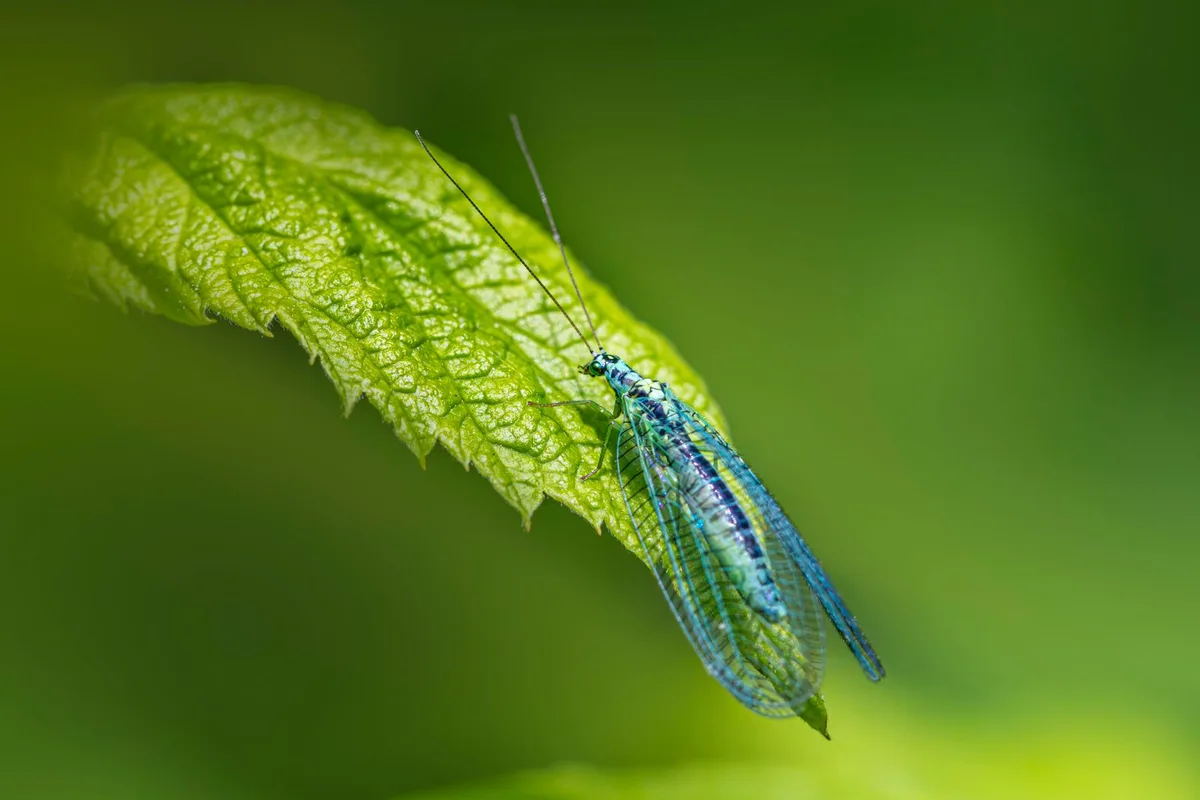
Let's look at the heavy hitters for soft-bodied pests. Green lacewings (Chrysoperla carnea) are voracious predators as larvae. A single lacewing larva can consume over 200 aphids a week.
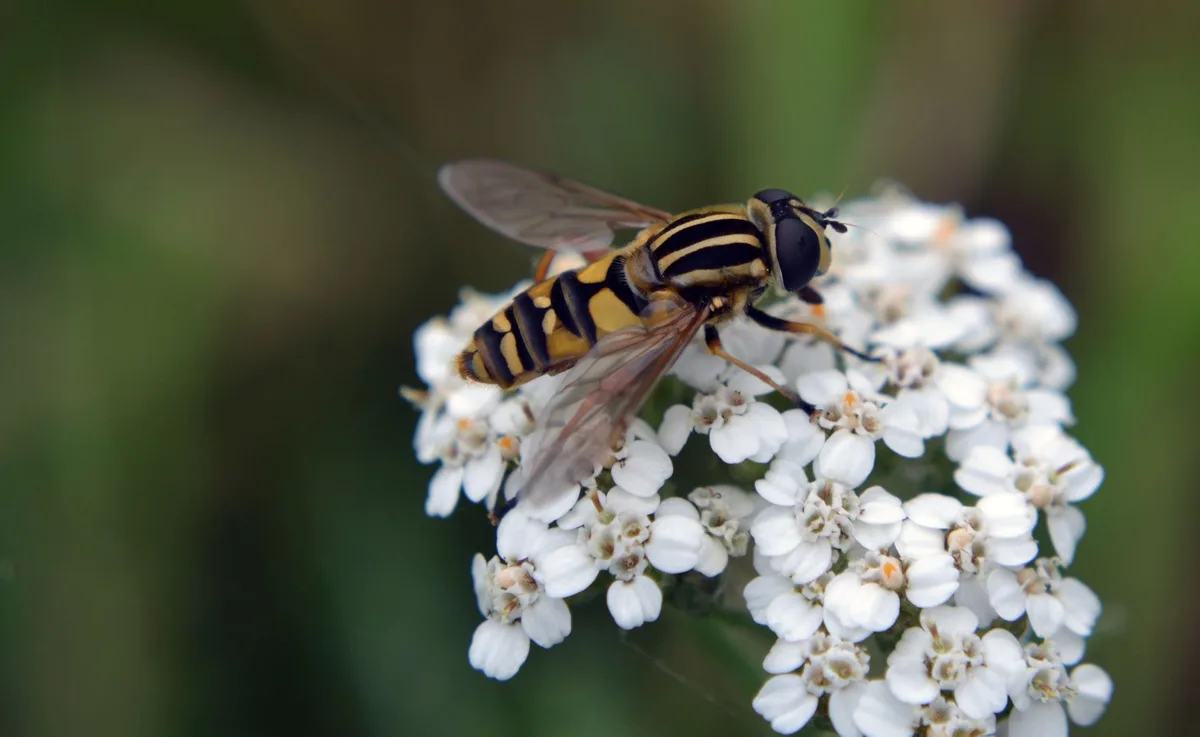
Hoverfly larvae (from the Syrphidae family) are just as effective, eating dozens of aphids daily before they pupate.
How do you call them into your garden? You plant umbellifers. Dill, fennel, cilantro, parsley, and angelica are their favorite food sources.
The tiny clustered flowers provide easily accessible nectar for the adult flies and wasps. When the adults fly away to lay their eggs near aphid colonies, they stick around because the food source is right next to the prey. This is the core of conservation biological control.
Ladybugs are iconic, but they are often less reliable than lacewings in small gardens. Commercially bought ladybugs frequently fly away within 48 hours if the habitat is not established first. A better long-term strategy is to create a permanent home for lacewings and hoverflies using continuous blooming plants.
They will reproduce in your garden and build a self-sustaining population. Just be careful not to use any persistent products that might harm them, unlike a targeted best insecticide for carpenter ants which is applied directly to nests far from your vegetable beds.
If You're After Better Pollination: Focus on Native Bees and Butterflies
Native bees are dramatically more efficient than honeybees for most garden crops. A single female blue orchard bee (Osmia lignaria) can pollinate as many flowers in one day as 100 honeybees. You just need to give them a place to live and a continuous supply of food.
To house them, leave a patch of bare, undisturbed soil in a sunny spot. Over 70 percent of native bee species are ground-nesting. You can also drill simple bee blocks from untreated softwood.
Use 5/16-inch diameter holes and mount the block facing south or east to catch the morning sun.
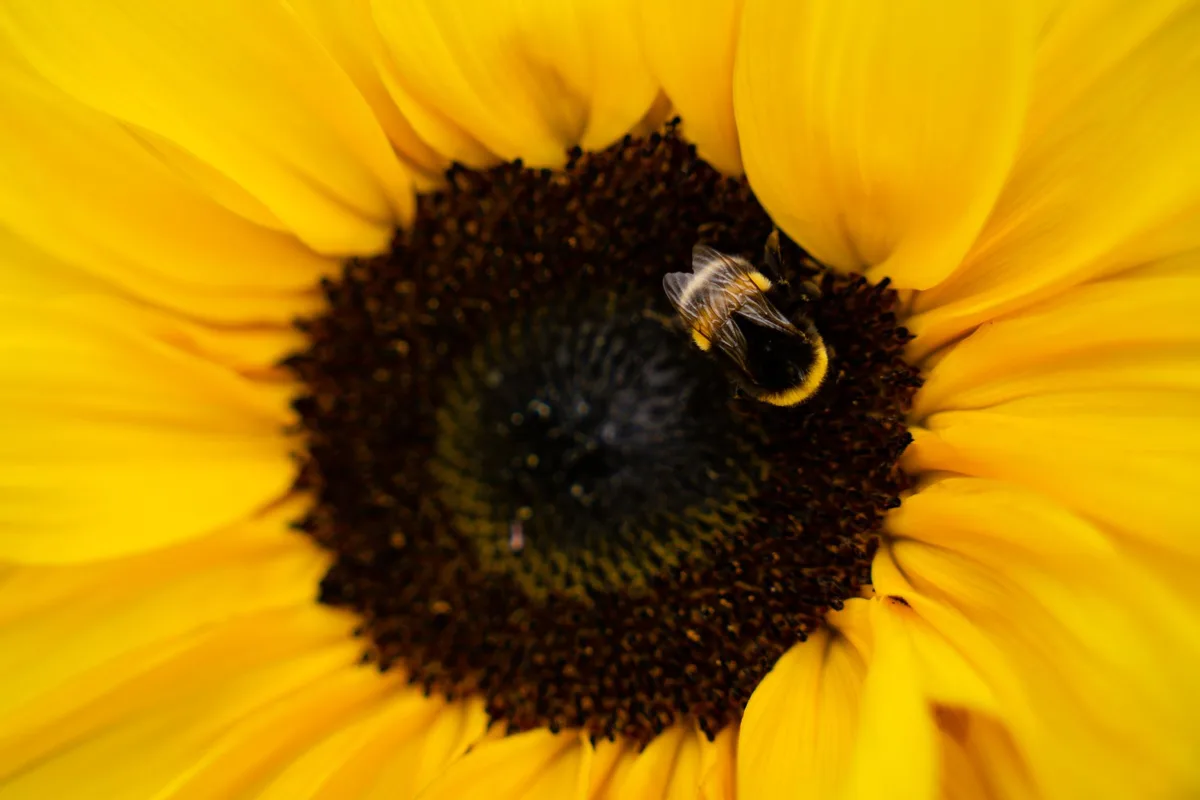
For forage, plant large swaths of single-flowered native plants. Double-petaled flowers look beautiful, but they often lack pollen or make it physically impossible for bees to reach the nectar. Sunflowers, purple coneflower, asters, goldenrod, and clover are perfect choices.
If you want to attract a wider variety of birds and insects, consider adding a nectar source like the ones listed in our guide to the best plant for hummingbirds. These dual-purpose plants keep the ecosystem buzzing from dawn until dusk.
If You're Battling Caterpillars or Beetles: Use Parasitoid Wasps and Tachinid Flies
Caterpillars and beetle grubs can shred a tomato plant overnight. The most effective allies against these larger pests are parasitoid wasps and tachinid flies. These insects do not sting people.
They lay their eggs directly on or inside the pest, and the developing larvae consume the host from the inside out.
Braconid wasps (the Aphidius family) are tiny, less than 1/8 inch long. They specialize in caterpillars, tomato hornworms, and cabbage loopers. Tachinid flies look like stout houseflies but act like assassins.
They target squash bugs, stink bugs, cucumber beetles, and cutworms.
To attract these specialists, you need the smallest flowers you can find. Parasitoid wasps have extremely short mouthparts. They cannot drink from large, open flowers.
Plant umbellifers like dill, fennel, and Queen Anne's lace. Also include small-flowered composites like yarrow and goldenrod. Provide these blooming plants within 10 feet of the crops you want to protect.
The wasps will patrol the area constantly.
Avoid any pesticide application in that zone. Even a single spray of insecticidal soap can kill these fragile bodies. If you need to manage a severe outbreak, use a targeted product like the ones we cover in our best fungicide for lawns guide, applied strictly to the lawn itself away from the insectary patch.
The Core Habitat Setup: Choosing Insectary Plants by Bloom Time and Shape
You need flowers blooming from early spring through late fall. A gap in the calendar means a gap in insect activity. Here is a simple framework for building a staggered bloom schedule.
| Season | Recommended Plants | Bloom Shape | Target Beneficials |
|---|---|---|---|
| Early Spring (March–April) | Crocus, Snowdrop, Pussy Willow, Oregon Grape | Open cups, small clusters | Ground-nesting bees, early hoverflies |
| Late Spring (May–June) | Sweet Alyssum, Cilantro, Buckwheat, Clover | Umbels, flat clusters | Lacewings, parasitoid wasps, syrphids |
| Summer (July–August) | Sunflower, Coneflower, Yarrow, Lavender | Composite disks, tubular | Native bees, butterflies, tachinid flies |
| Late Fall (September–October) | Aster, Goldenrod, Sedum, Anise Hyssop | Composite, flat tops | Overwintering bees, late predators |
Plant in large drifts, not single specimens. A single dill plant attracts a few wasps. A 3-foot patch of blooming dill attracts hundreds.
Aim for a minimum patch size of 4 feet by 4 feet for each plant type.
Also consider flower shape. Flat, open flowers like yarrow and sunflower give easy access to all insects. Tubular flowers like salvia and penstemon are best for long-tongued native bees.
Avoid double-petaled flowers entirely. They look gorgeous but produce almost no nectar or pollen. If you want to integrate these insectary plants into your overall landscape design, check out our recommendations for best flowers for shade hanging baskets which can attract beneficials even in less sunny corners.
Step-by-Step: Planting Your First Insectary Patch This Season
Do not overthink this. You can start a functional beneficial insect patch in a single afternoon. Follow these steps in order.
Step 1: Pick the right location. Choose a sunny spot within 15 feet of the crops you want to protect. Morning sun is ideal. The patch should get at least 6 hours of direct sunlight daily.
Step 2: Clear the ground. Remove any grass, weeds, or debris. Loosen the top 2 to 3 inches of soil with a hand trowel or rake. You do not need to dig deep.
Beneficial insects prefer disturbed soil, not perfect garden beds.
Step 3: Sow your seeds. Use a mix of fast-blooming annuals (buckwheat, alyssum, cilantro) and long-lived perennials (yarrow, coneflower, goldenrod). Scatter the seeds evenly and press them lightly into the soil. Water gently.
Step 4: Add a water source. Place a shallow dish or birdbath filled with pebbles and water nearby. Keep the water level just below the top of the pebbles. This prevents drowning.
Refresh it every 2 to 3 days to prevent mosquito breeding.
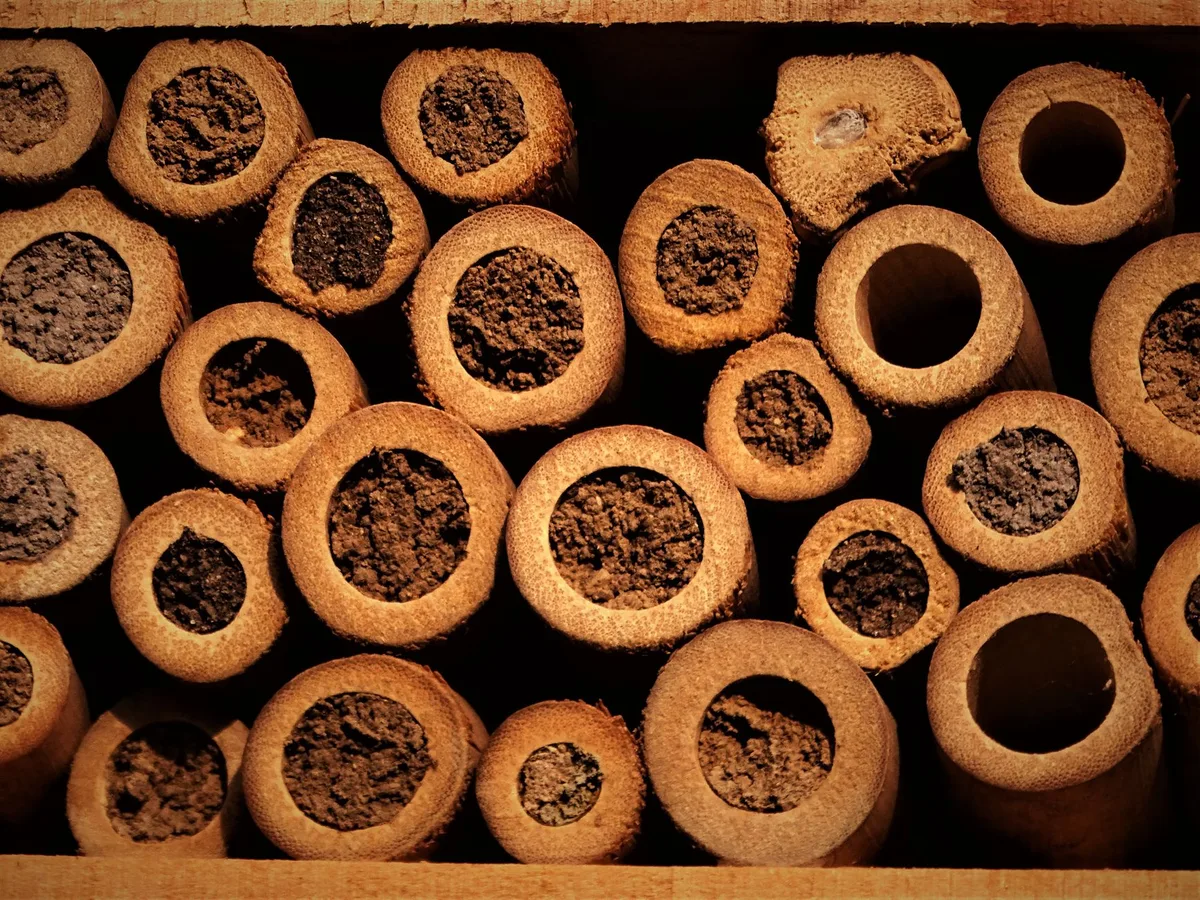
Step 5: Install shelter. Leave dead plant stems from last season standing. Add a small brush pile or a simple insect hotel with bamboo tubes. Mount the hotel facing south or east, 3 to 5 feet off the ground.
Step 6: Stop all pesticides. This is non-negotiable. Any broad-spectrum spray will kill the beneficials you are trying to attract. Use row covers or hand-picking for pest control during the establishment period.
The 5 Biggest Mistakes That Sabotage Beneficial Insects
1. Spraying pesticides "just in case." One application of neem oil or insecticidal soap during bloom can wipe out an entire generation of hoverflies and parasitoid wasps. Only spray when pest numbers are truly damaging, and never spray open flowers.
2. Planting too few flowers. A single pot of alyssum will not make a difference. You need at least 10 percent of your garden area dedicated to insectary plants.
For a 10×10 foot vegetable bed, that means a 3×3 foot patch of flowers.
3. Removing dead stems and leaf litter. Many beneficial insects overwinter inside hollow stems or under leaf debris. Clean up in early spring, not fall.
Leave stems standing until temperatures stay above 50°F consistently.
4. Relying on commercial ladybug releases. These insects are often collected from wild populations and shipped long distances. They typically fly away within 48 hours if the habitat is not already rich.
Focus on building a permanent resident population instead.
5. Ignoring water and shelter. Nectar alone is not enough. Beneficial insects need a drink and a safe place to hide during storms and cold nights.
A dry, open garden will not hold them.
How to Maintain and Overwinter Your Beneficial Bug Habitat
Maintenance is minimal but crucial. During the growing season, deadhead spent flowers to encourage continuous bloom. Cut back invasive plants that try to take over the insectary patch.
Refresh the water source every few days.
As fall approaches, stop deadheading. Let plants go to seed. The seeds provide food for birds and shelter for insects.
Leave the stems standing until late winter. Tachinid flies and parasitoid wasps pupate inside old stalks. Cutting them down early kills them.
In late winter or early spring, cut the old stems to about 12 inches tall. Leave the stumps in place. Many cavity-nesting bees will use these hollow stems to lay eggs.
Compost the removed material away from the garden to avoid spreading any pests.
For ground-nesting bees, leave at least one patch of bare, undisturbed soil year-round. Do not mulch it. Do not till it.
The bees will find it and use it. If you need to manage soil fertility in other areas, refer to our best organic fertilizer for fruit trees guide for targeted applications that won't disturb bee nesting sites.
Real-World Examples: What Worked for a Tomato Patch and a Flower Farm
A home gardener in zone 6 had a persistent aphid problem on 12 tomato plants. She planted a 3 by 4 foot patch of sweet alyssum, cilantro, and dwarf dill at each end of the raised bed. Within three weeks, hoverflies and lacewings appeared.
Aphid populations dropped by an estimated 70 percent over the next month. She did not spray a single thing.
A small flower farm in the Pacific Northwest needed better pollination for cut sunflowers and zinnias. The owners dedicated two 50-foot rows to a mix of purple coneflower, goldenrod, and aster. They also left a 10 by 10 foot area of bare, sandy soil untouched.
Within one season, ground-nesting bee activity increased noticeably. Sunflower seed set improved by roughly 30 percent per their harvest records.
Both cases share a common pattern. They identified the specific problem first. They planted targeted insectary plants in large enough patches.
And they stopped all pesticide use in those zones. If you are designing a new garden layout, consider integrating these strategies early. Our guide to best trees for hot dry climates can help you choose companion trees that support beneficial insects even in challenging conditions.
FAQs on Attracting Beneficial Insects
How long does it take to see beneficial insects arrive?
You will see hoverflies and small wasps within 2 to 4 weeks if you plant fast-growing annuals like alyssum and buckwheat. Perennial patches take longer to establish, often one full season, but they support a wider range of insects long term.
Do I need an insect hotel?
Not strictly, but it helps. Insect hotels provide nesting sites for solitary bees and overwintering shelter for beneficial wasps. A simple bundle of bamboo tubes or a drilled block of untreated wood is more effective than a large fancy structure.
Can I use pesticides if I am attracting beneficial insects?
Avoid all broad-spectrum pesticides. Even organic options like neem oil can kill beneficial larvae and adults. If you must intervene, use spot treatments only on the pest and never spray open flowers.
What plants are best for a small patio garden?
Sweet alyssum, dwarf dill, cilantro, and container-friendly zinnias work well in pots. Group several pots together to create a mini insectary patch. Add a shallow water dish with pebbles to complete the habitat.
Will beneficial insects sting me?
Almost never. Parasitoid wasps are too small to sting humans. Solitary bees may sting if handled roughly, but they are not aggressive.
They will ignore you and focus on flowers.
What if I have no pests right now?
Plant for prevention anyway. A healthy population of beneficial insects will keep future outbreaks from ever reaching damaging levels. Think of them as your garden's immune system.
Your Decision Guide: Match Your Garden's Needs to the Right Plan
| Your Situation | Primary Goal | Best Plants to Start With | Action Step |
|---|---|---|---|
| Aphids on vegetables | Predator attraction | Sweet alyssum, dill, cilantro, buckwheat | Plant a 3×3 ft patch near crops. Stop all sprays. |
| Poor fruit set on tomatoes | Pollinator support | Sunflower, coneflower, clover, lavender | Leave bare soil for ground-nesting bees. |
| Caterpillars on brassicas | Parasitoid attraction | Fennel, yarrow, dill, Queen Anne's lace | Plant small-flowered umbels within 10 ft. |
| General garden health | Build diverse insectary | Aster, goldenrod, anise hyssop, sedum | Aim for 10 percent of garden area. |
Follow this one rule above all else. Match the flower to the problem. If you want predators, plant tiny flat flowers.
If you want native bees, plant large daisy-type flowers with accessible centers and provide bare ground for nesting. Skip the chemicals. Leave the stems standing.
Provide water year-round. The insects will show up and do the work for you.