Guide to Should You Water After Fertilizing: Simple Steps
So you've just fed your plants, and now you're standing there with a watering can wondering: should you water after fertilizing? It's a simple question that trips up a lot of gardeners. And honestly, the confusion makes sense.
Some people swear you always need to water it in. Others say that's a waste of water and nutrients.
Manufacturer specifications for most granular fertilizers indicate that watering within 24 hours is critical for activation. As of 2026, soil science research from university extension programs confirms that moisture plays a direct role in how effectively plants absorb nutrients. Here's what actually matters.
Quick Answer
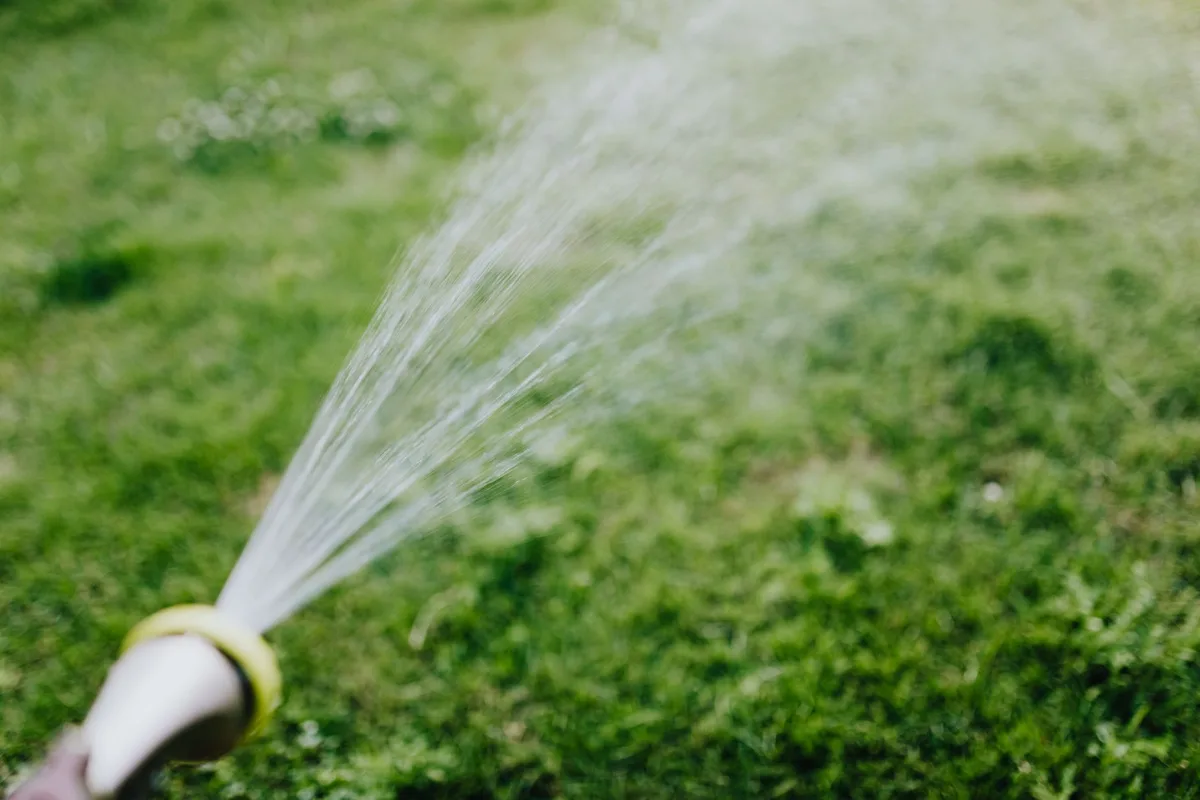
Water after granular fertilizer if the soil is dry. Don't water after liquid fertilizer if the soil is already moist. Water helps granules dissolve.
Too much water washes nutrients away. Check your fertilizer type first. Match your watering to your plant's needs.
Problem: The Confusion Around Watering After Fertilizing
Here's the thing. The answer changes based on what you're working with. Granular fertilizer needs moisture to break down.
Liquid fertilizer is already dissolved. So the rules are different.
The real problem is that most general advice ignores these differences. You'll see a blog say "always water after fertilizing" and another say "never water". Both can be right.
Both can be wrong. It depends on your specific situation.
What we see in practice is that most mistakes come from one of two places. Either people skip watering on dry granular fertilizer and wonder why their lawn stays patchy. Or they drench plants right after feeding with liquid fertilizer and flush all those nutrients past the root zone.
This is a classic decision tree problem. The three conditions you need to check are:
- What fertilizer form you used (granular, liquid, or slow-release)
- How moist your soil already is (bone dry, slightly damp, or saturated)
- Where your plants are growing (in the ground, in containers, or indoors)
Once you know those three things, the answer becomes obvious.
Core Explanation: Why Watering After Fertilizing Matters
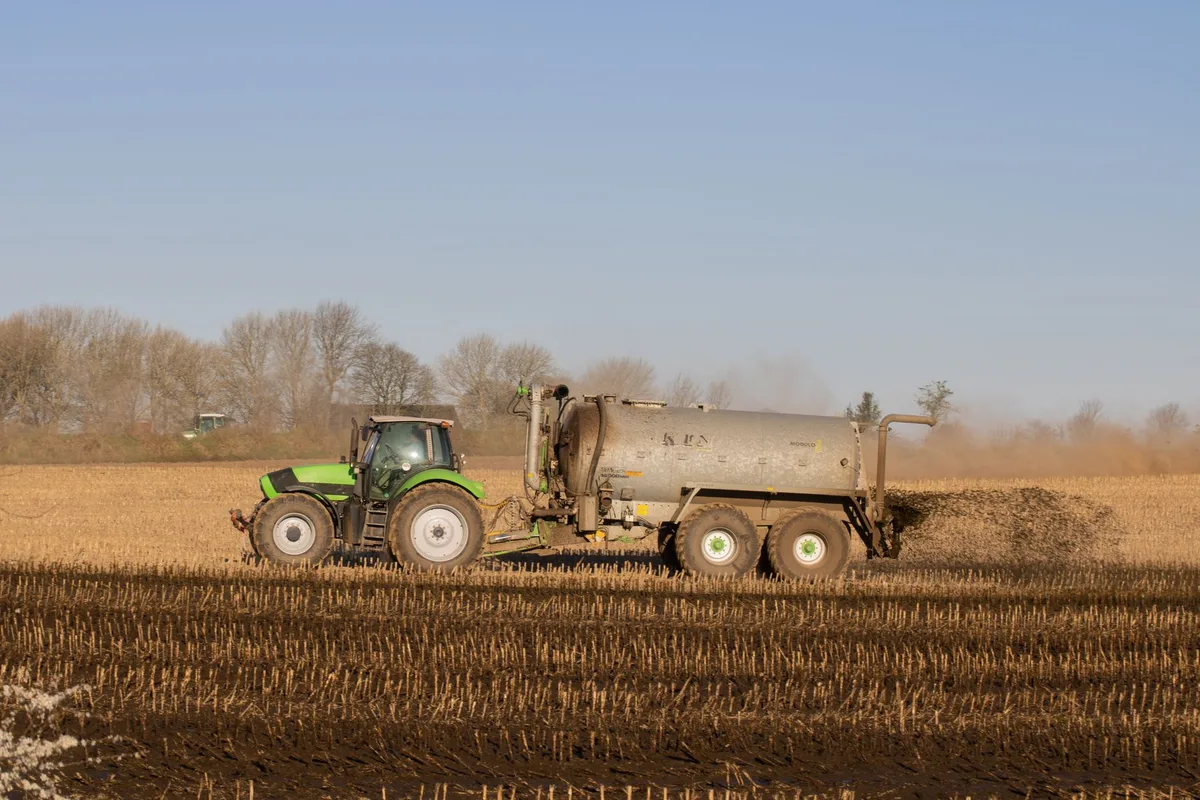
Water is the delivery system for fertilizer. Without it, those nutrients stay put. They sit on the soil surface where roots can't reach them.
The Role of Water in Activating Granular Fertilizers
Granular fertilizers are tiny pellets coated in either a synthetic or organic shell. They need water to dissolve that coating. Once the coating breaks down, the N-P-K nutrients release into the soil solution.
Roots absorb them through the moisture film around each soil particle.
If you spread granules on dry soil and don't water, those pellets can sit there for weeks. In dry weather they might never break down. That's wasted money and missed nutrition for your plants.
University extension research shows that granular fertilizers need about half an inch of water to activate properly on lawns. For garden beds, you want enough water to wet the top 4 to 6 inches of soil. That's where the active feeder roots live.
On the flip side, water too much and you push those nutrients deeper than the roots can reach. That's called leaching. It pollutes groundwater and wastes your effort.
Why Liquid Fertilizers Are Different
Liquid fertilizers come already dissolved. They're a solution you mix with water, or a concentrate that you dilute before applying. The nutrients are immediately available to roots the moment they hit the soil.
This changes the watering math. If you apply a liquid fertilizer to soil that is already moist, you don't need to water again. The nutrients are already in solution and the roots can start feeding right away.
If the soil is dry, you have two options. You can water the soil first, then apply the liquid fertilizer. Or you can apply the fertilizer and give it a light watering to help it distribute.
But that second step is often unnecessary.
The crucial difference is that liquid fertilizers don't need to be "triggered" by water. They're already active.
How Soil Moisture Changes the Equation
Soil moisture level is the hidden variable. It matters a lot more than most people realize.
| Soil Condition | Granular Fertilizer | Liquid Fertilizer |
|---|---|---|
| Completely dry | Water immediately and thoroughly | Water first or mix water in |
| Slightly damp | Water in lightly | No additional water needed |
| Already wet (from rain or irrigation) | Skip watering unless granules are on surface | Skip watering entirely |
For indoor plants and container gardens, this becomes even more important. Pots have limited soil volume. Overwatering after fertilizing can quickly leach nutrients.
University trials show that container plants lose up to 30 percent of applied nitrogen if you water heavily right after feeding.
If you're growing in well-draining potting mix, the risk is higher. Sandy soils and soilless mixes drain fast. That means nutrients wash through before roots grab them.
Decision Branch 1: You Used Granular Fertilizer
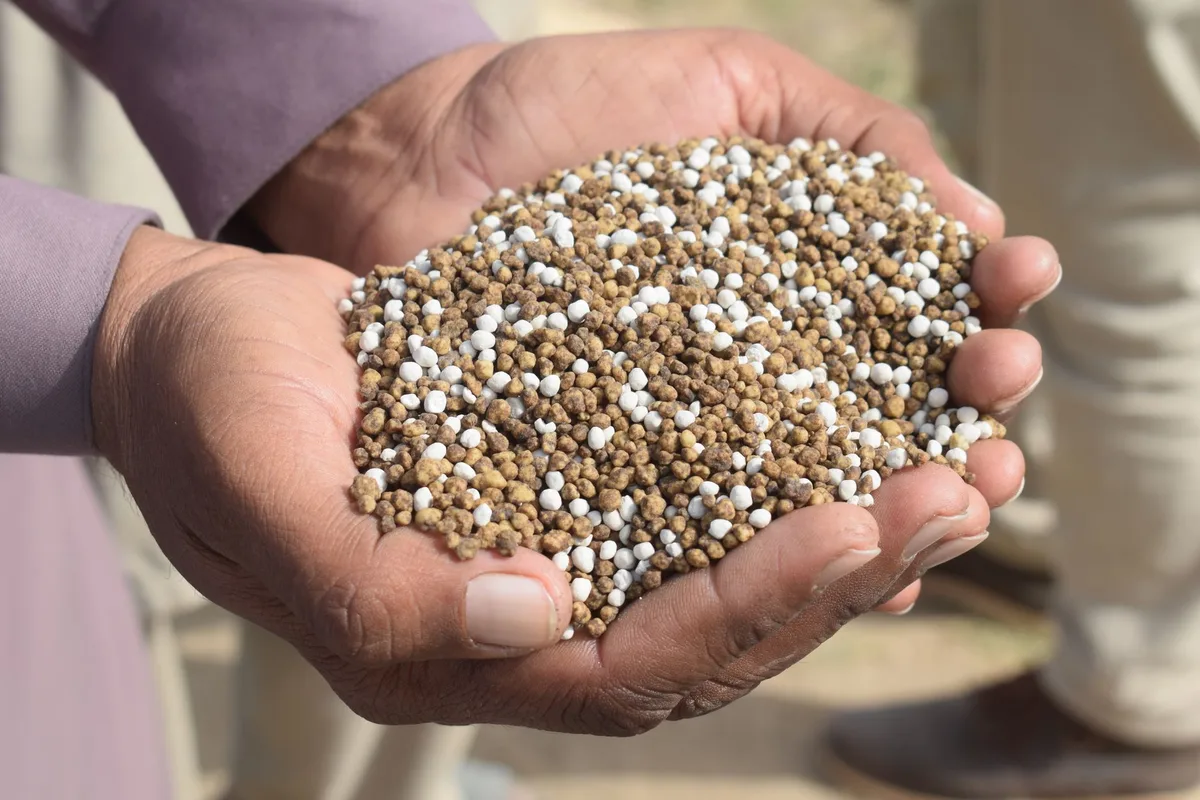
This is the most common scenario. You bought a bag of slow-release or quick-release granules. You spread them around your lawn, your garden beds, or your container plants.
Now what?
When to Water Immediately
The short answer is always. Water immediately after applying granular fertilizer. The only exception is if the soil is already soaked from heavy rain.
Here's why. Those granules need moisture to start releasing nutrients. Without water, they just sit there.
On a hot sunny day, dry granules can also burn leaf tissue if they land on foliage.
For lawns, spread the granules first. Then run your sprinklers for about 15 to 20 minutes. You want enough water to dissolve the coating but not so much that it runs off into the street.
For garden beds, water gently with a hose or watering can. Aim for slow, even coverage. You want the water to soak in, not pool on the surface.
For containers and houseplants, water until you see a small amount draining from the bottom. That's your cue that the soil is saturated but not flooded.
If you're using a slow release fertilizer like Osmocote, the same rule applies. Those coated prills need moisture too. They release nutrients gradually based on soil temperature and moisture.
Water them in and they'll start working.
How Much Water to Use Without Leaching
This is the sweet spot. Enough to activate the fertilizer. Not enough to push it past the root zone.
For a standard lawn application, half to three-quarters of an inch of water is ideal. You can measure that with a tuna can or a rain gauge. Let the sprinklers run until the can has about half an inch of water.
For a garden bed, water slowly until the top 4 inches of soil are dark and moist. Stick your finger in. If it feels damp but not muddy, you're good.
For a 6-inch pot, give it about a cup of water. For larger pots, adjust up. The goal is even soil moisture from top to bottom.
One more tip. Water earlier in the day if you can. That gives the fertilizer time to work before the sun evaporates the moisture.
Evening watering is fine, just don't do it right before a heavy rain.
If you use organic granular fertilizers like bone meal or blood meal, they need water for a different reason. They require microbial activity in the soil to break down. Water helps those microbes do their job.
Decision Branch 2: You Used Liquid Fertilizer
Liquid fertilizers are simpler. But people still overthink them.
Concentrates vs Ready-to-Use: Does It Need Watering In?
Concentrates are the kind you mix yourself. You dilute them in a watering can or a hose-end sprayer. The mixing water is the water you need.
There's no extra step.
Ready-to-use formulas come pre-diluted in a spray bottle or a jug. You apply them directly. No mixing required.
In both cases, the nutrients are already in solution. They don't need additional water to activate.
If the soil is already moist when you apply liquid fertilizer, you're done. Walk away. The nutrients will move into the root zone naturally.
If the soil is bone dry, water it first. Let the water soak in for 10 to 15 minutes. Then apply the liquid fertilizer.
This prevents the fertilizer from just running off dry soil.
When You Should Still Water After Liquid Feeding
There is exactly one situation where watering after liquid fertilizer makes sense. Overhead application that lands on leaves.
If you're spraying liquid fertilizer on foliage, some of it will drip onto the soil. But some will stay on the leaves. A light watering afterward rinses the leaves and pushes the nutrients down to the roots.
This matters for plants with hairy or waxy leaves. Those surfaces can hold droplets that eventually scorch in the sun.
For soil-only applications, skip the extra water. It only dilutes the fertilizer and increases the chance of leaching.
For potted plants and houseplants, this is especially relevant. If you use a liquid feed on your pothos or your ficus, water the soil lightly first. Then apply the liquid fertilizer.
That's all you need.
If you're growing edibles in containers, the same logic applies. Liquid feeds for tomatoes or peppers don't need post-feeding water. Just make sure the potting mix isn't dust dry before you apply them.
This is also where paying attention to your specific plant's needs helps. Some plants, like succulents, are sensitive to overwatering. Adding extra water after a liquid feed can cause root rot.
Others, like ferns, want consistent moisture. But even they don't need extra water if the soil is already damp.
Decision Branch 3: Slow-Release or Organic Fertilizer
Slow-release and organic fertilizers sit in a middle zone. They aren't as immediate as liquid feeds. They aren't as quick to dissolve as standard granulars either.
Coated Pellets and Spikes: Watering Rules
Slow-release pellets use a polymer coating that breaks down over weeks or months. Water opens tiny pores in that coating. Nutrients then trickle out gradually.
If you apply these pellets to dry soil, water them in just like standard granules. The initial watering kicks off the release cycle. After that, normal rainfall or irrigation handles the rest.
Fertilizer spikes follow the same logic. Hammer them into moist soil if you can. If the soil is dry, water around the spike base after installation.
Spike labels usually say to water thoroughly within 24 hours.
One common mistake is thinking slow-release means "set and forget." You still need that first watering. Without it, the coating stays intact and nutrients stay locked inside.
Organic Granules: Water for Microbial Activity
Organic granular fertilizers like blood meal, bone meal, or feather meal work differently. They don't dissolve in water. Instead, soil microbes break them down into plant-available forms.
Water is essential for that microbial activity. Microbes need moisture to thrive and reproduce. Dry soil means dormant microbes and locked-up nutrients.
For organic granules, water more gently than you would for synthetics. Heavy watering can wash away the fine particles before microbes get to them. Light, even moisture works best.
Apply the granules. Water them in with about a quarter inch of water. Then keep the soil consistently moist for the next few days.
That gives the microbe population time to ramp up.
If you're using a fast-release organic like fish meal, the same rule applies. The nitrogen is already somewhat available, but microbes still help convert it.
Step-by-Step Process: How to Water After Fertilizing Correctly
The steps change based on your setup. Here are three common scenarios with specific instructions.
For Lawns
- Spread granular fertilizer evenly with a broadcast spreader.
- Water immediately with sprinklers for 15 to 20 minutes.
- Aim for half an inch of water total. Use a tuna can to measure.
- Avoid runoff into storm drains or sidewalks.
- If you use liquid lawn food, apply when grass is damp from morning dew. No extra watering needed.
For Garden Beds
- Broadcast granular fertilizer over the soil surface.
- Water gently with a hose or watering wand. Use a slow, even flow.
- Soak the top 4 to 6 inches of soil. That is where roots actively feed.
- For liquid feeds, check soil moisture first. If dry, water 10 minutes before applying.
- If soil is already moist, apply liquid feed and skip the post-water.
For Containers and Houseplants
- Check soil moisture by sticking your finger an inch deep.
- If dry, water the plant lightly 30 minutes before fertilizing.
- Apply granular fertilizer to the soil surface. Then water until you see drainage.
- For liquid fertilizer, mix according to label directions. Apply to moist soil.
- Never leave a saucer full of runoff water. Empty it after 30 minutes.
For indoor plants, consistent moisture matters more than volume, especially if you're using a best plant fertilizer for indoor plants that's designed for houseplants.
Common Mistakes That Waste Fertilizer or Burn Plants
Even experienced gardeners slip up here. Here are the most frequent errors we see.
Applying granular fertilizer to bone-dry soil and not watering. This is the number one mistake. The granules sit there. The plant gets nothing.
You see no results and blame the product.
Watering too heavily after liquid fertilizer. You flush nutrients past the root zone. For container plants, this can remove 20 to 30 percent of applied nitrogen.
Fertilizing when rain is forecast within hours. Heavy rain leaches granular fertilizer before it activates. Check the forecast. Aim for a dry window of 6 to 12 hours after application.
Not adjusting for soil type. Sandy soils drain fast. They need more frequent but lighter watering. Clay soils hold water longer.
They need less volume and slower application.
Using hot water to dissolve fertilizer. Some people think warm water mixes better. It can damage plant roots. Always use cool or room temperature water.
Forgetting to water in slow-release spikes. Spikes need moisture to start dissolving. If the soil stays dry, the spike never breaks down.
Real Scenarios: What Works in Practice
Let's look at three common situations and how the watering rules play out.
Scenario 1: Granular Lawn Fertilizer on Dry Soil
You spread a 20-0-10 lawn food on a sunny June morning. The soil is dry. The grass shows no rain in the forecast for two days.
You set your sprinklers to run for 20 minutes. That delivers about half an inch of water. Within an hour, the granules dissolve.
The nitrogen and potassium start moving into the root zone. Within a week, you see greener blades.
If you had skipped watering, those granules would sit on the surface. Birds might eat them. They'd wash away in the next rain instead of feeding the lawn.
Scenario 2: Liquid Feed for Potted Houseplants
You have a ficus in a 10-inch pot. The potting mix feels slightly damp near the top but dry an inch down. You mix a liquid fertilizer according to the label.
Water the ficus lightly first. Wait 15 minutes. Then apply the liquid feed.
The existing moisture helps the nutrients spread evenly through the root ball. You don't water again. The ficus stays healthy without wasted fertilizer.
If you had applied the liquid feed to dry soil, much of it would run through the cracks and out the drainage holes. The plant gets less benefit.
Scenario 3: Slow-Release Spikes in a Raised Bed
You push slow-release fertilizer spikes into a raised bed of tomatoes. The soil is dry after a week without rain. You water around each spike with about a cup of water.
The water softens the spike coating. Nutrients begin to release over the next few days. You water the bed normally after that.
The tomatoes get a steady supply for the next two months.
If you skip the initial watering, the spikes stay hard. The tomatoes don't get the nutrients when they need them most during the fruiting stage.
Frequently Asked Questions
Should I water before or after fertilizing?
It depends on the fertilizer type. For granular, water after applying. For liquid, water before if the soil is dry.
The key is even soil moisture when the fertilizer is present. Roots need moisture to absorb nutrients.
Can you overwater after fertilizing?
Yes. Overwatering leaches nutrients below the root zone. This wastes fertilizer and can pollute groundwater.
For lawns, stick to half an inch of water. For containers, water until drainage appears and stop.
What happens if you don’t water after granular fertilizer?
The granules stay dry and inactive. Plants get no benefit. In hot weather, dry granules can also cause leaf burn if they land on foliage.
You essentially wasted the application.
Is it okay to fertilize before rain?
Light rain is fine. It acts like a gentle watering in. Heavy rain is bad.
It washes granules away before they dissolve. Forecast a storm? Wait until after.
How long after fertilizing can I water again?
For granular fertilizer, water immediately once. Then wait for the next scheduled watering. For liquid fertilizer, no extra water is needed if the soil was already moist.
Resume your normal watering routine after that.
Final Decision Guide: Quick Cheat Sheet by Fertilizer Type
Here is the simplest way to decide. Match your fertilizer to the watering rule.
| Fertilizer Type | Soil Condition | What to Do |
|---|---|---|
| Granular synthetic | Dry | Water immediately (half inch) |
| Granular synthetic | Already moist | Light watering |
| Liquid concentrate or ready-to-use | Dry | Water first, then apply |
| Liquid concentrate or ready-to-use | Moist | Apply only, no extra water |
| Slow-release pellets or spikes | Dry | Water in thoroughly |
| Slow-release pellets or spikes | Moist | Normal watering routine |
| Organic granules (meal-based) | Dry | Water gently, keep moist |
| Organic granules (meal-based) | Moist | Light watering for microbial activation |
If you're still unsure, stick with this rule of thumb. Granular fertilizers always need water to activate. Liquid fertilizers do not.
Check your soil before you reach for the hose. A quick finger test saves time, money, and frustration.