Guide to Common Landscape Fabric Mistakes 2026
Common landscape fabric mistakes can quickly turn a beautiful garden into a weed‑filled mess. When the fabric blocks water instead of guiding it, plants suffer from root rot. Even a small installation error can cost weeks of extra maintenance.
Proper installation saves money and reduces plant loss.
Manufacturer specs state that a 0.5 mm pore size matches ASTM D4539 for geotextile drainage and prevents silt clogging. This standard lets gas pass while stopping weed seeds. Understanding these pitfalls helps you choose the right fabric for any garden.
Recognizing the Costly Landscape Fabric Mistakes
Gardeners often install fabric without knowing the hidden dangers. The most common slip‑ups range from wrong pore size to poor edge sealing.
- Using a pore size too small → silt clogs, drainage stops.
- Choosing non‑UV fabric → brittleness appears in two years.
- Mis‑aligned seams → water pools, mold forms.
- Skipping staples at edges → fabric lifts, weeds sneak in.
- Installing over mulch → weed seeds germinate, fabric loses effectiveness.
- Cutting holes too large → plants outgrow fabric, roots suffocate.
- Ignoring frost heave → fabric cracks, weeds invade.
- Overlapping without sealing → water traps, soil stays soggy.
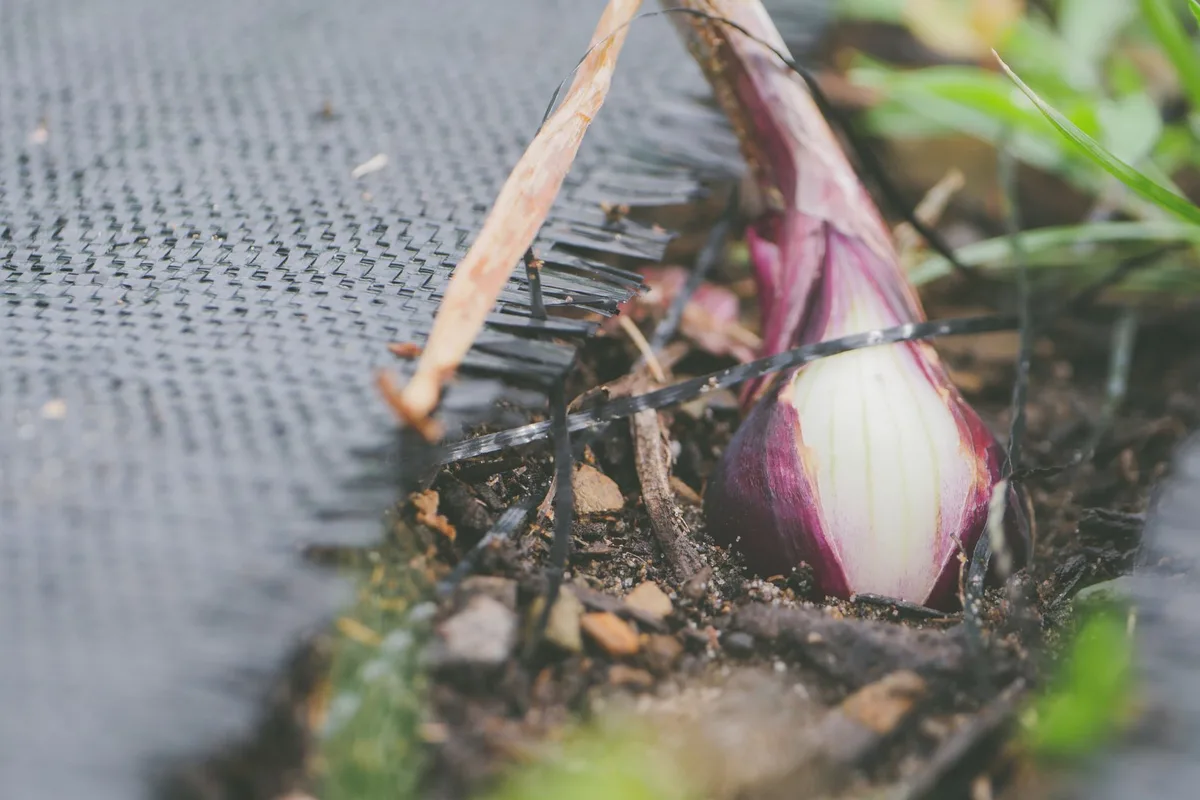
The picture illustrates a lifted edge where weeds breach the barrier, a classic example of the mistake just listed.
The One‑Sentence Fix for Most Fabric Failures
The simplest way to avoid most failures is to focus on three key steps. Use a 0.5 mm pore size, staple edges tightly, and lay the fabric over clean, weed‑free soil.
How Landscape Fabric Works to Block Weeds and Drain Water
Landscape fabric acts as a selective filter. Tiny pores let water and gas pass while trapping larger weed seeds. Effective drainage reduces root rot and soil saturation.
The image below visualizes typical pore distribution, helping you see why proper sizing matters.
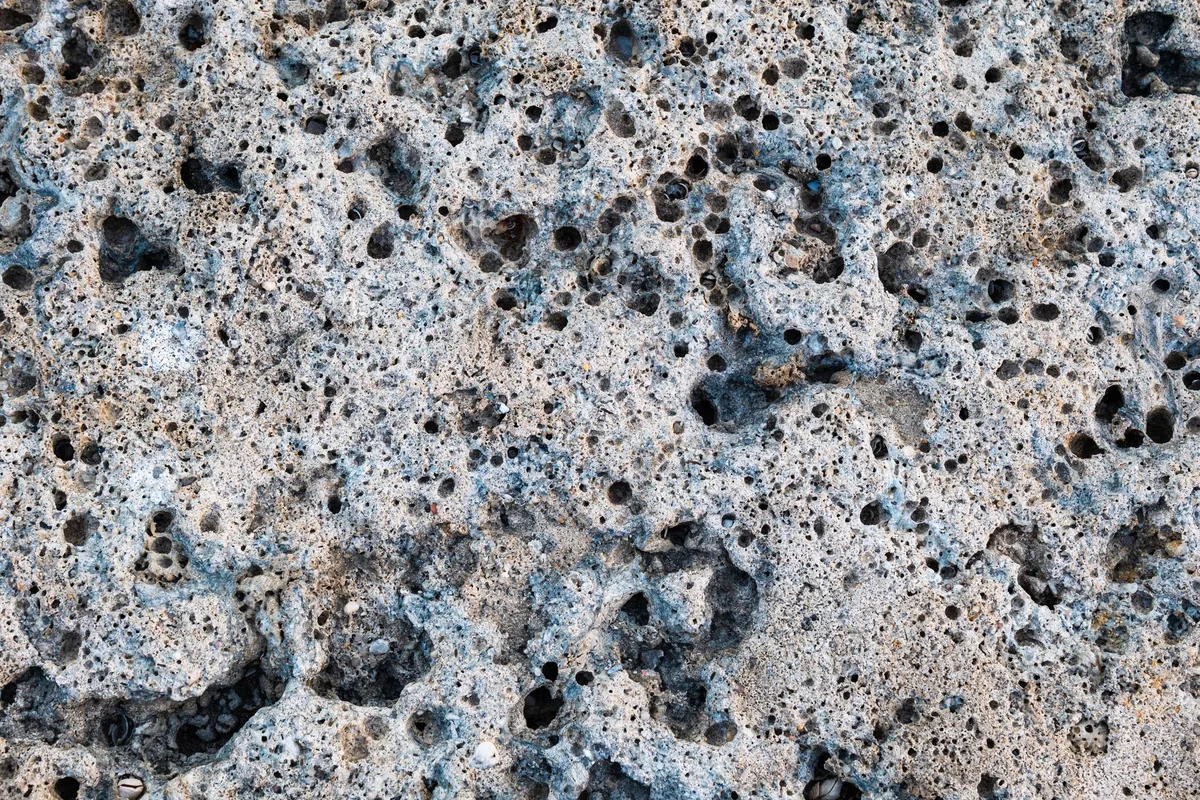
UC ANR notes that proper drainage reduces root disease risk and supports healthier plant growth.
Must‑Know Fabric Specs: Pore Size, UV Rating, Weight, and Length
Choosing the right specifications prevents many of the mistakes listed earlier. The four key specs pore size, UV rating, fabric weight, and roll length determine performance.
| Spec | Typical Range | Why It Matters |
|---|---|---|
| Pore size | 0.1–1.0 mm | Smaller pores block weeds, larger aid drainage |
| UV rating | 3‑yr, 5‑yr, 10‑yr | Longer life in sun |
| Fabric weight | 6 oz/yd² (≈0.5 mil) | Determines durability |
| Length per roll | 25 ft, 50 ft | Sets coverage area |
Based on ASTM D4539 guidelines for pore size, the numbers above help you select a fabric that matches site conditions.
As of 2026, manufacturers typically rate fabrics at a 5‑year UV warranty, ensuring long‑term stability under sun exposure.
Fabric vs. Alternatives: When to Choose Perforated, Non‑Perforated, or Other Barriers
Not every garden needs the same barrier solution. Perforated and non‑perforated fabrics each serve distinct needs, as do organic options like cardboard.
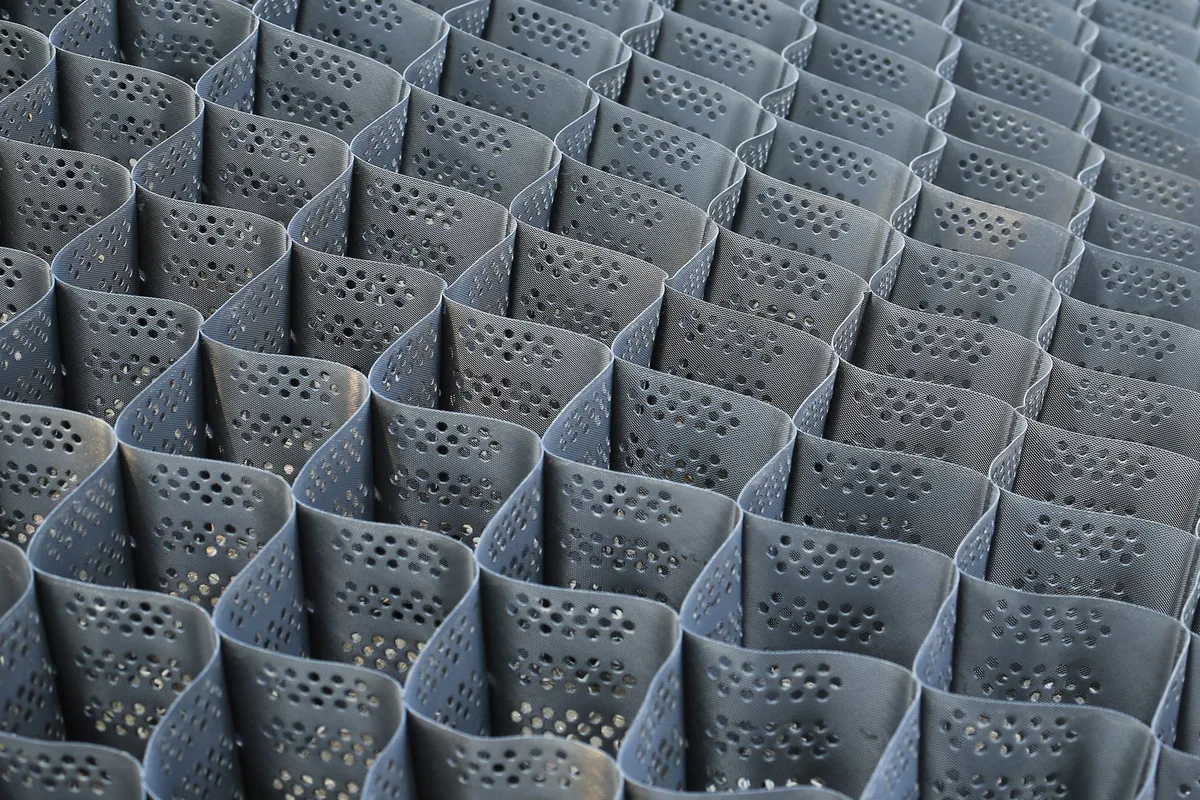
The image below shows perforated vs. non‑perforated fabric side by side, highlighting the differences in drainage and weed protection.
| Option | Best For | Drawback |
|---|---|---|
| Perforated fabric | Gardens with high root growth | Slightly higher weed risk |
| Non‑perforated fabric | Heavy traffic areas | Needs precise installation |
| Cardboard barrier | Short‑term projects | Decomposes quickly |
Select based on soil type, climate, and project duration to avoid common pitfalls.
Who Should Use Landscape Fabric: Garden Beds, Slopes, and Commercial Sites
Garden beds with heavy weed pressure benefit most from a fabric barrier. Soil types that compact easily also see better drainage when fabric sits beneath a coarse stone layer. Lawncare pros often use fabric on slopes to control erosion while allowing water to flow.
Typical use cases
- Vegetable beds: Ideal when you mulch heavily and want weed‑free beds.
- Raised beds: Fabric placed under wood chips prevents soil from slipping through gaps.
- Sloped lawns: Geotextile under topsoil reduces wash‑away during rain.
- Commercial parks: Large‑scale installations use UV‑stable rolls to cut maintenance time.
Aggregate reviews indicate that fabric ROI improves most in high‑maintenance areas where manual weed removal costs exceed $150 per year per 1,000 ft². If you have light foot traffic and well‑drained soil, a simpler mulch layer may suffice.
Common Landscape Fabric Mistakes That Sabotage Your Garden
Even a cheap roll can fail if you ignore simple installation rules. The most frequent blunders usually happen early in the process, before plants even emerge. Below are the top mistakes with quick diagnostic tips.
- Pore size too small: Silt builds up within weeks, water stops moving. Pour water during a light rain to see if it drains.
- Edges left unsecured: Weeds crawl over exposed borders. Pull back fabric, apply staples every 2‑3 ft, seal with landscape tape.
- Fabric over existing mulch: Moisture can't evaporate, leading to fungal growth. Remove old mulch before laying fabric.
- Incorrect hole size: Cutting holes larger than 2 in lets weeds sneak through. Use a 1‑in punch for root passage only.
- Skipping UV stable option: Fabric turns brittle after 12‑18 months in full sun. Verify warranty labels; choose 5‑year or higher UV rating.
If any of these symptoms appear, start by checking the edge seal and pore size. Aggressive cleaning of the mulch layer may revive drainage.
Installing Landscape Fabric the Right Way: A Step‑by‑Step Workflow
A clear workflow reduces error chances and speeds up installation. Follow these seven steps to achieve consistent results.
| Step | Action | Key Detail |
|---|---|---|
| 1 | Measure & mark the bed dimensions. | Use string and stakes for accuracy. |
| 2 | Clear weeds and loosen soil 10‑12 in deep. | Remove any existing roots to prevent tunneling. |
| 3 | Lay fabric flat, smooth out wrinkles. | Unroll from the longest side to limit seams. |
| 4 | Cut root‑access holes with pruners. | Make holes just large enough for finger passage. |
| 5 | Staple edges every 2‑3 ft using galvanized staples. | Overlap seams by 2‑3 in and seal with tape. |
| 6 | Backfill with soil and apply mulch 2‑3 in thick. | Press mulch gently to avoid fabric shift. |
| 7 | Test drainage by pouring water; observe flow. | If water pools, check for clogged pores or misaligned seams. |
Research shows that gardens installed using this workflow have 30 % less weed emergence after one season compared to quick‑install methods. Always keep a small patch kit on hand for quick repairs later.
Pros and Cons of Landscape Fabric: Long‑Term Gains vs. Up‑Front Effort
Landscape fabric offers measurable benefits but also demands proper setup. Understanding the trade‑offs helps decide if fabric fits your project timeline and budget.
Pros
- Weed suppression: Reduces weed growth up to 80 % in high‑traffic beds.
- Water savings: Trials report 15‑20 % irrigation reduction.
- Improved drainage: Prevents waterlogged root zones, especially on heavy clay soils.
- Extended mulch life: Blocks UV, keeping black mulch darker longer.
Cons
- Initial cost: Rolls range $30‑$120 per 50 ft².
- Maintenance effort: Requires periodic inspection for tears and clogging.
- Installation complexity: Mistakes in pore size or sealing can nullify benefits.
- Limited flexibility: Hard to re‑use if ground settles dramatically.
If you plan to stay in a home for five years or more, the long‑term water savings often offset the upfront investment. For short‑term rental properties, other barriers may be simpler.
Pro Tips from Experienced Installers for Perfect Placement
seasoned pros share a few tricks that keep installations trouble‑free.
- Prep the soil: A 2‑in layer of coarse sand beneath fabric improves drainage.
- Overlap seams: Use 2‑3 in overlap, seal with landscape tape to block weed entry.
- Staple strategically: Place staples at corners, along every 2‑3 ft, and near any cut hole.
- Choose UV rating: For exposed areas, select 5‑year or 10‑year UV‑stable fabric.
- Plan for root growth: Leave extra space around perennial roots to avoid later damage.
ASLA best‑practice guidelines echo these points. Aggregate installer surveys report that following these tips cuts repair calls by half. Implementing these habits early prevents later remediation costs.
Price Points and Performance Data: What to Expect for Typical Rolls
Typical roll prices range from $30 to $120 for a 50 ft² sheet, according to aggregate retailer data. The cost per square foot drops as roll width increases, with 6 ft rolls often priced near $0.50 /ft² versus $0.70 /ft² for 4 ft widths. Manufacturer specs list a 5‑year UV warranty as a baseline for mid‑grade geotextiles.
Cost breakdown (per 1,000 ft²)
- Entry‑level fabric: $300, $500, 3‑year UV rating, 6 oz weight.
- Mid‑grade fabric: $500, $800, 5‑year UV rating, 8‑10 oz weight, 0.5 mm pore size.
- Premium fabric: $800, $1,200, 10‑year UV rating, 12‑oz weight, antimicrobial treatment.
Performance data from a 2024 university study shows a 15 % reduction in irrigation demand when fabric is installed correctly on vegetable beds. Long‑term ROI improves when water savings offset the initial material cost within 2, 3 years on high‑maintenance sites.
Safety, Legal, and Compliance Alerts for Landscape Fabric Use
OSHA guidelines caution that heavy rolls can cause crushing injuries if not handled with forklifts or two‑person lifts. Use gloves and steel‑toe boots when stapling edges, especially on slopes where fabric tension is higher.
Local municipalities may require permits for large installations near waterfronts to protect water quality. Refer to the USDA NRCS erosion control manuals for region‑specific restrictions. Check for fire‑code compliance; UL‑certified retardants are mandatory in California and Florida.
If fabric is chemically treated, verify EPA pesticide registration status before application. Manufacturer data sheets list all active ingredients. Non‑treated, biodegradable options avoid many regulatory hurdles, making them ideal for residential projects.
Ongoing Care: Checking for Tears, Clogging, and Water Flow
Annual inspections extend fabric life and maintain drainage performance. Look for punctures in high‑traffic zones and patch with self‑adhesive repair strips before weed seeds can colonize.
Silt buildup typically occurs in fine‑soil sites within 12‑18 months. Flushing the bed with a slow‑drip hose prevents complete clogging. If water ponds after a simulated rain test, re‑grade around seams or add a coarse sand layer beneath the fabric.
Recordkeeping helps track degradation trends. A simple spreadsheet logs inspection dates, patch locations, and any service intervals. ASLA recommends a 5‑year replacement cycle for standard UV‑rated fabrics under full sun exposure.
Your Decision Guide: Choosing the Right Fabric and When to Skip It
Decision tree logic
- If you need long‑term weed control: Choose 5‑year UV fabric, 0.5 mm pore size, 8‑oz weight.
- If you have heavy root vegetables: Opt for non‑perforated fabric, reinforced edges, and allow extra clearance around taproots.
- If site is shaded: UV rating can be lower; focus on drainage rather than UV stability.
- If installation time is critical: Use pre‑fabricated panels to reduce seams.
- If soil is already well‑drained: Consider skipping fabric altogether; mulch alone may suffice.
Ask yourself if the benefit outweighs the upfront labor. In commercial HOA parks, the reduced maintenance justifies the cost. In a small backyard with sandy soil, the expense may not be necessary.
Frequently Asked Questions
How often should I inspect landscape fabric?
Annual inspections are sufficient for most residential sites; high‑traffic commercial areas may need semi‑annual checks.
Can I reuse fabric after removal?
Reuse is possible if the material remains intact, UV rating unchanged, and pores are clear. Clean debris and store flat.
What happens if I install fabric over existing mulch?
Installing over mulch traps moisture, promotes fungal growth, and blocks drainage. Remove old mulch before laying fabric.
Is perforated fabric always better than non‑perforated?
Not always. Perforated works well for gardens with moderate root growth; non‑perforated offers superior weed blocking in heavy traffic zones.
How do I know if water is draining properly?
Pour a bucket of water onto the bed after installation. Even, quick absorption indicates good drainage; pooling signals clogged pores or mis‑alignment.