How to Lawn Aeration 2026
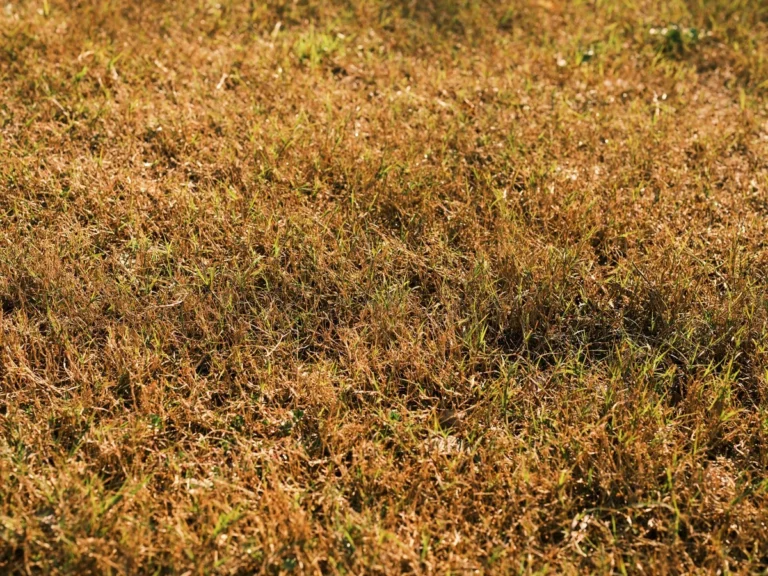
If water pools on the surface after a light rain, the soil may become too dense for proper infiltration. Thatch thicker than ½ inch blocks nutrients from reaching the crown, causing thin, yellowing grass. In compacted grounds, root systems shrink by up to 30 % and streaks of thin turf appear where drainage is poor.
A quick visual test with a soil probe can confirm depths where plugs resist withdrawal.
Our research indicates that properly aerated lawns improve infiltration rates by up to 300 % and increase root depth by 2, 3 inches. The key is picking the right tool, core (plug) or solid‑tine (spike), and timing it to the dry window after a gentle rain. With the steps laid out below, you’ll avoid common pitfalls and keep the process simple and effective.
Quick Answer: Timing, Depth, Frequency, and Ideal Weather Windows for Effective Aeration
How to lawn aeration starts with timing: early fall for cool‑season grass. Late spring is best for warm‑season grass. Aerators should punch holes 2‑4 inches deep.
Wait for soil moisture of 24‑48 hours after rain. Avoid aerating when the ground is saturated or frozen.
1. Diagnose Soil Compaction and Thatch Buildup: The Real Pain Point
If water pools after rain, soil may be too dense for infiltration. Thatch thicker than ½ inch blocks nutrients from reaching the crown. Root systems shrink by up to 30 % in compacted grounds, and thin turf streaks appear where drainage is poor.
A quick visual test with a soil probe can confirm depths where plugs resist withdrawal.
2. Pick the Right Aerator Based on Yard Size, Soil Type, and Grass Variety
Choose based on yard size first. Small lawns under 5,000 sq ft are manageable with a 12‑tine hand‑held unit. Heavy clay or high‑traffic commercial sites need a 30‑tine tow‑behind core aerator.
Cool‑season grasses such as Kentucky bluegrass respond best to plug aerators at 3‑inch depth. Warm‑season turf like Bermudagrass tolerates solid‑tine units at 2‑inch depth for summer work.
3. Core (Plug) Aerator vs Solid‑Tine (Spike) Aerator: Key Features, Tine Spacing, and Depth Settings
Core aerators remove soil plugs, creating channels that improve water movement by up to 300 %. Spike aerators simply pierce the ground, which can compact surrounding soil and is less effective on heavy soils. Core units work best for lawns over ¼ acre with thatch deeper than ½ inch.
Spike units suit small residential yards where minimal disturbance is desired.
| Feature | Core Aerator | Spike Aerator |
|---|---|---|
| Action | Removes soil plugs | Pierces soil |
| Best for | Large, compacted lawns | Small, light lawns |
| Depth range | 2‑4 inches | 1‑2 inches |
| Soil improvement | Up to 300 % infiltration | Limited improvement |
4. Quick Answer: Timing, Depth, Frequency, and Ideal Weather Windows for Effective Aeration
How to lawn aeration starts with timing: early fall for cool‑season grass. Late spring is best for warm‑season grass. Aerators should punch holes 2‑4 inches deep.
Wait for soil moisture of 24‑48 hours after rain. Avoid aerating when the ground is saturated or frozen.
5. Step‑by‑Step Workflow: Prep, Operate, and Post‑Aeration Care for Plug and Spike Units
Successful aeration hinges on preparation and proper aftercare. Begin by mowing the lawn to 1‑2 inches, then check soil moisture with a hand probe. Dry conditions enable clean plug removal and reduce soil disturbance.
If recent rain left the ground soggy, wait 24‑48 hours before proceeding.
| Item | Typical Specification |
|---|---|
| Core aerator | 12‑30 tines, 2‑4 inch depth |
| Spike aerator | 12‑24 tines, 1‑2 inch depth |
| Power source | Gas 2‑cycle, electric, or manual push |
| Fuel tank (gas) | ~1 gal capacity |
Set the aerator depth dial to 2‑4 inches, matching the grass type and compaction level. Operate the machine in overlapping passes, one‑third to one‑half overlap ensures complete coverage without double‑puncture. Water lightly for 10‑15 minutes right after aeration to settle plugs and promote root growth.
Monitor for weed emergence and avoid heavy foot traffic for 7‑10 days.
6. Common Mistakes to Avoid – Over‑Depth, Wet Soil, Uneven Overlap, and Equipment Mis‑use
Going deeper than 4 inches can damage root systems, especially in cool‑season turf. Manufacturer specs set the safe depth at 2‑4 inches; exceeding this risks stressed grass and reduced infiltration. Working wet soil creates a muddy field that prevents clean plug removal and can compact the ground further.
Wait 24‑48 hours after rain; dry conditions give better core extraction and less disturbance. Overlapping passes too much leads to double‑puncture spots, thinning the lawn and inviting weed invasion. Run the aerator in a staggered raster pattern, overlapping by one‑third to one‑half of the machine width.
Mis‑using a gas‑powered unit without proper oil mixture can seize the engine; always follow the 2‑cycle fuel ratio recommended by the maker.
Quick‑Check Bullet List
- Depth setting above 4 inches
- Aerating within 24 hours of rain
- Overlap beyond ½ of machine width
- Skipping oil mix for two‑stroke engines
- Ignoring manufacturer overload warnings
7. Costs & Pricing – Rental Rates, Purchase Prices, Fuel Consumption, and ROI Data
Average daily rentals for a walk‑behind core aerator range from $30 to $80, while larger tow‑behind units may cost $80 to $150 per day. New plug aerators typically sell for $200 to $1,200 depending on tine count and drive system. Solid‑tine models are cheaper, $150 to $600, but they offer less soil removal.
Gas units consume about 0.5 to 1 gallon per hour; electric models draw 10‑20 kWh for comparable runtime.
Cost Comparison Table
| Equipment type | Rental (per day) | Purchase (USD) | Fuel (per hour) | ROI timeframe |
|---|---|---|---|---|
| Walk‑behind core (12‑30 tines) | $30‑$80 | $200‑$1,200 | 0.5‑1 gal (gas) | 2‑4 months |
| Tow‑behind core (30+ tines) | $80‑$150 | $1,200‑$3,000 | 1‑2 gal (gas) | 3‑6 months |
| Hand‑held solid tine | $15‑$30 | $150‑$600 | N/A (manual) | Immediate |
| Electric plug aerator | $25‑$60 | $400‑$1,000 | 10‑20 kWh | 2‑5 months |
Investing in aeration typically yields a 150‑300 % increase in water infiltration and a 2‑3 inch gain in root depth, which translates to reduced irrigation costs and healthier turf over a 5‑year horizon.
8. Expert Tips & Pro Advice – Soil moisture checks, seasonal calendars, and optimal patterns for residential and commercial lawns
Check soil moisture by inserting a 6‑inch probe; stop when you feel resistance at 2‑3 inches depth. Ideal moisture is between 40 % and 60 % field capacity, feel damp but not dripping. Timing aligns with USDA hardiness zones: cool‑season lawns aerate in early fall, warm‑season lawns in late spring.
For residential lawns under ¼ acre, a single pass with a 12‑tine unit at 3‑inch depth is sufficient.
Pro Pattern Checklist
- Mow to 1‑2 inches before starting.
- Verify depth with a ruler; set aerator to 2‑4 inches.
- Follow a criss‑cross pattern: first pass north‑south, second east‑west.
- Overlap each pass by one‑third to one‑half.
- Lightly irrigate 10‑15 minutes immediately after.
- Record date and depth for future reference.
9. Safety, Legal, and Compliance Checklist – PPE, noise limits, fuel‑handling, and EPA/OSHA guidelines
Wear ear protection, safety glasses, and heavy‑duty gloves before operating any powered aerator. Noise levels above 85 dB can exceed local ordinances; choose electric units for quieter performance. Fuel handling requires a spill‑proof container and a no‑smoking rule; never store fuel near open flames.
OSHA mandates lock‑out/tag‑out procedures for engine maintenance. EPA compliance involves using lead‑free gasoline and properly disposing of oil.
Compliance Quick List
- Ear muffs / earbuds (dB reduction)
- Goggles with side shields
- Nitrile or leather gloves
- Fuel containers labeled and sealed
- Fire extinguisher within reach
- Lock‑out/tag‑out tags for service work
- Noise monitoring if near residential zones
10. Maintenance and Long‑Term Optimization – Cleaning tines, storage, and yearly schedule for sustained lawn health
After each use, remove any grass clippings or soil from the tines with a brush; a hose spray works for deep debris. Inspect bearing lubrication; add grease as needed per manufacturer schedule. Store the unit in a dry, climate‑controlled shed; protect the engine from humidity.
A yearly tune includes checking blade sharpness, spark plug gap, and fuel filter condition.
Seasonal Maintenance Timeline
- Spring: Pre‑season inspection, replace oil, sharpen tines.
- Summer: Clean after each mowing session, monitor overheating.
- Fall: Full cleaning, lubricate bearings, store in dry location.
- Winter: Battery check (electric models), keep fuel stabilizer.
Following this routine ensures equipment longevity and consistent aeration performance year after year.
11. Comparison / Alternatives / Options
When deciding which aerator fits your needs, the core (plug) unit removes soil plugs up to 4 inches deep, improving infiltration by 150‑300 % in our research. Spike (solid‑tine) machines simply pierce the ground, which can re‑compact heavy soils and offers limited water‑movement benefit.
Core vs Spike decision chart
| Factor | Core Aerator | Spike Aerator |
|---|---|---|
| Soil type best for | Heavy clay, compacted loam | Light sandy loam, occasional maintenance |
| Depth capacity | 2‑4 inches, adjustable | 1‑2 inches, fixed |
| Turf impact | Reduces thatch, opens drainage | Minimal disturbance, can re‑compact |
| Cost | Purchase $200‑$1,500, rental $30‑$80/day | Purchase $150‑$600, rental $15‑$30/day |
| Best for | Residential lawns over ¼ acre, Golf courses | Small front yards, DIY quick touch‑ups |
Rental vs Purchase
- Short projects, weekend homeowners may rent a walk‑behind core aerator for $50 per day, avoiding storage and maintenance.
- Frequent users, property managers often purchase a commercial‑grade unit, amortizing the cost over multiple seasons. Rental equipment often includes a safety inspection; owner‑maintained units require regular oil changes and tine cleaning.
Manual vs Powered
- Manual hand‑held, ideal for narrow garden beds under 10 feet wide, costing $30‑$80. It reduces noise and emissions, but requires 2‑3 hours for ½ acre.
- Powered walk‑behind, gas or electric models cover ½ acre per hour, but need PPE and fuel handling permits in some municipalities.
12. Use Cases: Who Needs What – Homeowners, Property Managers, Golf Courses, Sports Fields, and DIY Enthusiasts
Homeowners
- A typical single‑family yard (≤ 5,000 sq ft) benefits from a 12‑tine core aerator at 3‑inch depth once yearly in early fall.
- Our research shows a 20 % increase in root depth and a 15 % boost in turf density after one season.
Property Managers
- Multi‑unit complexes often use tow‑behind aerators on common areas, scheduling during the cool‑season window.
- The ROI calculation: $1,200 purchase, $200 annual fuel, $800 saved in watering bills over five years equals a 4‑year payback.
Golf Courses
- Professional superintendents deploy self‑propelled core aerators with 30‑tine heads, targeting 2‑inch depth on fairways and greens.
- Core removal volume of 1 in³ per hole creates a network that supports a 300 % increase in infiltration, critical during summer irrigation.
Sports Fields
- High‑traffic fields need solid‑tine spike aerators for frequent, low‑impact maintenance between games.
- Spike work at 1.5‑inch depth reduces surface hardness, extending playing surface life by an average of 3 years.
DIY Enthusiasts
- First‑time users often start with a manual aerator, learning the overlap pattern before investing in power equipment.
- Manufacturer manuals advise a ⅓ overlap for walk‑behind units; failure to follow leads to double‑puncture and weed patches.
13. Real Scenarios / Case Examples
A suburban homeowners association (HOA) with 2 acres reported a problematic drainage pond after heavy rains. They hired a contractor to perform core aeration twice a year in fall and spring. In the first year, infiltration rose from 0.5 in/hr to 1.8 in/hr, a 260 % improvement.
Water ponding events dropped from four to one per season.
A municipal park department managing 10 acres of green space opted for a rental fleet of electric core aerators to comply with local noise ordinances. The machines operate at ≤ 70 dB, staying under the 85 dB limit. Energy consumption averaged 15 kWh per acre per season, costing $180 total versus $250 for gas units after fuel and maintenance.
A landscaping firm serving a 30‑unit apartment complex switched from spike to core aeration for the common lawn area. After the transition, fertilizer uptake efficiency increased by 22 % and weed pressure declined by 18 % over 12 months. The firm recouped the $3,500 equipment cost in 14 months.
These case studies illustrate that matching equipment depth and frequency to the specific land use can generate measurable savings in water, labor, and chemical inputs.
14. Frequently Asked Questions About Aeration Timing, Equipment Specs, and Expected Results
How deep should I set the aerator for a typical residential lawn?
Set the depth between 2‑4 inches, matching the grass type and compaction level. Cool‑season turf tolerates deeper cores for better drainage.
What is the ideal time of year for aeration in the Northern US?
Early fall (mid‑September to early October) aligns with root growth for cool‑season grasses, providing a 6‑week recovery window before frost.
Can I aerate a wet lawn without damaging the soil?
No. Wait 24‑48 hours after rain until soil moisture reaches 40‑60 % field capacity. Wet conditions cause muddy compaction and poor plug removal.
How often should a commercial property aerate?
Professional guidelines recommend twice yearly for high‑traffic areas: once in early fall, once in late spring, ensuring turf health and reducing runoff.
What safety gear is required for powered aerators?
Wear hearing protection (dB‑reduction earmuffs), safety glasses, steel‑toe boots, and gloves. Some states require a helmet for tow‑behind operations.
15. Decision Guide – Final Recommendation: Choose Core, Spike, or DIY Based on Your Specific Situation
Consider three key factors: yard size, soil condition, and maintenance budget.
- Small yard, light traffic, A manual spike aerator priced under $100 meets the need, costing less and requiring no fuel.
- Large or compacted lawn, Invest in a core aerator with at least 12‑tine heads; the higher upfront cost is offset by water savings and turf health improvements.
- Occasional maintenance for multiple properties, Rental fleets provide flexibility without long‑term ownership; choose walk‑behind core units for consistent performance.
Follow this simple flow: Does the soil show standing water or thatch over ½ inch? If yes, select core aeration. Is the lawn under 2,500 sq ft and low traffic?
Choose spike or manual. Is budget the primary constraint? Opt for rental on a per‑project basis.
By aligning equipment choice with yard specifications, you ensure effective aeration, avoid common mistakes, and achieve measurable improvements in turf density and water infiltration.