Why Does Lawn Aeration in 2026 (Beginner-Friendly Guide)
Why does lawn aeration matter for a healthy yard? Compaction from foot traffic, equipment, or rain can trap water and starve roots. Our research shows that dense soil cuts infiltration by up to 30% in many residential lawns.
As of 2026, USDA NRCS data notes that compacted turf loses 0.2‑inch of water per storm compared to loose soil. This loss fuels stress, weed invasion, and disease pressure. Knowing when to intervene can save time, water, and money.
The next section breaks down the everyday signs that tell you it’s time to act.
Quick Answer
Why does lawn aeration help lawns? It removes soil plugs that break up compaction and open pores. The process boosts water infiltration up to 35%.
Roots grow deeper, increasing drought tolerance. Nutrient uptake improves, reducing fertilizer needs. Overall turf health rebounds with less stress and weed pressure.
When Soil Compaction Hurts: Recognizing Common Pain Points
- Foot traffic from family gatherings compresses the top 2‑3 inches of soil.
- Vehicle or equipment traffic adds weight that prevents air exchange.
- Standing water after rain shows low infiltration rates.
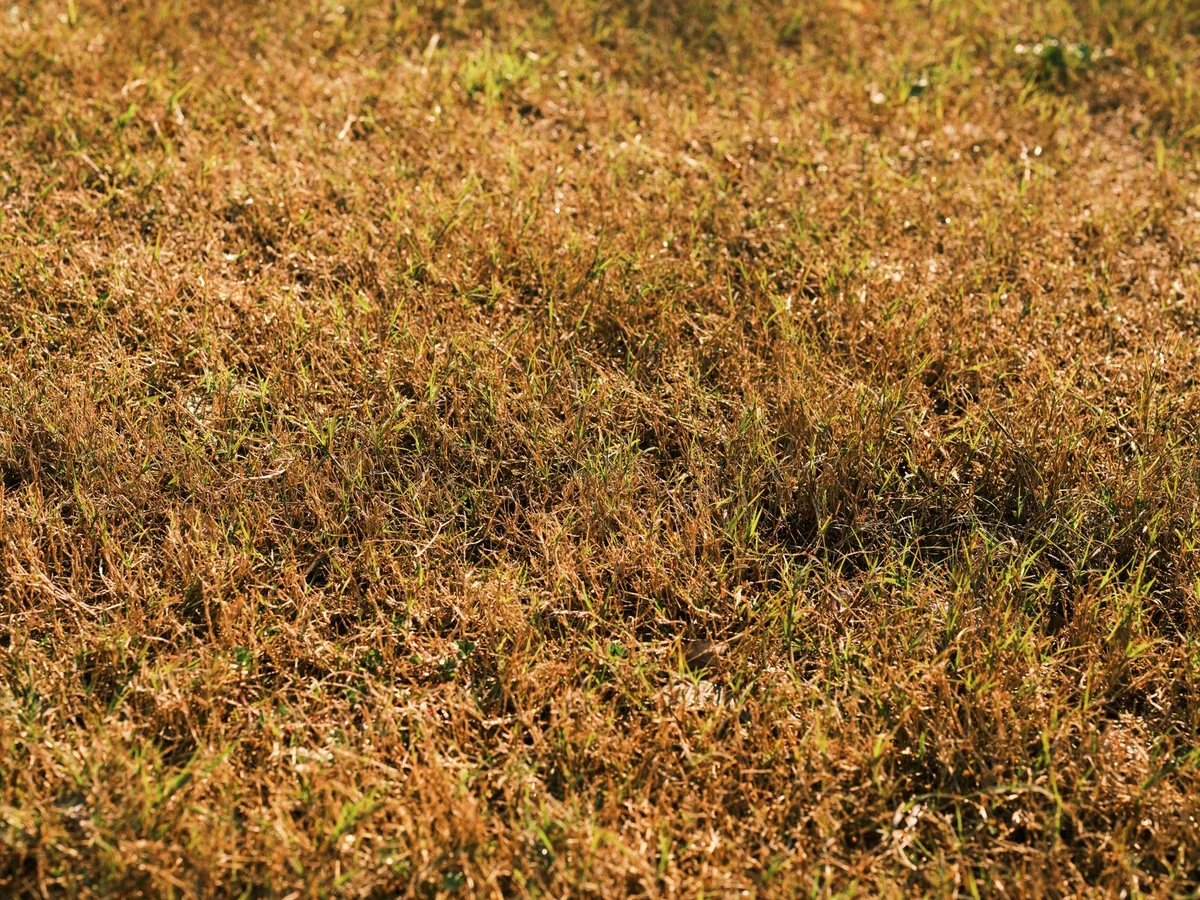
- Thin or spongy grass indicates roots are shallow because they cannot penetrate dense ground.
- Weeds appear in patches where compacted zones limit nutrient flow.
- Mower skip patterns develop as blades bounce over hardened patches.
- Soil bulk density above 1.5 g/cm³ signals harmful compaction.
- Brown patch disease spreads faster in compacted micro‑climates.
Research from the USDA NRCS confirms these signs across the United States.
Fast Check: Quick Signs You Need Lawn Aeration
- Your lawn stays waterlogged for more than 24 hours after rain.
- Grass feels firm when you press a screwdriver into the ground.
- You see a high thatch layer that exceeds ½ inch.
- The turf looks worn in traffic zones like driveways or play areas.
- Fertilizer application rates increase each year to maintain green color.
A simple in‑home test: dig a 6‑inch core; if the soil resists pulling it out, aeration is needed. Skipping aeration can lead to root die‑back and higher maintenance costs.
How Core Aeration Works: Soil Plug Removal and Root Growth
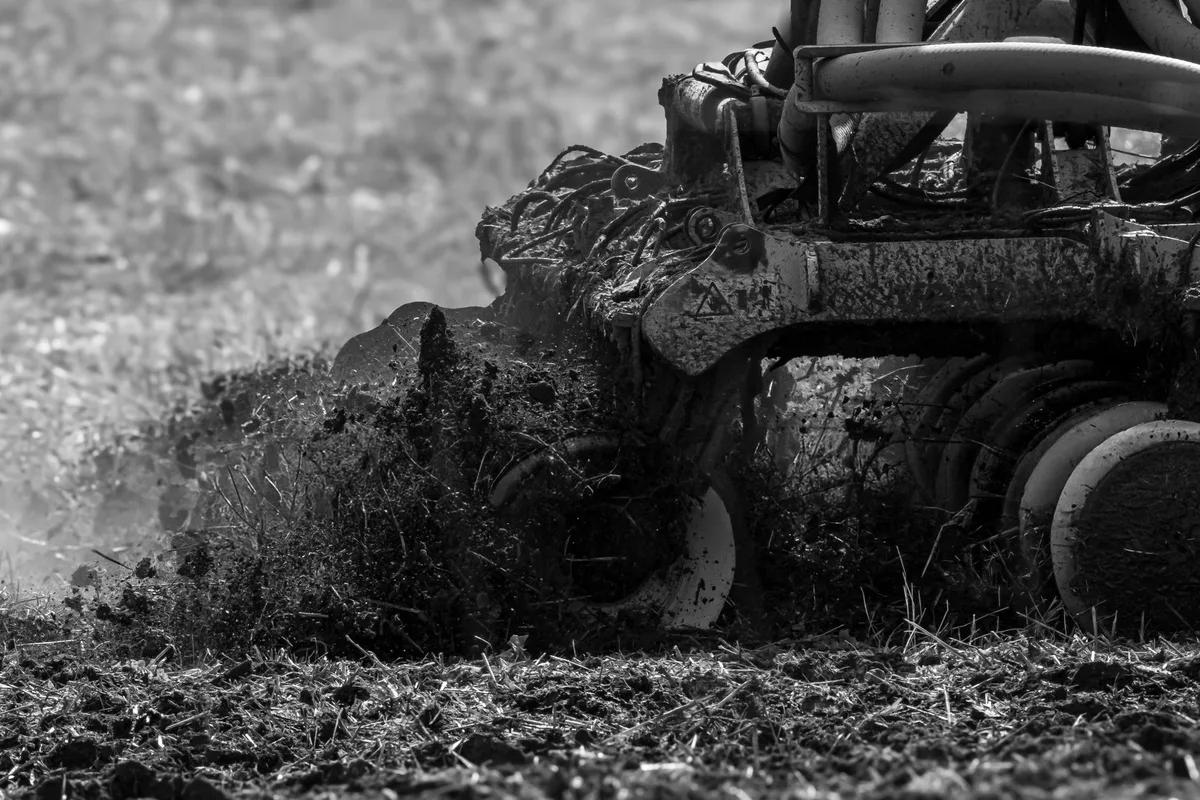
Core aerators punch into the ground and pull out small soil plugs typically 3/8‑½ inch in diameter and 1‑2 inches long. This action:
- Creates immediate channels for water and nutrients.
- Reduces soil bulk density from 1.6 g/cm³ to about 1.3 g/cm³.
- Increases porosity from roughly 35% to 45% within weeks.
- Encourages roots to grow deeper, often 2‑3 inches below the surface.
Professional specifications indicate a depth of 2‑4 inches is optimal for most turfgrass species.
Research by Penn State Extension shows a 30% rise in root mass after a single aeration event.
Aerator Types and Key Specs: Core, Spike, Slit, and Professional Models
| Type | Depth (in) | Core/Plug? | Best For |
|---|---|---|---|
| Core Aerator | 2‑4 | Yes (3/8‑½ in) | Heavy traffic, compacted soil |
| Spike Aerator | 1‑2 | No | Light compaction, minimal thatch |
| Slit Aerator | 1‑3 | Narrow slits | Delicate lawns, water‑log prone |
| Professional Walk‑Behind | Up to 6 | Variable | Large lawns, HOA, sports fields |
Key specs include:
- Tine spacing of 6×6 inches for even coverage.
- RPM range 2,500‑3,500 ensures consistent penetration.
- Machine weight 200‑400 lb affects maneuverability on slopes.
Choosing the right tool depends on your lawn’s traffic level and soil condition.
Real Gains and Trade‑offs: Soil Porosity, Water Infiltration, and Costs
Aerating delivers measurable improvements:
- Water infiltration rises 0.2‑0.5 in/hr, translating to up to 15% less irrigation.
- Soil porosity climbs 10 points, aiding root respiration.
- Fertilizer use can drop 10‑15% as nutrients penetrate more easily.
- Turf density often increases 20% within two growing seasons.
Typical costs range:
- Homeowner plug aerators: $150‑$400 for a walk‑behind unit.
- Service charge per 1,000 sq ft: $5‑$15 per session.
- ROI is noticed after 2‑3 applications as water bills fall.
Balancing the investment against water savings and weed reduction helps decide the best schedule for each property.
DIY Aeration Workflow: Timing, Depth, Overlap, and Follow‑Up Care
Planning the job reduces effort and improves results. Start with a soil test to confirm bulk density above 1.5 g/cm³. Set the aerator depth to 2‑4 in. as the manufacturer recommends.
On sandy loam, use the lower setting; on heavy clay, go deeper.
Mark irrigation zones before you begin. Mowing to 1‑1.5 in. height removes excess stem material and lets the machine penetrate evenly. Use a 50 % overlap pattern: make perpendicular passes so each strip is covered twice.
This avoids missed patches and ensures uniform pore creation.
After the run, collect the soil plugs and leave them on the lawn surface. They break down within 2‑3 weeks, adding organic matter. Water the area within 24‑48 hours to settle the soil and start infiltration.
Apply a starter fertilizer with a 20‑10‑5 N‑P‑K ratio to feed emerging roots.
The final step is monitoring. Use a soil probe to verify depth after two weeks. Record root depth improvements in a simple log.
If the lawn still shows water pooling, repeat the aeration in 6‑12 months.

Core vs Spike vs Liquid: Side‑by‑Side Comparison of Options
Core aerators physically remove plugs, dropping bulk density quickly. Spike aerators compact surrounding soil a little, offering mild improvement for light traffic. Liquid aerators inject microbes that break down compaction over weeks, but results are slower.
A quick table helps choose the right method:
| Method | Speed of Improvement | Cost per 1,000 sq ft | Best Soil Type | Maintenance |
|---|---|---|---|---|
| Core | 1‑2 weeks | $5‑$15 (service) | Heavy clay, high traffic | Requires equipment |
| Spike | 2‑4 weeks | $2‑$6 (service) | Sandy loam, low traffic | Light equipment |
| Liquid | 4‑8 weeks | $1‑$3 (service) | Any soil, but needs consistent watering | Ongoing applications |
Core aeration is ideal for lawns with bulk density above 1.5 g/cm³. Spike works when you need a simple, low‑cost option. Liquid aeration suits homeowners who want a hands‑off approach and can water regularly.
Choose based on the traffic level. Golf courses and HOA grounds often select core because they host heavy footfall. Residential lawns with kids and pets may benefit from spike for easy annual upkeep.
Liquid becomes attractive when equipment storage is limited.
Who Benefits Most: Residential, HOA, Golf Course, and Sports Fields
Homeowners love the short downtime after core aeration. The soil plugs decompose quickly, feeding the lawn naturally. Water savings of up to 15 % show up on utility bills after one season.
Most families schedule aeration in early spring before greenup.
HOA communities manage multiple units, so they often hire a service that brings a 24‑in. core aerator. Uniform results across neighborhoods keep property values steady. Service contracts include follow‑up fertilization to protect the investment.
Golf‑course superintendents need precision. They track root depth with probes and aim for 2‑3 in. depth. Aeration twice a year keeps the greens firm yet resilient.
Research from the GCSAA notes that core aeration improves putting green firmness by 10 % and reduces water use by 20 % in drought years.
Sports fields see heavy traffic every weekend. They combine core aeration with topdressing sand to rebuild the root zone. Studies from Penn State Extension show that fields aerated twice yearly experience a 30 % drop in injury rates due to better shock absorption.
The schedule often aligns with off‑season windows.
Common Mistakes: Over‑Compaction, Wrong Depth, Skipping Aftercare
One frequent error is setting the depth too low, leaving compacted layers untouched. This gives the illusion of improvement while roots stay shallow. Another mistake is rushing the aftercare.
Skipping watering for 48 hours can cause the soil plugs to dry out and hinder decomposition.
Over‑compaction occurs when you run the aerator over the same spot repeatedly without allowing the soil to recover. This can compress the ground worse than before. Some users skip topdressing, letting the plugs sit and create uneven surfaces.
This leads to mower skip patterns.
Testing after each pass helps catch these issues early. A soil probe will show if depth is consistent. Checking for standing water after rain indicates infiltration is still poor.
Follow a simple checklist: set depth, overlap correctly, water within 24‑48 hours, and fertilize within a week. Skipping any step reduces the long‑term benefits of the process.
Decision Guide: When to Choose Aeration, How Often, and Which Tool
Evaluate your lawn each spring. Look for signs of compaction, thatch above ½ in., and water pooling. If two or more of these appear, aeration is needed.
If the grass feels firm and mower cuts unevenly, schedule a core session.
Frequency depends on traffic. Light residential use calls for annual aeration. High foot traffic or sports fields need aeration twice per year.
Heavy equipment use may require three sessions annually. Soil tests can confirm when bulk density rises again.
Tool selection follows the above evaluation. A walk‑behind core aerator costs $150‑$400 for ownership. A service contract for a core job runs $5‑$15 per 1,000 sq ft.
Spike aerators are cheaper to rent, $30‑$60 per day.
Make the final choice by weighing cost, time, and desired results. Consult a local lawn care professional for a site‑specific plan. They can provide a quote based on square footage and soil analysis.