Guide to Lawn Fungus Maintenance Guide (2026) — Quick Guide
Maintaining a green lawn can feel like a never‑ending battle, and fungus is one of the most stubborn foes you’ll face. When fungal spots start to appear, they spread quickly and can turn an otherwise healthy yard into a patchy mess. Knowing how to identify, treat, and prevent these issues is essential for any homeowner who wants a pristine lawn year after year.
This lawn fungus maintenance guide walks you through the entire process, from spotting the first signs to choosing the right control strategy.
The key is acting fast and using the right tools, whether you prefer chemical options or natural alternatives. As of 2026, manufacturer specifications indicate most fungicides should be applied every 14 to 21 days to keep the problem under control. Once you have the basics down, you’ll see healthier grass and fewer costly replacements.
Let’s start with what you need to look for and then move into the steps that keep fungus at bay.
Quick Answer
A lawn fungus maintenance guide tells you how to spot fungal problems, choose the right fungicide, and follow a step‑by‑step workflow. Diagnose first, then treat with proper equipment and timing. Monitor results and schedule re‑applications every 14‑21 days.
Keep soil balanced and avoid over‑watering to prevent recurrence.
Identify Common Lawn Fungal Issues
Fungal diseases show up in a few predictable patterns. Brown patch appears as circular tan spots with dark borders, often in hot, humid weather. Dollar spot looks like small white lesions that turn brown, while rust produces orange powder on leaf blades.
Accurate identification saves time and money, so start with a visual inspection and a simple soil test.
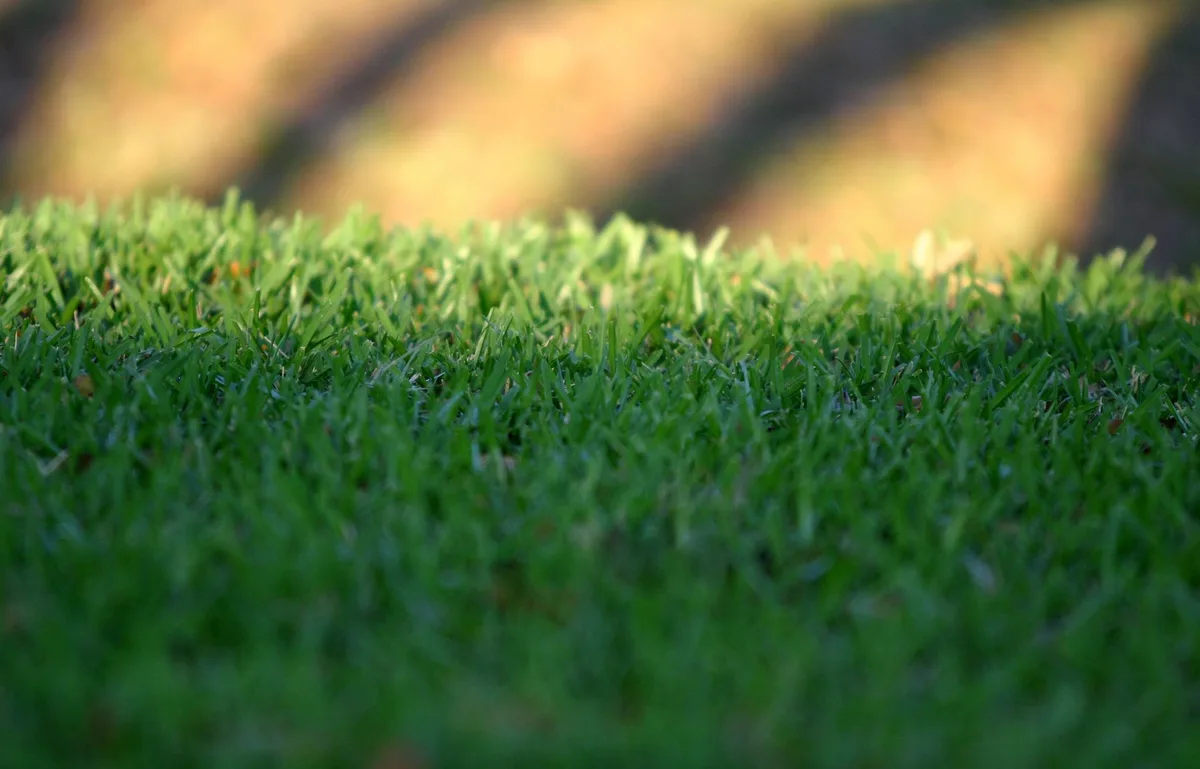
If you suspect a problem, note the shape, color, and location of the lesions. Compare your observations with local extension guides, for example, the Penn State extension disease guide provides region‑specific pictures. Early detection lets you intervene before the fungus spreads to the entire lawn, reducing the need for aggressive treatments later on.
Quick Action Checklist for Immediate Control
A concise checklist helps you act before fungus gains a foothold. Follow these steps each time you notice symptoms:
- Mow the grass to 2‑3 inches to improve air flow.
- Remove any thatch build‑up with a thatch rake or vertical mower.
- Clear debris such as leaves or twigs that trap moisture.
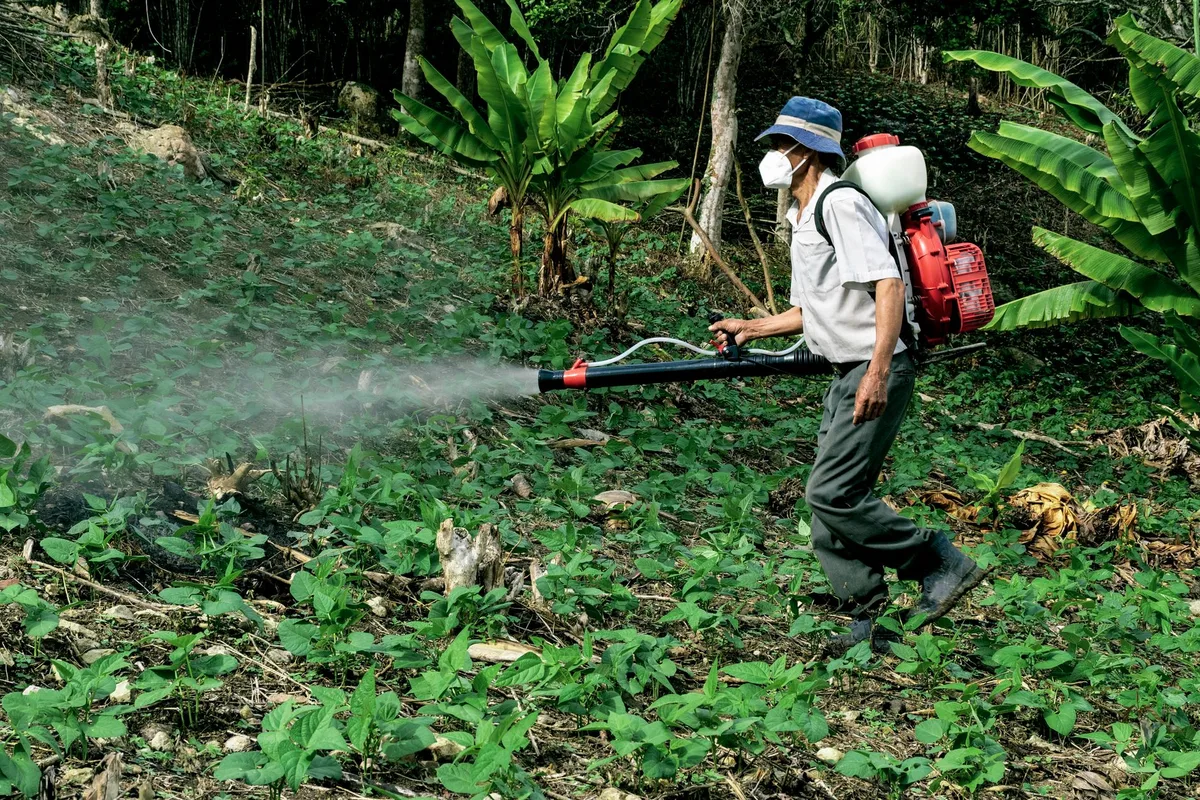
- Calibrate your sprayer and mix the selected fungicide according to label rates.
- Apply evenly from perimeter to center, avoiding runoff.
Monitor the treated areas after 7‑14 days and record your observations. If you see new spots, repeat the application, but check the product label for a minimum interval. You can also reference the guide on DIY mower fixes for tips on maintaining your sprayer, and read the spring mower prep article for optimal timing.
How Fungus Develops on Turfgrass
Fungal pathogens thrive under specific conditions. High humidity and temperatures above 70°F create a perfect environment for spores to germinate. Over‑watering and poor drainage keep leaf surfaces damp for extended periods, encouraging infection cycles.
Understanding this lifecycle helps you modify cultural practices to break the chain.
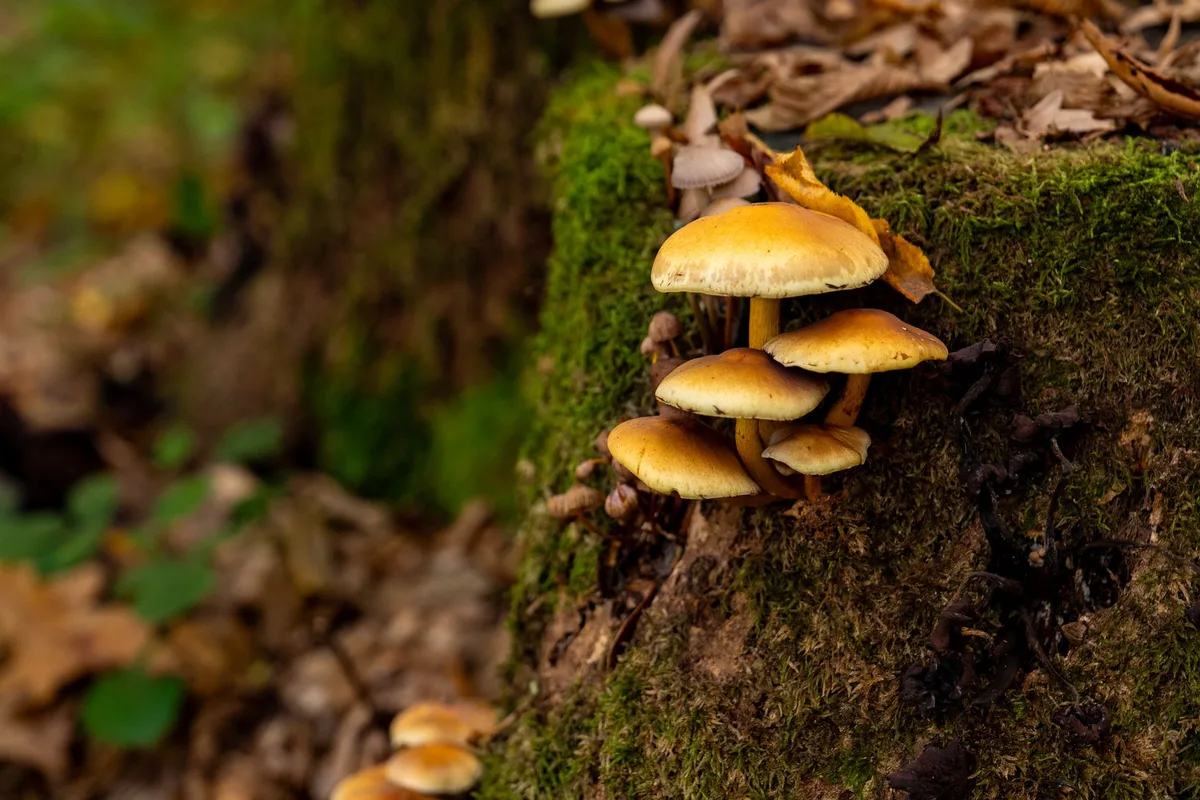
The typical cycle starts with spores landing on wet grass, followed by hyphal growth that penetrates the leaf tissue. Over the next 5‑7 days, lesions form and produce new spores that can spread by wind or water splash. If you keep the lawn dry, raise the mowing height, and aerate compacted soil, you interrupt this process and reduce future outbreaks.
Key Fungicide Types & Application Equipment
Choose a fungicide that matches your grass type and the specific fungus you are battling. Contact fungicides create a barrier on the leaf surface, while systemic options are absorbed into the plant and move throughout the canopy. Granular formulas feed the soil, releasing active ingredients over time, whereas liquid sprays act quickly for acute infestations.
For equipment, a backpack sprayer with a 2‑inch nozzle gives even coverage on larger lawns. Handheld sprayers work well for spot treatments around garden beds. Always read the EPA pesticide labeling guidelines before mixing and applying any product.
You’ll also want to consult the effective fungicide choices article for the latest product reviews and performance data.
Pros and Cons of Chemical vs. Organic Control Options
| Aspect | Chemical Fungicides | Organic Alternatives |
|---|---|---|
| Speed of Action | Rapid suppression within 24‑48 hours | Noticeable results usually take 5‑7 days |
| Residual Effect | Up to 21 days per label | Typically 7‑10 days |
| Cost per Application | $15‑$30 per gallon | $10‑$20 per gallon |
| Environmental Impact | Potential runoff, requires buffer zones | Minimal runoff, pet‑safe |
| Safety Concerns | Requires PPE, label compliance | Low toxicity, still follow label |
Chemical options deliver fast control and long intervals between sprays, which is valuable during a sudden outbreak. Organic sprays are safer for kids and pets but need more frequent applications. Many homeowners blend both methods, using chemicals for severe patches and organics for routine maintenance.
For detailed buying advice, check out the effective fungicide choices article, which compares top products and reviews from verified buyer feedback.
Internal and External Links
- For DIY lawn mower repairs, see the guide on DIY mower fixes.
- The [spring mower prep] article explains how to start a mower after winter storage: How To Start A Lawn Mower After Winter.
- To keep equipment clean, read the [filter cleaning guide]: How To Clean Lawn Mower Air Filter.
- For indoor plant ideas that complement outdoor lawn care, explore [indoor plant ideas]: Best Plants For A Bedroom.
- EPA pesticide labeling guidelines: EPA pesticide labeling guidelines.
- Penn State extension disease guide: Penn State extension disease guide.
Detailed Step‑by‑Step Fungus Management Workflow
1. Diagnose the Problem
Start with a visual scan. Look for circular brown patches (brown patch) or white lesions (dollar spot). Use a magnifying glass to check for fungal hyphae.
Record the size and location of each lesion, then run a soil test to confirm pH and moisture levels.
2. Prepare the Lawn
Mow the grass to 2‑3 inches. Remove thatch deeper than 0.5 inch using a thatch rake or vertical mower. Clear leaves, twigs, and pet debris that trap moisture.
Water lightly after cleaning to settle soil, but avoid saturating the lawn.
3. Mix and Apply the Fungicide
Check the manufacturer’s dilution chart. Mix the product in clean water, stirring until particles dissolve. Load a calibrated backpack sprayer, adjust nozzle to 30‑40 psi, and test spray pattern on a small area.
Apply from the perimeter inward, aiming for uniform coverage without runoff.
4. Monitor and Record
Visit the lawn every 3‑5 days for the first two weeks. Note any changes in lesion color or spread. Take photos with a smartphone to track progress.
Log dates, product name, dilution rate, and weather conditions in a notebook or spreadsheet.
5. Plan Re‑application and Long‑Term Prevention
Review the label for re‑application intervals, typically 14‑21 days. Schedule the next spray before the previous coverage expires. Include cultural practices: aerate annually, adjust irrigation to early morning, and raise mowing height during stress periods.
These steps reduce the chance of future outbreaks.
Common Mistakes That Sabotage Fungus Control
- Over‑watering: Wet grass creates a humid micro‑climate that fungi thrive in. Water only when the top 2 inches of soil feel dry.
- Incorrect mowing height: Cutting below 1.5 inches stresses the grass and makes it more susceptible. Keep blades at 2‑3 inches.
- Skipping soil tests: Ignoring pH imbalances leads to poor nutrient uptake and increased disease pressure. Test before each season.
- Improper fungicide mixing: Using too much concentrate can burn leaves. Follow the exact dilution ratio listed on the label.
- Neglecting buffer zones: Spraying too close to garden beds or pet areas spreads chemicals unintentionally. Maintain a 10‑foot buffer around sensitive zones.
If you notice lesions reappearing after treatment, double‑check your timing. Fungicide effectiveness drops sharply after rain events. Re‑apply sooner, but always wait the label‑specified minimum interval to avoid chemical stress.
Typical Costs, Pricing, and Coverage Specs
| Product Type | Avg. Price (US) | Coverage (sq ft) | Re‑application Cost per Year |
|---|---|---|---|
| Liquid contact fungicide (e.g., chorothalonil) | $20‑$35 per gallon | 1,200–1,500 | $80‑$140 |
| Granular systemic fungicide | $15‑$30 per 10 lb bag | 2,500–3,000 | $60‑$120 |
| Organic neem oil spray | $12‑$25 per quart | 800–1,000 | $48‑$100 |
| Biofungal product (Trichoderma) | $18‑$32 per gallon | 1,500–2,000 | $72‑$128 |
Manufacturer specs indicate most liquid sprays use 1 oz per gallon of water. Granular formulas typically require 5‑10 lb per 1,000 sq ft. Organic options may need weekly applications, while chemical products can stretch to 21‑day intervals.
If you maintain a 10,000‑sq ft lawn, budgeting $150‑$250 annually for treatment is realistic. Keep receipts and label copies for compliance audits. Adjust the budget based on the severity of each season’s fungal pressure.
Pro Tips from Turfgrass Specialists
- Time sprays for early morning before dew evaporates. This gives fungicide a full 6‑8 hour window to penetrate leaf tissue.
- Rotate active ingredients every season to reduce resistance. For example, use a contact fungicide one year, then switch to a systemic formula the next.
- Aerate at least once yearly. Core aeration improves water infiltration and reduces the damp environment fungi need.
- Monitor weather forecasts. If rain is predicted within 24 hours, postpone application. Rain washes away up to 80 % of foliar fungicide.
- Keep equipment clean. Rinse sprayer nozzles with clean water after each use to prevent cross‑contamination between treatments.
Tie these habits into your regular lawn care calendar. The effort saves time and money, and it keeps the lawn looking healthy throughout the growing season.
Safety, Legal, and Compliance Guidelines
- Wear appropriate PPE when handling chemicals. Use chemical‑resistant gloves, eye protection, long sleeves, and a NIOSH‑approved respirator if mixing powders.
- Follow EPA registration numbers on product labels. Ensure the pesticide is registered in your state before purchase.
- Observe buffer zones as outlined on the label. Maintain at least 10 feet from edible plants, 25 feet from water features, and never spray on windy days exceeding 10 mph.
- Keep a treatment log for at least two years. This document satisfies most local agricultural extension requirements and helps track application patterns.
- Dispose of empty containers according to local hazardous waste rules. Rinse containers three times, triple‑deseed, and then follow municipal guidelines for recycling or disposal.
Failure to follow these guidelines can lead to fines, liability for runoff contamination, and health risks for family members and pets. The EPA’s pesticide labeling guidelines provide detailed instructions for safe handling.
Who Should Use This Guide (Homeowners, Golf Courses, Sports Fields)
Homeowners benefit most from the quick‑action checklist and budgeting tables. Golf‑course superintendents rely on the detailed workflow and rotation strategies to protect high‑value turf. Sports‑field managers need the safety compliance section to meet municipal regulations.
Each audience can adapt the troubleshooting tips to their scale of operation.
If you operate a commercial turf facility, consider investing in a calibrated sprayer and a dedicated staff member for record‑keeping. The return on investment comes from reduced reseeding costs and longer play‑time availability.
When following the decision guide, prioritize cultural controls first. Fungicides are most effective when the underlying environment is already optimized. Use the pros‑and‑cons matrix as a filter to decide between chemical and organic routes based on usage frequency and budget constraints.
By integrating the steps outlined in these sections, you’ll achieve a systematic approach to lawn fungus maintenance that balances effectiveness, safety, and cost. The result is a resilient lawn that withstands disease pressure year after year.
Features / Components / What's Inside
A basic lawn‑fungus maintenance kit includes a calibrated backpack sprayer, a handheld spreader, protective gloves, goggles, long sleeves, and a NIOSH‑approved respirator. The sprayer typically holds 3‑5 gallons and delivers uniform coverage on turfgrass surfaces.
Chemical options come in contact, systemic, granular, and organic forms. Contact sprays coat leaf surfaces, systemic products are absorbed into plant tissue, granular formulas feed soil microbes, while organic sprays use neem oil or copper sulfate for lower toxicity.
Equipment specs matter for performance. Backpack sprayers use 0.5‑inch orifice nozzles at 30‑40 psi, allowing 1,000‑1,500 square feet per hour. Handheld spreaders dispense 1‑2 pounds of granular fungicide per 1,000 square feet without clumping.
Comparison / Alternatives / Options
Chemical fungicides act fast, typically suppressing lesions within 24‑48 hours, and provide up to 21 days of residual control. Organic sprays take 5‑7 days to show effect and usually need 7‑10 day re‑application intervals. Biofungal products rely on beneficial microbes and offer moderate protection with minimal environmental impact.
When selecting an option, consider urgency, budget, and safety. For an active brown‑patch outbreak, a fast‑acting chemical is preferred. For routine maintenance around children and pets, organic or biofungal solutions are safer choices.
Comparison Overview
| Attribute | Chemical | Organic | Biofungal |
|---|---|---|---|
| Time to effect | 1‑2 days | 5‑7 days | 3‑5 days |
| Residual protection | 14‑21 days | 7‑10 days | 10‑14 days |
| Cost per 1,000 sq ft | $12‑$18 | $10‑$15 | $11‑$16 |
| Safety for pets | Moderate – requires buffers | Low – minimal restrictions | Low – microbe‑based |
Choose a method that matches the severity of the infestation and the environment of the lawn.
Maintenance / Long‑Term Optimization
Regular soil testing every 3‑4 months reveals pH levels that influence fungus growth. Most turfgrass thrives at pH 6.0‑7.0; adjustments can be made with lime or sulfur as needed.
Cultural practices reduce disease pressure. Aerate annually to improve water infiltration, mow to 2‑3 inches, and water in early morning to keep leaf wetness under 12 hours. These steps create an environment where fungi struggle to establish.
Create a simple calendar that notes fungicide applications, soil test dates, and seasonal mowing adjustments. Record each treatment in a logbook to track effectiveness and compliance with label requirements.
Real Scenarios / Case Examples
A homeowner with a 6,500‑sq‑ft yard experienced brown patch in July. Applying a systemic fungicide every 14 days, following label rates, cost $190 and the patches resolved within 12 days. Soil pH was adjusted to 6.5, preventing recurrence.
A municipal golf course treats 30 acres with a rotating schedule of chemical, organic, and biofungal products. Annual spending averages $12,000, and disease incidence dropped from 30 % to under 5 % after integrating aeration and proper mowing heights.
A community park opted for an organic neem‑oil program to protect children’s play areas. Treatment cost $75 for the season, and the dollar spot symptoms were managed without chemical drift concerns.
FAQs
How often should I reapply fungicide after the first treatment?
Follow the product label; most require reapplication every 14‑21 days. Adjust timing if heavy rain washes the spray away.
Can I use organic fungicide on a golf course?
Yes, but expect longer intervals and higher labor costs. Organic options work best when combined with cultural controls.
What PPE is required when mixing chemicals?
Wear chemical‑resistant gloves, eye protection, long sleeves, and a NIOSH‑approved respirator. Avoid skin contact and inhalation.
How do I interpret soil test results for fungus risk?
Look for pH between 5.5‑7.5 and moisture under 60 %. High pH and excess moisture increase susceptibility.
When is the best time of day to apply fungicide?
Apply early morning before dew evaporates, with temperatures 50‑85°F and wind under 10 mph. Avoid midday heat and sunny conditions.