Best Pots for Philodendrons: Size, Drainage & Material 2026
You're standing in the plant aisle, staring at a wall of terra cotta, plastic, and ceramic pots, wondering which one won't kill your philodendron. It's a fair question. What kind of pots do philodendrons like?
The answer isn't as simple as picking the prettiest option on the shelf.
The truth is, philodendrons are pretty forgiving plants. But the pot you choose can make the difference between a thriving, glossy-leafed beauty and a droopy, yellowing mess. The good news?
Once you understand a few basic rules about pot materials, drainage, and sizing, you'll never second-guess yourself again. As of 2026, the guidance hasn't changed much, and that's actually a good thing. The fundamentals work.
Quick Answer
Plastic or glazed ceramic pots work best for most philodendrons. They hold moisture evenly. Terra cotta works if you overwater.
Always choose a pot with drainage holes. Size up only 1 to 2 inches from the current pot.
Do All Philodendrons Want the Same Pot?
Not exactly, but the differences are smaller than you might think. The biggest variable isn't the plant itself. It's your watering habits and your home's environment.
Vining vs. Upright Philodendrons
First, let's identify what you're working with. Vining philodendrons like heartleaf, Brazil, and micans have thinner, more delicate root systems. They prefer consistent moisture and don't like drying out completely.
Upright types like Birkin, Congo, and gloriosum have chunkier roots that tolerate a bit more neglect.
That said, the pot material matters more than the plant type. A vining philodendron in a super-porous terra cotta pot will struggle because the soil dries too fast. An upright philodendron in the same pot might be fine, especially if you're a frequent waterer.
The Real Variable: Your Watering Habits
Here's the honest truth. The perfect pot for you depends on how you water, not just what you're planting. If you tend to overwater everything, you need a pot that helps soil dry faster.
If you forget to water for days at a time, you need a pot that holds moisture longer.
That's the core of the decision. Everything else is secondary.
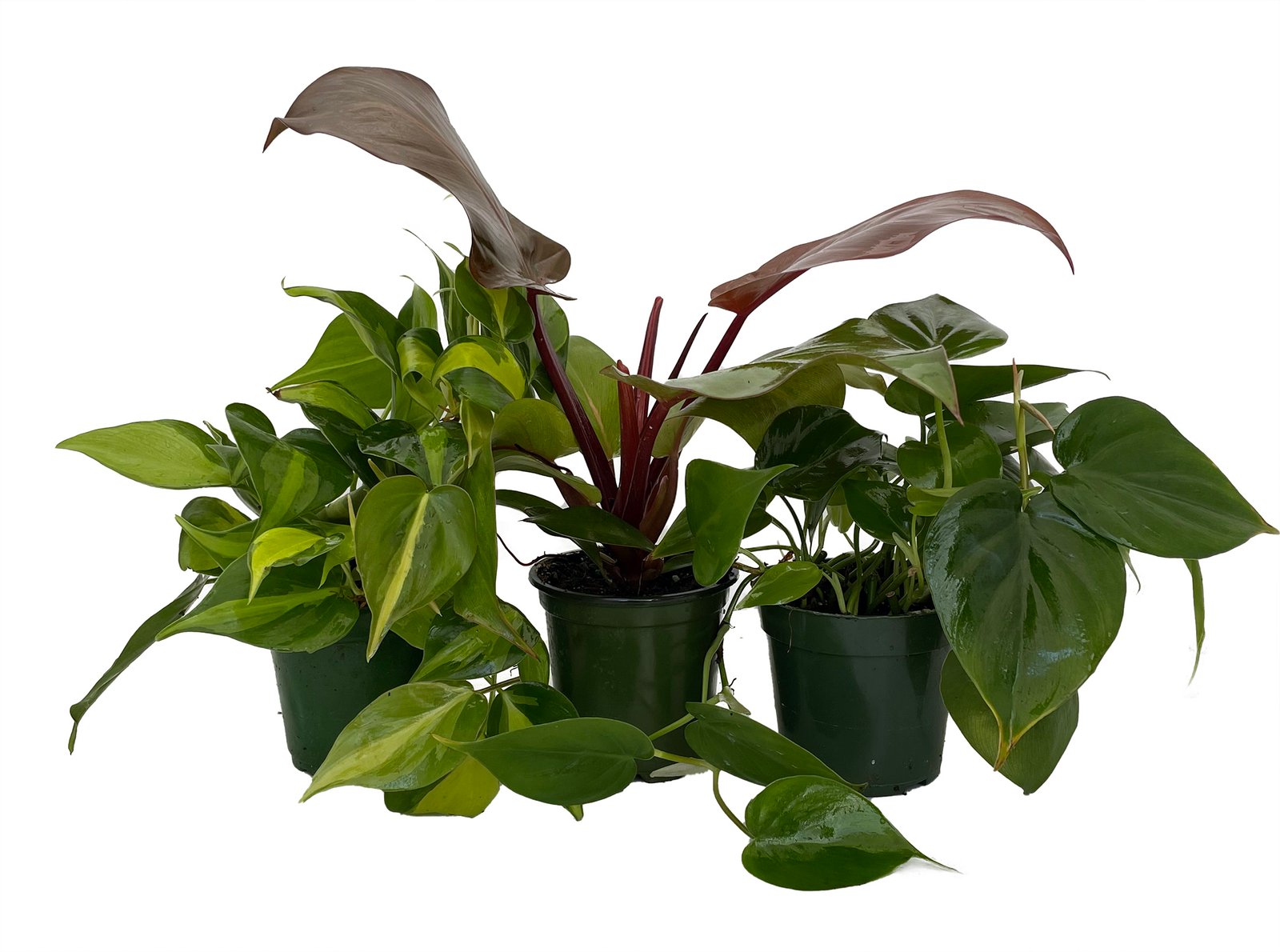
Image source: Bing (Web (fair-use with source credit))
Pot Materials Explained: Plastic, Terra Cotta, Ceramic, and Self-Watering
Let's break down each material like we're comparing notes over coffee. Each one has a distinct personality, and matching that personality to your habits is the whole game.
Plastic Pots
Plastic is the default for a reason. It's cheap, lightweight, and holds moisture well. The soil stays evenly damp for longer, which most philodendrons genuinely appreciate.
The downside? Plastic doesn't breathe. If you overwater, the soil stays soggy and roots can suffocate.
Root rot is philodendrons' number one killer, and plastic pots make it easier to accidentally drown your plant.
Best for: people who forget to water, busy schedules, and vining philodendrons that like steady moisture.
Terra Cotta Pots
Terra cotta is the classic orange clay pot. It's porous, meaning water evaporates through the walls. The soil dries out much faster than in plastic.
This is fantastic if you have a heavy hand with the watering can. It's less ideal if you're prone to neglecting your plants. A philodendron in terra cotta might need water every 3 to 4 days in warm weather, versus every 7 to 10 days in plastic.
One warning: avoid terra cotta for moisture-loving varieties like micans or gloriosum. They hate drying out.
Best for: chronic overwaterers, warm and humid homes, and anyone who likes the classic look.
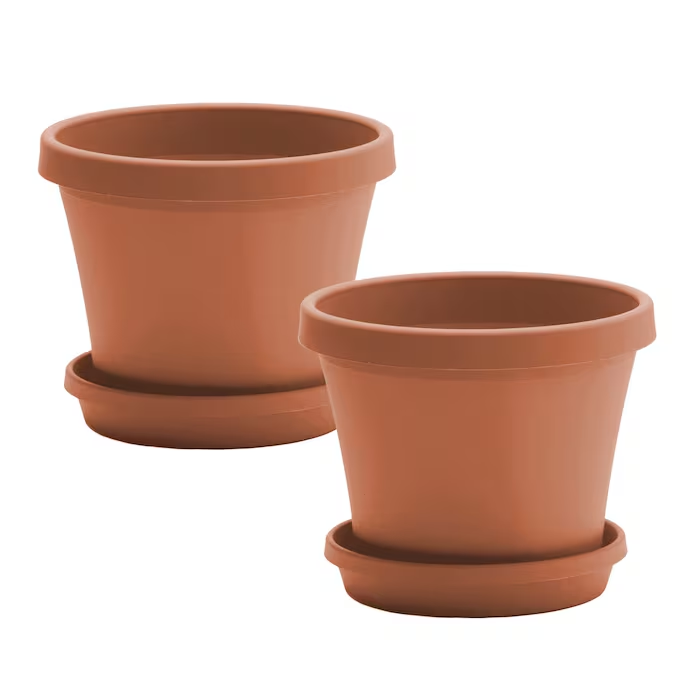
Image source: Bing (Web (fair-use with source credit))
Glazed Ceramic Pots
Glazed ceramic is the middle ground. The outer coating seals the clay, so it acts more like plastic than terra cotta. It holds moisture well but looks far more polished.
These pots come in endless colors and styles, which makes them a favorite for living rooms and offices. They're also heavier, which helps stabilize top-heavy upright philodendrons.
The catch? They're more expensive, and you still need a drainage hole. Many decorative ceramic pots don't come with one, so check before you buy.
Best for: most philodendron types, decorative setups, and people who want a balance of moisture retention and style.
Self-Watering Pots
Self-watering pots have a reservoir at the bottom that wicks moisture up as the soil dries. They're great for travelers or anyone who struggles to maintain a consistent schedule.
Some philodendrons handle these well. Others don't love having consistently moist feet. Watch the leaves for yellowing, which signals the soil is staying too wet.
Best for: frequent travelers, busy plant parents, and consistent moisture seekers.
Match the Pot to Your Habits: Decision Guide
Here's the practical part. Use if-then logic to find your match in under a minute.
"I Overwater Everything"
If you tend to love your plants to death, go with terra cotta or unglazed ceramic. The porous walls wick away excess moisture and forgive your enthusiasm. You'll water less often and your philodendron's roots will thank you.
"I Forget to Water"
If days pass and you suddenly remember your plant exists, choose plastic or glazed ceramic. These hold moisture longer and give you a wider window before your philodendron starts to suffer. The trade-off is that you must be careful not to overwater when you finally do remember.
"I Travel Often"
Self-watering pots are your best bet. The reservoir keeps the soil consistently moist while you're away. Just fill it before you leave, and your philodendron will sip as needed for a week or more.
"My Home Is Hot and Dry"
Air conditioning and forced-air heating dry out the air fast. In these conditions, plastic or glazed ceramic pots help retain moisture that the air would otherwise steal. Terra cotta would dry out too quickly and stress the roots.
"My Home Is Humid and Cool"
In naturally humid spaces like bathrooms or kitchens, terra cotta is the safer choice. It lets excess moisture escape so the roots don't sit in soggy soil. Plastic in a humid room can create a swampy environment that philodendrons dislike.
Match the Pot to Your Philodendron Type
Different philodendron types have different root personalities. Knowing which one you own helps you make a smarter choice.
Moisture-Loving Viners
Heartleaf, Brazil, and micans philodendrons have thin, delicate roots that dry out quickly. These plants prefer consistently damp soil. Use plastic or glazed ceramic pots to keep moisture levels steady.
Terra cotta will dry them out too fast, especially in warm rooms.
Sturdier Upright Types
Birkin, Congo, and gloriosum have thicker, more robust root systems. They tolerate a wider range of conditions. Any pot material works, as long as it has drainage.
For these, your watering habits should be the deciding factor.
When Terra Cotta Is a Bad Idea
If you have a philodendron with thin, delicate roots, skip terra cotta entirely. The fast-drying soil will stress the plant and leave you watering constantly. It's simply the wrong tool for the job, no matter how classic it looks on the shelf.
By now you have a clear picture of which pot material fits your situation. The next step is getting the size right, and that's where most people accidentally hurt their plants. Let's talk about that.