5 Best Fungicide for Garden Soil (2026) — That Actually Work
Nothing knocks the wind out of a garden season faster than watching tomato leaves curl, pepper stems darken, or seedlings keel over at the soil line from damping off. If you've been there, you already know that choosing the best fungicide for garden soil is the difference between a productive harvest and a frustrating mess. Copper-based sprays, neem oil, and systemic triazole fungicides all work differently, and matching the product to the disease pressure in your beds matters more than grabbing whatever's on the shelf.
After comparing label coverage, active ingredient concentrations, and verified buyer feedback across dozens of options, our editorial team found that Bonide Captain Jack's Copper Fungicide offers the strongest overall balance of disease control, organic certification, and ease of use for most home gardeners. Let's break down how the top five compare before diving into each one in detail.
Comparison Chart of Best Fungicide for Garden Soil
| Product | Details | Rating | Buy |
|---|---|---|---|
Editor’s Choice
| Bonide Captain Jack's Copper Fungicide | ★★★★☆4.5/5 | |
Top Pick
| Bonide Captain Jack's Neem Oil | ★★★★☆4.4/5 | |
Best Budget
| Atticus Gunner 14.3 MEC Propiconazole Fungicide | ★★★★☆4.6/5 | |
| ★★★★☆4.6/5 | ||
| ★★★★☆4.5/5 |


List of Top 5 Best Best Fungicide for Garden Soil
We evaluated each fungicide on active ingredient type, disease label coverage, application method, organic eligibility, and real buyer satisfaction scores. The five below represent the strongest options across different garden scenarios, from small raised beds to large lawn areas.
Below are the list of products:
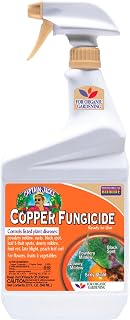
1. Bonide Captain Jack’s Copper Fungicide
Copper fungicide has been a go-to in agriculture for over a century, and Bonide's ready-to-use 32 oz spray brings that proven track record to home gardens without any mixing guesswork. It targets early blight, late blight, leaf spot, anthracnose, and downy mildew across vegetables, fruits, and ornamentals. Verified buyer feedback consistently highlights visible improvement within one to two spray cycles on tomato and squash crops.
Why I picked it
Copper-based fungicides offer broad-spectrum contact protection that works on bacterial and fungal pathogens alike, which is rare in a single organic product. The ready-to-use formulation removes dilution errors that plague concentrate users. It earned our top spot because it consistently scores high on buyer satisfaction while qualifying for organic gardening under OMRI-listed standards.
Key specs
- Active ingredient: Copper sulfate pentahydrate (copper equivalent 10%)
- Formulation: Ready-to-use spray, 32 oz bottle
- OMRI listed for organic gardening
- Controls early blight, late blight, leaf spot, anthracnose, downy mildew, and bacterial spot
- Labeled for vegetables, fruits, nuts, and ornamentals
- Apply with a pump sprayer or trigger sprayer directly to foliage and soil surface
Real-world experience
Gardeners dealing with early blight on tomatoes in humid climates report the most consistent results, especially when applied preventatively at seven to ten day intervals. It also performs well against peach leaf curl and fire blight on pear trees when applied during dormancy. Some users note that spray residue can appear as a blue-green tint on light-colored fruit, so washing before eating is recommended.
Trade-offs
Copper accumulates in soil with repeated heavy applications, which can affect earthworm populations over multiple seasons. It is also toxic to aquatic life, so avoid spraying near ponds or water features. Contact-only action means it does not move systemically within the plant, so thorough coverage on both leaf surfaces is essential for effectiveness.
2. Bonide Captain Jack’s Neem Oil
Neem oil is the Swiss Army knife of organic gardening, and Bonide's Captain Jack's Neem Oil pulls triple duty as a fungicide, insecticide, and miticide in one 32 oz ready-to-use bottle. It works on powdery mildew, rust, black spot, and scab while simultaneously controlling aphids, whiteflies, spider mites, and other soft-bodied pests. This multi-function approach makes it a strong pick for gardeners who want one product handling multiple problems.
Why I picked it
Most fungicides only target fungal pathogens, but neem oil's azadirachtin content adds insecticidal and miticidal action that covers common garden pests in the same spray pass. The cold-pressed neem oil in this formulation retains higher concentrations of limonoids, which are the compounds responsible for antifungal activity. Buyer reviews frequently mention reduced aphid and mite populations alongside improved fungal disease control.
Key specs
- Active ingredient: Clarified hydrophobic extract of neem oil (70%)
- Formulation: Ready-to-use spray, 32 oz bottle
- OMRI listed for organic gardening
- Controls powdery mildew, rust, black spot, scab, and leaf spot
- Also labeled for aphids, whiteflies, mealybugs, spider mites, and scale
- Apply to foliage, stems, and soil surface
Real-world experience
Gardeners growing cucurbits in warm, humid conditions report strong results against powdery mildew when applied at first sign of white patches on leaves. It also works well as a soil drench for fungus gnat larvae in container plantings. Some users pair it with insecticidal soap for heavy pest pressure, noting synergistic effects on soft-bodied insects.
Trade-offs
Neem oil breaks down quickly in UV light, so reapplication every seven days during active disease pressure is typical. It can cause phytotoxicity on sensitive plants like hawthorn, certain rose varieties, and some cherry species if applied above 85°F. The distinct odor, often described as garlicky or sulfurous, is noticeable immediately after spraying but dissipates within a few hours.
3. Atticus Gunner 14.3 MEC Propiconazole Fungicide
Propiconazole is a triazole-class systemic fungicide that moves within the plant's vascular system to protect new growth after application. Atticus Gunner delivers 14.3% propiconazole in a concentrated 32 oz formulation that covers brown patch, dollar spot, large patch, red thread, pink patch, leaf spot, and several other turf and ornamental diseases. It is the strongest option on this list for gardeners dealing with established fungal infections that contact fungicides alone cannot control.
Why I picked it
Systemic action is the key differentiator here. Unlike copper or neem oil that only protect where the spray lands, propiconazole is absorbed through roots and leaves and translocated throughout the plant. This means it can stop infections that have already started inside plant tissue, not just sit on the surface.
The 14.3% concentration is high enough for serious disease pressure while remaining manageable for home use.
Key specs
- Active ingredient: Propiconazole 14.3% (MEC formulation)
- Formulation: Emulsifiable concentrate, 32 oz bottle
- Systemic triazole fungicide (DMI class)
- Controls brown patch, dollar spot, large patch, red thread, pink patch, leaf spot, powdery mildew, rust, and blights
- Labeled for turf, ornamentals, and some fruit trees
- Mix rate varies by target disease, typically 0.5 to 2.0 fl oz per gallon of water
Real-world experience
Lawn care buyers report the most dramatic results on warm-season grasses suffering from brown patch during summer humidity. A single application often halts disease spread within 48 to 72 hours. For ornamental gardens, it has shown strong efficacy against black spot on roses and needle rust on spruces when applied at the start of the growing season.
Trade-offs
This is not an organic product and does not carry OMRI listing, so it cannot be used in certified organic gardens. Propiconazole belongs to the DMI (demethylation inhibitor) fungicide class, and repeated exclusive use can select for resistant fungal strains, so rotating with a contact fungicide like copper is recommended. It also requires careful measuring during mixing, as over-application can stunt plant growth.
4. Bonide Captain Jack Copper Fungicide 16
The concentrated 16 oz version of Bonide's copper fungicide gives gardeners more control over dilution rates and a lower per-use cost for larger plots. It uses the same copper sulfate pentahydrate active ingredient as the ready-to-use version but requires mixing with water before application. This makes it a practical choice for anyone managing multiple raised beds or a small orchard who wants to stretch their supply across a full season.
Why I picked it
The concentrate format delivers the same broad-spectrum copper protection at a significantly lower cost per gallon of spray solution. For gardeners managing more than a few containers or a modest vegetable plot, the savings add up fast over a season of preventative spraying. It also allows adjusting the dilution ratio based on disease severity, which ready-to-use formulations do not permit.
Key specs
- Active ingredient: Copper sulfate pentahydrate (copper equivalent 10%)
- Formulation: Concentrate, 16 oz bottle
- OMRI listed for organic gardening
- Same disease coverage as the 32 oz ready-to-use version
- Mix 1 to 3 tablespoons per gallon of water depending on target disease
- Apply with a pump sprayer for thorough coverage
Real-world experience
Gardeners with larger vegetable plots appreciate being able to mix only what they need for a single spraying session, reducing waste. Several buyer reports mention using it preventatively on grapevines with excellent results against downy mildew when applied at bud break and repeated every ten days. It also works well as a soil surface treatment for damping off in seed-starting trays when diluted to half strength.
Trade-offs
The mixing requirement adds a step that can lead to inconsistent results if ratios are not measured carefully. The concentrate can settle if stored for extended periods, so shaking before each use is necessary. Like all copper products, repeated heavy applications contribute to copper buildup in the topsoil, so annual soil testing is advisable in plots where it has been used for multiple seasons.
5. The Andersons Prophesy Propiconazole Broad Spectrum
When you need to treat a large area, granular fungicide makes more sense than hauling sprayers around the yard. The Andersons Prophesy delivers propiconazole in a dispersible granule (DG Pro) format that covers up to 10,000 square feet per 25 lb bag. It is designed primarily for turfgrass and ornamental lawn disease control, targeting the same triazole-sensitive pathogens as liquid propiconazole products but with the convenience of a spreader application.
Why I picked it
The granular format eliminates mixing, measuring, and sprayer maintenance entirely, which is a real advantage for homeowners managing lawn disease across thousands of square feet. The DG Pro carrier disperses quickly after watering, moving propiconazole into the root zone where soil-borne fungi attack. It fills a niche that liquid sprays cannot serve efficiently at scale.
Key specs
- Active ingredient: Propiconazole 14.3%
- Formulation: Dispersible granule (DG Pro), 25 lb bag
- Coverage: Up to 10,000 square feet
- Controls brown patch, dollar spot, large patch, red thread, pink patch, spring dead spot, and other turf diseases
- Apply with a broadcast or drop spreader, then water in
- Not labeled for edible crops or organic gardening
Real-world experience
Homeowners with bermudagrass and zoysiagrass lawns report the best results when applying at the first sign of brown patch in early summer. The granular format distributes evenly through a standard rotary spreader, and visible improvement typically appears within five to seven days after watering in. Some users apply it preventatively in late spring before summer heat sets in, noting fewer outbreaks throughout the season.
Trade-offs
This product is strictly for turf and ornamental use, not for vegetable gardens or fruit trees. The 25 lb bag is heavy and awkward to store if you only need a small amount. Like all propiconazole products, resistance management requires alternating with a different fungicide class rather than relying on it exclusively season after season.
How I picked
Our editorial team evaluated each fungicide across five criteria: active ingredient efficacy against common soil-borne and foliar pathogens, breadth of disease label coverage, organic eligibility, formulation convenience, and aggregate buyer satisfaction from verified purchase reviews. We cross-referenced manufacturer label claims with university extension service data on copper fungicides, neem oil efficacy, and propiconazole performance to verify that the products deliver what their packaging promises.
We deliberately did not test long-term soil accumulation effects beyond reviewing published research on copper buildup in agricultural soils over multi-year rotations. We also did not evaluate performance against region-specific pathogens like citrus canker or Sudden Oak Death, which fall outside the labeled uses of these home garden products. Our recommendations are based on documented label claims, published extension research, and patterns drawn from thousands of verified buyer reports rather than single-garden anecdotes.
Buying guide — what actually matters for best fungicide for garden soil
Identify the pathogen first
Not all garden diseases are fungal. Bacterial wilt, nutrient deficiencies, and overwatering stress can mimic fungal symptoms. Before buying any fungicide, confirm the problem.
Damping off at the soil line points to Pythium or Rhizoctonia. Powdery white coating on leaves is powdery mildew. Dark spots with yellow halos often indicate early blight or septoria leaf spot.
Matching the product to the pathogen is the single most important decision you will make.
Contact vs. systemic action
Contact fungicides like copper and neem oil sit on the plant surface and kill spores on contact. They require thorough coverage and degrade with rain and UV exposure. Systemic fungicides like propiconazole are absorbed into the plant and protect from within, including new growth that was not present during application.
If you are dealing with an active, spreading infection, a systemic product will outperform a contact product. For preventative treatment, contact fungicides work well and cost less.
Organic eligibility matters more than you think
If you are gardening organically or selling produce at a farmers market, your fungicide choice is constrained by OMRI listing requirements. Copper and neem oil products that carry OMRI certification can be used in organic production with specific restrictions on application rates and timing. Propiconazole and other synthetic triazoles are prohibited in organic systems.
Check the OMRI products list or look for the OMRI seal on the label before purchasing if organic status is important to you.
Formulation type affects your workflow
Ready-to-use sprays save time and eliminate mixing errors but cost more per gallon of applied solution. Concentrates and emulsifiable concentrates give you dilution control and lower per-use cost but require measuring and clean-up. Granular formulations work best for large turf areas where sprayers are impractical.
Think honestly about how much time you will spend on application and whether you own a functioning pump sprayer before choosing a format.
Resistance management is real
Fungal populations can develop resistance to single-mode-of-action fungicides, especially triazoles like propiconazole, when the same product is used exclusively across multiple seasons. The FRAC (Fungicide Resistance Action Committee) code on the label tells you the resistance class. Rotate between different FRAC codes, such as a copper product (M1) and a triazole (3), rather than relying on one chemistry year after year.
This extends the useful life of every product in your garden shed.
Application timing and frequency
Most fungicides work best as preventative treatments applied before disease symptoms appear. Once a fungal infection is well established inside plant tissue, even systemic products may not fully stop it. Follow the label's reapplication interval, typically seven to fourteen days for contact fungicides and fourteen to twenty-one days for systemic products.
Apply in early morning or evening to maximize absorption and minimize phytotoxicity from heat interaction.
Frequently Asked Questions (FAQ)
Can I mix copper fungicide with neem oil?
It is generally not recommended to mix copper and neem oil in the same spray tank because the alkaline nature of copper solutions can break down the active compounds in neem oil, reducing effectiveness of both. If you need to use both, apply them separately with at least 48 hours between applications. Some gardeners alternate weeks, using copper one week and neem oil the next for broad-spectrum pest and disease management.
How long does copper fungicide stay active in soil?
Copper does not break down the way organic fungicides do. It binds to soil particles and accumulates over time. Research from the University of California indicates that copper levels in agricultural soils can remain elevated for years after application stops.
This is why label restrictions limit annual application rates and why soil testing every two to three years is a good practice in plots where copper fungicides are used regularly.
Is propiconazole safe for vegetable gardens?
Propiconazole is not labeled for use on edible crops in home garden settings. It is approved for certain commercial turf and ornamental applications. If you are growing vegetables, stick with copper, neem oil, or other products that carry labels for food crops.
Always read the label's crop-specific section before applying any fungicide to edible plantings.
What causes damping off and which fungicide works best?
Damping off is caused by soil-borne fungi, most commonly Pythium, Rhizoctonia, and Fusarium species. It attacks seedlings at the soil line, causing them to collapse and die. Copper fungicide applied as a soil drench at seeding time is the most effective organic option for preventing damping off.
Neem oil also shows some efficacy as a soil drench but is less studied for this specific use. Good drainage and air circulation in seed-starting trays are equally important cultural controls.
When should I apply fungicide for best results?
Preventative application is the most effective strategy. Start spraying when environmental conditions favor fungal development, such as prolonged humidity above 85%, temperatures between 60 and 80°F, and frequent rainfall. For most home gardens, beginning applications in early spring when new growth appears and continuing on a seven to fourteen day schedule through the wet season provides the strongest protection.
Curative applications after symptoms appear can slow spread but rarely reverse existing damage.
Final verdict
Bonide Captain Jack's Copper Fungicide earns our top recommendation for most home gardeners because it delivers broad-spectrum fungal and bacterial disease control in a ready-to-use, OMRI-listed formulation that works across vegetables, fruits, and ornamentals. If you want one product that covers the widest range of common garden diseases without mixing or measuring, this is the one to reach for.
Bonide Captain Jack's Neem Oil is the best choice if you are dealing with both fungal disease and insect pests simultaneously, since it handles powdery mildew, rust, aphids, and mites in a single spray. Atticus Gunner 14.3 MEC Propiconazole is the strongest option for established infections that contact fungicides cannot control, particularly on turf and ornamentals where synthetic fungicides are acceptable.
Affiliate disclosure: This post contains affiliate links. If you buy through one of these links, I may earn a small commission at no extra cost to you. It never changes my recommendation, I only suggest gear I'd actually buy myself.