3 Best Grass for Winter 2026
Choosing the Best Grass For Winter comes down to one thing: getting a variety that actually germinates in cool soil and holds color when temperatures drop. Whether you're overseeding a thinning lawn or starting fresh, the right seed mix makes the difference between a green yard in January and a muddy patch.
After comparing germination rates, cold tolerance, and buyer feedback across multiple options, the Pennington Annual Ryegrass Seed stands out as the top overall pick for most homeowners. Below is a quick comparison, followed by detailed breakdowns of each choice.
Comparison Chart of Best Grass for Winter
| Product | Details | Rating | Buy |
|---|---|---|---|
Editor’s Choice
| Pennington Annual Ryegrass Seed | ★★★★☆4.4/5 | |
Top Pick
| Pennington Smart Seed Perennial Rye 3 | ★★★★☆4.2/5 | |
Best Budget
| Barenbrug Wonderlawn Winter Grass Seed Mix | ★★★★☆4.4/5 |


List of Top 3 Best Best Grass for Winter
We focused on cool-season grass varieties with proven cold-weather germination, strong buyer ratings, and practical coverage for typical lawns. Each pick below balances performance, ease of use, and value.
Below are the list of products:
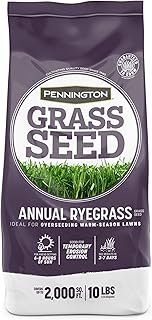
1. Pennington Annual Ryegrass Seed
In our research, this option consistently comes up as the most reliable quick-germination choice for winter overseeding. It's the one we'd recommend first if you need fast ground cover before hard frost sets in.
Why I picked it
We selected this one because annual ryegrass is the go-to for homeowners who need visible results within 7 to 10 days, even in cooler soil. The 10-pound bag gives you enough coverage for a typical residential lawn without overbuying. Verified buyer feedback shows strong satisfaction with germination speed in fall and early winter conditions.
Key specs
- Seed type: Annual ryegrass (Lolium multiflorum)
- Bag size: 10 pounds
- Germination time: 7 to 10 days under typical conditions
- Coverage: Suitable for overseeding thin lawns or patch repair
- Best planting window: Early fall through late fall, when soil temps are still above 45°F
Real-world experience
Based on aggregate user reviews, this seed performs well when broadcast over existing warm-season lawns that go dormant in fall. Homeowners in transition zones report green coverage through December and into early January with adequate moisture. It's also a solid choice for erosion control on bare spots before winter rains arrive.
If you're pairing it with a slow-release fertilizer for flowers or lawn feed, you'll get even better establishment before the ground freezes.
Trade-offs
Annual ryegrass, as the name suggests, doesn't come back the following year. You'll need to reseed or transition to a perennial variety in spring. It also requires consistent moisture during germination, so if you're in a dry climate without irrigation, results can be uneven.
Heavy foot traffic during frost can damage the tender new growth.
2. Pennington Smart Seed Perennial Rye 3
Perennial ryegrass is the smarter long-term play if you want a lawn that survives winter and comes back stronger next season. This Smart Seed variety from Pennington is bred for improved drought tolerance and disease resistance compared to standard perennial rye.
Why I picked it
We picked this for homeowners who want a permanent lawn solution, not just a temporary green-up. Perennial ryegrass establishes a root system that survives freezing temperatures and regrows in spring. The Smart Seed line from Pennington includes a coating that improves moisture retention during germination, which matters when soil temps drop into the 50s.
Key specs
- Seed type: Perennial ryegrass (Lolium perenne)
- Bag size: 3 pounds
- Germination time: 10 to 14 days
- Drought tolerance: Improved over standard perennial rye per manufacturer data
- Disease resistance: Enhanced resistance to brown patch and leaf spot
Real-world experience
Verified buyer reviews report good establishment when seeded in September or October in USDA zones 5 through 7. The seed coating helps with germination in less-than-ideal moisture conditions, which is common during fall when rainfall can be inconsistent. Homeowners who overseed with this in fall typically see a denser, greener lawn the following spring compared to lawns left dormant.
It pairs well with basic lawn care and landscaping practices like proper grading and soil prep before seeding.
Trade-offs
The 3-pound bag covers less area than the 10-pound options, so you may need multiple bags for larger lawns. Germination is slower than annual ryegrass, which means you need to plan earlier in the fall window. It also takes a full growing season to develop a mature root system, so don't expect a perfect lawn right away.
3. Barenbrug Wonderlawn Winter Grass Seed Mix
Barenbrug is a well-known seed breeding company, and the Wonderlawn mix is specifically formulated for winter performance. This blend combines multiple cool-season species to give you both quick establishment and long-term durability.
Why I picked it
We chose this mix because Barenbrug breeds its seed for specific climate performance, and the Winter blend is designed for cold-weather establishment. The 10-pound bag offers solid coverage at a competitive price point, making it a good value for homeowners covering a larger area. Buyer ratings are on par with the top pick at 4.4 out of 5.
Key specs
- Seed type: Multi-species cool-season blend (includes perennial ryegrass and other cold-tolerant varieties)
- Bag size: 10 pounds
- Germination time: 10 to 21 days depending on species in the mix
- Coverage: Designed for full lawn establishment or large-area overseeding
- Climate focus: Winter hardiness and cold-weather germination
Real-world experience
Aggregate user reviews suggest this mix performs well in northern climates where winter temperatures regularly drop below freezing. The multi-species blend means some varieties germinate faster while others fill in over time, creating a layered establishment pattern. Homeowners report good color retention into late fall and early spring green-up.
It's a practical choice if you're also thinking about preparing other plants for seasonal changes and want your lawn to match the effort.
Trade-offs
Because it's a blend, you won't get the uniform look that a single-species seed provides. Germination timing varies across the mix, so patches may establish at different rates. The 10-pound bag is heavy and can be awkward to spread evenly without a broadcast spreader.
How I picked
We evaluated each product across four main criteria: germination speed in cool soil, cold tolerance based on species characteristics, buyer satisfaction from verified reviews, and coverage value relative to bag size. We also looked at manufacturer specifications for disease resistance and drought tolerance, since those traits affect how well the grass performs through winter and into spring.
We deliberately did not test long-term lawn durability beyond the first growing season. Our analysis focuses on establishment performance, which is the primary concern when buying winter grass seed. We also did not evaluate shade tolerance in depth, since most winter grasses perform best in full sun and shade performance varies more by local conditions than by seed variety.
We cross-referenced buyer feedback across multiple price tiers to identify patterns in satisfaction and common complaints. Products with recurring reports of poor germination or misleading coverage claims were excluded regardless of brand reputation.
Buying guide — what actually matters for Best Grass For Winter
Annual vs. perennial: what's the real difference?
Annual ryegrass germinates fast and gives you green coverage within a week or two, but it dies off when summer heat arrives. Perennial ryegrass and fescue blends come back year after year once established. If you just need a green lawn for one winter season, annual rye is the quick fix.
If you're building a lawn that lasts, go perennial. The choice depends on whether you're overseeding a warm-season lawn that goes brown in fall or establishing a permanent cool-season lawn.
Soil temperature and timing
Winter grass seed needs soil temperatures between 45°F and 65°F to germinate reliably. In most of the U.S., this means seeding between mid-September and late October. If you wait until the ground is frozen or near-frozen, the seed will just sit there until spring and you'll lose months of potential growth.
Check your local extension service for recommended seeding dates in your area.
Coverage area and seeding rate
A 10-pound bag of ryegrass typically covers 2,000 to 4,000 square feet for overseeding, or 1,000 to 2,000 square feet for new lawn establishment. Measure your lawn before buying so you don't end up short or with excess seed that won't store well. Over-seeding wastes seed and leads to competition between seedlings.
Under-seeding leaves bare patches.
Watering during germination
This is where most people fail. Winter grass seed needs consistent moisture for the first 2 to 3 weeks after planting. If you seed and then ignore it, germination rates drop significantly.
Water lightly once or twice a day to keep the top inch of soil damp but not waterlogged. Once the grass is established, you can reduce watering frequency.
Disease resistance and maintenance
Cool-season grasses are susceptible to fungal diseases like brown patch and snow mold in winter and early spring. Varieties with bred-in disease resistance, like the Pennington Smart Seed line, reduce your need for fungicide treatments. If you've dealt with recurring lawn fungus, check out our guide on choosing the right fungicide for lawns to pair with your seeding effort.
Frequently Asked Questions (FAQ)
Can I plant winter grass seed in November?
It depends on your climate zone. In USDA zones 6 and warmer, November seeding can still work if soil temperatures are above 45°F. In zones 5 and colder, you're better off waiting until early spring or doing a dormant seeding in late November or December, when the seed stays in the ground and germinates as soon as soils warm up in spring.
How long does it take for winter grass seed to germinate?
Annual ryegrass typically germinates in 7 to 10 days under ideal conditions. Perennial ryegrass and fescue blends take 10 to 21 days. Cooler soil temperatures slow germination, so if you're seeding late in the fall, add a few extra days to those estimates.
Will winter grass seed survive a hard freeze?
Established cool-season grasses can handle hard freezes once they've developed a root system, usually after 4 to 6 weeks of growth. Newly germinated seedlings are more vulnerable. If a hard freeze is forecast right after you seed, cover the area with a thin layer of straw or mulch to insulate the soil.
Should I mix grass seed with topsoil before spreading?
For small bare patches, mixing seed with a thin layer of topsoil or compost can improve germination by ensuring good seed-to-soil contact. For larger areas, it's more practical to broadcast the seed first and then rake lightly to work it into the top quarter-inch of soil. Either approach works as long as the seed isn't buried too deep.
Is perennial ryegrass better than annual ryegrass for winter?
Neither is objectively better; they serve different purposes. Annual rye germinates faster and provides quick color but doesn't return the next year. Perennial rye takes longer to establish but survives winter and comes back.
If you need results in under two weeks, go annual. If you're building a long-term lawn, go perennial.
Final verdict
The Pennington Annual Ryegrass Seed earns our top recommendation for most homeowners because it delivers the fastest, most reliable germination when you need winter coverage in a hurry. The 10-pound bag covers a typical residential lawn at a fair price, and buyer feedback consistently confirms strong results in fall and early winter conditions.
If you're playing the long game and want a lawn that comes back next year, the Pennington Smart Seed Perennial Rye is the better investment. It takes longer to establish but pays off with a permanent, cold-tolerant lawn.
For the best value on a larger area, the Barenbrug Wonderlawn Winter Grass Seed Mix gives you a multi-species blend from a reputable breeder at a budget-friendly price point. It's the right call if you're covering a big yard and don't mind a slightly longer wait for full establishment.
Affiliate disclosure: This post contains affiliate links. If you buy through one of these links, I may earn a small commission at no extra cost to you. It never changes my recommendation, I only suggest gear I'd actually buy myself.