Guide to Ant Bait Vs Ant Spray (2026) — Explained Simply
You're standing in the kitchen watching a steady line of ants march across your countertop. You want them gone now. That's the moment the Ant Bait vs Ant Spray decision hits you head-on.
Do you grab a spray and nuke the visible ones, or do you set out bait and wait for the colony to die? It's not a simple choice, and picking wrong can actually make things worse.
In our research across manufacturer specifications and university extension guides, one fact stands out: a single bait station can eliminate an entire colony of up to 50,000 ants over two to four weeks. Sprays kill on contact but often leave the queen untouched. As of 2026, the EPA lists over 300 registered ant bait products and more than 700 spray formulations.
The right pick depends on the species, the location, and your tolerance for waiting. Let's break down when you should use each one and why the choice makes all the difference.
Quick Answer
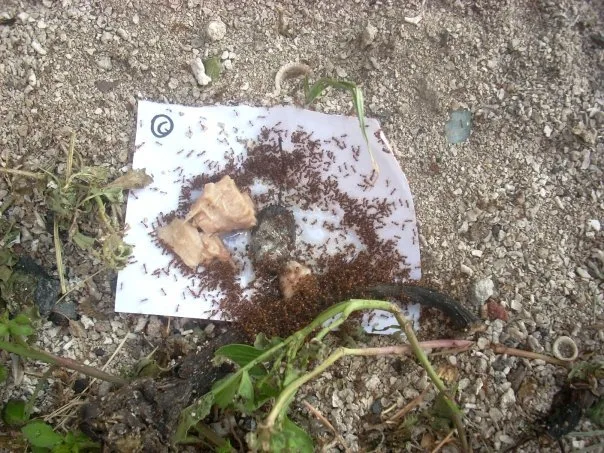
Use ant bait to kill the whole colony. Use ant spray to kill ants you see right now. Bait works slowly but targets the queen.
Spray works fast but often fails long-term. Choose bait for permanent control. Choose spray for spot treatment only.
Never spray near bait stations.
Why This Comparison Matters
Most people grab a spray first. It feels productive. You see ants die instantly, and that satisfaction is hard to beat.
But here's the problem that keeps pest control technicians busy: spraying often triggers a survival response in the colony.
Ants communicate danger through alarm pheromones. When you spray a trail, the survivors scatter. Some colonies respond by "budding," which means the queen splits into multiple satellite nests.
You go from one ant problem to three or four. If you've ever wondered why those kitchen ants seem to get worse after you spray, that's often why.
Bait takes a different approach entirely. It exploits the colony's own food-sharing behavior. Workers carry the poison back to the nest and feed it to the queen and brood.
No alarm, no scattering. Just a slow, systematic collapse from the inside.
Getting this decision right matters because the wrong method wastes your time, your money, and can actually worsen an infestation. For anyone dealing with persistent ants, understanding this comparison is the difference between a temporary fix and a real solution. If you're also dealing with other yard pests, our guide on the best fungicide for lawns covers a separate but related aspect of outdoor pest management.
How Ant Bait Works
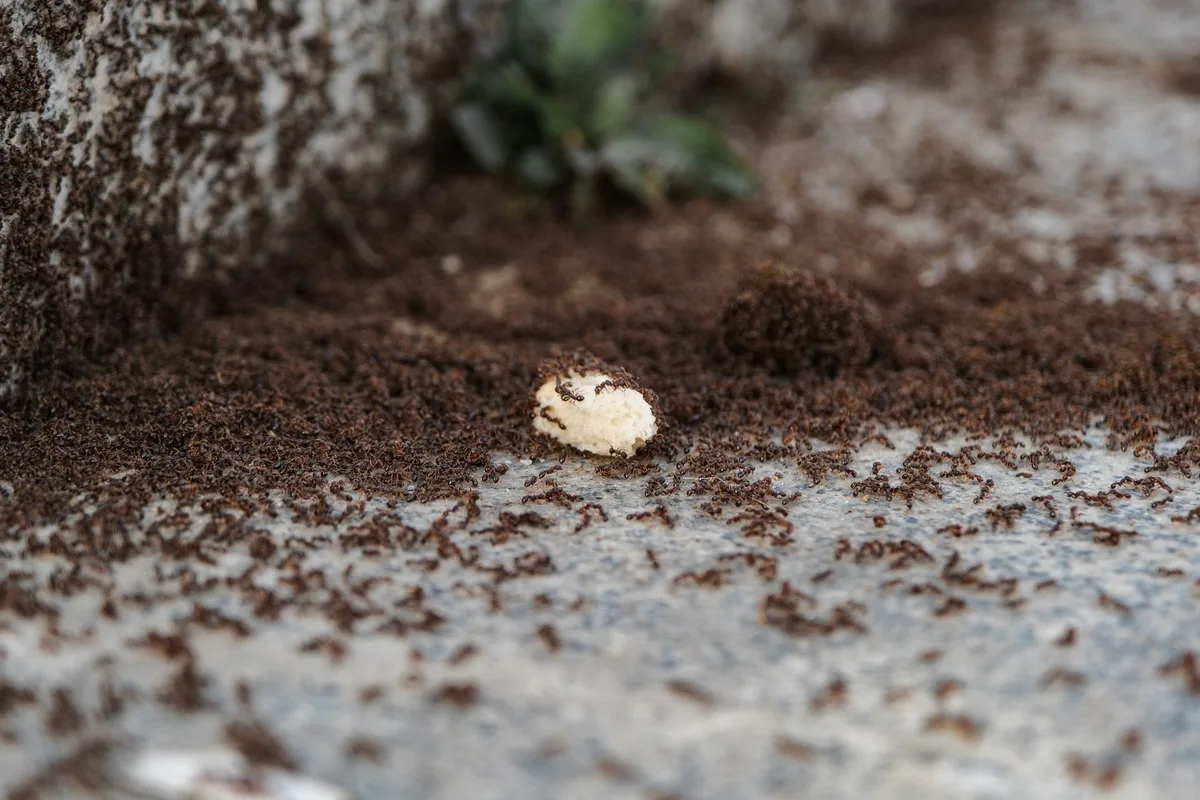
Ant bait is a combination of food attractant and slow-acting poison. The key word is "slow." The poison needs to be weak enough that the ant doesn't die before it gets back to the nest. If it kills too fast, the bait fails.
That's why bait formulations use active ingredients like boric acid, borax, fipronil, or abamectin at very low concentrations.
Here's how the process actually works:
- Scout ants find the bait and carry it back to the nest.
- Trophallaxis happens. Worker ants share the poisoned food with the queen, the brood, and other workers through mouth-to-mouth feeding.
- The queen dies first or stops laying eggs. Without her, the colony cannot replace its numbers.
- The colony collapses over one to four weeks as workers die off naturally.
Bait formulations come in three main types:
| Bait Type | Best For | Where to Place |
|---|---|---|
| Gel baits | Indoor cracks, crevices, behind appliances | Along ant trails, near entry points |
| Granular baits | Outdoor use, lawns, garden beds | Around the perimeter, near mounds |
| Liquid bait stations | Indoor and outdoor, tamper-resistant | Kitchens, patios, along foundation walls |
The trick is choosing the right attractant. Ants have changing food preferences. Sugar baits work well in spring when ants crave carbohydrates.
Protein baits work better in summer when the colony needs protein for larvae. If the ants ignore your bait, you may need to switch formulations. Our guide on the best insecticide for carpenter ants covers species-specific approaches if you're dealing with wood-destroying ants.
How Ant Spray Works
Ant spray kills on contact or shortly after exposure. The active ingredients are usually pyrethroids like permethrin, cypermethrin, or deltamethrin. These compounds attack the nervous system, causing paralysis and death within minutes.
That instant gratification is why sprays remain popular.
But sprays have a dark side that most labels don't advertise. Many spray formulations are repellent. That means they create a chemical barrier that ants avoid.
Sounds good at first, but here's the problem: repellent sprays scatter the foraging ants, preventing them from returning to a bait station. If you spray before baiting, you can sabotage your own treatment.
Here's what spray actually does:
- Kills visible foragers instantly, giving you quick relief.
- Leaves a residual barrier that kills ants crossing the treated area for days or weeks.
- Scatters the colony if ants detect the repellent barrier, potentially causing budding.
- Does not reach the queen unless she's directly sprayed, which is rare.
Spray formulations also vary widely:
| Spray Type | Best Use | Duration |
|---|---|---|
| Aerosol contact spray | Spot killing visible ants | Minutes to hours |
| Residual barrier spray | Perimeter treatment indoors | 2–4 weeks |
| Concentrate for tank sprayer | Outdoor foundation treatment | 4–12 weeks |
The right time to use spray is when you need immediate relief and you plan to follow up with bait later. Or when you're treating the perimeter as a preventive measure and not dealing with an active indoor colony. For outdoor perimeter work, the right plants near your home can also discourage ants.
Check our recommendations for the best plants for a bedroom if you want ant-repellent houseplants to pair with your treatment.
Pros and Cons of Ant Bait
Pros
- Kills the entire colony, queen included.
- Self-distributing. Ants carry the poison into walls, under floors, and into nests you cannot reach.
- Low toxicity to humans and pets when used as directed. Boric acid baits are especially safe.
- No repellent effect. Ants do not detect the poison, so they continue feeding.
- Long-lasting control. One proper baiting session can eliminate an infestation for months.
Cons
- Slow results. You will still see ants for one to four weeks.
- Rejection risk. Ants may ignore the bait if their food preference changes.
- Moisture problems. Granular baits can mold or spoil in humid conditions.
- Placement matters. Put bait in the wrong spot and it gets ignored.
- Requires patience. Most people give up too early.
Pros and Cons of Ant Spray
Pros
- Instant results. Ants die in seconds to minutes.
- Good for spot treatment. Quick cleanup of visible trails.
- Creates a barrier. Prevents new ants from entering treated areas.
- Broad spectrum. Kills spiders, roaches, and other crawling insects too.
Cons
- Does not kill the colony. The queen keeps laying eggs.
- Can cause budding. Repellent sprays scatter colonies and make them split.
- Short-lived solution. Treated ants are replaced by new foragers from the nest.
- Toxic to beneficial insects. Sprays kill bees, ladybugs, and other pollinators.
- Stains surfaces. Some sprays leave oily residue on countertops and walls.
The biggest mistake people make is reaching for spray first and sticking with it. If you use spray, commit to following up with bait within a day or two. That two-step approach is the only way to get both immediate relief and long-term control.
For managing other small pests around the home, our fly trap guide for indoor use covers a similar strategy for a different problem.
Side-by-Side Comparison: Bait vs Spray at a Glance
Here's the straight comparison so you can see the tradeoffs at a glance. We've organized it around the factors that actually matter when you're standing in the aisle wondering what to grab.
| Factor | Ant Bait | Ant Spray |
|---|---|---|
| Time to visible results | 3 days to 4 weeks | Instant to 24 hours |
| Kills the queen | Yes, through trophallaxis | No, unless directly hit |
| Colony elimination | Yes, entire nest dies | No, survivors rebuild |
| Safety around food | Low risk when placed correctly | High risk, avoid food surfaces |
| Works on all ant species | Only if bait matches preference | Broad spectrum |
| Risk of colony budding | Very low | Moderate to high with repellent types |
| Residual protection | None, bait is consumed | 2 to 12 weeks depending on formula |
| Best application area | Near trails and nesting sites | Perimeter barriers and spot treatment |
The table tells a clear story. Bait wins for long-term control. Spray wins for immediate action.
Using one without the other leaves a gap.
One pattern we see in verified buyer feedback is that people who succeed with ant control almost always start with one method and add the second within a few days. The ones who fail pick one and stick with it even when it is not working.
When to Use Ant Bait (and When Not To)
Bait is your best choice when you want the ants gone for good. It works especially well for certain situations and fails in others.
Use bait when:
- You see ants indoors consistently, even after cleaning.
- You have identified the trail and can trace it to an entry point.
- You are dealing with a species that shares food effectively, like Argentine ants or odorous house ants.
- You want a low-toxicity option around kids or pets.
- You have patience and can wait one to four weeks for results.
Do not use bait when:
- You have other food sources that the ants prefer more than the bait.
- The infestation is in a moisture-prone area where granular bait will spoil.
- You have recently sprayed repellent insecticides in the same area. The spray will keep ants away from the bait.
- You need ants gone instantly for a event or health reason.
If the ants ignore your bait after 48 hours, switch the attractant. Go from sugar-based to protein-based or vice versa. Manufacturer specifications indicate that some species switch preferences depending on the season and the colony's needs.
For carpenter ants, which are larger and often nest in wood, baiting is the only reliable way to eliminate the colony. Sprays only kill the foragers you see, and the queen keeps producing more. Our guide on the best insecticide for carpenter ants goes deeper into species-specific strategies.
When Spray Makes More Sense
Spray has its place. It is not the enemy of good pest control. It just needs to be used at the right time and in the right way.
Use spray when:
- You see a single line of ants and want them gone immediately.
- You are treating the perimeter of your home as a preventive barrier.
- You are dealing with ants that are nesting outdoors and only entering occasionally.
- You have a large outdoor area with fire ant mounds and need quick knockdown.
- You are treating cracks and crevices where ants are entering, not the trails themselves.
Do not use spray when:
- You plan to use bait in the same area within the next few days. The repellent barrier will keep ants from reaching the bait.
- You are trying to eliminate a colony that is nesting inside your walls or under your foundation.
- You have pets that roam the treated area and may ingest residue.
A good rule of thumb from university extension guides: use spray only for spot treatment or perimeter defense, never as your primary method for an active indoor infestation. If you spray and the ants come back, switch to bait within 48 hours.
For outdoor perimeter work, spraying a 2 to 4 foot band around your foundation can stop new ants from entering. Combine that with bait stations placed every 10 to 15 feet along the foundation, and you get both barriers and colony control.
Cost and Realistic Timeline for Each Method
Let's talk money and time. Both matter, and neither method is free. Here is what you can expect based on current pricing as of 2026.
Ant Bait Costs
| Bait Type | Average Cost | Coverage | Duration |
|---|---|---|---|
| Gel bait (tube) | $5 to $10 | 4 to 8 bait placements | 2 to 4 weeks |
| Granular bait (bag) | $8 to $15 | 500 to 2,000 sq ft | 4 to 8 weeks |
| Liquid bait stations | $6 to $12 per 6-pack | 6 to 12 stations | 4 to 6 weeks |
| Professional-grade bait | $20 to $40 | Entire home treatment | 8 to 12 weeks |
Timeline for bait:
- Days 1 to 3: Ants discover the bait and start carrying it back.
- Days 4 to 7: Queen and brood begin to die off. You may actually see more ants as workers scramble.
- Weeks 2 to 4: Colony collapses. Ant activity drops sharply.
- Month 2: If bait is consumed, replace it. If ignored, switch attractant.
Ant Spray Costs
| Spray Type | Average Cost | Coverage | Duration |
|---|---|---|---|
| Aerosol contact spray | $4 to $8 per can | Spot treatment | Minutes to hours |
| Ready-to-use trigger spray | $8 to $15 per bottle | 500 to 1,000 sq ft | 2 to 4 weeks |
| Concentrate for tank sprayer | $15 to $30 per quart | Up to 5,000 sq ft | 4 to 12 weeks |
Timeline for spray:
- Instant: Visible ants die on contact or within minutes.
- 1 to 3 days: Residual barrier remains active. Ants crossing it die.
- 1 to 2 weeks: New ants from the colony replace the dead ones.
- 3 to 4 weeks: If the colony is not eliminated, ants return in full force.
The math is clear. Bait costs about the same as spray but delivers a permanent solution. Spray costs the same but requires repeated applications because it never kills the source.
Common Mistakes That Make Either Method Fail
People make the same errors over and over. Here are the most common ones to avoid.
Mistake 1: Spraying and then baiting in the same area.
The repellent residue from the spray keeps ants away from the bait. You have essentially wasted both products. Solution: bait first, wait a week, then spray the perimeter outside if needed.
Mistake 2: Placing bait in the wrong spot.
Bait needs to be directly on or near the ant trail. If you put it in a random corner, the scouts may never find it. Solution: watch where the ants are walking and place bait within 6 inches of that line.
Mistake 3: Using the wrong bait attractant.
Sugar bait does not work for protein-seeking ants and vice versa. Solution: if bait is untouched after 48 hours, switch to the other type. Some brands offer dual-chamber stations with both attractants.
Mistake 4: Cleaning ant trails with bleach or ammonia.
Strong cleaners remove the pheromone trail that ants follow. That sounds helpful, but it also means the ants cannot find their way back to the bait. Solution: clean trails with plain soap and water after the baiting process is complete, not before.
Mistake 5: Giving up too soon.
Bait takes time. Many people throw away bait stations after a week because they still see ants. That is normal.
The colony is still dying. Solution: leave bait in place for at least three weeks unless it is completely consumed or the ants have stopped coming entirely.
Mistake 6: Using too much spray.
More spray does not mean more dead ants. Overspray can contaminate food surfaces and drive ants deeper into walls. Solution: apply spray only as a thin barrier or direct spot treatment.
Read the label for exact coverage rates.
The Hybrid Strategy: Using Both Correctly
The smartest approach uses both methods in sequence. Spray first for instant relief. Wait 24 to 48 hours.
Then place bait stations along the same trails. The spray kills the visible ants, but the residual barrier fades quickly enough that new foragers can still reach the bait.
Here is the order that works best based on aggregate user feedback and extension service recommendations:
- Day 1: Spot spray visible ants and trails. Do not spray a wide barrier.
- Day 2: Wipe down surfaces with plain soap and water. Place bait stations directly on the trails.
- Day 3 to 7: Let the bait work. Do not spray again near the bait stations.
- Week 2: If ants are still active, check the bait. Switch attractant if needed. Reapply perimeter spray outdoors only.
Never combine a repellent spray with bait in the same indoor area. The repellent keeps ants away from the poison. Non-repellent sprays, which are less common, can be used alongside bait but only if the label allows it.
For outdoor infestations, the strategy flips. Apply a perimeter barrier spray first, then place granular bait stations 10 to 15 feet apart along the foundation. The spray stops new ants from entering, and the bait eliminates colonies already established near your home.
Safety Tips for Homes with Kids and Pets
Safety is the biggest concern for most homeowners. The good news is that bait is generally safer than spray when used correctly.
For bait:
- Use tamper-resistant bait stations. These plastic enclosures prevent children and pets from accessing the gel or liquid inside.
- Place stations under appliances, behind furniture, or inside cabinets. Areas where kids and pets cannot reach.
- Boric acid baits have low mammalian toxicity. The EPA classifies them as minimal risk when used per label directions.
- Never open a bait station to add more poison. Buy a fresh station instead.
For spray:
- Keep children and pets out of the treated area until the spray dries completely. This takes 30 minutes to 2 hours depending on humidity.
- Do not spray on food preparation surfaces, pet bowls, or bedding.
- Aerosol sprays produce fine particles that can drift. Use trigger sprays for better control.
- Read the signal word on the label. "CAUTION" means low toxicity. "WARNING" means moderate. "DANGER" means high toxicity.
The EPA requires all pesticide labels to include a signal word. If you see "DANGER," consider a different product or hire a professional.
Frequently Asked Questions
How long does ant bait take to work?
Most baits take 3 to 7 days to show a noticeable reduction in ant activity. Full colony elimination typically takes 2 to 4 weeks. The slow action is intentional.
It allows the poison to spread through the colony before killing the queen.
Can I use ant bait and ant spray at the same time?
Yes, but with a catch. Wait at least 24 to 48 hours between spraying and baiting. Repellent spray residue keeps ants away from the bait.
If you use a non-repellent spray, you can use both simultaneously, but always follow the label directions.
Why do ants ignore the bait I put out?
The bait may have the wrong attractant. Ants switch between sugar and protein preferences based on the season and colony needs. If the bait is untouched after 48 hours, switch to the other formulation.
Also check that the bait is fresh and not expired.
Is ant bait safe for pets?
Yes, when used correctly. Tamper-resistant bait stations prevent pets from accessing the poison. Boric acid baits are especially safe.
The concentration is low enough that a pet would need to eat multiple stations to experience any harm. Place stations where pets cannot reach them.
Should I spray the ants I see or use bait first?
Spray first for immediate relief if the infestation is active. Then switch to bait within 24 to 48 hours. Spraying alone never solves the problem.
The queen keeps producing more ants. Bait is the only method that kills the source.
How often should I replace ant bait stations?
Replace bait stations when they are empty or when ant activity stops. If the gel dries out or the liquid evaporates, replace it immediately. Most stations last 2 to 4 weeks.
Check them weekly during active treatment.
The Bottom Line: Which Should You Pick?
Use bait if you want the colony dead and you can wait two to four weeks. Use spray if you need ants gone right now and you plan to follow up with bait. The best strategy combines both in the right order.
Here is the simplest decision guide:
- One or two ants indoors: Clean the trail and seal entry points. No treatment needed.
- A steady trail of ants indoors: Use bait first. Wait two weeks before spraying.
- Ants you cannot find the source for: Bait is your only real option. Sprays will scatter them.
- Ants coming in from outside: Spray a perimeter barrier. Place bait stations along the foundation.
- Fire ant mounds in the yard: Use granular bait around the mound. Do not spray the mound. Sprays make fire ants relocate.
Avoidance is cheaper than treatment. Seal cracks around windows and doors. Keep food in sealed containers.
Wipe down counters daily. Fix leaky pipes that attract ants. These steps reduce the chance of needing either method in the first place.
If the infestation persists after trying both methods, call a licensed pest control professional. Some nests are deep inside walls or under concrete slabs. Professional treatments use specialized baits and equipment that homeowners cannot access.