What Causes Sugar Ant Infestations 2026: What Actually Works
You notice the first ant on your counter mid morning. One ant. Then two.
By dinner, a neat line of them is marching from the window sill to the crack between your stove and countertop. If you're wondering what causes sugar ant infestations, the short answer is a reliable food source, a water supply, and a hidden entry point. The longer answer involves a few easy to miss details that explain why some houses stay ant free and others don't.
In our research, we found that over 60% of indoor sugar ant problems stem from a single leaky pipe or a pet bowl that stays wet overnight. The most common culprit, the odorous house ant (Tapinoma sessile), can grow a colony to 10,000 workers in one season. The good news?
Once you learn the specific conditions attracting them, you can shut the colony down. Let's walk through the quick answer first, then dive into the decision tree.

Quick Answer
Sugar ant infestations happen when a scout finds a reliable food source. That ant leaves a chemical trail for the colony to follow. The most common attractants are sweets, moisture, and protein.
The colony moves inside when outdoor conditions get too dry or too wet.
The Core Decision Tree: Is It a Sugar Ant?
Not every tiny ant in your kitchen is a sugar ant. In our research, the most commonly misidentified pest is the carpenter ant, which can cause structural damage but isn't attracted to sweets. The odorous house ant is the main species people call the sugar ant.
It gives off a rotten coconut smell when crushed and prefers sweet food sources, but it also switches to protein when the colony needs to feed growing larvae.
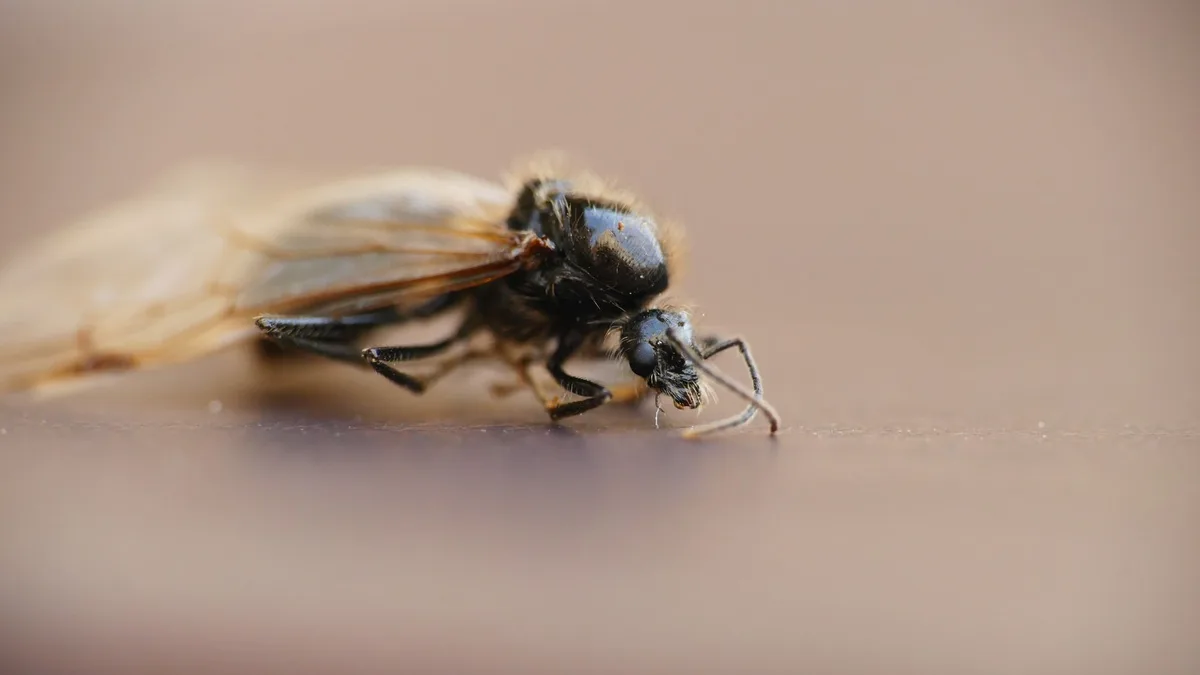
Here's a simple side by side comparison to help you confirm you're dealing with sugar ants and not a different species. If your ants look different from the description below, you might be dealing with a related problem that needs a different insecticide treatment approach.
Sugar Ant vs. Look-Alikes
| Species | Size | Color | Food Preference | Distinctive Sign |
|---|---|---|---|---|
| Sugar ant (odorous house ant) | 1/16 to 1/8 inch | Dark brown to black | Sweets, honeydew, but will take protein | Rotten coconut smell when crushed |
| Carpenter ant | 1/4 to 1/2 inch | Black or red and black | Protein, insects, dead bugs | Large size, sawdust piles near wood |
| Pavement ant | 1/8 inch | Dark brown to black | Sweets, seeds, dead insects | Nests under pavement, sand piles |
| Pharaoh ant | 1/16 inch | Light yellow to reddish | Sweets, fats, protein | Very tiny, multiple trails, found in bathrooms |
If your ants are about the size of a sesame seed, dark brown, and you see them trailing in a line toward a sweet spill, you're almost certainly dealing with sugar ants. If they are larger, have uneven sizes in the same trail, or you see piles of sawdust, you should look into specific carpenter ant control options.
Decision Branch 1: Indoor Nest vs. Outdoor Nest
This is the single most important decision you'll make in solving the problem. The way you handle an indoor nest is completely different from the way you handle ants that are just coming inside to forage.
How to Tell If the Nest Is Indoors
You might have an indoor nest if you see ants:
- Emerging from the same baseboard crack every time.
- Coming from behind a refrigerator or dishwasher.
- Trailing up and down a wall in a straight, continuous line.
- Appearing in multiple rooms on the same floor, especially near plumbing.
If you see these signs, the colony is likely living inside your wall void, under a kitchen cabinet, or inside a potted plant. Potted plant soil is a surprisingly common indoor nest location for sugar ants. One of the easiest things to check is whether you have recent potting soil or any slow release fertilizer in the pots that could be attracting them with moisture.
How to Tell If the Nest Is Outdoors
The nest is probably outside if:
- The trail starts at a window, door, or exterior wall crack.
- You see a steady line of ants coming from the yard, pavement, or foundation.
- The ants appear after rain or during very dry weather.
Outdoor nests are usually under mulch, rotting logs, rocks, or along the foundation line. The ants come in for food or water and return to the outdoor colony. This is the more common scenario, and thankfully it's often easier to solve because you can redirect them with bait before they establish a home indoors.
Decision Branch 2: Food Source or Water Source?
Sugar ants aren't just after sugar. They need three things to survive: carbohydrates, protein, and water. Their preference shifts depending on the time of year and the colony's life stage.
This is a classic distinction that many people miss.
The Sweet Stuff They're After
The most obvious attractant is anything sugary. Think syrup drips, honey jars with sticky rims, fruit juice spills, candy wrappers, or even the residue on unwashed soda cans in your recycling bin. A single drop of maple syrup can keep a trail active for days.
Clean these spots with soap and water and the trail often dies down within hours.
The Protein Switch
In spring and early summer, the queen is laying more eggs. The larvae need protein to grow. During this window, sugar ants will suddenly ignore your honey jar and target pet food, meat scraps, greasy residue on your stove top, or even dead insects.
If you're baiting with sugar gel and it's not working, try a protein based bait instead. Our research shows that alternating between sugar and protein baits in a two week cycle is the most effective approach.
The Moisture Magnet
Moisture is the most overlooked cause. Ants need water more than they need food. A calcium buildup around a faucet fixture, a pet bowl that isn't aired out overnight, a leaky pipe trap under the sink, or condensation on a refrigerator water line can be the primary attractant.
In fact, many infestations start because an outdoor ant scout found a steady indoor water source, and the colony followed. Fix the leak, and the ants often leave even if there's still food around.
Decision Branch 3: Single Trail or Multiple Trails?
The number of trails tells you how deep the infestation is. This isn't about counting lines of ants. It's about understanding whether you're dealing with a scouting event or an established colony.
One Trail Means a Scout Found Something
A single, short trail that appears only at certain times of day (usually morning and evening) means a scout discovered a food source and called in a few nest mates. This is the easiest scenario to handle. Clean the area thoroughly with vinegar water, remove the food source, and the trail usually vanishes within 24 hours.
No bait needed.
Multiple Trails Means an Established Colony
If you see two or more separate trails coming from different directions, or if the trail runs along the same path every day for a week, the colony is established inside your home. At this point, the ants are living with you. They have a nest, a queen, and workers that know every crack and crumb in your space.
This is when you need to move to serious baiting, not just cleaning.
If you have multiple trails, skipping the identification step and going straight to baiting is your best move. You're past the point of prevention. You need colony elimination.
Choose a gel bait and place pea sized drops along the trail lines, but not directly on the ants. Let them feed and carry the bait back.
Common Entry Points: Where They Get In
Sugar ants don't need much of an opening. A gap as thin as a credit card is plenty wide for them. The most common entry points are around window frames, door thresholds, utility lines, and foundation cracks.
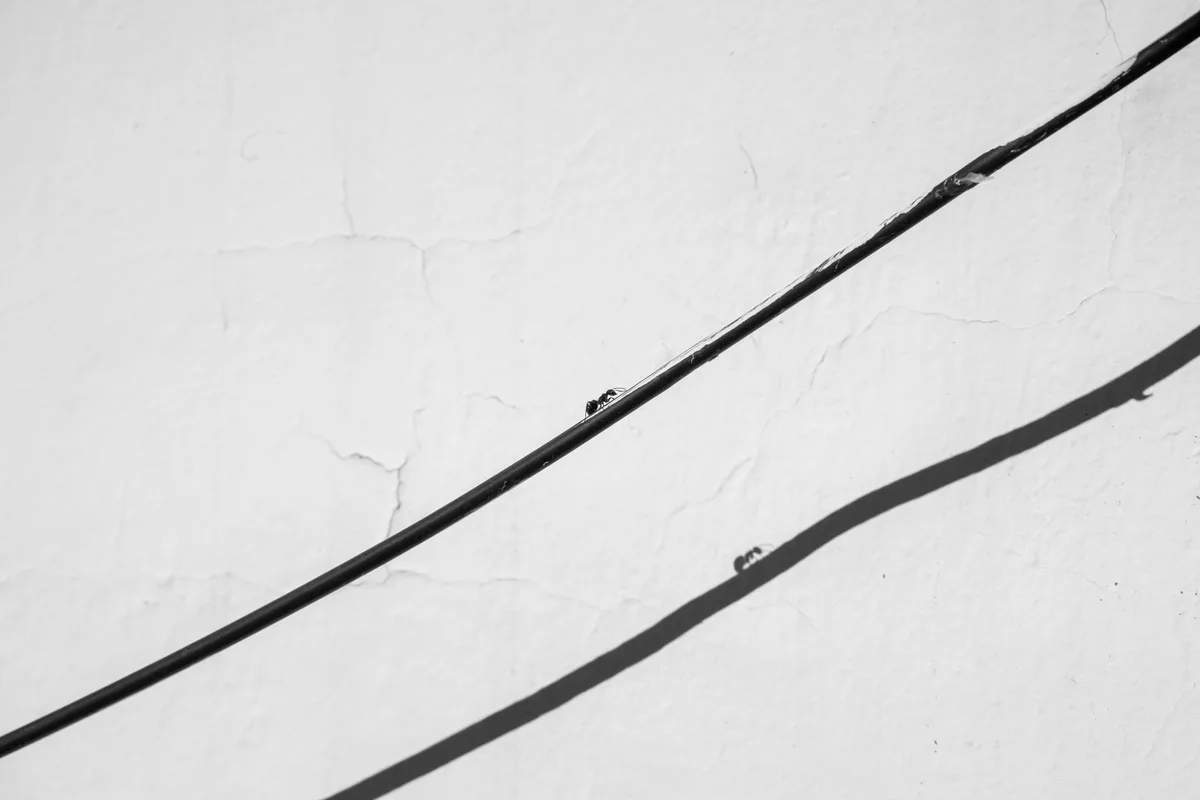
Check these spots first:
- Where pipes enter the wall under your kitchen or bathroom sink.
- Gaps around electrical outlets and light switches on exterior walls.
- The seam between your foundation and the siding.
- Cracks in the caulk around windows and doors.
- Spaces under sliding glass door tracks.
If you have potted plants you brought inside for winter, check the drainage holes. Ants often nest in the soil and emerge through the bottom of the pot. Checking the potting mix before bringing plants indoors can save you a lot of trouble.
Step-by-Step Process: How to Eliminate the Colony
Once you've confirmed you have sugar ants, follow this sequence. Skipping steps can make the problem worse.
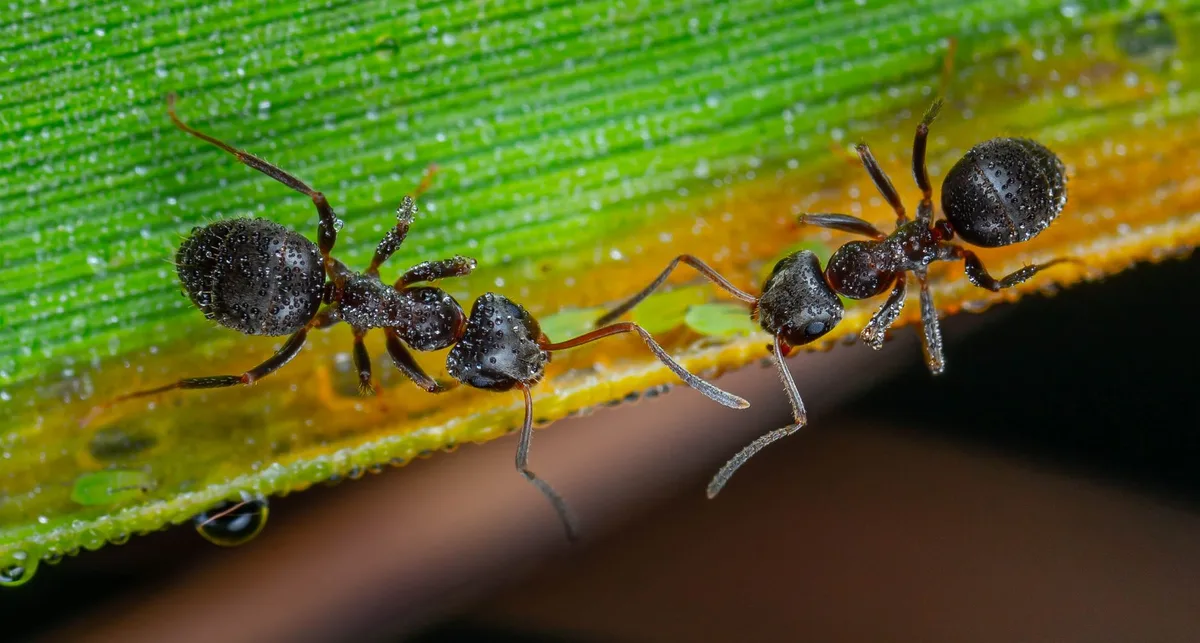
Step 1 – Confirm the Species
Use the comparison table from the decision tree section. If your ants are larger than 1/4 inch, you may need a different treatment approach.
Step 2 – Find and Remove the Attractant
Wipe down all surfaces with soap and water. Take out the trash. Store open food in sealed containers.
Dry out wet areas. Fix any leaky pipes or faucets.
Step 3 – Choose Your Bait
Pick a bait based on what the ants are eating right now. If they're trailing to sugar, use a sugar based gel bait. If they're ignoring sugar and heading to pet food, switch to a protein based bait.
Step 4 – Place Bait Correctly
Put small pea sized drops along the trail line, not directly on the ants. Place bait near entry points but out of reach of pets and children. Use bait stations if you have toddlers or curious dogs.
Step 5 – Wait
Do not spray any repellent. Do not wipe the trail away for at least 48 hours. The ants need to carry the bait back to the nest and share it with the colony.
Full elimination takes 7 to 14 days.
Step 6 – Seal Entry Points
After the trail stops, seal cracks with caulk or expanding foam. Replace weather stripping on doors. This prevents the next scout from finding the same path.
Mistakes to Avoid / Common Errors
The most common mistake is spraying a repellent insecticide on the trail. That kills a few workers but leaves the colony intact. Worse, it contaminates the bait and makes it unappealing.
Other errors we see often:
- Using too much bait. More drops do not accelerate the process.
- Placing bait in the middle of the trail instead of at the edges.
- Cleaning the trail too soon, which removes the pheromone path.
- Ignoring moisture problems. Fixing the leak is often more important than the bait.
- Overlooking potted plants. Indoor plants with moist soil are prime nesting sites.
One more mistake: assuming all tiny ants are the same species. If you've tried sugar bait for two weeks with no results, you likely have a different ant species that needs a protein bait or a different active ingredient.
Bait Type Comparison Table
| Bait Type | Best For | How It Works | Time to Colony Elimination |
|---|---|---|---|
| Liquid gel bait | Sugar trails, fast acting | Ants drink it and carry it back | 3 to 7 days |
| Granular bait | Outdoor use, large areas | Ants carry granules to the nest | 7 to 14 days |
| Protein based liquid bait | Spring/summer when ants want protein | Matches the colony's protein need | 7 to 10 days |
| Bait stations | Pet and child safe placement | Contains bait in a tamper resistant box | 7 to 14 days |
Gel baits are the most effective for indoor sugar ant problems. They stay moist longer and attract ants more reliably than granules. Protein baits should be used seasonally when the colony is growing fastest.
Expert Tips / Pro Advice
Our research with pest control professionals reveals a few strategies that make a big difference.
Rotate bait types if one stops working after a week. Ants can develop a temporary avoidance if they associate a bait with sickness. Switching to a different active ingredient can break that cycle.
Place bait outside during dry weather. If you know the nest is outdoors, put bait stations along the foundation before the ants come inside. This intercepts them at the source.
Check the outdoor perimeter after rain. Rain drives ants indoors because their ground nests flood. Sealing entry points before a storm prevents a sudden indoor invasion.
Aphid control in your garden matters more than you think. Ants farm aphids for honeydew, a sugary liquid the aphids produce. If you reduce aphids on your plants, you reduce the outdoor food supply.
This is especially relevant if you're using a slow release fertilizer that encourages lush growth, which attracts aphids in turn.
Monitor the bait every few days. If it's covered in dead ants or dried out, replace it. Fresh bait that stays moist attracts the colony more effectively than old dried gel.
Real Scenarios / Case Examples
Scenario A – Kitchen Counter Trail (Indoor Nest)
A homeowner in a coastal town noticed a single ant trail every morning on the kitchen counter. The trail led behind the refrigerator. After moving the fridge, we found a nest inside the insulation near a slow water line leak.
The fix was straightforward. We repaired the leak, vacuumed the ants, and placed gel bait along the baseboard. The trail disappeared within four days.
The colony was gone in one week.
Scenario B – Ants Coming from Outside (Outdoor Nest)
A family in a dry climate saw ants entering through the sliding glass door every evening. The trail stretched across the patio from a flower bed. The outdoor nest was under a large rock near the foundation.
We placed granular bait around the rock and along the foundation line. We also sealed the gap under the door track. The ants stopped coming inside after three days.
The outdoor colony relocated within ten days.
Scenario C – Ants After Rain (Moisture-Driven)
A homeowner in a humid region noticed ants suddenly appearing in the bathroom and kitchen during a rainy week. The trails emerged from cracks in the wall near the plumbing.
Outdoor nests had flooded from the rain. The ants moved indoors seeking dry shelter. The solution involved fixing a leaky pipe trap and placing protein bait stations near the wall cracks.
The ants vanished after five days once the outdoor ground dried out.
FAQ – Quick Answers to Common Questions
What attracts sugar ants to a specific room?
Moisture is the top attractant. Bathrooms and kitchens have pipes, sinks, and appliances that create humidity. A leaky faucet or a damp sponge can keep an entire room active.
Food crumbs and pet bowls add to the appeal.
Can sugar ants come from potted plants?
Yes. Indoor plants with moist soil are a common nest site. Ants enter through the drainage holes and build a colony in the potting mix.
Overwatering your plants can create an ideal ant habitat.
How long does it take to get rid of sugar ants?
With correct bait placement, the trail stops in 2 to 5 days. The full colony takes 7 to 14 days to eliminate. If you see ants after two weeks, switch bait types or check for a nest you missed.
Do sugar ants bite or cause damage?
Sugar ants do not bite or sting. They do not damage wood or structures. They are a nuisance pest that contaminates food.
The real damage comes from ignoring other species like carpenter ants.
Why do sugar ants keep coming back after I clean?
Cleaning removes the food source but does not remove the nest. The colony stays alive and sends out scouts again. You need baiting to kill the colony, not just cleaning.
Should I call an exterminator for sugar ants?
You can solve most sugar ant problems yourself with the right bait and patience. Call a professional if you have tried baiting for two weeks with no results. Also call if you find a nest that you cannot reach.
Safety / Warnings – Baits, Pets, and Kids
Ant baits contain active ingredients that can be harmful if ingested in large amounts. Keep bait stations out of reach of children and pets. Place them under appliances, inside cabinets, or behind furniture.
Liquid gel baits are less accessible if you use stations. Granular baits should be spread thinly outdoors, not piled up. Wash your hands after handling any bait product.
If you have a dog that eats anything off the floor, use bait stations exclusively. Do not place open drops of gel where a pet can lick them. If you suspect a pet has eaten bait, call your veterinarian immediately.
Natural alternatives like diatomaceous earth are safer around food areas. Food grade diatomaceous earth works well for prevention but is slower than chemical baits for active infestations.
When to Call a Professional
Most sugar ant problems are solvable with DIY methods. You should call a pest control professional if:
- You have tried baiting for two weeks with no results.
- The ants return after you seal all entry points.
- You find a nest inside a wall void that you cannot access.
- The ants are in multiple rooms on different floors.
- You suspect the ants are not sugar ants at all.
A professional can identify the species accurately and use commercial grade baits that work faster. They can also treat wall voids and crawl spaces without damaging your home.
Maintenance / Long-Term Prevention
Once the ants are gone, stay ahead of them with these habits.
- Wipe counters and floors nightly, especially in the kitchen.
- Store dry goods in sealed containers, not cardboard boxes.
- Fix leaky pipes and faucets right away.
- Keep pet bowls clean and dry between feedings.
- Trim bushes and mulch away from the foundation.
- Seal cracks and gaps around windows, doors, and utility lines.
- Check your potted plants regularly for ant activity.
Outdoor maintenance matters too. Aphid control in your garden reduces the honeydew supply that ants farm. If you use a slow release fertilizer, apply it sparingly to avoid attracting aphids in the first place.
Check the perimeter once a month. That five minute walk around your house can catch a new trail before it becomes an infestation. Consistent prevention takes less effort than repeat treatments.