How to Build a Year Round Lawn Care Plan 2026: Simple Steps

You already know a generic monthly checklist isn’t going to cut it. How to build a year round lawn care plan depends entirely on where you live, what grass you’re growing, and what your soil looks like right now. A schedule that works for a Bermuda lawn in Texas will kill a fescue lawn in Ohio.
That’s the problem with most advice you’ll find. It assumes everyone has the same grass, the same climate, and the same soil. Our research across extension service guides and turfgrass studies shows one thing clearly.
The right plan starts with three variables, not a calendar date. And a soil test is always step one. Let’s walk through how to build yours.
The Problem with One-Size-Fits-All Lawn Calendars
You’ve seen them. The “month-by-month” lists that tell you to fertilize in April and water three times a week. They look helpful at first.
But they fail the moment your conditions don’t match the writer’s.
Here’s why those calendars break:
Climate differences. A cool-season lawn in Minnesota follows a completely different growth cycle than a warm-season lawn in Florida. Spring comes weeks later up north. Fall is shorter. Your region’s first and last frost dates shift everything.
Grass type matters more than you think. Cool-season grasses (Kentucky bluegrass, tall fescue, perennial ryegrass) grow most actively in spring and fall. They go dormant or get stressed in summer heat. Warm-season grasses (Bermuda, Zoysia, St. Augustine) love heat. They grow hard in summer and go dormant in winter. You can’t treat them the same.
Soil health changes everything. One neighbor’s lawn might be acidic clay that holds nutrients poorly. Another’s is sandy loam that drains fast. A generic calendar can’t account for that. If you skip a soil test, you’re guessing. And guessing leads to burned grass, wasted fertilizer, and stubborn weeds.
The solution is a decision tree approach. You check your conditions first. Then you follow the branch that fits your situation.
Quick Answer: Your Lawn Plan Depends on Three Variables
Your year-round plan needs three things. Know your grass type. Know your climate zone.
Know your soil.
Start with a soil test. That will tell you pH and nutrient levels. Then find your USDA hardiness zone.
Then identify your grass. Those three inputs drive every decision after that.
Cool-season lawns need different timing than warm-season lawns. Your zone tells you when to seed and when to stop fertilizing. Your soil test tells you what fertilizer to use.
The whole plan flows from those facts.
Core Explanation: How Climate, Grass Type, and Soil Drive Your Schedule
Let’s break down why those three variables control everything.
Cool-Season vs. Warm-Season Grass
Cool-season grasses hit their stride in temperatures between 60°F and 75°F. They green up early in spring and stay green into late fall. But when summer hits 85°F or higher, they slow down.
They may go dormant to survive.
Warm-season grasses thrive in heat. Their ideal range is 80°F to 95°F. They grow fastest in June, July, and August.
In winter, they turn brown and rest.
This is why a single calendar fails. If you fertilize a cool-season lawn in July when it’s stressed, you’re wasting product and burning the grass. If you fertilize a warm-season lawn in April before it’s active, the nitrogen washes away.
Climate Zones Change the Timing
The USDA Plant Hardiness Zone map is a good starting point. But you also need to know your region’s first and last frost dates. Those dates set your seeding windows, your pre-emergent timing, and your winter prep schedule.
For example, in Zone 5, the last spring frost might be mid-May. In Zone 8, it’s late February. That difference means a month or more of shifted timing for spring feeding and weed prevention.
Soil Chemistry Makes Fertilizer Choices Unique
Your soil’s pH range directly affects nutrient availability. Most turfgrasses prefer a slightly acidic pH between 6.0 and 7.0. Outside that range, even perfect fertilizer won’t do much.
The nutrients get locked up.
A soil test from your local extension office costs around $15 to $30. It tells you your pH, your N-P-K levels, and what amendments you need. Without it, you’re spending money on products your lawn can’t use.
If you’re already dealing with lawn disease or fungal issues, choosing the right treatment also depends on timing and grass type. Checking a guide for the best fungicide for lawns can help you match your problem to the right product.
Identify Your Conditions: Grass Type, Climate Zone, and Soil Health
This is the step most people skip. Don’t. It takes 30 minutes and saves you months of frustration.
Step 1: Identify your grass type. Look at your lawn. Is it fine-bladed and spreads by runners? Probably Bermuda or Zoysia.
Broad-bladed with a clumping growth habit? Likely tall fescue. Soft, boat-shaped leaf tip?
St. Augustine. For a definitive ID, your local extension service can help.
Or use a simple key: cool-season grasses grow actively in spring and fall. Warm-season grasses explode in summer.
Step 2: Find your climate zone. Use the USDA Hardiness Zone map online. Enter your zip code. That gives you your zone number.
Then look up your average first and last frost dates. Your county extension office publishes these for free.
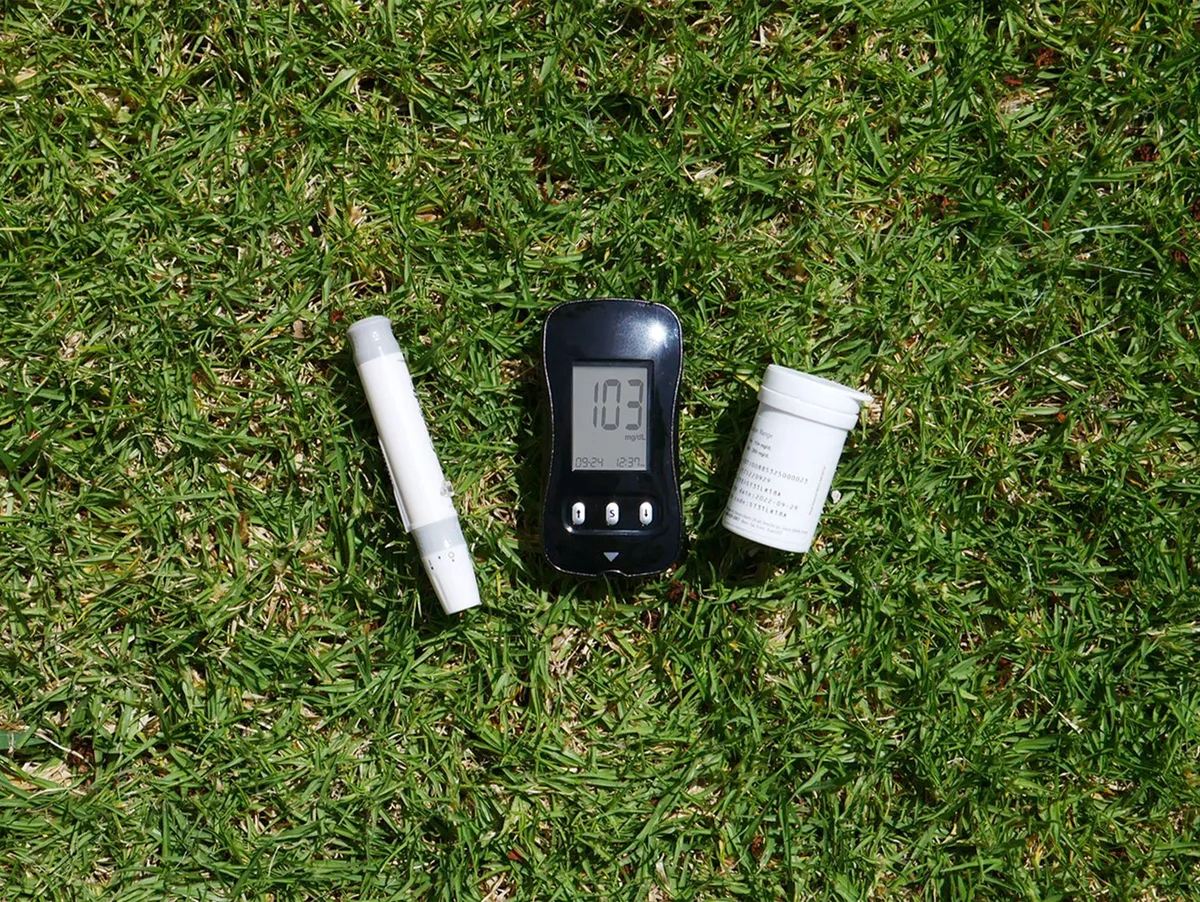
Step 3: Test your soil. Order a test kit from your local extension office or university. Most of them run a standard test that includes pH, phosphorus, potassium, and organic matter. Follow the sampling instructions carefully.
Clean tools. Collect from multiple spots. Send it in.
Here’s a quick reference on grass type basics:
| Grass Type | Active Growth Season | Dormant Season | Ideal Mowing Height | Best Seeding Time |
|---|---|---|---|---|
| Kentucky bluegrass | Spring, fall | Summer (heat stress), winter | 2.5–3.5 inches | Late summer to early fall |
| Tall fescue | Spring, fall | Summer (heat stress) | 3–4 inches | Early fall |
| Perennial ryegrass | Spring, fall | Summer (heat stress) | 2–3 inches | Late summer to early fall |
| Bermuda grass | Late spring through summer | Winter | 1–2 inches | Late spring |
| Zoysia grass | Late spring through summer | Winter | 1–2.5 inches | Late spring |
| St. Augustine grass | Late spring through summer | Winter | 2.5–4 inches | Late spring (sod preferred) |
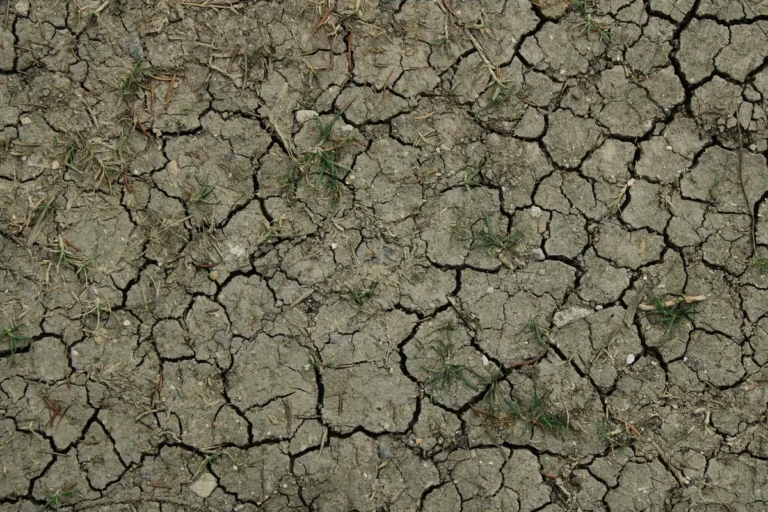
If your climate is particularly hot and dry, choosing plants that match your conditions is a smart strategy. The same principle applies to your lawn. Some grass types handle drought better than others.
Tall fescue, for example, tolerates dry spells better than Kentucky bluegrass.
Your Seasonal Decision Tree
Now you have your three inputs. Let’s walk through the year as a decision tree based on them.
Spring: Growth Startup or Transition Time?
If you have cool-season grass: Spring is a growth period but not the most important feeding time. Apply a light fertilizer with a 1-1-1 or 2-1-1 ratio. Focus on slow-release nitrogen.
Set your mower at 3 inches. Water only if the soil is dry an inch down. The biggest mistake is overdoing nitrogen in spring.
That forces rapid top growth at the expense of roots.
If you have warm-season grass: Wait until the grass is at least 50% green before you do anything. That usually happens when soil temperatures hit 65°F consistently. Then apply your first fertilizer.
Use a ratio close to 16-4-8. Mow lower at first (around 1.5 inches for Bermuda) to remove dead winter growth. Raise the deck as the season progresses.
Before the season kicks off, make sure your equipment is ready. Checking your mower oil requirements and performing simple DIY repairs can save you a weekend headache. A mower that’s been sitting all winter might need a tune-up.
Summer: Stress Mode or Peak Growing Season?
If you have cool-season grass: You’re in stress management mode. Raise your mower height to 3.5 or 4 inches. Taller blades shade the soil and hold moisture longer.
Water deeply once or twice a week, early morning, to reach 1 to 1.5 inches total. Stop fertilizing until late August or September. If your lawn goes dormant, let it.
It will recover in fall.
If you have warm-season grass: This is your prime time. Fertilize lightly every 4 to 6 weeks. Use a balanced ratio.
Water deeply as needed. Mow at 1.5 to 2 inches for Bermuda, a little higher for Zoysia. During peak heat, even warm-season lawns can stress if you cut them too short.
Fall: The Critical Window for Cool-Season Lawns
If you have cool-season grass: Fall is the most important season you have. Aerate the lawn, overseed, and apply a high-potassium fertilizer. Potassium helps root development and winter hardiness.
Do aeration and overseeding together in early to mid-fall. That lets the seed germinate before the soil cools too much.
If you have warm-season grass: Fall means you’re transitioning out of active growth. Stop fertilizing about 6 weeks before your first expected frost. Continue mowing but let the grass grow a little taller going into winter.
Don’t overseed with ryegrass unless you want a green winter lawn. That requires different care and spring transition.
Winter: Dormancy Management and Prep
If you have cool-season grass: Winter is rest. Avoid foot traffic on frozen grass. Keep leaves raked off so grass can breathe.
Plan your spring and fall strategy now. Review soil test results and order products.
If you have warm-season grass: The lawn goes brown. That’s normal. Do not fertilize during dormancy.
Do not water unless the soil is extremely dry for weeks. Use this time to sharpen your mower blade and do maintenance. A clean, sharp cut prevents disease next season.
If your spring start-up involves getting the mower running, you’ll need to know how to start a lawn mower after winter. Fuel stabilizer and a fresh spark plug make the process much smoother.
Your decision tree changes slightly every year based on weather patterns. But the logic stays the same. Know your grass.
Know your zone. Know your soil. Then follow the branch that fits.
Mistakes to Avoid: Timing Errors for Your Grass Type
Most lawn problems come from one thing. Doing the right task at the wrong time. Here are the most common timing mistakes for each grass type.
For Cool-Season Lawns
Fertilizing in midsummer. Cool-season grass is already stressed by heat. Adding nitrogen forces leaf growth that roots can’t support. The result is burned tips, disease, and more watering.
Wait until late August or early September.
Seeding in spring. Spring seeding works but it’s risky. Young grass has shallow roots. Summer heat often kills it before it establishes.
Fall seeding gives the grass months to root before next summer. If you must seed in spring, use annual ryegrass as a temporary fix.
Mowing too short in fall. Leaving the grass at 2 inches going into winter increases the risk of snow mold. Keep the height at 3 inches for the final cut. Taller grass also traps air near the crown, protecting it from frost.
For Warm-Season Lawns
Fertilizing before full green-up. If you apply nitrogen when the grass is still half brown, most of it washes away or feeds weeds. Wait until the lawn is at least 75% green and actively growing.
Overwatering after summer peak. In late August, growth slows. Keep watering but reduce frequency. Soggy soil in fall invites fungal diseases like large patch.
Seeding too late in spring. Warm-season grasses need soil temperatures above 70°F for good germination. If you seed in April and get a cold snap, the seed rots. Wait until soil is consistently warm.
If you’re dealing with stubborn pests like carpenter ants that invade the lawn, a targeted insecticide may be needed. But timing matters there too. Apply it when the ants are active, not during a cold spell.
Check a guide for the best insecticide for carpenter ants to match the product to the infestation.
Expert Tips: Mowing, Watering, and Fertilizer Timing Cues
These are the small adjustments that separate a good lawn from a great one. They come from years of extension service research and turfgrass trials.
Mowing: the one-third rule. Never remove more than one-third of the grass blade in a single cut. Cutting more than that shocks the plant and weakens roots. If your grass is 4 inches tall, cut it to 2.7 inches minimum.
Any shorter and you scalp it.
Mowing height by season. For cool-season lawns, raise the deck in summer. For warm-season lawns, raise it slightly during peak heat but lower it in spring and fall. The grass needs more leaf surface in heat.
It shades the soil and reduces evaporation.
Watering: deep and infrequent. Light daily watering creates shallow roots. A lawn watered that way dies fast in a drought. Water once or twice a week, long enough to wet the soil 6 to 8 inches deep.
That means about 1 to 1.5 hours per zone for typical sprinklers. Use a rain gauge or a tuna can to measure. Stop when you’ve collected 1 inch.
Watering time of day. Early morning, between 4 a.m. and 8 a.m., is best. Less evaporation. Less wind.
The grass dries during the day, which reduces fungal disease. Evening watering leaves the grass wet overnight, inviting fungus.
Fertilizer timing cues. Don’t go by the calendar. Go by soil temperature and grass appearance. Cool-season lawns: apply when soil hits 55°F in spring and again when it cools to 70°F in fall.
Warm-season lawns: start when soil hits 65°F and the grass is actively growing. Stop 6 weeks before first frost.
Choosing the right slow-release fertilizer for flowers in your garden beds follows similar logic: you want to feed the plant when it needs it, not on a fixed schedule. Perennial beds benefit from a light spring feeding and a heavier fall feeding.
Costs and Data: Soil Tests, Spreader Calibration, and Watering Numbers
Let’s talk real numbers. A year-round lawn plan doesn’t have to be expensive. But skipping the budget steps costs more in the long run.
Soil Test Costs
| Test Type | Price Range | What You Get |
|---|---|---|
| DIY home kit | $10 – $20 | pH and basic N-P-K |
| Extension service lab | $15 – $35 | Full analysis with recommendations |
| Commercial lab | $40 – $80 | Detailed report with micronutrients |
A basic extension test is the best value. It gives you a tailored fertilizer recommendation for your specific grass type and soil.
Spreader Calibration
Most people apply fertilizer unevenly. Too much in one pass, too little in the next. Calibrating your spreader costs nothing and takes 15 minutes.
For a broadcast spreader: Weigh out the amount of product needed for 1000 square feet. Set the spreader to the setting suggested on the bag. Walk at a steady pace over a 50-foot strip on a paved surface.
Collect what falls and weigh it. Adjust the setting until you hit the target.
Watering Numbers
| Target | Measurement | Why It Matters |
|---|---|---|
| Water per week (incl. rain) | 1 – 1.5 inches | Enough to reach deep roots |
| Water per session | 0.5 – 0.75 inches | Wet soil 6-8 inches deep |
| Ideal time per zone | 30 – 45 minutes | Depends on sprinkler type and pressure |
Use a simple rain gauge to track rainfall. If you get 0.5 inches of rain, only add 0.5 inches from irrigation. Overwatering is the most common expensive mistake.
Frequently Asked Questions About Seasonal Lawn Decisions
How often should I mow in spring?
Mow weekly when the grass is actively growing. Follow the one-third rule. If it rains a lot, you might need to mow every five days.
If it’s dry, every 10 days.
Can I skip aeration if my lawn looks fine?
Not really. Aeration relieves soil compaction, improves water infiltration, and helps fertilizer reach roots. Compacted soil is invisible until your grass thins out.
Aerate once a year in fall for cool-season lawns, late spring for warm-season.
Should I bag my grass clippings or leave them?
Leave them unless the clippings are long and heavy. Clippings return nitrogen to the soil. They decompose quickly and don’t cause thatch.
Bagging removes free fertilizer.
When is the best time to apply pre-emergent herbicide?
Apply pre-emergent when soil temperatures reach 55°F in spring. That’s when crabgrass seeds start to germinate. If you apply too early, it breaks down before the seeds sprout.
Too late, and the seeds have already rooted.
Do I need to water if it rains once a week?
It depends on how much rain. If the ground is dry an inch down, the grass needs water regardless of rain. One inch of rain per week is the target.
Less than that means you need to supplement.
Should I overseed every year?
For cool-season lawns, yes. Kentucky bluegrass and tall fescue thin out over time. Overseeding every fall keeps the lawn dense and competitive against weeds.
Warm-season lawns rarely need overseeding unless there are bare spots.
Before you overseed, make sure your mower is in good shape. A clean cut helps the new grass establish. Performing a quick spring start-up ensures your mower runs smoothly and doesn’t tear the tender seedlings.
Final Decision Guide: Build Your Own Custom Lawn Plan
Here’s a shortcut to apply everything we’ve covered. Use this three-step process every season.
Step 1: Check your conditions. Pull your soil test from last year. If it’s older than 12 months, re-test. Record your last frost date and your grass type.
Write these on a card and tape it to your garage wall.
Step 2: Follow the branch for your grass type. Cool-season: prioritize fall aeration, overseeding, and a high-potassium fertilizer. Warm-season: focus on spring green-up, summer feeding, and good mowing height.
Step 3: Adjust for weather. If spring is cold and wet, delay everything by two weeks. If summer is hotter than usual, raise your mower height and water more. The calendar is a guideline, not a rule.
Your lawn plan is a living document. It changes as your soil improves, your grass matures, and your climate shifts. The key is not to follow a perfect schedule.
It’s to watch your lawn, understand what it’s telling you, and respond accordingly.
That’s how to build a year round lawn care plan that actually works for your yard.