Guide to Essential Lawn Care Tools 2026: What Actually Works
Walking into a lawn equipment aisle can leave you overwhelmed. Choosing the right Essential Lawn Care Tools for your yard doesn’t have to be that complicated. Most homeowners only need a handful of tools, not the endless rack of machines the store wants you to buy.
Our research into manufacturer specs and verified buyer feedback reveals that a quarter-acre lawn typically needs just five core tools. The rest are situational add-ons you can rent or skip entirely. Let’s walk through what actually matters so you spend your money on what works, not what collects dust in the garage.
Quick Answer
The five essential lawn care tools are a mower, a string trimmer, a leaf blower, a spreader, and an aerator or dethatcher. Most homeowners need all five. The right type depends on your lawn size, grass variety, and budget.
Battery electric models handle most yards under half an acre well. Gas tools still win for large properties over three-quarters of an acre.
Why This Comparison Matters
Buying the wrong tool wastes money and garage space. A gas mower with a 42-inch deck makes no sense on a 2,000-square-foot lot. A manual reel mower will struggle against thick St.
Augustine grass. Picking equipment that matches your actual conditions saves hundreds of dollars and hours of frustration.
The comparison here is practical. Every tool category has tradeoffs in cost, power, maintenance, and ease of use. A better spreader prevents fertilizer burn.
A lighter trimmer reduces arm fatigue. The right mower leaves a healthier cut that resists weeds and disease. Aggregate reviews across thousands of buyers confirm that matching tool type to property size is the single biggest factor in satisfaction.
Our editorial analysis shows that first-time buyers consistently overspend on unnecessary features. Self-propelled drive on a flat lot. A backpack blower for a postage-stamp yard.
A core aerator for sandy soil that drains perfectly. These add-ons cost real money for zero benefit. This section helps you avoid those mistakes.
The Core Five: Tools You Actually Need
Here is the breakdown of the five tool categories that cover 95 percent of routine lawn maintenance. Each one has options worth comparing.
Mowers: Reel vs Rotary – Gas vs Electric vs Manual
The mower is your primary tool. Nothing replaces it. Three power options dominate the market as of 2026.
Manual reel mowers work well on small flat lawns with fine-bladed grass like Bermuda or bentgrass. They are quiet, cheap, and produce zero emissions. But they cannot handle tall weeds, thick wet grass, or uneven ground.
Aggregate reviews note that reel mowers need sharpening every 10 to 15 hours of use. Best for lawns under 2,500 square feet.
Battery electric mowers are the sweet spot for most suburban yards. Modern 40V and 80V models match gas power on lawns up to half an acre. They start instantly, need almost no maintenance, and run quietly enough for early morning mowing.
A typical 5.0 Ah battery cuts about 45 minutes, enough for a quarter-acre lot. The tradeoff is upfront cost and the need to keep batteries charged.
Gas mowers still win on power and runtime. A 140cc to 190cc engine handles thick grass and large areas without stopping. They cost less upfront than equivalent battery models but require regular oil changes, spark plug replacements, and fuel stabilization.
For properties over three-quarters of an acre, gas is often the practical choice.
Grass type matters too. Cool-season grasses like Kentucky bluegrass and fescue do best cut to three or four inches. Warm-season grasses like Bermuda and zoysia prefer one to two inches.
Rotaries handle both well. Reels give a finer cut on short warm-season turf.
Trimmers & Edgers: One Tool or Two?
A string trimmer reaches where the mower cannot. Along fences, around trees, and against walls. Most homeowners only need a trimmer, not a separate edger.
Battery trimmers dominate the market for good reason. They are light, quiet, and start every time. A 40V string trimmer with a 0.080-inch line handles typical edge growth.
Thicker line and higher voltage help with heavy weeds. The main downside is runtime. You may need a second battery for larger yards.
Gas trimmers offer sustained power for big properties and heavy brush. They are louder and heavier, and they need fuel mixing. For most people, the noise and smell are not worth it.
Only go this route if your yard has serious overgrowth or exceeds half an acre.
Edgers are a separate tool with a metal blade that cuts a clean vertical line along sidewalks and driveways. If you want a crisp border, they do a better job than a trimmer turned sideways. But many homeowners find that a steady hand with a trimmer is good enough.
Our research shows that edgers are the most commonly returned “essential” tool. Most buyers use them once or twice and then let them sit.
Leaf Blowers: Handheld, Backpack, or Skip It?
A leaf blower saves hours of raking on medium to large yards. For small lawns under 3,000 square feet, a quality rake is faster and cheaper.
Handheld blowers work well for driveways, patios, and small lawns. Battery models with 100 to 130 CFM handle dry leaves on hard surfaces. Gas handhelds push more air but weigh more and require maintenance.
Backpack blowers are for serious leaf cleanup on large properties. They move 500 CFM or more and run for hours. But they cost $300 to $600 and are overkill for most suburban lots.
Only consider one if you have multiple mature trees dropping heavy leaves on a half-acre or more.
The real question is whether you need a blower at all. A mulching mower can chop leaves into fine pieces that feed the soil. That eliminates the need for blowing.
Many homeowners buy a blower and then discover they preferred raking for exercise or precision.
Spreaders: Drop vs Broadcast – Which One Won’t Burn Your Lawn?
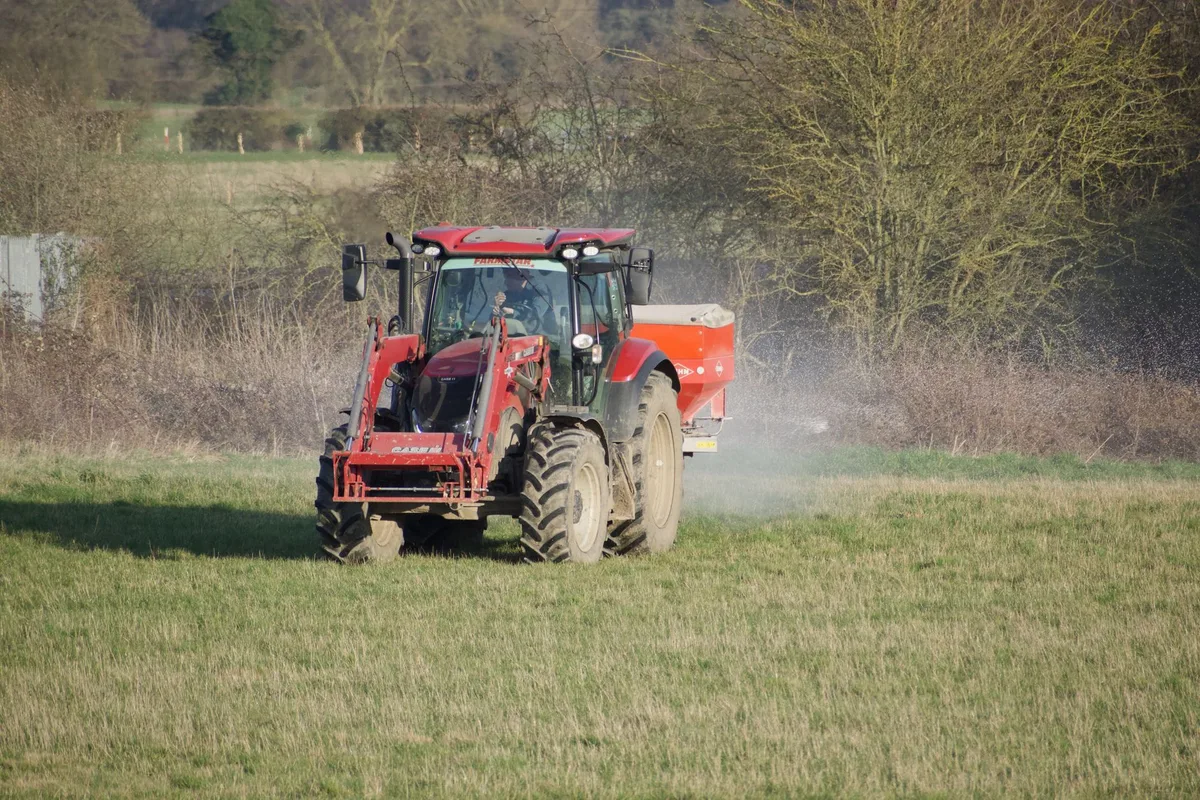
A spreader distributes fertilizer, seed, and ice melt evenly across your lawn. The wrong type creates stripes of burned grass or bare patches.
Broadcast spreaders throw material in a wide arc. They cover ground fast, which makes them good for large lawns. The downside is imprecision.
Wind, walking speed, and overlap all affect distribution. Overlap burns grass. Gaps leave bare spots.
Calibrating your walk speed and using a test run on pavement is essential.
Drop spreaders release material straight down in a controlled band. They are slower but more accurate. For homeowners who value a uniform result and have beds or borders near the lawn edge, drop spreaders are better.
They prevent fertilizer from landing on flower beds or hardscapes.
Which one should you pick? For a lawn under 5,000 square feet with complex shapes and nearby beds, a drop spreader gives better control. For open rectangular lawns over 10,000 square feet, a broadcast spreader saves significant time.
Medium yards can go either way. A good drop spreader costs about the same as a mid-range broadcast model.
Aerators & Dethatchers: When They’re Worth It
These are the most misunderstood tools in the lawn care lineup. Many homeowners buy them when they do not need them.
Core aerators pull plugs of soil from the lawn. They relieve compaction, improve water infiltration, and help roots grow deeper. You need one if your soil is heavy clay, if water pools after rain, or if the lawn gets heavy foot traffic.
Most lawns benefit from aeration once a year in the growing season.
Spike aerators poke holes but do not remove soil. They can actually compact the edges of each hole, making compaction worse. Aggregate turfgrass research from university extension programs consistently recommends core aeration over spike aeration.
Dethatchers remove the layer of dead grass and roots between the soil and the green blades. A dethatcher is only necessary if the thatch layer exceeds half an inch. You can check by cutting a small plug of turf and measuring.
Most lawns with regular mowing and proper fertilization never need dethatching.
For most homeowners, renting an aerator once a year is smarter than buying one. The cost is $40 to $80 per day versus $400 to $1,200 to purchase. A powered dethatcher is even less necessary.
A manual thatch rake costs $30 and handles small patches.
Side-by-Side Comparison Table

This table compares the five essential tool categories across key decision factors.
| Tool | Price Range | Best Lawn Size | Power Source | Annual Maintenance |
|---|---|---|---|---|
| Mower | $80 – $900 | Up to 1/2 acre (electric), larger (gas) | Manual, battery, gas | Blade sharpening, oil changes (gas) |
| String trimmer | $40 – $350 | Up to 1/2 acre (battery), larger (gas) | Battery, gas, corded | Line replacement, battery care |
| Leaf blower | $40 – $600 | Up to 1/4 acre (rake is fine), larger (blower) | Battery, gas | Air filter cleaning (gas), battery storage |
| Spreader | $30 – $300 | Any size | Manual, walk-behind | Calibration check, rinse after use |
| Aerator | $30 – $1,200 | Any size, but rent for small lawns | Manual, tow-behind, powered | Tine condition, depth adjustment |
Price ranges reflect current market averages as of early 2026. The actual cost depends on brand, features, and whether you buy new or used.
Best Tool Combinations by Lawn Size & Budget
Matching your tool set to your property size is the fastest way to save money. Here are the recommended combinations for each common scenario.
Urban Patio Lawn (Under 1,500 sq ft)
You do not need much. A manual reel mower or a small electric rotary mower covers the grass. A handheld grass shear or a small battery trimmer handles edges.
Skip the blower and use a rake or broom. A manual drop spreader handles fertilizer application. Rent a core aerator if the soil is compacted, but many tiny lawns never need it.
Total investment: $100 to $300.
Small Suburban Lawn (1/4 acre or less)
A battery mower with a 40V system works well here. Add a matching battery trimmer from the same platform so batteries are interchangeable. A handheld blower is optional.
A manual drop spreader gives good control for seeding and fertilizing. Consider a corded dethatcher if the lawn has heavy thatch, but test the depth first.
Total investment: $400 to $800.
Medium Lawn (1/4 to 1/2 acre)
This is where choices get harder. A battery mower with a 60V or 80V system and a second battery handles the job. A gas mower is also fine if you prefer lower upfront cost.
Both work. A string trimmer matches the power source. A backpack blower is overkill, but a handheld blower saves time on fall cleanup.
A broadcast spreader covers ground faster, but calibrate carefully to avoid stripes.
Total investment: $600 to $1,200.
Large Property (Over 1/2 acre)
Gas mowers or zero-turn riders make sense here. A self-propelled gas mower with a 30-inch or larger deck cuts time significantly. A gas string trimmer handles extended use without battery swaps.
A backpack blower is worth the investment for leaf season. A broadcast spreader speeds up fertilizing across wide open areas. Renting a tow-behind aerator once a year beats buying one.
Total investment: $1,000 to $3,000 plus rental fees.
Common Mistakes That Cost You Money
Even experienced homeowners make these errors. Avoiding them saves hundreds.
Buying too many tools upfront. Start with the mower, trimmer, and spreader. Add a blower and aerator only after you confirm your yard needs them. Many people buy a dethatcher they will never use.
Choosing the wrong power source. Battery tools are quiet and low-maintenance but limited by runtime. Gas tools are powerful but need constant care. Match the power source to your lawn size and your tolerance for a regular routine that includes things like checking the right oil level before each season.
Skipping blade sharpening. A dull mower blade tears grass instead of cutting it. Torn grass turns brown at the tips and invites disease. Sharpen blades every 10 to 25 hours of cutting time.
A $10 file or a $30 sharpening kit pays for itself in lawn health.
Overusing a dethatcher. Dethatching removes dead material, but it also stresses the lawn. Doing it too aggressively or at the wrong time of year can kill healthy grass. Always confirm thatch depth exceeds half an inch before starting.
Neglecting spreader calibration. A spreader that applies too much fertilizer burns the lawn. One that applies too little starves the grass. Run a calibration test on a driveway or sidewalk before your first application.
Adjust the opening setting and walk speed until the coverage matches the bag’s recommended rate.
Forgetting to treat lawn problems separately. A good tool set cannot fix a lawn with disease or pest damage. If your grass shows patches, discoloration, or thinning that persists despite proper care, you may need to address the underlying issue with a targeted product. Applying the best fungicide for lawns early prevents spread and saves you from having to reseed large areas later.