Guide to Signs Your Lawn Needs Fertilizer: Easy Methods
You look out at your lawn and something's just not right. The color's off, the growth seems stunted, or maybe the weeds are staging a hostile takeover. You're looking for signs your lawn needs fertilizer, and that's a smart instinct.
But here's the thing: throwing down a random bag of nitrogen without diagnosing the real problem can burn your grass, waste your money, or even feed the wrong plants.
Instead of grabbing the nearest fertilizer at the hardware store, let's run a quick visual diagnostic. As of 2026, the most reliable approach combines what your lawn is telling you with a simple soil test. The good news is you don't need a degree in agronomy.
You just need to know what to look for. Let's start with a direct answer, then break down each signal one by one.
Quick Answer
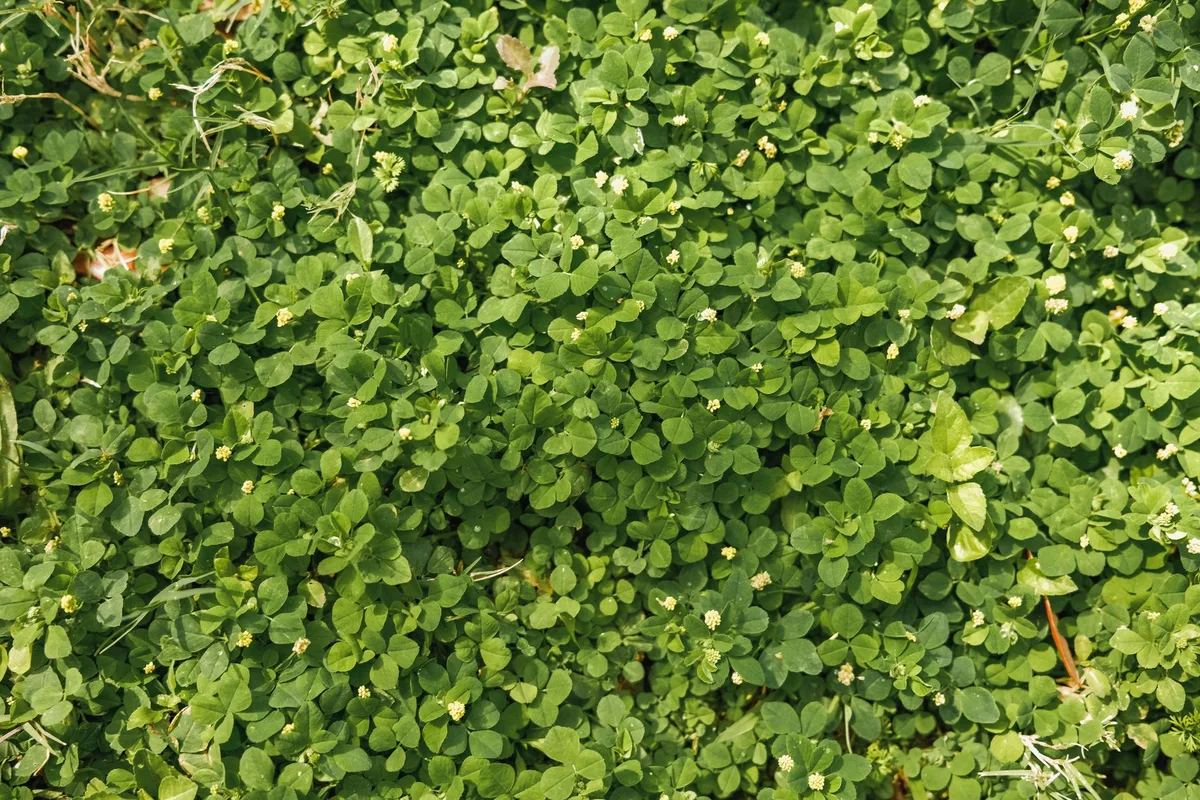
Pale yellow grass almost always needs nitrogen. Slow blade growth points to a general hunger. A lawn full of clover means you're overwatering or underfeeding the grass.
The only way to know for sure is a soil test. Test first, then apply a balanced slow-release fertilizer.
Why Your Lawn Is Trying to Tell You Something
Your turf talks. It just does it in color, growth rate, and weed pressure instead of words. The trick is learning to read those signals before you reach for the spreader.
Most homeowners operate on a calendar schedule: "I fertilize in April and September." That works sometimes, but it ignores what the grass actually needs that specific year. If we had a wet spring, nitrogen leaches out of the soil faster. If it was dry, the grass goes dormant and doesn't need food at all.
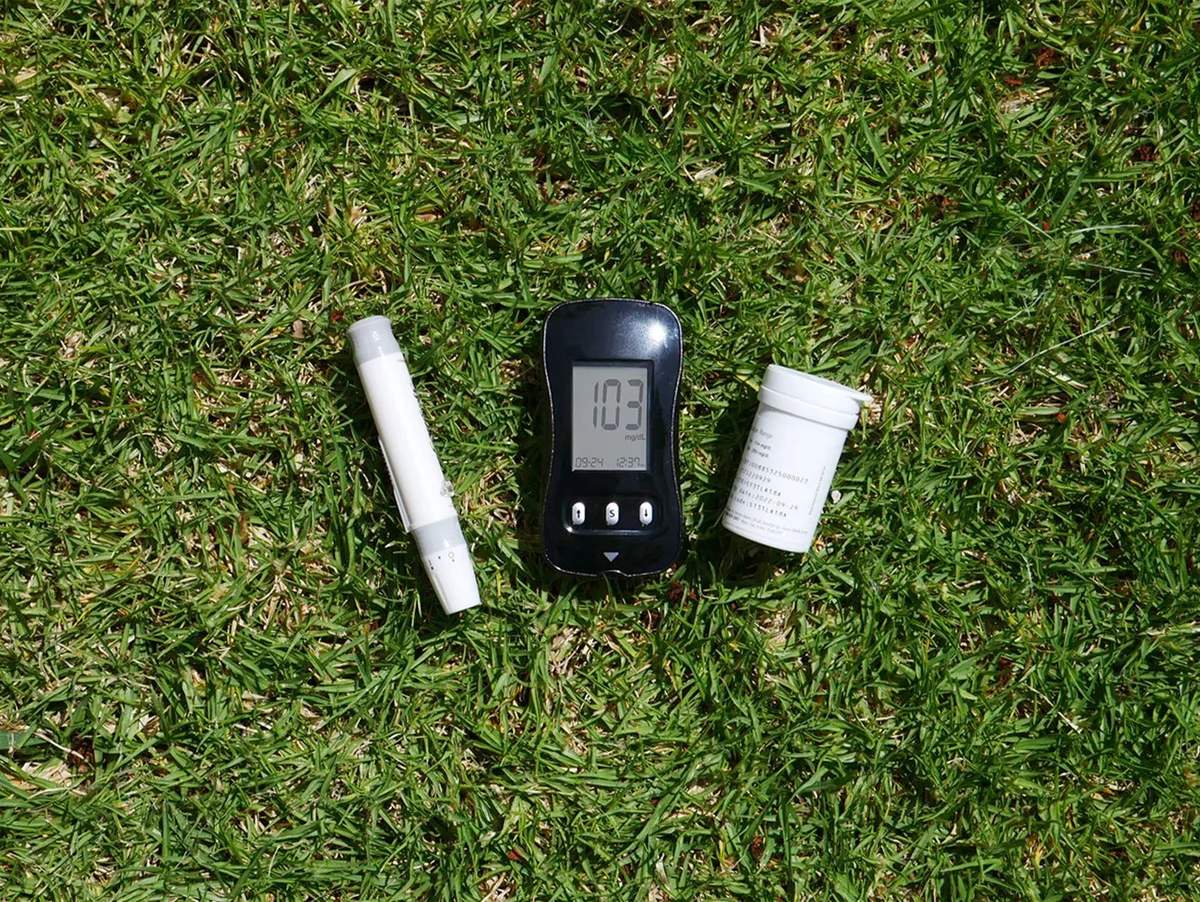
The real workflow is simple: look, test, then treat. Skip the test and you're guessing. A $15 home soil pH kit removes the guesswork entirely.
Manufacturer specifications for standard NPK fertilizers assume your soil is in the 6.0 to 7.0 pH range. If it isn't, the fertilizer won't work properly no matter how much you apply.
The Green-Up Rule: What Healthy Color Actually Looks Like
Healthy grass has a consistent, medium-to-deep green color across the entire blade. When your lawn is hungry, the color fades first in the oldest leaves at the bottom of the plant. That gives the turf a overall yellowish or pale-green cast.
Pale yellow uniform color: This is the classic nitrogen deficiency. The grass looks hungry from the tips down. It's the most common sign and the easiest to fix.
Apply a slow-release nitrogen source at the recommended rate of 0.5 to 1.0 pounds per 1,000 square feet.
Yellow with green veins: This points to an iron deficiency, not a lack of nitrogen. Iron chlorosis happens when the soil pH is too high (above 7.0). In this case, adding nitrogen won't fix it.
You need to lower the pH with sulfur or apply a chelated iron supplement.
Dark green but thin: That's a phosphorus or potassium issue, or it could be a watering problem. Dark color alone doesn't mean healthy. If blades are short and the turf is sparse, check your watering frequency and consider a balanced NPK formula rather than straight nitrogen.
Slow Growth or Stalled Growth? (The 7-Day Blade Check)
After you mow, measure how much the grass grows in seven days. This is your single best indicator of overall turf health.
Less than half an inch in a week during peak growing season means the lawn is underfed. Cool-season grasses (fescue, ryegrass, bluegrass) should grow about an inch per week in spring and fall. Warm-season grasses (bermudagrass, zoysia) should push close to that in summer.
More than two inches in a week means you're likely overfeeding. Excess nitrogen creates lush, weak growth that attracts pests and requires more mowing. If your lawn is growing that fast, skip the next feeding.
No growth at all during the active season is a red flag. It could mean the soil is so depleted that the grass has gone dormant, or there's a compaction issue. Before you fertilize, check for a hardpan layer.
Compacted soil prevents roots from accessing the nutrients you're trying to apply. Aeration is the necessary first step here. Add that to your seasonal prep list.
The Weed Detective: What Invaders Reveal About Your Soil
Weeds aren't random. They grow where conditions favor them. Instead of fighting them one by one, look at what's thriving and treat the underlying soil imbalance.
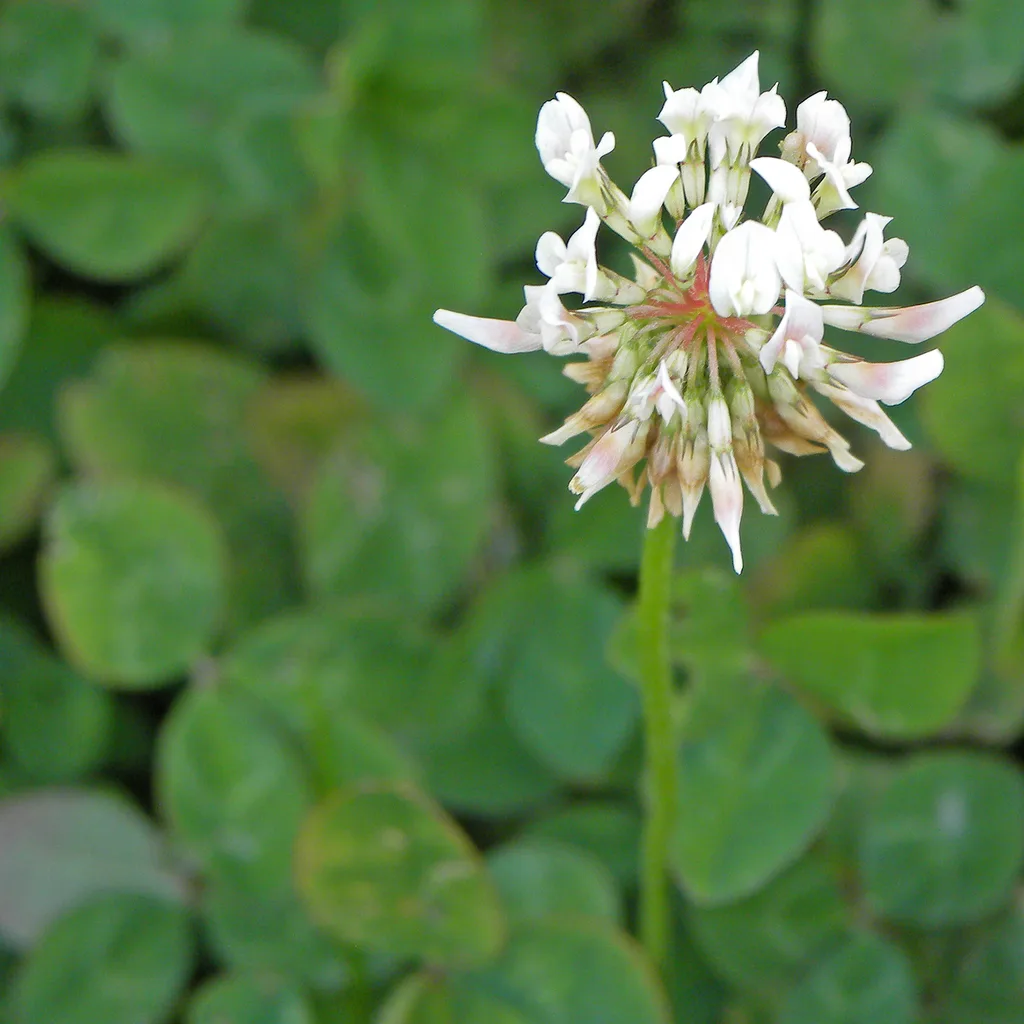
Clover: This is the single most informative weed for your lawn. Clover fixes its own nitrogen from the air. It only thrives when the grass is too weak to compete.
If your lawn is full of clover, the grass is starving. Feed the grass with a high-nitrogen fertilizer, and the clover will naturally recede as the turf thickens. It's a clear biological indicator that your grass is underfed.
Dandelions: They love compacted, low-calcium soil with a low pH. If dandelions are everywhere, your soil is likely dense and acidic. The fix is aeration followed by lime to raise the pH.
A balanced fertilizer will help fill in the bare spots they leave behind.
Crabgrass: This annual weed takes over where the turf is thin and weak. It loves hot, bare soil. The best defense is a thick, healthy lawn that shades the soil and blocks crabgrass from germinating.
A proper nitrogen program that builds density is the most effective long-term solution.
Moss: Moss is not a weed, but it tells you something important. It grows where grass won't: acidic, compacted, wet, and shady soil. Fertilizer alone won't kill moss.
You need lime to sweeten the soil, aeration to relieve compaction, and improved drainage. If the area stays too wet or too shaded, consider switching to a shade-tolerant grass or accepting the moss as ground cover.
| Weed Indicator | What It Reveals | Recommended First Action |
|---|---|---|
| Clover | Low available nitrogen for grass | Apply slow-release N fertilizer |
| Dandelion | Compacted, acidic soil | Aerate, apply lime, then fertilize |
| Crabgrass | Thin, weak turf | Build turf density with regular N feed |
| Moss | Acidic, wet, compacted soil | Lime, aerate, improve drainage |
Now that you know what to look for, the next step is understanding the difference between quick-release and slow-release fertilizers, and which one fits your specific symptom. But before you buy anything, run the thatch test and take a soil sample. Those two checks will save you from making one of the most common mistakes in lawn care: over-fertilizing a lawn that actually has a different underlying problem.