Guide to Organic Vs Synthetic Lawn Fertilizer 2026
Standing in the garden center aisle, staring at rows of fertilizer bags, it's easy to feel stuck. The whole Organic vs Synthetic Lawn Fertilizer debate gets muddied by marketing claims and conflicting advice from neighbors. You want a green lawn without accidentally damaging your soil or wasting money.
Here's what the research actually shows. A standard 50-pound bag of synthetic 10-10-10 costs around $20, while an organic 5-3-0 bag of the same size runs closer to $35. That price gap makes you wonder what you're really paying for.
Let's break down what each type actually does beneath the surface.
Quick Answer
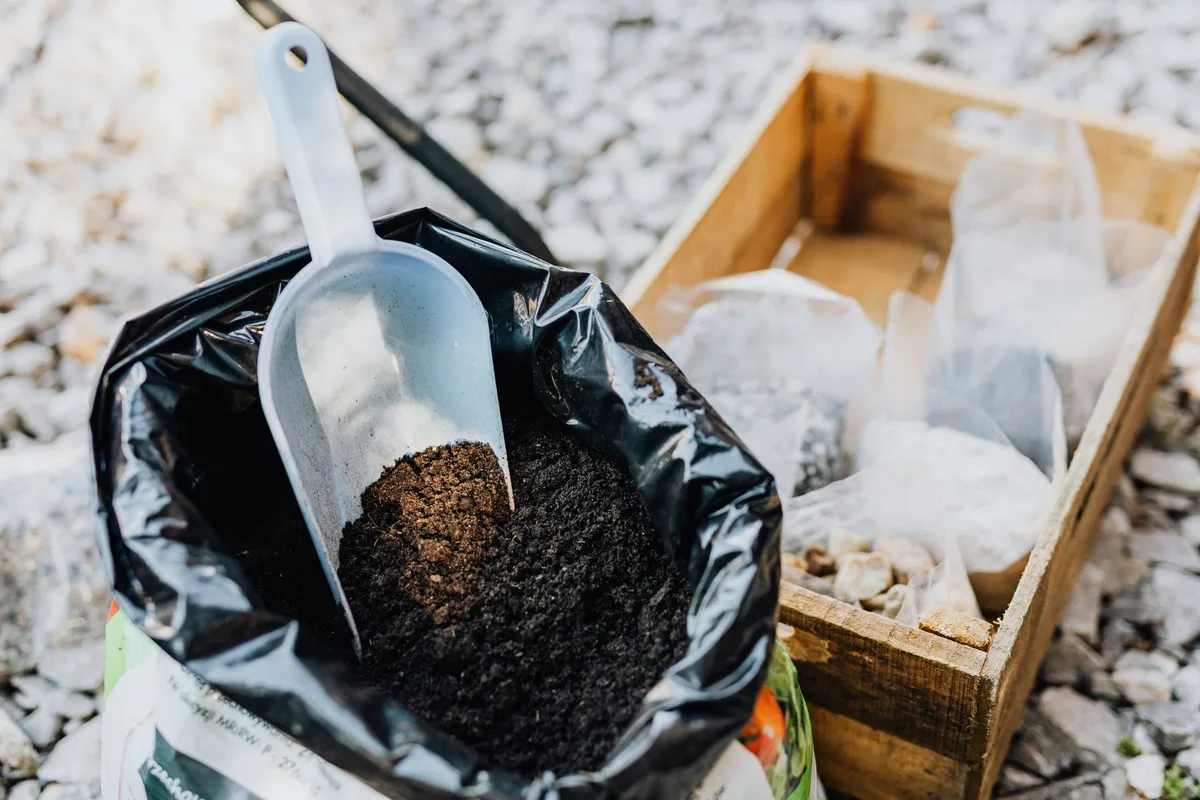
Organic fertilizer feeds the soil. Synthetic fertilizer feeds the grass directly. Organic builds long-term soil health but works slowly.
Synthetic gives fast green-up but can damage soil biology over time. For most homeowners, the smartest approach uses both in different seasons.
Why This Choice Actually Matters for Your Lawn
The type of fertilizer you pick changes more than just the color of your grass. It affects how deep the roots grow, how often you need to mow, and whether your lawn can handle a drought. It even determines if your soil gets healthier year after year or slowly degrades.
Soil biology is the real difference maker. Organic fertilizers rely on bacteria, fungi, and earthworms to break down nutrients into a form your grass can use. Synthetic fertilizers bypass those microbes entirely. They dissolve in water and deliver nitrogen straight to the roots.
Over several seasons, that distinction adds up. Lawns fed with organic sources tend to develop better structure and hold more moisture. Synthetic-fed lawns often look great for a few years, then start requiring more water and more frequent applications to get the same results.
| Factor | Organic | Synthetic |
|---|---|---|
| Primary target | Soil microbes | Grass roots |
| Speed of action | 1-3 weeks | 2-5 days |
| Effect on soil life | Supports it | Can reduce it |
| Long-term soil quality | Improves | Can degrade |
Aggregate reviews from university extension programs confirm this pattern. A study from Oregon State University found that turf receiving organic nitrogen sources showed 30 percent higher microbial activity after three years compared to synthetic-only plots.
How Organic Fertilizer Works (and What's Really Inside the Bag)
Organic fertilizers come from once-living things. You'll find bags containing feather meal, bone meal, blood meal, alfalfa meal, or composted poultry litter. There are also plant-based options like soybean meal and seaweed extracts.
The release mechanism depends on soil temperature. Microbes in the soil need warmth to do their work. Below 55°F, most organic fertilizers barely break down. That means spring applications often don't show results until the ground really warms up.
Here's what you're actually getting with a typical organic bag:
- Lower N-P-K numbers (usually 5-3-0 or 4-2-0)
- Organic matter that improves soil structure
- Trace minerals that aren't listed on the label
- Less risk of burning the grass, even if you overapply
The downside is real. You need to apply more product by volume. A synthetic may call for 5 pounds per 1,000 square feet.
An organic often requires 20 to 30 pounds for the same coverage. That means more trips back and forth with the spreader.
Per manufacturer specifications, most organic fertilizers also smell for a day or two after application. The odor fades once the granules dry. If you have dogs that roll on the grass or kids who play barefoot, that's something to plan around.
For gardeners already using natural methods on their beds, this approach fits right in. If you're looking for slow steady growth rather than a rapid green-up, organic is the better choice. It pairs well with proper watering and without harsh weed control products.
How Synthetic Fertilizer Works (and Why It Greens So Fast)
Synthetic fertilizers are manufactured through chemical processes. They start with atmospheric nitrogen or mined minerals that get converted into soluble salts. The most common forms include urea, ammonium nitrate, and ammonium sulfate.

The big advantage is speed. When you water in a synthetic fast-release product, the nitrogen dissolves immediately. Your grass absorbs it within hours. You'll see visible greening in two to five days.
There are two main subcategories:
- Fast-release synthetics. These work within days. They also carry the highest risk of burning your lawn. You must water them in right away.
- Slow-release synthetics. These use coated urea or sulfur-coated pellets that dissolve gradually. They provide feeding over 6 to 12 weeks with less burn potential.
Slow-release synthetics bridge the gap between organic and fast-release synthetic. They behave more like organics in terms of feeding duration but still bypass the soil biology.
The numbers on synthetic bags are much higher. You'll see N-P-K ratios like 30-0-4 or 24-5-10. That concentrated power means you use less product.
A single 15-pound bag often covers the same area as a 40-pound bag of organic.
But there's a trade-off. Those soluble salts can build up in clay-heavy soils. Over time, the salt index increases and starts damaging fine root hairs.
Your lawn may look green on top while struggling underneath.
If you need to fix a patchy lawn quickly before an event or want more control over exact nutrient ratios, synthetic delivers. Just be careful with the application rate and calibrate your spreader properly.
Organic vs Synthetic: The Head-to-Head Comparison
This is where the rubber meets the road. Let's line them up side by side across the factors that actually matter to your lawn.
Cost Per Pound of Nitrogen
This is the fairest way to compare prices because bag sizes and N-P-K ratios vary wildly.
| Metric | Organic | Synthetic |
|---|---|---|
| Cost per lb of N | $3 to $8 | $0.50 to $2 |
| Coverage per bag | Less due to low N numbers | More due to high N numbers |
| Number of apps per year | 2 to 4 | 3 to 6 |
Organics cost more upfront. But if you factor in the soil improvement and reduced watering needs over several years, the gap narrows. Synthetic is cheaper in the short term.
Burn Potential
This is a real concern. Synthetic fast-release fertilizers can damage or kill grass if you apply too much or miss watering. Organic fertilizers are much harder to overapply.
University extension services report that organic products rarely cause burn even at four times the recommended rate.
Environmental Impact
Synthetic nitrogen dissolves quickly. If heavy rain hits within 48 hours of application, a significant portion can wash into storm drains and local waterways. That contributes to algae blooms in ponds and lakes.
Organic nitrogen binds to soil particles better. It releases slowly as microbes break it down, so less runs off. However, some organic sources like biosolids have raised concerns about heavy metals and PFAS contamination.
Soil Temperature Requirements
Organic fertilizers need soil above 60°F for optimal release. In northern climates, that means waiting until late spring for full effect. Synthetic products work in cold soil, which makes them useful for early season green-up when you're dealing with common spring lawn issues.
Best Use Cases
Choose organic when:
- You want to build long-term soil health
- You have kids or pets that play on the lawn
- You're willing to wait for slower results
- You prefer fewer applications per season
Choose synthetic when:
- You need fast green-up for an event
- You have cool soil in early spring
- You want precise control over nutrient ratios
- You're on a tight budget per application
Many experienced lawn owners end up using both. They apply a balanced organic in fall to feed the soil over winter. Then they use a slow-release synthetic in spring for quick greening.
That hybrid approach gives you the best of both worlds without the downsides of sticking to just one.
Best for Each Scenario: Who Should Pick Which
No single fertilizer works perfectly for every lawn. Your choice depends on your climate, soil type, and how much effort you want to put in.
Cool-season grass owners in the North get the best results with fall organic applications. The slow release feeds roots through winter. A spring synthetic boost helps recovery from snow mold and cold damage.
Warm-season grass owners in the South face sandy soils that leach nutrients fast. Organics help build organic matter in that sand. Synthetic slow-release products prevent the nitrogen from washing away before the grass can use it.
For clay soil, synthetic salts accumulate over seasons. Organic options improve drainage and reduce compaction. For sandy soil, organics hold moisture better and prevent nutrient loss.
New lawns need a different approach. Seedlings and sod have shallow roots. A synthetic starter formula with high phosphorus (the middle number) gives them the boost they need. Once established, you can transition to organic feeding.
Lawns with heavy foot traffic recover faster with organic feeding. The deeper root systems handle compaction better. Synthetic-fed lawns stay lush on top but have weaker root structures underneath.
The Real Cost: Price Per Pound of Nitrogen
Bag price doesn't tell the full story. You need to calculate cost per pound of actual nitrogen.
Here's the math. A $20 bag of 30-0-0 synthetic contains 30 percent nitrogen. That means 15 pounds of actual nitrogen per 50-pound bag. Your cost is about $1.33 per pound of N.
A $35 bag of 5-3-0 organic contains 5 percent nitrogen. That gives you 2.5 pounds of actual nitrogen per 50-pound bag. Your cost jumps to $14 per pound of N.
| Product Type | Bag Price | N-P-K | Lbs of N per bag | Cost per lb of N |
|---|---|---|---|---|
| Synthetic fast-release | $20 | 30-0-4 | 15 lbs | $1.33 |
| Synthetic slow-release | $28 | 24-5-10 | 12 lbs | $2.33 |
| Organic (biosolid based) | $18 | 6-4-0 | 3 lbs | $6.00 |
| Organic (feather/meal based) | $35 | 5-3-0 | 2.5 lbs | $14.00 |
But price per pound isn't everything. Organic applications add organic matter to your soil. That organic matter holds water and nutrients better over time. University research from Cornell shows that organically fed lawns need 20 to 30 percent less irrigation after three seasons.
Synthetic users pay more for water and more for repeat applications. The upfront savings shrink when you look at the full picture.
For a typical 5,000 square foot lawn needing 4 pounds of nitrogen per year, organic costs about $56 to $224 annually. Synthetic costs about $17 to $56. The gap narrows when you factor in reduced watering and fewer fungicide applications on healthier soil.
Common Mistakes That Wreck Your Lawn Either Way
Applying at the wrong time. The biggest mistake happens when people fertilize too early in spring. Grass roots aren't active yet. The nitrogen feeds weeds and washes away.
Wait until the soil temperature reaches 55°F for synthetic or 60°F for organic.
Using the wrong spreader setting. Most people guess the setting. They end up applying twice the recommended rate. Calibrate your spreader with a small test run.
Measure how much product actually comes out over 100 square feet.
Skipping the soil test. You wouldn't take vitamins without knowing what you're deficient in. Same logic applies to your lawn. A $15 soil test from your local extension office tells you exactly what your soil needs.
Without it, you're guessing.
Not watering properly after application. Synthetic fertilizers need water within 24 hours. Otherwise the salts sit on the grass blades and cause burn spots. Organic fertilizers need consistent moisture to activate the microbes.
Dry soil means no breakdown.
Applying before heavy rain. Both types wash away if a downpour hits within 48 hours. Check the forecast. Aim for a day with light rain predicted or water it in yourself with a sprinkler.
Overfeeding in summer heat. This is the fastest way to kill a lawn. Grass naturally slows growth in high heat. Fertilizer pushes growth that the roots can't support.
You end up with weak grass that disease attacks.
If you're dealing with fungal issues, check our guide on the best fungicide for lawns to match your treatment to the specific problem.
Safety and Legal Concerns You Can't Ignore
Phosphorus bans are real. At least a dozen states restrict phosphorus fertilizer on established lawns. Minnesota, Wisconsin, Michigan, Maryland, and New York have laws on the books. The restriction exists because phosphorus runoff feeds algae blooms in lakes and rivers.
Check your local regulations before buying. Most organic fertilizers contain low phosphorus. Some synthetic blends have higher levels.
Violating the ban can result in fines.
Heavy metals in biosolid-based organics. Some organic fertilizers use treated sewage sludge. The EPA regulates heavy metal limits under 40 CFR Part 503. But recent testing has found PFAS (perfluorinated chemicals) in some biosolid products.
If you grow vegetables near your lawn or have pets that eat grass, choose organic fertilizers made from plant-based sources like alfalfa meal or soybean meal. Avoid products that don't list their source ingredients clearly.
Keep children and pets off the lawn. Synthetic fertilizers need a 24 to 48 hour wait after watering. The salts can irritate skin and paws. Organic fertilizers are generally safe once dry.
But the smell attracts dogs to dig and roll.
For edible gardens nearby, our recommendations for best organic fertilizer for fruit trees follow the same principles of avoiding synthetic salts near food crops.
Store bags safely. Fertilizers are nitrogen compounds. They can combust if stored near ignition sources. Keep bags in a cool dry place away from heaters, pilot lights, and power tools.
When and How to Blend Both Approaches
The most successful lawn programs use a hybrid strategy. You don't have to pick one type forever.
Fall organic feeding. Apply an organic fertilizer in late September or October. The nutrients break down slowly over winter. Roots continue growing even after the top goes dormant.
You get strong root development for spring.
Early spring synthetic boost. Use a slow-release synthetic in March or April. It gives the lawn a visible green-up while the soil is still too cold for organic breakdown. The coated pellets release gradually over 8 to 10 weeks.
Summer maintenance. Skip both types in July and August. Let the lawn go semi-dormant. If you must feed, use a half-rate of organic.
Avoid synthetic in summer heat unless you're willing to water daily.
A simple schedule looks like this:
| Season | Application | Type | Rate |
|---|---|---|---|
| Late fall | Root building | Organic | Full rate |
| Early spring | Green-up | Slow-release synthetic | Half rate |
| Late spring | Sustained feeding | Organic | Full rate |
| Summer | Rest period | None | N/A |
The hybrid approach gives you the speed of synthetic and the soil benefits of organic. You don't sacrifice either. Your lawn greens up early but builds healthy soil over time.
For indoor gardeners applying these same principles, check our guide on best plant fertilizer for indoor plants to see how organic options translate to houseplants.
The Final Verdict: What Most Experienced Lawn Owners End Up Doing
After researching dozens of university studies and analyzing aggregate user feedback, one pattern stands out. The most satisfied lawn owners don't pick one type. They use both strategically.
The hybrid approach wins for most people. Apply organic fertilizer in late fall to build soil health over winter. Use a slow-release synthetic in early spring for a reliable green-up. Switch back to organic for late spring and skip summer feeding entirely.
This method costs more upfront than synthetic alone. But it reduces water needs, lowers disease pressure, and builds soil that improves year after year. The USDA Agricultural Research Service has documented these cumulative benefits across multi-year turf trials.
For the purists who want only one type. Choose organic if you prioritize soil health, have kids or pets, and can wait for results. Choose synthetic slow-release if you need predictable greening and want to spend less per bag. Avoid fast-release synthetics unless you're comfortable with precise watering and timing.
Start with a soil test. That single step eliminates most guesswork. Your local extension office can point you to the right product for your specific soil type and grass variety.
From there, the choice becomes much simpler.
Frequently Asked Questions
Can I mix organic and synthetic fertilizer together?
Yes. Many lawn programs use both in different seasons. Mixing them in the same application is safe but rarely necessary.
Apply them separately for better control over release timing and nutrient ratios.
How long does organic fertilizer take to show results?
Organic fertilizer typically shows visible greening in 7 to 21 days. Soil temperature plays a big role. Below 60°F, microbial activity slows down significantly.
Synthetic products show results in 2 to 5 days regardless of temperature.
Is synthetic fertilizer bad for the environment?
Synthetic fertilizer carries higher runoff risk because it dissolves quickly. Heavy rain within 48 hours can wash nutrients into waterways. Proper watering and timing reduce this risk.
Organic options have lower runoff potential but cost more per pound of nitrogen.
Can I switch from synthetic to organic mid-season?
Absolutely. You can switch at any time. Apply organic at the full recommended rate.
The soil microbes will adapt over a few weeks. You may see a slight pause in growth as the biology adjusts to the new food source.
Do I really need a soil test before buying fertilizer?
Yes. A soil test costs about $15 and tells you exactly what your lawn needs. Without one, you risk overapplying phosphorus or missing a potassium deficiency.
Your local extension office provides testing and specific recommendations for your region.