What NPK Ratio Does Grass Need for 2026: What Actually Works
You have probably grabbed a fertilizer bag because the picture on the front looked nice. Or maybe you picked the one on sale because the price seemed right. But the question "What NPK Ratio Does Grass Need" has a more specific answer than most labels suggest.
Getting it wrong can waste your money and stress out your lawn.
As of 2026, university extension programs across the U.S. recommend a 3-1-2 or 4-1-2 ratio for most cool-season lawns. That means three parts nitrogen to one part phosphorus to two parts potassium. But here is the catch.
That ratio changes based on your grass type, your soil, and the season. Let's break it down so you can pick the right bag every time.
Quick Answer
The ideal NPK ratio for grass is not a single number. It depends on your grass type, season, and soil test. Cool-season lawns typically need a 3-1-2 or 4-1-2 ratio.
Warm-season lawns often do better with a 2-0-1 or 3-0-2. Always test your soil first.
Why "One Ratio Fits All" Ruins Lawns (The Real Problem)
Here is the thing most manufacturers do not tell you. That 10-10-10 bag your neighbor swears by? It is wrong for half the lawns in the country.
A balanced ratio like 10-10-10 sounds good, but it delivers more phosphorus than an established lawn actually needs and less potassium than your grass requires for stress tolerance.
If you apply the same ratio in spring and fall, you are missing the boat. Grass has different nutritional demands in March than it does in October. Apply high nitrogen in the heat of a Southern summer and you risk burning the turf or feeding disease.
Skimp on potassium before winter and your lawn enters dormancy with weak roots.
The real problem is that fertilizer companies have to sell one bag to as many people as possible. So they market a middle-of-the-road blend that technically works but never optimizes. You end up with a lawn that is okay but not great, and you probably spend more than you need to.
Here is a quick breakdown of why a single ratio fails:
- Nitrogen drives leaf growth and green color. Too much creates weak, disease-prone grass. Too little and the lawn stays pale and thin.
- Phosphorus supports root development and seedling establishment. Most established lawns have plenty already. Adding more causes runoff issues.
- Potassium builds stress tolerance, disease resistance, and winter hardiness. It is the most overlooked number on the bag.
The fix is not complicated. You just need to match the ratio to your specific conditions. That means starting with your grass type.
Step 1 – What Kind of Grass Are You Growing? (Cool-Season vs Warm-Season)

This is the first fork in the decision tree. Cool-season and warm-season grasses have fundamentally different growth cycles and nutrient needs. If you feed them the same ratio, one of them will suffer.
Cool-Season Grass Needs
Cool-season grasses grow actively in spring and fall, then slow down or go dormant in summer heat. Think fescue, Kentucky bluegrass, and perennial ryegrass. These lawns are common in the northern U.S., the Pacific Northwest, and higher elevations.
Because they put on most of their growth when temperatures are between 60 and 75 degrees Fahrenheit, they need more nitrogen during those windows. A 3-1-2 or 4-1-2 ratio works well for maintenance. For example, a 12-4-8 or 16-4-8 bag gives you that approximate balance.
Cool-season lawns also benefit from a fall "winterizer" application with higher potassium. A ratio around 3-1-3 or 2-1-3 helps the grass store energy and survive winter.
Warm-Season Grass Needs
Warm-season grasses thrive when temperatures hit 80 to 95 degrees. Bermuda, zoysia, St. Augustine, and centipede dominate Southern lawns.
Their peak growth happens from late spring through summer.
These grasses typically need less phosphorus than cool-season types. Many established warm-season lawns do fine with a ratio that has zero phosphorus, like 15-0-15 or 16-0-8. Centipede grass is especially sensitive to phosphorus and can suffer from overfeeding.
The general maintenance ratio for warm-season grass is 2-0-1 or 3-0-2. If you have St. Augustine or zoysia, you can use a low-phosphorus fertilizer with added potassium for root strength during drought.
One more thing. If you live in the transition zone, you might have either type. A soil test and a close look at your grass blades will tell you which camp you are in just like you would check simple DIY repairs before assuming a mower problem is serious.
Here is a simple comparison:
| Grass Type | Active Growth Season | Typical Maintenance Ratio | Phosphorus Need |
|---|---|---|---|
| Cool-season (fescue, bluegrass, ryegrass) | Spring & fall | 3-1-2 to 4-1-2 | Moderate |
| Warm-season (bermuda, zoysia, St. Augustine) | Summer | 2-0-1 to 3-0-2 | Low to none |
| Centipede | Summer | 1-0-1 | Very low |
Step 2 – What Season Is It? (Spring, Summer, Fall, or Winterizer Timing)
Once you know your grass type, the next decision branch is timing. Feeding a lawn in August is not the same as feeding it in November. The ratio should shift as the year progresses.
Spring Feeding Ratio
In early spring, cool-season grass needs a moderate dose of nitrogen to kick-start growth without overwhelming it. Go with a 3-1-2 or 2-1-2 ratio. Use a slow-release nitrogen source so the feed lasts six to eight weeks into late spring.
Warm-season grass should not get fertilizer until the soil temperature reaches about 65 degrees. For most of the South, that means late April or May. A 2-0-1 ratio works well here.
Hold off on phosphorus unless your soil test specifically calls for it.
Summer Feeding Ratio
For cool-season grass, summer is a stress period. Do not hit it with high nitrogen. That encourages disease and weak growth.
Use a low-nitrogen or even a zero-nitrogen fertilizer with potassium to support root health. A 1-0-2 or 1-0-3 ratio helps the lawn survive heat.
Warm-season grass is in its prime during summer. It can handle more nitrogen. A 3-0-2 or 3-0-3 ratio works well.
Apply every six to eight weeks using slow-release formulas. If you have mower maintenance after winter handled, your mower will thank you when the growth picks up fast.
Fall Feeding Ratio
This is the most important feeding for cool-season lawns. In early fall, apply a 3-1-2 or 2-1-2 ratio with a mix of quick and slow-release nitrogen. This helps the grass recover from summer and build dense roots.
A late fall winterizer application should shift to a higher potassium ratio. Look for a 1-0-3 or 1-0-4 product. The nitrogen should be low so the grass stops growing and shifts energy to the root system.
For warm-season grass, fall is the wind-down period. Apply a light feeding in early fall with a 2-0-2 ratio. Do not feed later than six weeks before the first expected frost.
You want the grass to go dormant gradually.
Step 3 – Did You Soil Test? (The Single Most Important Variable)
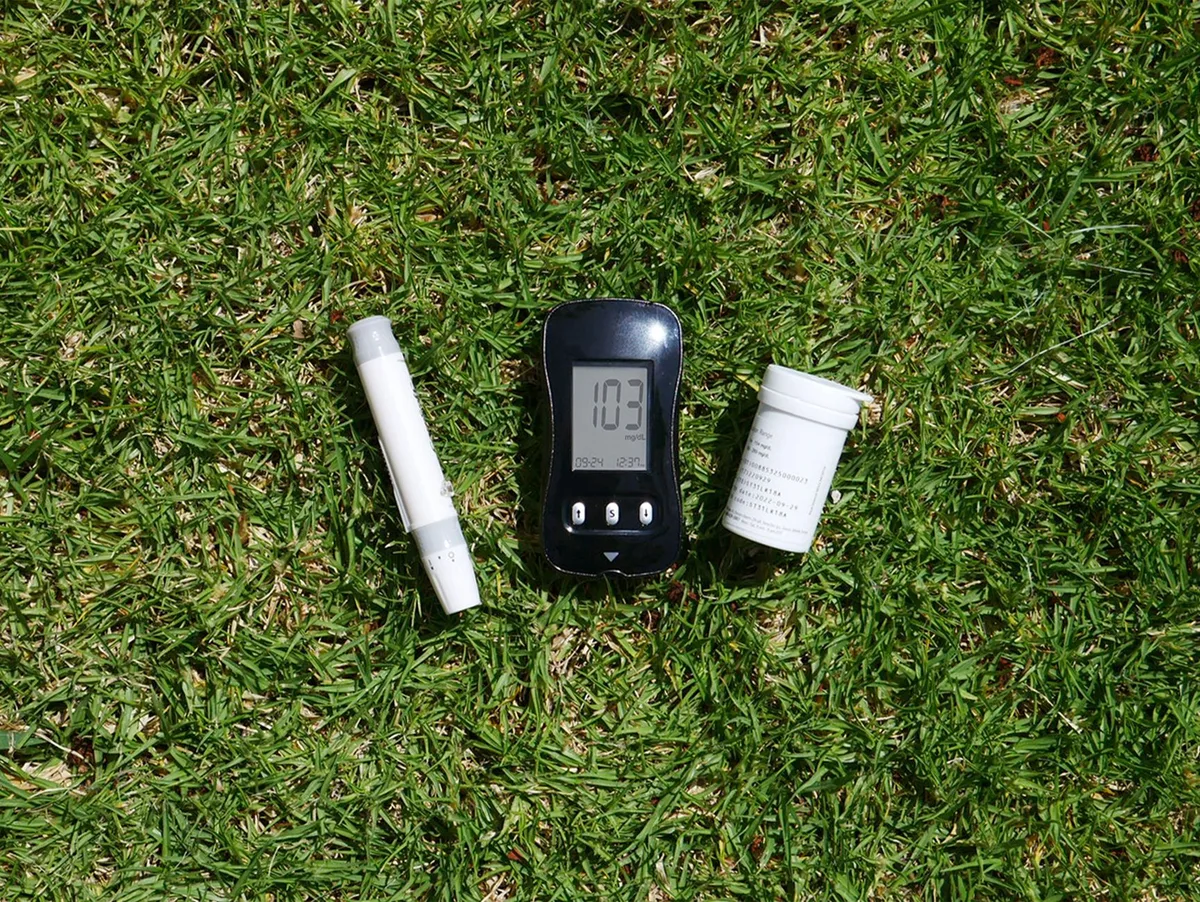
Here is the step most people skip. Do not be most people. A soil test tells you exactly what your lawn needs and what it already has.
Without one, you are guessing. And guessing with fertilizer can lead to nitrogen buildup, wasted money, and phosphorus runoff into local waterways.
Reading a Soil Test Report for N, P, and K
A standard soil test report shows the levels of phosphorus and potassium in parts per million (ppm). Nitrogen requires a different test, so many reports focus on P and K with a nitrogen recommendation based on grass type.
Here is what the numbers mean for phosphorus:
- Below 25 ppm: Your soil is low. You need phosphorus, especially for new lawns or overseeding.
- 25 to 50 ppm: Moderate. Maintenance applications are fine, but do not overdo it.
- Above 50 ppm: High. Do not add phosphorus. It will not help and can pollute groundwater.
For potassium:
- Below 60 ppm: Low. Your lawn needs potassium for stress tolerance and winter hardiness.
- 60 to 120 ppm: Moderate. A maintenance dose in your fertilizer is sufficient.
- Above 120 ppm: High. You can skip potassium for a year or two.
If your report shows adequate levels of P and K, you can use a nitrogen-only product like 30-0-0 or 46-0-0. This is common in many established lawns. It is also the most cost-effective option.
When to Use Zero-Phosphorus Fertilizer
Several states have banned phosphorus in lawn fertilizers for established lawns. This includes Minnesota, New Jersey, Michigan, Wisconsin, and others. Even if your state does not ban it, you should still avoid it if your soil test shows adequate levels.
Zero-phosphorus fertilizers are labeled with a middle number of zero, like 15-0-15 or 32-0-10. These work great for mature lawns that only need nitrogen and potassium. You can also find options with added iron for darker green without excess growth.
If you are also dealing with common fungal issues, a low-phosphorus approach helps reduce disease pressure.
When to Reach for a Starter Fertilizer
Starter fertilizers have a higher phosphorus number, usually a 1-2-1 or 1-2-2 ratio. Use these only when you are establishing new grass from seed or sod, or when overseeding a thin lawn. The phosphorus gives young roots the boost they need to get established.
Once the lawn is mature, do not keep using starter fertilizer. Switch to a maintenance ratio. That saves you money and keeps phosphorus out of the watershed.
If you prefer organic options, slow release options from natural sources work well for both starter and maintenance phases.
Step 4 – How Do You Want the Grass to Perform? (Maintenance vs Establishment vs Repair)
This is the third variable in the decision tree. Your goal changes your ratio completely. Feeding a brand new lawn is not the same as feeding one that has been growing for a decade.
Established Lawn Maintenance Ratios
If your lawn is mature and healthy, you are in maintenance mode. The goal here is steady growth, good color, and stress tolerance. You do not want to push excessive leaf growth that requires more mowing.
For cool-season grass, stick with a 3-1-2 or 4-1-2 ratio. Apply about 0.5 to 1 pound of actual nitrogen per 1,000 square feet per application. Do this two to four times a year depending on your region.
For warm-season grass, use a 2-0-1 or 3-0-2 ratio. Apply 0.5 to 0.75 pounds of actual nitrogen per 1,000 square feet. Three to four applications per growing season is typical.
If your soil test shows adequate phosphorus and potassium, you can switch to a straight nitrogen product like 30-0-0. This saves money and reduces environmental impact. You can also combine this with proper maintenance and mowing habits.
Your mower stays sharper and your lawn stays thicker when you pair the right ratio with the right cutting height.
New Lawn or Overseeding Starter Ratios
Starting from scratch changes everything. Whether you are seeding bare soil or overseeding a thin lawn, the roots need phosphorus to get established.
Use a starter fertilizer with a 1-2-1 or 1-2-2 ratio. Apply it at the time of seeding or just before. The phosphorus in the middle number gives young roots the energy to push deep into the soil.
Do not use a weed and feed product at the same time. The herbicide in those products can kill germinating grass seed. Wait until you have mowed the new grass three or four times before applying any weed control.
Thin Lawn Repair Ratios
If your lawn is patchy but not completely bare, you need a hybrid approach. Overseed first with a starter fertilizer. Use the 1-2-1 ratio for the first application.
After the new grass is established about four to six weeks later, switch to a maintenance ratio. This avoids overloading the soil with phosphorus the existing grass does not need. The new grass will have rooted enough by then to handle a standard feed.
The Decision Tree: A Visual Walkthrough of Branches
At this point you have all the variables. Here is how they fit together in a simple decision tree. Match your situation to the right branch.
Branch A: Cool-Season, Spring, Low Soil N
You have fescue or bluegrass. It is early spring. Your soil test shows low nitrogen.
Apply a 3-1-2 or 4-1-2 ratio at 0.75 pounds of actual N per 1,000 square feet. Use a slow-release source so the feed lasts into late spring.
Branch B: Warm-Season, Summer, High Soil P
You have bermuda or zoysia. It is the middle of summer. Your soil test shows phosphorus above 50 ppm.
Use a zero-phosphorus fertilizer like 15-0-15 or 16-0-8. Apply at 0.5 pounds of actual N per 1,000 square feet. Repeat every six to eight weeks.
Branch C: Overseeding in Fall
You are overseeding a cool-season lawn in early fall. Use a starter fertilizer with a 1-2-1 ratio applied at seeding. After six weeks, switch to a 3-1-2 maintenance ratio.
Follow up with a winterizer application in late fall using a 1-0-3 ratio.
Here is a quick reference table for the main decision branches:
| Your Situation | Grass Type | Season | Recommended Ratio | Notes |
|---|---|---|---|---|
| Maintenance | Cool-season | Spring | 3-1-2 to 4-1-2 | Slow-release N |
| Maintenance | Warm-season | Summer | 2-0-1 to 3-0-2 | Zero P if soil test allows |
| New lawn | Any | Any | 1-2-1 to 1-2-2 | Starter fertilizer |
| Overseeding | Cool-season | Fall | 1-2-1 then 3-1-2 | Switch after 6 weeks |
| Winterizer | Cool-season | Late fall | 1-0-3 to 1-0-4 | Low N, high K |
Common NPK Mistakes That Waste Money and Burn Grass
Even with the right ratio in hand, people make errors that ruin results. Here are the most common ones we see.
Nitrogen Burn
The number one mistake is applying too much nitrogen at once. You see a bag that says 46-0-0 and think a little goes a long way. But even a little too much turns your grass brown within days.
The fix is simple. Never apply more than 1 pound of actual nitrogen per 1,000 square feet in a single application. For a 46-0-0 product, that is roughly 2.2 pounds of product per 1,000 square feet.
Measure your lawn area before you spread. Guessing leads to stripes and burn.
Applying Phosphorus Where It Is Banned or Unneeded
If you live in a state with phosphorus restrictions, applying it is illegal for established lawns. Even if it is legal, applying phosphorus when your soil already has enough is wasteful and harmful to local waterways.
Check your state regulations. Use zero-phosphorus products unless you have a soil test that says otherwise. If you have common fungal problems in your lawn, high phosphorus can make them worse by feeding the fungus.
Using the Same Bag All Year Long
The same bag of 10-10-10 that worked in spring will not work in fall. You need different ratios for different seasons. Buying one bag and using it all year is convenient but suboptimal.
Instead, plan your season in advance. Buy a spring blend, a summer blend, and a fall winterizer. Store them properly in a cool dry place and label the bags with the intended use date.
You will get better results and waste less product.
Expert Tips for Dialing In Your Exact Ratio
Here are some practical pro tips for getting the most out of your fertilizer plan.
How to Blend Two Bags to Hit a Custom Ratio
Sometimes you cannot find the exact ratio you need. You can blend two products to get close. For example, mix one part 30-0-0 with one part 15-0-15 to get approximately 22-0-7.
You do not need to be precise to the decimal point.
Mix them thoroughly in a clean bucket or wheelbarrow before putting them in your spreader. A rotary spreader works better for blended products because it distributes more evenly than a drop spreader.
When Slow-Release Nitrogen Matters Most
Use slow-release nitrogen in spring and summer when you want steady growth without a sudden flush. It costs more per bag but lasts longer and reduces the risk of burn.
Use quick-release nitrogen in early spring when the soil is cool and the grass needs a fast green-up. It is cheaper and works faster, but you need to be careful with rates.
Calibrating Your Spreader So the Numbers Actually Work
The setting on your spreader dial is a starting point, not a guarantee. You need to calibrate for your specific product. Buy a known weight of product, set your spreader to the recommended setting, walk a measured 500 or 1,000 square feet, and weigh what came out.
Adjust the setting up or down until you hit the target rate. This takes 15 minutes and saves you from stripes, burn, or underfeeding. If you also handle mower maintenance after winter, calibrating your spreader is just as important for consistent results.
A Real-World Example: Walking Through the Decision Tree
Let us apply the decision tree to a common situation.
You have a fescue lawn in the Pacific Northwest. It is early September. You soil tested in August and found phosphorus at 45 ppm, potassium at 70 ppm.
The lawn looks tired after a dry summer. You want to overseed some thin patches.
The decision tree goes like this:
- Grass type: Cool-season fescue.
- Season: Early fall.
- Goal: Overseed and repair.
Your first move is to apply a starter fertilizer with a 1-2-1 ratio to the seeded areas. Use about 0.5 pounds of actual N per 1,000 square feet. Since your phosphorus level is moderate, this is fine for establishment.
After six weeks, switch to a maintenance ratio of 3-1-2. Use a slow-release product. Then in late November, apply a winterizer with a 1-0-3 ratio to build root strength before winter.
You also check and adjust your spreader settings. You measure your lawn area and find it is 5,000 square feet. You buy a 3-1-2 bag and calculate that you need about 10 pounds of product per application.
You set the spreader dial based on the calibration test.
The result is a thick, green lawn that enters winter with strong roots and comes back strong in spring. No wasted product, no burn, no runoff issues.
Decision Guide: Your Personal NPK Ratio Cheat Sheet by Season and Grass Type
Here is your quick reference. Print it or save it on your phone.
| Season | Cool-Season Ratio | Warm-Season Ratio | Key Notes |
|---|---|---|---|
| Early spring | 3-1-2 | Do not feed yet | Wait for soil temp above 55°F for cool-season |
| Late spring | 4-1-2 | 2-0-1 | Start warm-season feeding at 65°F soil temp |
| Summer | 1-0-2 | 3-0-2 | Cool-season gets low N; warm-season gets full feed |
| Early fall | 3-1-2 | 2-0-2 | Cool-season main feeding window |
| Late fall | 1-0-3 | Do not feed | Winterizer for cool-season only |
Use a slow-release nitrogen source in every application except early spring. Always apply based on your soil test results, not a calendar date.
Frequently Asked Questions
Can I use a 10-10-10 fertilizer on my lawn?
You can, but it is rarely the best choice. Most established lawns do not need that much phosphorus. A 3-1-2 or 4-1-2 ratio works better for cool-season grass.
How often should I fertilize my lawn?
Cool-season grass needs two to four applications per year. Warm-season grass needs three to four. Do not fertilize more than once every six weeks.
What happens if I apply too much nitrogen?
You get nitrogen burn. Grass blades turn brown and can die. Water heavily immediately to dilute the concentration and prevent further damage.
Do I need a soil test every year?
Testing every two to three years is sufficient for established lawns. Test more often if you are correcting a deficiency or dealing with persistent problems.
Can I mix two fertilizers to get a custom ratio?
Yes. Mixing products like 30-0-0 and 15-0-15 lets you hit a 22-0-7 ratio. Blend thoroughly in a clean container before loading your spreader.