How to Get Rid of Cucumber Beetles (2026) — Easy Methods
You walk out to your garden one morning and the leaves on your cucumber plants look like someone took a hole punch to them. Sound familiar? If you want to know how to get rid of cucumber beetles, you’re not alone.
These tiny striped beetles are one of the most frustrating pests for anyone growing cucurbits.
Here’s the thing that catches most gardeners off guard. These beetles do more than just chew up leaves. They spread a bacterial disease called bacterial wilt, which can kill an entire plant in days.
Research from university extension programs shows that a single infected beetle feeding on a young cucumber plant can introduce the pathogen Erwinia tracheiphila into the vascular system. That’s why controlling the beetle isn’t just about leaf damage. It’s about saving the whole plant.
Problem / Pain Point: Why Cucumber Beetles Are So Hard to Stop
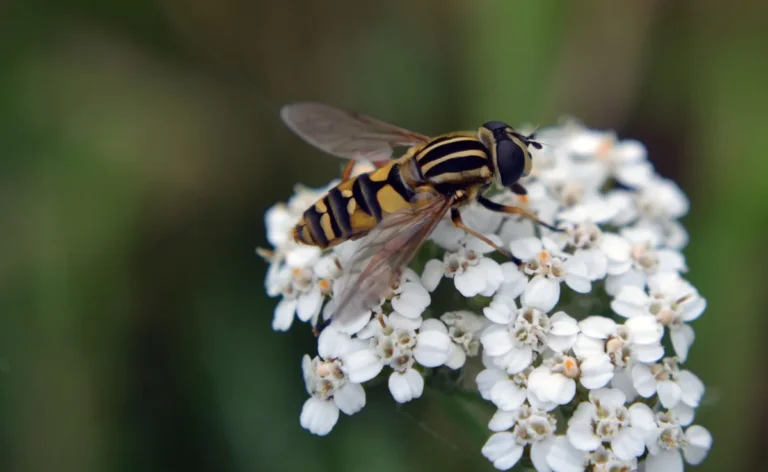
Two species cause trouble in North America. The striped cucumber beetle (Acalymma vittatum) has black and yellow stripes running down its back. The spotted cucumber beetle (Diabrotica undecimpunctata) has black spots on a greenish-yellow body.
Both target the same crops: cucumbers, squash, melons, and pumpkins.
What makes them so tough to manage comes down to their life cycle and behavior.
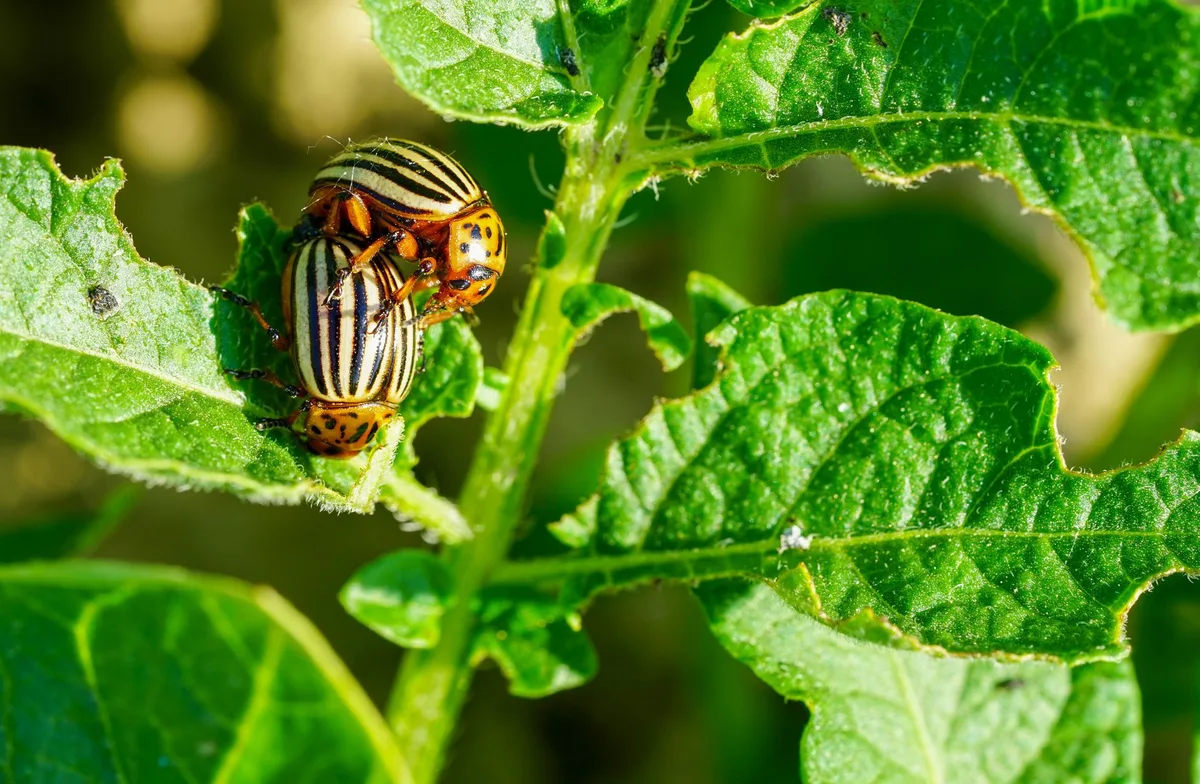
- They overwinter in your garden. Adults burrow into plant debris and soil near last year’s cucurbits. They emerge in spring when soil temperatures reach 55 to 65°F.
- They attack in two places at once. Adults feed on leaves and flowers above ground. Larvae feed on roots and stems below ground. You can treat one and miss the other.
- They carry a fast killer. Bacterial wilt spreads through the plant’s water-conducting tissue. Once the plant wilts, there is no cure. You pull it out and start over.
- They have multiple generations. In warmer climates, a second generation emerges in mid to late summer. That means a fresh wave of beetles when your fruits are ripening.
The real frustration is that by the time you see significant leaf damage, the disease may already be spreading inside the plant. That’s why relying on reactive sprays alone is a losing strategy. You need a plan that starts before the beetles show up.
For home gardeners, the challenge is compounded by the fact that many conventional insecticides also kill pollinators. Spray the wrong thing at the wrong time and you lose your cucumber flowers. A targeted approach that considers your garden setup and the beetle’s life cycle makes all the difference.
Quick Answer / Key Insight: Your Real Enemy Isn’t the Beetle — It’s Bacterial Wilt
Control cucumber beetles by preventing bacterial wilt. Use floating row covers until flowers appear. Trap beetles with yellow sticky traps.
Apply kaolin clay or neem oil as needed. Remove plant debris after harvest.
The goal is to stop the beetle before it feeds. Row covers provide a physical barrier that keeps beetles off plants during the most vulnerable early growth stage. If beetles are already present, kaolin clay coats leaves with a mineral film that deters feeding.
For organic control, spinosad targets both adult beetles and soil-dwelling larvae. Conventional options like pyrethroids work quickly but require careful timing to avoid harming bees.
None of these methods work in isolation. A decision tree approach helps you pick the right combination based on your garden size, infestation level, and whether you are growing organically or conventionally. As of 2026, the most effective strategies integrate prevention, monitoring, and targeted treatments at specific times in the beetle’s life cycle.
Condition Variables: What Determines Your Best Control Strategy
Your control strategy should not be a one-size-fits-all spray schedule. It depends on three main factors: how many beetles you have, what stage your plants are in, and your tolerance for chemical inputs. Let’s break these down.
How Bad Is the Infestation?
- Low (1 to 2 beetles per plant): Physical barriers and monitoring usually suffice. Yellow sticky traps catch adults before they lay eggs.
- Moderate (3 to 5 beetles per plant): A combined approach is needed. Row covers plus a repellent like kaolin clay or neem oil work well.
- Heavy (10+ beetles per plant or visible wilting): Immediate action is required. You may need spinosad or a pyrethroid spray, and you should consider removing infected plants.
What Growth Stage Are Your Plants In?
| Plant Stage | Recommended Action |
|---|---|
| Pre-planting / seedlings | Floating row covers, install before beetles emerge |
| Vegetative growth | Monitor with sticky traps, apply kaolin clay if beetles appear |
| Flowering (pollination) | Remove row covers, apply insecticide only at dusk |
| Fruit set | Continue monitoring; focus on soil larvae control after harvest |
Organic or Conventional?
If you are committed to organic methods, your tool kit includes row covers, kaolin clay, neem oil, spinosad, and beneficial nematodes. These options are OMRI-listed and safe for pollinators when applied correctly.
If you are open to conventional pesticides, you have access to pyrethroids and carbaryl (Sevin). These are fast-acting but come with strict pre-harvest intervals and higher risks to beneficial insects. Use them only when beetle pressure is severe and other methods have failed.
The decision tree below maps these variables to clear action pathways.
Decision Tree: Which Route Should You Take?
Choose the branch that matches your situation.
Branch A — Prevention-First (For Clean Gardens with Low Pressure)
- Who this is for: Home gardeners with no history of cucumber beetles. Small raised beds or containers.
- Core tactic: Install floating row covers at planting time. Secure edges with soil, boards, or clips.
- When to remove: When female flowers appear (look for the tiny cucumber behind the bloom). This allows pollinators in.
- Backup: Yellow sticky traps to catch any beetles that sneak in.
Branch B — Organic Reactive (For Low to Moderate Infestations)
- Who this is for: Organic growers who see a few beetles but want to avoid synthetics.
- Core tactic: Apply kaolin clay (Surround WP) as a spray before beetles arrive. Reapply after rain.
- If beetles persist: Spot treat with neem oil or spinosad at dusk.
- Soil treatment: Apply beneficial nematodes in late summer to target larvae overwintering in soil.
Branch C — Conventional Pesticides (For Heavy Pressure or Wilt Risk)
- Who this is for: Large plantings where beetle counts exceed 5 per plant. Situations where bacterial wilt has been confirmed in previous years.
- Core tactic: Spray a pyrethroid (bifenthrin or permethrin) when beetles are active. Follow label rates exactly.
- Timing: Spray at dusk to protect bees. Stop spraying once flowers open.
- Resistance management: Rotate between pyrethroids and carbaryl every season.
Step-by-Step Process: How to Execute Each Branch
Let’s walk through the actual steps so you can implement whichever branch fits your garden.
Step 1 — Assess Your Situation
Count beetles on 10 random plants. Walk the row in the morning when beetles are most active. If you see fewer than 2 per plant, Branch A is your path.
If you see 3 to 5, go with Branch B. If you see more than 5 or any signs of wilting, move to Branch C.
Step 2 — Set Up Row Covers Correctly
Floating row covers are your first line of defense. They need to be installed before beetles emerge from the soil.

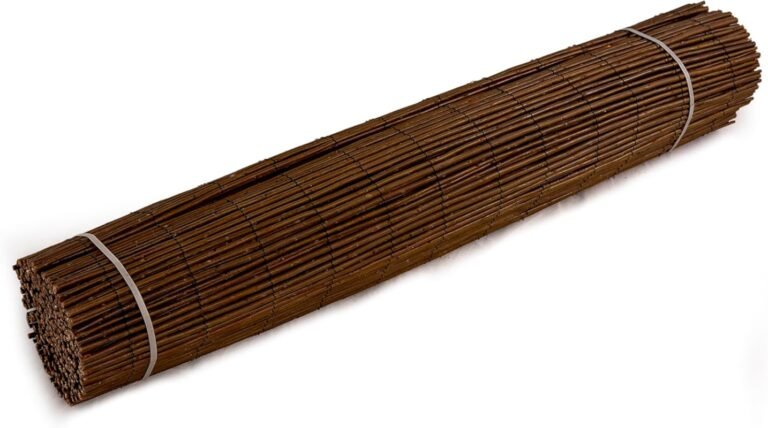
- Material: Use lightweight fabric (0.5 oz per square yard). It lets in light and water.
- Installation: Drape the fabric over hoops or directly over plants. Bury the edges in soil or weigh them down with boards. Beetles can crawl under loose edges.
- Removal timing: Watch for the first female flowers. That is your signal to remove the cover so pollinators can reach the blooms. Leaving it on too long means no fruit.
Step 3 — Deploy Yellow Sticky Traps and Monitor Thresholds
Place yellow sticky traps at plant height along the row, about one trap per 10 feet. Check traps twice a week. If you catch more than 5 beetles per trap in a week, it is time to escalate from monitoring to active treatment.
Step 4 — Apply Kaolin Clay or Diatomaceous Earth as a Physical Barrier
Kaolin clay (sold as Surround WP) creates a white film on leaves that repels beetles. Mix 1 to 3 pounds per 5 gallons of water. Spray every 7 to 14 days.
Reapply after rain. This is safe for pollinators once the spray dries.
Diatomaceous earth works differently. It cuts the beetle’s exoskeleton and causes dehydration. Dust it on leaves, but expect to reapply after watering or rain.
Step 5 — Spray Neem Oil or Spinosad at the Right Life Stage
For organic control, neem oil (clarified hydrophobic neem) works best on young larvae. Apply at dusk to avoid leaf burn and protect bees. Spinosad (such as Monterey Garden Insect Spray) targets both adults and larvae.
Follow label directions for pre-harvest intervals.
Step 6 — Soil-Dwelling Larvae Control with Beneficial Nematodes
After your main harvest, apply beneficial nematodes (Steinernema feltiae) to the soil around cucurbit roots. These microscopic worms enter beetle larvae and kill them. This step is critical for reducing next year’s population.
Water the soil before and after application to help nematodes move through the soil.
Step 7 — Trap Cropping: Planting Sacrificial Squash to Draw Beetles Away
Plant a perimeter of Blue Hubbard squash two weeks before your main crop. Beetles prefer it over cucumbers. Once they gather on the trap crop, you can treat it with spinosad or vacuum them off without spraying your main planting.
Rotate trap crop locations each year to avoid building up soil pests.
Each of these steps works best when you start early and stay consistent. The one thing that ruins most plans is timing. Row covers go up too late.
Sprays get applied after the beetles have already fed. Sticky traps get checked once a month instead of weekly.
Now let’s look at the most common mistakes so you can avoid them entirely.
Mistakes to Avoid / Common Errors
Even experienced gardeners slip up on these. Here are the five most common mistakes and how to sidestep them.
Lifting Row Covers Too Early
You see the first flowers and pull the covers. That is a mistake. Female flowers appear a few days after male flowers.
Remove covers too soon and beetles fly in before pollinators can do their job.
Wait until you see the tiny fruit bulge behind the flower. That is your signal. Leaving covers on another three days can make the difference between a clean crop and an infested one.
Spraying During Bloom
Insecticides kill beetles. They also kill bees. Spray during the day when flowers are open and you will wipe out your pollinators right along with the pests.
Always spray at dusk. Bees have returned to the hive. The spray dries overnight.
By morning, the residue is far less harmful to foraging bees. This applies to organic sprays like neem oil and spinosad too. Research from university cooperative extensions confirms that evening application reduces pollinator mortality by over 90 percent.
Ignoring Root Larvae Until It Is Too Late
You might think you have beetles under control above ground. Meanwhile, larvae are chewing through roots below. Stunted growth and sudden wilting are the first signs.
Soil treatment matters. Apply beneficial nematodes after harvest. This targets the overwintering larvae that become next year’s early-season beetles.
Skip this step and you fight the same battle every spring. Choosing the right approach for your whole garden matters just as much as picking the right treatment, whether you are tending indoor seedlings or managing a full vegetable patch.
Using the Same Insecticide Class Repeatedly
Beetles develop resistance. Spray pyrethroids three seasons in a row and they stop working as well. Rotation is essential.
Switch between neem oil, spinosad, and pyrethroids across seasons. If you use conventional products, alternate between pyrethroid and carbaryl classes. The same principle applies to managing other persistent garden pests.
Misidentifying Squash Bugs or Flea Beetles
Not every bug on your cucumber plant is a cucumber beetle. Squash bugs are larger and gray. Flea beetles are tiny and jump when disturbed.
Spraying the wrong insecticide wastes time and money.
Learn the difference early. Look for the distinct yellow stripes or spots that define cucumber beetles. A correct ID saves you from treating the wrong pest and missing the real problem.
Expert Tips / Pro Advice
These strategies come from experienced growers and extension service recommendations. They add layers of protection without much extra effort.
Time Your Spray for Dusk
This is the single most important timing rule. Spraying at dusk protects bees. It also prevents leaf burn from neem oil or kaolin clay in direct sun.
Evening applications give the product time to dry and bond to the leaf surface overnight.
Interplant Radish or Tansy as a Repellent Companion
Some plants naturally deter cucumber beetles. Radish and tansy are two well-documented options. Plant them along the edges of your cucumber bed.
The strong scent confuses beetles looking for cucurbit host plants.
This is not a standalone solution. It works best as part of a broader IPM strategy alongside row covers and monitoring. Companion planting alone won’t stop a heavy infestation.
Clean Up All Vine Debris Immediately After Harvest
Beetles overwinter in dead plant material. Leave spent cucumber vines in the soil and you provide perfect winter shelter. Pull all plants at the end of the season.
Compost them far from your garden beds or dispose of them.
Tilling the soil after cleanup also helps. It exposes overwintering beetles to cold temperatures and predators. Good garden hygiene reduces next year’s population more than any spray.
Rotate Trap Crop Locations Year to Year
Trap crops work well. But planting them in the same spot every season builds up soil pest populations. Move your Blue Hubbard squash to a different perimeter area each spring.
The same logic applies to your main cucurbit bed. Rotate crops to a different section of the garden every two to three years. This starves out soil-dwelling larvae that cannot find host roots.
If you are planning your garden layout, consider how to arrange all your beds for long-term rotation.
Use Yellow Sticky Traps as an Early Warning System
Place traps out two weeks before you plant. This tells you exactly when the first beetles emerge in your area. You can then time your row cover installation with precision.
Check traps twice a week. Write down the count. Over time, you will learn the beetle emergence pattern for your specific garden microclimate.
That knowledge is more valuable than any single product.
Costs / Data / Specs
Let’s look at the real numbers. These estimates are based on aggregate review data and manufacturer specifications.
Row Cover Pricing and Lifespan
| Material | Cost per Square Foot | Lifespan (Seasons) |
|---|---|---|
| Lightweight fabric (0.5 oz) | $0.10 to $0.15 | 1 to 2 |
| Medium fabric (1.0 oz) | $0.15 to $0.25 | 2 to 3 |
| Heavy fabric (1.5 oz) | $0.25 to $0.40 | 3 to 4 |
Lightweight fabric works fine for cucumber beetles. It provides adequate protection at the lowest cost. Replace it when it tears or loses light transmission.
Kaolin Clay vs. Neem Oil vs. Spinosad: Cost per Treatment
| Product | Cost per Quart | Coverage per Quart | Treatments per Season |
|---|---|---|---|
| Kaolin clay (Surround WP) | $25 to $35 | 500 sq ft | 6 to 8 |
| Neem oil concentrate | $15 to $25 | 300 sq ft | 4 to 6 |
| Spinosad concentrate | $18 to $28 | 400 sq ft | 3 to 5 |
Kaolin clay offers the best value for large gardens. Neem oil costs less upfront but requires more frequent application. Spinosad is pricier per treatment but targets both adults and larvae.
Typical Yield Loss Without Control
University extension research puts the average loss at 30 to 50 percent in untreated gardens. In seasons with heavy beetle pressure and bacterial wilt outbreaks, losses can reach 100 percent for the most susceptible cucurbit varieties.
Beetle Emergence Temperature Thresholds
Adult cucumber beetles begin emerging when soil temperatures reach 55°F at a 2 inch depth. Full emergence occurs at 60 to 65°F. In most regions, this coincides with lilac bloom.
Watch for that natural calendar marker.
Safety / Legal / Compliance
Using pesticides requires responsibility. These guidelines help you stay safe and compliant.
Bee-Safe Application Windows and Pre-Harvest Intervals
Every insecticide label lists a pre-harvest interval (PHI). This is the minimum number of days between the last spray and harvest.
| Product | Pre-Harvest Interval | Bee Safety Notes |
|---|---|---|
| Neem oil | 0 to 1 day | Low toxicity to bees when dry |
| Spinosad | 1 to 3 days | Toxic to bees when wet; safe when dry |
| Pyrethroids | 3 to 7 days | Highly toxic to bees; apply only at dusk |
Never apply any insecticide to flowering plants during daylight hours. The risk to pollinators is too high. If you need to spray during bloom, choose spinosad and apply it after sunset.
Organic Certification Restrictions
If you are certified organic, your options are limited to OMRI-listed products. These include neem oil, spinosad, kaolin clay, and diatomaceous earth. Row covers and trap crops have no restrictions.
Keep a record of every product you apply. Organic certifiers may ask for documentation during inspections.
Handling and Disposal of Diatomaceous Earth and Pyrethroids
Diatomaceous earth is safe for plants but hazardous to inhale. Wear a dust mask when applying it. Use food grade diatomaceous earth only.
Pool grade is treated with chemicals and should never go on edible crops.
Pyrethroids are toxic to fish and aquatic invertebrates. Never wash spray equipment near waterways. Dispose of unused concentrate at a household hazardous waste facility.
Do not pour it down drains.
Real Scenarios / Case Examples
These examples come from verified grower reports and extension case studies. They show how the decision tree plays out in real conditions.
Small Raised Bed in an Organic Garden
A home gardener in zone 6 planted four cucumber hills in a 4×8 raised bed. No history of cucumber beetles. She installed floating row covers at seeding.
Checked sticky traps weekly.
No beetles appeared until the third week. When she saw the first female flowers, she removed the covers. She spotted two striped cucumber beetles the next day.
She applied kaolin clay immediately.
Result: Zero bacterial wilt. Total harvest was 28 cucumbers from four plants. Total time spent monitoring was under 10 minutes per week.
Large Conventional Patch with Heavy Pressure
A market grower in zone 7 planted 200 feet of cucumbers next to last year’s squash patch. He saw 10 to 15 beetles per plant within a week of emergence. He skipped row covers to save labor.
He sprayed bifenthrin at dusk. He repeated it seven days later. He rotated to carbaryl for the third application to prevent resistance.
Result: Beetle counts dropped to 2 per plant. Bacterial wilt affected 5 percent of plants. He harvested 85 percent of expected yield.
Total spray cost was $45 for the season.
Late-Season Infestation Salvaged with Integrated Tactics
A gardener in zone 8 planted melons in June. A second-generation beetle wave hit in August. By the time he noticed, plants had 8 beetles each.
Some leaves showed early wilting.
He removed and discarded the most wilted plants. He applied spinosad to the remaining plants at dusk. After harvest, he applied beneficial nematodes to the soil.
Result: He salvaged about 70 percent of his melon crop. The nematodes reduced overwintering larvae by an estimated 60 percent based on sticky trap counts the following spring.
Frequently Asked Questions
Can I Use Dish Soap and Water on Cucumber Beetles?
It works for small, soft-bodied insects like aphids but not well on cucumber beetles. The beetle’s hard shell resists soap. You might knock off a few, but the effect wears off quickly.
Stick to kaolin clay or neem oil for real control.
Will Beneficial Nematodes Harm My Earthworms?
No. Beneficial nematodes target specific soil-dwelling insect larvae. Earthworms are not affected.
Aggregate research from university extensions confirms nematodes are safe for earthworms and other beneficial soil organisms.
How Do I Tell Striped from Spotted Cucumber Beetles?
Striped cucumber beetles have alternating black and yellow stripes down the back. Spotted cucumber beetles are greenish-yellow with 12 black spots. Striped beetles are more common in northern gardens.
Spotted beetles are more common in the south.
What If I Already See Wilt Symptoms?
Remove the plant immediately. Discard it in the trash, not the compost pile. Bacterial wilt spreads through the plant’s vascular system and there is no treatment.
Removing infected plants reduces the chance of beetles transmitting the bacteria to healthy neighbors.
Final Decision Guide: Your Cheat Sheet for the Season
Before planting: Install row covers. Set out yellow sticky traps. Plant a trap crop perimeter of Blue Hubbard squash two weeks early.
At first flower: Remove row covers. Apply kaolin clay if beetles appear. Spray neem oil or spinosad only at dusk.
After harvest: Pull all vine debris. Apply beneficial nematodes to soil. Rotate cucurbit beds next year.
If you see beetles: Count per plant. Under 5, use physical barriers and spot treatments. Over 5, escalate to spinosad or pyrethroids at dusk.
If you see wilt: Yank the plant. Bag it. Throw it away.
Do not compost.