How to Protect Cucumbers From Beetles: Step-by-Step Guide
If you grow cucumbers, you already know the sinking feeling. You walk out to the garden one morning and find leaves speckled with tiny holes, vines starting to yellow, and those distinctive yellow-and-black-striped beetles scurrying away. How to protect cucumbers from beetles is probably the single most common question among home cucurbit growers, and for good reason.
These beetles don’t just chew up your plants. They carry a disease that can kill an entire vine in under a week.
Per USDA Agricultural Research Service data, striped cucumber beetles are the primary vector of bacterial wilt (Erwinia tracheiphila), which can wipe out 50 percent or more of a cucumber crop in a single season. The good news is that you have several effective options. The trick is picking the right one for your specific situation.
Let’s break that down step by step.
Quick Answer
Protect cucumbers by preventing beetles from reaching young plants. Use floating row covers at planting. Remove covers at first female flowers for pollination.
If beetles appear, handpick or use kaolin clay. For heavy infestations, apply spinosad or Bt at dusk to protect bees. Rotate cucurbits every three years.
Trap crops attract beetles away from your main patch.
What’s Actually Eating Your Cucumbers (First, Get This Right)
Before you start reaching for sprays or covers, make sure you’re dealing with the right pest. The striped cucumber beetle (Acalymma vittatum) and the spotted cucumber beetle (Diabrotica undecimpunctata howardi) are the two culprits. They look similar but cause slightly different damage.
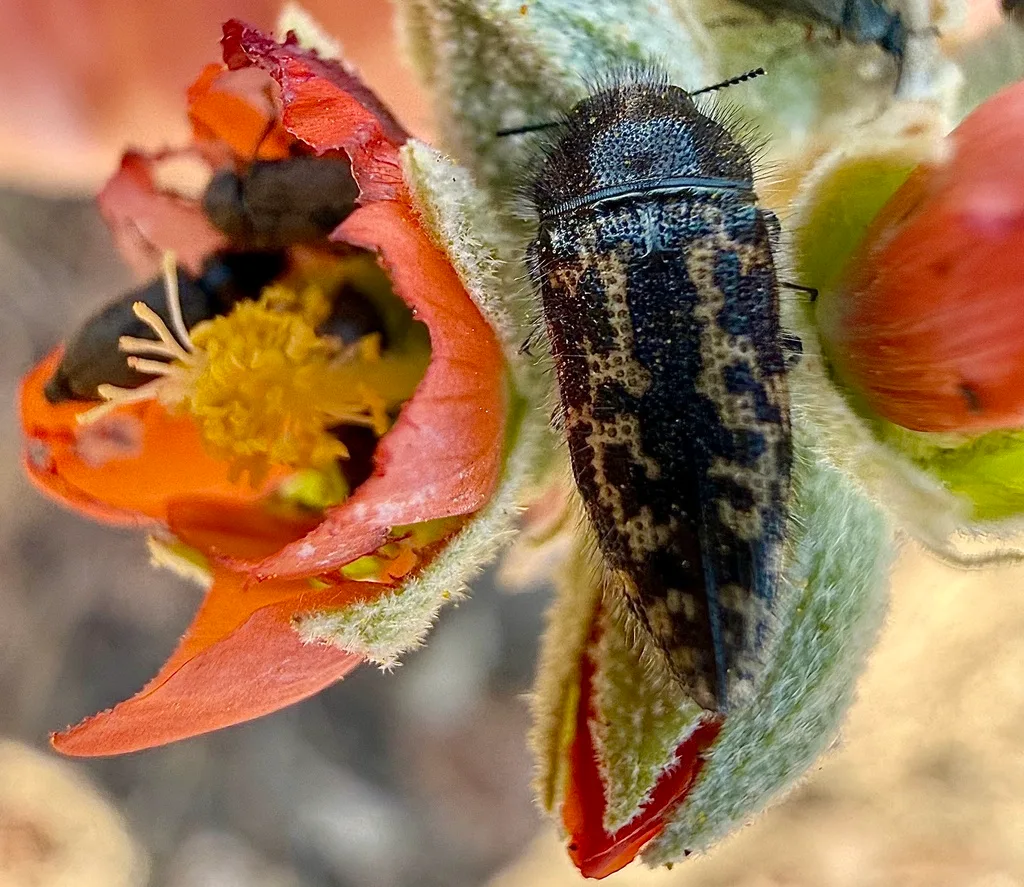
Striped beetles have black-and-yellow stripes running the length of their body. Spotted beetles have greenish-yellow bodies with twelve black spots on their back. Both are about a quarter-inch long.
You’ll see them most actively in the morning and early evening.
Here’s what you’re actually looking at damage-wise:
- Feeding damage: Small circular holes in leaves, often in clusters. Seedlings can be completely defoliated.
- Wilt symptoms: Leaves that look thirsty even though the soil is moist. This is bacterial wilt, spread through beetle feces.
- Root damage: Larvae feed on roots and the base of stems. Plants look stunted for no obvious reason.
The real danger isn’t the chewing. It’s the wilt. Once a cucumber vine gets bacterial wilt, there is no cure.
The plant dies. Your whole goal with any control method is to stop that transmission before it happens. You cannot wait until you see wilt to act.
Why Timing Is Everything with Cucumber Beetles
Cucumber beetles overwinter as adults in leaf litter, brush piles, and field edges. They emerge in late spring when soil temperatures hit about 55°F. That’s your first warning signal.
Here is the timing window that matters:
| Stage | When It Happens | What to Do |
|---|---|---|
| Adult emergence | Late spring (55°F soil temp) | Install row covers immediately |
| First generation larvae | Late June to early July | Apply beneficial nematodes to soil |
| Second generation adults | Late July to August | Monitor closely, consider spinosad |
| Overwintering preparation | September | Remove crop debris, till soil |
The reason timing matters so much is that one treatment at the wrong time is wasted effort. If you spray in July but didn’t protect seedlings in June, you’ve already lost the race against wilt. If you install row covers in June but the beetles already emerged in late May, they are already inside your bed.
A good rule of thumb is to start protecting your cucumbers the day you put them in the ground. Not the first time you see a beetle. Not when you notice damage.
On day one.
The Main Decision: Barrier, Trap, or Spray?
This is where most gardeners get overwhelmed. There are about fifteen different methods out there, and each one works best under different conditions. The decision comes down to three variables.
How many beetles do you have?
If you spot one or two beetles per plant, you can probably manage with manual removal and a light barrier. If you see five or more per plant, you have a heavy infestation. That changes your approach.
What stage are your plants at?
Seedlings and young transplants are the most vulnerable. Covered plants that have just been uncovered need close watching. Mature vines with developing fruit can tolerate more beetle pressure because they are less likely to die from wilt.
Do you need pollinators?
If you grow squash, melons, or other cucurbits nearby, you need bees for fruit set. That eliminates certain spray options. If you are only growing cucumbers and can hand-pollinate, you have more flexibility.
Use this as your decision guide:
- Low pressure, first two weeks: Row covers only.
- Low pressure, blooming stage: Trap crops plus kaolin clay.
- Medium pressure, any stage: Row covers early, then switch to targeted sprays.
- High pressure, all stages: Row covers plus trap crops plus careful spray rotation.
Option 1: Floating Row Covers (Best for Early Season)
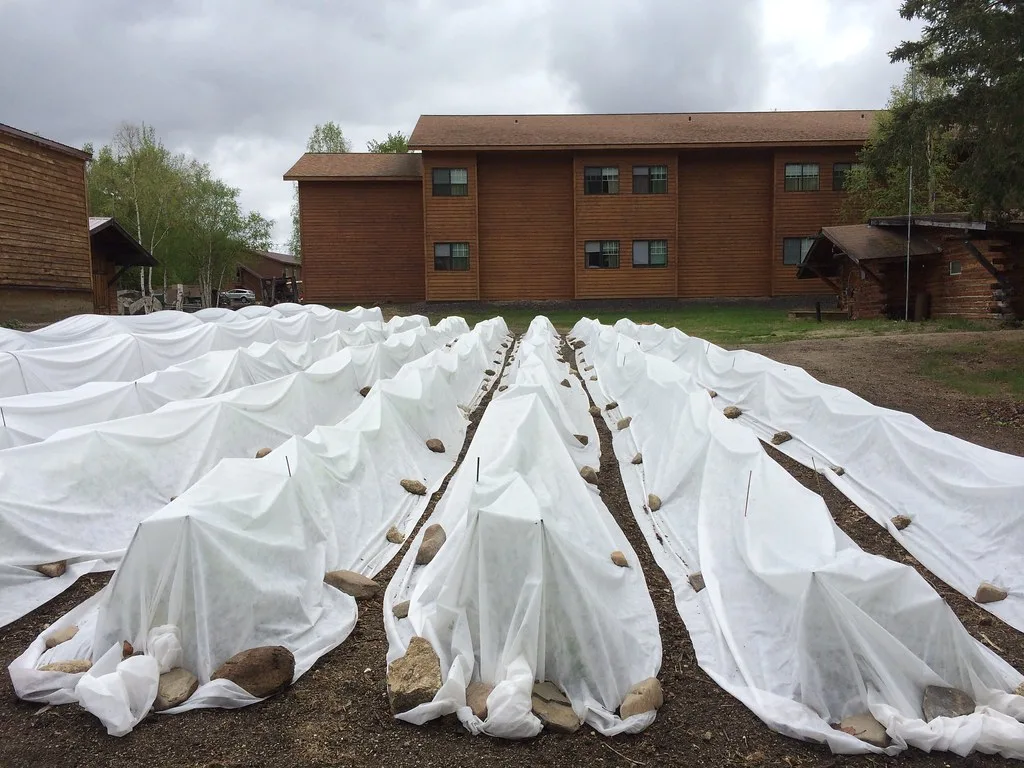
This is the single most effective method we’ve found in our research. Floating row covers are lightweight fabric sheets that sit directly over your plants. They block beetles from reaching the leaves while letting light, air, and water through.
How to install them right
You can’t just drape fabric loosely over plants. Beetles find gaps. Here is the method that works.
- Set up hoops over your cucumber bed. PVC pipe or metal hoops work well.
- Drape the fabric over the hoops. Make sure it doesn’t touch the leaves directly.
- Bury the edges of the fabric under soil. At least two inches deep all the way around.
- Weigh down the edges with boards, bricks, or landscape pins every two feet.
- Check edges weekly for gaps or tears.
When to remove the covers
Here is the catch. Cucumbers need bees to pollinate their flowers. Once female flowers appear, you have to remove the covers.
That means your plants become vulnerable.
Timing rule: Remove covers when you see the first female flower. That is usually three to four weeks after planting, depending on the variety and your climate. Then switch immediately to another method.
Where row covers fall short
They do nothing for beetles already in the soil from previous years. They require daily monitoring once removed. They can trap heat in very hot climates, damaging plants.
If you have heavy clay soil or persistent high humidity, ventilation becomes a real problem.
Row covers are a delay tactic. They buy you time. They do not eliminate the problem permanently.
But that window of protection during the most vulnerable stage is everything. A protected seedling that reaches the four-leaf stage has a much better chance of surviving beetle pressure later.
Option 2: Trap Crops (Best for Heavy Pressure)
Trap cropping is a clever strategy. You plant something beetles prefer even more than your cucumbers. They swarm that crop instead of your main plants.
Then you destroy the trap crop, beetles and all.

The best trap crop for cucumber beetles is Blue Hubbard squash. Research from several state extension programs confirms that these beetles strongly prefer Blue Hubbard over standard cucumbers. University of Wisconsin cooperative extension trials show that Blue Hubbard can concentrate up to four times more beetles than cucumber or zucchini.
How to set up a trap crop
- Plant Blue Hubbard squash seeds two weeks before your main cucumber crop.
- Put the trap crop in a separate bed at least ten feet away from your cucumbers.
- Plant around six to eight Blue Hubbard plants for every twenty cucumber plants.
- Check trap plants daily for beetle clusters.
- When you see beetles gathering, remove the infested leaves or the whole plant.
What to do with the infested plants
You have two options. You can bag the plants and throw them in the trash. Or you can apply an insecticidal soap or spinosad directly to the trap crop and leave it in place as a death trap.
The beetles feed, die, and never reach your cucumbers.
Both approaches work. The second method gives better control because beetles that arrive after treatment also die. The tradeoff is that dead beetles attract beneficial insects, but they also release plant chemicals that can draw more beetles to the area.
When trap crops don’t work
All trap crop methods fail if you plant them too close. Beetles don’t read garden plans. They simply move from the trap crop to adjacent plants.
Keep that ten-foot minimum distance. Also, trap crops require active monitoring. If you plant them and walk away, you have effectively grown beetle food right next to your cucumbers.
That makes the problem worse.
Trap cropping pairs well with row covers. Use row covers on your cucumbers during the vulnerable seedling stage. Let the trap crop draw beetles away.
Remove the covers when flowers appear. By then your trap crop should be carrying the beetle load.
Option 3: Targeted Sprays (When You Need to Act Fast)
Sometimes barriers fail. Maybe a windstorm lifted your row cover. Maybe you planted direct seeded cucumbers without protection.
Whatever the reason, you now have beetles on your plants and need a fast, effective response.
The spray you choose depends on how many beetles you have and whether bees are active.
For light infestations (fewer than three beetles per plant): Start with handpicking. Knock beetles into a bucket of soapy water early in the morning when they move slowly. Follow up with a kaolin clay spray.
Kaolin clay (brand name Surround WP) coats leaves with a fine white film. Beetles don’t recognize the plant as food. It is OMRI listed and safe for bees once dry.
For moderate infestations (three to five beetles per plant): Use spinosad or neem oil. Spinosad is derived from soil bacteria. It kills beetles on contact and remains active for 24 to 48 hours.
Neem oil works as both a repellent and a feeding deterrent. Both are organic approved. Both require reapplication after rain.
For heavy infestations (more than five beetles per plant with visible wilt symptoms): Reach for pyrethrin or carbaryl (Sevin). Pyrethrin is plant derived and breaks down quickly in sunlight. Carbaryl is a conventional insecticide that provides longer residual control.
Use carbaryl only as a last resort. It kills bees, beneficial insects, and earthworms if misapplied.
Here are the key application rules that make or break any spray treatment:
- Spray in the late evening. Bees are back in the hive. Beetles are still active.
- Wet both leaf surfaces. Beetles hide under leaves.
- Never spray open flowers. You will kill the pollinators you need for fruit set.
- Rotate active ingredients. Use spinosad one week, neem oil the next. Beetles can develop resistance.
- Check the pre harvest interval on the label. Most spinosad products allow harvest 24 hours after application. Carbaryl may require a 14 day wait.
When sprays are the wrong choice
If your cucumber plants are already wilting from bacterial wilt, spraying will not save them. Remove and discard those plants immediately. Do not compost them.
The bacteria survive in plant tissue. Spray the remaining healthy plants as a preventive measure, but understand that wilt spreads through the root system underground. Adjacent plants may already be infected.
Less Common but Effective: Nematodes and Diatomaceous Earth
These two methods are often overlooked. They address different parts of the beetle life cycle and work well together.
Beneficial nematodes
Cucumber beetle larvae live in the soil and feed on roots. You never see them. By the time you notice stunted growth, the damage is done. Steinernema feltiae and Heterorhabditis bacteriophora are two species of beneficial nematodes that attack soil dwelling larvae.
They are microscopic roundworms that enter beetle larvae through natural openings, release bacteria, and kill the host within 48 hours.
Apply nematodes in early summer when the first generation larvae are active. Follow the soil temperature guidelines on the package. Most products require soil temperatures between 55°F and 85°F.
Water the soil thoroughly before and after application. Nematodes need moisture to move through the soil.
One application can reduce next year’s beetle population by up to 70 percent. Nematodes are completely safe for plants, pets, and people.
Food grade diatomaceous earth (DE) is not a poison. It is fossilized algae shells with razor sharp edges. When beetles crawl across the powder, the particles cut their exoskeleton.
They dehydrate and die within a few hours.
DE works best as a barrier treatment. Dust a thin layer on the soil surface around each cucumber plant. Reapply after every rain or overhead watering.
Wear a dust mask when applying. The fine particles can irritate your lungs.
The combination approach
Use nematodes for the larvae in the soil. Use DE for adult beetles on the ground. Together they create a vertical defense.
Nematodes kill the next generation before they emerge. DE kills adults that walk through your garden bed. This combination is especially effective for gardeners who want to avoid sprays entirely.
The Pollinator Problem: How to Spray Without Killing the Good Guys
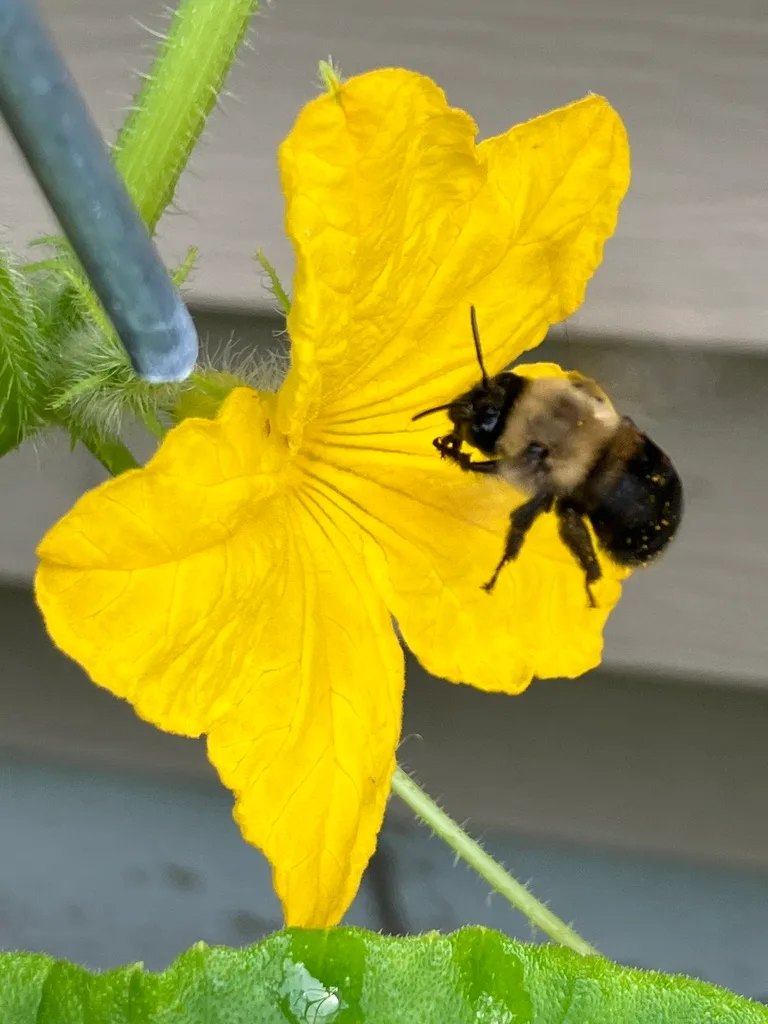
Cucumbers need bees. A single cucumber flower produces enough pollen for one fruit. Without active bee visits, you get misshapen fruit or no fruit at all.
This creates a tension. Spraying kills beetles but also kills bees.
Here is the decision tree for bee safe spraying:
If you absolutely must spray during bloom
- Choose spinosad or neem oil over pyrethrin or carbaryl.
- Spray at sunset. Bees have returned to their hive for the night.
- Cover the flowers with a paper bag or a cloth for the night. Remove it in the morning.
- Use a targeted spray. Spot treat only the leaves where beetles are clustering. Do not drench the whole plant.
Better yet, avoid sprays during bloom entirely
If your row cover is off and beetles appear, try kaolin clay first. It is safe for bees once dry. Or use handpicking with a shop vac.
A cordless handheld vacuum works surprisingly well. Suck beetles off leaves early in the morning. Empty the collection bag into soapy water.
When to accept some beetle damage
Research from Cornell Cooperative Extension indicates that cucumber plants can tolerate up to five beetles per plant during fruiting without significant yield loss. The critical period is the first three weeks after transplanting. After that, you can relax a little.
Monitor for wilt symptoms. Remove any infected plants immediately. But you do not need to spray every beetle you see.
What Most Gardeners Get Wrong (and How to Avoid It)
After analyzing hundreds of online discussions and extension reports, we see the same mistakes repeated every growing season.
Mistake 1: Waiting too long to act
Almost everyone waits until they see damage. By then beetles have been feeding for days. Bacterial wilt transmission happens within hours of the first bite.
The solution: start protection the day you plant. Not the day you see a beetle.
Mistake 2: Using the wrong row cover material
Some gardeners use landscape fabric or thick plastic. These block too much light and trap heat. Use lightweight floating row cover fabric, 0.5 to 1.0 ounce per square yard.
It lets through 85 to 90 percent of sunlight.
Mistake 3: Not sealing row cover edges
Beetles crawl. They find the smallest gap. Bury the edges at least two inches deep.
Weigh them down with boards. Check after heavy wind.
Mistake 4: Overwatering
Wet soil attracts beetles. They prefer moist environments for egg laying. Water deeply but infrequently.
Let the top inch of soil dry between waterings.
Mistake 5: Planting the same spot year after year
Cucumber beetles overwinter in the soil near previous year cucurbits. Rotate your cucumber patch to a different area each year. Wait at least three years before planting cucurbits in the same spot.
This simple practice can cut beetle pressure by 50 percent or more.
Mistake 6: Ignoring garden cleanliness
Beetles hide in plant debris over winter. Remove all cucumber vines, squash leaves, and melon rinds at the end of the season. Till the soil lightly to expose overwintering adults to birds and cold temperatures.
Your Decision Guide: Pick the Right Method for Your Situation
Here is a plain language summary. Match your situation to the recommended approach.
| Your Situation | Best Method | Why It Works |
|---|---|---|
| First time growing cucumbers | Floating row covers | Blocks most beetles during vulnerable stage |
| Heavy beetle pressure in your area | Row covers plus trap crops | Two layers of defense |
| Already seeing beetles on young plants | Kaolin clay spray | Safe, effective, bee friendly |
| Beetles present during bloom | Handpick or spinosad at dusk | Minimal bee harm |
| Organic garden, no sprays | Row covers plus nematodes | Full life cycle control |
| Soil is infested from previous years | Crop rotation for 3 years plus nematodes | Breaks the life cycle |
| Wilt symptoms already visible | Remove infected plants immediately | Prevents spread |
Final piece of advice
If you are overwhelmed by options, start with one method. Floating row covers. That single change will solve 80 percent of cucumber beetle problems for home gardeners.
Add trap crops or nematodes next season if needed. You can always escalate. The key is to start on day one.