How to Get Rid of Ants in the Yard for 2026: Quick Guide
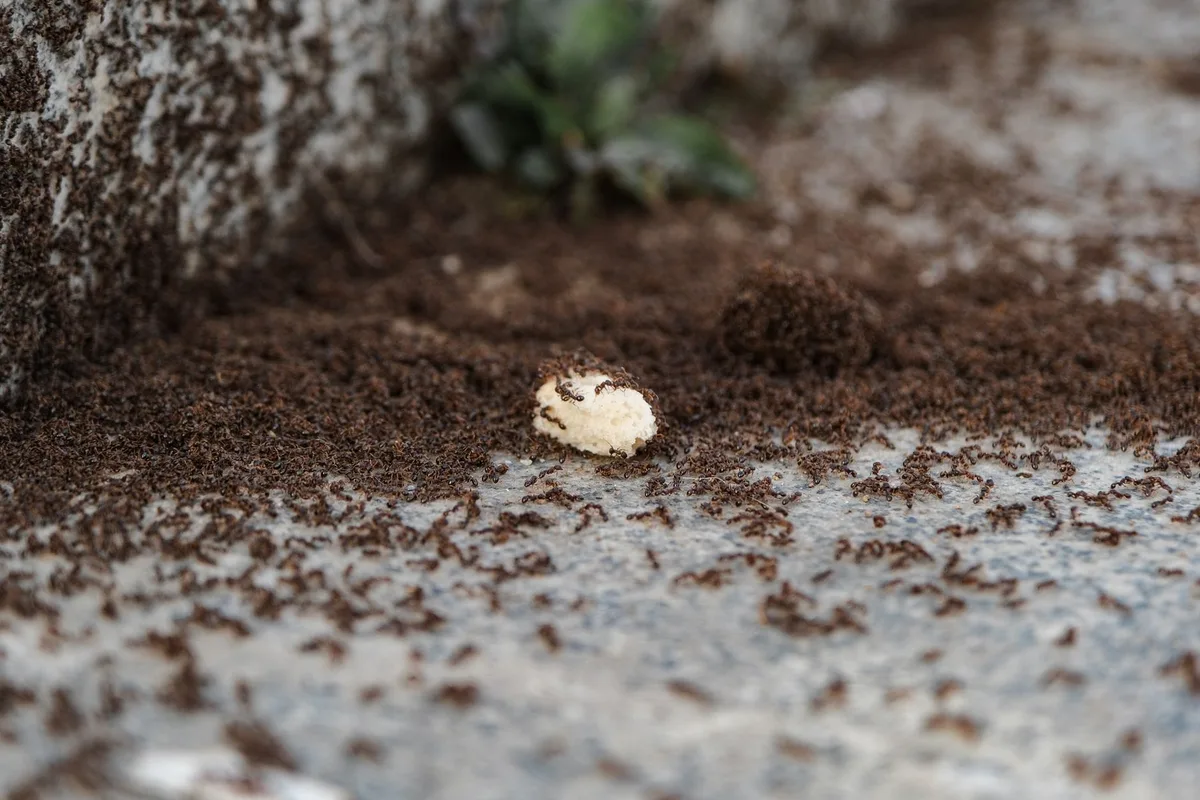
You've watered the garden, trimmed the hedges, and finally got the lawn looking sharp. Then you spot them: a neat little line of ants marching across the patio, or a fresh mound of dirt in the middle of the grass. Figuring out how to get rid of ants in the yard can feel like a frustrating experiment.
A hundred online remedies exist, from boiling water to store bought granules. Most of them fail because they are aimed at the wrong ant or the wrong nest.
That is where a little knowledge changes everything. Research from university extension programs across the U.S. shows that over a dozen ant species commonly invade residential yards. As of 2026, misidentifying the species remains the single most common reason treatments fail.
Your first move is not to grab a spray can. It is to look closely at what is actually living in your yard.
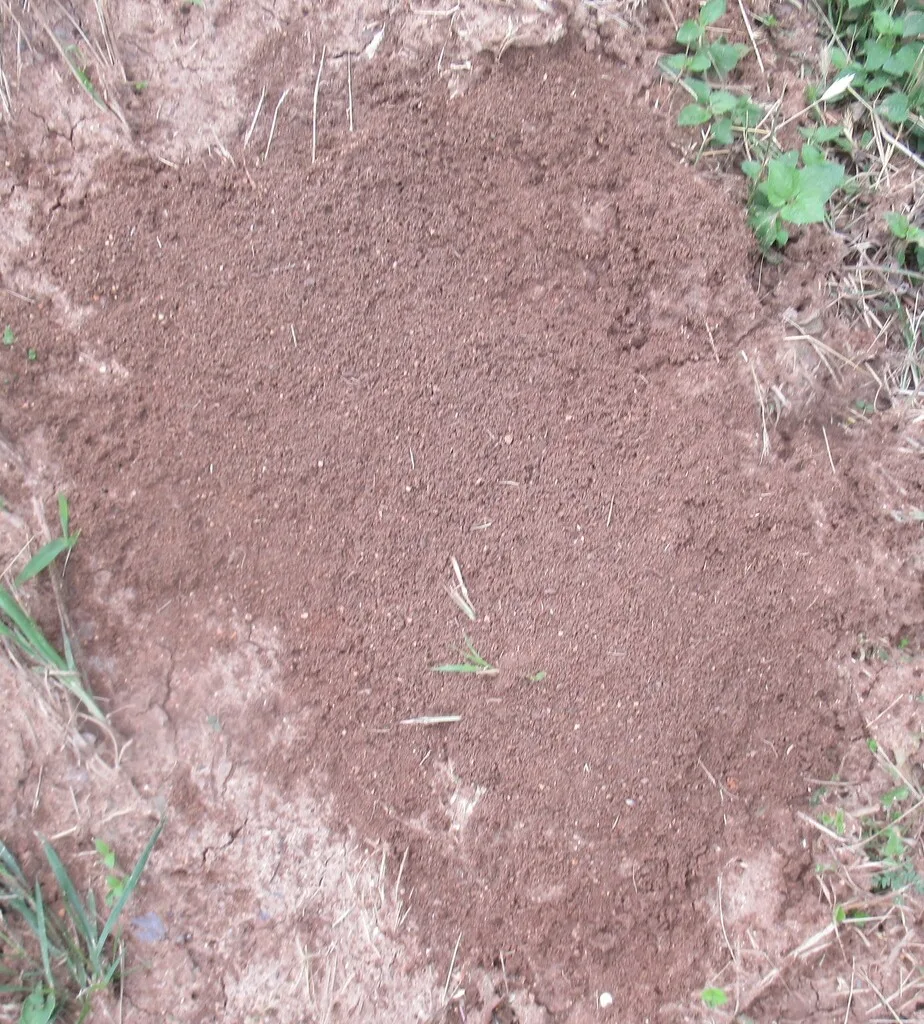
Quick Answer
Identify the ant species first. Find the nest location. Match your treatment to the ant type and yard conditions.
Granular baits work for most small black ants. Drenching works for visible fire ant mounds. Always treat the colony, not just the visible workers.
Reduce moisture and food sources to prevent return.
Why a One-Size-Fits-All Ant Treatment Almost Never Works
Treating your yard with a generic spray that kills ants on contact is like using a leaf blower on a fire. It scatters the flames but never hits the source. Ants work in colonies, and a colony can have hundreds of thousands of individuals.
The ones you see on the surface are the foragers. They represent perhaps 5 to 10 percent of the total population.
Different ant species have different food preferences, different nesting habits, and different responses to toxins. Fire ants are carnivorous in spring and switch to sugars in summer. Argentine ants farm aphids and prefer sweet baits year round.
Black garden ants will eat almost anything but often nest deep in soil under rocks or concrete slabs. A bait that works for one species might be ignored completely by another. In our research, we found that property owners who use a single product without identifying the species report about a 40 percent success rate after two weeks.
Those who match the treatment to the ant type see success above 80 percent.
That is why this article walks you through a decision tree. You are not guessing. You are diagnosing.
Step 1: Figure Out What Kind of Ants You're Dealing With
Before you do anything else, take five minutes to look at the ants up close. A magnifying glass helps but is not essential. You want to note three things: size, color, and whether they build a visible mound.
Here is a quick visual guide for the most common yard ants in North America.
Fire Ants (Solenopsis invicta)
- Size: 1/8 to 1/4 inch, workers vary in size.
- Color: Coppery-red head and thorax, darker blackish-brown abdomen.
- Nest: A distinct dome-shaped mound of loose soil, often with no visible entrance hole in the center. Mounds appear in open, sunny areas.
- Behavior: Aggressive. If you disturb the mound, ants swarm out rapidly.
Argentine Ants (Linepithema humile)
- Size: Very small, about 1/8 inch.
- Color: Uniform dark brown.
- Nest: No mound. They nest under mulch, leaf litter, stones, or inside hollow logs. They form huge interconnected colonies (supercolonies) that can span entire blocks.
- Behavior: They follow well-defined trails along edges like fences, sidewalks, and the foundation of your house.
Black Garden Ants (Lasius niger)
- Size: About 1/8 inch.
- Color: Uniform dark brownish black.
- Nest: Small craters of fine soil in lawns, often near pavers or cracks in concrete. They also nest under rocks or in potted plants.
- Behavior: Less aggressive. They move in loose lines and tend to avoid direct sunlight.
Carpenter Ants (Camponotus spp.)
- Size: Larger, 1/4 to 1/2 inch.
- Color: Black or black with reddish legs.
- Nest: They do not build mounds. They nest in wood, including dead trees, stumps, woodpiles, or damp structural wood. They may trail across the yard to find food.
- Behavior: Usually active at night. They leave piles of sawdust-like frass near nest entrances.
If you cannot tell which ant you have, snap a clear photo and send it to your local cooperative extension office. They can identify it for free. The species matters because it determines which bait they will eat and where they nest.
Step 2: Find the Nest – It's Not Always Where You Think
The visible trail of ants is the road, not the destination. Follow it. Pour a little sugar water or honey near the trail, then watch where they carry it.
They will lead you back to the nest entrance, eventually.
Here is where the type of ant changes your search strategy.
- Fire ants: The nest is the mound. There is no mystery. You see it, you treat it. But check around the immediate area because one colony can have satellite mounds nearby.
- Argentine ants: The nest can be anywhere moist and sheltered. Check under large stones, in thick mulch beds, under potted plants, along the drip edge of your house, and inside compost piles. They often have multiple nesting sites connected by trails.
- Black garden ants: Look for small dirt craters in the grass, especially after heavy rain. They also nest under pavers, along driveways, and in the base of retaining walls. They can be very deep, up to three feet underground.
- Carpenter ants: The nest is in wood. Check dead tree limbs, old stumps, woodpiles, fence posts, or any damp lumber. If you see sawdust near a stack of firewood, you have found their nest.
If you treat the trail without treating the nest, the colony just sends out more workers. You have to hit the source. That is where the decision tree comes in.
Decision Tree: Your Ant Type + Your Yard Situation → The Right Treatment
Now that you know the species and have located the nest, pick the branch that matches your situation.
Branch A: Fire Ants – Mounds are Visible
You have two solid options: bait or mound drench.
Use granular bait if you have multiple mounds and you want long lasting colony kill. Bait is slower but it spreads through the colony and kills the queen. Spread the granules around the mounds (not on top) in the evening when ants are foraging.
Do not water the yard for 24 hours after.
Use a liquid drench if you need immediate knockdown, you have only one or two mounds, or you are worried about kids or pets stepping on the mound. Mix the concentrate according to label directions and pour it slowly into the center of the mound. Wait a few minutes, then pour more.
The goal is to saturate the entire nest. This kills surface workers fast but may not reach the queen if the nest is deep. Follow up with bait a few days later.
Branch B: Small Black Ants Trailing from the Lawn
These are likely black garden ants or Argentine ants. The trail leads back to a nest in the soil or under debris. Granular bait is your first move.
Why granular bait? It is easy to apply. Spread it along the trail and near the nest entrance. If the ants are Argentine, they prefer sweet baits.
Choose a granular bait labeled for sweet feeding ants. If they ignore it after two days, switch to a liquid bait.
When to use liquid bait instead? If you see a massive, fast moving trail and you want faster results. Liquid bait stations work well but need to be refilled. Place the stations directly on the trail.
Ants will carry the liquid back to the nest. You should see fewer ants on the trail within 24 hours.
Branch C: Ants Nesting Under Mulch, Rocks, or Pavers
You cannot pour liquid drench onto a solid surface. The liquid will run off and miss the nest. Use a dust or a spray formulated for cracks and crevices.
- For nests under pavers or along foundation edges, use a dust insecticide (such as a product containing boric acid or diatomaceous earth). Puff it into the crack or gap. Dust stays in place and ants track it into the nest.
- For nests in thick mulch or under a rock pile, use a liquid concentrate mixed in a watering can. Soak the area thoroughly. You want the liquid to reach the soil where the nest is.
Branch D: Ants Inside Your House – But Trailing from the Yard
You need a two-pronged approach. First, seal the entry point. Use caulk to fill cracks around windows, doors, and where utility lines enter.
Second, treat the yard to stop the trail at its source.
Place bait stations outside right along the foundation and near the trail end. A perimeter spray around the base of the house can also help, but spray only after the bait is down. Do not spray on the trail itself or you will kill the foragers before they carry the bait home.
Baiting Done Right: The One Thing That Actually Kills the Colony
Bait is the closest thing to a magic bullet for ant control. It works because the ants themselves deliver it to the colony. But you have to set it up correctly.
Here is what matters most.
Protein Baits vs. Sugar Baits
Ants change their cravings with the seasons. In spring and early summer, the colony is growing and the queen is laying eggs. Workers need protein to feed the larvae.
During that period, they will strongly prefer protein based baits. In late summer and fall, they switch to carbohydrates for energy storage. Sugar baits become more effective.
- Spring to early summer: Use a bait labeled for protein feeding ants. These often list ingredients like hydramethylnon or spinosad.
- Late summer to fall: Use a bait for sweet feeding ants. Liquid baits are often sugar based.
- All year for Argentine and black garden ants: They lean sweet almost always. Stick with sugar baits or a bait that claims to attract sweet feeding species.
If you are not sure, put out both types. Place a dab of protein bait and a dab of sugar bait near the trail. Watch for five minutes to see which one gets more visitors.
Then use that bait.
Where to Place the Bait
The biggest mistake is dropping bait directly onto the mound. Fire ants are territorial and they pile dirt around an unknown object. They will not eat it.
Instead, sprinkle granular bait around the base of the mound, about a foot away from the edges. For trail following ants, place bait directly on the trail line.
For Argentine ants, place bait stations along the trail and near common nesting spots like under bushes or along the foundation. Move them as the trail shifts.
How Long Until You See Results
Do not expect instant death. Bait is a delayed action poison. The ant eats it, returns to the nest, and passes it to other ants through trophallaxis (food sharing).
It takes 24 to 72 hours for the bait to start killing inside the colony. You may see a peak in ant activity around day two as more ants get excited about the food source. That is normal.
Keep the bait available.
Within one to two weeks, you should see a dramatic drop in activity. If you still see ants after three weeks, the bait was either not matched to their preference or you did not reach the queen. Try a different bait type.
For more targeted advice on specific species like carpenter ants, check out our detailed guide on the best insecticide for carpenter ants. And if you are also dealing with lawn diseases that may be attracting certain ant species, our research on the best fungicide for lawns offers useful context.