How Long Does Ant Bait Take to Work: Step-by-Step Guide
You've placed the bait. You're watching the ants. Nothing seems to happen.
It's a frustrating wait, and you're probably wondering exactly how long ant bait takes to work.
In our research, most consumer baits are formulated with slow-acting poisons designed to wipe out the entire colony in 1 to 4 weeks. The timeline varies because the poison has to trickle through the nest, worker by worker, until it reaches the queen. The real deadline depends on three specific decisions you make: what bait you choose, what kind of ants you have, and where you put it.
Let's break them down.
Quick Answer
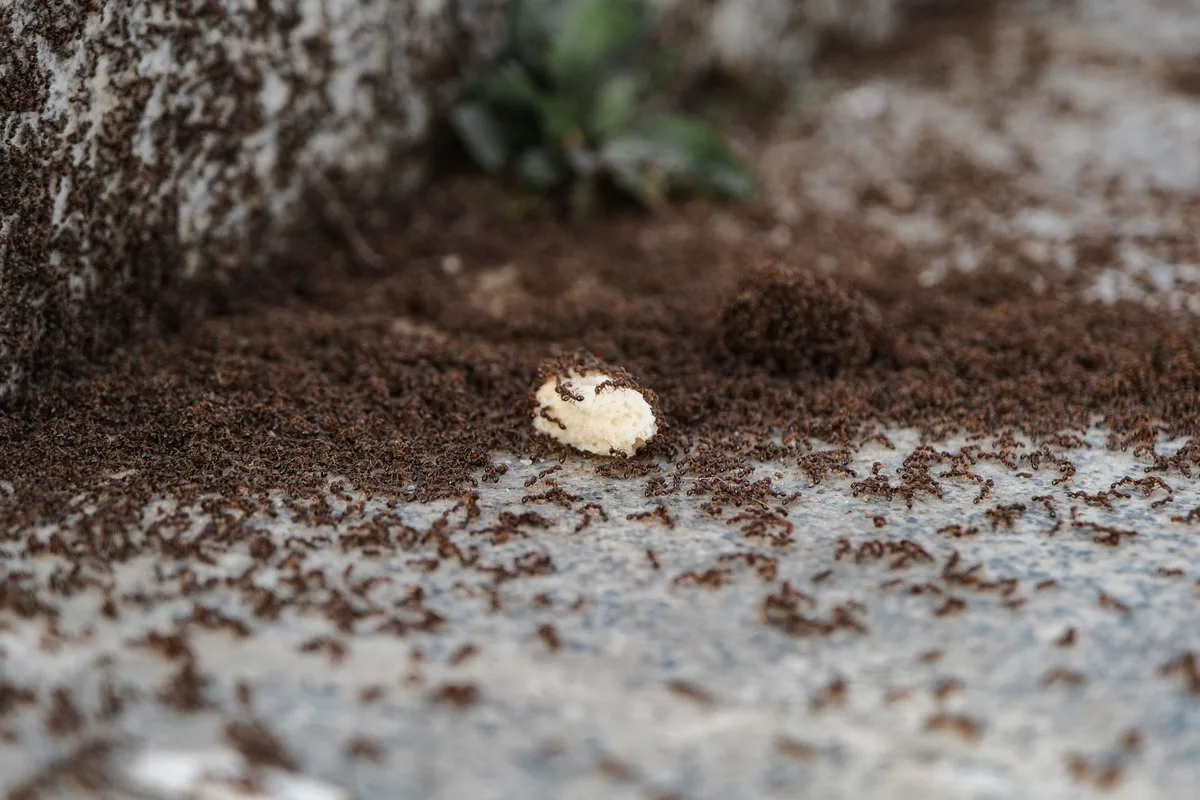
Ant bait typically works in 1 to 4 weeks. Worker ants feed within 24 to 48 hours. You'll see fewer ants in 3 to 7 days.
Complete colony elimination takes up to 4 weeks. Large colonies can take longer. Patience is the key ingredient.
How Ant Bait Actually Works (The Mechanism Matters)
Ant bait isn't a fast kill. That's the whole point.
Most bait products use a slow-acting poison like borax, fipronil, indoxacarb, or hydramethylnon. The active ingredient is mixed with a food attractant, usually sugar or protein. Worker ants find the bait, eat it, and then carry it back to the nest.
Here's the clever part. Ants share food through a process called trophallaxis. They regurgitate liquid food for nestmates, including the queen and developing larvae.
The poison spreads this way, slowly and systematically.
If the bait killed workers on contact, it would never reach the queen. The colony would recover. That's why fast sprays fail long term, while bait works from the inside out.
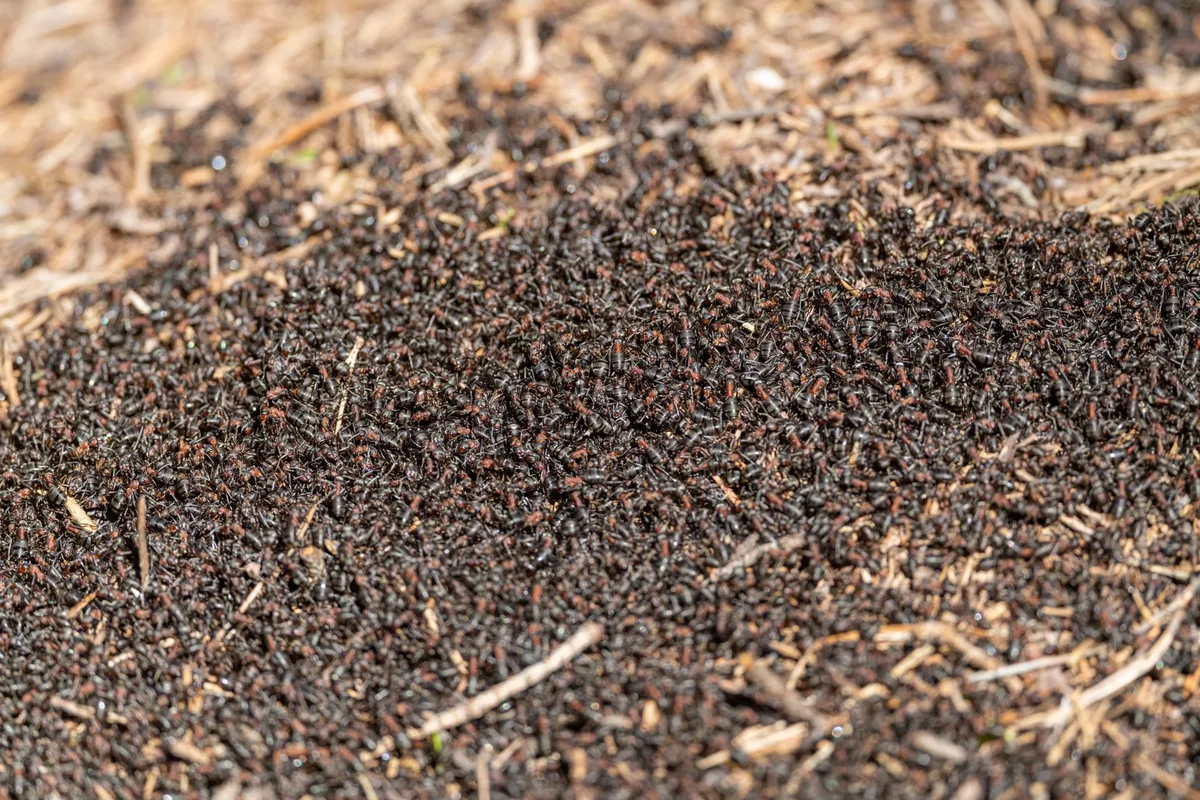
How trophallaxis extends the bait timeline
The poison doesn't stop all at once. It travels through multiple feeding cycles. One worker feeds another, which feeds another, which eventually feeds the queen.
This sharing process takes time. For a colony of 10,000 ants, it might take 3 to 7 days for enough poison to circulate. For a larger colony of 50,000 or more, expect 2 to 3 weeks.
Manufacturer specifications indicate that most baits are designed to achieve 90% colony mortality within 14 to 21 days under normal conditions. Aggregate reviews from home users confirm that 2 weeks is the most common success window.
The Core Timeline: What's Normal vs. What's Slow
Let's break this into clear stages. Here's what you should expect, day by day.
| Stage | Timeline | What You See |
|---|---|---|
| First feeding | 24 to 48 hours | Ants gather around the bait, feeding actively |
| Peak feeding | 2 to 5 days | Ants carry bait back to nest in large numbers |
| Visible reduction | 3 to 7 days | Fewer ants on trails and counters |
| Colony decline | 7 to 14 days | Ant activity drops significantly |
| Complete elimination | 1 to 4 weeks | No ants seen for several consecutive days |
What normal looks like
In our research, a typical home infestation with odorous house ants or pavement ants resolves in 7 to 10 days. You'll see heavy feeding for the first 2 to 3 days. By day 5, the number of visible ants drops sharply.
By day 10, you're ant free.
What slow looks like
Some situations stretch the timeline. Large fire ant mounds can take 2 to 4 weeks. Carpenter ant nests, which are often hidden in walls or wood, can require 3 to 4 weeks.
If you have multiple colonies, the process resets each time a new nest finds the bait.
As of 2026, the EPA and university extension services advise that 4 weeks is the maximum effective window for DIY ant baits. If you still see ants after 4 weeks, something is wrong.
Decision Branch 1: Which Bait Type Are You Using?
Not all baits work on the same schedule. The format matters.
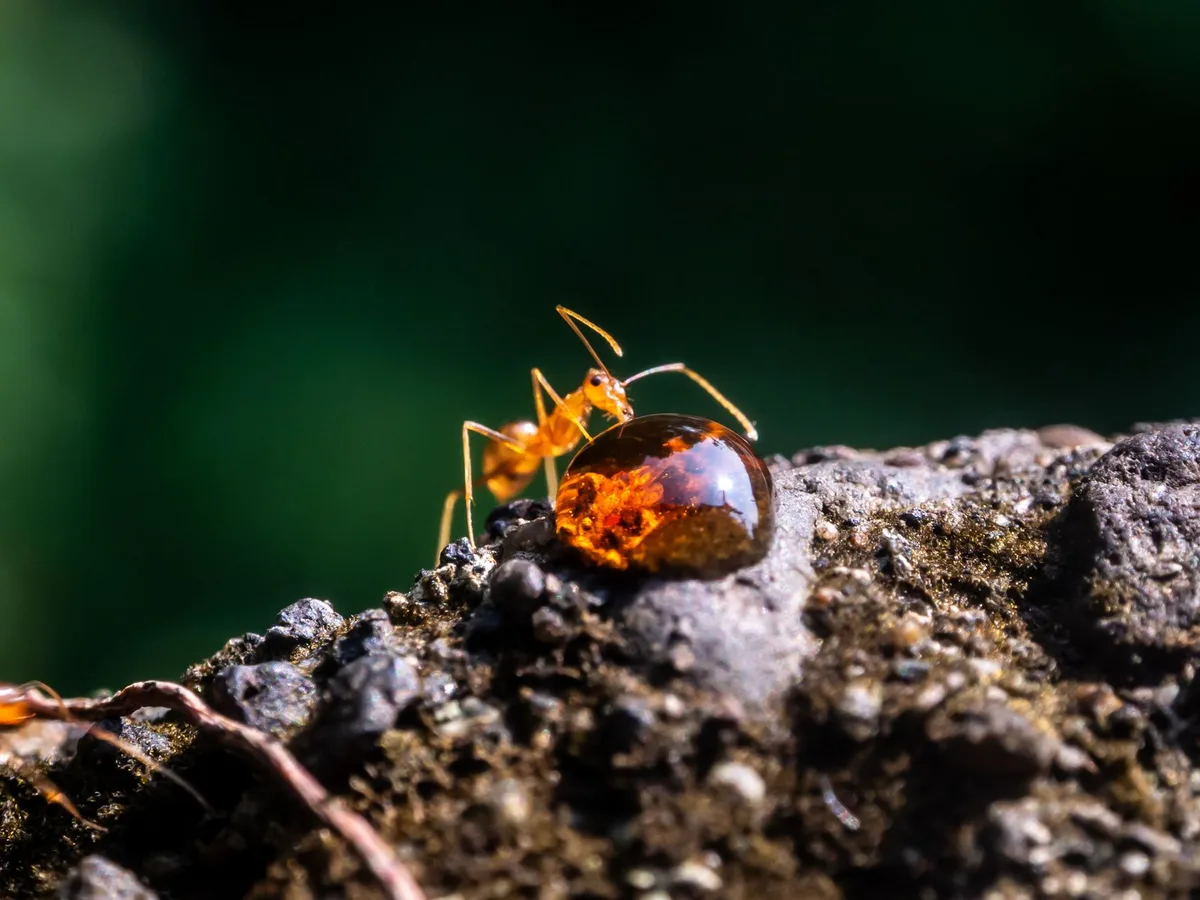
Gel bait
Gel baits come in syringes. You place small drops (about the size of a pea) along ant trails. Gels work fast because ants can eat them immediately.
- Typical timeline: 3 to 7 days for visible reduction
- Best for: indoor trails, cracks, and crevices
- Caveat: gels dry out in 1 to 3 days; replace if they harden
Liquid bait
Liquid baits use a ready-to-use container with a wick or opening. Ants drink the liquid and carry it back.
- Typical timeline: 5 to 10 days for colony elimination
- Best for: sugar ants and Argentine ants
- Caveat: spills can attract more ants; place in a tray or saucer
Granular bait
Granular bait is spread on lawns, garden beds, or around foundations. Ants pick up the granules and return to the nest.
- Typical timeline: 7 to 14 days for outdoor colonies
- Best for: fire ants, pavement ants, and ground nests
- Caveat: rain can wash granules away; reapply after heavy rain
Pre-filled bait stations
These are plastic containers with bait inside. They protect the bait from weather and children.
- Typical timeline: 10 to 14 days for full control
- Best for: kitchens, pantries, and outdoor placement
- Caveat: stations hold a limited amount; replace when empty
If you're using a gel indoors, you'll see results faster than with granules outdoors. Match the format to your specific ants for the best timeline.
Decision Branch 2: What Kind of Ants Are You Dealing With?
Ant species have different food preferences and colony structures. This directly affects how fast the bait works.
Sugar ants (odorous house ants)
These are the most common indoor ants in North America. They love sweets.
- Bait preference: sugar-based gel or liquid
- Timeline: 3 to 7 days
- Why fast: they feed heavily and share food quickly
Argentine ants
Argentine ants form massive supercolonies. They can have multiple queens and millions of workers.
- Bait preference: liquid baits with sugar
- Timeline: 7 to 14 days
- Why slower: the colony is huge, and poison must spread far
Pavement ants
These nest under sidewalks, driveways, and building foundations.
- Bait preference: protein or grease baits in spring, sugar baits in summer
- Timeline: 7 to 10 days
- Why slower: they change food sources by season
Carpenter ants
Carpenter ants are large and nest in wood. They don't eat wood, but they damage it.
- Bait preference: protein baits (they feed on insects)
- Timeline: 2 to 4 weeks
- Why slow: they are less social than other ants; poison spreads slowly
If you have carpenter ants, you might need a different approach. Check out our guide on the best insecticide for carpenter ants for targeted options.
Fire ants
Fire ants build visible mounds in lawns and gardens. Their stings are painful.
- Bait preference: granular bait with soybean oil or corn grit
- Timeline: 2 to 4 weeks
- Why slow: mounds can be deep, and queens are well protected
Outdoor fire ant baits work best when applied in cooler weather. If you're dealing with lawn issues beyond ants, our article on the best fungicide for lawns can help with other problems.
The biggest mistake people make is using the wrong bait for their ant type. Match the bait to the ant, and you'll cut your timeline in half.