Guide to Common Mosquito Control Mistakes: Explained Simply
Most people think mosquito control is about spraying the yard every few weeks. They grab a fogger from the hardware store, blast the bushes, and wonder why they're still getting bitten. The truth is, common mosquito control mistakes start long before you ever pick up a can of repellent.
In our research, the CDC reports that over 90% of mosquito problems in residential areas trace back to breeding sites within 100 feet of the home. That means the issue isn't what you're spraying. It's what you're ignoring.
Let's walk through the real mistakes so you can stop wasting time and actually fix the problem.
Quick Answer
The most common mosquito control mistakes are ignoring standing water, spraying at the wrong time, killing beneficial insects, relying on ineffective natural remedies, and using repellents incorrectly. Fixing these five errors eliminates 80% of backyard mosquito problems without heavy chemicals. Focus on removing breeding sites first.
Treat water with Bti dunks. Apply EPA-registered repellents properly. Time your sprays for dawn or dusk.
Skip the gimmicks.
The Single Biggest Mistake: Ignoring Where They Actually Breed
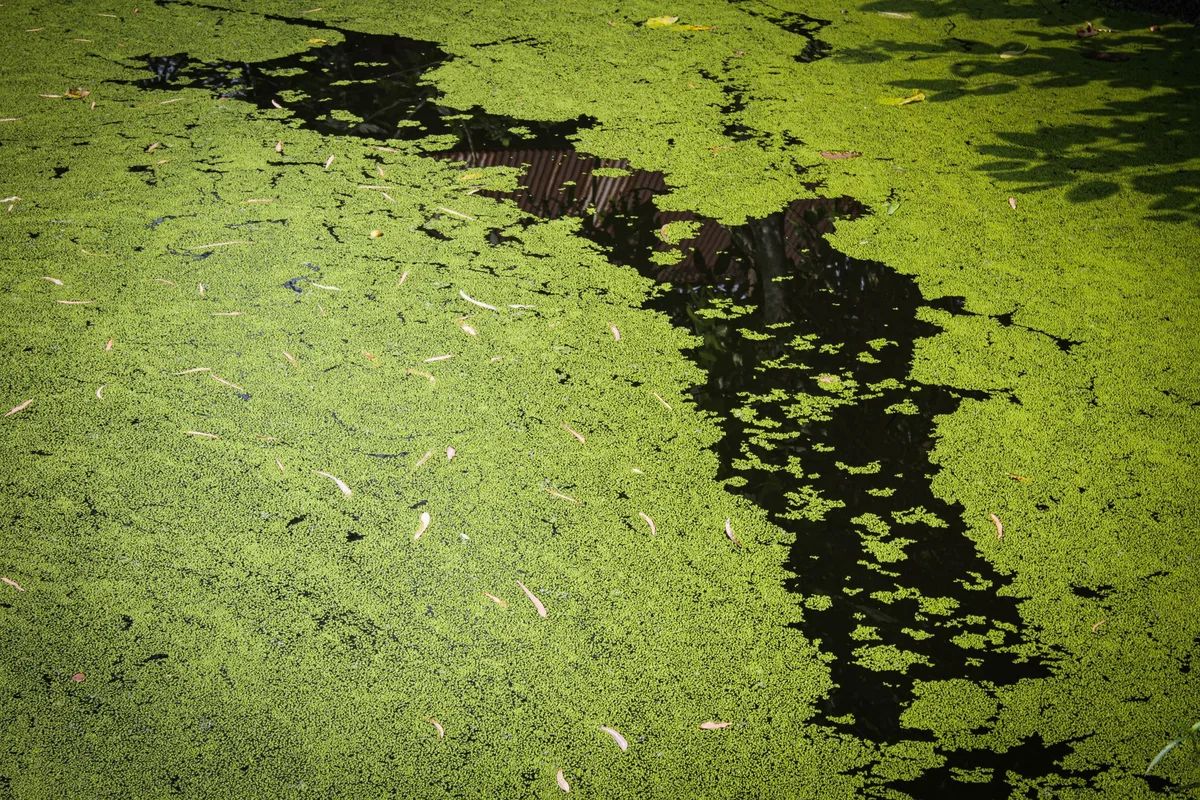
Here's the thing most people get backwards. They think mosquitoes come from the neighbor's swamp or the woods behind the house. In reality, the mosquitoes biting you in your backyard almost certainly hatched within a few hundred feet of where you're standing.
Female mosquitoes lay eggs in standing water. Any standing water. We're not talking about ponds or lakes here.
We're talking about a bottle cap with a teaspoon of rainwater. A clogged gutter. A kid's plastic shovel left in the yard.
A plant saucer that hasn't been emptied in a week.
The mosquito life cycle from egg to adult takes about 7 to 10 days in warm weather. That means any container holding water for more than a week is a fully operational mosquito nursery. And most homeowners have dozens of these scattered around without realizing it.
What to actually look for
Walk your yard with a critical eye. Here's what you're hunting:
- Clogged gutters. This is the number one hidden breeding site. Leaves trap water and create perfect conditions.
- Birdbaths. Change the water every three days minimum.
- Kids' toys. Buckets, shovels, overturned wagons.
- Plant saucers. The trays under potted plants.
- Tarps and pool covers. Any folded plastic that holds water.
- Old tires. A single tire can produce thousands of mosquitoes per week.
- Trash can lids. Anything concave that catches rain.
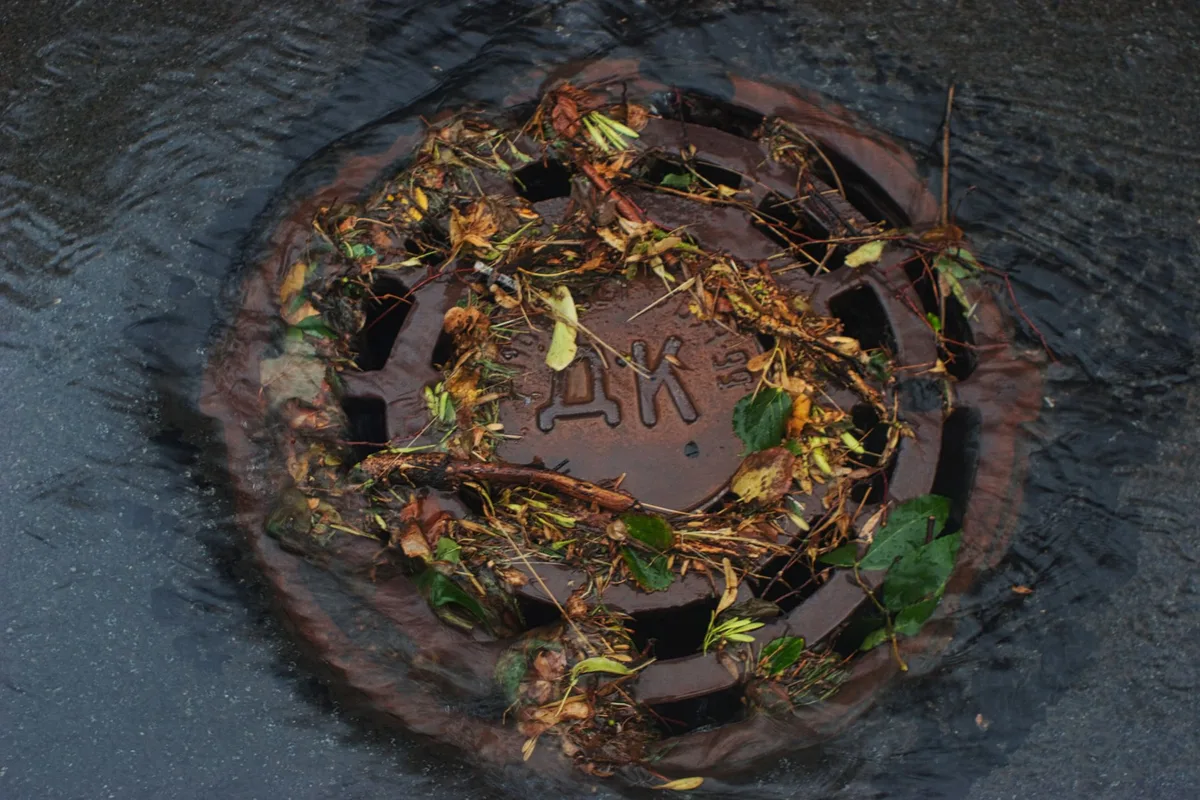
The fix is simple. Dump it, drain it, or treat it. If you can't dump it because it's a rain barrel or a birdbath, change the water every three days or drop in a Bti dunk.
That bacterial larvicide kills mosquito larvae without harming anything else.
One quick note on gutters. If you've got trees overhanging your roof, you need to clean those gutters at least twice a year. Spring and fall.
A clogged gutter holds water for weeks and sits right next to your windows and doors. That's not just a mosquito problem. That's a rot and foundation problem too.
Mistake #2: Spraying When Mosquitoes Aren't Even Active
You see a mosquito in the house at noon. You grab the spray can and fog the whole backyard in the middle of the afternoon. Sound familiar?
That's mistake number two.
Most mosquito species are crepuscular. That's a fancy way of saying they're most active at dawn and dusk. The Aedes species that carry Zika and dengue are a bit different.
They'll bite during the day. But the majority of nuisance mosquitoes in North America and Europe come out when the sun is low.
If you spray at noon on a sunny day, here's what happens. The spray droplets evaporate before they reach the vegetation. The heat breaks down the active ingredients faster.
And the mosquitoes are resting in cool, shaded spots where your spray never reaches.
When to spray instead
Spray between dusk and dawn. That's when mosquitoes are actively flying and looking for a meal. The air is cooler and more humid, which keeps the spray droplets suspended longer.
You get better coverage and better kill rates.
If you're using a fogger or a backpack sprayer, do it at dusk. Walk the perimeter of your yard. Spray the underside of leaves, shaded areas under decks, and dense shrubbery.
Those are the resting spots.
One more thing. Don't spray when it's windy. Wind drift wastes product and can carry chemicals into your neighbor's yard or onto flowering plants where bees are foraging.
Wait for a calm evening.
Mistake #3: Killing the Good Guys Along With the Bad
This one hurts to watch. Someone buys a fogger and blasts their entire yard. They kill the mosquitoes.
They also kill every bee, butterfly, ladybug, and beneficial insect in the area.
Here's the problem. Mosquitoes are weak fliers. They don't travel far from their breeding site.
But bees and pollinators travel miles. When you blanket your yard with broad-spectrum insecticide, you're not just protecting your backyard. You're contributing to pollinator decline in your whole neighborhood.
The EPA has clear guidelines on this. Broad-spectrum insecticides like pyrethroids kill mosquitoes, but they also kill bees on contact. If you spray flowering plants during the day when bees are foraging, you're directly harming the pollinators your garden depends on.
How to spray without destroying your ecosystem
Use targeted treatments instead of broadcast spraying. Treat the resting areas, not the whole yard. Focus on shaded shrubbery, under decks, and along fence lines.
Avoid spraying flowering plants entirely.
If you need to treat a large area, do it at dusk. Bees are back in their hives by then. The spray will dry overnight, and by morning the residue is much less toxic to pollinators.
Consider using Bti dunks for standing water instead of spraying adulticides. Bti is a bacteria that only kills mosquito and gnat larvae. It doesn't harm bees, birds, fish, or pets.
It's the single most effective and environmentally friendly tool in mosquito control.
For indoor plants and greenhouse setups, you might also look into proper soil management. Using the right fertilizer for indoor plants keeps your greenery healthy without attracting pests that need chemical intervention.
Mistake #4: Relying on "Natural" Solutions That Don't Actually Work
Citronella candles. Ultrasonic devices. Mosquito-repelling plants.
Essential oil sprays. These are the most popular mosquito control products on the market. They're also the least effective.
Let's be clear. Citronella candles work, but only if you're sitting directly in the smoke plume. The moment you move six inches to the left, you're outside the protection zone.
A study from the Journal of the American Mosquito Control Association found that citronella candles reduced mosquito landings by about 42% in still air. In any breeze at all, that number dropped to near zero.
Mosquito-repelling plants like citronella grass, lavender, and marigolds are even less effective. The plant has to be crushed to release the oils. Just having it growing in your garden does nothing.
You'd need to rub the crushed leaves on your skin to get any effect, and even then, the protection lasts maybe 30 minutes.
Ultrasonic devices are a complete scam. Multiple peer-reviewed studies have shown they have zero effect on mosquito behavior. The Federal Trade Commission has actually fined companies for making false claims about these devices.
What natural actually means
Natural doesn't mean effective. Oil of lemon eucalyptus (OLE) is a natural plant-based repellent that the CDC recommends. It works.
But most "natural" sprays on the shelf contain low concentrations of essential oils that evaporate within minutes.
If you want a plant-based option that actually works, look for products containing 30% to 40% oil of lemon eucalyptus. That's the only natural repellent the CDC lists as comparable to low-concentration DEET.
For everything else, you're better off with an EPA-registered repellent. DEET, Picaridin, and IR3535 have decades of safety data and proven effectiveness. They're not scary chemicals.
They're tested, regulated, and reliable.
Mistake #5: Using the Wrong Repellent or Applying It Incorrectly
You bought the repellent. You sprayed it on. You still got bitten.
What went wrong?
Most people apply repellent wrong. They spray a quick mist on their arms and call it done. But mosquitoes bite through thin clothing.
They land on ankles, wrists, and the back of the neck. They find the one patch of skin you missed.
How to apply repellent correctly
Cover all exposed skin. Don't just spray your arms. Spray your ankles, your wrists, the back of your hands, and your neck.
If you're wearing shorts, spray your legs. If you're wearing sandals, spray your feet.
Apply repellent to clothing, not just skin. Permethrin is a clothing treatment that lasts through multiple washes. You spray it on your pants, shirts, socks, and shoes.
It kills mosquitoes on contact. The CDC recommends permethrin-treated clothing for anyone spending extended time outdoors.
Don't forget the back of your neck and your ears. Mosquitoes love these spots because they're often missed.
Concentration matters
Higher concentration doesn't mean better protection. It means longer protection. A 10% DEET product protects for about two hours.
A 30% DEET product protects for about six hours. Beyond 30%, there's no meaningful increase in protection time.
For most people, 20% to 30% DEET or 20% Picaridin is the sweet spot. You get all-day protection without the greasy feel of high-concentration formulas.
For children, the American Academy of Pediatrics recommends using repellents with 10% to 30% DEET. Don't use DEET on infants under two months old. For older kids, apply it yourself and avoid their hands and eyes.
One more thing. Don't spray repellent under your clothing. It's not necessary and can cause skin irritation.
Spray on exposed skin and clothing surfaces only.
If you're dealing with persistent indoor pests like flies, you might also want to check out the best fly traps for inside your home. Different pests require different strategies.
Mistake #6: Bug Zappers, Sonic Devices, and Other Gimmicks That Waste Your Money
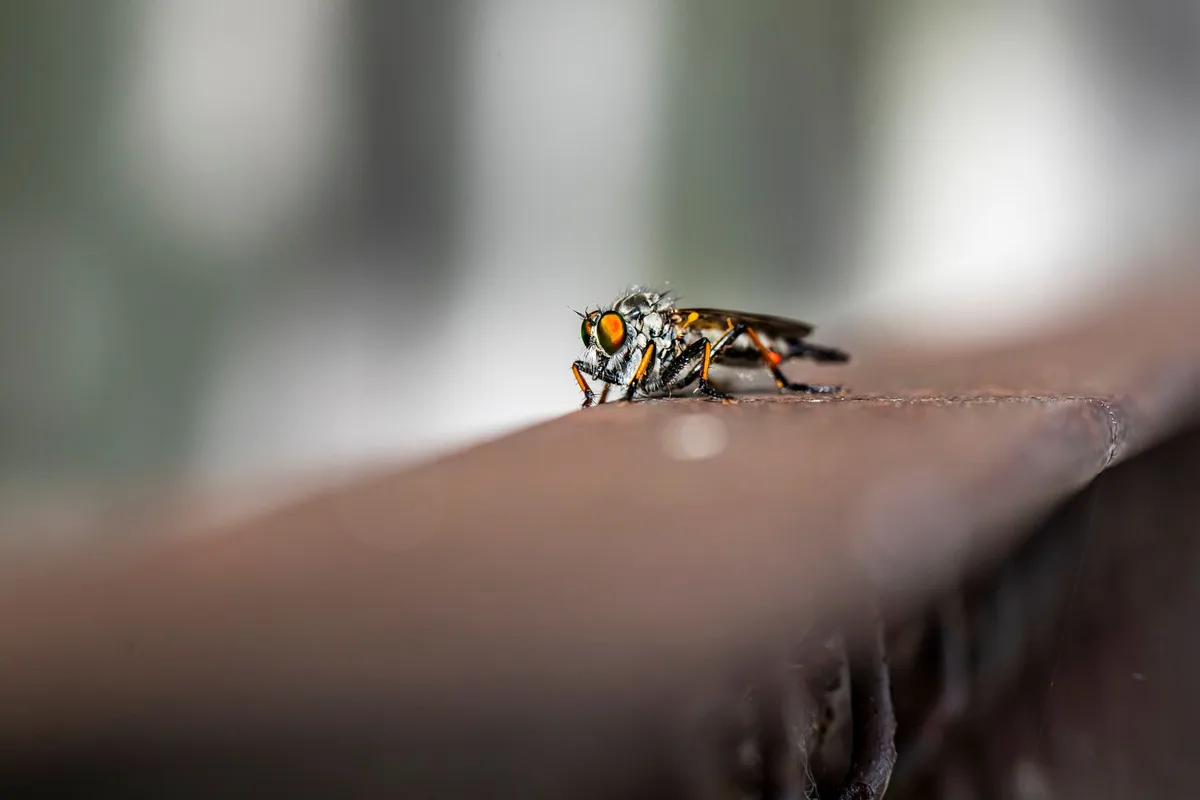
Walk into any hardware store in summer and you'll see them. Bug zappers with purple lights. Sonic repellent devices.
CO2 traps that cost hundreds of dollars. The marketing is convincing. The science is not.
Bug zappers are the worst offender. Research from the University of Delaware found that over 99% of the insects killed by bug zappers are not mosquitoes. They're moths, beetles, midges, and beneficial pollinators.
For every mosquito you kill, you're killing hundreds of harmless insects that birds and bats rely on for food.
Sonic devices are even worse. They claim to emit frequencies that repel mosquitoes. Multiple controlled studies have shown zero effect.
The Federal Trade Commission has issued fines against manufacturers for deceptive advertising. If you own one, unplug it. It's doing nothing.
What about CO2 traps
CO2 traps are different. They work by mimicking human breath. They release carbon dioxide, heat, and a chemical attractant.
Mosquitoes fly toward the source and get trapped or sucked in.
These traps can reduce mosquito populations in a targeted area. But they have real limitations. They're expensive, typically $200 to $500.
They require regular maintenance. And they can actually attract more mosquitoes to your yard if placed incorrectly.
If you use a CO2 trap, place it at the perimeter of your property, not near your patio. You want to draw mosquitoes away from where you sit, not toward it. Change the attractant regularly.
Clean the trap weekly. Expect to see results over weeks, not overnight.
For most homeowners, the money is better spent on source reduction. Dump standing water. Clean gutters.
Use Bti dunks. Those steps cost less than $50 and eliminate far more mosquitoes than any trap.
Mistake #7: Stopping Too Early or Starting Too Late in the Season
Mosquito season doesn't start when you see the first mosquito. It starts when temperatures stay consistently above 50°F at night. That's when eggs start hatching.
That's when larvae start developing.
Most people wait until they're getting bitten to start control. By then, the population is already established. You're playing catch-up all summer.
When to start
Start your mosquito control routine in early spring. As soon as nighttime temperatures hit 50°F, do your first yard inspection. Clean gutters.
Dump standing water. Apply Bti dunks to any water features or rain barrels.
If you use a yard spray, start applications in late spring. Spray every three to four weeks through the summer. Consistency matters more than product choice.
When to stop
Don't stop at the first cold snap. Mosquitoes don't disappear the moment temperatures drop. They slow down.
They seek shelter. But they can remain active well into fall.
Continue your routine until nighttime temperatures consistently fall below 50°F. In many regions, that means spraying into October or even November. Stop too early and you'll get a late-season surge when you're least expecting it.
One more thing. Some species lay eggs that survive winter. Those eggs hatch in spring when temperatures warm up.
If you had mosquitoes last year, you'll have them again this year unless you break the cycle. That means treating standing water in early spring before those eggs have a chance to develop.
How to Actually Fix Your Mosquito Problem: A Simple Step-by-Step Approach
Let's pull all of this together into a plan you can follow. No gimmicks. No expensive equipment.
Just proven steps that work.
Step 1: Eliminate breeding sites
Walk your property every week from spring through fall. Look for anything that holds water. Dump it, drain it, or treat it.
This single step eliminates 90% of mosquito problems.
Step 2: Treat water you can't dump
For birdbaths, rain barrels, and ornamental ponds, use Bti dunks. Drop one in every 30 days. It kills larvae without harming pets, fish, or plants.
Step 3: Create a barrier
If you want to spray, do it at dusk. Focus on shaded areas, under decks, along fence lines, and dense shrubbery. Avoid flowering plants.
Use a targeted spray, not a broadcast fogger.
Step 4: Protect yourself
Use EPA-registered repellents. Apply them correctly. Cover all exposed skin.
Treat clothing with permethrin if you spend extended time outdoors.
Step 5: Maintain your defenses
Keep gutters clean. Repair torn window screens. Seal gaps around doors and windows.
Mosquitoes are weak fliers. If you keep them out of your house, you've already won half the battle.
For your lawn and garden areas, using the right fungicide for lawns can help keep grass healthy and reduce the damp, shaded spots where mosquitoes rest during the day.
When to Call a Professional (And When DIY Is Fine)
Most mosquito problems are DIY-solvable. If you have a typical suburban yard with a few breeding sites, the steps above will handle it. You don't need a professional.
But there are situations where calling a pro makes sense.
When to call a pro
You have a large property with multiple acres. Spraying that much area yourself is time-consuming and expensive. Professionals have commercial-grade equipment that covers more ground with less product.
You live near a wetland, pond, or marsh. If your property borders a permanent water source, you're fighting a constant influx of mosquitoes. Professionals can apply larvicides to the water and create a perimeter barrier that's hard to maintain yourself.
You have a serious infestation that doesn't respond to DIY methods. If you've eliminated breeding sites, treated standing water, and sprayed consistently but still have heavy mosquito activity, there may be hidden breeding sites you're missing. A professional inspection can find them.
You're dealing with a disease outbreak in your area. If your local health department reports cases of West Nile, Eastern Equine Encephalitis, or dengue, it's worth bringing in a professional for targeted treatment.
When DIY is fine
Most single-family homes with standard yards. If you have a quarter-acre lot with a few flower beds and a patio, you can handle this yourself. The cost is lower.
The results are comparable.
Renters and small properties. If you're renting or have a small yard, professional treatment is overkill. Focus on source reduction and personal protection.
People who want to avoid chemicals. If you prefer a minimal-chemical approach, DIY gives you control over what gets applied and where. Bti dunks, source reduction, and proper repellents are all you need for most situations.
Safety First: Protecting Your Family, Pets, and Local Pollinators
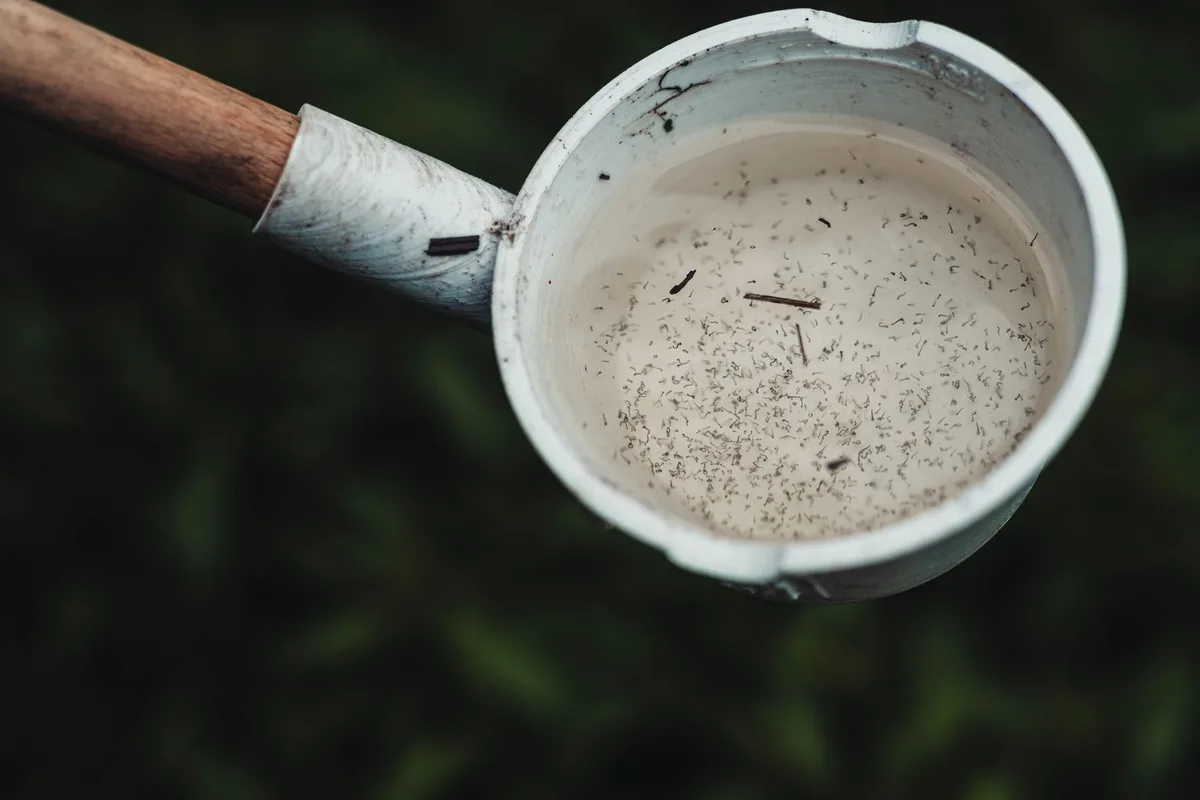
Mosquito control doesn't have to mean chemical warfare. You can reduce mosquito populations without harming your family, your pets, or the bees that keep your garden alive.
Safe practices for spraying
Read the label. Every EPA-registered insecticide has a label with specific instructions. Follow them.
The label isn't a suggestion. It's the law.
Don't spray flowering plants. Bees visit flowers during the day. If you spray them, you kill bees.
Spray at dusk when bees are in their hives.
Keep children and pets indoors during spraying. Wait until the spray dries before letting them back outside. Most products are safe once dry, but wet spray can cause skin irritation.
Store chemicals properly. Keep them in their original containers. Store them out of reach of children and pets.
Dispose of empty containers according to local regulations.
Safe alternatives
Bti dunks are the safest option for water treatment. They're a bacteria that only affects mosquito and gnat larvae. They're safe for fish, birds, pets, and humans.
You can drop them in a birdbath and let your dog drink from it without concern.
For personal protection, Picaridin is a good alternative to DEET. It's odorless, non-greasy, and doesn't damage plastics or synthetic fabrics. It's effective against mosquitoes and ticks.
The CDC recommends it as a first-line option.
Oil of lemon eucalyptus is the only plant-based repellent the CDC recommends. It's effective for about two hours. Don't use it on children under three years old.
Protecting pollinators
If you have flowering plants in your yard, you have bees. That's a good thing. Bees pollinate your garden.
They're essential for fruit and vegetable production.
To protect them, never spray open flowers. If you must treat an area near flowers, use a targeted spray on the undersides of leaves. Better yet, use Bti for water treatment and skip the spraying altogether.
Consider adding pollinator-friendly plants to your yard. The best plants for hummingbirds also attract bees and butterflies. A healthy ecosystem naturally balances pest populations.
The Bottom Line: What Actually Matters for Long-Term Mosquito Control
Here's the truth. Mosquito control isn't complicated. It's just consistent.
The people who succeed are the ones who treat it like a routine, not a reaction.
Focus on source reduction first. That's where the real leverage is. Every container of standing water you eliminate is hundreds of mosquitoes that never hatch.
No spray, no trap, no gimmick can match that.
Use targeted treatments for the rest. Bti dunks for water you can't dump. EPA-registered repellents for your skin.
Permethrin for your clothing. Spray only when and where it matters.
Skip the noise. Bug zappers, sonic devices, citronella candles, and mosquito-repelling plants are distractions. They make you feel like you're doing something without actually solving the problem.
Frequently Asked Questions
What is the most effective mosquito control method?
Source reduction is the most effective method. Eliminating standing water where mosquitoes breed stops them before they become adults. This costs nothing and works better than any spray or trap on the market.
How often should I spray for mosquitoes?
Spray every three to four weeks during mosquito season. Apply at dusk when mosquitoes are most active. Focus on shaded areas and dense vegetation.
Avoid spraying flowering plants to protect pollinators.
Do mosquito traps really work?
CO2 traps can reduce local populations when placed correctly at the property perimeter. Bug zappers and sonic devices do not work for mosquito control. Most traps kill far more beneficial insects than mosquitoes.
What repellent does the CDC recommend?
The CDC recommends DEET, Picaridin, IR3535, and oil of lemon eucalyptus. For most adults, 20% to 30% DEET or 20% Picaridin provides all-day protection. Oil of lemon eucalyptus works for about two hours.
Can I use mosquito control around pets?
Yes, with caution. Bti dunks are safe around pets. Avoid spraying pets directly with insect repellent.
Use pet-specific products for flea and tick control. Keep pets indoors during yard spraying and wait for the spray to dry.