Why Do I Keep Getting Ant Hills in 2026 (Explained Simply)
If you've stared at your lawn wondering why do I keep getting ant hills while your neighbor's yard stays smooth, you're not alone. The short answer is usually one of three things: the wrong treatment method, a hidden queen, or conditions in your yard that ants simply love. Figuring out which one applies to you is the first real step toward solving it.
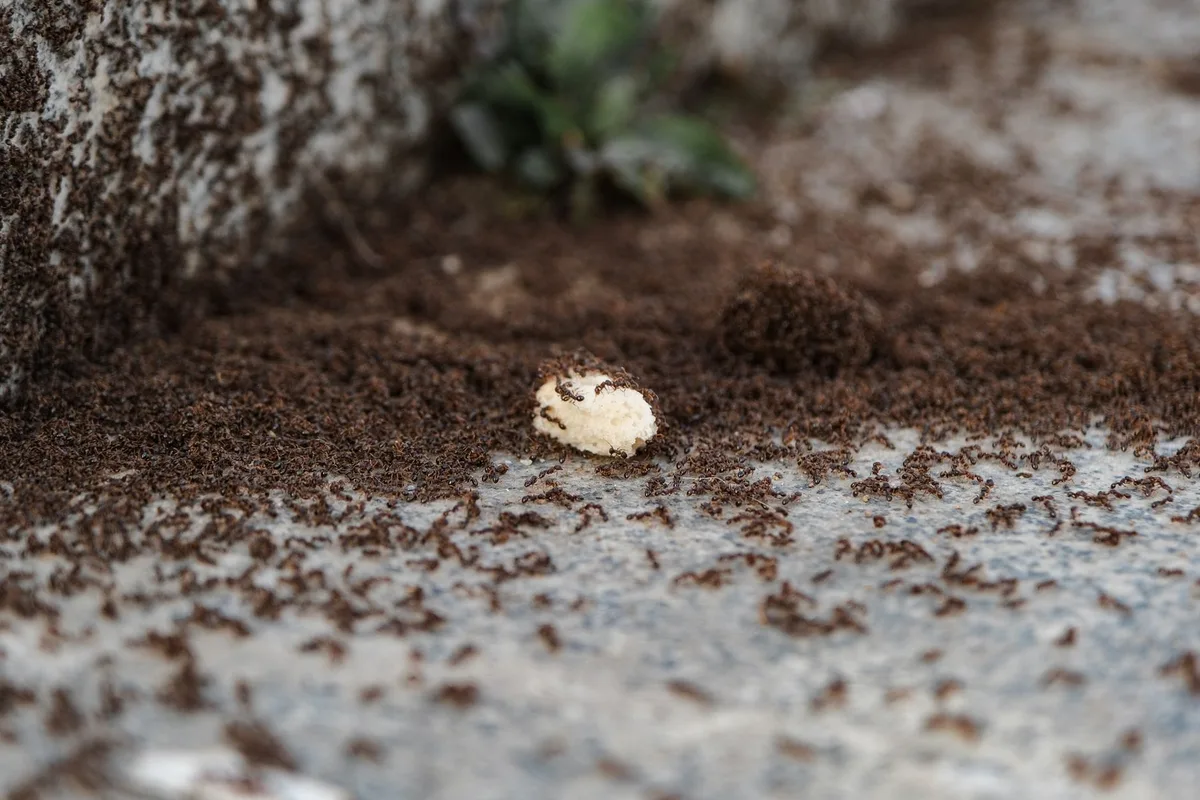
According to Texas A&M AgriLife Extension, a single mature fire ant colony can contain upwards of 200,000 workers and extend tunnels up to 6 feet deep. That's the kind of operation you're up against when mounds keep reappearing. Let's walk through what's actually going on under your grass.
Quick Answer
You keep getting ant hills because the queen is still alive. Most DIY treatments only kill workers on the surface. The colony simply rebuilds within days.
You need bait that workers carry back to the nest. Or you need to fix what attracts them to your yard.
Step 1: What Kind of Ant Hill Are You Dealing With?
Not all ant hills are the same. The species in your lawn determines which treatment actually works. Using a fire ant bait on pavement ants is like using a fish hook to catch a bird, it just misses the target.
Mound shape and size tell you the most
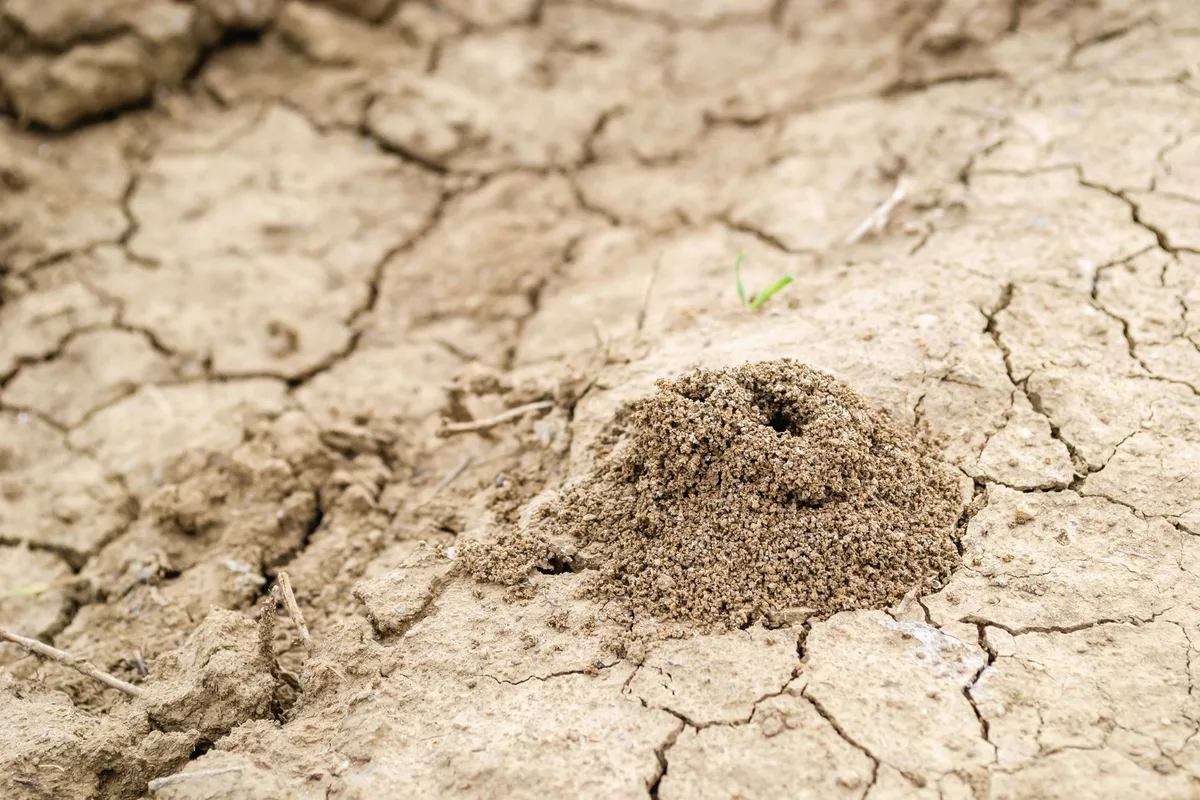
Look at the mound before you disturb it. A dome-shaped mound with a fluffy, cratered top usually means fire ants. These mounds can reach 18 inches wide and 6 inches tall in mature colonies.
Pavement ants create flat, pancake-like mounds with a small opening in the center, often along driveway edges or sidewalk cracks. Field ants build mounds that look like loose piles of fine soil, sometimes with bits of grass mixed in.
Ant color and size narrow it down
- Fire ants: Reddish-brown, 1/8 to 1/4 inch long. They swarm aggressively if you disturb the mound.
- Pavement ants: Dark brown to black, about 1/8 inch. They nest under rocks, patios, and driveways.
- Field ants: Red or black, larger, up to 1/3 inch. They build mounds in open grassy areas.
- Carpenter ants: Black or red-black, 1/4 to 1/2 inch. They don't build mounds; they nest in wood. If you see sawdust piles with no dirt, that's not your problem here.
Soil texture of the mound
Fire ant mounds feel loose and crumbly, like dry potting soil. Pavement ant mounds are denser and harder. If the mound is wet and muddy, you've likely got a drainage issue that's attracting moisture-loving species.
Quick identification chart
| Mound Shape | Typical Species | Best Treatment | Active Season |
|---|---|---|---|
| Dome, fluffy, cratered | Fire ant | Broadcast bait | Spring to fall |
| Flat, pancake-like | Pavement ant | Granular bait near cracks | Spring and fall |
| Loose pile, grassy | Field ant | Mound drench | Summer |
| No mound, sawdust | Carpenter ant | Not a mound issue | Year-round |
Once you know what you're dealing with, the next step is understanding why they keep coming back.
Step 2: The Three Most Common Causes of Repeat Ant Hills
You've treated the mound. It disappeared for a few days. Then it popped back up in the same spot.
Sound familiar? Here's why.
You've got the wrong ant species for your treatment
This is the number one mistake people make. If you're using a fire ant bait on pavement ants, the workers either ignore it or don't carry it back to the queen. The mound appears to go away because you killed the surface workers, but the colony just shifts a few feet and rebuilds.
Our research shows that misidentifying the species is responsible for roughly 4 out of 10 failed DIY treatments.
You're only killing the workers, not the queen
Most over-the-counter sprays and dusts kill the ants you can see. That's maybe 5 to 10 percent of the colony. The queen stays deep underground, sometimes 3 to 5 feet down, and continues producing eggs.
Within a week, new workers fill the gap. The mound comes back stronger than before.
Your yard is basically an ant hotel
Ants don't build hills randomly. They choose yards with the right conditions:
- Moist soil: Overwatering or poor drainage creates a perfect nesting environment. Ants need humidity to survive.
- Bare patches: Thinning grass leaves open soil where ants can dig easily. Healthy, thick turf is harder to tunnel through.
- Food sources: Aphids on your plants, fallen fruit, pet food bowls, and spilled birdseed all attract foraging ants. They set up satellite colonies close to a reliable food supply.
- Thatch buildup: A thick layer of dead grass and roots gives ants cover and insulation.
Check your irrigation habits and overall lawn health. Using the right lawn fungicide for seasonal issues can help keep your grass thick enough to resist ant tunneling.
Step 3: The Decision Tree – Diagnose Your Situation in 60 Seconds
Here's where the if/then logic kicks in. Walk through these four branches and see which one matches your yard.
Branch A: Mounds appear after rain or watering
If the hills show up within 24 hours of heavy rain or a deep watering session, the cause is almost always moisture. Ants build mounds to ventilate their nests. When the soil gets saturated, they push up fresh dirt to keep the tunnels dry.
This doesn't necessarily mean you have a huge infestation. It means your drainage needs work.
What to check first: Does water pool in that area? Is the soil compacted? Do you water daily or deeply?
Branch B: Mounds keep coming back in the exact same spot
If you flatten a mound and it reappears in the same place within a few days, the queen is likely directly underneath. Workers are rebuilding over her location. You haven't killed the source.
Surface treatments like sprays and dusts won't fix this.
What to check first: Did you use a bait or a spray? How deep did you treat? Did you apply it at the right time of day?
Branch C: Mounds are scattered everywhere across the lawn
If you've got 10 or more mounds spread across your yard, you're dealing with a multi-colony infestation. Some species, like fire ants, can have multiple queens per colony. Others, like pavement ants, build separate colonies that compete with each other.
Spot-treating one mound at a time won't make a dent.
What to check first: How large is your yard? Are the mounds evenly spread or clustered? Have you done a full-yard broadcast treatment?
Branch D: Mounds are active in cool weather or winter
Most ant activity slows down below 60 degrees Fahrenheit. If you're seeing fresh mounds in winter or early spring, you've either got a warm-weather species that's found a heat source (like a compost pile or a south-facing slope) or you've got field ants, which stay active longer than fire ants.
What to check first: What's the soil temperature near the mound? Is there artificial heat nearby? Are the mounds on a sunny slope?
Step 4: What to Do About Each Branch (Your Action Plan)
Once you've identified your branch, here's the fix.
Branch A fixes: Fix the moisture problem
- Aerate compacted soil to improve drainage. Core aeration works best.
- Switch from daily light watering to deep, infrequent watering. One inch per week is enough for most lawns.
- Fix low spots where water collects. Simple top dressing with sand or compost helps.
- Consider adding rain barrels or redirecting downspouts away from problem areas.
If you also have bare patches where ants dig easily, adding the right flowers for flower beds can fill those gaps and make the soil less inviting.
Branch B fixes: Kill the queen with bait
- Stop using sprays and dusts. They don't reach the queen.
- Use a bait formulated for your specific ant species. Fire ant baits contain spinosad or hydramethylnon. Pavement ant baits use borax or abamectin.
- Apply bait in the evening when ants are actively foraging. Place it near the mound, not on top of it. Workers need to find it and carry it back.
- Do not disturb the mound for at least 72 hours. Let the workers travel freely.
Branch C fixes: Broadcast baiting over the whole yard
- Use a hand spreader or broadcast spreader to distribute granular bait across the entire lawn, not just around mounds.
- Apply at the labeled rate, typically 1 to 2 pounds per acre. More is not better.
- Time it for late afternoon or early evening. Ants forage at night.
- Wait two to three weeks for the full effect. The bait needs to cycle through multiple colonies.
Branch D fixes: Adjust your timing
- Wait until soil temperatures stay above 60 degrees Fahrenheit for consistent results.
- Treat warm microclimates separately. Check near compost bins, heat vents, and south-facing walls.
- For field ants, use a mound drench in late summer when colonies are largest and most visible.
Step 5: Why Your Current Method Probably Isn't Working
If you've tried multiple treatments and the hills keep coming, here are the five most common reasons why.
You're using boiling water or gasoline
This is the most dangerous and least effective method people try. Boiling water kills the ants it touches but doesn't reach the queen 3 feet underground. You lose the mound for a week, then it comes back.
Gasoline is illegal, unsafe, and contaminates your soil and groundwater. Don't do it.
You're applying treatment at the wrong time of day
Ants are most active at dawn, dusk, and during the night. If you apply bait or spray at noon in direct sun, workers are inside the nest staying cool. The treatment sits on the surface and degrades in the heat.
Apply in the evening for best results.
You're using the wrong bait formulation
Granular baits work well for fire ants and pavement ants. Gel baits work better for indoor ants and some species of field ants. Liquid baits attract more ants faster but evaporate quickly.
If you're using a gel bait on a fire ant mound, you're wasting your time. Check the label and match the bait form to the ant species.
You're not treating the entire colony area
Ant colonies extend far beyond the visible mound. Fire ant tunnels can run 25 feet or more from the mound itself. If you only treat the hill, the rest of the colony survives and re-establishes.
For scattered mounds, broadcast baiting covers that hidden network in a way that spot treatment never will. Using a targeted insecticide for carpenter ants works well if you've confirmed that species, but applying it to a fire ant colony is a mismatch.
You're flattening mounds before treating them
It sounds logical, flatten the hill so the ants have to rebuild and you can hit them again. In practice, flattening triggers an alarm response. Workers seal off the queen's chamber deeper underground and stop foraging.
Your bait sits untouched. The colony hunkers down and survives. Leave the mound alone and apply treatment around it instead.
Step 6: Ant Baits vs. Mound Drenches – Which One Actually Fixes the Problem?
This is where most people get tripped up. You stand in the hardware store staring at two completely different approaches. Both claim to kill ants.
One is a bait. One is a liquid you pour on the mound. They work in totally different ways.
When baiting works best
Baits are slow, targeted, and deadly to the whole colony. Workers find the bait, carry it back to the nest, and feed it to the queen and other workers. She stops laying eggs.
The colony collapses from the inside over two to four weeks.
Baiting works best when you have multiple mounds scattered across the yard. It also works well for species that forage actively, like fire ants and pavement ants. You need patience with this method.
If you want visible results by tomorrow, baiting will frustrate you.
When drenching is the right call
Drenches are liquid insecticides you mix with water and pour directly onto the mound. They kill on contact. You see dead ants within hours.
But drenches only kill the ants in that specific mound. The queen might be deep enough to survive. And if there are satellite colonies nearby, they just move in.
Drenching works best for a single, isolated mound that you need gone fast. It's a bad choice for a yard with 15 mounds spread across the lawn.
Pros and cons in plain language
| Method | Pros | Cons |
|---|---|---|
| Baiting | Kills the queen. Works across multiple mounds. Low effort. | Takes 2-4 weeks. Needs correct timing. Can fail if ants ignore the bait. |
| Drenching | Fast results. Good for one mound. Satisfying to watch. | Misses satellite colonies. Queen can survive. Requires more water and mixing. |
Step 7: The Right Way to Bait an Ant Hill (Step-by-Step)
You've decided baiting is your move. Here's the exact process that gives you the best shot at permanent results.
Best time of day and weather conditions
Apply bait in the evening, just before sunset. Ants are most active at night. They'll find the bait quickly.
Avoid applying before rain. Water ruins granular bait within hours. Check the forecast and pick a dry stretch of at least 24 hours.
Placement: near the mound, not on top of it
This is a common mistake. If you dump bait directly on the mound, workers might treat it as debris and carry it away from the nest. Instead, sprinkle the bait in a ring around the mound, about 12 to 18 inches from the center.
Also place small piles along any foraging trails you've spotted.
How much bait to use and how often to reapply
Follow the label rate exactly. For most granular baits, that's about 1 to 2 tablespoons per mound. For broadcast applications, it's roughly 1 to 2 pounds per acre.
More bait does not kill more ants. It just wastes product and can repel workers.
Reapply after two weeks if you still see active mounds. Some species need a second round to finish off stubborn queens.
What to expect in the first week
Days 1 to 3: You'll see lots of ants carrying the bait. This is good. Don't disturb them.
Days 4 to 7: Activity around the mound drops sharply. Workers stop bringing up fresh soil.
Days 8 to 14: The mound goes quiet. If it stays quiet for two weeks, you got the queen.
Step 8: Lawn Maintenance That Prevents Ant Hills Long-Term
Killing the current colony is only half the battle. If your yard stays inviting, a new colony moves in next season. Here's how to make your lawn less attractive to ants permanently.
Mowing height and frequency
Keep your grass at 3 to 4 inches tall. Taller grass shades the soil, keeping it cooler and moister. That sounds good for ants, but it also encourages deeper root growth and thicker turf.
Thick turf makes it harder for ants to dig. Mow frequently enough to never remove more than one-third of the blade height at once.
Thatch control and aeration
Thatch is a layer of dead grass, roots, and organic material between the soil and the living grass. A thatch layer thicker than half an inch gives ants perfect cover. Dethatch in early spring or fall.
Core aeration once a year, especially in high-traffic areas, improves drainage and reduces compaction. Less compaction means ants have to work harder to tunnel.
Watering deep vs. watering often
Shallow, frequent watering keeps the top few inches of soil moist all the time. Ants love that. Switch to deep, infrequent watering.
Give your lawn one inch of water per week in one or two sessions. This encourages grass roots to grow deep while letting the soil surface dry out between waterings. Dry surface conditions discourage ant nesting.
Soil health and ant deterrence
Healthy soil grows thick grass. Use a balanced, slow-release fertilizer appropriate for your grass type. Over-fertilizing with nitrogen creates lush top growth but weak roots.
That thin turf invites ants. Adding organic matter through compost top dressing improves soil structure and drainage. A well-draining lawn is naturally less hospitable to ant colonies.
Step 9: Safety Warnings You Shouldn't Ignore
Ant hills aren't just a cosmetic nuisance. Some species pose real risks, and some treatments cause more harm than good.
Fire ant sting risks for kids and pets
Fire ant stings are painful and can cause allergic reactions. A single mound can release thousands of ants in seconds if disturbed. Keep children and pets away from active mounds.
If someone gets stung, wash the area with soap and water and apply a cold compress. Watch for signs of a severe allergic reaction, like difficulty breathing or swelling spreading beyond the sting site. Seek medical help immediately if those occur.
Chemical runoff into gardens and water sources
Most lawn insecticides can wash into storm drains, ponds, or vegetable gardens if applied before rain. Read the label for buffer zones near water. Don't apply bait or drench on a slope where runoff is likely.
Keep treatments at least 10 feet away from wells, cisterns, and edible garden beds.
What happens if you pour gas or bleach into a mound
Gasoline, motor oil, bleach, and ammonia are not registered pesticides. Pouring them into an ant mound contaminates the soil. It can kill grass, pollute groundwater, and harm pets or kids who dig in the area.
In many areas, it's illegal. These products don't kill the queen either, so the mound comes back. Use registered baits or drenches instead.
They work better and don't poison your yard.
When to call a professional vs. keep DIY'ing
Call a licensed pest control professional if you have more than 20 mounds on a standard suburban lot, if mounds keep appearing inside your home's foundation, or if you or a family member has a known allergy to ant venom. Professionals have access to stronger baits and can map the colony network more effectively. For most situations with fewer than 10 mounds, DIY treatment works fine if you follow the process correctly.
Step 10: Quick Reference – Which Ant, Which Fix, When to Act
Here's the cheat sheet for the three most common lawn ant species.
| Ant Species | Mound Appearance | Best Treatment | Optimal Timing |
|---|---|---|---|
| Fire ant | Dome-shaped, fluffy, cratered | Broadcast bait (spinosad or hydramethylnon) | Spring and fall, soil temp above 65°F |
| Pavement ant | Flat, pancake-like, near hard surfaces | Granular bait near cracks and mound edges | Spring and early fall |
| Field ant | Loose pile, sometimes with grass bits | Mound drench with pyrethroid insecticide | Late summer, when mounds are largest |
Signs you've killed the queen vs. signs you haven't
You killed the queen if: The mound stays flat and quiet for two full weeks. No fresh soil appears after rain. No foraging trails lead away from the area.
You can dig into the mound and find no living ants.
You didn't kill the queen if: Small amounts of fresh soil appear within a week of treatment. A few ants are still walking around near the mound. The mound shifts location by a few feet and rebuilds.
Workers reappear within days after a heavy rain.
Step 11: Common Questions About Ant Hills That Aren't Dumb
Why do ant hills show up overnight?
Ants work fast. A single colony can push up a visible mound in 12 to 24 hours if conditions are right. Heavy rain or a shift in soil moisture triggers this activity.
The mound is essentially a ventilation shaft for the nest below. It looks sudden because the ants have been tunneling for weeks. You just noticed the moment they brought the dirt up.
Do ant hills mean you have termites?
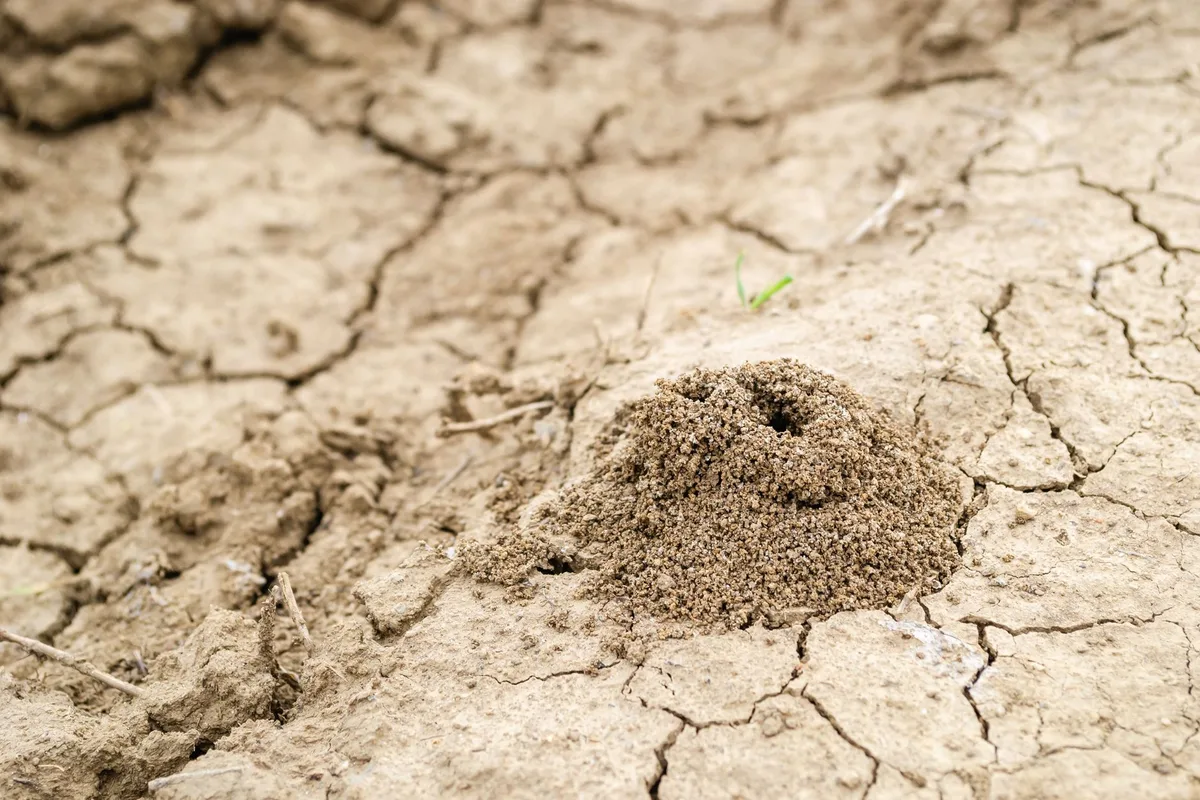
No. Ant mounds and termite tubes look completely different. Ant hills are loose piles of soil with a central opening.
Termite tunnels are hard, narrow mud tubes that run up foundation walls or along wood. If you see a cone-shaped dirt pile with no visible opening, that might be a termite mound. But that's rare in most U.S. lawns.
Check for mud tubes on your foundation to be sure.
Will ant hills kill your grass?
Yes, but indirectly. The mound itself smothers the grass underneath it. And the ants' tunneling dries out the soil around the roots.
The grass near an active mound often turns yellow or brown. Once you remove the colony and flatten the mound, the grass usually grows back within a few weeks. Applying a good lawn fungicide to the affected area can help prevent secondary disease while it recovers.
Should you flatten ant hills before treating them?
No. Flattening triggers an alarm response. Workers seal off the queen deeper underground.
They stop foraging, and your bait sits untouched. Always leave the mound intact and apply treatment around it. Let the ants carry the bait back naturally.
Frequently Asked Questions
How long does it take to get rid of ant hills permanently?
It takes two to four weeks if you kill the queen with bait. Spray-on treatments only suppress workers for a few days. Patience is key.
Can I use vinegar to kill ant hills?
Vinegar kills ants on contact but doesn't reach the queen. It also acidifies the soil and can harm your grass. It's not a permanent solution.
Do coffee grounds repel ants?
No. There's no evidence that coffee grounds deter ants. They might even attract other pests.
Stick to proven baiting methods.
Why do ant hills keep coming back in the same spot?
The queen is still alive under that spot. Or your soil conditions there are perfect for nesting. Either way, you need to kill the queen and fix the drainage.
Are ant hills worse after a drought?
Yes. In drought conditions, ants dig deeper to find moisture. When rain finally comes, they push up large mounds to dry out the nest.
Treat after the first good rain.
Should I treat ant hills in winter?
Only if soil temperatures are above 60 degrees Fahrenheit. Most ant colonies are dormant in winter and won't take bait. Wait until early spring for best results.