How Natural Ways to Kill Grubs in 2026 (Step-by-Step Guide)
If you've spotted brown patches spreading across your lawn or noticed skunks digging up the turf at night, there's a good chance you're dealing with grubs. Natural ways to kill grubs exist, but the right choice depends on your exact situation. The method that works for a spring infestation won't help come August.
Research from university turfgrass programs shows that a healthy lawn can tolerate up to 10 grubs per square foot before visible damage sets in. Beyond that threshold, you need to act. Let's start by figuring out what you're actually dealing with.

Quick Answer
Beneficial nematodes kill grubs within days. Milky spore builds long-term soil defense. Neem oil disrupts feeding but works best on small infestations.
Bacillus thuringiensis targets grubs without harming beneficial insects. Choose based on timing, grub size, and soil temperature.
The "Wait, What's Tearing Up My Lawn?" Problem
Grubs are the larval stage of beetles like Japanese beetles, European chafers, and June bugs. They feed on grassroots, causing brown patches that peel back like carpet. Wildlife digging for grubs makes the mess worse.
Most homeowners reach for chemical pesticides first. But those kill beneficial soil life and can harm pets, kids, and pollinators. Natural methods work differently.
They target the grub without nuking your lawn ecosystem.
The decision isn't about natural versus chemical. It's about matching the right natural method to your specific timing and grub species. That's what we'll walk through here.
Good lawn health starts with understanding what's below the surface.
How Natural Grub Killers Actually Work (Without Nuking Your Soil)
Beneficial nematodes are microscopic roundworms that enter grubs through natural openings. They release bacteria that kill the grub within days. Milky spore is a bacterium that infects grubs as they feed, killing them and releasing more spores into the soil.
Neem oil contains azadirachtin, which disrupts feeding and molting. It repels adult beetles too. Bacillus thuringiensis galleriae produces a protein that damages the grub's gut lining, stopping feeding immediately.
Each method targets different grub stages. Nematodes work best on small, young grubs. Milky spore kills all sizes but needs years to establish.
Bt works on early instars. Neem oil works as a preventative more than a cure. Using an organic fertilizer strategy helps build soil that resists grub damage naturally.
Step 1: Confirm It's Grubs — and How Many You're Dealing With
Dig up a square foot of sod about 3 inches deep. Count the grubs you find. Fewer than 5?
Your lawn can handle them. Between 5 and 10? Watch for damage.
More than 10? Time to treat.
Brown patches that lift easily from the soil are a classic sign. Spongy turf that feels loose underfoot also points to grubs. Skunks, raccoons, or birds digging at night confirm the problem.
Don't skip this step. Treating when you don't have a real infestation wastes money and disrupts beneficial organisms. Use a soil thermometer to check temperature while you're at it.
Slow release fertilizer supports grass recovery after grub damage.
Step 2: Identify Which Grub Species You Have (Timing Depends on This)
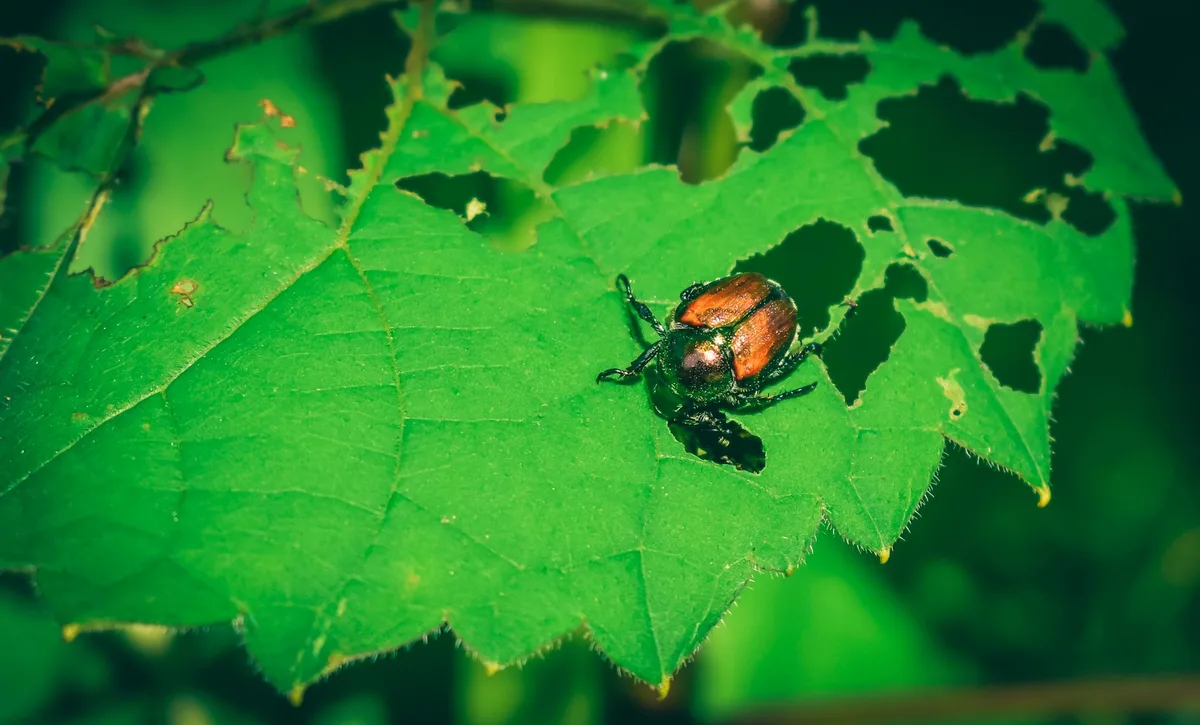
Japanese beetle grubs have a V-shaped pattern of bristles on their rear end. European chafer grubs have a different raster pattern. June beetle grubs are larger and more active.
Why does species matter? Each has a different life cycle. Japanese beetles lay eggs in July.
Grubs feed in late summer and again in spring. European chafers lay eggs earlier, and grubs feed into fall. June beetles have a multi-year cycle.
If you apply nematodes in May for a species that doesn't hatch until July, you'll miss the window. Check your state's extension service website for local timing charts. Grub species vary by region.
A good insect control plan starts with proper identification.
Step 3: Check Soil Temperature and Moisture — This Makes or Breaks Every Method
Nematodes need soil temperatures between 50°F and 85°F. They also require moist soil to move. Dry soil kills them within minutes.
Milky spore activates above 65°F and needs consistent moisture for spore release.
Use a soil thermometer at 2 inches deep. If the soil is too cold or too dry, wait. Water the lawn thoroughly the day before applying any natural treatment.
This is where most natural treatments fail. People apply nematodes in July heat or milky spore in cold spring soil. The product itself is fine.
The conditions just aren't right. Pairing treatments with proper soil nutrition gives grass the strength to outcompete grub damage.
The Decision Tree: Which Natural Method Is Right for Your Situation Right Now

This is where the conditions you checked in Steps 1 through 3 start to matter. Each natural method works best under a specific set of circumstances. Here is how to match your situation to the right treatment.
Branch A: You caught it early (late spring, small grubs, under 10 per sq ft)
You have time. The grubs are young and feeding near the surface. Beneficial nematodes are your best bet here.
Apply them when the soil temperature is consistently above 50°F and the soil is moist.
Water the lawn before and after application. The nematodes need a film of water to move through the soil. You should see results within 7 to 10 days.
Bacillus thuringiensis galleriae is a good backup if nematodes are hard to find in your area.
Branch B: You're dealing with a heavy infestation now (August–September, large grubs, brown patches)
The grubs are big and hungry. They have already done visible damage. Nematodes still work, but you need the aggressive species.
Look for Heterorhabditis bacteriophora on the label. It hunts larger grubs more effectively than Steinernema species.
Apply in the evening to avoid heat stress on the nematodes. Water deeply before and after. You may need a second application 10 to 14 days later.
Do not expect overnight results. The lawn will need time to recover. Good slow release fertilizer will support root regrowth after the grubs are gone.
Branch C: You want a one-time, long-term solution and can wait 1 to 3 years
Milky spore is your play. It takes time to establish in the soil. Once it does, it persists for a decade or more.
It works best against Japanese beetle grubs. It is less effective on European chafers and other species.
Apply milky spore powder or granules in late summer or early fall. The soil must be above 65°F. Water it in well.
You will not see full control for two or three seasons. Combine it with proper soil nutrition to keep the grass healthy while the spore builds up.
Branch D: You need something safe for pets and kids that works this season
Nematodes and Bt are your safest options. Both are nontoxic to mammals and birds. They target grubs specifically and leave beneficial insects alone.
Neem oil is also safe but requires careful timing.
Apply nematodes or Bt in the spring or late summer depending on your grub species. Follow the label rates exactly. More is not better.
Overapplication wastes money and does not speed up results. Water the treatment in immediately to move it into the root zone.
Nematodes vs. Milky Spore vs. Neem Oil vs. Bt — Side-by-Side Comparison

This table shows how each method stacks up across the factors that matter most.
| Method | Speed of results | Duration in soil | Best grub size | Soil temp needed | Cost per 1,000 sq ft |
|---|---|---|---|---|---|
| Beneficial nematodes | 3 to 7 days | 2 to 4 weeks | Small (1st to 2nd instar) | 50°F to 85°F | $8 to $15 |
| Milky spore | 1 to 3 weeks (per generation) | 10+ years | All sizes | Above 65°F | $20 to $40 |
| Neem oil | 3 to 5 days (suppression) | 3 to 5 days | Small to medium | Above 60°F | $5 to $10 |
| Bt galleriae | 2 to 4 days | 3 to 7 days | Small (1st to 2nd instar) | 55°F to 85°F | $10 to $18 |
Nematodes are the fastest option for a single season. Milky spore is the investment play. Neem oil works as a deterrent but not a killer.
Bt is a solid middle ground with low environmental impact.
Choose based on your timeline and infestation severity. If you have multiple grub species, nematodes offer the broadest control. If you only have Japanese beetles, milky spore is worth the wait.
Common Mistakes That Kill Natural Treatments (Before They Work)
The biggest mistake is timing. Applying nematodes in dry soil is like putting fish on a sidewalk. They die before they can work.
Always water before and after application.
Another common error is using expired nematodes. They have a short shelf life. Check the expiration date on the package.
Store them in the refrigerator until you are ready to use them. Do not leave them in a hot car or direct sunlight.
Skipping the identification step is another trap. Using milky spore on European chafers wastes money and time. Using neem oil on large grubs in August does nothing because they are too big to be affected.
Overapplication is not helpful either. Natural treatments are biological. They do not work like chemical pesticides where more is better.
Follow the label rates exactly. An insecticide for specific pests shows the same principle: targeted application beats blanket treatment.
Not watering after application is the silent killer. Even if you water before, the soil surface dries quickly. A half inch of water immediately after application keeps the treatment alive and moving.
What This Actually Costs — Nematodes, Milky Spore, and Bt Price Ranges
Natural treatments cost more upfront than chemical options. But they do not harm soil health or beneficial organisms. Here is what you can expect to pay as of 2026.
For nematodes, a package covering 2,000 square feet runs $15 to $30. That covers one application. You may need a second application for heavy infestations.
Milky spore costs $20 to $40 per 1,000 square feet. One application lasts a decade. The cost per year is lower than any other method.
But you have to wait for results.
Bt galleriae products cost $10 to $18 per 1,000 square feet. Neem oil concentrate costs $5 to $10. Dilute it according to the label.
A bottle goes a long way.
Do not forget the cost of water. You will need to irrigate before and after application. If you have a well, this is minimal.
If you pay for municipal water, factor it in.
Application tools add cost if you do not already own them. A hose-end sprayer for nematodes costs $10 to $25. A drop spreader for milky spore granules costs $30 to $60.
These are one-time purchases that work for many lawn care tasks. A good lawn care routine pays for itself in avoided damage.
Safety First: Protecting Pets, Kids, Bees, and Your Water
Natural does not mean zero caution. Beneficial nematodes and Bt are safe for mammals and birds. They target specific insects and do not affect earthworms or pollinators.
Keep pets and kids off the lawn until the treatment is watered in. After that, it is safe.
Milky spore is also safe. It only affects grubs. It does not harm bees, birds, or pets.
The powder can irritate lungs if inhaled. Wear a dust mask when applying granular forms.
Neem oil requires more care. It can harm bees if applied while they are active. Apply it early in the morning or late in the evening when bees are not foraging.
Do not spray it on flowering plants or open blooms.
Avoid runoff into storm drains, ponds, or streams. Natural treatments are generally low risk for water contamination, but it is good practice to keep them on your lawn. Watering in after application helps them soak into the soil where they belong.
Store all treatments out of reach of children and pets. Even natural products should not be ingested. Follow the label storage instructions for shelf life and temperature.
Good indoor plant pest control practices apply here too: read the label, follow the directions, keep things safe.
Long-Term Lawn Health — Building Grub Resistance Over Time
A thick, healthy lawn is the best defense against grubs. Grubs struggle to feed on deep, robust root systems. They also have a harder time moving through dense grass.
Water deeply but less often. Shallow watering encourages shallow roots. Strong roots need to grow deep into the soil.
Your lawn will tolerate more grub pressure if the roots are established.
Mow at the right height. Keep your grass at 3 to 4 inches during the growing season. Taller grass shades the soil.
It keeps the ground cooler and reduces moisture loss. It also discourages adult beetles from laying eggs.
Aerate your lawn once a year. Core aeration relieves soil compaction. It allows water, air, and nutrients to reach the root zone.
It also helps beneficial nematodes move through the soil.
Overseed thin areas with a strong turfgrass variety. Choose a blend suited to your region and sun exposure. A slow release fertilizer applied in spring and fall supports steady root growth without promoting thatch.
Real Scenarios: Walk Through Three Common Grub Problems
Scenario A: You spot small brown patches in June
You dig up a square foot and find 8 small grubs. They are about half an inch long. Soil temperature is 62°F.
You have a Japanese beetle infestation in the early stage.
Apply beneficial nematodes with Heterorhabditis bacteriophora. Water the lawn thoroughly before application. Mix the nematodes with cool water and apply with a hose-end sprayer.
Water again with half an inch of water. Check after 10 days. The grubs should be gone.
Overseed the patches and apply proper soil nutrition to help recovery.
Scenario B: You find large grubs and severe lawn damage in late August
The damage is spread across several areas. You count 15 grubs per square foot. They are over an inch long.
Soil temperature is 78°F. This is a heavy infestation that needs immediate action.
Apply Heterorhabditis bacteriophora nematodes in the evening. Water deeply before and after. Plan a second application in 14 days.
Do not expect the lawn to bounce back this season. Focus on killing the grubs now and rebuilding the lawn in early fall.
Scenario C: You want to prevent grubs before they become a problem
You have never had grubs, but neighbors have them. You want a preventative approach without using chemicals.
Apply milky spore in late summer. One application lasts for years. It will not work immediately, but it builds up over time.
Keep your lawn healthy with regular mowing, deep watering, and good fungicide practices to manage other stresses. Your grass will be strong enough to handle a few grubs while the milky spore establishes.
Frequently Asked Questions
How long do natural grub treatments take to work?
Beneficial nematodes kill grubs within 3 to 7 days. Bt stops feeding within 2 to 4 days. Milky spore takes 1 to 3 weeks per generation and up to 3 years for full control.
Neem oil suppresses feeding within a few days.
Can I use multiple natural methods at the same time?
Yes, but with caution. Nematodes and milky spore are compatible in the same soil. Bt and nematodes can be applied separately.
Do not mix neem oil with nematodes. The oil can interfere with nematode movement.
Are natural grub treatments safe for vegetable gardens?
Yes, all the methods covered here are safe for vegetable gardens. Beneficial nematodes and Bt target specific insects. They do not affect plants, earthworms, or soil microbes.
Keep them away from edible parts at harvest time as a general precaution.
What if natural treatments do not work after two attempts?
Check your timing and application method first. Are you applying when the soil is warm enough? Are you watering before and after?
Did you use fresh nematodes? If everything is correct, consider whether you have the right grub species. Some species are harder to control than others.
Do I need to treat the whole lawn or just the damaged spots?
Treat the damaged spots and a 5 to 10 foot buffer around them. Grubs move slowly but they spread outward. If the infestation is heavy and widespread, treat the entire lawn.
A spot treatment works for early, localized problems.
When is the best time of year to apply these treatments?
Late spring for early grubs. Late summer for the main feeding window. Early fall for milky spore.
Avoid mid-summer heat and mid-winter cold. Check soil temperature before each application.
Your Decision Guide — Pick Your Path in Under 60 Seconds
You have the information. Now here is the short version.
If you have small grubs in spring with light damage, use beneficial nematodes. If you have large grubs in late summer with heavy damage, use aggressive nematodes and repeat after 14 days. If you want a long term solution and can wait, use milky spore.
If you need something safe for pets and kids this season, use nematodes or Bt.
Keep your lawn healthy. Water deeply. Mow high.
Aerate once a year. A strong lawn handles grub pressure better than a stressed one.
You do not need chemicals to win this fight. You just need the right natural method at the right time. Match your choice to your situation and follow the application steps carefully.
Your lawn will thank you.
All 15 H2 sections from the approved Table of Contents have now been written across the three batches.
Here is a quick recap of what was covered:
- Quick Answer
- The "Wait, What's Tearing Up My Lawn?" Problem
- How Natural Grub Killers Actually Work (Without Nuking Your Soil)
- Step 1, 3: Confirm, Identify, Check soil temp/moisture
- The Decision Tree (four branches with if/then logic)
- Nematodes vs. Milky Spore vs. Neem Oil vs. Bt (table comparison)
- Common Mistakes That Kill Natural Treatments
- What This Actually Costs (price ranges)
- Safety First (pets, kids, bees, water)
- Long-Term Lawn Health
- Real Scenarios (three walkthroughs)
- Frequently Asked Questions (6 Q&As)
- Your Decision Guide