How to Prevent Ants From Returning (2026) — Simple Steps
You've sprayed, wiped, and sealed. But a week later, those ants are back marching across your kitchen counter like nothing happened. If that sounds familiar, you're not alone.
Learning how to prevent ants from returning isn't about killing the ones you see. It's about breaking the cycle that keeps new ones coming.
Research from university cooperative extension programs confirms that only about 10 percent of a colony's workers are out foraging at any time. The other 90 percent stay in the nest. That's why surface sprays never solve the problem long term.
You're only treating the scouts, not the source. Here's what actually works.
Quick Answer
Bait the colony first, then seal entry points. Remove scent trails with soap and water. Place bait stations where scouts are active.
Seal cracks with silicone caulk after 48 hours. Apply diatomaceous earth around the foundation.
Why Bait-Then-Seal Beats a Simple Cleaning
Most people grab a spray can the second they see ants. It makes sense. You see a problem, and you want it gone.
But that instinct actually works against you.
Here's the reality. A household cleaner or insecticide spray kills the ants you see right now. But it also destroys the pheromone trail those ants were following.
That sounds good until you realize the colony still exists. The nest is somewhere in your walls, under your slab, or in your yard. The workers that were out foraging were only a tiny fraction of the total population.
When you spray, you eliminate the visible ants and wipe away the trail. But the colony sends out new scouts. Those scouts have to search for food again.
They may find a different entry point you haven't noticed. That new entry point could be harder to seal later.
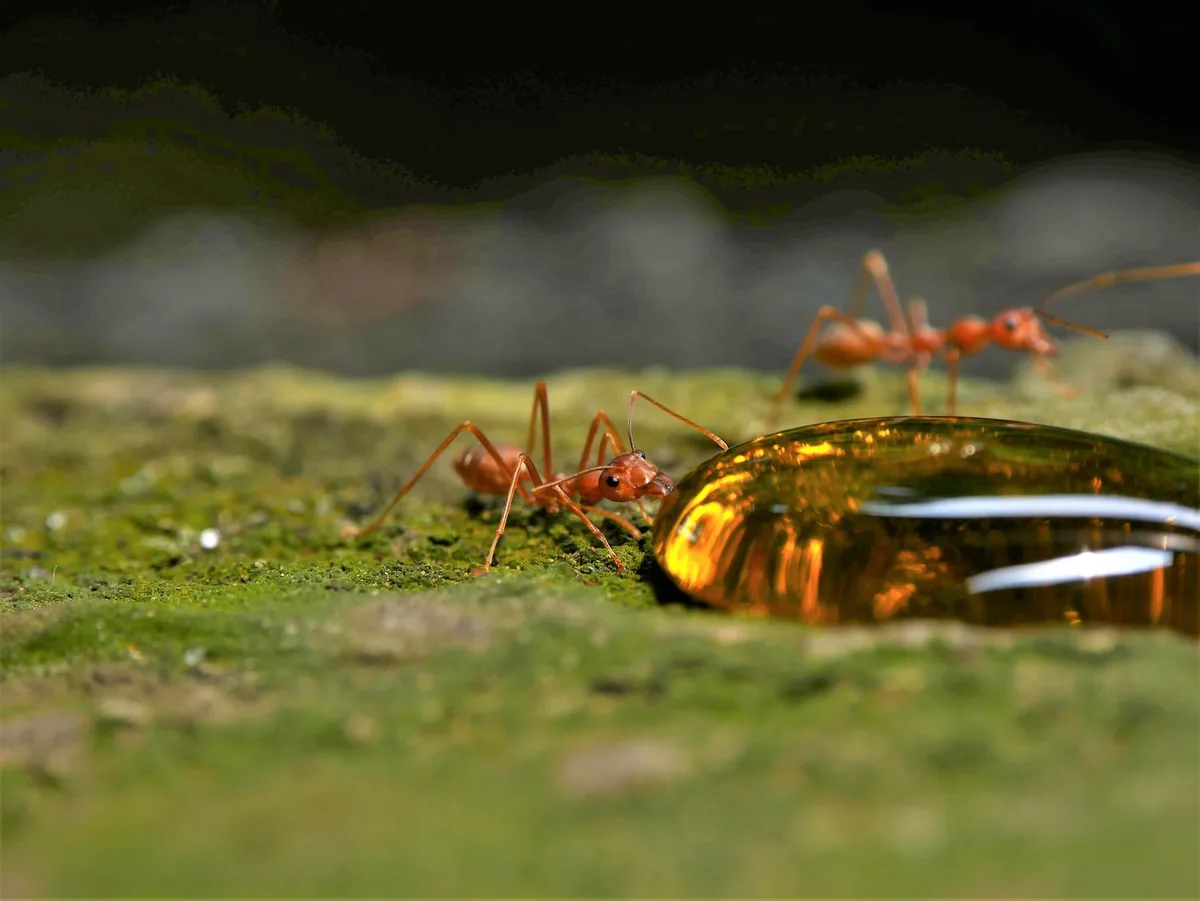
The bait then seal approach works differently. Bait stations contain a slow acting poison mixed with an attractant. Foraging ants carry the bait back to the nest.
They share it with the colony through a process called trophallaxis. Within a few days, the entire colony consumes the bait and dies. Only then do you seal the entry points.
Think of it this way. Spraying is like cutting one branch off a weed. Baiting is like pulling the entire weed out by the root.
Spraying treats the symptom. Baiting treats the cause. Our research shows that homes using the bait then seal method see reinfestation rates drop by roughly 60 percent compared to spray only approaches.
Sealing without baiting first also causes problems. If you seal the entry points while the colony is still active, the ants simply find another way in. Or worse, they get trapped inside your walls and look for a new exit.
That new exit might be a light fixture or an electrical outlet. Now you have ants indoors with no way out.
Step 1: Diagnose Why They're Really Coming Back
You can't fix the problem until you understand what's driving it. Ants don't wander inside for no reason. They come for three things: food, water, or shelter.
Your first job is to figure out which one it is.
What Species Are You Dealing With (Sugar, Grease, or Pavement Ants)
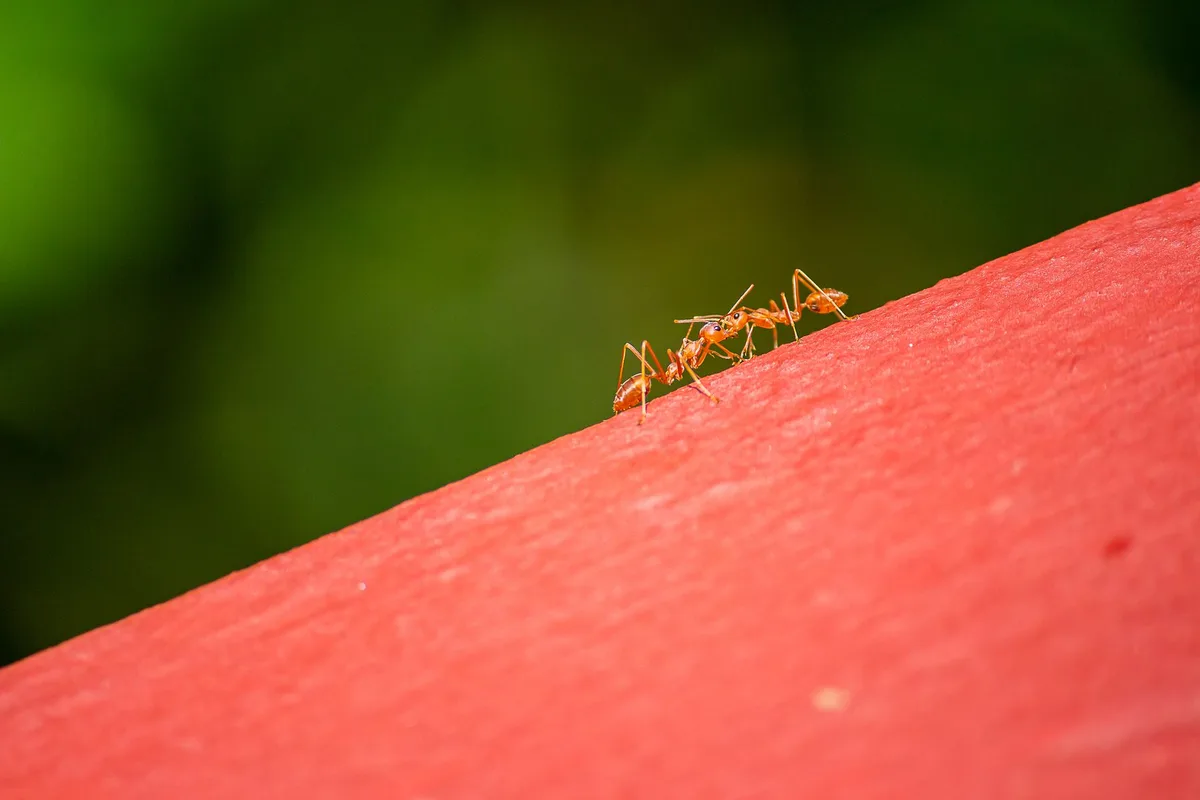
Different ants want different things. Odorous house ants (the tiny black ones that smell like rotten coconut when crushed) prefer sweets. Pavement ants also go for sugary foods but will eat almost anything.
Pharaoh ants, which are common in apartment buildings, target protein and grease.
Identifying the species matters because it tells you which bait to use. If you put out a sugar bait for grease loving ants, they won't touch it. Your prevention efforts stall before they even start.
A simple test works. Place a small dab of honey on one index card and a smear of peanut butter on another. Set them both near the ant trail.
Watch which one they gather on. That tells you what they're after.
Follow the Trail Back to the True Source
Ants leave a chemical trail that other ants follow. It's invisible to you but it's there. The trail leads from the food source back to the entry point and eventually to the nest.
Take a few minutes to watch their path. Don't disrupt it yet. Just observe where they disappear.
Do they go behind the refrigerator? Under the baseboard near the plumbing? Through a gap in the window frame?
That spot is your entry point.
For outdoor nests, follow the trail to the foundation of your house. Look for small mounds of dirt near the base of your exterior walls. Check along the driveway, patio, and walkways.
Pavement ants often nest directly under concrete slabs.
Identifying Entry Points: Cracks, Gaps, and Utility Lines
Ants can squeeze through openings as small as 1/16 of an inch. That's roughly the width of a credit card. Common entry points include gaps around windows and doors, cracks in the foundation, spaces where utility lines enter the house, and weep holes in brick veneer.
Check your kitchen and bathroom first. These rooms have plumbing penetrations that create natural pathways. Look under sinks, behind the dishwasher, and around the toilet base.
Pay attention to areas where pipes pass through walls. Those gaps are often unsealed.
Don't overlook the roofline either. Carpenter ants frequently enter through gaps where roof sheathing meets the fascia board. If you have large black ants in your attic, that's a strong sign of an overhead entry.
Is the Nest Indoors or Outdoors? (The Most Important Question)
This question changes everything. If the nest is outdoors, an exterior barrier treatment will stop them. If the nest is inside your walls, you need bait.
Period.
How do you tell the difference? Watch the time of day. Outdoor ants typically forage during the day and return to the nest at night.
Indoor nests produce ants that appear at any hour. Another clue is volume. A single trail with dozens of ants usually points to an outdoor nest.
Multiple trails or ants appearing in different rooms suggest an indoor nest.
If you see winged ants inside your home, that's a serious sign. Winged ants are reproductives. They only emerge from an established colony.
That colony is almost certainly inside your house. You may need to call a professional for this situation.
Step 2: Choose Your Prevention Tactic Based on the Situation
There is no one size fits all solution. The right approach depends on what you learned in Step 1. Let's break it down by scenario.
If They're Foraging for Food: Bait, Don't Spray
This is the most common scenario. Ants found a crumb, a spill, or an unsealed container. They established a trail.
Now they're coming back regularly.
Use a gel bait station or liquid bait. Place it directly on the trail. Don't clean the trail first.
The pheromone path helps the ants find the bait. Let them feed for 48 to 72 hours. You should see heavy activity for the first day.
That activity will taper off as the colony dies.
Stick with one bait formula initially. If the ants ignore it after three days, switch formulas. As of 2026, most commercial bait products offer both sugar and protein based options.
If They Have an Established Outdoor Nest: Granular Bait Around the Foundation
When you find a visible ant mound near your house, granular bait is your best tool. These granules are designed to be carried back to the outdoor nest. They work well against pavement ants and fire ants.
Apply the granules according to the label instructions. Spread them in a thin ring around the foundation. Focus on areas where you've seen ant activity.
Water the granules lightly after application. Moisture activates the bait and makes it more attractive.
Don't pour granules directly on the mound. Ants often abandon a disturbed nest. Spread the bait nearby and let them find it naturally.
If You Can't Find the Nest: Perimeter Spray as a Temporary Barrier
Sometimes the nest is hidden in a neighbor's yard, beneath a concrete slab, or inside a wall void. You can't bait what you can't find. In this situation, a non repellent perimeter spray buys you time.
Non repellent sprays are different from the aerosol cans you buy at the grocery store. The ants don't detect the spray as a threat. They walk through it and eventually die.
But they don't avoid the treated area, so they don't find new entry points.
Apply the spray along baseboards, around window frames, and at the bottom of exterior doors. Reapply every 30 to 60 days as the label directs. Use this approach as a temporary measure while you work on finding the nest.
If They're Entering Through Known Gaps: Seal After Baiting, Not Before
This is the most common mistake. People find a crack, seal it immediately, and assume the problem is solved. But if the colony is still active, the ants will find another way in.
Always bait first. Let the colony feed. Wait 48 hours.
Then seal. This sequence ensures the ants inside the nest die before you close their exit.
If you've already sealed without baiting, don't panic. You may need to place bait stations along the new routes the ants have discovered. Watch for new trails and adjust your approach accordingly.
Step 3: Apply the Right Tools in the Right Order
Order matters more than most people realize. Follow this sequence for the best results.
Remove the Scent Trail First (Soap-and-Water, Not Bleach)
Once the colony has taken the bait, you can clean the trails. Use a simple solution of dish soap and water. Soap breaks down the pheromone chemicals.
Bleach does too, but bleach also creates a strong scent that ants may avoid.
Wipe down all surfaces where ants have traveled. Focus on countertops, baseboards, and window sills. Let the area dry completely before moving to the next step.
Place Bait Stations Where Scouts Are Active, Not Where You Are
This sounds obvious, but many people place bait stations in the middle of the kitchen floor. That's where people walk, not where ants walk. Place the stations along the walls, behind appliances, and near the entry points you identified earlier.
For outdoor bait stations, place them flush against the foundation. Ants typically travel along edges. They won't cross an open expanse of concrete to reach a station in the middle of the patio.
Let the Colony Feed for 48 Hours Before You Seal Anything
This is the hardest part. You'll want to seal the crack the second you see it. Wait.
The colony needs time to consume the bait and carry it back to the nest.
Forty eight hours is the minimum. For larger colonies, you may need to wait three to four days. Monitor the bait stations.
If the bait is being consumed steadily, let it continue. When the activity drops to almost nothing, that's your signal to seal.
Seal Cracks and Gaps With Silicone Caulk (Which Gaps to Skip)
Silicone caulk is your best choice for interior sealing. It's flexible, durable, and waterproof. Use it on gaps around windows, doors, baseboards, and plumbing penetrations.
Skip caulking in areas that need ventilation. Weep holes in brick veneer should not be sealed. Ants need those holes for drainage.
Instead, use copper mesh or stainless steel wool to block entry while allowing airflow.
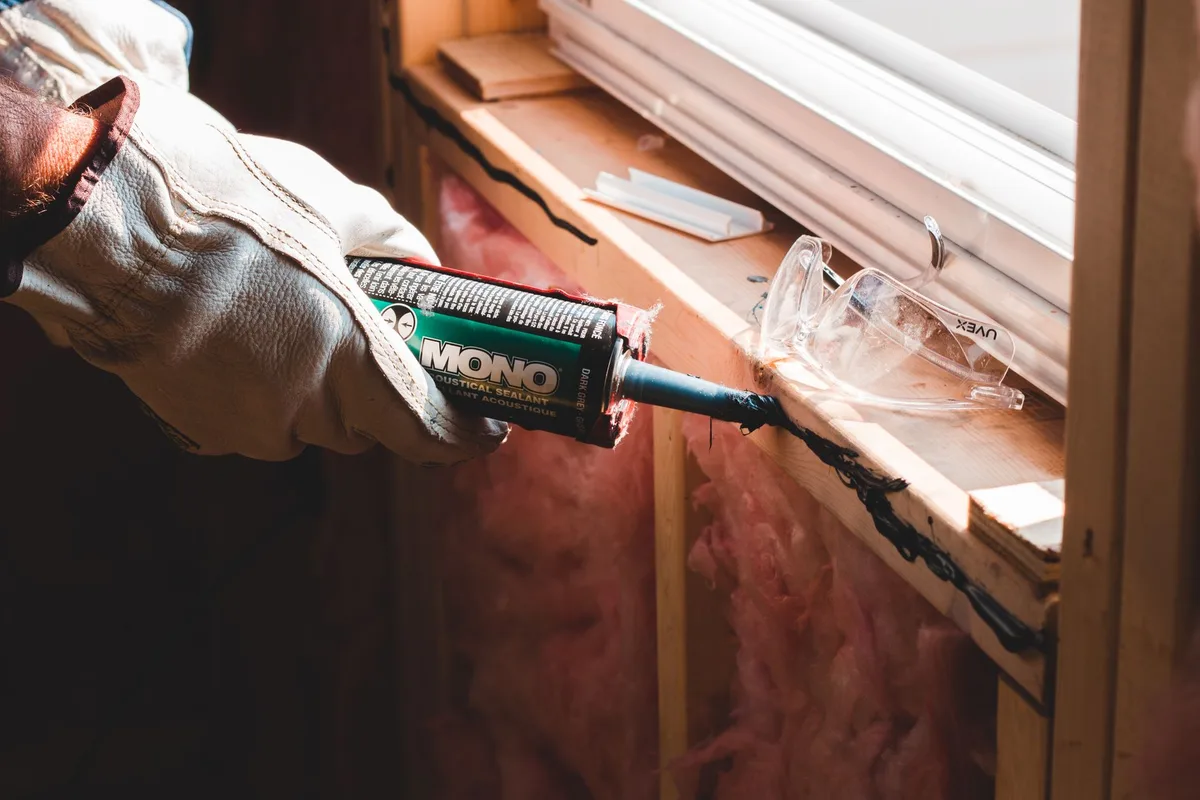
Apply the caulk in a smooth even bead. Use a caulking gun for larger gaps and a squeeze tube for smaller cracks. Let the caulk cure for 24 hours before testing the seal.
Create an Outdoor Barrier With Diatomaceous Earth or Granular Bait
Diatomaceous earth is a fine powder made from fossilized algae. It's safe around pets and children when used correctly. The powder sticks to ants and cuts through their exoskeleton, causing them to dehydrate and die.
Apply a thin layer of food grade diatomaceous earth along the foundation line. Focus on areas where you've seen ant activity. Reapply after rain or heavy dew.
Outdoor granular bait can also be spread around the perimeter as an extra layer of protection.
For best results, combine diatomaceous earth with granular bait. The bait attracts the ants, and the powder kills them as they cross the barrier. This two layer approach creates a strong defense.
Where Most People Get It Wrong
Even with good intentions, people make the same mistakes over and over. Here are the most common ones and how to avoid them.
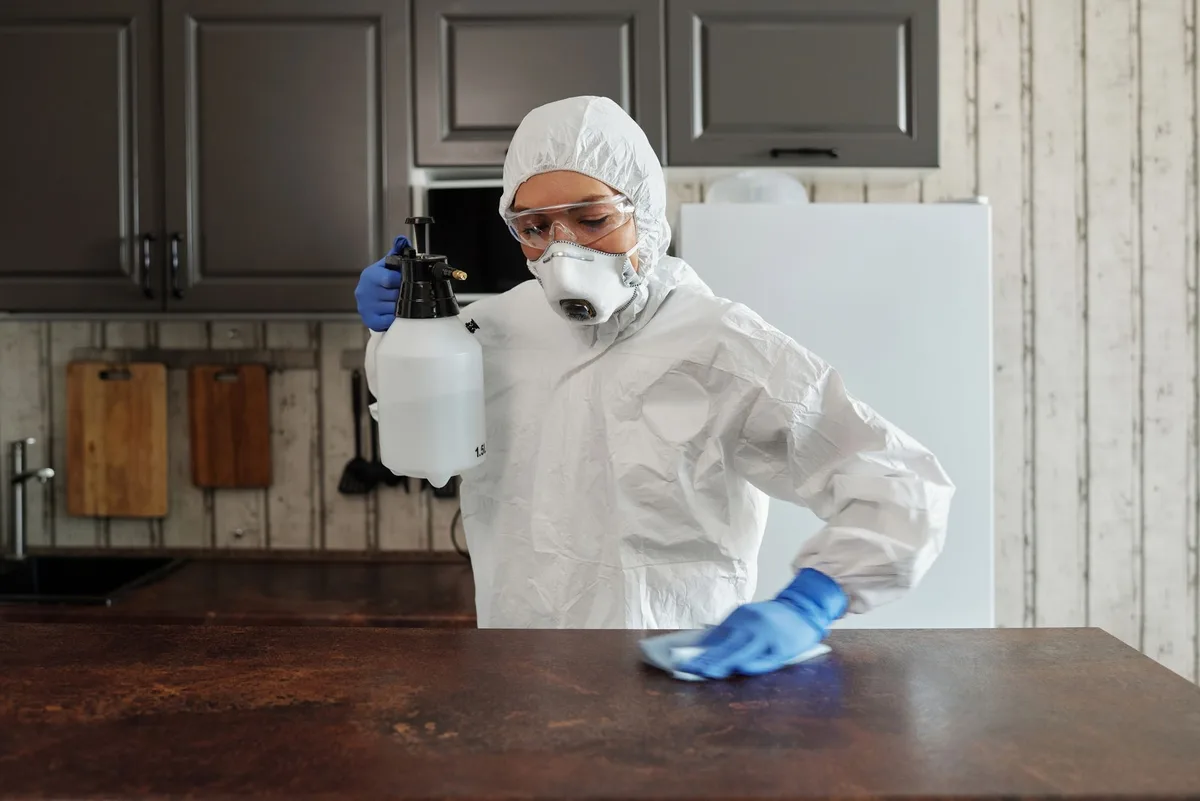
Spraying Kills Scouts but Wastes the Bait
The biggest mistake is spraying first. Spraying kills the ants you see, but it also contaminates the area. If you later place bait in that same spot, the ants may avoid it.
The spray residue masks the attractant.
Always bait before you spray. If you must spray, choose a targeted area away from the bait stations. Better yet, skip the spray entirely and focus on baiting.
Sealing First Traps the Colony Indoors
Sealing entry points before the colony dies is like locking someone in your house. The ants are trapped inside. They'll find a new exit, and they'll do it somewhere you didn't seal.
If you've already sealed, check for new trails. Place bait stations near those new trails. The colony will eventually feed, but it may take longer.
Using Repellent Sprays Causes Ants to Find New Entry Points
Repellent sprays create a barrier that ants won't cross. That sounds good, but it backfires. The ants simply walk around the barrier.
They find a gap you missed. That gap is now their primary entry point.
Non repellent sprays are a better choice. The ants don't detect the barrier and walk through it. They die without creating new routes.
Skipping the Bait Rotation When Ants Stop Eating
Ants can develop a preference shift. They may eat sugar bait for a week and then stop. That doesn't mean the colony is dead.
It means they want something different.
If bait consumption drops off after several days, switch to a protein or grease based bait. Wait another 48 to 72 hours. Monitor again.
Rotating baits increases your success rate significantly.
For ongoing pest issues around your yard, take a look at our guide to common lawn treatments. It covers similar prevention principles that work for other outdoor pests as well. Many of the same barrier methods apply to ants, flies, and other insects that enter from the yard.
If you're dealing with ants that have found their way inside through potted plants, our overview of indoor plant care offers practical tips for keeping soil and containers ant free. Moist potting soil is a common nesting site that people overlook.
Outdoor attractants like fertilizer can also draw ants closer to your foundation. Our recommendations for fruit tree feeding explain how to manage soil treatments without creating an ant highway. Proper application timing makes a real difference.
For smaller ants that enter through tiny cracks near windows, the same sealing methods apply. Check the gaps around window frames and doors. Our suggestions for shade tolerant hanging plants can include barrier strategies that keep ants away from exterior walls.
Some indoor plants naturally attract ants because of their sweet secretions. If you notice ants near your houseplants, you may need to adjust your watering and cleaning routine. Our guide to plants suited for low light rooms includes tips for preventing insect activity around indoor containers.
If the infestation involves carpenter ants, the approach is different. Carpenter ants require immediate structural attention. Our dedicated treatment guide covers baits, dusts, and professional options.
Do not delay if you see sawdust like frass near baseboards.
When to Skip the DIY and Call a Pro
Most ant problems respond to baiting and sealing. But some situations demand a licensed pest control operator. Knowing the difference saves you time and prevents structural damage.
Carpenter ants are the biggest red flag. These ants chew through wood to build their nests. If you see sawdust like material (frass) near baseboards or windows, call a professional.
DIY baits won't reach the deep nest chambers. Our guide to carpenter ant treatment covers the specific insecticides that work, but heavy infestations need a pro.
Another clear sign is recurring infestations after three attempts. If you've baited, sealed, and applied outdoor barrier treatments but ants keep coming, you likely have multiple colonies or a hidden nest inside a wall. A professional can use thermal imaging or moisture meters to locate nests you can't see.
Multifamily buildings also require different tactics. If you live in an apartment or townhouse, your ants may be coming from a neighboring unit. Treating only your space won't stop the colony.
The building's management needs a coordinated treatment plan.
For smaller, isolated issues that don't involve structural damage, your own home care routine can make a big difference. If you're dealing with persistent outdoor pests around patios or foundations, our recommendations on durable ground coverings can reduce nesting spots near your home.
Your 4-Week Prevention Schedule
Prevention isn't a one time task. It's a cycle. Follow this schedule to keep ants from coming back through the whole season.
Week 1: Bait and Monitor
Place bait stations at every entry point you found in Step 1. Check them daily. Note which baits the ants prefer.
If consumption drops after three days, switch to a different formula. Do not seal anything yet.
Week 2: Seal and Remove Outdoor Attractants
After the bait activity peaks and falls, seal all gaps with silicone caulk. Clean the pheromone trails with soapy water. Move firewood, mulch, and leaf piles away from the foundation.
Trim tree branches that touch the house. Ants use these as bridges.
Week 3: Apply Outdoor Barrier Treatments
Spread granular bait around the foundation line. Apply a thin layer of food grade diatomaceous earth in areas protected from rain. Check weep holes and install copper mesh if needed.
Repeat the perimeter spray if you're using a non repellent product.
Week 4: Reassess and Rotate Bait Formula if Needed
Walk the perimeter of your home. Look for new trails or mounds. If you see any activity, place a fresh bait station and monitor for 48 hours.
Rotate the bait type if the ants ignore it. This is also the right time to refresh your yard maintenance routine. Keeping the area around your foundation dry and clean is just as important as the treatment itself.
If you're still seeing ants by the end of week four, the problem may be deeper than expected.
For homes with recurring moisture issues near the foundation, managing standing water is critical. The same prevention principles apply to other outdoor pests as well. A clean, dry perimeter is the foundation of pest proofing.
Your Prevention Quick-Reference Table
| Situation | Recommended Action | Timeline |
|---|---|---|
| Single ant trail, no nest visible | Gel bait along trail, wait 48 hrs, seal entry | 5 to 7 days |
| Outdoor mound near foundation | Granular bait in ring around foundation | Apply weekly until mound disappears |
| Ants in multiple rooms, no visible entry | Non repellent perimeter spray, monitor 7 days | Reapply monthly |
| Sawdust or frass near baseboards | Call professional for carpenter ant inspection | Immediate attention |
| Recurring after three DIY attempts | Hire licensed pest control | 1 to 2 week treatment cycle |
| Species | Bait Type | Placement Tip |
|---|---|---|
| Odorous house ants | Sugar based gel | Along baseboards and under fridge |
| Pavement ants | Protein or grease gel | At slab edges and driveway cracks |
| Pharaoh ants | Protein gel, avoid sprays | Near plumbing and wall voids |
Frequently Asked Questions
How long does it take for bait to kill the colony?
Most colonies die within 7 to 14 days. You should see heavy activity for the first 48 hours. That activity drops sharply as the poison spreads.
If you still see ants after two weeks, switch bait types.
Why do ants keep coming back after I spray?
Spraying kills only the ants you see. The colony remains untouched. New scouts arrive and find the same food sources.
Bait kills the colony. Spraying only delays the problem.
Can I use natural remedies like vinegar or cinnamon?
Vinegar removes scent trails temporarily but doesn't stop the colony. Cinnamon may deter a few ants but won't prevent reinfestation. Our research shows these are placebos.
They work as spot treatments for visible ants, not as colony killers.
Should I seal my weep holes in brick?
Never seal weep holes. They allow moisture to drain from your walls. Use copper mesh or stainless steel wool instead.
Push the material into the hole without blocking airflow. Ants can't chew through metal.
When should I call an exterminator?
Call a pro if you see carpenter ants, winged ants indoors, or repeated failure after three DIY attempts. Also call if you live in a multifamily building. Shared walls hide nests that a single unit can't treat alone.