What Causes Tree Borers 2026
You're probably looking at a tree with thinning branches, D-shaped holes in the bark, or woodpecker damage and wondering what causes tree borers to show up in the first place. The short answer is stress. Borers don't randomly attack trees, they're drawn to weakened hosts that can't mount an effective chemical defense, and in most cases, underlying environmental or mechanical stressors open the door long before the first beetle arrives.
Research from the USDA Forest Service confirms that roughly 99% of native wood-boring beetles are secondary invaders, meaning they only succeed on trees already compromised by drought, root damage, wounds, or poor planting practices. The remaining 1%, aggressive invasive species like Emerald Ash Borer, can attack healthy trees, but even those infestations accelerate when host vigor drops. Understanding the true causes means looking past the insect itself and identifying what weakened your tree in the first place.
Quick Answer
What causes tree borers is primarily tree stress. Drought, root damage, wounds, and transplant shock all weaken a tree's natural defenses. Healthy trees produce resin and other chemicals that repel or kill borer larvae.
Stressed trees can't sustain that defense, so beetles detect the change and lay eggs. Most borers are opportunists that only succeed when the tree is already declining.
Why Tree Borers Don't Just Attack at Random
Wood-boring beetles follow a clear pattern: they target trees emitting stress volatiles, chemical signals released when a tree's vascular system is under pressure. Adult beetles detect these compounds from considerable distances and use them to select egg-laying sites. It's not luck or proximity.
It's chemical communication that tells the beetle "this host can't fight back."
Entomologists call this host selection behavior. A healthy tree floods its cambium and phloem with defensive compounds, phenolics, terpenes, and rapid sap flow that physically drowns or starves larvae. When drought, root severing, or other stressors disrupt water and nutrient transport, sap pressure drops, resin production slows, and the tree becomes chemically invisible to its own defenses.
That shift happens before you see crown dieback or exit holes. By the time visible symptoms appear, the infestation is often a year or more advanced. The root cause, whatever stressed the tree, occurred even earlier, sometimes two or three growing seasons before the first larva hatched.
The Real Cause: Stress Opens the Door
Tree stress isn't a vague concept. It's a measurable decline in physiological function that shows up in reduced growth rings, lower chlorophyll levels, and slowed cambium activity. Any factor that reduces the tree's ability to transport water, synthesize sugars, or allocate energy to defense makes it vulnerable.
The most common stressors in urban and suburban landscapes include:
- Drought and irregular irrigation: Extended dry periods reduce sap flow and lower turgor pressure in cambial cells.
- Root damage from construction: Trenching, soil compaction, and grade changes sever feeder roots and disrupt nutrient uptake.
- Mechanical wounds: Lawnmower strikes, weed trimmer gouges, and storm damage create entry points and trigger localized decline.
- Transplant shock: Newly planted trees haven't established enough root mass to meet canopy water demand.
- Salt injury: Road salt, de-icing chemicals, and high-sodium irrigation water disrupt cell function in roots and cambium.
Each stressor alone may not kill a tree outright, but borers exploit any opening. A tree weakened by drought one summer becomes an ideal host the following spring when adult beetles emerge. The lag between stress event and visible infestation often misleads property owners into thinking the beetles arrived out of nowhere.
How Healthy Trees Defend Themselves (And Why Weakened Trees Can't)
A vigorous tree is a hostile environment for borer larvae. The cambium layer, the thin band of actively dividing cells just under the bark, produces a continuous flow of sap that physically expels or drowns newly hatched larvae. At the same time, cells synthesize toxic phenolic compounds and release volatile terpenes that repel adult beetles.
This defense system requires energy. The tree must photosynthesize efficiently, transport sugars from leaves to roots, and maintain turgor pressure throughout the vascular system. When any part of that chain breaks down, the tree shifts into survival mode.
It prioritizes keeping the root system alive over defending the cambium.
Stressed trees also produce ethanol and other fermentation byproducts as cells die. Many borer species are attracted to these breakdown chemicals, which signal weak or dying tissue. The tree's distress call becomes a beacon for the very insects that will finish it off.
Compartmentalization of Decay in Trees (CODIT) is the tree's last-ditch response: walling off damaged tissue with chemical barriers. But CODIT works only if the tree has enough stored energy and functional vascular tissue. A tree under chronic stress can't compartmentalize effectively, so borer galleries spread unchecked through the phloem and into the sapwood.
Primary vs. Secondary Borers: Understanding the Critical Difference
Not all borers behave the same way. The distinction between primary and secondary invaders is the single most important concept for diagnosing and managing infestations.
Aggressive Invaders That Attack Healthy Trees
Primary borers are species that can successfully colonize trees with full defensive capacity. These are almost exclusively invasive, non-native insects that evolved alongside different host species and lack natural predators in North America. The most notorious examples include:
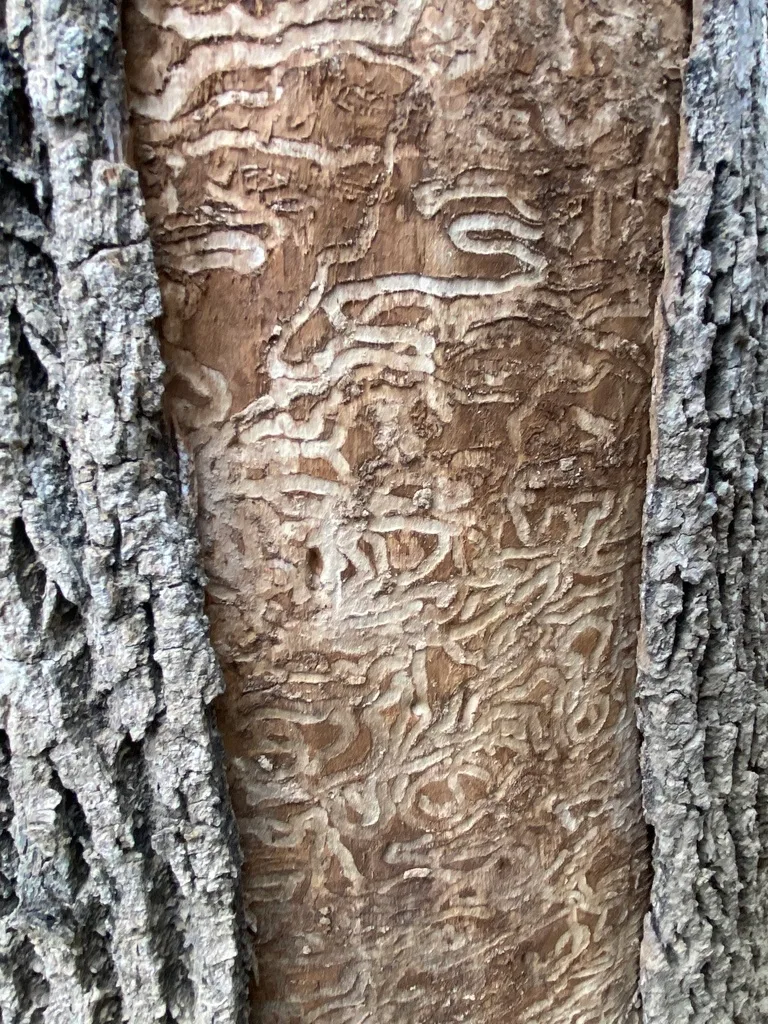
Emerald Ash Borer (Agrilus planipennis): Native to Asia, this beetle attacks all native North American ash species regardless of tree health. Adults lay eggs in bark crevices, and larvae tunnel through the cambium, creating serpentine galleries that girdle branches and trunks. EAB has killed tens of millions of ash trees since its detection in Michigan in 2002.
Even vigorous, well-watered ash trees in ideal growing conditions succumb within two to four years of initial infestation.
Asian Longhorned Beetle (Anoplophora glabrimennis): Another Asian import, ALB targets maples, birches, willows, and other hardwoods. Adults chew through bark to lay eggs directly in the sapwood, and larvae bore deep into the heartwood, causing structural failure. USDA quarantines and eradication programs are active in multiple states as of 2026.
These primary borers don't wait for stress signals. They attack because the host tree lacks co-evolved defenses, no specialized chemical repellents, no recognition pathways to trigger hypersensitive cell death around egg-laying sites. The tree's immune system simply doesn't see them coming.
Opportunistic Borers That Exploit Weakness
Secondary borers make up the vast majority of native wood-boring beetles in North America. They evolved alongside their host trees and normally exist in low numbers, kept in check by healthy tree defenses and natural predators. They only become problems when trees are weakened.
Bronze Birch Borer (Agrilus anxius): Targets birch species, especially paper birch and European white birch, but only after drought stress, transplant shock, or poor site conditions. Healthy birches in cool, moist climates rarely experience damaging infestations.
Flatheaded Appletree Borer (Chrysobothris femorata): A generalist that attacks dozens of hardwood and fruit tree species, but only on sunscald-damaged bark, recent transplants, or trees weakened by other factors. The name is misleading, it's not an apple specialist, and it rarely infests well-maintained orchards.
Clearwing Borers (Sesiidae family): Includes ash/lilac borer and other species that target stressed ornamental trees. Adults resemble wasps and lay eggs near wounds, pruning cuts, or bark cracks. Larvae tunnel into the cambium but can't establish in vigorous tissue.
Secondary borers serve an ecological role: they accelerate the breakdown of dying trees, returning nutrients to the soil and creating habitat for cavity-nesting birds. In a forest setting, that's beneficial. In your yard, it means a stressed tree will attract more beetles each year until it dies.
The Most Common Stress Factors That Invite Borers
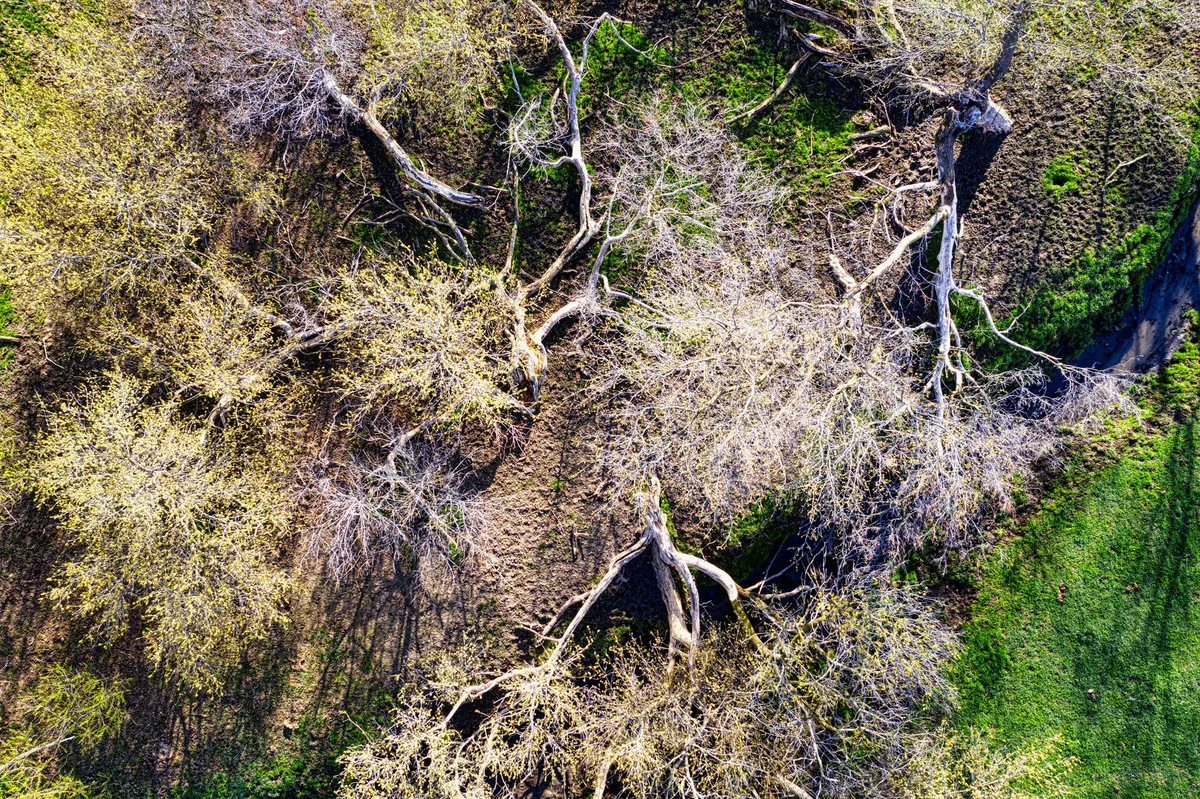
Every landscape has its own combination of stressors, but certain conditions show up repeatedly in borer-infested trees. Addressing these factors is the only reliable way to prevent future problems.
Drought and Irrigation Problems
Water deficit is the number one stressor for urban and suburban trees. Mature trees need deep, infrequent watering, enough to wet the soil 12 to 18 inches down across the entire root zone. Shallow daily sprinkling encourages surface roots and does nothing for the deep feeder roots that supply the canopy.
Extended drought reduces xylem water potential, slows photosynthesis, and triggers early leaf drop. The tree survives but enters the next growing season with depleted carbohydrate reserves. If drought continues or repeats, the tree can't maintain cambial defenses, and borers move in.
Overhead irrigation that wets the trunk and lower branches can also create humidity pockets that favor certain borer species. Drip irrigation or soaker hoses placed at the dripline keep water where it's needed without creating microclimates around the bark.
Root Damage from Construction and Soil Compaction
Roots extend well beyond the canopy dripline, often two to three times the radius of the crown. Trenching for utilities, foundation work, grading, or even repeated foot traffic compacts soil and severs feeder roots. The tree loses access to water and nutrients stored in that soil volume, and the canopy begins to thin.
Compaction is particularly damaging because it persists for years. Soil pore space collapses, oxygen levels drop, and roots can't regenerate. Trees on compacted sites are under chronic stress, making them standing invitations for secondary borers.
If you're planning construction near trees for hot dry climates or any mature specimens, establish a root protection zone, typically the area within the dripline plus 10 feet, and fence it off. No vehicle traffic, no material storage, no trenching.
Mechanical Wounds and Bark Injuries
Lawnmower strikes, string trimmer damage, and deer rub all create openings in the bark that expose the cambium. These wounds don't heal the way animal tissue does. The tree compartmentalizes the damage, but the wound margins remain vulnerable entry points for fungi, bacteria, and borer larvae.
Repeated wounding, like hitting the same tree with a mower every week, prevents compartmentalization and creates a chronic decline zone. Clearwing borers and flatheaded borers specifically target these areas because the tissue is already stressed and producing breakdown volatiles.
Mulch rings or ground covers around the base of the tree eliminate the need for close mowing and protect the trunk from accidental strikes. Keep mulch 2 to 3 inches deep and pull it back from direct contact with the bark to avoid moisture buildup.
Transplant Shock and Poor Planting Practices
Newly planted trees lose a significant portion of their root system during harvest and transplanting. Even with careful handling, the root-to-shoot ratio is out of balance. The tree can't supply enough water to the existing canopy, so it drops leaves, slows growth, and redirects energy to root regeneration.
That's normal transplant stress, and most trees recover within one to two years if watered properly. But if the tree is planted too deep, wrapped in burlap or wire baskets that aren't removed, or placed in poorly drained soil, stress becomes chronic. Secondary borers detect the declining vigor and colonize within the first or second growing season.
Proper planting depth is critical: the root flare, the point where the trunk widens into the root system, must be at or slightly above grade. If the flare is buried, roots suffocate, and the tree declines slowly over several years before borers finish it.
Salt Damage and Chemical Stress
Road salt, de-icing chemicals, and softened water irrigation introduce sodium and chloride ions into the soil. Roots absorb these ions, and they accumulate in leaf margins, causing scorch and early leaf drop. Sodium also displaces calcium and magnesium in the soil, disrupting nutrient uptake.
Salt-stressed trees show reduced growth, branch dieback, and increased susceptibility to borers. This is especially common in street trees, parking lot islands, and landscapes near driveways or sidewalks treated with de-icers.
Calcium chloride-based de-icers are less damaging than sodium chloride, but the best solution is physical removal of ice and snow when possible, combined with deep watering in spring to leach salts below the root zone.
How Borers Find Stressed Trees: The Science of Host Selection
Adult beetles don't search randomly. They follow gradients of volatile organic compounds released by stressed trees. Research published by entomology departments at land-grant universities shows that drought-stressed trees emit higher concentrations of ethanol, acetaldehyde, and monoterpenes than healthy neighbors.
Beetles detect these airborne cues from hundreds of yards away and fly upwind toward the source.
Once a beetle lands on a potential host, it uses contact chemoreceptors on its antennae and legs to assess bark chemistry. If the tree's defensive compound levels are low, the beetle begins laying eggs. If defenses are still strong, the beetle moves on.
This decision happens within minutes and explains why borers cluster on certain trees while ignoring others nearby.
Some species also respond to aggregation pheromones released by the first beetles to colonize a tree. These chemical signals attract additional adults, leading to mass attacks that overwhelm even partially healthy trees. Bark beetles use this strategy to kill conifers, and certain flatheaded borers show similar behavior on hardwoods.
The key takeaway is that borers don't cause the initial decline. They arrive after the tree is already compromised, drawn by chemical signals the tree can't suppress once stress crosses a threshold. Preventing infestations means preventing the stress conditions that trigger those signals.
The Life Cycle That Drives Infestation
Understanding the borer life cycle helps you spot infestations early and time interventions correctly. Most wood-boring beetles complete one generation per year, though some species take two years or more in northern climates.
Adult emergence: Adults emerge from late spring through mid-summer, depending on species and local temperatures. Degree-day models predict emergence timing based on accumulated heat units above a base threshold. Emerald Ash Borer adults typically emerge in late May through June when soil temperatures reach consistent levels.
Egg-laying: Females deposit eggs in bark crevices, under bark scales, or directly into chewed pits. Each female lays 40 to 100 eggs over several weeks. Eggs hatch in 7 to 14 days, and newly emerged larvae immediately bore into the bark.
Larval feeding: Larvae tunnel through the phloem and cambium, creating galleries that disrupt nutrient and water transport. This stage lasts from several weeks to over a year, depending on species and host condition. Heavily infested trees may have dozens of larvae per square foot of bark, creating overlapping galleries that girdle branches or the entire trunk.
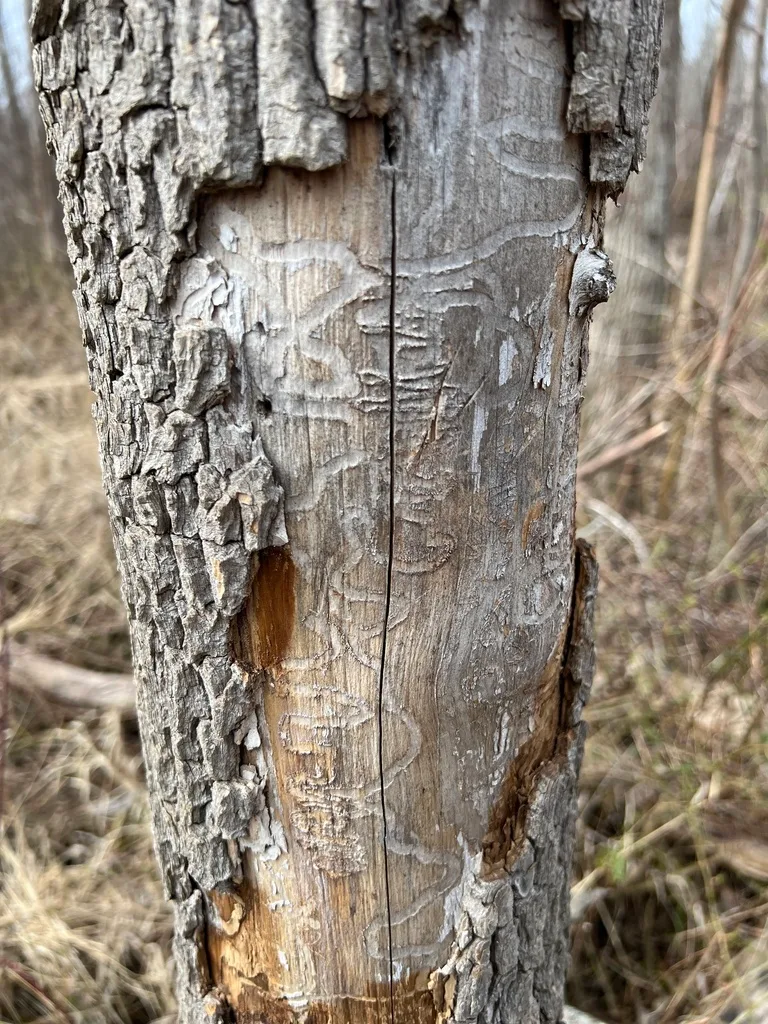
Pupation and overwintering: Most borers pupate in late summer or fall, either just under the bark or in shallow chambers in the sapwood. Adults emerge the following spring, chew exit holes, and the cycle repeats. Exit hole shape is diagnostic: D-shaped for Agrilus species, round for longhorned borers, oval for clearwing borers.
The lag between egg-laying and visible symptoms means you're always looking at last year's infestation when you spot exit holes or crown dieback. Effective management requires catching the problem during the egg or early larval stage, which is nearly impossible without knowing the tree was stressed a year earlier.
Species-Specific Causes: What Brings Each Borer to Your Trees
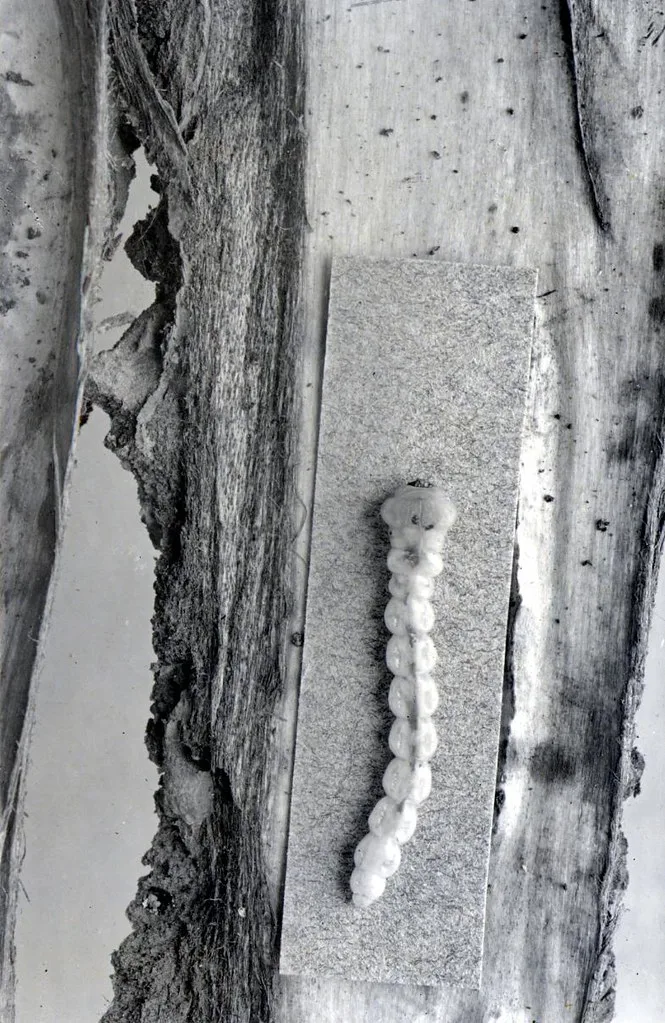
Different borer species respond to different stress signals and host conditions. Knowing which species you're dealing with narrows down the likely cause.
Emerald Ash Borer (Agrilus planipennis)
EAB attacks all native North American ash species without requiring prior stress. The beetle's success is due to the lack of co-evolved defenses in North American ashes. Trees in optimal growing conditions still succumb, though drought-stressed or wounded trees decline faster.
As of 2026, EAB is established in over 35 states and continues spreading westward. USDA quarantine maps track current infested counties.
Bronze Birch Borer (Agrilus anxius)
This native beetle targets birch species, especially paper birch, gray birch, and European white birch planted outside their natural range. Birches are cool-climate trees that struggle in hot, dry conditions. When planted in full sun, in compacted soil, or without adequate irrigation, they become prime targets.
River birch is more resistant because it tolerates heat and moisture stress better than other species.
Flatheaded Appletree Borer (Chrysobothris femorata)
Despite the name, this generalist attacks over 50 hardwood species. It's strongly associated with sunscald damage on thin-barked trees, particularly those with southwest-facing exposure. Young trees, recent transplants, and those with trunk wounds are most vulnerable.
Healthy established trees in shade or with thick bark rarely experience damaging infestations.
Clearwing Borers and Ash/Lilac Borers
These moths (not beetles) lay eggs near pruning cuts, cracks, and other wounds on ornamental trees. Ash/lilac borer targets stressed ash, lilac, privet, and related species. Larvae tunnel into the cambium and can girdle small-diameter branches.
Trees weakened by drought, poor pruning, or transplant shock are most susceptible. Proper pruning timing and wound care reduce risk significantly.
Asian Longhorned Beetle (Anoplophora glabripennis)
ALB is a regulated invasive pest under active eradication in several states. It attacks maples, birches, willows, elms, and other hardwoods regardless of health status. Adults chew distinctive round pits in bark to lay eggs, and larvae bore deep into heartwood, creating structural failure risk.
If you see perfectly round, dime-sized exit holes with smooth edges on any hardwood, contact your state department of agriculture immediately. Movement of firewood and nursery stock spreads this pest.
Geographic and Climate Factors That Increase Risk
Borer pressure varies by region, climate, and local tree health trends. Understanding your area's specific risks helps you prioritize monitoring and preventive care.
Northern states face high EAB pressure and Bronze Birch Borer problems, especially where birches are planted in marginal sites. Cold winters don't kill overwintering larvae. Most borers are well-adapted to freeze cycles.
Western states deal with drought-related stress and native flatheaded borers that exploit water-stressed oaks, maples, and fruit trees. Urban heat island effects in cities like Phoenix, Las Vegas, and Sacramento amplify stress on trees adapted to hot dry climates when irrigation is inadequate.
Coastal areas see salt stress from ocean spray, storm surge, and de-icing salt applications. Street trees and those near parking lots are especially vulnerable. Salt buildup in soil persists for years and creates chronic low-level stress that invites secondary borers.
Southeastern states contend with high humidity, which favors certain clearwing borers and ambrosia beetles. Storm damage from hurricanes creates mass wounding events, and stressed trees attract borers in waves the following spring.
Hardiness zone shifts due to changing climate patterns are pushing some tree species into marginal growing conditions. Trees planted at the edge of their range are under baseline stress even in good years, making them more susceptible to opportunistic borers.
When Borers Appear Despite Good Tree Care: The Invasive Species Problem
You can do everything right and still lose trees to primary borers like EAB or ALB. These pests evolved with different host species in Asia and lack natural population controls in North America. Predators, parasitoids, and diseases that keep them in check in their native range don't exist here.
That means even vigorous, properly watered, and well-maintained trees succumb. The only reliable defenses are systemic insecticides applied preventively in known infested areas or removal and replacement with non-host species. USDA APHIS and state departments of agriculture maintain updated quarantine maps and management recommendations.
If you're in an EAB-infested county and have ash trees worth protecting, trunk-injected or soil-applied imidacloprid, emamectin benzoate, or other labeled insecticides provide 95%+ control when applied on a two- or three-year cycle. Treatment must begin before infestation becomes severe. Once crown dieback exceeds 30%, treatment success drops sharply.
Biological control agents are under study, including parasitoid wasps from Asia that target EAB larvae. Early results show promise, but widespread population suppression is years away. For now, chemical protection or removal are the only practical options for high-value trees.
Early Warning Signs You're Creating Conditions for Infestation
Watch for crown thinning, leaf scorch, or early fall color in mid-summer. These symptoms indicate declining vigor before borers arrive. Slow twig growth, undersized leaves, and sparse foliage all signal stress that will attract beetles the following spring.
Check for cracks in bark, sunscald damage on southwest-facing trunks, and exposed roots from erosion or grade changes. Any visible wound is a potential entry point. If woodpeckers suddenly target a tree, they're likely feeding on larvae already present under the bark.
The Dangerous Mistakes That Guarantee Borer Problems
Planting the wrong species for your site is the single biggest error. Birches in full sun, ash in EAB-infested counties without treatment, and shallow-rooted trees in compacted soil all fail predictably. Topdressing soil over existing root flares buries the trunk and suffocates roots within a few years.
Over-mulching creates moisture pockets against the bark that favor fungal infections and clearwing borers. Piling mulch against the trunk also hides early symptoms until it's too late. Keep mulch 3 to 4 inches from the trunk base.
Ignoring irrigation during establishment or drought guarantees stress. Newly planted trees need weekly deep watering for the first two growing seasons. Mature trees in drought need supplemental water when rainfall drops below 1 inch per week during the growing season.
What Actually Prevents Borer Infestations (It's Not What Most People Think)
Insecticides don't prevent infestations unless you're treating for primary invaders like EAB. For secondary borers, the only real prevention is maintaining tree vigor. Proper watering, mulching, and avoiding mechanical damage keep trees chemically defended.
Site selection matters more than any treatment. Match species to soil type, sun exposure, and hardiness zone. A tree planted in the right spot needs far less intervention and stays naturally resistant to opportunistic borers.
Regular monitoring catches problems early. Walk your property in late spring and mid-summer looking for new symptoms. Early detection of stress lets you correct irrigation, remove girdling roots, or address soil compaction before beetles arrive.
When to Call a Certified Arborist vs. When to Monitor
If you see exit holes, heavy woodpecker damage, or crown dieback exceeding 20%, call an ISA-certified arborist immediately. These symptoms indicate an established infestation that requires professional diagnosis and treatment or removal recommendations.
For newly planted trees showing slow growth or minor leaf scorch, start with correcting irrigation and checking planting depth. Monitor for one growing season. If symptoms worsen or new signs appear, bring in a professional for a full tree health assessment.
Trees in quarantine zones for EAB or ALB require professional evaluation even without symptoms. Arborists can identify species at risk and recommend preventive treatment or removal before infestations spread to neighboring properties.
Legal Considerations: Quarantines and Reporting Requirements
USDA APHIS maintains federal quarantines for EAB and ALB that restrict movement of firewood, nursery stock, and wood products out of infested counties. State departments of agriculture enforce these regulations and may add additional species or areas. Violating quarantine rules carries significant fines.
If you suspect ALB based on large round exit holes or adult beetles with long antennae and white spots, you're required to report it immediately to your state agriculture department. Early detection of new infestations allows for containment and eradication before widespread tree loss occurs.
Some municipalities require permits for removing trees over a certain diameter, even on private property. Check local ordinances before cutting down a borer-infested tree. Arborists familiar with your area can handle permitting and disposal in compliance with local and state regulations.
Frequently Asked Questions About Tree Borer Causes
Can healthy trees get borers?
Healthy trees rarely succumb to native secondary borers because their defenses stay active. Invasive primary borers like Emerald Ash Borer attack vigorous trees, but these represent less than 1% of borer species. Most infestations occur only after stress weakens the tree's chemical and physical barriers.
How long does it take for borers to kill a tree?
Timeline varies by species and infestation severity. Emerald Ash Borer kills ash trees in two to four years. Secondary borers on stressed trees may take five to ten years, especially if the tree partially recovers between drought cycles or other stress events.
Do insecticides prevent borer infestations?
Systemic insecticides work for primary invaders like EAB when applied preventively. For secondary borers, insecticides don't address the root cause, which is tree stress. Improving tree health through proper watering and site management prevents most secondary borer problems more effectively than chemical treatments.
What time of year do borers attack trees?
Adult beetles emerge and lay eggs from late spring through mid-summer, depending on species and local climate. Larvae feed under the bark from summer through the following spring. You'll spot exit holes and crown dieback symptoms a full year after the initial egg-laying.
Can I save a tree that already has borers?
Trees with less than 30% crown dieback and active cambium in most of the trunk can sometimes recover if you correct underlying stress factors and apply appropriate treatments. Once dieback exceeds 50%, removal is usually more cost-effective than attempting recovery. An arborist can assess whether treatment is worthwhile.
Why do some trees in my yard have borers while others don't?
Individual trees experience different stress levels based on microsite conditions. One tree may sit over compacted soil while another has good drainage. Differences in sun exposure, irrigation coverage, and root competition from nearby plants all affect vigor, making certain trees more attractive to borers than their neighbors.