How to Fix Tree Borers 2026
If you've got D-shaped holes dotting your ash tree's trunk or sawdust piling up at the base of your birch, you're dealing with tree borers. These wood-boring beetles and their larvae tunnel through the cambium layer, cutting off the tree's ability to move water and nutrients. Left unchecked, they'll kill a high-value tree in two to three seasons.
Treatment works only if you catch the infestation early and match the right product to the borer species. Most systemic insecticides protect for one to three years, but trees with more than 50% canopy loss are already too far gone. Here's how to identify what you're up against, decide whether treatment makes sense, and apply the fix that actually stops the damage.
Quick Answer
How to fix tree borers depends on early detection and correct identification. First, identify the borer species by exit hole shape and host tree. Measure canopy dieback to confirm the tree is still treatable (under 50% loss).
Apply a systemic insecticide like imidacloprid or emamectin benzoate during the correct seasonal window. Professional trunk injections work faster than soil drenches for moderate infestations. Re-treat every one to three years based on product label.
Remove and dispose of heavily infested trees under local quarantine rules.
What Tree Borers Are and Why They're So Destructive
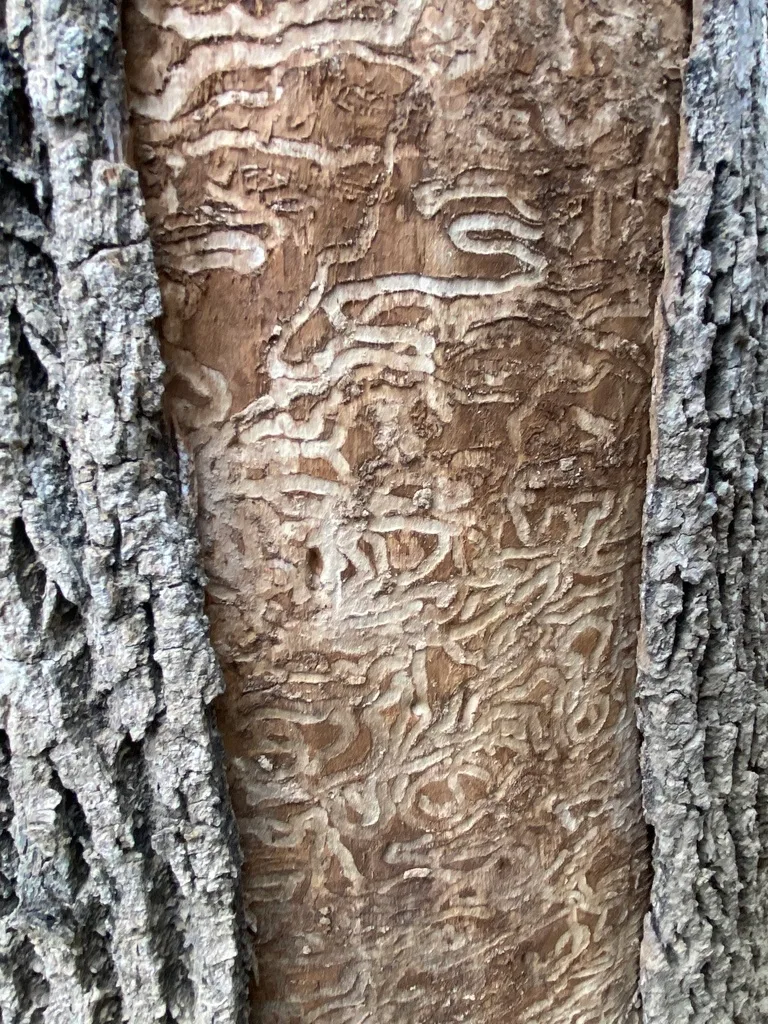
Tree borers are wood-boring insects that spend most of their life cycle as larvae feeding inside trees. The larvae tunnel through the phloem and cambium layers just under the bark, creating serpentine galleries that girdle branches or entire trunks. Once the cambium is destroyed, the tree can't transport sugars or water.
That's when you see crown dieback, epicormic sprouting, and vertical bark splits.
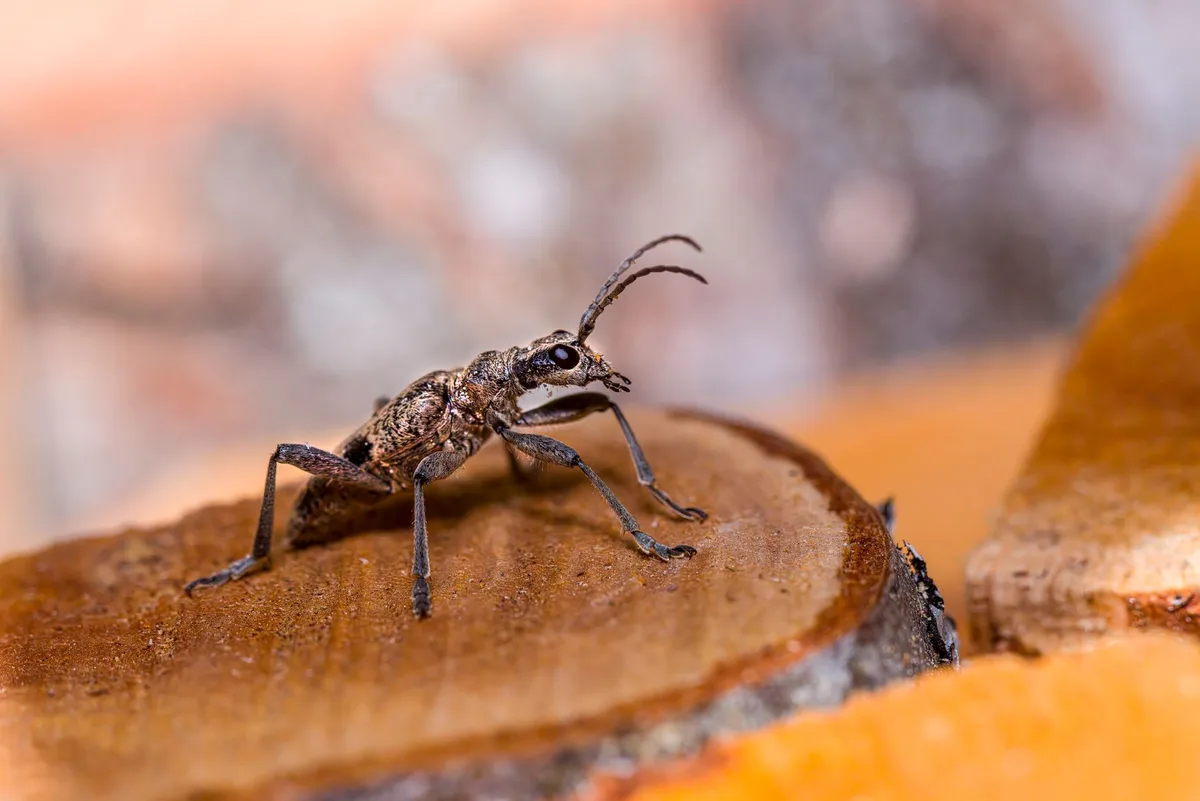
Adult beetles emerge in late spring or summer, leaving behind round or D-shaped exit holes. They mate, lay eggs in bark crevices, and the cycle repeats. A single generation can take one to two years depending on species and climate, so visible damage often lags a year or more behind the initial infestation.
The most destructive borers in the U.S. as of 2026 include emerald ash borer (which has killed tens of millions of ash trees across the Northeast and Midwest), bronze birch borer, flatheaded appletree borer, and Asian longhorned beetle. Each targets specific host trees and causes slightly different damage patterns. Misidentifying the species leads to wasted treatment dollars and continued tree decline.
Stressed trees are the most vulnerable. Drought, transplant shock, root damage, or poor soil conditions weaken a tree's natural defenses, making it an easy target for egg-laying beetles. Healthy, well-watered trees can sometimes wall off early infestations with sap and callus tissue.
That's why preventive care (mulching, watering during dry spells, avoiding trunk wounds) matters as much as reactive treatment.
How to Tell If Your Tree Has Borers (Not Something Else)
Borer damage looks like a lot of other tree problems at first glance. Crown dieback can result from root rot, drought, or vascular disease. Bark cracks happen with winter injury or sunscald.
You need to look for the specific signs that confirm larvae are actively feeding inside the tree.
Exit Holes: Shape and Size Tell You Which Borer You're Dealing With
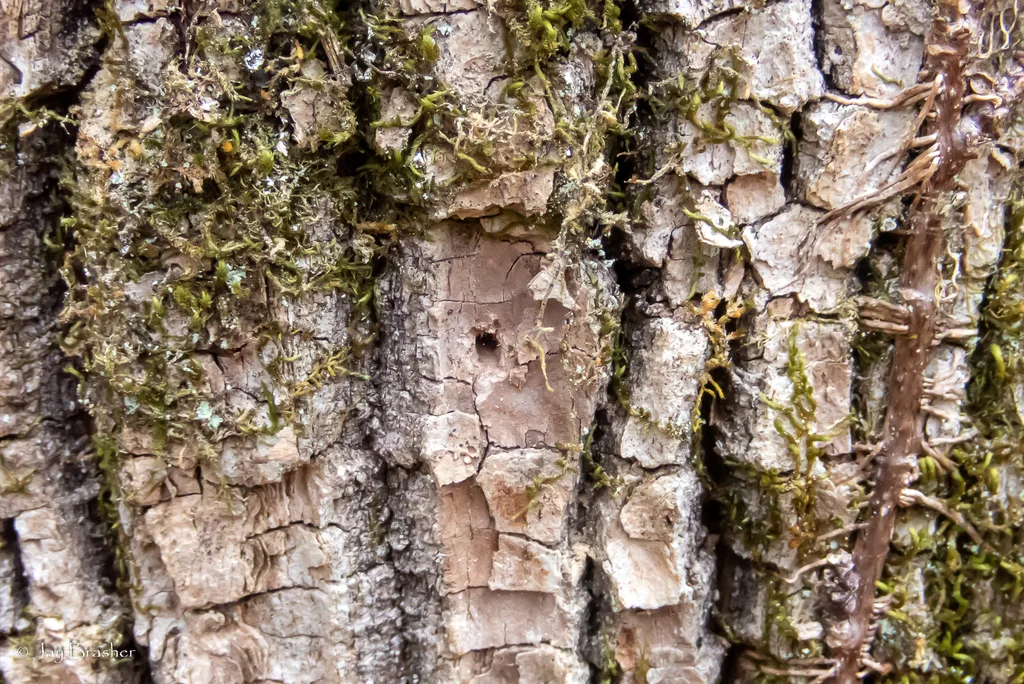
Exit holes are the most reliable diagnostic clue. Emerald ash borer leaves D-shaped holes roughly 1/8 inch across. Roundheaded borers (longhorn beetles) create round holes ranging from 1/4 to 1/2 inch.
Flatheaded borers also produce oval or D-shaped holes, but they're typically larger than EAB holes and found on stressed hardwoods like oak, maple, or fruit trees.
Check the trunk, major branches, and even exposed roots. Fresh exit holes have clean, sharp edges and light-colored wood inside. Older holes weather to gray and may fill with debris.
If you find dozens of holes concentrated in one area, the infestation has been active for at least one full season.
Clearwing borers (like peachtree borer or lilac borer) leave round exit holes near the base of the trunk, often surrounded by gummy sap or frass mixed with resin. These species target younger trees and stressed ornamentals more than mature forest trees.
Frass, Galleries, and Other Warning Signs
Frass is the sawdust-like material larvae push out of their tunnels as they feed. It collects in bark crevices, at the base of the trunk, or on the ground below infested branches. Emerald ash borer frass is fine and tan-colored.
Roundheaded borer frass looks coarser and may include wood shavings or fibrous strands.
Peel back a small section of loose bark. You'll see winding galleries etched into the sapwood or cambium layer. Emerald ash borer galleries are serpentine and tightly packed.
Bronze birch borer galleries run vertically and can span several feet. If the cambium layer is brown, dry, or completely missing, the larvae have already done extensive damage.
Blonding is another telltale sign, especially with EAB. Woodpeckers peck away outer bark to reach the larvae, exposing light-colored wood underneath. Heavy woodpecker activity on a tree trunk usually means a serious borer infestation.
You'll also notice vertical bark splits as the tree tries to compartmentalize the damaged tissue.
Crown Dieback and When It Means You're Too Late
Crown dieback starts at the top of the tree and works its way down. The upper branches lose leaves first, turn yellow prematurely, or fail to leaf out in spring. This happens because the galleries have severed enough vascular tissue to starve the crown.
By the time you see 30% to 50% canopy loss, the infestation has been active for at least two years in most cases.
Epicormic sprouting (shoots growing directly from the trunk or main branches) is a last-ditch survival response. The tree is trying to grow new leaves closer to the remaining functional cambium. If you see heavy sprouting combined with crown dieback and exit holes, the tree is in severe decline.
Treatment at this stage rarely reverses the damage.
Trees with more than 50% canopy loss typically die within one to two seasons even with treatment. The cost of repeated injections or drenches doesn't justify the low survival rate. At that point, removal is the safer and more cost-effective choice.
Can Your Tree Actually Be Saved? The 50% Rule
The 50% canopy loss threshold is the industry standard for deciding whether to treat or remove. A tree with less than 30% dieback has a good chance of recovery with timely treatment. A tree with 30% to 50% loss can be saved if you act immediately and use a high-efficacy product like emamectin benzoate.
Anything beyond 50% is a losing bet.
Measure canopy loss from the ground by estimating how much of the crown still has healthy, full foliage compared to bare or thinning branches. If half the crown looks normal and half looks sparse or dead, you're right at the 50% line. When in doubt, hire a certified arborist to assess the tree's structural integrity and remaining vascular function.
Tree size matters too. Systemic insecticides work best on trees with a trunk diameter at breast height (DBH) of at least 6 inches. Smaller trees often don't have enough vascular tissue to move the product effectively.
Very large trees (over 30 inches DBH) may require multiple injection sites or repeated treatments to achieve full canopy coverage.
High-value trees justify treatment even at moderate damage levels. A mature ash tree in your front yard that provides $10,000 or more in property value and shade is worth a $300 to $500 treatment. A backyard volunteer ash with limited landscape value may not be.
Run the cost-benefit calculation before committing to multi-year treatment.
Location also plays a role. Trees in USDA quarantine zones for emerald ash borer or Asian longhorned beetle must follow specific disposal rules if removed. Treating a borderline tree may be the easier choice if local regulations restrict how you can handle infested wood.
If you're managing a large landscape with multiple ash trees, consider selecting more resilient species for future plantings to reduce long-term borer pressure.
Step 1: Identify the Borer Species
Treatment products and timing vary by species, so correct identification is non-negotiable. Use a combination of exit hole shape, host tree, gallery pattern, and geographic location to narrow it down. If you're unsure, collect a sample (a section of bark with galleries or an adult beetle if you can find one) and send it to your state forestry extension office for confirmation.
Emerald Ash Borer (EAB)
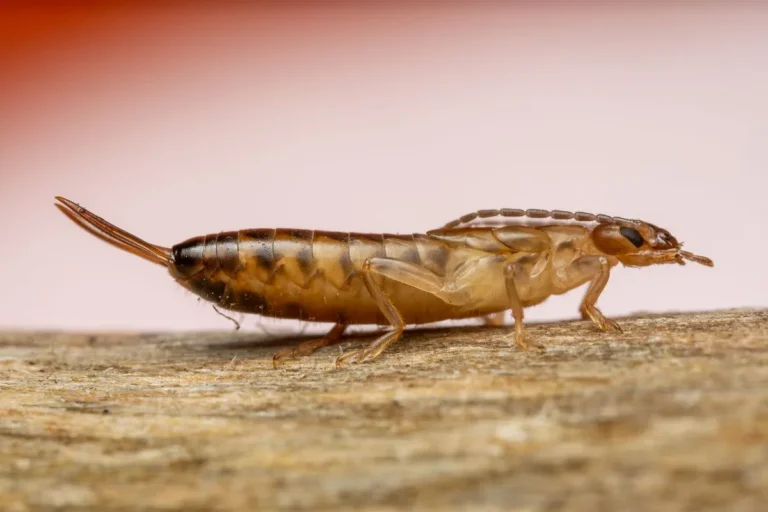
Emerald ash borer is a metallic green beetle that attacks all species of ash trees. The larvae create S-shaped galleries under the bark and leave D-shaped exit holes roughly 1/8 inch wide. Adult beetles emerge from late May through July in most regions, though flight season can extend into August in cooler climates.
EAB infestations spread rapidly once established. A single tree can host thousands of larvae, and adult beetles can fly several miles to find new hosts. USDA quarantine zones cover most of the Midwest, Northeast, and parts of the South as of 2026.
Moving firewood or untreated ash logs out of these zones is prohibited.
Ash trees in good health can be protected with preventive treatments. Imidacloprid soil drenches applied every two years or emamectin benzoate trunk injections every three years provide effective control. Trees with active EAB infestations and less than 30% canopy loss respond well to treatment if applied during the correct window.
Bronze Birch Borer
Bronze birch borer is a flatheaded borer that targets stressed birch trees, especially European white birch and paper birch. The larvae create vertical galleries that girdle branches and trunks. Exit holes are D-shaped and slightly larger than EAB holes, typically 1/4 inch across.
Adult beetles emerge in late May through June and lay eggs in bark crevices on the sunny side of the trunk. Infested trees show crown dieback starting in the upper canopy, yellowing leaves, and heavy woodpecker activity. Birch trees under drought stress or planted in full sun outside their native range are highly susceptible.
Treatment with imidacloprid or dinotefuran can slow bronze birch borer, but the best defense is cultural. Water birch trees deeply during dry periods, mulch the root zone, and plant them in partial shade where possible. Removing heavily infested trees and replacing them with river birch or other resistant species often makes more sense than repeated treatments.
Flatheaded Appletree Borer
Flatheaded appletree borer is a generalist that attacks a wide range of hardwoods, including apple, oak, maple, ash, and cherry. It's most common on newly planted or transplant-shocked trees. The larvae are white with a flattened thorax and create wide, shallow galleries under the bark.
Exit holes are oval or irregularly shaped, ranging from 1/4 to 3/8 inch. You'll often find them on the south or west side of the trunk where sun exposure and heat stress are highest. Trees with mechanical damage, sunscald, or root disturbance are prime targets.
Preventive trunk wraps or white latex paint on young trees reduce egg-laying by reflecting heat. Systemic insecticides provide limited control because flatheaded appletree borer larvae don't feed deeply enough to ingest lethal doses. Focus on tree health and stress reduction instead.
Proper watering and mulching during the first two years after planting drastically cut flatheaded borer risk.
Roundheaded Borers (Longhorn Beetles)
Roundheaded borers include dozens of longhorn beetle species, each with specific host preferences. Asian longhorned beetle is the most destructive, attacking maple, birch, willow, and elm. Native species like locust borer and red oak borer are common but less aggressive.
Larvae are cream-colored, legless grubs that bore deep into the heartwood. Exit holes are perfectly round, ranging from 1/4 to 1/2 inch depending on species. Frass is coarse and may be expelled in stringy clumps.
Infested trees show branch dieback, oozing sap, and large, ragged exit holes concentrated on the trunk and major limbs.
Asian longhorned beetle is under federal quarantine in several states. If you suspect ALB, contact your state agriculture department immediately. Do not attempt treatment or removal on your own.
Eradication programs involve tree removal, chipping, and intensive monitoring.
Native roundheaded borers rarely kill healthy trees but can weaken already stressed specimens. Systemic insecticides offer some protection, but improving tree vigor through watering, proper fertilization, and pruning dead wood is often more effective.
Clearwing Borers (Peachtree and Ash Borers)
Clearwing borers are day-flying moths that mimic wasps. Peachtree borer attacks stone fruit trees (peach, cherry, plum), while ash borer targets stressed ash trees and lilac borer goes after lilac and privet. The larvae bore into the lower trunk or crown, often just below the soil line.
You'll see gummy sap mixed with frass at the base of the trunk. Exit holes are round and small, typically 1/8 to 1/4 inch. Heavily infested trees develop sunken, discolored bark and may snap off at ground level in high winds.
Pheromone traps help monitor adult flight periods, which vary by species but generally run from late spring through summer. Permethrin bark sprays applied during egg-laying season kill young larvae before they bore in. Systemic soil drenches are less effective because clearwing larvae feed in the outer bark and don't contact enough insecticide.
Step 2: Measure the Damage and Decide Whether to Treat or Remove
Start by walking around the tree and estimating how much of the crown still has healthy foliage. Compare the live, leafed-out sections to the bare or thinning branches. If more than half the canopy looks sparse, dead, or missing leaves entirely, you're past the treatment threshold.
Trees in this condition rarely recover even with aggressive intervention.
Check for structural hazards too. Severe borer damage weakens the trunk and major limbs, making them prone to failure in wind or ice. If you see large vertical cracks, loose bark peeling away in sheets, or branches that snap easily, the tree poses a safety risk.
Removal becomes the responsible choice regardless of aesthetic value.
Measure the trunk diameter at breast height (4.5 feet above ground) to confirm the tree is large enough to treat effectively. Most systemic insecticides require a minimum DBH of 6 inches. Smaller trees don't have enough vascular capacity to distribute the product throughout the canopy.
For multi-stemmed trees, measure each major stem separately and use the largest diameter for dosage calculations.
If the tree passes all three tests (under 50% canopy loss, structurally sound, and 6 inches DBH or larger), treatment is worth the investment. If it fails any one of them, budget for removal and plan a replacement with a non-host or resistant species.
Your Treatment Options: What Actually Works
Three main treatment methods exist for borer control: systemic insecticides applied as a soil drench, professional trunk injections, and topical bark sprays. Each has specific use cases, and picking the wrong one wastes money without stopping the infestation.
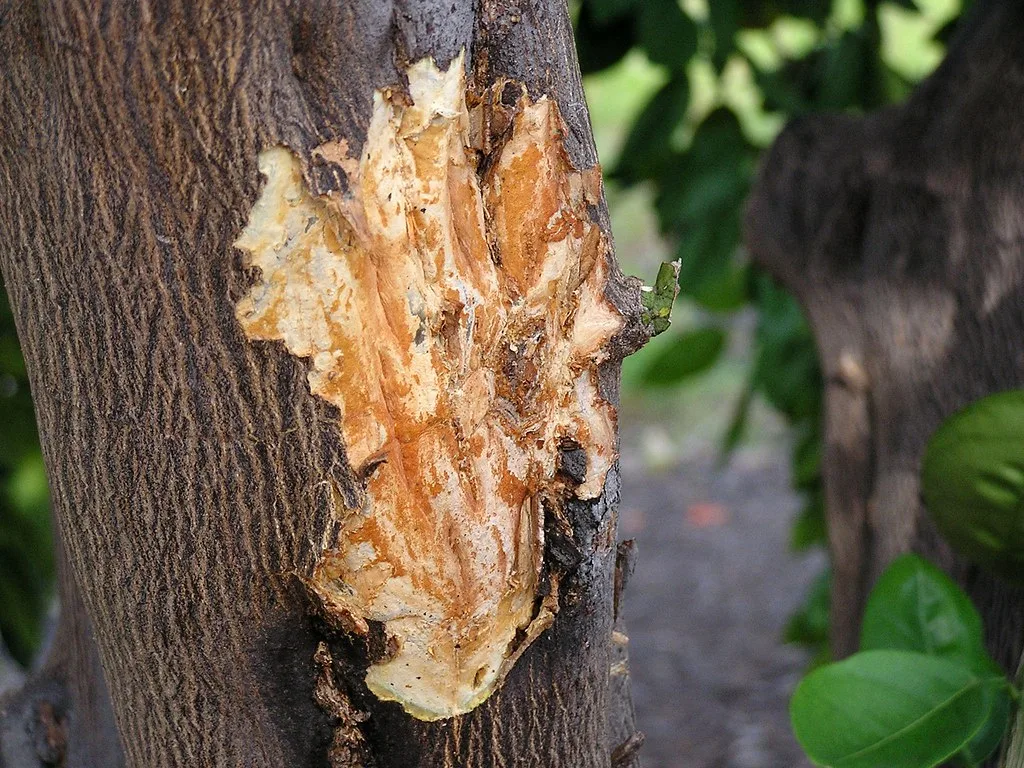
Systemic Insecticides (Soil Drench)
Soil drenches are the most common DIY treatment. You mix a neonicotinoid insecticide (usually imidacloprid) with water and pour it around the base of the tree. The roots absorb the product and move it up through the xylem into the canopy.
Larvae feeding on treated tissue ingest the insecticide and die.
Imidacloprid soil drenches provide protection for one to two years depending on tree size and product concentration. They work best when applied in spring before adult beetles emerge, giving the tree time to translocate the insecticide before egg-laying begins. Trees must be well-watered for effective uptake.
Dry soil or drought-stressed roots reduce absorption and cut efficacy.
The main limitation is speed. Soil drenches take four to six weeks to reach full distribution in the canopy. If you're treating an active infestation with visible exit holes and moderate dieback, the delay allows additional larval feeding before the product kicks in.
For trees already showing 30% canopy loss, a faster-acting trunk injection is the better choice.
Trunk Injections (Professional Treatment)
Trunk injections deliver insecticide directly into the sapwood through drilled ports. The product moves quickly through the vascular system, reaching protective levels in the canopy within days. Emamectin benzoate and dinotefuran are the most common trunk injection products.
Both provide two to three years of residual control.
Licensed applicators drill small holes (typically 1/4 inch diameter) into the trunk at evenly spaced intervals around the circumference. They inject the product under pressure, then plug or cap the ports. The tree compartmentalizes the wound over the following growing season.
Repeated injections in the same spots can cause long-term damage, so proper spacing and rotation of injection sites matter.
Trunk injections cost $200 to $500 per tree depending on size and location. That's higher than a DIY soil drench, but the faster uptake and longer protection window justify the expense for high-value trees or moderate to severe infestations. Injection is also the only effective option for trees in dry climates or rocky soil where root uptake is unreliable.
Bark Sprays (Limited Use Cases)
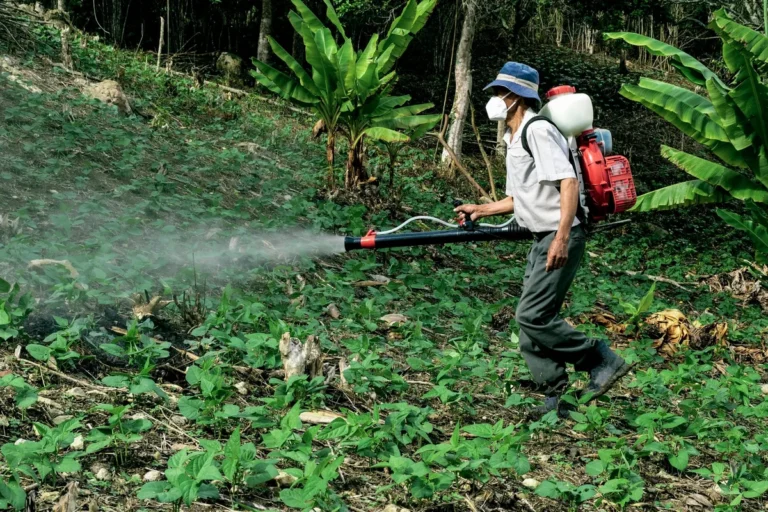
Bark sprays use contact insecticides like permethrin or bifenthrin to kill adult beetles or newly hatched larvae before they bore into the tree. They don't provide systemic protection and only work when timed precisely to the adult emergence window. You need to re-apply every two to three weeks during flight season for consistent coverage.
Bark sprays are most useful for clearwing borers or flatheaded borers on small ornamental trees where soil drenches aren't practical. They're not effective against emerald ash borer or bronze birch borer because the larvae spend too little time exposed on the bark surface. Don't waste time or money spraying a tree with established galleries and active crown dieback.
Which Product to Use: Imidacloprid vs. Emamectin Benzoate vs. Dinotefuran
Imidacloprid is the workhorse for preventive and early-stage borer control. It's available as a soil drench or low-pressure trunk injection. Protection lasts one to two years.
It works well on emerald ash borer, bronze birch borer, and most flatheaded borers. The main downside is slow uptake, especially in large trees or during dry conditions.
Emamectin benzoate (brand name TREE-äge) is the gold standard for trunk injection. It provides two to three years of protection with a single application. Studies show 95% efficacy against emerald ash borer when applied to trees with less than 30% canopy loss.
It's more expensive than imidacloprid but saves money over time by reducing the number of treatments needed.
Dinotefuran moves faster through the tree than imidacloprid and can be applied as a soil drench, foliar spray, or trunk injection. It's effective against a broad range of borers and reaches the canopy in two to four weeks. Protection duration is shorter (one year for most applications), so you'll need to re-treat annually.
It's a good middle option when you need faster action than imidacloprid but can't justify the cost of emamectin benzoate.
Choose imidacloprid for preventive treatment on healthy trees or early infestations with minimal canopy loss. Use emamectin benzoate for trees with 20% to 50% dieback where you need maximum efficacy and multi-year protection. Pick dinotefuran when soil conditions are poor or you need faster uptake than imidacloprid provides.
Timing Matters: When to Treat Based on Borer Life Cycle
Apply soil drenches in early spring, ideally four to six weeks before adult beetles emerge. That gives the product time to reach the canopy before egg-laying begins. For emerald ash borer, target late April to early May in most regions.
Bronze birch borer and flatheaded appletree borer have similar timing windows.
Trunk injections can be done any time from spring through mid-summer as long as the tree is actively growing and moving sap. Late summer injections (August or later) don't distribute as effectively because sap flow slows as the tree prepares for dormancy. Early to mid-June is ideal for most species, catching the larvae before they've caused extensive new damage.
Bark sprays must coincide with adult emergence and egg-laying. Use pheromone traps or degree-day models to predict flight periods for your region. Peachtree borer, for example, typically emerges in late June through August.
Spray every two to three weeks during that window for consistent contact kill.
Don't treat outside the recommended windows. Late-season applications waste product because the tree isn't actively translocating it. Winter treatments do nothing because the larvae are dormant and not feeding.
If you miss the spring window, wait until the following year rather than applying off-cycle.
How to Apply a Soil Drench Treatment (DIY)
Measure the tree's diameter at breast height and calculate the product dosage per the label instructions. Most imidacloprid products dose by trunk diameter, typically 1 to 2 ounces of concentrate per inch of DBH. Mix the concentrate with water in a bucket or watering can according to label dilution rates.
Clear away mulch, leaf litter, and grass within a 2 to 3 foot radius of the trunk. You want the solution to soak directly into the soil where the feeder roots are most concentrated. Pour the diluted insecticide slowly and evenly around the base of the tree, staying within the drip line (the area directly under the outer edge of the canopy).
Water the treated area thoroughly after application. This helps move the product into the root zone and kick-starts uptake. If the soil is dry or compacted, water the area a day before treatment to improve absorption.
Avoid treating during drought unless you can commit to deep watering for the following two weeks.
Re-apply on the schedule listed on the product label, typically every one to two years. Mark your calendar or set a reminder so you don't miss the window. Skipping a scheduled re-treatment allows larval populations to rebound, and you'll lose the protection you've built up.
For ongoing pest pressure in quarantine zones, consistent multi-year treatment is the only way to keep high-value trees alive. Consider using effective lawn care products to maintain overall yard health while managing tree pests.
When You Need a Licensed Arborist Instead
Trunk injections require specialized equipment and a pesticide applicator license in most states. Don't attempt to drill and inject a tree yourself unless you hold the proper credentials. Improper injection depth, spacing, or dosage can damage the tree's vascular system and reduce treatment efficacy.
Hire a certified arborist (look for ISA certification) if your tree has more than 20% canopy loss, if the trunk diameter exceeds 20 inches, or if you're dealing with Asian longhorned beetle or another quarantined pest. Professional assessment also makes sense when you're unsure whether the tree is worth treating or if structural hazards require climbing and rigging.
What Treatment Costs and How Long Protection Lasts
DIY soil drench treatments run $30 to $80 per tree depending on product and tree size. Professional trunk injections cost $200 to $500 per tree. Tree removal ranges from $500 for a small ornamental to $3,000 or more for a large mature specimen with difficult access.
Imidacloprid soil drenches protect for one to two years. Emamectin benzoate trunk injections last two to three years. Dinotefuran requires annual re-treatment.
Budget for recurring costs if you're in a high-pressure quarantine zone where re-infestation risk stays constant.
Mistakes That Waste Money and Let the Infestation Win
Treating a tree with more than 50% canopy loss is the most common expensive mistake. You'll spend hundreds of dollars on injections or drenches without saving the tree. Accept the loss and remove it before it becomes a hazard.
Applying treatment outside the seasonal window is another budget killer. Late summer or fall applications don't distribute through the tree effectively. The product sits in the root zone or trunk without reaching the canopy where larvae are feeding.
Misidentifying the borer species leads to wrong product choices. Bark sprays don't work on emerald ash borer. Soil drenches fail on clearwing borers.
Confirm the pest before buying product.
After Treatment: How to Monitor and When to Re-Treat
Walk around the tree each spring and look for new exit holes, fresh frass, or additional crown dieback. If you find new damage after treatment, the infestation may be too advanced or the product didn't reach effective levels. Contact your arborist to reassess.
Check the canopy for leaf-out and density improvements. A successfully treated tree should stabilize within one growing season and begin filling in thin areas by year two. If the crown continues to decline despite treatment, removal is the next step.
Mark your re-treatment date based on the product label. Don't wait for new symptoms to appear. Preventive re-treatment maintains protective insecticide levels and stops larval feeding before it causes visible damage.
When to Remove the Tree and What to Do With the Wood
Remove any tree with over 50% canopy loss, significant structural cracks, or heavy trunk decay. Remove trees in quarantine zones that show confirmed Asian longhorned beetle or emerald ash borer infestation if local eradication programs require it.
Chip infested wood on site or dispose of it according to local quarantine rules. Never move firewood or logs out of restricted areas. Many states prohibit transporting ash wood across county or state lines to prevent spreading emerald ash borer.
Replace removed trees with non-host species or resistant cultivars. Avoid planting another ash tree in an EAB quarantine zone. Choose maples, oaks, or other hardwoods less susceptible to the borers active in your area.
Quarantine Rules and Firewood Restrictions You Need to Follow
USDA and state quarantine zones prohibit moving ash wood, hardwood firewood, and nursery stock out of infested areas. Violating these rules spreads emerald ash borer and Asian longhorned beetle to new regions. Check your state forestry department website for current quarantine boundaries before transporting any wood.
Dispose of infested wood by chipping it on site, burning it where local ordinances allow, or taking it to an approved disposal facility. Never sell or give away firewood from infested trees. The "Don't Move Firewood" campaign recommends buying and burning wood locally, within 50 miles of where it was cut.
Some states require certified heat treatment or kiln drying for firewood moved across county lines. Commercial firewood vendors must follow USDA compliance agreements. Homeowners face fines for illegal transport, and the penalties fund enforcement and eradication programs.
How to Protect Other Trees and Prevent Future Infestations
Water trees deeply during drought, especially newly planted specimens and species under stress. Drought-weakened trees emit chemical signals that attract egg-laying beetles. Mulch the root zone to retain moisture and regulate soil temperature, but keep mulch 3 to 6 inches away from the trunk.
Avoid wounding tree bark with lawn mowers, string trimmers, or construction equipment. Fresh wounds provide entry points for borers and other pests. Prune dead or damaged branches promptly to reduce stress and eliminate potential egg-laying sites.
Plant a diverse mix of species rather than monocultures. A yard full of ash trees becomes a buffet when emerald ash borer moves in. Mixing in maples, oaks, and other non-host species limits the spread if one tree becomes infested.
If you're planning new plantings, consider appropriate species for your climate to build long-term resilience.
Frequently Asked Questions
Can I treat a tree that already has exit holes?
Yes, if canopy loss is under 50%. Exit holes confirm larvae have completed their life cycle, but additional generations may still be feeding inside. Treat immediately with a trunk injection for fastest uptake.
How long does it take to see results after treatment?
Soil drenches take four to six weeks to reach protective levels. Trunk injections work within days. You won't see immediate improvement in the canopy, but new exit holes and frass should stop appearing within one growing season.
Do systemic insecticides harm pollinators?
Soil-applied neonicotinoids can move into pollen and nectar of flowering trees. Avoid treating flowering ornamentals during bloom. Trunk injections pose lower pollinator risk because the product stays inside the tree's vascular system.
Can I save a tree with 60% canopy loss?
Treatment success drops to under 20% once dieback exceeds 50%. You'll spend $300 to $500 on injections with minimal chance of recovery. Remove the tree and replace it with a resistant species.
Should I treat all my ash trees or just the ones with symptoms?
Treat high-value trees preventively if you're in an emerald ash borer quarantine zone. Waiting for symptoms means the infestation is already advanced. Preventive treatment costs less than reactive treatment and has higher success rates.
Decision Guide: Your Next Step Based on Your Situation
If your tree has less than 30% canopy loss and you've confirmed the borer species, apply a soil drench in early spring or schedule a trunk injection with a licensed arborist. Mark your calendar for re-treatment in one to three years depending on the product used.
If canopy loss is between 30% and 50%, hire a certified arborist for trunk injection with emamectin benzoate. Monitor the tree closely over the next growing season and commit to follow-up treatments if the tree stabilizes.
If canopy loss exceeds 50%, the tree poses structural hazards, or you've missed multiple treatment windows, remove the tree and dispose of the wood per local quarantine rules. Replace it with a non-host species appropriate for your site conditions.