Guide to Landscape Fabric Pros and Cons 2026
If you're trying to decide whether landscape fabric is worth it, you've probably heard mixed things. The Landscape Fabric Pros and Cons depend heavily on where and how you use it. That's why some gardeners swear by it and others call it a waste of money.
In our research, woven polypropylene fabrics typically last 5 to 10 years before UV degradation becomes an issue. Non-woven spun-bonded types often break down in 1 to 3 seasons. That kind of range means you need to know what you're buying.
Let's walk through what you need to know before you roll out a single foot.
Why This Decision Trips Up So Many Gardeners
The promise sounds perfect. Lay down fabric, add mulch, and never weed again. The reality is messier.
Here's the problem. Landscape fabric works great for the first season. By year two or three, things change.
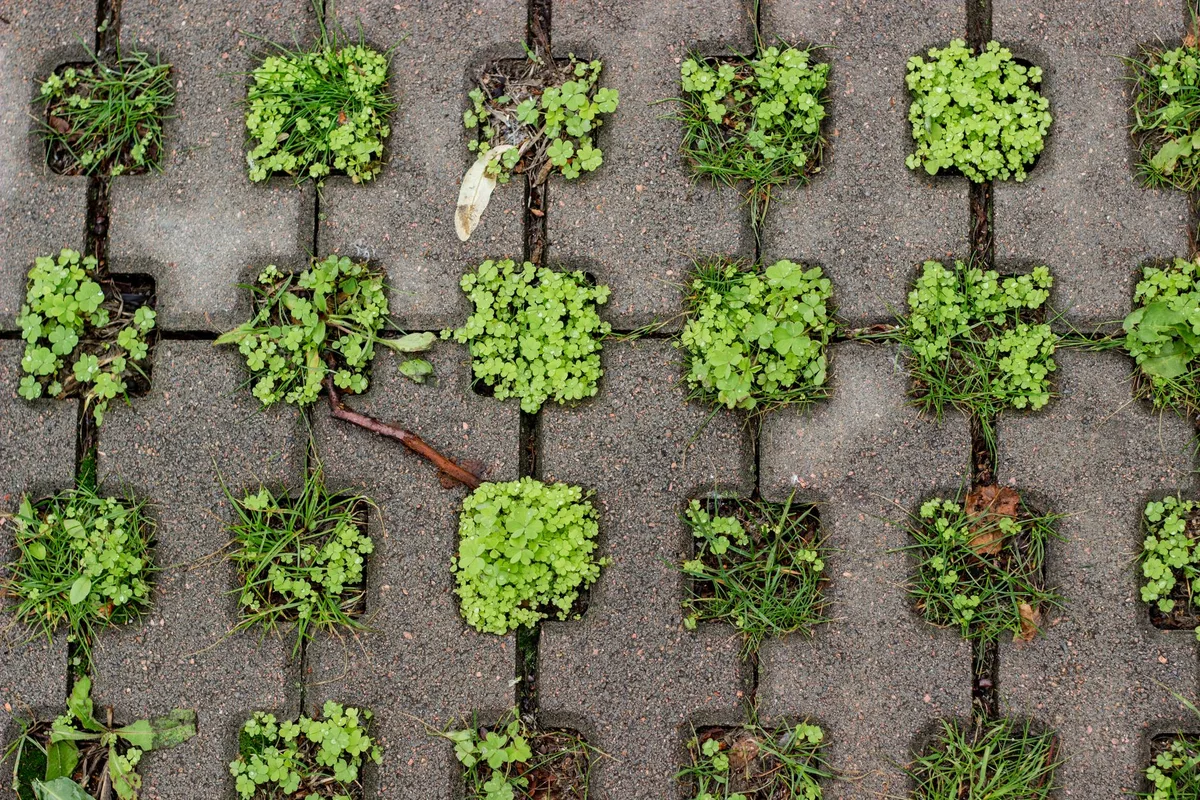
Weed seeds blow in and germinate on top of the fabric. Soil washes down and clogs the pores. Water starts pooling.
Roots from your perennials grow right into the material.
Most gardeners don't realize this until it's too late. They've already planted and covered everything. Pulling it up means disturbing the entire bed.
That's why the decision is tougher than it looks. You need to match the fabric to your specific garden type. One size does not fit all.
Quick Answer: Should You Buy Landscape Fabric?
Landscape fabric blocks weeds but harms soil health. It works best under gravel pathways and in permanent flower beds. For vegetable gardens and annual beds, skip the fabric.
Use cardboard or thick organic mulch instead. Choose woven types for better drainage. Use it only where you never plan to dig.
How Landscape Fabric Actually Works (And Which Type You Need)
Landscape fabric is a permeable geotextile that lets water and air pass through while blocking sunlight to the soil. Without sunlight, most weed seeds can't germinate.
There are two main types. Woven fabric is made from polypropylene strands woven together. It has higher water permeability and lasts longer.
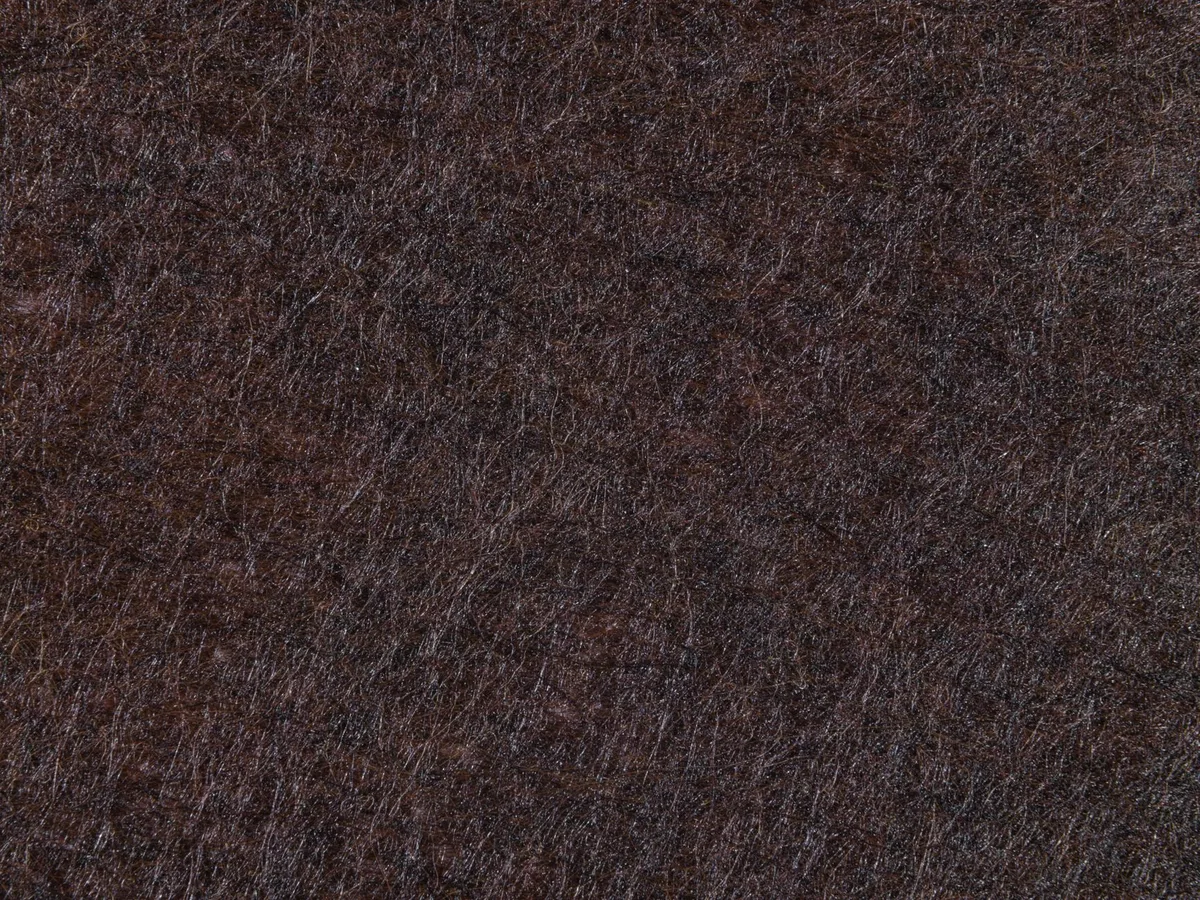
Non-woven fabric is made from fibers bonded together with heat or chemicals. It looks like felt and works better for erosion control but clogs faster.
Here's how they compare:
| Type | Water Flow | Lifespan | Best Use |
|---|---|---|---|
| Woven | High | 5-10 years | Gravel paths, permanent beds |
| Non-woven | Low to moderate | 1-3 years | Slopes, temporary beds |
In our research, woven fabric with a UV stabilizer holds up significantly longer in direct sun. Look for products that specify UV resistance on the label.
The type you choose determines whether the pros outweigh the cons. For most home gardens, woven is the better bet.
The Real Pros and Cons (Beyond the Marketing Claims)
Let's break down what you're really getting with landscape fabric. The benefits are real, but so are the drawbacks.
The upsides
- Blocks 90 percent or more of weeds in the first year
- Cuts down on hand weeding dramatically
- Stops soil erosion on slopes and hillsides
- Keeps gravel clean and separate from the soil underneath
- Reduces soil splashing onto plant leaves (less disease spread)
The downsides
- Weeds start germinating on top of the fabric within 1 to 2 years
- Roots grow into the material, making removal destructive
- Water infiltration drops as the fabric clogs with fine soil particles
- Soil under the fabric becomes compacted and low in oxygen
- Earthworms and beneficial microbes decline
- Planting new plants requires cutting new holes
- Eventually needs full replacement (every 5 to 10 years for woven)
These pros and cons play out differently depending on your garden. For permanent flower beds with established perennials, the pros often win. For vegetable gardens where you dig and rotate crops every year, the cons pile up fast.
Good flower bed planning helps you decide where fabric fits.
Side-by-Side Comparison: When Fabric Works vs. When It Fails
It's easier to decide once you see how landscape fabric performs in specific situations. Here's a quick reference:
| Situation | Fabric Works? | Why |
|---|---|---|
| Under a gravel path | Yes | Keeps gravel clean, lets water drain |
| Under bark mulch in a flower bed | Maybe | Works first 1-2 years, then weed seeds land on top |
| In a vegetable garden | No | Blocks soil amendment and crop rotation |
| On an erosion-prone slope | Yes | Non-woven fabric holds soil in place |
| Around new trees and shrubs | No | Roots need room to spread freely |
| In a rock garden | Yes | Prevents weeds from sprouting between stones |
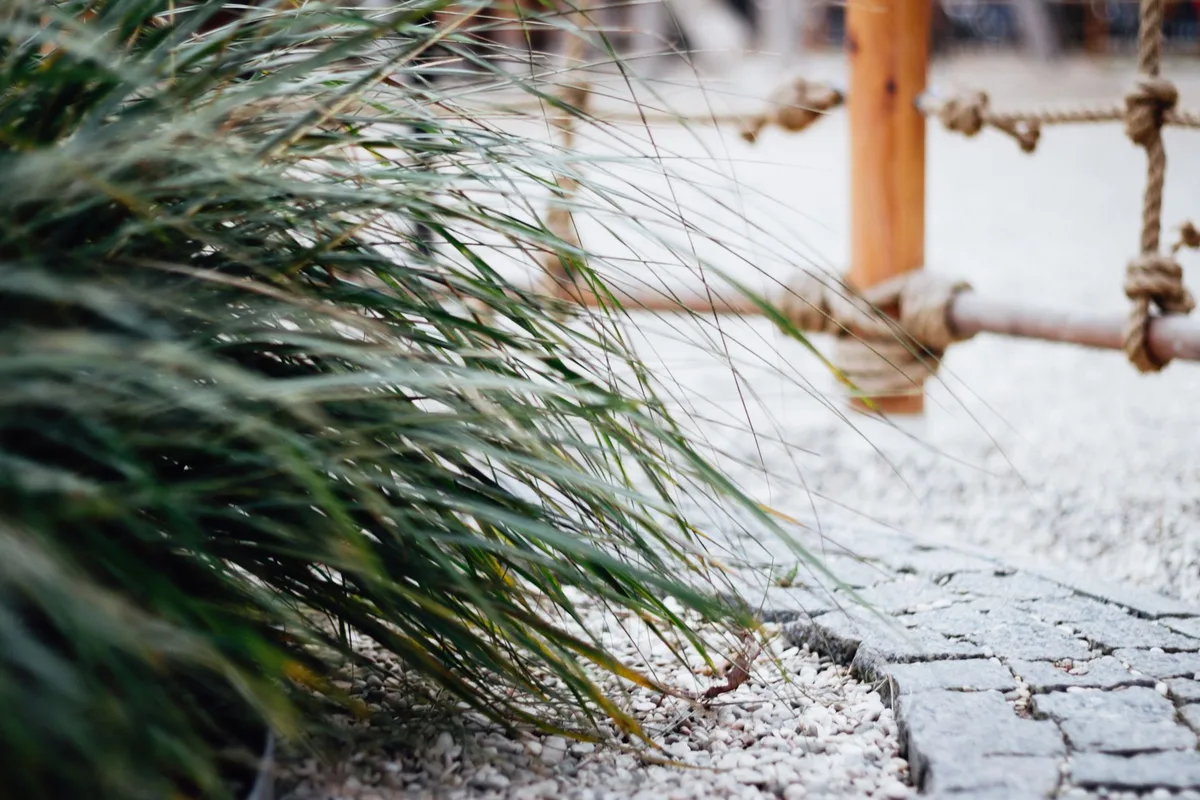
For gravel paths, fabric is a solid bet. The gravel stays clean, and water drains right through. If you're planning a gravel pathway, fabric is often worth the investment.
For vegetable gardens, skip it entirely. You need to amend soil every season, and fabric makes that impossible. Use a thick layer of straw or cardboard instead.
Mature trees need room for their roots to spread. Wrapping fabric around the trunk can choke the tree. If you live in a hot dry climate, choosing drought-tolerant trees that stay low-maintenance can reduce your need for fabric altogether.