How to Aerate a Lawn 2026
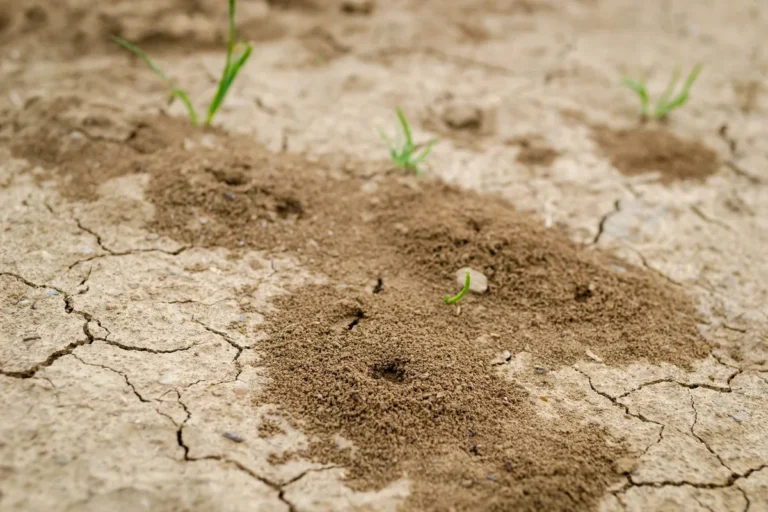
If you've been watering, fertilizing, and mowing but your lawn still looks tired, thin, or spongy underfoot, soil compaction is likely the culprit. Learning how to aerate a lawn is the single most effective way to fix this, it relieves pressure, lets air and water reach the root zone, and gives your grass a real chance to thrive.
Research from university turfgrass programs consistently shows that compacted soil reduces root depth by up to 50 percent. As of 2026, the standard recommendation from the USDA and cooperative extension services is clear: if your soil feels hard, water pools on the surface, or thatch exceeds half an inch, it's time to aerate. Let's walk through exactly how to do it right.
Quick Answer
Aerate by removing small soil plugs with a hollow-tine core aerator. Do this during your grass type's active growing season. Water the lawn one to two days beforehand.
Make two passes in different directions. Leave the plugs on the surface. Water again after finishing.
Repeat once a year for most lawns.
When Does Your Lawn Actually Need Aeration?
Most homeowners aerate on a calendar schedule, every spring or fall whether the lawn needs it or not. That's not always the best approach. The smarter way is to check for actual signs of compaction.
Try the screwdriver test. After a light rain or watering, push a standard screwdriver into the soil. If it meets significant resistance beyond an inch deep, the soil is compacted. Healthy soil should let that screwdriver slide in with moderate effort.
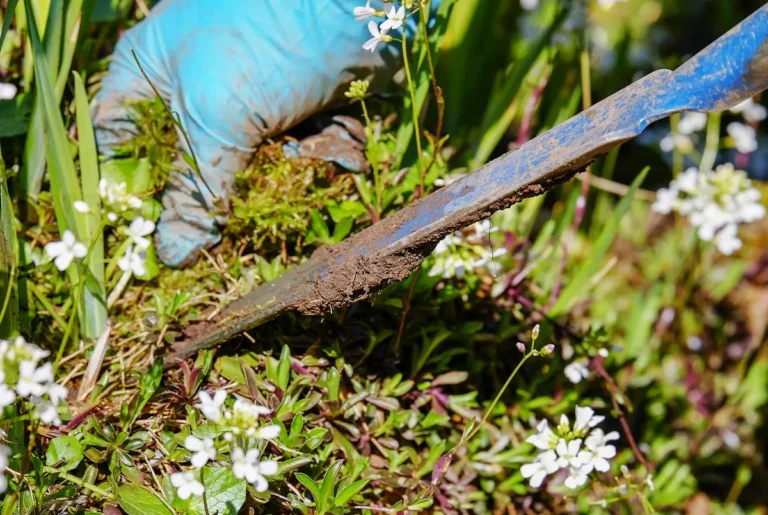
Look at the thatch layer. Thatch is the layer of dead stems and roots between the grass blades and the soil. Use a garden trowel to cut a small slice of turf. If that thatch layer is thicker than half an inch (about the width of your thumb), it's blocking water and nutrients.
Aeration is the fix.
Watch how water behaves. After a rain, check for puddles that sit for more than an hour. Slow drainage is a classic sign of compaction. Your lawn should absorb water within 15 to 30 minutes, not hold it like a shallow pond.
Heavy traffic counts. If kids, pets, or lawn equipment regularly travel the same paths, that ground gets compressed fast. Think of the strip along the fence line, the path to the shed, or where the kids play. Those areas need aeration more often than the rest of the yard.
A quick note: many homeowners skip aeration because their lawn looks green. But surface green doesn't mean the roots are healthy. Compacted soil can produce green grass that's shallow-rooted and stressed.
Aeration builds resilience.
Soil Type Matters — and Why It Changes Everything
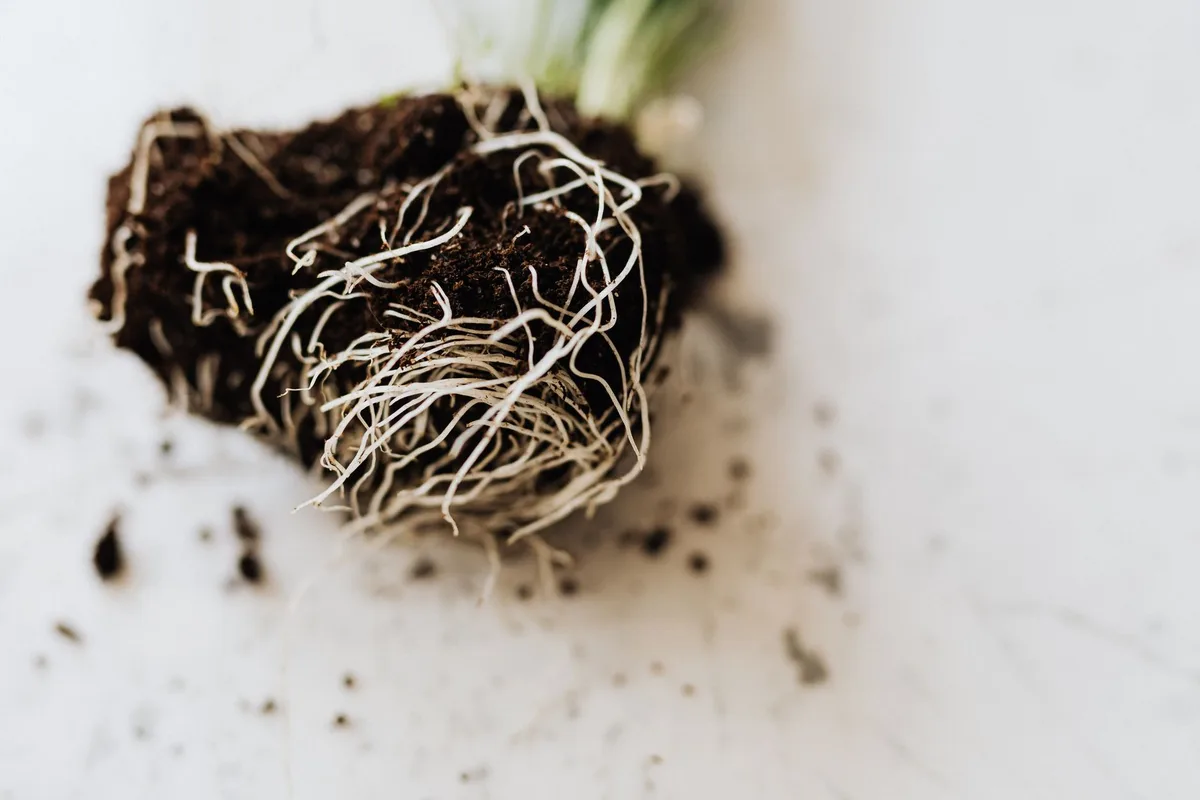
Your soil type determines how often you need to aerate, what equipment to use, and what time of year works best. Ignore this and you'll waste time, or worse, make compaction worse.
Clay soil is the most compaction-prone. Its tiny particles pack together tight, leaving little room for air or water. If you live in the Southeast, Midwest, or Pacific Northwest, you probably have clay.
These lawns need aeration every 12 to 18 months. Core aeration (hollow-tine) is non-negotiable here. Spike aeration actually makes compaction worse in clay by pushing soil sideways, creating denser walls around each hole.
Sandy soil drains fast and rarely compacts deeply. You might only need aeration every two to three years. When you do aerate, spike aerators work fine in sandy soil because there's less risk of sidewall compaction.
The bigger issue with sandy soil is water retention, not air flow.
Loam soil is the Goldilocks zone. It has balanced proportions of sand, silt, and clay. Annual aeration is usually enough.
Core aeration is still the best choice, but spike aeration can work in a pinch if you're just looking to relieve surface crusting.
Here's a practical tip from extension research: if you're unsure what soil type you have, do the jar test. Fill a clear jar halfway with soil from your lawn. Add water, shake, and let it settle for 24 hours.
Sand settles first, then silt, then clay on top. The visible layers tell you exactly what you're working with.
The Two Main Aeration Methods (and When to Use Each)
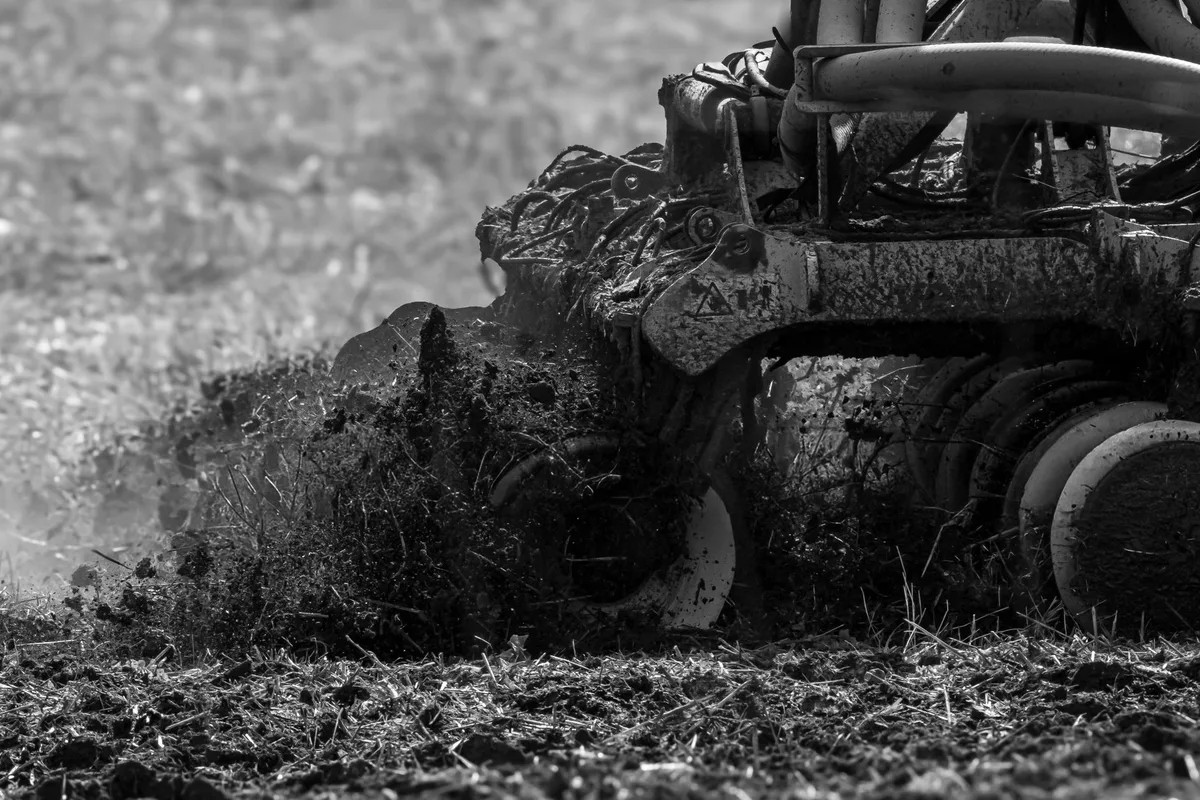
Aeration comes in three forms, but only two do mechanical work. The third uses chemistry. Let's break down each one by what it actually does.
Core Aeration (Hollow-Tine)
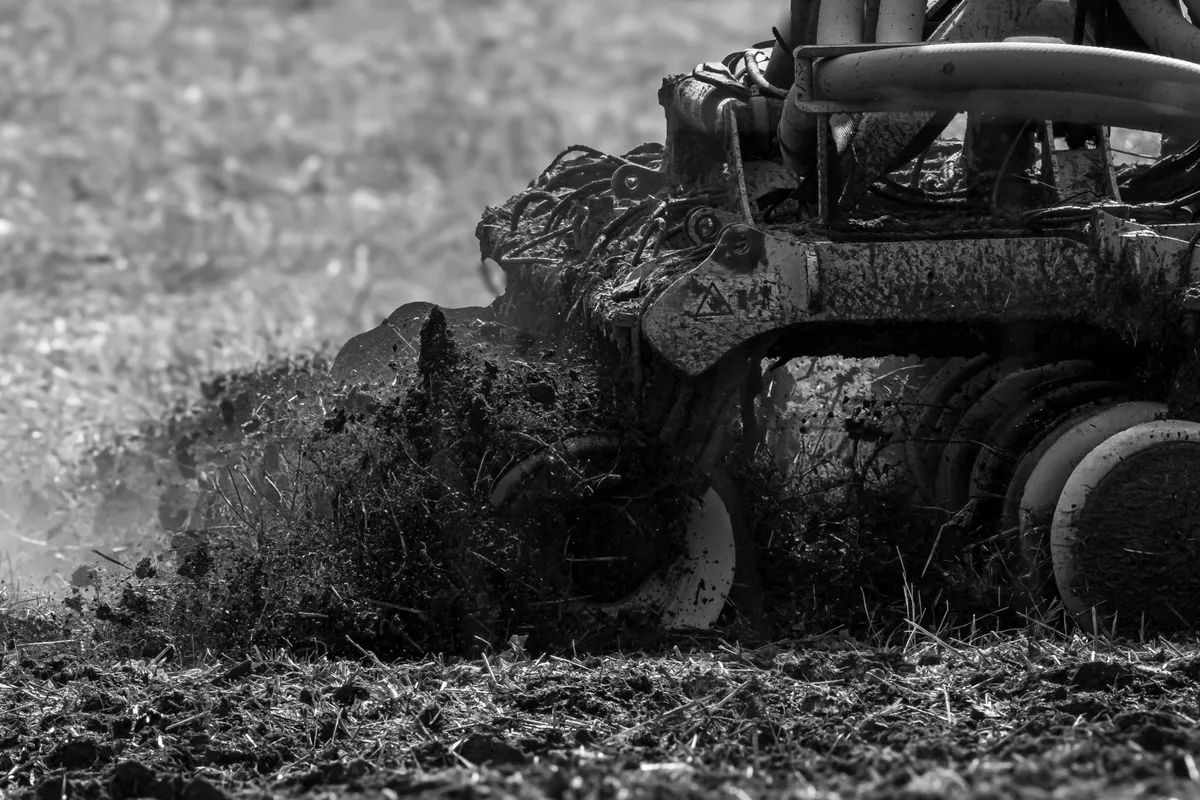
This is the gold standard. A core aerator uses hollow tubes to punch into the soil and pull out a plug roughly 2 to 3 inches long and half an inch wide. Those plugs sit on the lawn surface and break down naturally over one to two weeks.
The hollow-tine design is what matters. It physically removes soil, creating channels that stay open. Air, water, and fertilizer reach the roots directly.
The removed soil is the compaction. This is the only method proven by university turf research to measurably reduce bulk density and improve root mass.
Best for: clay soil, heavy traffic areas, lawns with thatch over half an inch, and any lawn that hasn't been aerated in over a year. Core aeration costs about 50 to 100 dollars for a day rental, or 100 to 300 dollars if you hire a pro.
Spike Aeration (Solid-Tine)
Spike aerators push solid tines into the ground, creating holes by displacing soil sideways rather than removing it. They're cheaper, lighter, and easier to find. You can buy hand-push spike aerators for under 50 dollars, or spike sandals that strap to your shoes.
The problem is physics. In clay or loam soil, those displaced soil particles compact the walls of each hole. Over a full season, you can end up with a layer of denser soil just below the surface.
Spike aeration works reasonably well in sandy soil because sand doesn't compact the same way. But for most home lawns, core aeration outperforms spike aeration by a wide margin.
Use spike aeration for: sandy soil only, very light surface crusting, or as a quick fix between core aeration sessions. Don't rely on it as your primary method if you have any clay content.
Liquid Aeration (Soil Conditioners)
Liquid aeration products use surfactants and humic acids to loosen soil particles without mechanical action. You spray them on with a hose-end sprayer. They're easy, require no equipment rental, and won't disrupt the lawn surface.
The research is mixed. Some studies show modest improvements in water infiltration over four to six weeks. Others show no significant reduction in soil compaction.
Liquid aeration works best as a supplement, not a replacement for mechanical aeration. Use it to extend the benefits of core aeration, not to skip it.
How to Tell If You Need Core or Spike Aeration
Here's a simple decision guide. Your choice depends on three factors: soil type, thatch thickness, and your timeline.
| Your Situation | Recommended Method | Why |
|---|---|---|
| Clay soil, any thatch | Core aeration | Spike aeration worsens sidewall compaction |
| Sandy soil, thin thatch | Either method works | Spike aeration is fine here |
| Thatch over 1/2 inch | Core aeration only | Spike won't remove thatch |
| Light crust, soft soil | Spike aeration | Quick fix, low cost |
| First-time aeration | Core aeration | You need real soil removal |
| Annual maintenance | Core aeration | Long-term root health |
If you're still unsure, default to core aeration. It's the safer choice for 80 percent of lawns. The only time you should pick spike aeration is if you have sandy soil and you're just looking for a light surface treatment.
Even then, core aeration won't hurt.
Cool-Season vs. Warm-Season Grass Timing
Timing is everything. Aerate at the wrong time and you stress the grass just as it needs energy to recover. Aerate at the right time and the lawn bounces back in two weeks.
Cool-season grasses (fescue, bluegrass, ryegrass) grow actively in spring and fall. The best window for aeration is early fall, about four to six weeks before the first frost. Soil temperatures are still warm enough for root growth, and the grass is entering its peak growth phase.
Spring aeration works too, but only if you do it early, before temperatures hit the 70s. Fall aeration gives better results because there's less competition from summer weeds.
Warm-season grasses (bermudagrass, zoysia, St. Augustine, centipede) grow actively from late spring through summer. The ideal time is late spring to early summer, after the grass has fully greened up but before the hottest part of summer.
Aerating too early (while the grass is still partly dormant) can set growth back. Aerating too late (peak summer heat) stresses an already stressed lawn.
A general rule: Aerate when the grass can recover within two to three weeks. That means active growth season, moderate temperatures, and enough rainfall or irrigation to keep the soil moist during recovery.
One more thing: don't aerate during drought. If your area is under water restrictions or the lawn is already stressed from heat, wait. Aeration on a stressed lawn can do more harm than good.
Focus on basic watering first, then aerate when conditions improve.
If you're dealing with common lawn issues like fungal diseases after aeration, a targeted treatment can help. Using the right maintenance schedule keeps your lawn healthy year-round.
Step-by-Step Process: How to Aerate Your Lawn
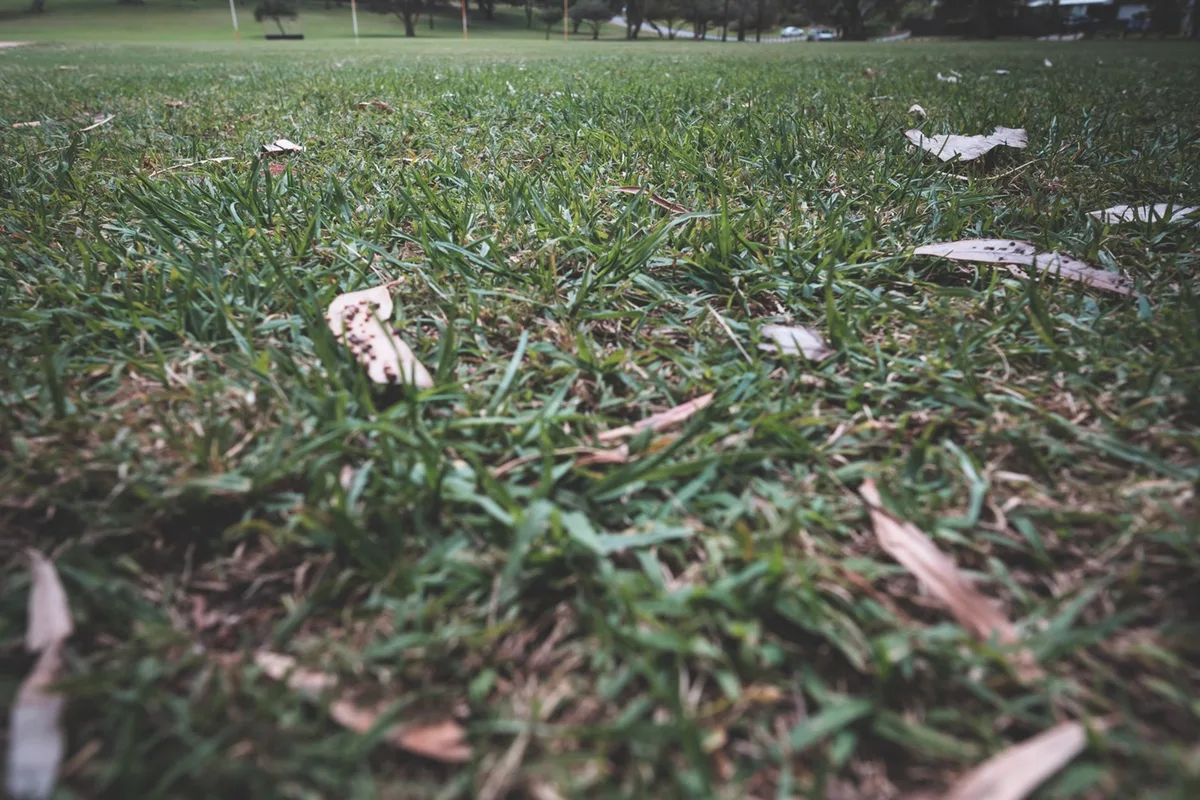
You've checked your soil, picked your method, and locked in the season. Now it's time to actually do it. Here's the sequence that consistently gives the best results.
Before You Start: Prep Work
Mark your utilities. Call 811 at least three days before you dig. They'll mark buried lines for free. Hit a sprinkler line or a gas pipe and your lawn project gets expensive fast.
Mow low. Set your mower to about half its normal height. This gives the aerator clear access to the soil surface. Leave the clippings where they fall.
Water the lawn one to two days before. The soil needs to be damp, not muddy. Test it with a screwdriver. If the screwdriver pushes in with moderate resistance, the moisture level is right.
Dry soil makes the aerator bounce and produces shallow plugs. Wet soil clogs the tines and leaves a mess.
The Aeration Passes: What to Do
Run the aerator in straight lines. Overlap each pass by about half the width of the machine. This ensures complete coverage without skipping strips.
Make a second pass at a 90-degree angle. Go perpendicular to your first direction. This doubles the hole density and breaks up compaction more effectively. Most rental machines cover a 24-inch width, so a 5,000-square-foot lawn takes about 45 minutes for both passes.
Keep the plugs on the lawn. Don't rake them up. They contain beneficial microbes that help break down thatch. They'll decompose naturally within one to two weeks.
If they bother you visually, let them dry for a day and then mow over them to break them up.
What to Do After You Aerate
Water within 24 hours. The open holes are ready to absorb moisture. Give the lawn about half an inch of water to kick-start recovery.
Overseed right away if you're doing it. The holes provide perfect seed-to-soil contact. Spread grass seed at the recommended rate for your cool-season or warm-season type right after aeration. The germination rate can double compared to surface seeding.
Fertilize lightly. A balanced starter fertilizer helps the grass recover and fill in the holes. Avoid high-nitrogen blends at this stage. Use a slow-release option to avoid burning tender roots.
Stay off the lawn for at least a week. Give the roots time to expand into the new air channels. Light foot traffic is okay after four to five days, but skip heavy use for two weeks.
Mistakes That Ruin Aeration (and How to Avoid Them)
Aerating when the soil is bone dry. This is the most common mistake. A dry aerator tine can't penetrate more than half an inch. The machine bounces along the surface and leaves no usable holes.
Water the lawn thoroughly two days before and you're set.
Using a spike aerator on clay soil. As covered earlier, spike aeration creates sidewall compaction. You're effectively packing the soil tighter around each hole. If you own clay and only have a spike aerator, rent a core aerator instead.
It's worth the trip.
Aerating at the wrong time of year. Aerating dormant grass opens up the soil but the roots can't recover. You'll see weed invasion within weeks. Stick to the active growing season for your grass type.
Skipping the second pass. One pass only covers about 80 percent of the soil surface. The second perpendicular pass cuts that remaining 20 percent and adds density where compaction is worst. It's the difference between a decent job and a great one.
Aerating right before a heavy rain. The open holes can erode and wash away soil, seed, and fertilizer. Check the forecast and aim for at least 48 hours of dry weather after you aerate.
Not marking sprinkler heads. Each sprinkler head you rip out costs time and money to repair. Flag them before you start. Walk the lawn with small flags or golf tees to mark every head.
When to Hire a Pro vs. Rent vs. Do It by Hand
This decision comes down to lawn size, physical ability, and budget. Here's how to choose.
Rent a core aerator if your lawn is between 1,000 and 10,000 square feet. A self-propelled gas aerator from a big-box store or equipment yard costs about 60 to 100 dollars for four hours or a full day. It's the best value for the average homeowner.
You get professional-grade results without the commitment of buying. You also control the timing and can overseed immediately.
Hire a professional if your lawn is larger than 10,000 square feet, you have steep slopes, or you simply don't have time. A pro costs 100 to 300 dollars for a typical home lawn. They bring heavy-duty equipment and cover an acre in under an hour.
They also handle cleanup and often offer combination services like overseeding and fertilization. For a busy family, the convenience is worth the premium.
Do it by hand if you have a very small lawn under 500 square feet. A manual core aerator tool costs about 30 to 50 dollars. You push it into the ground with your foot and pull out a plug.
It's slow. Expect to spend 20 minutes per 100 square feet. But for a tiny side yard or a patch that gets heavy foot traffic, it's the cheapest option.
Skip spike aerators entirely for anything beyond sandy soil. If the only tool you have is a spike aerator, use it only for light surface crusting on sandy ground. For anything else, rent the right tool.
Costs, Timeline, and Real-World Data
Here's what the numbers look like for a typical 5,000-square-foot lawn.
| Option | Cost | Time Needed | Results |
|---|---|---|---|
| DIY rental (core aerator) | $60 $100 | 1 2 hours | Excellent |
| Professional service | $100 $300 | 30 60 minutes | Excellent |
| Manual core aerator | $30 $50 | 3 5 hours | Good |
| Spike aerator (manual) | $20 $40 | 1 2 hours | Fair (sandy soil only) |
Timeline for recovery: visible improvement in turf density takes about two to three weeks. Complete recovery with stronger root systems takes four to six weeks. If you overseed, full fill-in can take six to eight weeks depending on grass type and watering consistency.
Research from multiple university turf programs shows that annual core aeration reduces soil bulk density by 10 to 15 percent per year and improves root mass by up to 30 percent over two seasons. Those are real measurable gains, not marketing claims.
Frequently Asked Questions
How often should I aerate my lawn?
Most lawns need aeration once per year. Clay soil and high-traffic areas may need it every six months. Sandy soil can go two to three years between aeration sessions.
The screwdriver test and thatch check are reliable guides.
Can I aerate in the summer?
Only for warm-season grasses during their active growth period. Aerating cool-season grass in summer heat stresses it badly. The roots can't recover, and the lawn thins out.
Stick to fall for cool-season and late spring for warm-season.
Should I water after aeration?
Yes. Water within 24 hours to help the soil settle and to keep the roots hydrated. Apply about half an inch of water.
Avoid heavy saturation that washes away the plugs.
How long do the plugs take to break down?
Typically one to two weeks, depending on weather and soil type. Warm moist conditions speed decomposition. Dry conditions slow it down.
Mowing over the plugs after a day or two breaks them up and accelerates the process.
Can I aerate a wet lawn?
No. Aerating wet soil causes the tines to clog and the machine to leave ruts. The soil should be damp but not muddy.
Wait at least 24 to 48 hours after heavy rain.
Do I need to dethatch before aerating?
Not usually. Aeration itself helps break down thatch by introducing air and microbes into that layer. If thatch is thicker than an inch, dethatch first, then aerate two weeks later.
For thatch between half an inch and one inch, aeration alone is sufficient.
Will aeration fix bare patches?
Aeration helps, but it's not a complete fix for bare spots. The holes improve soil conditions for root growth, but bare patches typically need overseeding or sprigging as well. Aerate first to prepare the soil, then seed immediately for the best results.
Your Aeration Decision Guide
Here's where all that information condenses into a simple playbook. If you have clay soil or thatch over half an inch, choose core aeration. If you have sandy soil and light crusting only, spike aeration works fine.
Aerate cool-season grass in early fall and warm-season grass in late spring. Water two days before, make two passes at 90-degree angles, and leave the plugs on the lawn. For most homeowners, a once-yearly rental of a core aerator delivers the best balance of cost and results.
Stick to that schedule, and your lawn's root system will stay deep, healthy, and resilient.