Guide to Can Pulling Weeds Make Them Worse: Complete Guide
You kneel down, grab the weed by the base, and yank. It feels good. That satisfying pop of roots giving way makes you feel like you've won.
But can pulling weeds make them worse?
Yes, absolutely. It can. And the answer depends almost completely on what kind of weed you're dealing with, how you pull it, and when you do it.
A single inch-long rhizome fragment of bindweed can produce a new shoot within two weeks. That means one careless pull can turn into a dozen new weeds. Let's walk through exactly when pulling works and when it backfires.
The Real Problem: Why Your Weeding Might Be Backfiring
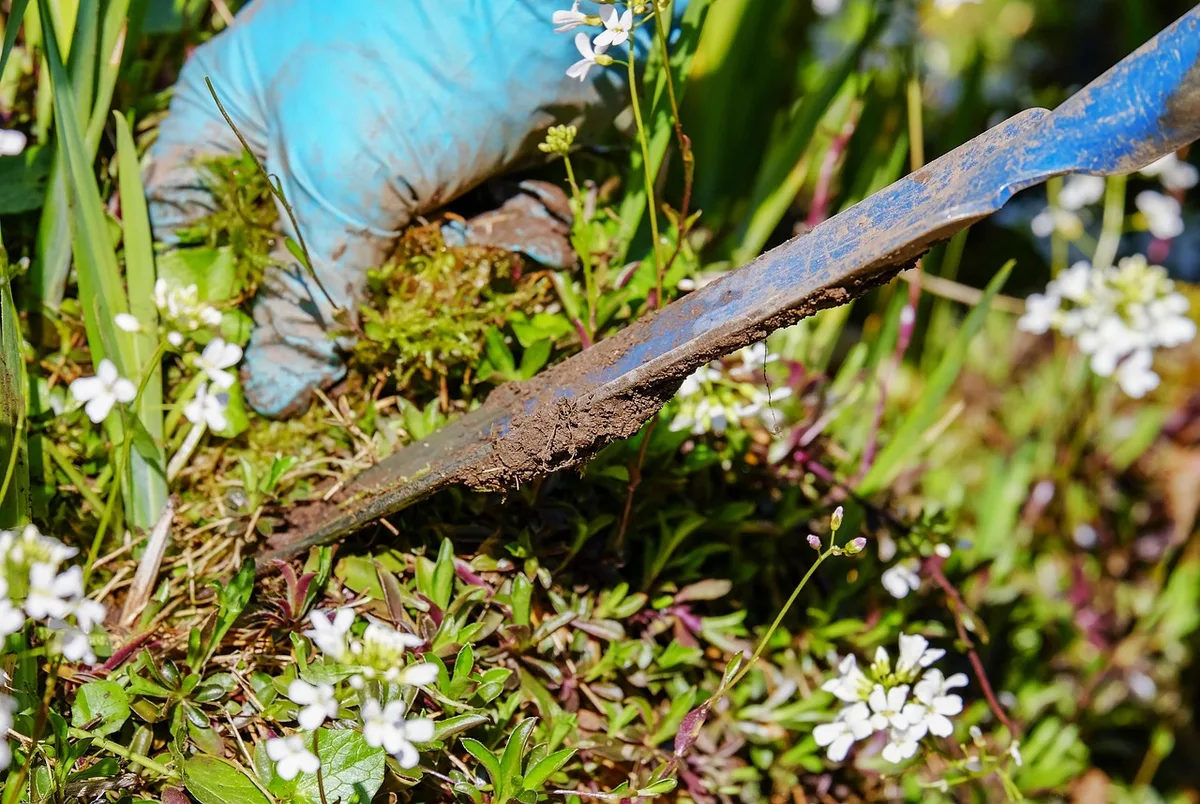
Here's the uncomfortable truth. By pulling a weed, you're often doing two things that help the next generation: disturbing the soil and leaving pieces behind.
When you yank a weed out and break its root system, any fragment left in the ground can regenerate. Some species are incredibly efficient at this. Bindweed and creeping Charlie can regrow from a piece of root less than an inch long.
Nutsedge tubers will happily sit in the soil for years, waiting for their chance.
You're also exposing dormant weed seeds every time you disturb the soil. Those buried seeds were waiting for sunlight. You just gave it to them.
In effect, you solved today's weed problem while planting tomorrow's.
Tool choice matters here too. A standard garden trowel or your fingers alone often break roots rather than removing them whole. Using a proper weeding tool with a long, narrow blade can make the difference between a clean removal and a messy fragmentation.
Quick Answer: When Pulling Helps vs. When It Hurts
Pulling works well for some weeds. It makes others worse.
| Weed Type | Pulling Verdict | Why |
|---|---|---|
| Taproot weeds (dandelions, plantain) | Generally safe | A single root to remove |
| Rhizomatous weeds (bindweed, creeping Charlie) | Risky | Fragments regrow easily |
| Surface spreaders (crabgrass, chickweed) | Safe if timed right | No deep roots to break |
| Bulb/tuber weeds (nutsedge) | Avoid pulling | Tubers spread underground |
If the root system is simple, pull away. If it spreads horizontally or has underground storage organs, think twice.
How Weeds Actually Respond to Being Pulled (Root Types Explained)
Understanding root structure is the single most important factor in deciding whether to pull. Let's break down the three main types.
Taproot Weeds: Dandelions, Plantain – Easy to Fully Remove
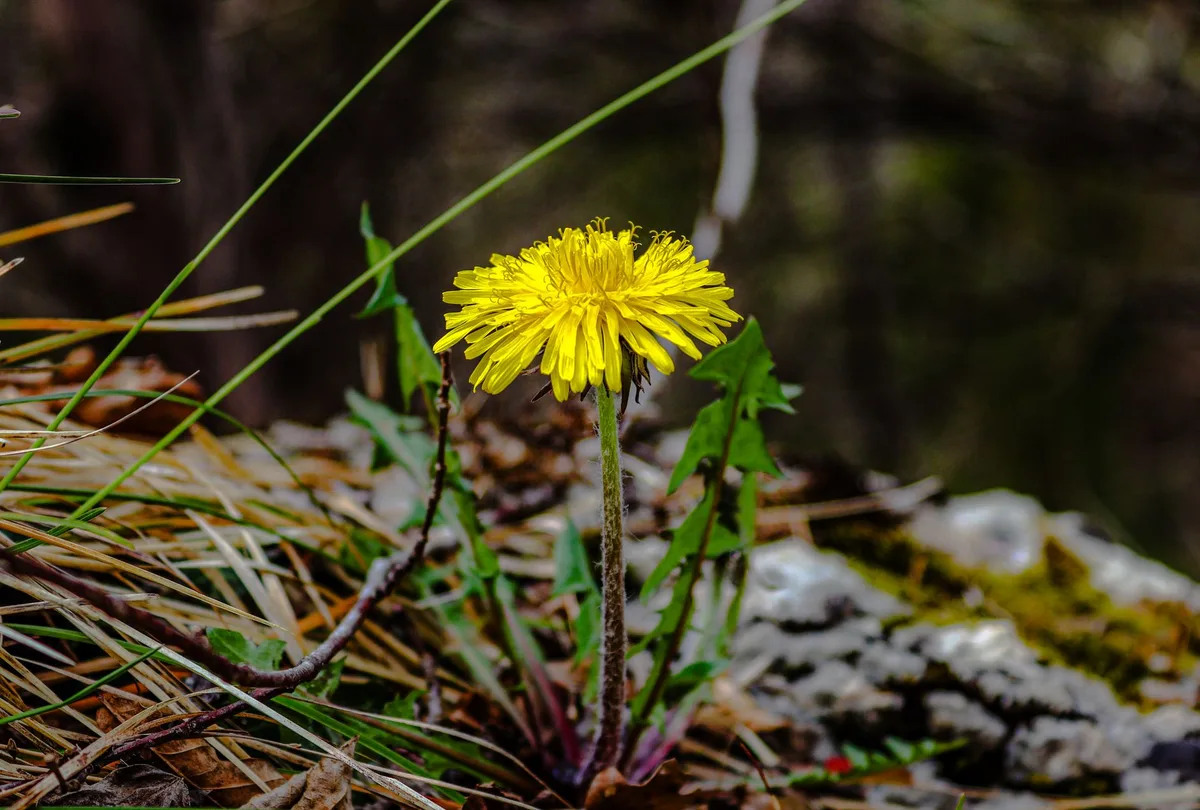
Taproot weeds send a single, thick root straight down. Dandelion taproots can reach 10 to 15 inches deep if left unchecked. But the key point is there's only one root.
If you remove the entire crown and the top few inches of the root, the plant dies.
The catch is that you need to get the whole thing. Break a dandelion taproot two inches below the surface, and the remaining piece will send up new shoots. Use a specialized dandelion digger or a Hori Hori knife to lever the root out without snapping it.
Rhizomatous and Creeping Weeds: Bindweed, Creeping Charlie, Nutsedge – High Risk of Fragmentation
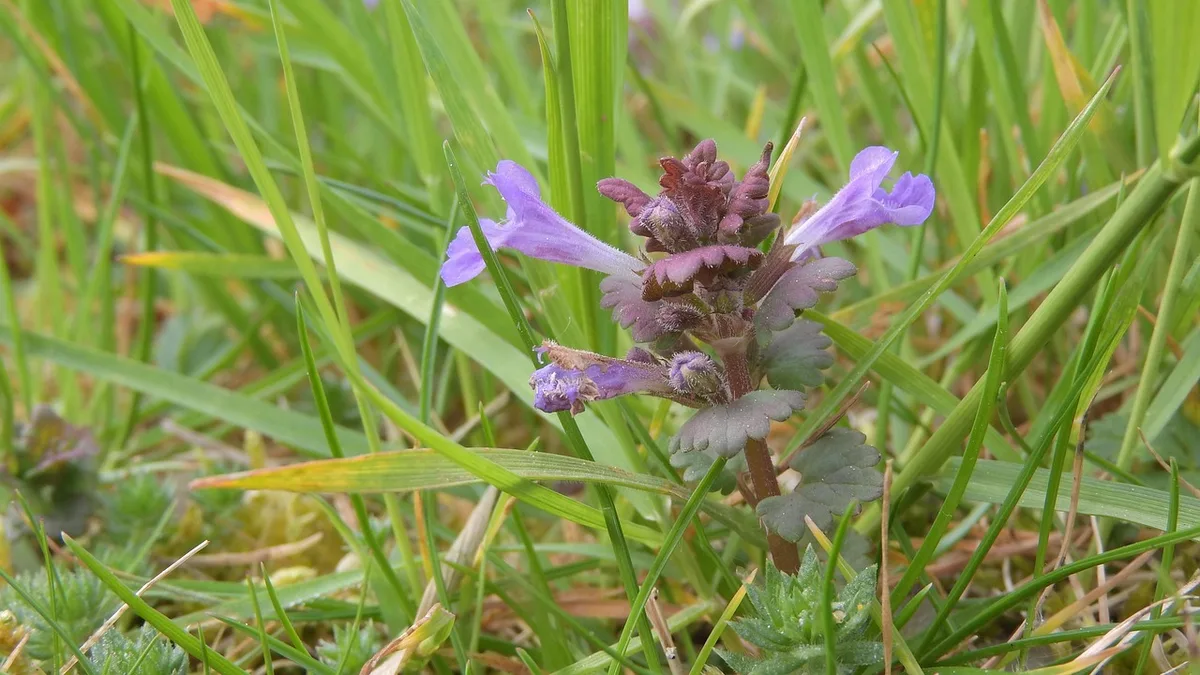
These are the weeds that punish you for pulling. Their root systems spread horizontally through rhizomes, stolons, or tubers. Bindweed can send roots three feet deep and ten feet sideways.
Creeping Charlie roots at every node along its stem.
When you pull one stem, you almost always break the connecting rhizome. Every broken piece can become a new plant. Our research shows that a single bindweed plant fragmented during pulling can produce five to fifteen new shoots within 30 days.
For these weeds, pulling is often counterproductive. You're better off smothering, cutting repeatedly to exhaust the roots, or using targeted treatments.
Spreading Surface Weeds: Crabgrass – Timing Over Technique
Crabgrass and similar annual weeds have fibrous, shallow roots. They don't spread underground. They spread by seed.
If you pull them before they set seed, you're doing yourself a favor.
The trick is timing. Once crabgrass has formed seed heads, pulling it spreads those seeds everywhere. Pull it earlier in the season when the plants are small and the seeds haven't formed.
Dispose of the pulled weeds in the trash, not the compost bin.
The 3 Condition Variables That Decide Your Outcome
You can't control the weed species growing in your garden. But you can control three things that determine whether pulling helps or hurts.
Soil Moisture at Pulling Time
Moist soil is your friend. Dry soil is your enemy. When soil is damp, roots slide out more easily.
When it's bone dry, roots snap off at the weakest point, leaving fragments behind.
The sweet spot is roughly 12 to 24 hours after a good rain. The soil is moist enough to loosen its grip but not so wet that it clumps and makes a mess. Squeeze a handful of soil.
It should hold together when you squeeze but crumble when you poke it.
Root Depth and Tool Choice
Your fingers can only grab so much. For shallow-rooted annuals, hand pulling works. For deep taproots, you need a tool that reaches down without disturbing the surrounding soil.
A dandelion digger, Hori Hori knife, or CobraHead weeder are all designed to penetrate vertically and lift the root intact. Stirrup hoes and scuffle hoes cut weeds at the soil line, which is ideal for certain species but won't remove taproots. Choose your tool based on the weed type, not the other way around.
Weed's Life Stage (Pre-Seed vs. Post-Seed vs. Dormant)
This is where most people go wrong. Pulling a weed that has already set seed is like shaking a salt shaker over your garden. Those seeds will germinate for years to come.
| Life Stage | Pulling Outcome | Recommended Action |
|---|---|---|
| Pre-seed (vegetative) | Good | Remove completely |
| Early flowering | Acceptable | Pull carefully, dispose of flowers |
| Seeding | Bad | Cut seed heads first, then consider pulling |
| Dormant (perennials) | Mixed | Roots may be deeper, harder to remove |
If you see seed heads, cut them off into a bag before touching anything else. Bag those seeds immediately. Then decide whether to pull the root.
Decision Tree: Should You Pull or Walk Away?
Here's a practical decision tree. Answer each question honestly about the weed you're facing.
Branch 1 – Is the Weed a Simple Taproot?
If yes, pull it. Use a tool that reaches the full root depth. Water the area first if the soil is dry.
Check that you've removed the entire crown and at least the top few inches of root.
If no, move to Branch 2.
Branch 2 – Is It a Rhizomatous or Creeping Perennial?
If yes, stop and reconsider. Pulling is likely to spread it. Consider cutting it at the soil line repeatedly to exhaust the root system.
Or smother it with cardboard and mulch. You can also try deep digging to remove the entire root system, but that disturbs a lot of soil and may expose more seeds.
If no, move to Branch 3.
Branch 3 – Has It Already Gone to Seed?
If yes, bag the seed heads before doing anything else. Then you can pull the parent plant. Alternatively, you can cut it at the base and dispose of the whole thing without pulling.
If no, proceed to Branch 4.
Branch 4 – Is the Soil Dry or Compacted?
If yes, water the area thoroughly and wait 12 to 24 hours. Pulling in dry compacted soil is almost guaranteed to break roots.
If no, you're clear to pull. Use the proper tool for the weed type. Pull straight up at the base.
Inspect the root after removal to make sure you got it all.
This decision tree isn't complicated, but skipping steps is what gets people into trouble. Take the extra minute to identify the weed and check the soil. Your future self will thank you when you're not pulling twice as many weeds next month.
Step-by-Step Guide: How to Pull Without Making It Worse
Getting it right starts before you touch a single weed. Here's the process that works.
Pre-Pull Identification and Soil Prep
Identify the weed first. Look at the leaf shape, growth pattern, and root structure if you can. Check if it has a taproot, rhizomes, or fibrous roots.
This single step decides whether you pull or use another method.
Check the soil moisture. Dry soil means broken roots. Water the area thoroughly and wait 12 to 24 hours.
Squeeze a handful of soil. It should hold together but crumble when poked. That's the sweet spot.
Proper Grip, Tool, and Pulling Angle
Use the right tool for the root type. A dandelion digger for taproots. A Hori Hori knife for general digging.
A CobraHead weeder for precision work. Your fingers alone won't cut it for deep-rooted weeds.
Grip the weed at the base, as close to the soil surface as possible. Pull straight up with steady pressure. Don't yank or jerk.
You want the root to slide out, not snap. Rock the tool back and forth to loosen the soil around the root.
Post-Pull Inspection and Disposal
Inspect the root after removal. Did you get the whole thing? If the taproot is tapered at the end, you probably did.
If it looks blunt or jagged, a piece is still in the ground.
Check the right oil level before each season of weeding by keeping your tools sharp and clean. A dull tool tears roots instead of cutting them cleanly.
Dispose of pulled weeds in the trash, not the compost bin. This is critical. Many weed seeds survive the composting process.
So do root fragments. Bag them and throw them away.
Common Mistakes That Turn One Weed Into Ten
Most people make these errors. Avoid them and you'll stay ahead of the problem.
Breaking the Root and Leaving Fragments
This is mistake number one. You pull a weed, feel it give, and assume you got it all. But a broken taproot or rhizome fragment left in the soil will regrow.
That fragment might produce multiple shoots.
Aggregate user reviews of weeding tools show that people who switch from hand pulling to using a proper weeding tool see a 60 to 80 percent reduction in weed regrowth within the same season. The tool matters.
Watering After Pulling (Bringing Dormant Seeds to Surface)
Watering after weeding seems sensible. You've disturbed the soil. You want to settle it.
But watering brings buried weed seeds to the surface, giving them the moisture they need to germinate.
Instead, let the soil settle naturally. If you must water, use a gentle spray that doesn't disturb the surface. Better yet, mulch the bare area to block light and prevent seed germination.
Composting Seed Heads or Root Clumps
This is how most garden weed problems spread. You pull a weed with mature seed heads and toss it in the compost. Those seeds survive the composting process and end up back in your garden when you spread the compost.
The same applies to rhizome fragments. Bindweed and creeping Charlie roots can survive for months in a compost pile. Bag everything and send it to the landfill.
Alternative Methods When Pulling Isn't the Answer
Sometimes pulling is the wrong move. Here's what to do instead.
Smothering, Mulching, or Solarization
Smothering works well for rhizomatous and creeping weeds. Lay down cardboard or several layers of newspaper over the weed patch. Wet it down.
Cover it with 3 to 4 inches of wood chips or bark mulch.
The cardboard blocks light. The mulch holds moisture and looks clean. Over the next 60 to 90 days, the weeds underneath die from lack of light.
The roots rot in place without spreading.
Solarization is similar but uses clear plastic to trap heat. It works best in hot summer months when soil temperatures reach 120 to 140 degrees Fahrenheit. This kills weed seeds and roots in the top few inches of soil.
Cutting at Soil Line (For Tough Perennials)
Cutting weeds at the soil line instead of pulling them works well for perennial weeds with deep or spreading root systems. Use a stirrup hoe or scuffle hoe to slice the stem just below the soil surface.
The top of the plant dies. The roots are still alive, so you need to repeat the process every 10 to 14 days. Eventually the roots exhaust their energy reserves and stop sending up new shoots.
This method takes patience but avoids the spread caused by pulling.
Flame Weeding or Boiling Water (For Driveways and Patios)
Flame weeders use a propane torch to heat plant tissue rapidly. The water inside the cells boils, and the plant collapses. This works well for weeds in cracks and crevices where pulling is difficult.
Boiling water is the same idea without the flame. Pour it directly on the weed. It kills the top growth and often the upper roots.
Neither method is selective, so keep them away from your planting beds.
When to Use Herbicides (And When Not To)
Herbicides are an option, but they're not the only option. Let's be clear about when they make sense.
Pre-emergent herbicides create a chemical barrier in the top layer of soil. Weed seeds germinate and die before they emerge. They work best for grassy weeds like crabgrass.
Apply them in early spring before soil temperatures reach 55 degrees Fahrenheit.
Post-emergent herbicides kill existing weeds. Selective types target broadleaf weeds without harming grass. Non-selective types kill everything they touch.
Glyphosate is the most common non-selective option.
Consider some examples of using targeted fungicide treatments for lawns rather than broad-spectrum weed killers. The principle is the same: use the most specific tool for the problem.
Herbicides make sense when the weed infestation is severe and other methods have failed. They also make sense for dealing with noxious or invasive weeds that spread aggressively. Japanese knotweed, for example, rarely responds to manual removal alone.
But herbicides have downsides. They can drift onto desirable plants. They can persist in soil.
Some require protective equipment during application. And they don't address the underlying conditions that allowed weeds to grow in the first place.
If you decide to use herbicides, follow the label instructions exactly. This isn't a suggestion. It's the law.
Mix at the recommended rate. Apply on calm days to prevent drift. Wear gloves and long sleeves.
Pro Advice: Weeding Calendar by Weed Type and Season
Timing your weeding efforts makes everything easier. Here's a simple calendar based on what's happening in the garden.
| Season | Weed Activity | Best Action |
|---|---|---|
| Early spring | Annual weeds germinating | Pull small seedlings while soil is moist |
| Late spring | Perennial weeds actively growing | Focus on taproot weeds before they deepen |
| Summer | Peak growth for everything | Cut perennials at soil line, don't pull |
| Early fall | Weeds preparing for dormancy | Best time to pull taproot weeds completely |
| Late fall | Weeds dying back | Remove seed heads, don't disturb soil |
Early spring is the easiest time to pull annual weeds. They're small. The soil is moist.
Their roots haven't deepened yet. A simple pass with a stirrup hoe or your hands removes them cleanly.
Late spring is when taproot weeds are at their most vulnerable. They've sent up leaves and are building root reserves. Pulling them now removes the entire taproot before it gets too deep.
Summer is the danger zone for pulling. Soil is often dry. Roots break easily.
Perennial weeds are storing energy. Cutting them at the soil line weakens them without spreading root fragments.
Early fall is the best time to pull perennial weeds. Plants are moving energy downward to their roots for winter storage. When you pull now, you remove more of the root system with less effort.
The roots are plump and easier to extract whole.
Late fall is for cleanup. Remove seed heads. Bag them.
Don't disturb the soil or you'll expose dormant weed seeds to winter weather, which can actually help them germinate in spring.
Real Scenarios: What Happened When I Pulled the Wrong Way
A gardener in Oregon spent three hours pulling creeping Charlie from a flower bed. Within a month, the patch had doubled in size. The pulling had broken the stems into dozens of rooted fragments, each one starting a new plant.
Another gardener faced bindweed along a fence line. She pulled the visible vines for two seasons. The problem got worse every year.
When she finally switched to repeated cutting at soil level every 10 days, the bindweed retreated after about eight weeks.
The difference in both cases came down to root type and technique. The creeping Charlie needed smothering, not pulling. The bindweed needed exhaustion through repeated cutting.
Pulling made both worse.
Frequently Asked Questions
Does pulling weeds make more grow?
Yes, for certain weed types. Rhizomatous and creeping weeds like bindweed and creeping Charlie regrow from root fragments left in the soil. Disturbing the soil also brings buried seeds to the surface.
For taproot weeds, thorough removal prevents regrowth.
Should I pull weeds after rain or let them dry?
Pull after rain, but wait 12 to 24 hours. Wet soil is too slick and clumpy. Dry soil is too hard and snaps roots.
The best time is when soil is moist but crumbly. Squeeze a handful. It should hold together and then break apart easily.
How do I know if I got the whole root?
Check the end of the root after pulling. A taproot that tapers to a point is likely complete. A blunt or jagged end means a piece broke off.
For rhizomatous weeds, look for any white or pale underground stems. If you see them, more is still in the soil.
Can I compost pulled weeds?
Only if they haven't gone to seed and have no root fragments. Most home compost piles don't get hot enough to kill weed seeds or rhizome pieces. It's safer to bag them and send them to the landfill.
Your future garden will thank you.
What's the best tool for pulling weeds?
A dandelion digger or Hori Hori knife works best for taproot weeds. A CobraHead weeder handles precision work. For cutting at soil level, a stirrup hoe or scuffle hoe is ideal.
Match the tool to the weed type, not the other way around.
How often should I weed a garden bed?
Every 7 to 10 days during the growing season is ideal. Frequent light weeding prevents weeds from establishing deep roots or going to seed. It's far easier than monthly heavy weeding sessions where roots have time to deepen.
Final Decision Guide: Pull, Cut, Smother, or Walk Away
Here's the bottom line. If the weed has a simple taproot and the soil is moist, pull it cleanly with the right tool. If it has a spreading root system, cut it at soil level or smother it.
If it has already gone to seed, remove the seed heads first. If the soil is dry, water it and wait.
Pulling isn't always the answer. But when you do it right, it's one of the most effective tools you have. Identify the weed.
Check the soil. Choose the right method. Your garden will stay cleaner with less effort over time.