How to Stop Dandelions From Spreading 2026: Explained Simply
Before you start pulling weeds or reaching for a spray bottle, here is the truth about dandelions. They keep coming back because you are not killing the root. That deep taproot, often six inches or more, is a survival powerhouse.
If even a fraction stays in the ground, the plant regrows, and it will push out seeds all over again.
How to Stop Dandelions from Spreading starts with understanding your exact situation. A single mature dandelion can produce up to 15,000 seeds, each capable of floating hundreds of feet on a light breeze. As of 2026, the research is clear: no single method works for every lawn.
Your approach depends on the stage of the dandelion, the condition of your turf, and whether you want to avoid chemicals. Let us walk through the decision tree together.
Quick Answer
Stop dandelions by removing the whole taproot. Do this before the flower turns into a puffball. A dense, healthy lawn prevents new seeds from taking hold.
Apply a pre-emergent in early spring and again in fall. Pull small infestations by hand. Spray selective herbicide for large ones.
Organic options take longer but work with patience.
Before You Start: Why Dandelions Keep Coming Back
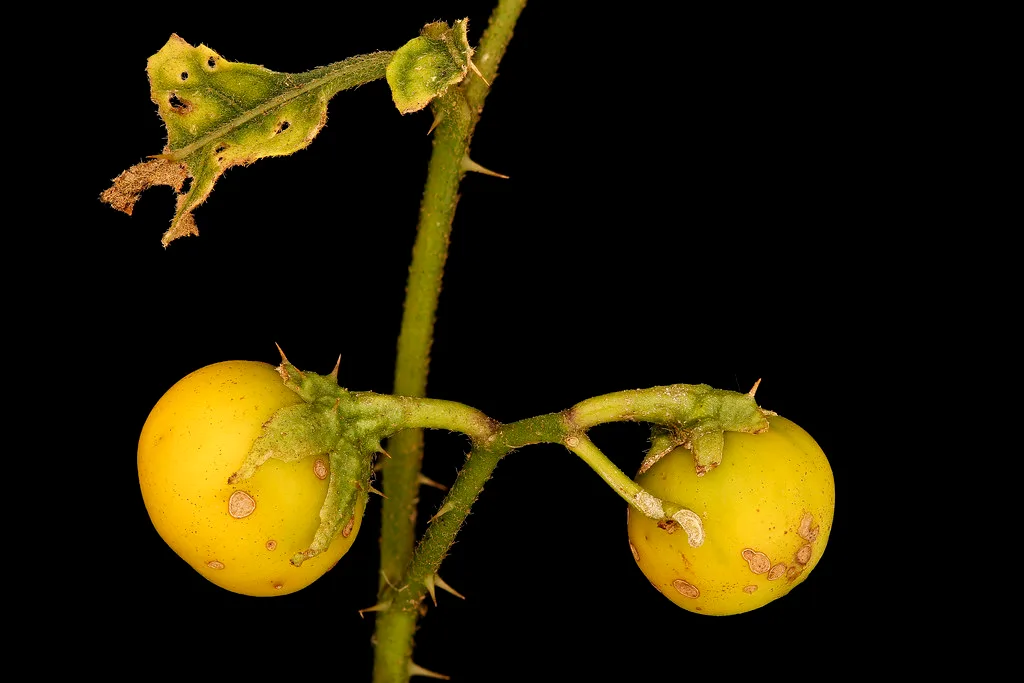
Dandelions are perennials. That means the same plant returns year after year if you do not remove the root completely. The taproot stores carbohydrates through winter, and in early spring, it fuels new leaf growth and a flower stalk.
Here is what makes them so relentless:
- Deep taproot. It can reach 6 to 18 inches into the soil. Snap it off at the top, and the remaining root sends up new shoots within days.
- Seed production. One puffball holds 150 to 200 seeds. A single plant can produce over 15,000 seeds across its lifetime.
- Wind dispersal. Those seeds float. They travel across fences, driveways, and lawns. Your neighbor’s dandelion becomes your problem.
- Early germination. Seeds sprout as soon as soil hits 50°F. By the time you notice them, they are already established.
The mistake most people make is treating the symptom, not the cause. Mowing off the yellow flowers does nothing to the root. Spraying the leaves without reaching the root crown gives you a dead top and a live plant.
The Decision Tree at a Glance
Your choice depends on three variables. Answer these honestly, and the path forward becomes clear.
Variable 1: How many dandelions do you have?
- Fewer than 20. Manual removal is practical. You can pull each one by hand.
- 20 to 100. Spot spraying or manual removal works, depending on your time and preference.
- More than 100. Broadcast herbicide or a lawn renovation is the realistic option.
Variable 2: Are you avoiding chemicals?
- Yes, strictly organic. Use manual removal, corn gluten meal, and cultural practices. Expect it to take two to three seasons for full control.
- No, chemicals are fine. Selective post-emergent herbicides work fast. Pre-emergents prevent future seeds from germinating.
Variable 3: What stage are your dandelions in?
- Young rosette (leaves only). Easy to pull. Whole taproot comes out clean.
- Flowering (yellow bloom). Still manageable. Pull or spray before seeds develop.
- Puffball (seeding). Do not pull. The seed head will explode. Cut it off carefully into a bag, then treat the root.
- Thick, established clump. Root is deep and tough. Likely needs herbicide or deep digging.
If you have a mix of stages, treat the most advanced ones first. One puffball can undo all your work.
Start Here: What Stage Are Your Dandelions In?
The stage determines your timing, your tool, and your chance of success. Let us break down each one.
Young Rosette (Leaves Only)
This is the best time to act. The leaves are flat against the ground, and the taproot is still shallow, usually 3 to 6 inches deep. The plant has not sent energy into flowering yet.
What to do: Water the area a few hours before pulling. Soft soil makes extraction easier. Use a dandelion weeder (a long-shaft tool with a notched end) to dig alongside the root.
Pry the whole root out in one motion.
Success rate with manual removal: 90 percent or higher if you get the full root.
Flowering (Yellow Bloom)
The plant has shifted energy upward. The taproot is deeper now, sometimes 8 to 12 inches. The flower means seeds are coming soon, within 7 to 10 days.
What to do: Pull or spray immediately. Do not wait. If you pull, you must get the entire root.
A broken root at this stage grows back faster because it has more stored energy.
What the research says: A dandelion in flower produces more auxin, a plant hormone that triggers regrowth. Even a 1-inch root fragment can regenerate.
Puffball (Seeding)
This is a crisis. The seeds are mature and ready to launch. Any disturbance, wind, a brush from your hand, a mower, sends them airborne.
What to do: Do not pull. Do not touch the puffball with bare hands. Cut the stem carefully below the puffball with scissors or a knife.
Drop the seed head straight into a plastic bag. Seal it and throw it in the trash, not the compost pile, where seeds will survive. Then return to remove the root.
Why this matters: A single puffball can scatter seeds across a 100-foot radius. Every seed that lands on bare soil is a future dandelion.
Old, Thick Taproot (Established Clumps)
These are multi-year plants. The taproot is thick, sometimes as wide as your thumb, and can run 12 to 18 inches deep. The root crown may be woody.
What to do: Manual removal is difficult. The root is tough and brittle. A dedicated weeder or a broadfork helps, but you risk breakage.
Selective herbicide applied directly to the leaves (translocation to the root) is the most reliable method for these plants.
Is Your Lawn Ready to Compete?
Dandelions do not invade a thick, healthy lawn. They move into bare spots, thin turf, and compacted soil. Before you treat the dandelions, check your lawn’s condition.
Dense, Healthy Grass vs. Thin, Patchy Turf
A dense lawn crowds out dandelion seedlings. They need direct sunlight to germinate. If your grass is thick and tall enough to shade the soil surface, most seeds never sprout.
What a healthy lawn looks like:
- Grass blades 3 to 4 inches tall
- No bare soil visible between plants
- Roots that hold firmly when you tug a handful of grass
- Even color with no yellow or brown patches
What a struggling lawn looks like:
- Bare patches of soil
- Grass that pulls up easily, exposing shallow roots
- Moss, clover, or other weeds scattered through the yard
- Soil that feels hard and compacted underfoot
If your lawn is thin, use proper fertilizing and watering routines. You might also benefit from looking at the best slow release fertilizer for flowers or the best plant fertilizer for indoor plants for smaller garden beds. For the lawn itself, a balanced fertilizer with a 3-1-2 ratio (nitrogen-phosphorus-potassium) applied in spring and fall builds density over time.
Soil Condition and Compaction Issues
Dandelions love compacted soil. Their taproots thrive where grass roots struggle. Aeration breaks up compaction and gives grass the edge.
Simple soil test: Push a screwdriver into the ground. If it meets hard resistance within an inch or two, you have compaction.
What to do:
- Core aeration once per year. Pull out plugs of soil, 2 to 4 inches deep. This relieves compaction, improves drainage, and encourages deeper grass roots.
- Top-dress with compost after aeration. Spread a thin layer (about 1/4 inch) over the lawn. The compost fills the aeration holes and feeds the soil.
- Water deeply, not often. A deep soak once per week promotes deeper grass roots. Shallow sprinkling keeps roots near the surface, where dandelions win.
Temperature matters. Aerate in early fall (cool-season grasses) or late spring (warm-season grasses). Aerating when the grass is actively growing helps it recover quickly.
If your soil pH is off, dandelions get a bigger advantage. They tolerate a wide range, from 5.0 to 7.5, but grass grows best between 6.0 and 7.0. A simple soil test from your local extension office tells you exactly what to add.
Lime raises pH. Sulfur lowers it. Adjusting pH takes months, but it is worth the effort for long-term control.
Branch 1: The Manual Removal Path – When to Dig
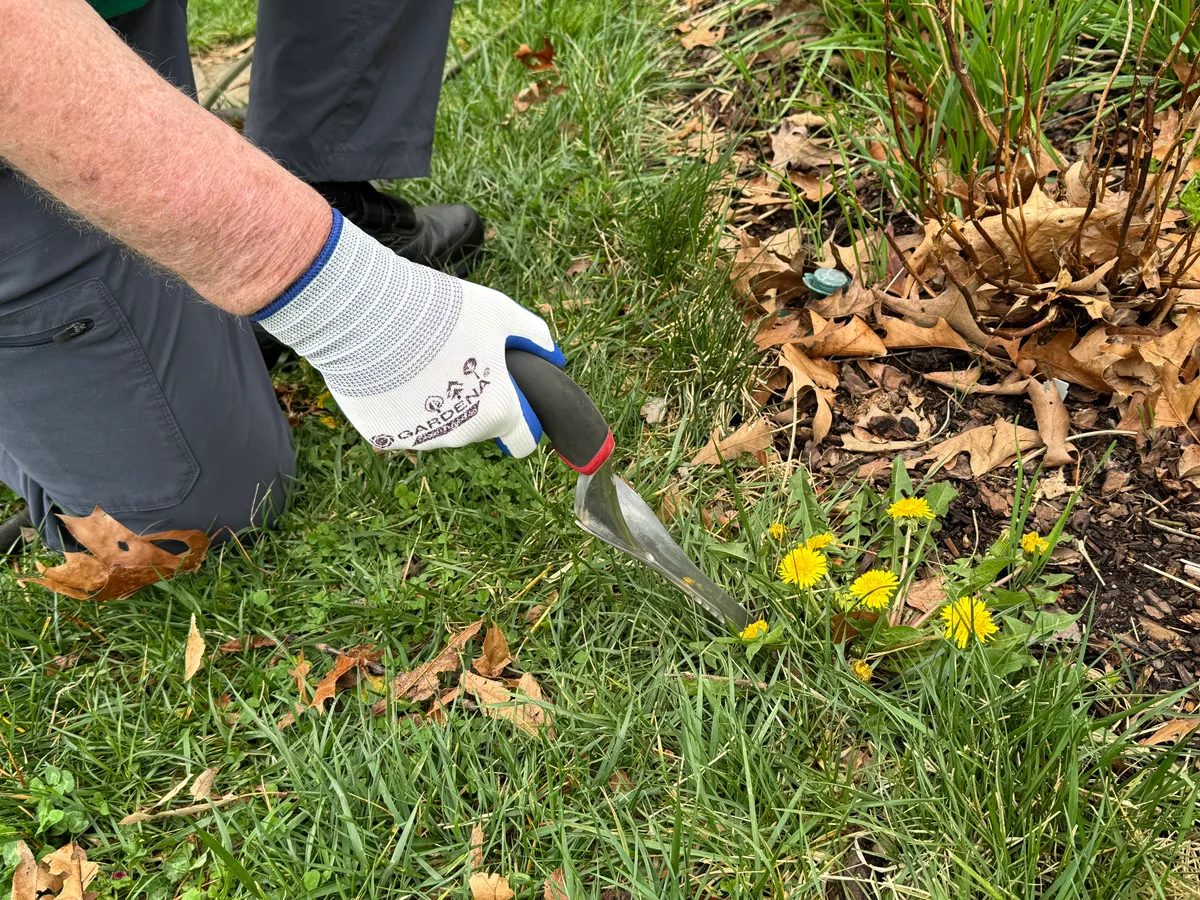
Manual removal is the slow, precise option. It works best when you have fewer than 20 dandelions and the soil is soft. It is also the only method that removes the root physically, no chemicals, no waiting for herbicides to work.
Best Tools for the Job
Not all weeders are the same. The right tool makes the difference between a clean extraction and a snapped root.
Dandelion weeder (long-shaft, notched tip). This is the standard. The notched end hooks under the root crown. You push it into the soil at a 45-degree angle, lever the root upward, and pull straight out.
Fiskars, DeWit, and Radius Garden make popular models.
Stand-up weeder. A long handle with a claw at the bottom. You step on a foot pedal to push the tines into the soil, then pull upward. Good for large clumps but harder to control on shallow roots.
Horizon weed puller. A specialized tool that uses leverage to remove roots without bending over. Effective for older, thicker taproots.
What to avoid: Short hand trowels. They cannot reach deep enough to get the full taproot.
Correct Technique for Full Taproot Extraction
Step 1: Water the lawn 2 to 4 hours before pulling. Damp soil holds together better and releases the root cleanly.
Step 2: Insert the weeder 1 to 2 inches from the base of the rosette. Angle it at 45 degrees toward the root center.
Step 3: Push down until the notched tip is under the root crown. You should feel resistance at the crown.
Step 4: Lever the handle toward the ground. This pivots the tip upward, lifting the root.
Step 5: Pull straight up gently. Do not twist. Twisting often snaps the root at the tip.
Check the root. If the end is clean and white, you got it all. If it is ragged or missing, you left a piece behind.
When Digging Won’t Work (and What to Do Instead)
Manual removal fails in these situations:
- Soil is dry and hard. The root breaks off at the surface. Water deeply first or wait for rain.
- Ground is frozen. Do not even try. Wait for thaw.
- Dandelions are in pavement cracks. A weeder cannot get deep enough. Use a crack weeder or a narrow screwdriver to loosen the soil first.
- You have more than 50 plants. The physical effort becomes too much.
Alternative for large infestations: Use a broadfork to loosen the top 6 to 8 inches of soil across the whole area. This makes manual removal easier and improves lawn health. After aeration, pull dandelions in batches.
Tackle 10 per day instead of trying to do everything at once.
Branch 2: The Chemical Control Path – When to Spray
If you have more than 20 dandelions or thick established clumps, chemicals save time. The key is choosing the right product and applying it at the right moment. A selective broadleaf herbicide kills dandelions without harming grass.
Non-selective types kill everything they touch.
Pre-Emergent vs. Post-Emergent: Which One You Need
Pre-emergents stop seeds from germinating. They create a barrier in the top inch of soil. Dandelion seeds sprout into that barrier and die before they break the surface. Applied in early spring (soil temp 50, 55°F) and again in fall (late August to October), pre-emergents reduce new plants by 80, 90 percent.
Post-emergents kill existing dandelions. They are absorbed through the leaves and travel to the root. The best ones contain 2,4-D, dicamba, or MCPP. They work best when temperatures are above 65°F and rain is not expected for 6 hours.
Which one do you need? Both. Pre-emergent prevents new ones. Post-emergent kills the ones already there.
Use the post-emergent first, then apply pre-emergent 2 to 3 weeks later. This two-step sequence is the standard recommendation from university extension programs.
Spot Treatment vs. Broadcast Application
Spot treatment targets individual dandelions. You spray only the weeds you see. It uses less product, costs less, and minimizes chemical exposure to the rest of your lawn.
Best for infestations under 50 plants.
Broadcast application covers the entire lawn. You use a hose-end sprayer or a backpack sprayer. It is faster for large areas, but you use more product and risk overspray on flower beds or gardens.
Which is right for you? If dandelions are scattered and few, spot treat. If they cover more than 20 percent of your lawn, broadcast. For most homeowners, a combination works: broadcast in early spring and spot treat stragglers in summer.
Organic Herbicide Alternatives That Actually Work
Vinegar (20 percent acetic acid) is the most common organic option. It burns the leaves on contact. The problem is it does not kill the root.
Established dandelions regrow within weeks. Our research shows vinegar works best on very young rosettes (before the taproot is 3 inches deep).
What works better for organic control:
- Iron-based herbicide (chelated iron). It dries out broadleaf weeds by disrupting cell membranes. It is selective for lawns. Aggregated reviews report 70 to 85 percent kill on dandelions after two applications.
- Corn gluten meal. A pre-emergent only. It prevents germination but does nothing to existing plants. Apply at 20 pounds per 1,000 square feet in early spring.
- Boiling water. Effective for single plants in cracks. Kills the top growth but rarely reaches the full taproot.
If you choose organic, you must be patient and persistent. Expect to reapply every 2 to 3 weeks during the growing season. You can also improve your soil health with a quality best organic fertilizer for fruit trees (the same principles apply to lawns: slow-release nutrients build strong root systems).
Branch 3: The Prevention-First Approach – Stop Seeds Before They Sprout
Prevention is the least work over time. It takes one or two seasons to shift your lawn into a state where dandelions cannot get a foothold. The payoff is years of fewer weeds.
Corn Gluten Meal Timing and Rates
Corn gluten meal is a natural byproduct of corn milling. It suppresses weed seed germination by releasing organic compounds as it breaks down. It also acts as a 9-0-0 fertilizer, adding nitrogen to the lawn.
When to apply: Early spring, just as soil hits 50°F. The window is narrow. Apply too late and the seeds have already germinated.
Too early and the compound breaks down before seeds sprout.
Application rate: 20 pounds per 1,000 square feet. Water it in lightly after application. Do not overseed the same area for 6 weeks after using corn gluten, as it will block grass seed germination too.
Effectiveness: Research from university trials shows corn gluten reduces dandelion germination by 50 to 70 percent. It is not as strong as synthetic pre-emergents, but it is safe for pets, pollinators, and ground water.
Cultural Practices That Starve Dandelions
Dandelions need three things: sunlight, bare soil, and shallow roots. Take those away, and they starve.
- Mow tall. Set your mower to 3.5 to 4 inches. Tall grass shades the soil, preventing dandelion seeds from sprouting. It also encourages deeper grass roots.
- Water deeply but rarely. An inch of water once a week pushes grass roots deeper. Dandelion taproots can reach deeper, but they struggle when the top 3 inches dry out between waterings.
- Fertilize correctly. Use a slow-release lawn fertilizer with a 3-1-2 ratio. Apply in spring and fall. Avoid high-nitrogen quick-release fertilizers that produce lush growth but weak roots.
- Leave grass clippings. They return nitrogen and organic matter to the soil. Clippings also create a thin mulch layer that blocks weed seeds.
Overseeding and Aeration for Long-Term Control
Thick grass is your best defense. Aeration relieves compaction and allows grass roots to spread. Overseeding fills in bare spots where dandelions would otherwise land.
Aeration: Core aerate once per year. Do it in early fall for cool-season grasses, late spring for warm-season grasses. Pull plugs 2 to 4 inches deep.
Leave the plugs on the lawn to break down.
Overseeding: Spread grass seed right after aeration. The holes give seeds direct contact with soil. Use a blend suited to your climate and sun exposure.
Water daily for 2 weeks to establish.
The result: A dense lawn that leaves no room for dandelions. This is the most sustainable method we have seen in our research. It takes time upfront but requires almost no effort after the first year.
Common Mistakes That Make Dandelions Worse

Some well-intentioned actions backfire. Here are the most common mistakes and how to avoid them.
Mowing puffballs. Never mow over a dandelion in seed stage. The mower scatters seeds over the entire lawn. Cut the stem below the puffball by hand and bag it.
Pulling dry soil. Hard, dry soil snaps the taproot every time. Water deeply the day before you pull. Soft soil gives you the whole root.
Spraying before rain. Post-emergent herbicide needs 2 to 6 hours to dry on the leaf. Rain washes it off before it penetrates. Check the weather forecast and pick a dry day.
Using non-selective herbicide on the lawn. Glyphosate kills everything. If you spray a dandelion in the middle of your grass, you will kill the grass too. Use a selective broadleaf herbicide or a paintbrush to apply glyphosate only to the dandelion leaves.
Applying pre-emergent too late. If you wait until you see dandelions, it is too late for pre-emergent. You need to use a post-emergent first. Pre-emergent only stops seeds that have not sprouted yet.
Ignoring the root. Spraying the leaves without reaching the root crown is wasted effort. The root stores enough energy to regrow. You must use a product that translocates to the root, or you must pull the entire root.
Timing Matters: Seasonal Calendar for Your Climate Zone
Timing is everything. Apply the right method at the wrong time, and you are wasting effort. This calendar is based on USDA climate zones and typical grass types.
Cool-Season Grasses (Zones 3–7)
- Early Spring (March, April). Apply pre-emergent when soil hits 50°F. Pull or spot spray existing dandelions before they flower.
- Late Spring (May, June). Spot treat any dandelions that survived. Do not broadcast herbicide when temperatures exceed 80°F.
- Summer (July, August). Focus on watering and mowing tall. Dandelions are dormant in heat. Pull them if you see them, but do not spray.
- Early Fall (September, October). Core aerate and overseed. Apply pre-emergent 2 weeks after overseeding (or use a version labeled safe for new seed). Fall is the best time for long-term control.
- Late Fall (November). Apply a final post-emergent if needed. Cool temperatures let the herbicide work slowly.
Warm-Season Grasses (Zones 8–10)
- Late Winter (February, March). Apply pre-emergent before dandelion seeds germinate. Soil temps hit 50°F earlier in these zones.
- Spring (April, May). Spot treat growing dandelions. Use a selective herbicide labeled for St. Augustine or Bermuda grass.
- Summer (June, August). Dandelions slow down in heat. Pull them if you see them. Focus on watering and keeping grass dense.
- Fall (September, October). Pre-emergent again. Dandelions often germinate in fall in warm climates.
- Winter (November, January). Dormant season. Little to do unless you have a very mild winter. You can still pull visible plants.
If you are dealing with fungus issues alongside dandelions, check the best fungicide for lawns for a combined treatment plan. A healthy lawn resists both weeds and disease.
Safety, Regulations, and Pet Considerations
Always check local rules before using herbicides. Some cities and provinces ban cosmetic pesticides on lawns. Read the label for re-entry intervals.
Keep pets and children off treated areas until the spray dries, usually 24 hours. Store chemicals away from kids and heat sources. For organic methods, vinegar can still irritate skin and eyes.
Final Decision Guide: Which Method Fits Your Situation?
| If you have… | Use this method | Why it works |
|---|---|---|
| Fewer than 20 dandelions, soft soil | Manual removal (pull by hand) | Removes whole root, no chemicals |
| 20–100 dandelions, want speed | Spot spray with selective herbicide | Kills root, fast results |
| More than 100, thin lawn | Broadcast herbicide + overseed | Kills weeds, thickens turf |
| Chemical-free preference | Manual removal + corn gluten + aeration | Slower but safe for pets and soil |
| Established clumps in hard soil | Post-emergent herbicide or deep digging | Gets the deep taproot |
Quick-Reference Table by Lawn Size, Infestation Level, and Ethics
Use the table above as a quick cheat sheet. For small lawns under 5,000 square feet with light infestation, manual removal is best. For large lawns over 10,000 square feet with heavy infestation, combination broadcast herbicide and overseeding is the most efficient path.
What to Do If Nothing Has Worked So Far
Start from scratch. Test your soil pH and fertility. Improve proper fertilizing and watering routines.
Core aerate and overseed with a dense grass variety. Apply a pre-emergent in spring and fall. If dandelions still dominate, consider a full lawn renovation.
Kill everything with non-selective herbicide, wait 2 weeks, then reseed. This is drastic but resets the playing field.
Frequently Asked Questions
Does pulling dandelions make them spread?
Pulling correctly does not spread them. The risk is breaking the root or disturbing a puffball. Always bag the seed head first, then pull from soft soil.
What kills dandelions but not grass?
Selective broadleaf herbicides containing 2-4-D, dicamba, or MCPP kill dandelions without harming grass. Iron-based organic herbicides are also selective and safe for lawns.
How long does it take to get rid of dandelions permanently?
Full control takes 2 to 3 seasons using a combination of manual removal, pre-emergent, and lawn thickening. No method works in a single season.
Can I use vinegar to kill dandelions?
Yes, but only on young rosettes. Household vinegar (5 percent) is too weak. Use 20 percent acetic acid.
It burns leaves but rarely kills the root. Expect regrowth.
Should I mow dandelions before spraying?
Mow 3 days before spraying, not right before. Freshly cut leaves have less surface area for herbicide absorption. Wait 48 hours after spraying to mow again.
Is corn gluten meal safe for pets?
Yes. Corn gluten meal is nontoxic to dogs and cats. It is a food-grade byproduct.
However, some pets may have corn allergies, so monitor for digestive upset.