How to Remove Creeping Charlie 2026: Beginner-Friendly Guide
Here's the opening and first five H2 sections of the article, written according to your specifications.
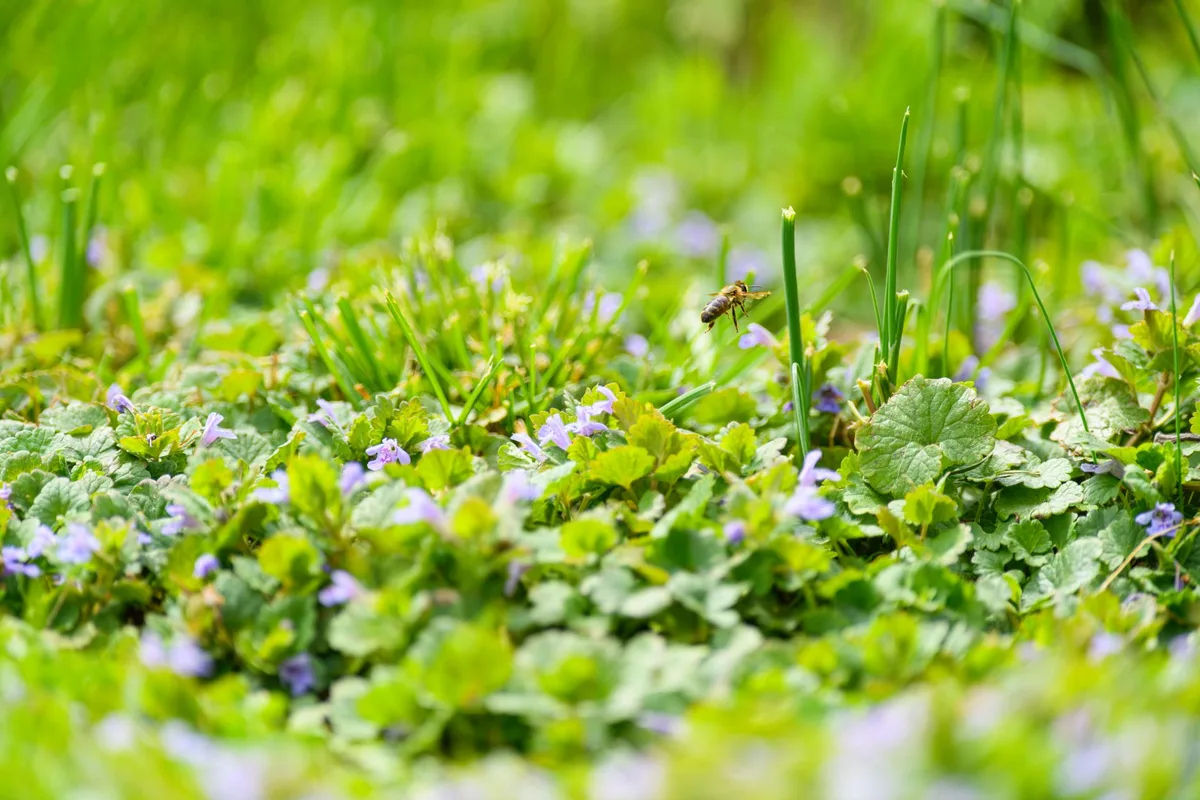
You've got a patch of creeping Charlie taking over your lawn. You've tried pulling it, maybe even sprayed something, and it just comes back thicker. Learning how to remove creeping Charlie the right way means understanding why it's so stubborn in the first place.
Most people fail because they treat it like any other weed, and that's exactly the mistake we're going to fix here.
According to university extension services from the USDA and multiple land‑grant schools, creeping Charlie (Glechoma hederacea) spreads through both seeds and creeping stolons. That means if you don't kill the underground stems, you're just giving it a haircut. As of 2026, the most effective method backed by research is a two‑pronged approach: choose the right removal strategy for your situation, then fix the conditions that let it thrive.
Let's walk through it step by step.
Quick Answer
Kill creeping Charlie with a selective broadleaf herbicide containing triclopyr. Apply in early fall when the plant is storing nutrients. For small patches, remove by hand including all roots.
Always fix shade and soil compaction afterward. Without that last step, it will return within one season.
Why Most People Fail at Removing Creeping Charlie (And How You Won't)
The biggest reason homeowners fail is timing. Spring treatments look great at first because the plant wilts quickly. But creeping Charlie stores energy in its roots during fall, and that's when you can actually kill the root system.
Spring applications just burn off the leaves.
The second mistake is using the wrong chemical. Generic broadleaf weed killers with 2,4‑D alone barely touch this plant. Research from multiple university turfgrass programs shows that triclopyr is significantly more effective.
If you use a three‑way herbicide that includes dicamba, you'll get better results, but triclopyr is still the gold standard.
The third failure point is not addressing the environment after removal. Creeping Charlie loves shade, compacted soil, and low pH. Kill the weed without fixing those factors, and you're basically rolling out the welcome mat for it to come back.
That's why we'll cover the full picture in this guide.
The One Smell Test You Should Always Use (ID It Right First Time)
Before you treat anything, make sure it's actually creeping Charlie. Lots of people confuse it with clover or henbit. The foolproof ID trick is the smell test.
Crush a leaf between your fingers. Creeping Charlie has a distinct minty odor. That's because it's a member of the mint family (Lamiaceae). Clover doesn't smell like anything.
Henbit has a mild, grassy scent but never mint.
Other visual cues to look for:
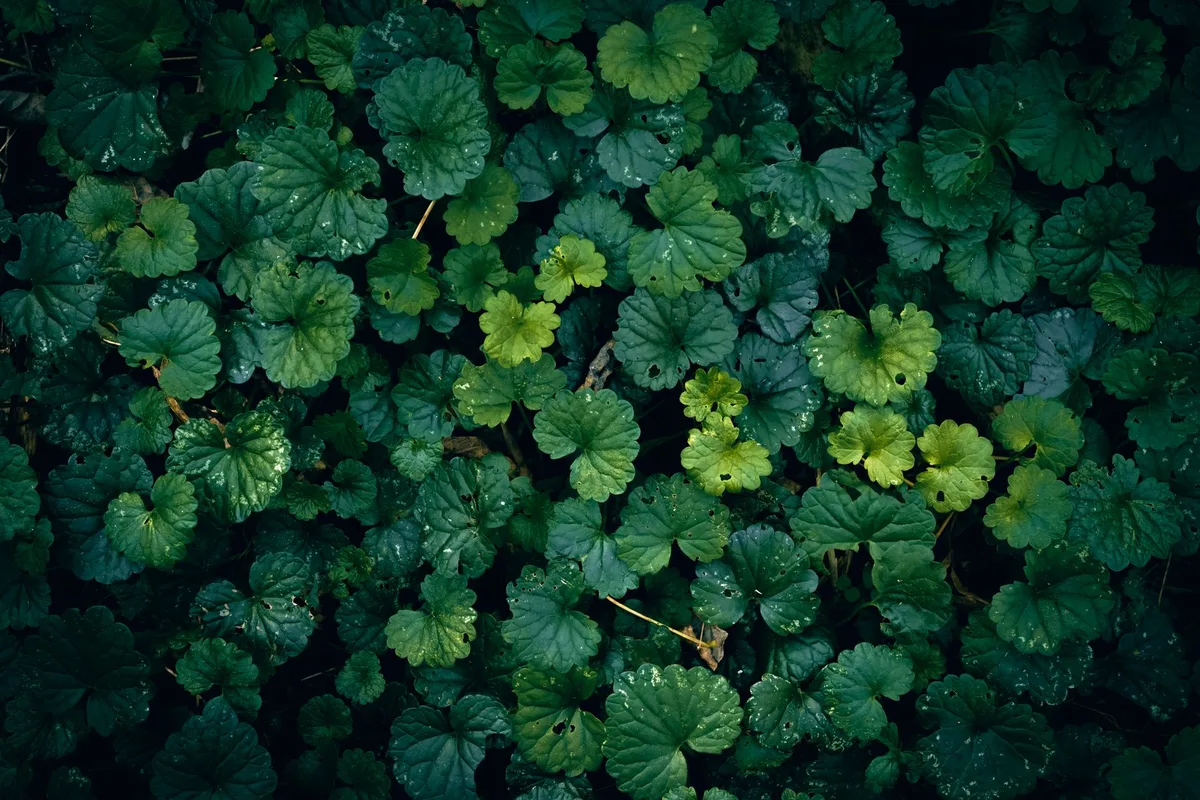
- Leaf shape: round, scalloped edges, opposite leaves on the stem
- Stem type: square stems (another mint family giveaway)
- Growth habit: creeps along the ground, rooting at nodes
- Flowers: small purple tubelike flowers in spring
Once you've confirmed it's creeping Charlie, you can move on to choosing your removal method. The photo below shows the classic scalloped leaf shape.
Professional vs. DIY: Which Approach Fits Your Lawn
This decision hinges on a few key factors: how much ground is covered, what kind of lawn you have, and how much time you can commit. Below is a breakdown of the main methods and what they really take.
| Method | Best For | Time Investment | Effectiveness |
|---|---|---|---|
| Manual pulling | Small patches less than 1 sq ft | 15 minutes per sq ft | High if all roots removed |
| Spot spray (triclopyr) | Medium infestations (1‑10 sq ft clusters) | 2‑3 treatments over 6 weeks | Very high |
| Full lawn blanket | Heavy coverage (over 50% of lawn) | 1‑2 seasons | Most reliable |
| Organic iron‑based | Pet/kid safety is top priority | 3‑4 applications | Moderate |
Who should pull manually: If you have a small patch in a flower bed or around a tree, use a dandelion digger and take your time. You need to get every node. Think of it like removing a chain of paper clips one by one.
Who should spot spray: If creeping Charlie is scattered across your lawn in patches but the grass is still healthy, spot spraying with triclopyr is the sweet spot. You get high effectiveness without nuking your whole yard.
Who should blanket treat: If your lawn is overrun and you barely see any grass, a full lawn treatment with triclopyr is your best bet. Plan for two years of work, because you'll need to reseed and renovate.
Who should go organic: If you have pets, kids, or a well that's close to the lawn, iron‑based organic herbicides are safer. They work slower and need more applications, but they break down quickly and won't leave synthetic residues.
What Makes Creeping Charlie So Stubborn (Risk Factors You Need to Know)
Creeping Charlie is not like most annual weeds. It's a perennial, meaning it comes back year after year from the same root system. Here are the specific traits that make it a headache:
Stolons everywhere. It spreads above ground by sending out runners that root at each node. Even if you pull the main plant, every node left behind can start a new one.
Shade tolerance. While grass struggles in shade, creeping Charlie thrives. It's one of the few weeds that grows better under trees than in full sun.
Low pH preference. It likes acidic soil (pH 5.5 to 6.5). Most lawn grasses prefer a pH between 6.0 and 7.0. If your soil is acidic, you're giving creeping Charlie a home field advantage.
Compacted clay soil. It roots where grass roots can't penetrate. If your lawn is compacted, creeping Charlie will fill the gaps.
Seed bank. A single plant can produce hundreds of seeds that stay viable for years. That's why even after killing the visible plants, new ones can pop up later.
To reduce these risk factors, start with a simple soil test. You can buy a test kit for under $15 or send a sample to your local extension office. Adjusting pH with lime can make a big difference.
Adding organic matter and aerating the lawn helps relieve compaction. And trimming lower tree branches to let in more light will naturally suppress creeping Charlie over time. For more on fixing compacted lawns, check out soil health basics in our lawn care guide.
The Right Way to Remove It (Two Complete Workflows)
We'll cover two proven workflows. Pick the one that matches your situation.
Workflow A: Manual Removal for Small Patches
This is for patches under 1 sq ft in flower beds or around trees. You'll need:
- A dandelion digger or narrow weeding knife
- A bucket for the pulled plants
- A hand trowel for deeper roots
Step 1: Water the area the day before. Wet soil makes pulling much easier.
Step 2: Push the weeding tool straight down about 2 inches, then lever up. Try to get the whole root ball.
Step 3: Inspect the hole. If you see any white stringlike roots left, fish them out. Each one can regrow.
Step 4: Remove all pulled plants from the area. Do not compost them, because the seeds and root fragments can survive.
Step 5: Fill the hole with fresh topsoil and firm it down. If it's in your lawn, sow grass seed immediately. Use a shade‑tolerant grass seed mix if the area is shaded.
How long it takes: Expect 15 to 20 minutes per square foot for thorough removal. For larger areas, this method becomes impractical.
Workflow B: Chemical Control for Heavy Infestations
This is for patches larger than 1 sq ft or whole lawns that are overrun. The chemical of choice is triclopyr. Look for a product that lists triclopyr as the active ingredient at 8‑10% concentrate.
Timing is everything. Apply in early fall (late August to mid‑October in most regions). This is when the plant is moving nutrients down to the roots. Spring applications only kill the leaves.
Step 1: Mow your lawn 2‑3 days before spraying. Let the creeping Charlie leaves grow out a bit so they have more surface area to absorb the herbicide.
Step 2: Mix triclopyr according to the label. For spot sprays, use a pump sprayer set to a coarse spray to avoid drift.
Step 3: Spray each patch until wet but not dripping. Cover the leaves evenly.
Step 4: Wait 24 hours before watering. Triclopyr needs that time to absorb. After that, you can water normally.
Step 5: Reapply 14 days later. One treatment rarely kills everything. Plan for 2 to 3 applications per season.
What else to consider: If you have a lawn fungus issue, treat that first. Creeping Charlie often coexists with lawn diseases because both love damp, shady conditions. For the right antifungal approach, see our lawn fungicide guide.

Important safety note: Do not spray on windy days. Keep kids and pets off the lawn until the spray has completely dried, typically 2‑4 hours. Avoid spraying near ponds or streams.
Triclopyr is toxic to aquatic life. If that's a concern, use the organic method below.
Organic alternative: Iron‑based herbicides (iron HEDTA) work by desiccating the leaves. They won't kill the roots with one application, but repeated use weakens the plant over 2‑3 seasons. Apply every 10‑14 days during active growth.
They're safe for pets once dry and won't harm nearby water sources.
After the creeping Charlie is dead, you'll need to fill bare spots. Fall treatments are ideal because you can overseed immediately after the final spray of the season. That gives the new grass time to establish before winter.
For tropical climates or unusual growing seasons, adjust your timing based on local frost dates.
Now that you've handled the removal, the next step is preventing regrowth. We'll cover that in the next section.