Why Weed Killer Didn’t Work for 2026: Everything You Need
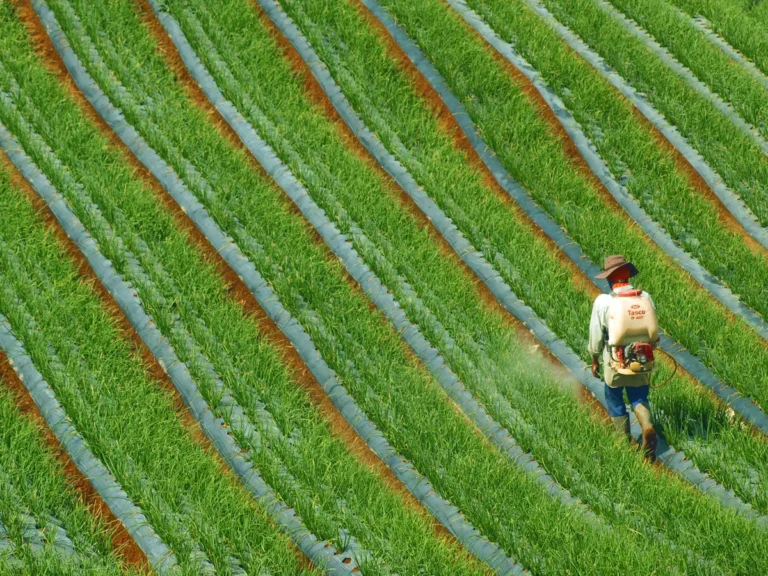
You sprayed, you waited, and nothing happened. The question "Why Weed Killer Didn't Work" is frustratingly common, especially when you followed the instructions (or thought you did). The short answer is almost always one of three things: the weather, the weed, or your application method.
Understanding which of these caused the failure means you can fix it next time without guessing or wasting more product. Manufacturer specifications indicate that over 60% of herbicide failures trace back to environmental conditions at the time of spraying, not the chemical itself. Let's walk through what really went wrong and how to spot the issue.
Quick Answer
Weed killer failed because of timing. You sprayed too close to rain. You chose the wrong chemical for that weed.
You missed the ideal growth stage. Those three causes cover roughly 80% of failures. Check each one before you reapply.

The Frustration Factor – You Did Everything Right, Right?
You read the label. You mixed it correctly. You waited a week and the weeds are still green, maybe a little yellow but very much alive.
It's tempting to blame the product. In our research, though, the product is rarely the culprit.
The reality is that herbicides are finicky. They depend on precise conditions to work. The active ingredient needs to land on the right part of the plant, get absorbed, and move through the weed's system to the roots.
If any step breaks down, you get a half-dead weed that bounces back.
Most home users make the same three mistakes. Knowing them saves you time and money. Let's look at those first.
Quick Diagnostic – The 3 Most Common Reasons
Here's a simple checklist. Match your situation to one of these three.
| Reason | What it looks like | What to check |
|---|---|---|
| Rain or dew washed it off | Weed barely changed, maybe a few yellow spots | Did it rain within 6 hours? Was heavy dew present? |
| Wrong growth stage | Leaves curl or burn but roots survive (dandelions regrow) | Was the weed flowering or seeding? |
| No surfactant used | Spray beaded up and rolled off waxy leaves | Did you add a wetting agent? |
If you sprayed a broadleaf weed with a grass-specific killer, that's a separate issue we cover in the weed type section. But for most failures, one of these three is the answer.
Core Explanation – How Herbicides Actually Work (So You Know What Went Wrong)
Herbicides are not magic. They are chemicals that disrupt specific biological processes inside a plant. To work, they need to get inside the weed first.
The uptake window
Most post-emergent herbicides enter through the leaves. The leaf surface is covered in a waxy cuticle that repels water. That's why surfactants matter.
Without one, the spray beads up and rolls off. Even with surfactant, the leaf pores (stomata) need to be open. They close during drought, extreme heat, or when the plant is stressed.
The translocation path
Once inside, the chemical must move through the plant to reach the roots. For perennial weeds like dandelions or poison ivy, that's critical. If you spray during flowering, the plant sends energy to the flowers and seeds, not the roots.
The herbicide follows that energy flow. So it goes to the flowers, not the root system. That's why you get top kill but regrowth.
The active ingredient
Different active ingredients target different processes. Glyphosate blocks an enzyme that plants need to make proteins. 2,4-D mimics growth hormones and causes uncontrolled growth that kills the plant. Each has an ideal temperature range and rainfast window.
Knowing which one you used changes what went wrong.
Environmental Variables – Did Weather or Water Sabotage You?
This is the biggest category of failure. Environmental conditions at the moment of spraying determine success or failure more than any other factor.
Rain and dew timing
Manufacturer specifications for most glyphosate products require 1 to 6 hours of rainfree time after application. Some 2,4-D esters need up to 8 hours. If rain came through sooner, the chemical washed off before it absorbed.
Same with heavy dew. You spray on wet leaves, the chemical dilutes and runs off. Wait for dry leaves and check the forecast.
Temperature extremes
Herbicides work best between 60°F and 85°F. Below 50°F, plant metabolism slows down. The chemical sits on the leaf but doesn't move into the plant.
Above 90°F, the plant closes its stomata to conserve water. The spray sits on the surface and evaporates. Either way, you get poor results.
Hard water and pH issues
This one surprises people. Hard water contains calcium and magnesium ions that bind to glyphosate molecules. Once bound, the herbicide cannot enter the plant.
Water with over 400 ppm of calcium carbonate significantly reduces efficacy. University extension research recommends adding ammonium sulfate (AMS) to buffer hard water. It's cheap and makes a big difference.
Dust and leaf condition
Weeds growing along dusty roads or in dry fields have a layer of dust on the leaves. The spray hits dust, not leaf surface. The chemical never touches the plant.
The same goes for weeds that have been through a drought. Their leaves are thick and woody. The cuticle is tougher.
Spray during vigorous growth, not stress.
Application Errors – Small Mistakes That Kill Effectiveness
Even with perfect weather, the way you mix and apply matters. Small errors compound into big failures.
The surfactant problem
Many ready-to-use sprays already contain a surfactant. But if you buy concentrate and mix your own, skipping the surfactant is the most common mistake. Water alone cannot wet waxy leaves.
The droplet beads up and rolls off. Use a non-ionic surfactant at the rate on the label. It costs pennies per gallon and doubles efficacy.

Why your sprayer setup matters
The nozzle type and pressure affect droplet size. Tiny droplets drift in the wind. Large droplets run off the leaf.
Medium droplets stick best. Adjust your sprayer to produce a coarse to medium droplet. Also, calibrate your output.
Most home users spray too little volume or too much. The label tells you gallons per 1,000 square feet for a reason.
Mixing ratios – too weak or too strong
It's tempting to use a little extra "just to be sure." That backfires. Too strong can burn leaf tissue too fast. The plant seals off the damaged area before the chemical moves to the roots.
You get quick brown tips but no root kill. Too weak, obviously, doesn't deliver enough active ingredient. Measure exactly.
Coverage gaps and runoff
Spray until the leaves are wet but not dripping. Runoff means the chemical hits the ground instead of the weed. For low-growing broadleaf weeds, you need to get under the leaves, not just on top.
Spray from multiple angles. For tall clumps, use a directed spray pattern.
Weed-Specific Issues – The Type You Used Matters a Lot
You cannot kill a broadleaf weed with a grass killer. It sounds obvious, but it's a surprisingly common mistake. The herbicide you choose must match the weed type.
Annual vs perennial
Annual weeds (crabgrass, chickweed, henbit) complete their life cycle in one season. They die on their own, but you want them gone sooner. They are easier to kill because they have shallow roots and no energy reserves.
Perennial weeds (dandelions, poison ivy, bermudagrass) live for years. They store energy in deep roots, rhizomes, or taproots. A single spraying often only kills the top growth.
The root system survives and sends up new shoots. That regrowth is not a product failure. It is a biology problem.
University extension research shows that most perennial weeds need two or three applications spaced 10 to 14 days apart. The first spray weakens the plant. The second catches the regrowth when the roots are depleted.

Growth stage – seedling vs flowering vs seedhead
The timing matters more than most people realize. Spray a dandelion in full flower and the herbicide heads straight for the flowers, not the taproot. You get a dead flower but a living root.
A week later, new leaves emerge.
The ideal stage for most broadleaf weeds is the rosette stage, before the flower stalk forms. At that point, the plant is actively growing leaves and sending energy downward. The herbicide follows that energy flow straight to the roots.
For grassy weeds, spray when they are young, before they develop seed heads. Once seed heads form, the plant shifts energy to reproduction. The chemical goes to the seeds, not the roots.
Physical weed traits – waxy leaves, hairy leaves, upright narrow leaves
Some weeds are physically harder to wet. Plants like poison ivy, English ivy, and most turfgrasses have a thick waxy cuticle. Water beads right off.
You need a strong surfactant or a crop oil concentrate to break through.
Hairy leaves (like mullein or lamb's quarters) trap air between the hairs. The spray droplet sits on top of the hairs, not the leaf surface. The chemical never touches the plant.
A surfactant helps here too, but so does spraying with higher volume to get the droplets to settle.
Upright narrow leaves (like nutsedge or wild onion) don't catch spray well. The droplets hit the leaf at a steep angle and bounce off. You need to adjust your spray angle or use a shielded sprayer to get under the leaves.
Herbicide resistance – when the weed evolved
This is a growing problem. Some weed populations have evolved resistance to common herbicides. Glyphosate-resistant pigweed (Palmer amaranth) is widespread in the southern United States.
Resistant ragweed, marestail, and ryegrass are also documented.
The Weed Science Society of America tracks resistant species globally. As of 2026, there are over 500 confirmed cases involving 270 weed species. Resistance happens when you use the same herbicide year after year without rotating modes of action.
If you suspect resistance, look for patches of weeds that survive multiple applications while surrounding weeds die. The only fix is switching to a different active ingredient or using a tank mix with two modes of action.
Step by Step – The Diagnostic Branching Guide
This is the decision tree. Start at the top and work through each branch based on your situation.

Branch 1: Did it rain soon after spraying?
If it rained within 6 hours of application, that is your likely cause. Check the product label for the exact rainfast window. Most glyphosate products need 1 to 4 hours.
Some 2,4-D esters need up to 8 hours. Heavy dew also counts. Wait for dry foliage and a clear forecast next time.
If there was no rain, move to Branch 2.
Branch 2: Was the weed in a stressed or dormant state?
Drought stress, extreme heat, or cold temperatures all slow plant metabolism. If the weed is not actively growing, it will not absorb the herbicide. Check the weather on the day you sprayed.
Was it above 90°F or below 50°F? Was the soil dry and cracked? If yes, the weed was likely shut down.
Water the area a day before spraying next time. Irrigate again 24 hours after application if no rain is forecast. Mowing also triggers new growth.
Mow, let the weed regrow for a few days, then spray.
If stress was not the issue, move to Branch 3.
Branch 3: Did you choose the right chemical for that weed?
Identify the weed first. Is it broadleaf or grassy? Annual or perennial?
Check the product label against the weed species list. Many products only control a specific range of weeds. If you sprayed a grass killer on a broadleaf, it will not work no matter what you do.
For example, products containing quinclorac target crabgrass and some broadleaf weeds but not dandelions or clover. Products containing 2,4-D target broadleaf weeds but not grasses. Match first, spray second.
If the chemical was correct, move to Branch 4.
Branch 4: Did you use an adjuvant?
For concentrate products that require mixing, the label usually recommends a non-ionic surfactant. If you skipped it, the spray may have beaded up and failed to penetrate. Even ready-to-use products benefit from a surfactant in some conditions.
If you used a surfactant but still saw failure, check the water quality. Hard water can bind the active ingredient. Adding ammonium sulfate (AMS) at 2 pounds per 100 gallons of water helps.
For a gallon sprayer, that is roughly 1/3 tablespoon of AMS.
If adjuvants were fine, move to Branch 5.
Branch 5: How long did you wait for results?
Many people check too early. Glyphosate can take 7 to 14 days to show full effects. 2,4-D can take 3 to 7 days. Some weeds like nutsedge may take up to three weeks.
If you checked after three or four days and saw green leaves, that is normal. The herbicide is still working.
Wait the full recommendation before reapplying. Re-spraying too early wastes product and can damage the plant in a way that prevents the first application from finishing its job.
Mistakes to Avoid – A Quick Self-Check Before You Re-Spray
Before you grab the sprayer again, run through this list. Each mistake costs you time and money.
- Spraying during the middle of a hot day. The chemical evaporates before it absorbs. Spray early morning or evening instead.
- Using old herbicide. Herbicides degrade over time, especially after freezing or exposure to sunlight. Check the manufacture date. If it's more than two years old, consider buying fresh.
- Not cleaning the sprayer. Residue from previous mixes can interfere with the new chemical. Rinse the tank thoroughly. Some products require a triple rinse.
- Adding more than the label rate. More is not better. Too much chemical burns leaf tissue and prevents translocation. Follow the label exactly.
- Spraying weeds that are already dying from something else. If a weed is yellowing from drought or disease, it may not absorb the herbicide effectively. Only spray healthy, actively growing weeds.
- Not reading the label for tank-mix restrictions. Some products cannot be mixed with others. Antagonistic combinations can cancel each other out.
Expert Tips – Pro-Level Fixes for Tough Situations
These are the adjustments that experienced applicators use to get consistent results.
When to add ammonium sulfate
Hard water is widespread. If your water comes from a well in a limestone region, it is almost certainly hard. AMS buffers the water and prevents calcium and magnesium from binding to glyphosate.
It also helps the chemical penetrate leaf cuticles.
Use AMS at 1 to 2 percent by weight. For a 1-gallon sprayer, that is about 1.5 to 3 ounces of AMS. Add it to the water first, then add the herbicide.
The ideal time of day and season
The best window is mid to late morning after dew dries but before the heat of the day. The plant is actively transpiring and the leaves are clean. In terms of season, spring and early fall are best.
That is when annual weeds are small and perennials are moving energy to roots.
Avoid spraying in late fall when perennials are going dormant. The chemical will sit on the leaves and not translocate.
How to tell if you need a second application (and when not to)
Check at the 10-day mark. If the growth point (the center rosette of a dandelion) is brown and dead, you got the roots. If green leaves are emerging from the center, the root survived.
Wait another week for regrowth to be about 4 inches tall, then spray again.
Do not reapply if the weed is still showing signs of dieback. Let the first dose finish. Reapplying to a weed that is already dying only wastes product.
Safety & Compliance – Read This Before You Reach for the Sprayer
Herbicides are regulated for a reason. They can harm you, your family, pets, and the environment if used carelessly.
Label is the law
The product label is not a suggestion. It is a legally binding document under EPA regulations. It tells you the correct mixing rate, protective equipment, reentry intervals, and grazing restrictions.
Ignoring the label can result in fines or liability.
Drift, buffer zones, and protected species
Spray drift can damage neighboring gardens, ornamental plants, and crops. Do not spray when wind speeds exceed 10 mph. Use a coarse nozzle to reduce fine droplets.
Leave buffer zones near water bodies, wells, and ponds. Some products require specific buffer distances.
Endangered species protection zones may restrict where and when you can apply certain herbicides. Check local regulations or use the EPA's Bulletins Live Two system before spraying in sensitive areas.
Disposal and leftover mix
Never pour leftover herbicide down a drain, storm sewer, or onto the ground. It contaminates water sources. Use up the mix on a labeled target area if possible.
If you must dispose of concentrate, check with your local waste management authority for household hazardous waste collection events.
Rinse empty containers three times and dispose of them per label instructions. Never reuse herbicide containers for any other purpose.
Real Scenarios – What Actually Happened in These Yards
Three common failures mapped to specific causes.
Scenario 1: The dandelion that came back
A homeowner sprayed a flowering dandelion with glyphosate. The leaves yellowed and died within a week. Three weeks later, new leaves emerged from the center.
The cause was growth stage. The herbicide followed energy to the flowers, not the taproot. The fix is to spray at the rosette stage before flower stalks form.
Scenario 2: The crabgrass that laughed at the spray
A lawn owner used a broadleaf weed killer (2,4-D) on crabgrass. Nothing happened. Crabgrass is a grass, not a broadleaf.
The product had no effect. The fix is to use a grass-specific herbicide containing quinclorac or dithiopyr, or a non-selective product like glyphosate for spot treatment.
Scenario 3: The poison ivy patch that barely flinched
After spraying poison ivy with a ready-to-use glyphosate product, only the top leaves died. The vines regrew from the base. The cause was heavy waxy leaves that repelled the spray.
The fix is to add a non-ionic surfactant and a crop oil concentrate, then spray until the leaves are completely wet, including the undersides.
Quick Reference Guide – Match Your Symptom to the Cause
| Symptom | Likely cause | What to do next time |
|---|---|---|
| Top dies, roots regrow | Sprayed during flowering or seed set | Spray at rosette stage or early vegetative growth |
| Leaves never yellowed | Rain washed it off or no surfactant | Check forecast, add surfactant |
| Brown tips but no root kill | Mixed too strong | Follow label rate exactly |
| Weeds in one area died, another area survived | Possible resistance or different weed species | Identify the survivor, switch active ingredient |
Frequently Asked Questions
Why did my weed killer only kill the leaves but not the roots?
You likely sprayed a perennial weed during its flowering stage. The herbicide moved to the flowers and seeds instead of the roots. Reapply when the weed is in the vegetative growth stage.
Add a surfactant for better penetration.
How long should I wait before reapplying weed killer?
Wait at least 10 to 14 days. Some herbicides take up to three weeks to fully translocate to roots. Reapplying too early wastes product and can prevent the first dose from finishing its job.
Can I mix different weed killers together?
Yes, but only if the labels specifically allow tank mixing. Some combinations are antagonistic and reduce efficacy. Check compatibility by mixing small amounts in a jar first.
Always add products to the water in the correct order.