Guide to DIY Weed Control Tips 2026: What Actually Works
Almost every DIY weed control tip you've seen online works for someone. Just maybe not for you. That's because most advice skips the single most important variable: your specific situation.
The method that clears a friend's driveway will kill your flower bed, and the spray that saves their lawn won't touch the nutsedge in yours.
According to data from the USDA Agricultural Research Service, roughly 75 percent of failed weed control efforts trace back to either wrong timing or wrong identification. It's not bad luck. It's a mismatch between the method and the problem.
Let's fix that by building a simple decision framework you can actually use.
Quick Answer
The best DIY weed control tips depend on where the weed grows and what type it is. For cracks in pavement, use a flame weeder or boiling water. For garden beds, apply mulch two to four inches deep.
For lawns, use a selective herbicide or hand pull. Always identify the weed first.
The Real Problem with "DIY Weed Control Tips" – Why One-Size-Fits-All Advice Fails
A single list of weed killers won't work because weeds aren't one problem. They're dozens of different problems wearing the same green coat. A broadleaf weed in your lawn needs a completely different treatment than the same weed popping through gravel.
And a grassy weed in your flower bed needs something else entirely.
Here's what most advice gets wrong:
- It ignores location. What works on a hard surface often damages soil or kills desirable plants nearby.
- It skips identification. Dandelions and crabgrass respond to totally different products.
- It assumes one timing. Pre-emergents stop seeds from sprouting. Post-emergents kill existing plants. Apply the wrong one and you've wasted your money.
The fix is simple: stop thinking in terms of "best overall method" and start thinking in terms of "best method for this exact spot." That's the decision tree approach we're building here.

Quick Decision Guide: Pick Your Path in 30 Seconds
If you want a fast answer right now, here's a lookup table based on your situation. Find your scenario and start there.
| Your Situation | Best First Step |
|---|---|
| Weeds in driveway or sidewalk cracks | Flame weeder or boiling water |
| Weeds in a flower bed or vegetable garden | Hand pull, then apply mulch two to four inches deep |
| Weeds spreading across your lawn | Identify the weed first, then use a selective herbicide |
| Weeds in gravel paths or patios | Apply a non-selective spot spray or use a flame weeder |
| Large area of bare soil you want to prevent weeds in | Apply a pre-emergent like corn gluten meal or a synthetic barrier |
These aren't the only options. But they give you a starting point that's far more likely to work than grabbing the first spray bottle off the shelf.
Step 1: Identify Where Your Weeds Are Growing (This Changes Everything)
This is the single most useful thing you can do before buying or mixing anything. Your control method depends almost entirely on the surface underneath the weed.
Paved surfaces. Driveways, sidewalks, patios. No soil to protect. No desirable plants nearby.
You can use high-heat methods like a propane torch or boiling water. You can apply salt or non-selective herbicides without worrying about runoff into garden beds. Just keep kids and pets away until the area dries.
Lawns. Here you're trying to kill the weed without killing the grass. That means you need a selective herbicide that targets broadleaf weeds (like dandelion or clover) but leaves your lawn grass alone. Or you hand pull, which works well for isolated weeds with taproots.
For a healthy lawn that crowds out weeds naturally, regular feeding and proper mowing height matter more than any spray.
Garden beds and borders. You have valuable plants to protect. Many weeds share root space with your flowers or vegetables. Your best tools here are mulch, hand pulling, and careful spot treatment with a contact killer.
Avoid soil-sterilizing chemicals like salt. They'll ruin the bed for seasons to come. If you're planning new beds, choosing the right plants and dense planting patterns can also suppress weeds before they start, you can find great options in our guide to the best flowers for flower beds.
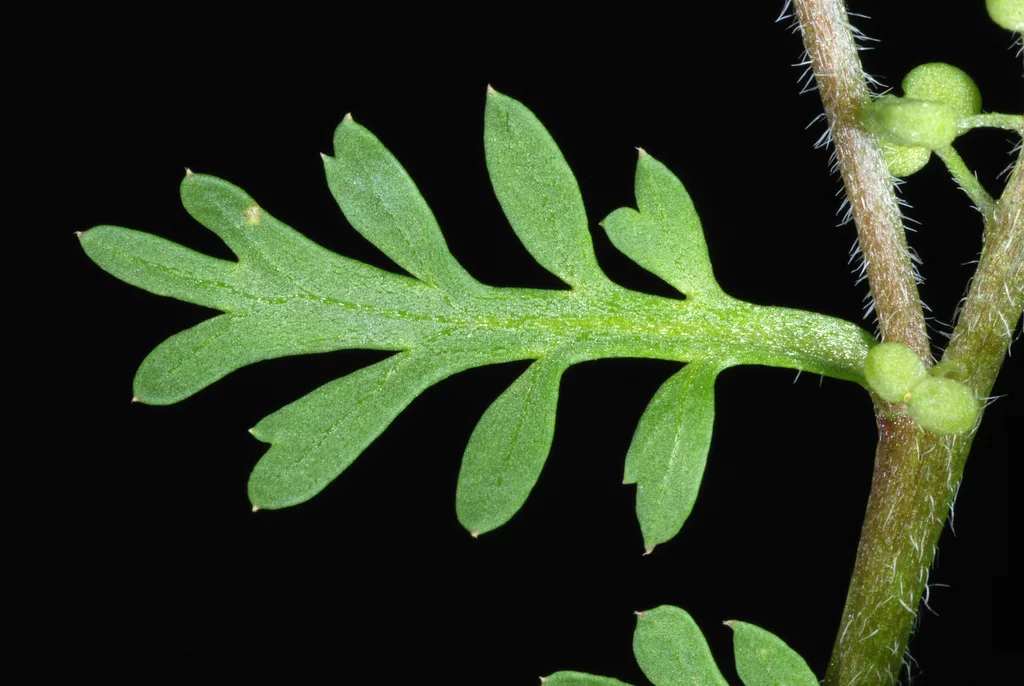
Gravel and stone areas. Driveways, paths, decorative rock beds. Weeds here are tricky because the gravel makes hand pulling difficult and hides the root system. A flame weeder works well because it kills the top growth without disturbing the gravel.
Pre-emergent herbicides applied in early spring can also stop seeds from germinating in the gravel layer.
Mulched beds. If you already have mulch, weeds that appear are usually growing in the mulch itself or have roots that penetrated below. Fresh mulch two to four inches deep blocks most weed seeds from reaching soil. If weeds are already established, pull them before adding a fresh layer.
Aggregated reviews of landscape fabric suggest it works best under inorganic mulch like rock, not under wood mulch where it breaks down and creates a mess.
Step 2: What Kind of Weed Is It? (Broadleaf, Grass, or Sedge?)
Once you know where the weed is growing, the next question is what it is. Most weeds fall into three categories. Each requires a different type of control.
Broadleaf weeds. These are the ones most people recognize. Dandelions, clover, plantain, bindweed, chickweed. They have broad, flat leaves with a central vein network.
Their flowers are usually obvious. Broadleaf weeds in lawns can be controlled with selective broadleaf herbicides (products containing 2,4-D or dicamba). In garden beds, hand pulling or spot treatment with a non-selective product works.
Grassy weeds. Crabgrass, quackgrass, foxtail, annual bluegrass. They look like your lawn grass but grow faster, seed earlier, and often have a lighter green color. They're harder to control in lawns because most selective herbicides that kill grass weeds also kill desirable grass.
The best approach is prevention: apply a pre-emergent in early spring when soil temperatures reach 55°F. For existing grassy weeds in flower beds, hand pulling is usually the only safe option.
Sedges. Nutsedge, yellow nutsedge, purple nutsedge. They look like grass but have triangular stems (roll a stem between your fingers, you'll feel the edges). They grow faster than grass and often appear in wet areas.
Standard grass herbicides don't work on sedges. You need a product specifically labeled for nutsedge. In garden beds, digging out the entire plant including the small tubers is the only reliable removal method.
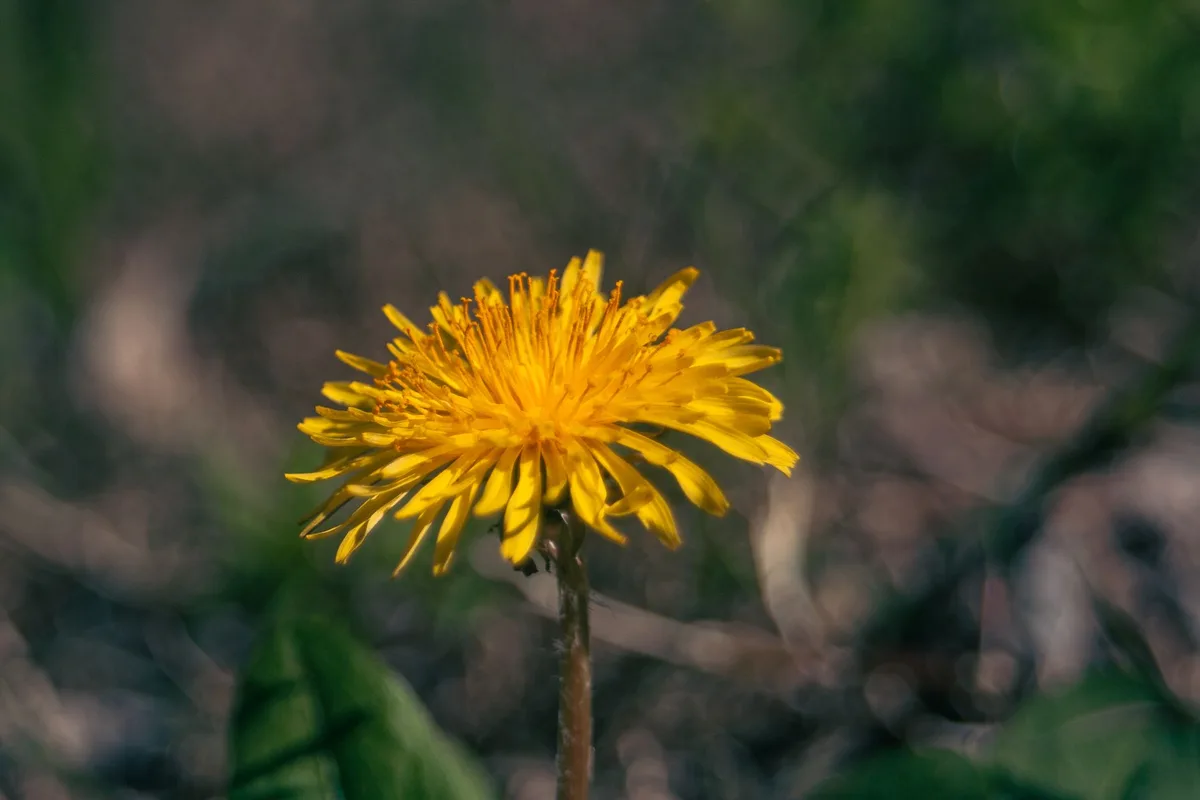
If you're unsure, take a photo and compare it to a reliable weed identification guide from your state's cooperative extension service. Most state-run .edu sites have excellent side-by-side photos. Guessing leads to wasted product and frustrated weekends.
Step 3: Choose Your Toolbox – Organic, Chemical, or Mechanical?
Each category has real trade-offs. None is universally best. Here's what the research and real-world use show.
Organic options. These include vinegar (household 5% or horticultural 20%), boiling water, salt, citrus oil, and corn gluten meal. They work best on small areas and young weeds. Horticultural vinegar (20% acetic acid) kills most annual broadleaf weeds within 24 hours.
But it's non-selective, so it damages anything green it touches. It also doesn't kill roots of perennial weeds, so they often regrow. Salt is effective but dangerous in soil, it can sterilize the ground for years.
Use salt only on paved surfaces or areas where you never want plants again.
Chemical options. Synthetic herbicides like glyphosate (non-selective), 2,4-D (selective for broadleaf), and prodiamine (pre-emergent) are widely available. They're effective, fast, and inexpensive per square foot. The downsides include potential harm to pollinators if applied to flowering weeds, drift risk to nearby plants, and the development of resistant weed populations.
Glyphosate resistance is now documented in over 50 weed species globally per the Weed Science Society of America. Rotating between different herbicide classes helps slow resistance.
Mechanical options. Hand pulling, hoeing, tilling, flame weeding, and steam weeding. These require more physical effort but have zero chemical residue. Flame weeders are excellent on paved surfaces and gravel.
A quick one- to two-second pass per weed is enough. For garden beds, a stirrup hoe cuts weeds just below the soil surface without disturbing deeper roots of your plants. Hand pulling works best when the soil is moist, wet soil releases roots more easily.
A good rule of thumb: use mechanical methods for small areas and isolated weeds. Use organic spot treatments for medium patches where you want to avoid synthetic chemicals. Use synthetic herbicides for large infestations or stubborn perennial weeds that keep coming back.
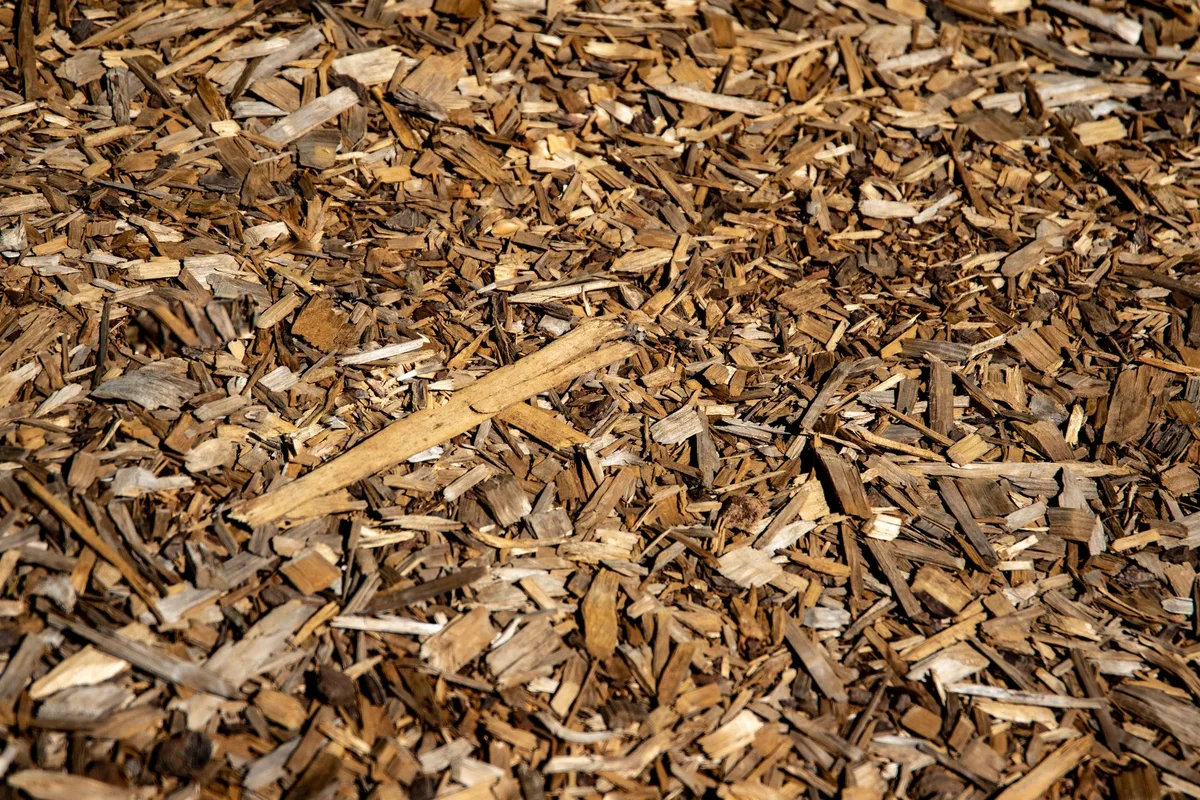
Mulch is the great equalizer. No matter which control method you choose, applying a two- to four-inch layer of organic mulch after removing existing weeds dramatically reduces future germination. It blocks light, moderates soil temperature, and slowly improves soil health as it breaks down.
For gravel areas, a pre-emergent barrier underneath the stone works similarly. And if you're maintaining a healthy lawn, proper mowing height, adequate water, and regular fertilizer applications create dense grass that naturally chokes out weeds, a clogged filter on your mower can hurt that density, so check the right oil level and keep up with simple DIY repairs as part of your routine.