Why Are Weeds Taking Over My Lawn: Beginner-Friendly Guide
You look out at your yard and wonder why are weeds taking over my lawn. It's a frustrating question, and it doesn't have a single answer. Here's what you need to know: weeds aren't the problem.
They're a symptom. Something about your lawn is making it easier for them to grow than for your grass to thrive.
Research from university turfgrass programs shows that healthy grass maintained at the right mowing height, between 2.5 and 4 inches depending on the variety, naturally shades out the majority of annual weed seeds before they ever sprout. That's the benchmark. Getting there means understanding what's gone wrong first.
Let's walk through it step by step.

Quick Answer
Weeds take over because conditions favor them over grass. The common causes are mowing too short, wrong watering, compacted soil, poor pH, and bad fertilizer timing. Each one weakens your grass.
That opens the door for weeds. The fix starts with diagnosis. Identify the weed, test your soil, and adjust your routine.
It is a process, not a one-time spray.
The Struggle Is Real and You Are Not Alone
You've sprayed. You've pulled. You may have even thrown a trowel across the yard.
And the weeds come back anyway.
It isn't because you are doing something wrong. It is because you are treating the symptom, not the cause.
Think about it this way. If your kitchen floor is wet because a pipe is leaking, mopping helps for about ten minutes. Weeds are the same.
They show up because your grass is struggling. Not because you forgot to spray.
Why Just Spraying Never Works Long Term
Herbicides kill the weeds you see. They do nothing about the conditions that invited them. If your soil is compacted, a spray will not loosen it.
If your grass is scalped by a low mowing height, killing a single dandelion does not help the grass fill the open spot.
Most homeowners are surprised when the same weeds return within a season. But they will. And they do.
The underlying problem is still there.
To fix this for good, you need to understand what is happening under the surface. That means looking at soil, watering habits, mowing height, and the specific weeds showing up in your yard.
Core Explanation: What Your Weeds Are Telling You
Weeds are nature's fill-in-the-blank answer. When grass cannot grow well in a spot, something else will. The specific weeds that show up actually tell you what is wrong.
What Weeds Tell You About Your Lawn
| This weed | Often means |
|---|---|
| Clover | Low nitrogen, compacted soil |
| Dandelion | Thin lawn, bare soil exposed |
| Crabgrass | Mowed too short, hot and dry |
| Nutsedge | Poor drainage, constantly wet soil |
| Moss | Acid soil below pH 5.5, shade |
| Plantain | Heavy compaction, foot traffic |
Pay attention to which weeds are dominant. They are free diagnostic tools.
The Four Main Drivers of Weed Invasion
Every lawn issue traces back to one or more of these four.
Mowing height. Cutting grass too short is the single most common mistake. It stresses the plant, exposes soil to sunlight, and gives weed seeds exactly what they need to germinate.
Watering habits. Frequent shallow watering creates weak roots and a damp surface that weeds love. Deep, infrequent watering builds a stronger lawn.
Soil health. Low pH, compaction, and nutrient imbalances all favor weeds over turf. A soil test will tell you exactly where yours stands.
Grass density. Bare spots are open real estate. If your grass is thin, weeds will move in. Thick grass leaves no room for them.
How Healthy Grass Crowds Out Weeds
A dense lawn is the best weed preventer you will ever have. Thick grass blocks sunlight from reaching the soil. Most weed seeds need light to germinate.
No light means no weeds.
Healthy grass also develops deeper roots. Those roots take up water and nutrients faster than shallow weed roots can. It is a competition, and the stronger plant wins.
Your job is to stack the deck in favor of the grass.
Step-by-Step Process: Diagnose and Fix Your Lawn
This is where we turn understanding into action. Follow these four steps in order.
Step 1: Identify What You Are Dealing With
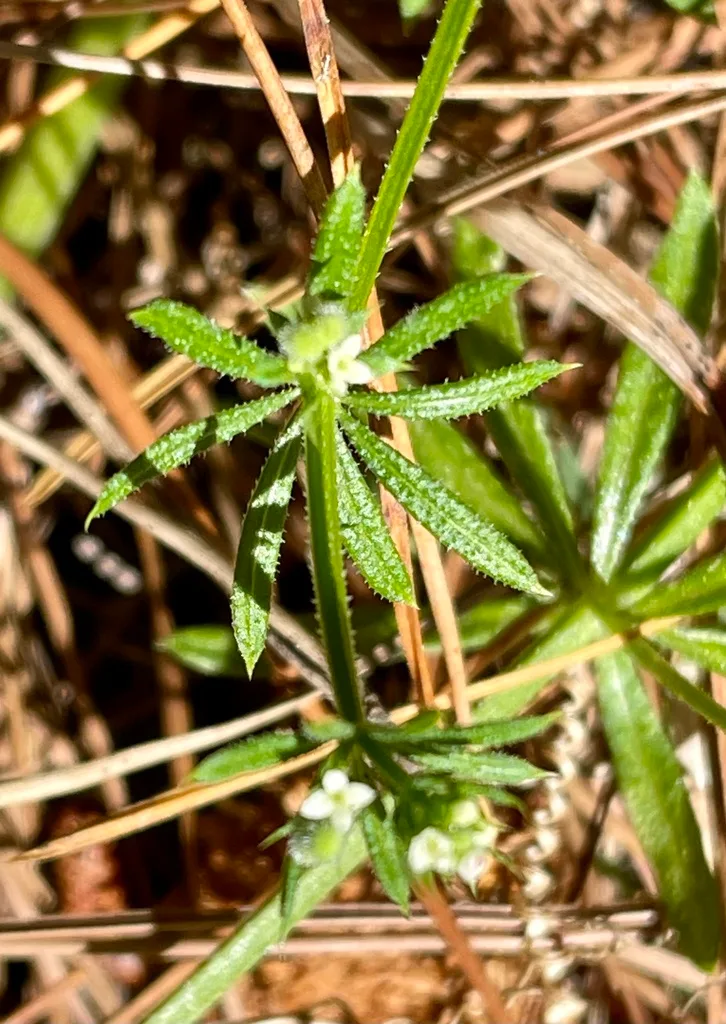
Walk your lawn and note the main weeds. Are they broadleaf (dandelion, clover, chickweed)? Grassy (crabgrass, foxtail)?
Or sedge (nutsedge, which looks like grass but grows faster in wet spots)?
Each type requires a slightly different approach. Broadleaf weeds respond to different herbicides than grassy weeds do. Nutsedge often needs a specific active ingredient like sulfentrazone.
Snap photos if you are unsure. Compare them to a reliable weed ID guide from your local university extension service. Getting the identification wrong means wasting time and money on the wrong treatment.
Step 2: Run the Soil Test (This Is Non-Negotiable)
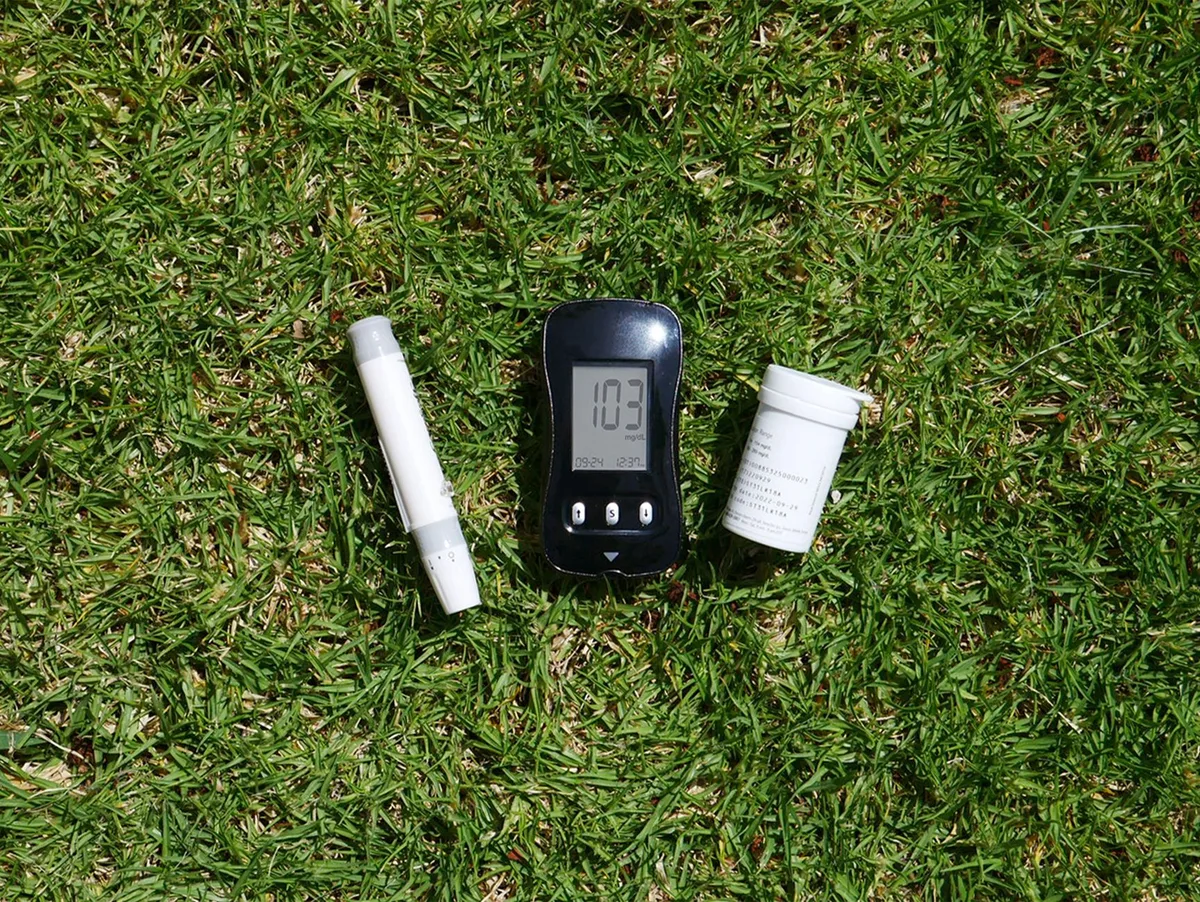
You cannot fix what you do not measure. A soil test tells you three critical things: pH level, nutrient levels (especially nitrogen, phosphorus, and potassium), and organic matter content.
Home test kits are available for around 10 to 20 dollars. More accurate results come from sending a sample to your local extension office. The cost is usually 15 to 25 dollars and includes specific recommendations for your grass type.
Test in spring or fall. Sample from several spots in your yard and mix them together. Follow the instructions for depth and drying.
The ideal pH range for most lawns is 6.0 to 7.0. Below 5.5 means your soil is too acidic. Above 7.5 means it is too alkaline.
Both conditions make it hard for grass to absorb nutrients and create the ideal environment for certain weeds.
Step 3: Audit Your Current Lawn Care Habits
Be honest with yourself here. This is where most people find their real problem.
Ask these questions.
Do you mow at the highest recommended setting for your grass type? Most cool-season grasses need 3 to 4 inches. Warm-season Bermuda can go lower, around 1 to 2 inches.
Do you water deeply once or twice a week, or a little bit every evening? Aim for about one inch of water per week in one or two deep soakings.
Do you fertilize at the right time? Cool-season grass needs nitrogen mainly in the fall. Warm-season grass needs it in late spring and summer.
Applying nitrogen too early in spring feeds the weeds before the grass wakes up.
Do you aerate regularly? Compacted soil prevents roots from reaching deep. Core aeration once a year in fall for cool-season grass, or late spring for warm-season, makes a huge difference.
Step 4: Pick Your Path Based on What You Found
Now match your situation to the right plan.
Branch A: Mostly broadleaf weeds
Your lawn is probably thin or your mowing height is too short. Raise the mower height to 3.5 or 4 inches. Apply a selective broadleaf herbicide in fall when weeds are actively storing energy.
Overseed bare spots after the weeds die.
Branch B: Mostly grassy weeds like crabgrass
Crabgrass is an annual that returns from seed every year. Apply a pre-emergent herbicide in spring when soil temperatures hit 55 degrees Fahrenheit. You missed the window if the crabgrass is already visible.
Use a post-emergent product labeled for crabgrass and plan to apply pre-emergent next year.
Branch C: Mostly nutsedge
Nutsedge thrives in wet, compacted soil. Improve drainage and aerate. Apply a selective herbicide containing sulfentrazone or halosulfuron.
Do not pull nutsedge by hand. It leaves underground tubers that sprout more plants.
Branch D: Moss taking over
Moss means acidic soil, shade, or both. Test your soil pH. If it is below 5.5, apply lime to raise it.
Moss also thrives where grass cannot grow due to deep shade. Consider shade-tolerant ground covers or a moss garden instead of fighting it.
Branch E: Patchy lawn with mixed weeds everywhere
Start fresh next season. Focus on soil health first. Aerate, amend pH, and apply a starter fertilizer.
Overseed heavily in early fall for cool-season grass or late spring for warm-season. Water consistently until the new grass is established. A thick lawn solves most weed problems on its own.
Common Mistakes to Avoid
Most weed problems get worse because of things people do with good intentions. Here are the biggest ones.
Mowing Too Short (The #1 Mistake)

Short grass looks tidy for about two days. Then it struggles to photosynthesize. It grows shallow roots.
It leaves bare soil exposed to sunlight. That is a welcome mat for weed seeds.
The rule: never cut more than one third of the grass blade at a time. Keep it at the tall end of the recommended range for your grass type. The shade from taller grass blocks weed germination naturally.
Watering a Little Bit Every Day
Frequent shallow watering is the second most common mistake. It encourages shallow roots. The surface stays damp, which favors crabgrass, nutsedge, and fungal diseases.
Grass with shallow roots cannot compete when summer heat arrives.
Switch to deep, infrequent watering. One deep soak per week is better than five quick sprinkles. The grass roots will grow deeper and crowd out weeds.
Fertilizing at the Wrong Time
Spring nitrogen feeds the grass. It also feeds the weeds. For cool-season lawns, the most important fertilizer application is in the fall.
That is when the grass is storing energy for the spring green-up. Spring nitrogen should be light, if applied at all.
For warm-season lawns, the main feeding window is late spring through summer when the grass is actively growing. Fall feeding for warm-season grass is usually unnecessary.
Using the Wrong Weed Killer
This one costs people a lot of money. A non-selective herbicide like glyphosate kills everything, including your grass. A selective herbicide targets either broadleaf weeds or grassy weeds.
Using the wrong one either does nothing or kills your lawn.
Read the label. It will list the weeds it controls and whether it is safe for your grass type. If you are unsure, a product containing 2,4-D and dicamba is a safe broadleaf option for most cool-season lawns.
Expecting a Quick Fix
A lawn that has been taken over by weeds did not get that way overnight. It will not fix itself in one weekend either. Real recovery takes one to three seasons depending on how much repair is needed.
Patience and consistency matter more than any single product. Keep the mower height up. Water deeply.
Test the soil. Overseed every fall. The lawn will improve faster than you think if you stick with the basics.