Guide to Fall Lawn Care Checklist for 2026: Easy Methods
You see the same fall lawn care checklist every year: aerate, seed, fertilize, water. But if you follow it without thinking about your specific yard, you are probably wasting time and money. That is the real problem with most lawn advice.
It treats every lawn the same, and that does not work.
Your local climate, grass type, and current lawn condition change everything. As of 2026, USDA hardiness zone data shows first frost dates range from late August in parts of Montana to mid-December in coastal Texas. The right fall plan depends entirely on where you live and what you are growing.
Quick Answer
A proper fall lawn care checklist centers on three tasks. Aeration and overseeding if your lawn needs it. Fall fertilization with the right nutrient ratio.
Leaf management to prevent smothering. Your first frost date sets your entire timeline. Cool-season and warm-season grasses need completely different approaches.
Start with a soil test before you do anything else.
Why Most Fall Lawn Care Advice Fails You
Most fall lawn advice assumes you live in a cool-season grass region with a moderate first frost in October. That advice is useless if you are in Florida, Texas, or Southern California. It is also wrong if you are in the Upper Midwest with a September freeze.
Here is the core issue. Generic checklists tell you to "fertilize in September" or "overseed in early fall." But those instructions ignore three critical variables.
- Your grass type (cool-season or warm-season)
- Your first frost date (region specific)
- Your lawn's current condition (thin, weedy, or healthy)
When you follow advice that does not match your situation, you can actually damage your lawn. Fertilizing warm-season grass too early in fall pushes weak top growth instead of root development. Seeding too close to your first frost means the seed germinates and then dies.
Applying pre-emergent herbicide when you plan to overseed kills the new grass before it starts.
The solution is not a one-size-fits-all list. It is a decision frame that adjusts to your conditions. That is what this guide provides.
The One Number That Should Drive Your Entire Fall Schedule
If you remember only one number from this article, make it your average first frost date. Everything in fall lawn care flows backward from that date.
Your first frost date is the day your area typically sees the first freezing temperatures of autumn. It is not a guarantee, but it is a reliable guide based on decades of weather data. You can find your date through your local cooperative extension service or the USDA hardiness zone map.
Here is how that number drives your decisions.
Seeding (cool-season grasses): You need to seed 6 to 8 weeks before your first frost date. This gives the seed time to germinate and establish roots before the ground freezes. If you seed too late, the young grass dies over winter.
Fall fertilization (cool-season grasses): Apply your main fall fertilizer 4 to 6 weeks before first frost. Apply your winterizer fertilizer 2 to 3 weeks after the first frost, when the grass has stopped growing but the soil has not frozen yet.
Pre-emergent herbicide (fall application): Apply when soil temperatures drop below 70 degrees Fahrenheit, which usually happens 2 to 4 weeks before first frost. This prevents winter annual weeds like poa annua.
Winterizing warm-season grasses: Stop fertilizing 6 to 8 weeks before first frost. Mow shorter for the final few cuts as the grass goes dormant.
Without your first frost date, you are guessing. With it, you have a calendar.
Cool-Season vs Warm-Season: Which Grass Type Do You Have?
This is the second most important decision point. Your grass type determines what tasks you do in fall and when you do them. If you do not know which type you have, you need to figure it out before following any checklist.
Cool-season grasses grow actively in spring and fall. They slow down or go dormant in summer heat. Common types include tall fescue, Kentucky bluegrass, perennial ryegrass, and fine fescue.
These are the standard grasses for the northern United States and the transition zone. In fall, cool-season grass lawns need aggressive care. This is their peak growing season.
Warm-season grasses grow actively in summer and go dormant in winter. Common types include bermudagrass, zoysiagrass, St. Augustine, and centipede grass.
These dominate the southern United States. In fall, warm-season grass lawns need a completely different approach. You are preparing them for dormancy, not pushing growth.
| Grass Type | Fall Goal | Peak Growth | Active in Winter |
|---|---|---|---|
| Cool-season | Strengthen roots, repair thin areas, prepare for spring | Spring and fall | Dormant or semi-dormant |
| Warm-season | Stop feeding, lower mowing height, prepare for dormancy | Summer | Fully dormant |
| Feature | Cool-Season | Warm-Season |
|---|---|---|
| Example grasses | Tall fescue, Kentucky bluegrass, perennial ryegrass | Bermudagrass, zoysia, St. Augustine |
| Fall growing season | Actively growing through October or November | Slowing down, preparing to go dormant |
| Fertilizer timing | September through November | Stop by early September |
| Seeding window | 6 to 8 weeks before first frost | Dormant seeding only (optional) |
| Mowing height into winter | 3 to 3.5 inches (raise slightly) | 1 to 2 inches (lower gradually) |
| Aeration benefit | High – relieves summer compaction | Moderate – if heavy traffic or clay soil |
If you look at your lawn and cannot tell what grass you have, take a sample to your local extension office. They can identify it in minutes. Or use a grass identification guide from a .edu source.
Do not guess.
Your Lawn's Goal This Fall: Maintain, Overseed, or Renovate?
Now that you know your grass type and frost date, you need to decide what your lawn actually needs this fall. This is your third decision branch.
Maintain means your lawn is already thick and healthy. You have less than 10 percent bare spots or weeds. Your fall tasks focus on feeding, aeration if needed, and protection.
You do not need to seed.
Overseed means your lawn has thin areas but the existing grass is healthy overall. You have 10 to 40 percent bare spots or thinning. Your fall tasks include aeration plus overseeding with the same grass type.
This thickens the stand without killing the existing lawn.
Renovate means your lawn is mostly weeds, bare dirt, or severely damaged. You have more than 50 percent unwanted vegetation. Your fall tasks include killing everything with a non-selective herbicide, waiting the label period, aerating, and reseeding entirely with the right grass type.
This is a full restart.
| Goal | Condition | Key Tasks | Time Needed |
|---|---|---|---|
| Maintain | Healthy, thick lawn | Fertilize, aerate if needed, manage leaves | 2 to 4 hours |
| Overseed | Thin areas, healthy base | Aerate + overseed, starter fertilizer, water daily | 4 to 6 hours |
| Renovate | Mostly weeds or bare ground | Kill existing vegetation, wait, aerate, reseed entirely | 2 to 3 weeks for kill phase, then seeding |
Choosing the wrong goal wastes your time and money. If you overseed a lawn that needs renovation, the new seed competes with weeds and dies. If you renovate a lawn that just needs overseeding, you kill healthy grass for no reason.
Be honest about your lawn's condition. Walk across it. Look for bare patches, weed density, and overall thickness.
Then pick your path.
Step-by-Step Fall Lawn Care Workflow by Grass Type
This workflow assumes you know your grass type, your first frost date, and your lawn's goal. Each path is different. Follow the one that matches your situation.
For Cool-Season Grasses (Northern and Transition Zone)
Timing: Your window runs from approximately September 1 through November 15 for most regions. Adjust based on your first frost date.
Step 1: Soil test (late August to early September)
Send a soil sample to your local extension office. Test for pH, phosphorus, potassium, and organic matter. The cost is usually $10 to $20.
Results come back in one to two weeks. This tells you exactly what your soil needs.
Step 2: Aeration (6 to 8 weeks before first frost)
Core aeration relieves compaction from summer foot traffic and mowing. It creates holes for water, air, and nutrients to reach roots. If your soil is compacted or you have heavy clay, this is critical.
If your lawn is on sandy soil and looks healthy, you can skip it.
Step 3: Overseeding (immediately after aeration)
If your goal is overseeding, apply seed right after aeration. The seed falls into the aeration holes for good soil contact. Use the same grass type as your existing lawn.
Water lightly 2 to 3 times daily until germination. Do not apply pre-emergent herbicide because it kills the new seed.
Step 4: Starter fertilizer (same day as seeding)
If you seeded, apply a starter fertilizer with higher phosphorus (the middle number in the N-P-K ratio). Something like a 10-20-10 blend works. Phosphorus supports root development in young grass.
Step 5: Fall fertilizer (4 to 6 weeks before first frost)
Apply a low-nitrogen, high-potassium fertilizer. Look for ratios like 5-10-30 or 0-20-30. Potassium strengthens cell walls and helps the grass survive winter.
Do not use high-nitrogen fertilizer in fall because it pushes leaf growth instead of root growth.
Step 6: Winterizer fertilizer (2 to 3 weeks after first frost)
This is a second application of low-nitrogen, high-potassium fertilizer. It feeds the roots through winter so the lawn greens up faster in spring. Apply when the grass has stopped growing but the ground is not frozen.
Step 7: Leaf management (October through November)
Do not let leaves mat on the lawn. If the layer is less than 2 inches, mow with a mulching blade to shred them. If the layer is thicker, bag them or compost them.
Thick leaves smother grass and invite snow mold disease.
Step 8: Final mow (late November)
Raise your mower height to 3 to 3.5 inches for the last cut. Taller grass shades the soil and insulates the crown of the plant. Do not scalp the lawn.
Then stop mowing until spring.
Step 9: Winterize irrigation (before first freeze)
Drain your irrigation system or blow out the lines. Frozen water in pipes causes costly damage.
For Warm-Season Grasses (Southern Regions)
Timing: Your window runs from approximately September 1 through November 1 for most regions. The goal is to stop growth and prepare for dormancy.
Step 1: Soil test (late August)
Same as cool-season. Test your soil to know what it needs. Do not guess.
Step 2: Last fertilizer application (6 to 8 weeks before first frost)
Apply a low-nitrogen, high-potassium fertilizer. Do not use any fertilizer with high nitrogen after August in most warm-season regions. Nitrogen pushes tender growth that will die in the first freeze.
Step 3: Lower mowing height (September through October)
Gradually lower your mowing height over several cuts. For bermudagrass, go down to 1 to 1.5 inches. For zoysia, go to 1.5 to 2 inches.
This removes excess leaf tissue and reduces the risk of winter disease.
Step 4: Weed control (October)
Apply a post-emergent herbicide for broadleaf weeds that appear as the grass slows down. Do this when the grass is still green and active enough to tolerate the spray. Read the label for temperature restrictions.
Step 5: Leaf management (October through November)
Same as cool-season. Mulch thin layers. Bag thick layers.
Do not let leaves mat.
Step 6: Dormant seeding (optional, November through December)
If you want to overseed your warm-season lawn with a temporary cool-season grass like perennial ryegrass for winter color, this is the window. Dormant seeding means the warm-season grass is asleep and the cool-season seed germinates in cooler temperatures. This is optional.
Many southern homeowners skip it and let the lawn go tan for winter.
Step 7: Winterize irrigation (before first freeze)
Same as cool-season. Drain or blow out the lines.
Regular filter maintenance is essential during this season because falling leaves clog mower intakes and irrigation filters. A clogged filter reduces water pressure and can damage your system.
Common issues like starting a mower after winter storage often stem from fuel left in the tank from the end of the mowing season. Stabilize or drain the fuel before the last mow.
For small equipment, check the right oil level before each season to keep the engine healthy through spring start-up. Warm-season grass lawns in the South also benefit from simple DIY repairs on spreaders and hoses before fall tasks begin.
Soil Test Results: Do You Need Lime or a Custom Fertilizer?
Your soil test report tells you two important things: your soil pH and your nutrient levels. Without this information, you are guessing on fertilizer and lime. Guessing usually means wasted product or worse, damaged grass.
pH first, fertilizer second. If your soil pH is off, grass cannot absorb nutrients no matter how much fertilizer you apply. Cool-season grasses prefer a pH between 6.0 and 7.0. Warm-season grasses prefer 5.5 to 6.5.
If your pH is below 6.0, you need lime. Pelletized dolomitic lime is the most common home lawn choice. It raises pH gradually over several months.
Apply it in fall because the freeze-thaw cycle helps work it into the soil. Application rates vary by soil type, but 50 pounds per 1,000 square feet typically raises pH by about 0.5 points.
If your pH is above 7.5, you need sulfur instead of lime. Sulfur lowers pH slowly. Do not attempt this without a soil test recommendation.
You can harm the lawn if you overshoot.
Custom fertilizer from your test results. The report will tell you exactly how much nitrogen, phosphorus, and potassium your lawn needs. Skip the generic "fall fertilizer" bags if your soil has different requirements. For example, if your phosphorus is already high, you do not need a starter fertilizer with high phosphorus.
Use a zero-phosphorus blend instead.
Some states restrict phosphorus use due to watershed regulations. Check your local laws before applying any phosphorus-containing product.
Fall Fertilizer Made Simple: When, What Ratio, and How Much
For cool-season grasses, timing matters more than the brand. The goal is to feed the roots, not the leaves. That is why low-nitrogen, high-potassium ratios work best for fall.
When to apply: Make two applications. The first is 4 to 6 weeks before your first frost date. The second is 2 to 3 weeks after the first frost.
This second application is called the winterizer. It keeps root growth active longer into the season.
What ratio to use: Look for N-P-K ratios where the middle number (phosphorus) is low or zero, and the last number (potassium) is the highest. Good examples include 0-0-30, 5-10-30, or 8-0-24. Avoid anything where the first number (nitrogen) is above 10.
High nitrogen in fall pushes leaf growth that winter will kill.
How much to apply: Follow the bag rate for your spreader model. Do not assume more is better. Over-fertilizing burns the grass and pollutes local waterways.
A drop spreader gives more precise placement than a broadcast spreader. If you use a broadcast spreader, calibrate it first with a test pass on a hard surface.
For warm-season grasses, apply a low-nitrogen, high-potassium fertilizer once, 6 to 8 weeks before first frost. Then stop. Do not use a winterizer on warm-season grass.
It does not need it and the extra nutrients wash away.
If you prefer organic options, slow-release products like composted poultry manure or rock phosphate work but release nutrients more slowly. Plan for earlier application to give them time to work.
Aeration and Overseeding: How to Decide If You Need It
Not every lawn needs aeration every year. Here is how to tell.
You need aeration if:
- Your soil is heavy clay or compacted from foot traffic
- Water pools on the surface after rain
- Thatch is more than half an inch thick
- Roots are shallow or the lawn feels spongy
You can skip aeration if:
- Your soil is sandy and drains well
- Your lawn is young and was installed on loose topsoil
- You have not noticed compaction issues
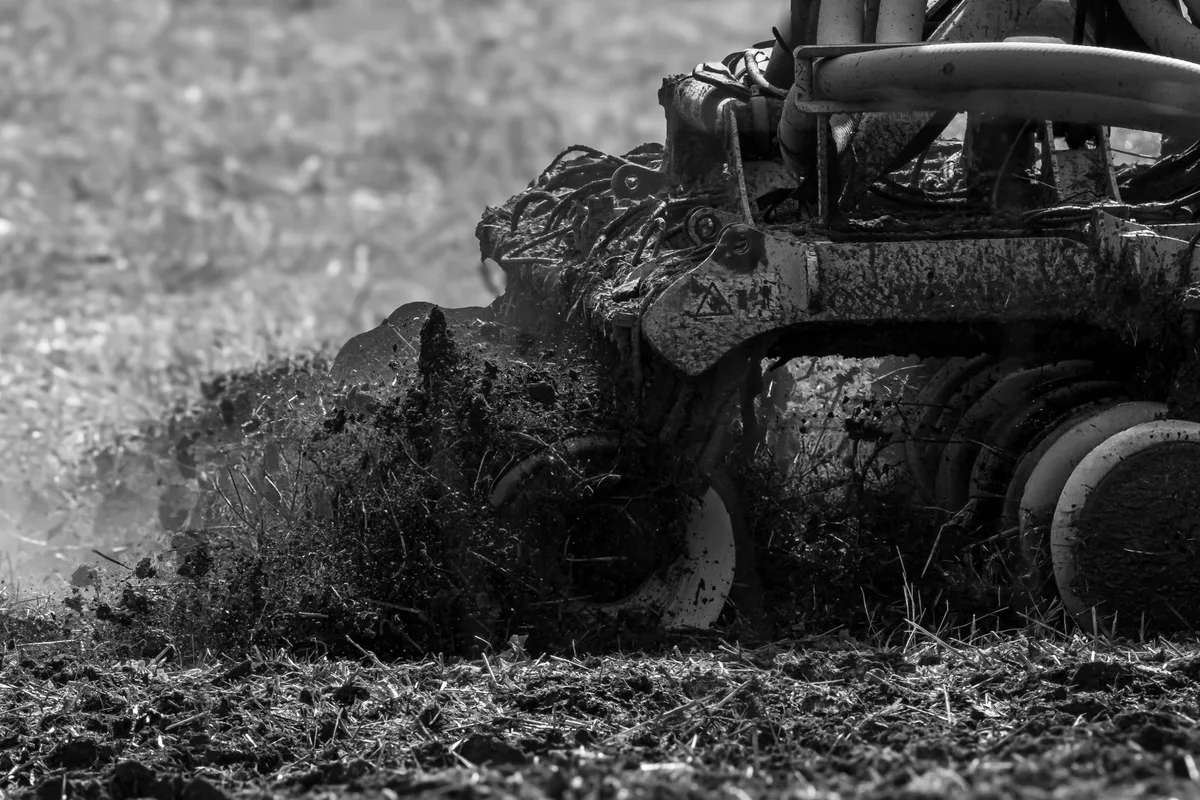
Core aeration pulls out actual plugs of soil. Spike aeration just pokes holes and can actually increase compaction. Always choose core aeration.
Do the job when the soil is moist but not wet. Wet soil clogs the machine and creates a mess.
Overseeding after aeration. If you decide to overseed, do it immediately after aeration. The seed falls into the aeration holes, which gives it ideal soil contact and protection. Use the same grass type as your existing lawn.
Do not mix types randomly. A fescue lawn overseeded with ryegrass creates a patchy look.
The pre-emergent conflict. Here is a common mistake. You cannot overseed and apply a pre-emergent herbicide in the same season. The pre-emergent kills new seed.
If you plan to overseed, skip the pre-emergent in fall and use it in spring instead.
Water the seeded area lightly 2 to 3 times daily for the first two weeks. Keep the seed moist but not soaked. Stop when water runs off.
Germination times vary. Ryegrass sprouts in 5 to 10 days. Kentucky bluegrass takes 14 to 28 days.
Be patient.
Leaf Management: Mulch, Bag, or Compost?
Fallen leaves are not automatically bad for your lawn. A thin layer of shredded leaves adds organic matter to the soil. A thick mat of whole leaves smothers the grass and creates conditions for snow mold disease.
If the leaf layer is less than 2 inches: Mulch them with your mower. Use a mulching blade or a standard blade with a mulching kit. Run over the leaves three times.
You want the pieces small enough to fall between the grass blades. This returns nutrients to the soil and saves you bagging time.
If the leaf layer is 2 to 4 inches: Mulching still works, but you may need to mow more frequently. Do not let leaves pile up between mowings. A single heavy fall means you may need to mow twice a week until the trees are bare.
If the leaf layer is more than 4 inches: Bag them. Thick leaves cannot be mulched effectively. The mower clogs and the unshredded pieces still smother the grass.
Bagged leaves can go into a compost pile or to a municipal leaf drop-off. Do not burn leaves. Many areas restrict burning due to air quality laws.
Leaf blowers vs rakes. A leaf blower is faster for large yards. A rake gives you exercise and works well for small spaces. If you use a rake, choose one designed for leaves.
A standard bow rake can damage grass roots.
For pine needles specifically, standard rakes do not work well. The needles slide through the tines. A specialized rake with flexible tines handles pine needles more efficiently.
Common Fall Lawn Care Mistakes That Kill Your Spring Lawn
Mistakes in fall show up in spring. The grass looks thin, patchy, or diseased. Here are the most common errors and how to avoid them.
Mistake 1: Seeding too late. If you seed less than 6 weeks before your first frost, the seed may germinate and then die when the ground freezes. Check your frost date before buying seed.
Mistake 2: Using high-nitrogen fertilizer in fall. Nitrogen pushes leafy growth that winter kills. Use a low-nitrogen, high-potassium blend instead. Your lawn needs root strength, not leaf growth.
Mistake 3: Applying pre-emergent before overseeding. The pre-emergent stops all seed germination, including your new grass. Plan your season: either overseed or use pre-emergent. Do not do both.
Mistake 4: Cutting grass too short for winter. Scalping the lawn removes protective leaf tissue and exposes the crown to freeze damage. Keep the grass at 3 to 3.5 inches for cool-season lawns. Gradually lower for warm-season lawns.
Mistake 5: Letting leaves mat on the lawn. A thick layer of wet leaves blocks sunlight and traps moisture. This creates ideal conditions for snow mold fungus. In spring, you find dead patches where the leaves sat.
Mistake 6: Ignoring soil test results. Applying lime or fertilizer without testing means you may be adding things your soil does not need. That wastes money and can harm the lawn.
Mistake 7: Overwatering after overseeding. New seed needs consistent moisture, but soggy soil causes rot and fungal disease. Water lightly and frequently. Stop before runoff.
Snow mold is a common disease that appears under heavy leaf cover or deep snow on tall grass. Choosing the right treatment for your lawn health can prevent spring damage and save your turf.
Regional Timing Cheat Sheet: First Frost Dates by Zone
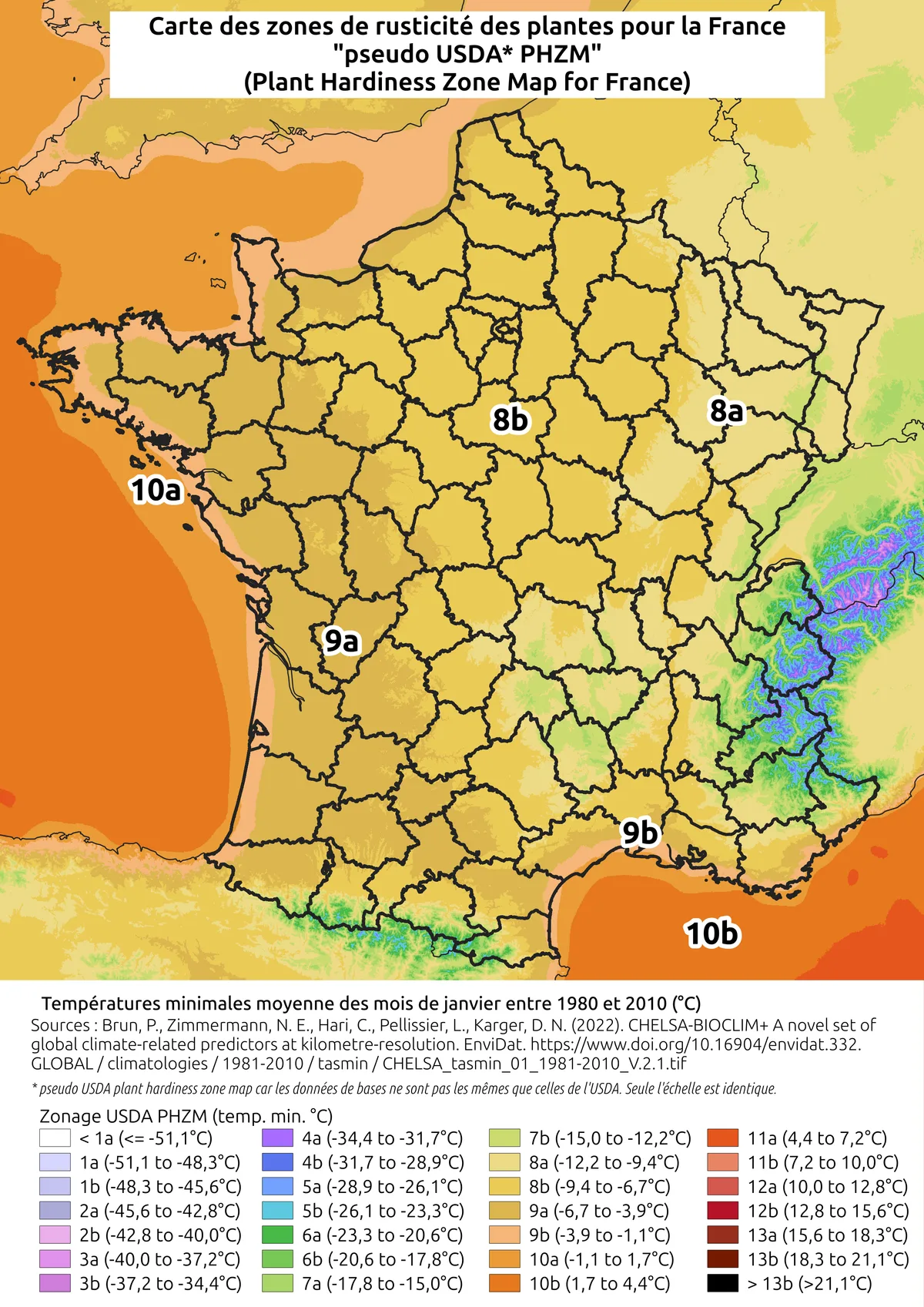
Your first frost date is the anchor for everything. Here is a rough guide by zone.
| Zone | First Frost Window | Last Seeding Date | Last Fertilizer Window |
|---|---|---|---|
| 3-4 | Late August to mid-September | Mid-August | Early September |
| 5-6 | Mid-September to early October | Late August | Late September |
| 7-8 | Mid-October to early November | Late September | Mid-October |
| 9-10 | Late November to December | Late October | Early November |
Find your exact date through your local cooperative extension service. Their data is more precise than general maps.
Safety, Legal, and Compliance: Fertilizer Bans and Pet Safety
Some states restrict phosphorus in lawn fertilizers. Florida, Minnesota, and several others have watershed protection laws. Check your state regulations before buying any fertilizer with a middle number above zero.
Keep pets and children off the lawn after fertilizing until the product has been watered in and dried. Most labels recommend 24 hours.
For herbicide applications, read the label for temperature minimums and waiting periods before seeding. Applying herbicide too close to seeding kills the new grass.
Your Personalized Fall Lawn Care Decision Guide
Here is the short version. Find your first frost date. Identify your grass type.
Test your soil. Match your goal to your lawn condition.
If you have cool-season grass, focus on aeration, overseeding if needed, and two low-nitrogen fertilizer applications. If you have warm-season grass, stop fertilizing early, lower the mowing height, and prepare for dormancy. If you skip the soil test, you are guessing.
Guessing costs you time and money.
Follow these branches and your lawn will come back stronger in spring.
Frequently Asked Questions
When should I stop mowing my lawn in fall?
Stop mowing when the grass stops growing. This happens when daytime temperatures stay consistently below 45 degrees Fahrenheit. For most cool-season regions, that is late November.
Can I fertilize my lawn too late in fall?
Yes. Fertilizing after the ground freezes wastes the product. The nutrients cannot reach the roots.
Apply your winterizer 2 to 3 weeks after first frost but before the ground hardens.
Should I water my lawn in fall?
Yes, but less than summer. Cool-season grass still needs about 1 inch of water per week until the ground freezes. Warm-season grass needs less as it goes dormant.
Is it safe to overseed if I already applied a pre-emergent?
No. Pre-emergent herbicides prevent all seed germination. Wait until the next season to overseed, or skip the pre-emergent if seeding is your priority.
What happens if I miss the fall fertilization window?
Your lawn will survive. It may green up slower in spring and have weaker root depth. Apply a balanced spring fertilizer when soil temperatures reach 55 degrees Fahrenheit to compensate.