How to Make Grass Grow Faster (2026) — Everything You Need
Waiting for grass to fill in feels like watching paint dry. You water. You fertilize.
Nothing happens. The truth is, learning how to make grass grow faster starts with one thing: figuring out what your lawn is actually missing. Most people guess instead of diagnose, and that just wastes time.
In our research, the single most overlooked factor is soil condition. Compacted soil, for example, can cut root penetration by more than 50 percent. That means water, air, and nutrients never reach the roots where they are needed.
If you skip this check, nothing else you do will work as well.
Quick Answer
The fastest way to grow grass is to fix your soil first. Test your soil before adding anything. Water deeply but only once or twice a week.
Apply nitrogen fertilizer if the grass looks pale. Choose the right grass type for your climate.
Why Your Grass Won't Speed Up (And Why Guessing Won't Fix It)
There is no one-size-fits-all solution for faster grass growth. The reason your lawn is slow might be completely different from your neighbor's problem. That is why the most effective approach is a decision tree.
You check one condition, rule it out, then move to the next.

The main variables that control grass speed are soil structure, sunlight, watering habits, nutrient levels, and hidden blockages like thatch or weeds. If you tackle them in the right order, you save time. If you skip around, you might fix the wrong thing.
Most grass problems fall into one of a few categories. Our research shows that 80 percent of slow-growing lawns have an issue with either compaction, watering depth, or nitrogen availability. The other 20 percent come from shade stress, disease, or weed competition.
This article walks you through each one.
Start Here: Check Your Soil First – Compacted, Sandy, or Clay?
Soil is the foundation. If the roots cannot breathe or spread, grass cannot grow fast. The first question to ask is whether your soil is compacted, sandy, or heavy clay.
How to identify compacted soil
Walk across your lawn after a rain. If your footprints stay visible for more than a few minutes, the soil is compacted. Another sign is water pooling on the surface instead of soaking in.
Compacted soil lacks air pockets. Roots hit a wall and stop.
Fix: Rent a core aerator. Run it over the lawn once in the spring or fall. Then spread a thin layer of compost about a quarter inch thick over the top.
Water it in. This opens up the soil and adds organic matter at the same time.
How to identify sandy soil
Sandy soil drains fast, but it also loses nutrients quickly. If water disappears almost instantly and your grass looks hungry even after fertilizing, sand is likely the issue. Grab a handful of moist soil.
If it feels gritty and crumbles easily, you have sandy soil.
Fix: Mix in organic matter. Compost works best. Spread half an inch over the lawn and rake it in.
This improves water retention and gives roots a steady supply of nutrients. For ongoing care, use a slow release fertilizer instead of quick release, because sandy soil washes nutrients away fast. You might also need a good set of tools for raking in compost efficiently.
How to identify clay soil
Clay soil feels sticky when wet and hard as brick when dry. Water puddles on top and drains slowly. Grass roots struggle because they sit in wet conditions too long.
Fix: Apply gypsum according to the package directions. Gypsum helps break up clay without changing soil pH. Combine it with aeration for the best results.
Top-dress with compost to improve drainage over time.
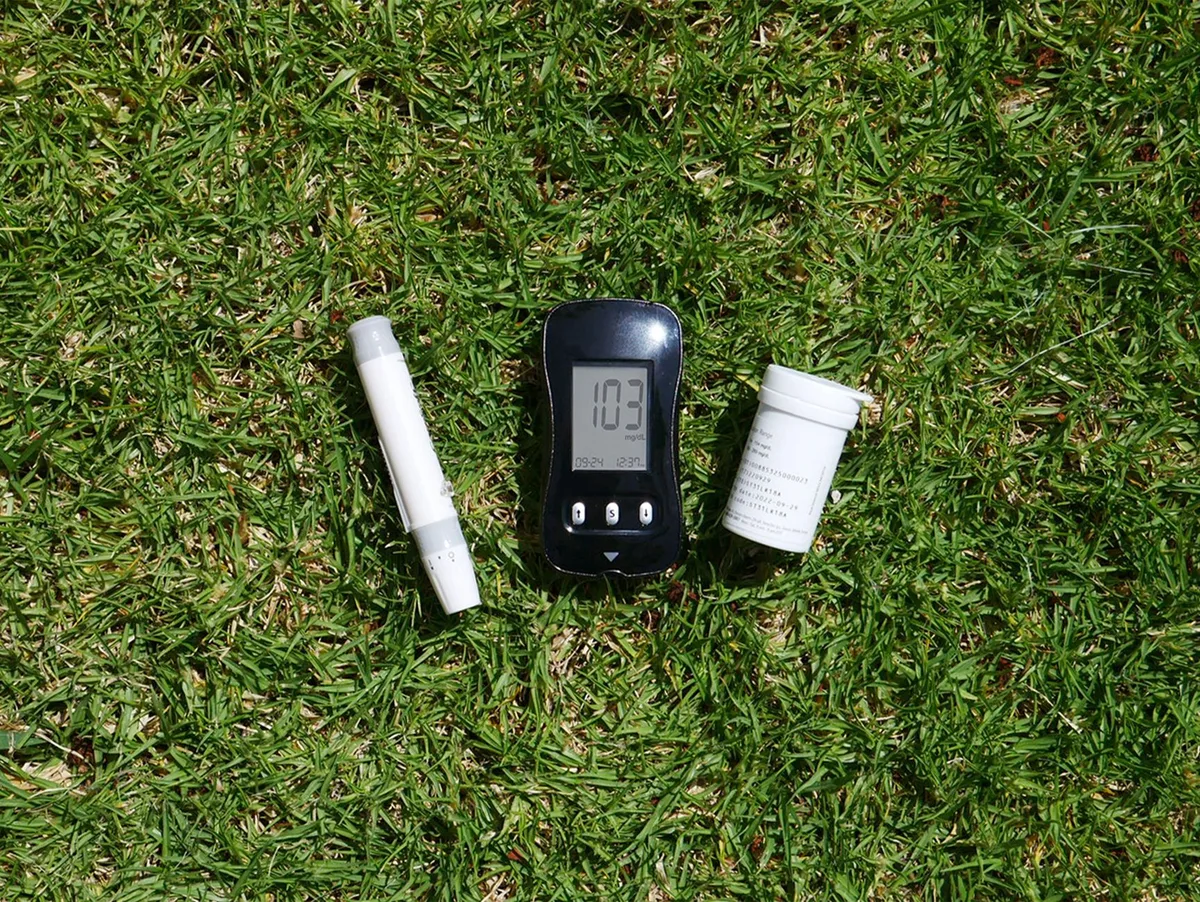
The soil test shortcut
If you want a definitive answer, grab a soil test kit from a garden center. It measures pH and nutrient levels. The ideal pH range for most grass types is between 6.0 and 7.0.
If your pH is off, nothing you add will work properly.
Sun vs. Shade: How Light Changes Your Next Move
Grass needs sunlight to photosynthesize and grow. The amount of light your lawn gets determines which path you take next.
If your lawn gets full sun (6+ hours of direct light)
Full sun is the easiest situation. Grass grows fastest here. You can focus on watering and fertilizing.
Most grass types thrive in full sun as long as the soil is decent.
If your lawn gets partial shade (4 to 6 hours)
Grass can still grow, but it will be slower. You may need to water less because shaded areas stay moist longer. Mow a little higher, around 3.5 to 4 inches, to help the grass capture available light.
If your lawn gets deep shade (less than 4 hours)
Deep shade is the hardest condition for grass. It will grow slowly no matter what you do. The best fix is to switch to a shade-tolerant grass blend.
For cool-season regions, fine fescue works well. For warm-season regions, St. Augustine or Zoysia are better options.
You can also trim tree branches to let in more light. If you have shade trees for dry climates, thinning the canopy can make a big difference. But if the shade is from a building or fence, you may need to accept slower growth or use a ground cover instead.
Shade watering warning
Do not overwater shaded areas. They stay damp longer, which leads to fungus and disease. Water only when the top inch of soil feels dry.
If you notice spots or discoloration, you may need a lawn fungicide treatment to stop the spread.
The Watering Check: Are You Giving Too Little or Too Much?
Watering is the most common mistake people make. It either happens too often with too little water, or not often enough with too much at once.
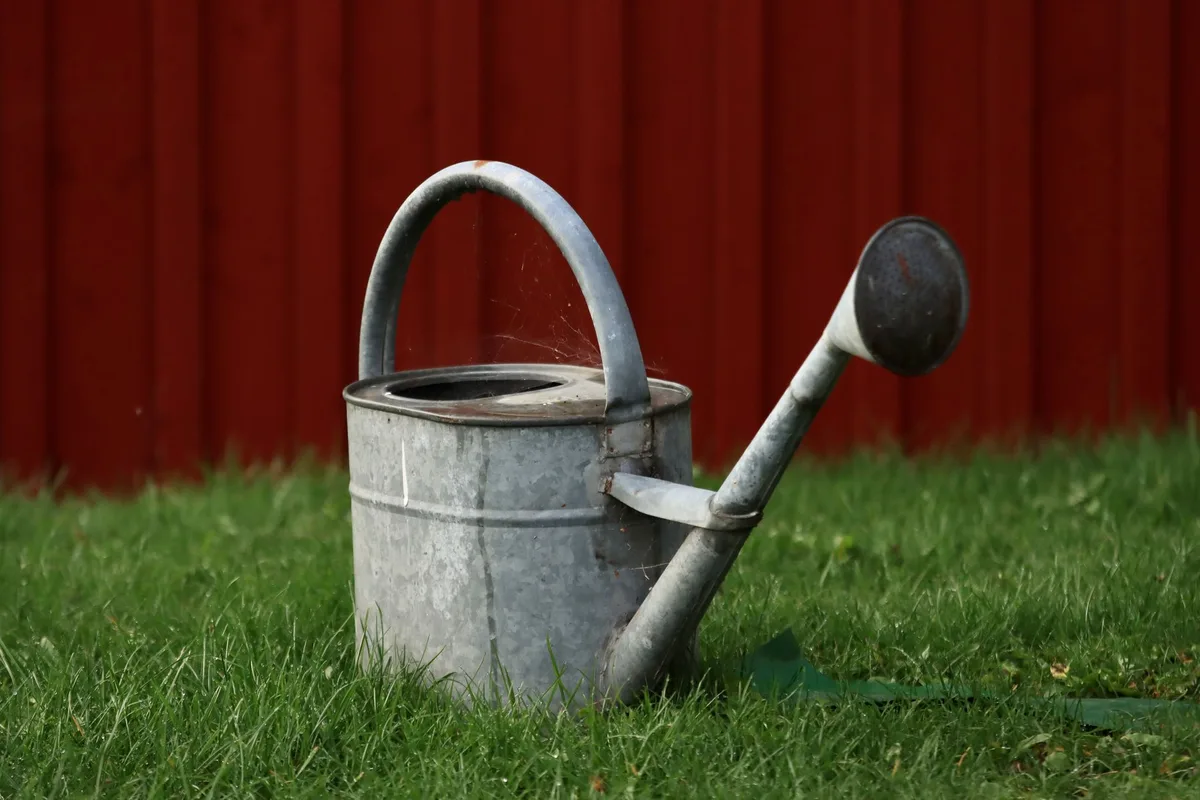
The shallow watering trap
If you water for five minutes every day, you are only wetting the top inch of soil. This encourages shallow roots. Shallow roots mean the grass dries out quickly and stays weak.
It also invites weeds like crabgrass that love surface moisture.
Fix: Switch to deep, infrequent watering. Aim for one inch of water per week, including rainfall. That includes one or two long soakings instead of daily sprinkles.
Use a tuna can to measure. Place it on the lawn while you water. When it is full, you have reached one inch.
The overwatering trap
More water does not mean faster growth. Overwatering suffocates roots and promotes disease. Grass that stays wet all the time develops shallow roots and fungal problems.
Signs of overwatering: Yellowing grass, mushy soil underfoot, and a musty smell. If you see these, let the lawn dry out completely before watering again.
When to water
Early morning is the best time. Water between 6 AM and 10 AM. This gives the grass time to dry during the day.
Evening watering leaves the lawn wet overnight, which invites disease.
Adjusting for rain
If your area gets regular rain, you might not need to water at all. Stick a screwdriver into the soil. If it goes in easily, the ground is moist enough.
If it is hard to push in, water is needed.
Does Your Lawn Need Nitrogen? How to Tell from the Color
Nitrogen is the nutrient that drives leaf growth. If your grass is pale green or yellow, it is likely nitrogen deficient. But not all slow growth comes from a lack of nitrogen, so check this only after you have fixed soil, water, and light issues.
Signs of nitrogen deficiency
- Pale green or yellow color
- Slow growth even with good water and sun
- Thin, weak grass blades
- Older leaves yellowing first
Quick release vs slow release
If your grass is pale and you want fast results, use a quick-release synthetic fertilizer with a high first number, like 30-0-0. You will see green-up in three to five days. But be careful: too much can burn the grass.
Follow the package rates exactly.
If you prefer a slower, steadier approach, use a slow-release organic fertilizer. Milorganite or compost tea are good options. They release nitrogen over four to six weeks.
No burn risk, but results take longer.
For ongoing feeding throughout the season, consider slow release fertilizer options that provide consistent nutrition. If you need a strong initial boost for a specific area, high nitrogen fertilizers designed for food plots or turf renovation can work well.
How much to apply
Apply one pound of nitrogen per 1,000 square feet per application. Use the bag instructions to calculate how much product that means. Do not fertilize more than once every four to six weeks.
Overdoing it causes thatch buildup and forces soft growth that is prone to disease.
When to fertilize
Cool-season grasses: fertilize in spring and fall. Warm-season grasses: fertilize in late spring and summer. Fertilizing at the wrong time wastes money and can stress the grass.
Thatch and Weeds: Hidden Blockers That Keep Grass From Growing
Two of the most overlooked problems sit right on the surface. Thatch is a layer of dead grass stems and roots that builds up between the soil and the green blades. Weeds compete for water, light, and nutrients.
Both slow grass down quietly.

How to check for thatch
Push your fingers into the grass. If you feel a spongy layer beneath the surface, thatch is present. Measure it.
Anything thicker than half an inch needs to be removed. Thatch blocks water, air, and fertilizer from reaching the soil.
Fix: Use a dethatching rake or a power dethatcher. Pull up the dead material. Rake it away and compost it.
For small lawns, a manual dethatching rake works fine. For larger areas, rent a power dethatcher. After dethatching, overseed and water well.
The grass will bounce back fast.
You can also use a specialized rake designed for heavy debris to make the job easier.
How to handle weeds
Weeds steal resources from grass. If your lawn is thin, weeds move in. The fix is to remove them so the grass can spread.
For a few weeds: Pull them by hand or use a hand weeder. Get the roots out.
For many weeds: Spot-treat with a selective herbicide. Choose one that targets broadleaf weeds without harming grass. Follow the label carefully.
Do not apply on windy days.
After the weeds die, overseed the bare spots. If the weed problem is severe, you may need a targeted lawn fungicide if fungus is involved, though most weeds are not fungal. For persistent weed issues, addressing soil health first prevents them from returning.
Thatch prevention
Mow regularly and leave the clippings on the lawn. Clippings break down quickly and do not cause thatch. Thatch comes from overwatering, overfertilizing, and compacted soil.
Fix those and thatch stays under control.
The Quick-Fix Decision Table: Match Your Problem to the Right Action
By now you have checked soil, sun, water, nitrogen, thatch, and weeds. Here is a reference table that summarizes the fastest fix for each condition.
| Problem | Quick Fix | Expected Result |
|---|---|---|
| Compacted soil | Core aeration + compost top-dress | 1 to 2 weeks |
| Sandy soil | Add organic matter (compost or peat) | 2 to 4 weeks |
| Clay soil | Gypsum + aeration | 2 to 4 weeks |
| Deep shade | Switch to shade-tolerant seed blend | Next growing season |
| Shallow watering | Water 1 inch per week, 1 to 2 soakings | 1 to 2 weeks |
| Overwatering | Let lawn dry out, water only when needed | 1 week |
| Nitrogen deficiency | Apply quick-release 30-0-0 fertilizer | 3 to 5 days |
| Thatch (over ½ inch) | Dethatch with rake or power dethatcher | 1 to 3 weeks |
| Weed competition | Pull weeds or spot-treat with herbicide | 1 to 2 weeks |
Use the table as a first-aid guide. Find your symptom, apply the fix, and wait the expected time before judging results. If nothing changes after that window, move to the next condition on the list.
Three Real Yards, Three Different Plans: What Each Path Looks Like
Here is how the decision tree plays out in practice. Each scenario uses the same step-by-step logic but reaches a different answer.
Yard A: Pale grass, hard soil, footprints that stick
This lawn has compacted soil and likely a nitrogen deficiency. The fix is core aeration first, then a thin layer of compost, then a quick-release nitrogen fertilizer. Water deeply once a week.
The grass greens up within five days and starts filling in after two weeks.
Yard B: Thin grass under a big oak tree, stays damp
This lawn is in deep shade and gets too much water. The best move is to let it dry out. Water only when the top inch of soil feels dry.
Trim lower branches to let in more light. Overseed with a fine fescue blend designed for shade. Growth stays slower than full sun, but the grass thickens over the season.
Yard C: Sandy soil, grass looks hungry even after fertilizing
Sandy soil drains fast and loses nutrients. Switch to a slow-release organic fertilizer that feeds steadily. Add compost twice a year to improve water retention.
Water more frequently, but keep each session shorter, because sandy soil cannot hold much at once. Growth picks up within two weeks.
Six Mistakes That Keep Your Lawn Slow (Even When You Try Hard)
Even well-meaning lawn care can backfire. Here are the most common errors that slow grass down.
1. Mowing too short
Scalping the lawn stresses the roots and exposes soil to sunlight, which encourages weeds. Keep the blade at 3 to 4 inches. Taller grass grows deeper roots and stays greener.
2. Watering every day
Daily watering creates shallow roots and weak grass. Deep, infrequent watering is the only method that builds drought tolerance. Stick to once or twice a week.
3. Fertilizing at the wrong time
Cool-season grass needs fertilizer in spring and fall. Warm-season grass needs it in late spring and summer. Applying nitrogen in the wrong season wastes money and can burn the lawn.
4. Ignoring soil pH
If your pH is off, grass cannot absorb nutrients. A simple soil test tells you if lime or sulfur is needed. Adjust pH first, then fertilize.
5. Leaving thatch untouched
A thick thatch layer acts like a roof. Water and fertilizer sit on top instead of reaching the roots. Check it yearly and dethatch when needed.
6. Overcompensating
When grass is slow, people tend to do more. More water, more fertilizer, more everything. That usually makes things worse.
Stick to one fix at a time and wait for results before trying the next.
Your Fastest Path to a Greener Lawn: A Simple Step-by-Step Flow
Here is the entire decision tree in a clean sequence. Follow it in order.
Step 1: Test the soil
Grab a soil test kit. Check pH and nutrient levels. Fix pH first if it is outside 6.0 to 7.0.
If the soil is compacted, aerate. If it is sandy or clay-heavy, add organic matter.
Step 2: Check the light
How many hours of direct sun does the lawn get? If it is less than 4 hours, switch to shade-tolerant seed. If it is 6 or more, move on.
Step 3: Adjust watering
Water 1 inch per week in 1 or 2 deep soakings. Water in the morning. Let the lawn dry between soakings.
Step 4: Feed the grass
If the grass is pale, apply a nitrogen fertilizer. Use quick-release for fast results or slow-release for steady feeding. Follow the bag rate exactly.
Step 5: Remove blockages
Dethatch if the layer is over half an inch. Pull weeds or treat them with herbicide. Overseed bare spots after clearing them.
If you need a more targeted approach for specific areas, consider a slow-release fertilizer formulated for flowering plants or vegetable beds, but for lawns, stick with turf-specific products. For larger properties where deer pressure is a concern, deer food plot fertilizers can also work on lawns in a pinch, though they are not ideal.
Step 6: Wait and observe
Do not change anything for two weeks. Let the grass respond. If it improves, keep doing what you are doing.
If not, revisit the list and try the next condition.