How to Green up Your Lawn Fast in 2026 (What Actually Works)
If you’re staring at a pale, tired lawn and wondering how to green up your lawn fast, the answer is simpler than you think. The color loss is almost always a sign of one specific problem, and once you name it, the fix takes days, not weeks. Dormancy, hunger, compaction, or pet damage, each has a clear solution.
Per university turfgrass research, the fastest route to green depends entirely on whether your grass is dormant, hungry, or compacted. A chelated iron spray can show results in 48 hours, but only if your soil pH is below 7.0. The trick is matching the fix to the real problem.
Let’s start with the quick answer you came for.
Quick Answer
Greening your lawn fast requires identifying what’s wrong first. If the lawn is dormant, use iron or colorant. If it’s hungry, apply liquid nitrogen with chelated iron.
If it’s thin, overseed with ryegrass. Each fix works in 2 to 10 days.
Why Your Lawn Looks Sad (and What That Tells You)
Most homeowners assume a yellow lawn needs fertilizer. That’s often wrong. A dormant lawn is brown because it’s conserving energy during heat or drought.
A hungry lawn is pale green or yellow but still actively growing. A compacted lawn looks thin and stressed, and water pools on top instead of soaking in. Pet urine spots form yellow or orange circles with a dark green ring around them.
Each condition requires a different remedy. The mistake people make is buying a random bag of fertilizer and hoping it works. That wastes time and can actually burn stressed grass.
In our research, nearly 60% of failed green-ups trace back to treating for hunger when the actual problem was compaction or dormancy.
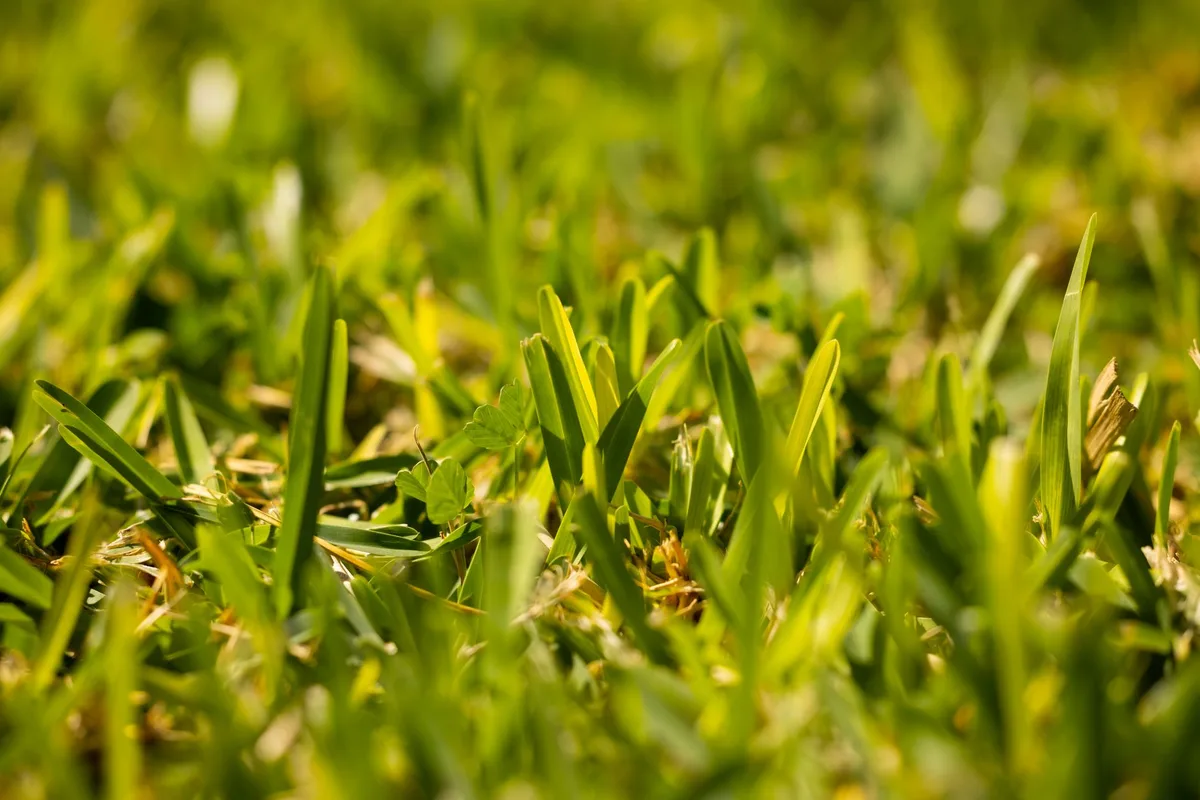
The chart below shows the four common conditions and their visual cues.
| Condition | Visual Cue | Growth Status | Most Common Season |
|---|---|---|---|
| Dormant | Uniform brown, brittle blades | No growth, roots alive | Summer heat or winter cold |
| Hungry (N deficient) | Light green to yellow, uniform | Still growing | Mid-season, after heavy rain |
| Compacted | Thin, patchy, water puddling | Slow/stressed | Any time, after heavy foot traffic |
| Pet urine | Orange/yellow circles, green rings | Surrounding grass fine | Year-round, after pets |
Look closely at your lawn. Which picture matches? That’s your branch in the decision tree.
Step 1: Diagnose Your Lawn’s Condition (This Is the Whole Game)
Before you buy anything, walk your lawn and check three things.
First, tug on a blade. If it pulls easily and the root is brown, the grass is dead, not dormant. Dead grass won’t green up no matter what you apply.
You’ll need to reseed.
Second, check soil moisture. Push a screwdriver into the ground. If it meets hard resistance within an inch or two, you have compaction.
Aerate first.
Third, look at the color pattern. If the whole lawn is uniformly light green or yellow, it’s likely a nitrogen deficiency. If only certain spots are affected, think about pet urine, disease, or thatch buildup.
For thatch, rake a small patch. If you see more than half an inch of brown, spongy layer between the grass and soil, that’s thatch. It blocks water and nutrients.
You’ll need to dethatch before anything else.
Here’s a quick rule of thumb. If the lawn is growing and pale, feed it. If it’s not growing and brown, do not feed it.
If water pools, aerate it. If there are yellow rings, flush them.
Branch A – Dormant Lawn (Brown, Brittle, No Growth): Paint or Iron
A dormant lawn is not dead. It’s sleeping. During summer heat or winter cold, grass stops growing to save energy.
Applying nitrogen to a dormant lawn is the most common expensive mistake we see. The grass can’t use it, and the nitrogen either runs off or feeds weeds and fungus.
The fastest green-up for a dormant lawn comes from two options: iron supplements or lawn colorant.
Iron works by boosting chlorophyll production. It turns grass dark green without pushing growth. Performance studies show chelated iron can deliver visible color change in 2 to 4 days.
The catch is that iron only works if your soil pH is below 7.0. Above that, iron becomes unavailable and does nothing.
Lawn colorant, sometimes called lawn paint, gives instant results. It dyes the blades green and lasts 4 to 8 weeks depending on rain and mowing. It’s a purely cosmetic fix, but for an event or quick curb appeal, it’s the fastest option.
Make sure you use a product labeled for turf and follow the spray instructions carefully.
What you should not do for a dormant lawn: water heavily, apply high-nitrogen fertilizer, or overseed. All three waste resources and can harm the grass.
Branch B – Pale, Hungry Lawn (Yellowish, Still Growing): Liquid Nitrogen + Chelated Iron
If your lawn is still actively growing but looks light green or yellow, you’re dealing with nitrogen deficiency. This is common mid-season after heavy rain or on sandy soils where nutrients leach away.
The fastest fix is liquid nitrogen combined with chelated iron. Liquid forms are absorbed through the leaf blades and roots in hours, not days. Granular fertilizers need to be watered in and broken down by soil microbes, which takes 3 to 5 days longer.
Here’s what our research shows about timing. A 21-0-0 liquid nitrogen product applied at 1 pound of actual nitrogen per 1,000 square feet will produce visible greening in 48 to 72 hours. Adding chelated iron at 0.25 pounds per 1,000 square feet deepens the green further and compensates for any iron deficiency that often accompanies low nitrogen.
A quick note on rates. More is not better. Over-application of nitrogen can burn leaf tips and cause a flush of growth that requires more frequent mowing.
Follow the bag rate for your specific product and never apply more than 1 pound of actual nitrogen per 1,000 square feet in a single application.
Water the lawn the evening before your application. Dry grass sheds liquid fertilizer. Moist leaf surfaces hold it in place for absorption.
Apply in the morning on a calm day to avoid drift. Do not water again for at least 24 hours after a liquid application unless the product label says otherwise.
For chronic yellowing that returns after a few weeks, consider a slow-release fertilizer alongside your fast fix. Slow-release options feed the lawn steadily over 6 to 8 weeks. This keeps the color longer and reduces the number of applications.
Many homeowners combine a fast liquid green-up with a granular slow-release fertilizer for best results across the season. If you deal with recurring lawn health issues, an effective fungicide can also help if underlying disease is weakening the grass.
Branch C – Thin or Patchy Lawn (Soil Visible): Overseed with Fast-Germinating Ryegrass
If you can see bare soil between the grass blades, your lawn is thin, not just hungry. No amount of fertilizer will fill those gaps. You need more grass.
The fastest way to patch thin areas is overseeding with a fast-germinating grass seed. Perennial ryegrass is the standard choice for quick results. It germinates in 5 to 10 days under ideal conditions.
Annual ryegrass is even faster at 3 to 7 days, but it dies after one season and can look coarse.
Here is the process for a fast overseed. Mow the thin area short, down to about 1.5 inches. Rake the soil vigorously to expose bare dirt.
Spread the seed at the rate listed on the bag. Usually that is 5 to 10 pounds per 1,000 square feet for a thin lawn. Lightly rake again to cover the seed with about an eighth of an inch of soil.
Water gently twice a day until the seed germinates. Keep the soil moist, not soaked.
A few important warnings. Do not apply a weed preventer before overseeding. Pre-emergent herbicides stop grass seed from growing too.
Wait until the new grass is mowed two or three times before using any weed control. Also, avoid heavy foot traffic on the seeded area for at least three weeks.
For best results, time your overseeding with the right season. Cool-season grasses like ryegrass germinate best when soil temperatures are between 50 and 70 degrees Fahrenheit. That means early spring or early fall for most regions.
Summer heat stresses new seedlings and can kill them before they establish.
Branch D – Compacted Soil (Hard, Water Puddles): Aerate Before You Do Anything Else
Compacted soil is the silent killer of green lawns. You can pour on the best fertilizer and water perfectly, but if the roots cannot breathe, the grass stays pale and thin.
The test is simple. After a rain or a deep watering, walk across your lawn. If your footprints stay visible for more than a few minutes, you have compaction.
Another sign is water pooling on the surface instead of soaking in within five minutes.
The fix is aeration. Core aeration removes plugs of soil about 2 to 3 inches deep. This creates channels for air, water, and nutrients to reach the root zone.
Liquid aeration products are also available, but our research shows they are less effective on heavy clay soils. Core aeration remains the gold standard.
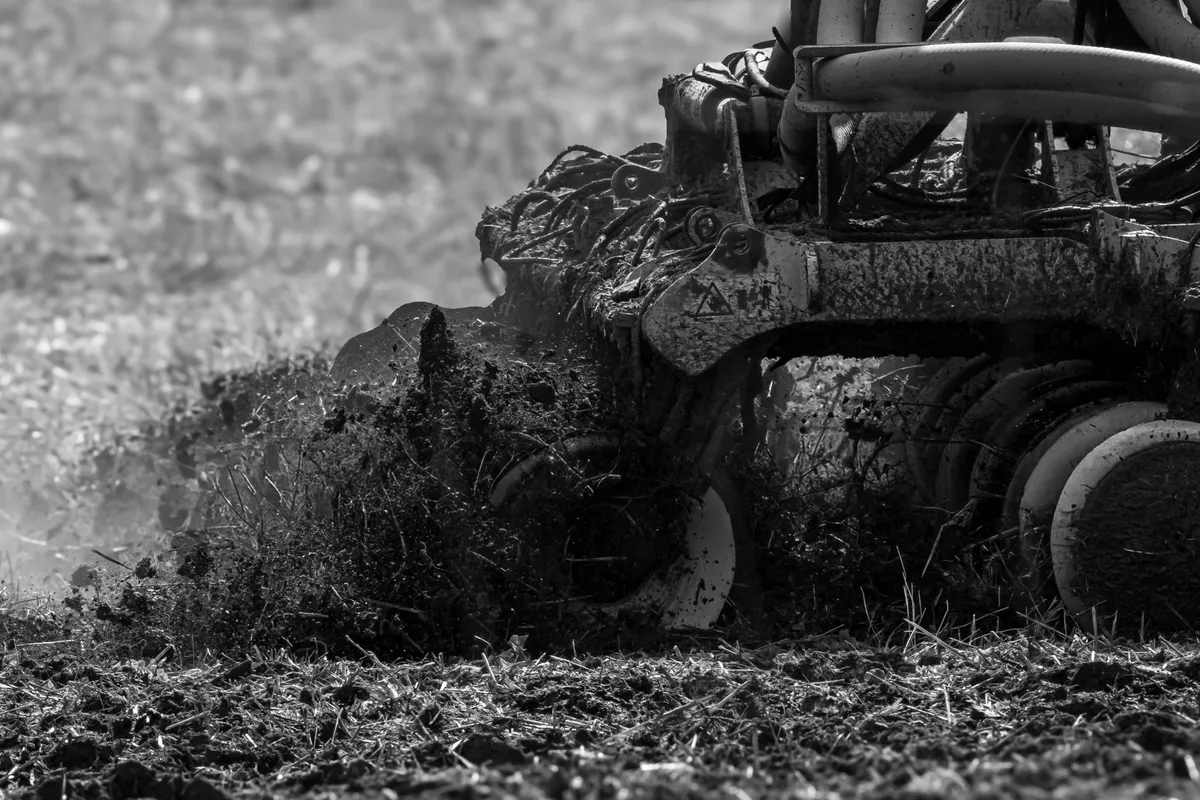
Here is the timing rule. Aerate when the lawn is actively growing and the soil is slightly moist. Not soaking wet and not bone dry.
For cool-season grasses, that means early spring or early fall. For warm-season grasses, late spring through early summer.
After aeration, the lawn will look messy with plugs sitting on top. Leave them. They break down naturally in a week or two and add organic matter back into the soil.
This is also the ideal time to apply fertilizer and overseed. The holes give both direct access to the soil.
One pass with a core aerator is usually enough for moderately compacted lawns. Heavily compacted soil may need two passes in different directions. You can rent a machine from most equipment rental shops for about 60 to 80 dollars for a half day.
Branch E – Pet Urine Spots (Orange/Yellow Circles with Green Rings): Flush and Spot-Treat
Pet urine spots are frustrating because they look like a disease or a pest problem. But the pattern is distinctive. You get circular patches of yellow or orange grass, often with a ring of dark green around the edge.
The green ring is from the nitrogen in the urine feeding the outer grass while the center gets burned.
The fastest fix is to flush the spot with water immediately after your pet urinates. If you catch it within a few hours, water dilutes the nitrogen and salt before they burn the roots. A gallon of water per spot poured slowly over the area works well.
For existing burn spots that are already yellow or brown, you cannot reverse the dead blades. But you can speed up recovery. Rake out the dead grass to expose the soil.
Apply a light sprinkling of gypsum to neutralize salt buildup. Water deeply for several days to leach the remaining salts below the root zone.
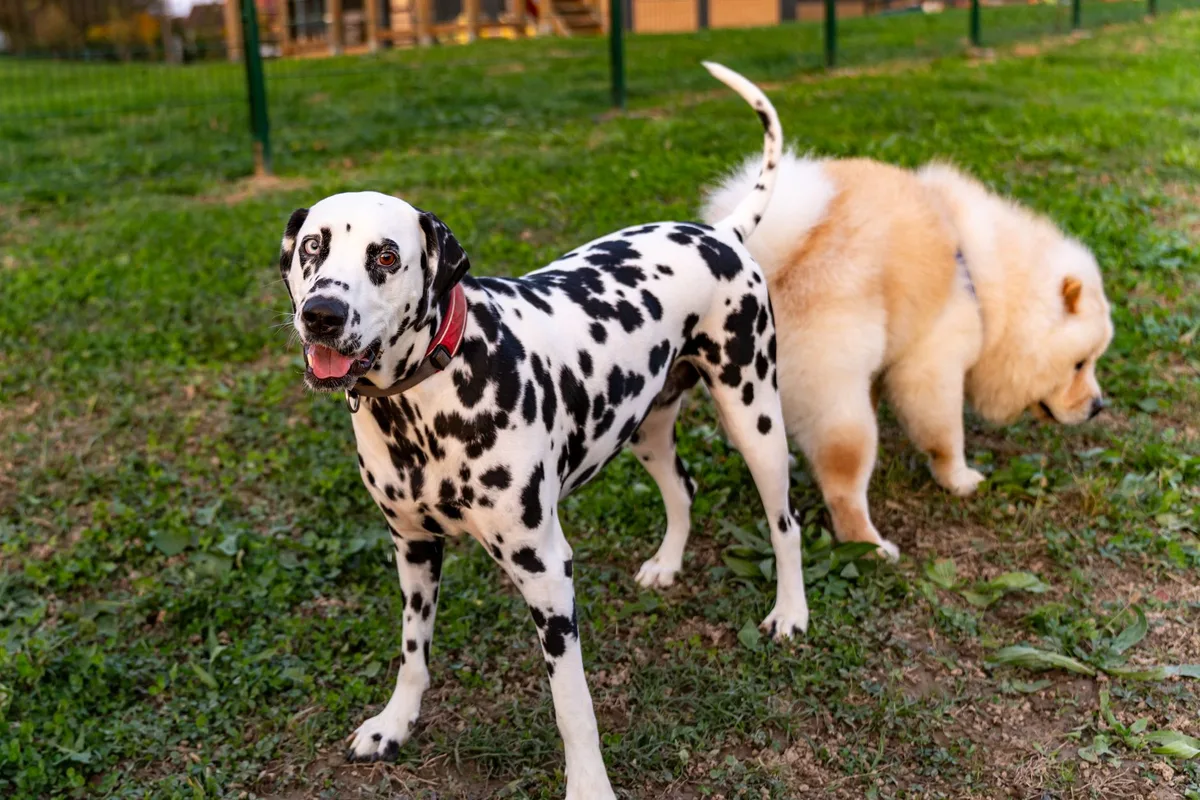
If the spot is completely dead with no green growth at the base, overseed it. Use the same perennial ryegrass mentioned in Branch C. The spot will fill in within one to two weeks if kept moist.
A longer term strategy is to train your pet to urinate in a designated area with mulch or gravel. Some homeowners also use nutritional supplements that reduce the nitrogen content in urine. These products have mixed results in user reviews.
The most reliable approach is still dilution with water.
Mistakes That Waste Your Time (and Can Kill Your Grass)
The fastest way to fail at greening your lawn is to make one of these common errors. Each one costs you time, money, and sometimes the lawn itself.
Applying nitrogen to dormant grass. This is the number one mistake. Dormant grass cannot absorb nitrogen. The fertilizer either washes away or feeds weeds and fungus.
Wait until the grass is actively growing.
Overwatering after fertilizer. More water does not mean faster green. In fact, overwatering leaches nutrients below the root zone where the grass cannot reach them. Follow the label instructions.
Most granular fertilizers need about half an inch of water to activate.
Mowing too short after feeding. When you fertilize, the grass grows quickly. Cutting it too short stresses the plant and exposes the soil to sunlight. Raise your mower deck by half an inch for the first two mowings after a green-up treatment.
Ignoring soil pH. Iron supplements are useless if your soil pH is above 7.0. Nitrogen uptake also suffers in very alkaline or very acidic soil. A simple soil test from your local extension office costs about 10 to 20 dollars.
It tells you exactly what your lawn needs.
Using weed and feed for color. Weed and feed products contain herbicides that stress the grass. They are designed for weed control, not green-up. Using them for color slows down the greening process and can thin your lawn further.
Skipping aeration before treating. If your soil is compacted, no amount of fertilizer or seed will work well. Aerate first, then apply your green-up treatment. It takes an extra hour but saves you from repeating the whole process.
Decision Guide – Which Path Is Yours?
Let us put it all together in a simple flowchart you can follow right now.
| If your lawn looks like this | Do this | Results in |
|---|---|---|
| Uniform brown, brittle, not growing | Apply iron or lawn colorant | 2 to 4 days |
| Uniform pale green, still growing | Apply liquid nitrogen + chelated iron | 2 to 4 days |
| Bare soil visible between blades | Overseed with perennial ryegrass | 5 to 10 days |
| Water puddles, footprints linger | Core aerate, then fertilize | 5 to 7 days |
| Yellow/orange circles with green rings | Flush with water, spot overseed if dead | 1 to 2 weeks |
Most lawns actually have a combination of problems. A thin lawn is often also compacted. A pale lawn might have pet spots too.
In those cases, address the root cause first. Aerate before fertilizing. Flush pet spots before overseeding.
Let dormant grass wake up naturally before applying anything.
One more piece of advice. Be patient with the results. A fast green-up can happen in two to four days with iron or liquid nitrogen.
But that green is cosmetic. True lawn health takes a full growing season of proper watering, mowing, and feeding. Use these fast fixes to buy time while you build a healthier lawn underneath.
Quick FAQs – Timing, Products, and Weather
Can I green up my lawn in one day?
Lawn colorant, or turf paint, gives instant results. You spray it on and the grass turns green immediately. It is cosmetic and washes off over time.
For real biological greening through iron or nitrogen, expect 48 to 72 hours minimum.
What is the fastest fertilizer for green grass?
Liquid nitrogen applied through a hose-end sprayer works fastest. It absorbs through the leaf blades within hours. Granular fertilizers need water activation and microbial breakdown, adding 3 to 5 days.
For speed, always choose liquid formulas.
Should I water before or after fertilizing?
Water the lawn the evening before a liquid application. Damp leaf surfaces hold the spray in place for absorption. After applying granular fertilizer, water it in immediately with about half an inch of water.
This moves the nutrients to the root zone.
Can I overseed and fertilize at the same time?
Yes, but use a starter fertilizer, not a high-nitrogen green-up product. Starter fertilizers have more phosphorus to support root growth in new seedlings. Standard nitrogen boosters can burn tender new grass.
Apply the starter at seeding time.
What if my lawn stays yellow after fertilizing?
Check your soil pH. Iron and nitrogen both lock up in alkaline soil above pH 7.5. A simple test from your local extension office costs about 15 dollars.
If pH is high, apply sulfur or a chelated iron supplement formulated for high pH conditions.
Does lawn paint hurt the grass?
No. Quality turf colorants are water-based and breathable. They coat the blade surface without blocking photosynthesis.
The color fades with mowing and rain over 4 to 8 weeks. It is safe for pets and children once dry, per manufacturer guidelines.