Guide to Can You Mow Wet Grass for 2026: Pro Tips & Tricks
If you're staring at a rain-soaked lawn, wondering whether you can just go ahead and mow it anyway, you're not alone. Can you mow wet grass? Technically, yes — most mowers will run.
But the real question is whether you should.
Our research, backed by turfgrass science from university extension programs, shows that mowing a wet lawn comes with clear risks. A 2024 study from turf researchers found that cutting saturated grass can reduce root depth by up to 25% over a single season. The damage isn't always obvious right away, but it adds up.
So before you fire up the mower, let's walk through what's really at stake.
The Wet Grass Dilemma – Why This Even Matters
Here's the tension every homeowner faces. You have a schedule. The grass is too tall.
Rain is in the forecast for three more days. So you think, "I'll just mow it now — it's only a little damp."
That's where the trouble starts.
Mowing wet grass isn't like mowing dry grass with a little extra moisture. It's fundamentally different. Wet grass blades bend rather than stand upright, so your mower slides right over them instead of cutting cleanly.
The result is a ragged, uneven look that no amount of patience will fix.
And that's just the cosmetic part.
Under the surface, the real problems are happening in the soil. A heavy mower on wet ground acts like a compactor. It presses the air pockets out of the soil, making it harder for roots to breathe and absorb water.
Over time, this leads to shallower roots, weaker grass, and more weeds.
Then there's the disease angle.
Wet grass clippings that clump on the lawn become a breeding ground for fungal diseases like brown patch and dollar spot. A good fungicide program can help manage these issues, but you're better off avoiding the conditions that cause them in the first place.
Quick Answer: When You Can and Can't
Here's the straightforward rule. Mow wet grass only when the lawn is damp from dew or light mist. Never mow when the ground is saturated or standing water is present.
| Condition | Verdict | Why |
|---|---|---|
| Light morning dew | Usually okay | Grass is damp, not soaked |
| After light rain, soil still firm | Risky but possible | Ground isn't compacting yet |
| Heavy rain, soil spongy | Stop | Ruts, clumping, disease |
| Standing water on lawn | Never | Scalping, soil damage, safety risk |
If you can squeeze water out of a handful of grass or your footprints leave deep indentations, wait. The grass needs to dry.
How Moisture Changes the Cut – Clumping, Scalping, and Stressed Turf
Let's break down exactly what happens when you run a mower over wet grass. It's not just a messy cut. The physics changes.
Clumping
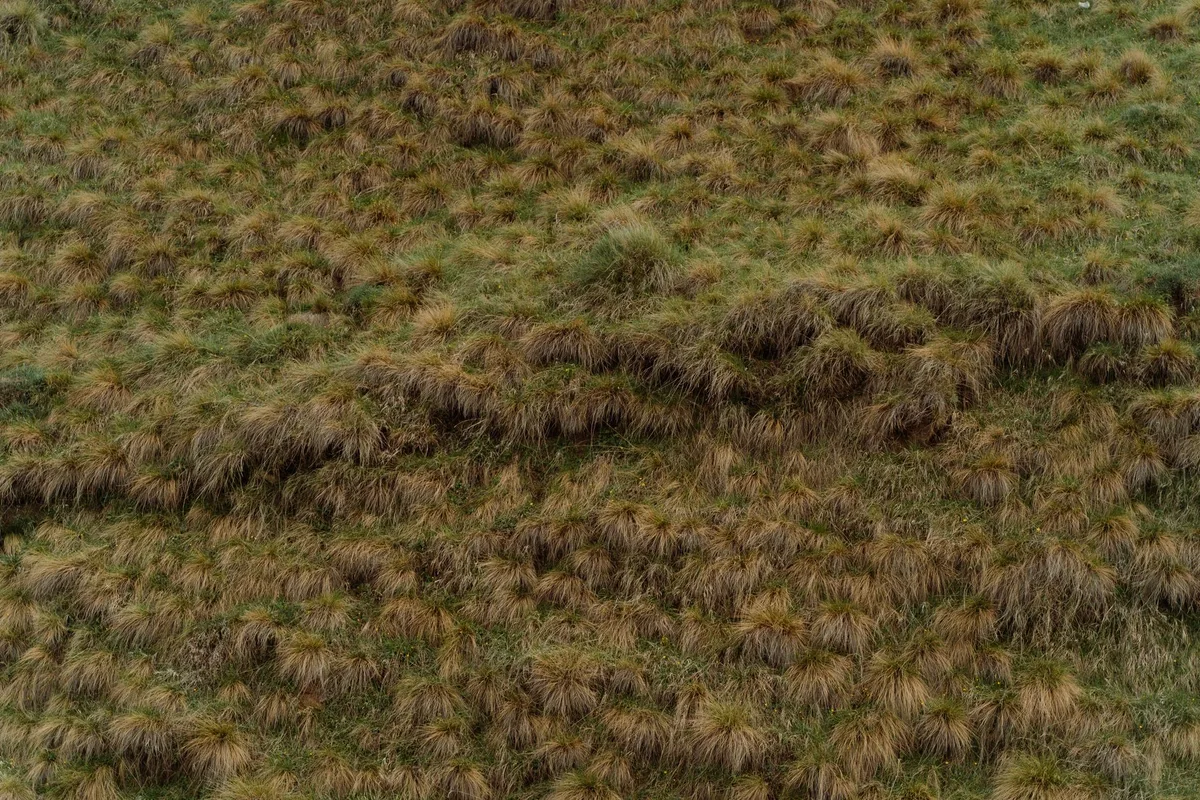
Wet grass is heavy and sticky. Instead of being thrown clear by the mower deck, it sticks together in clumps. Those clumps shade the grass beneath them, killing patches and leaving yellow spots.
If you're mulching, the problem worsens because wet clippings don't break down properly.
Scalping
Because wet grass bends over, the mower deck rides up over the blades and cuts at an uneven height. The mower digs into low spots where the soil is soft, scalping the crown of the grass plant. That damage takes weeks to recover from.
Stressed Turf
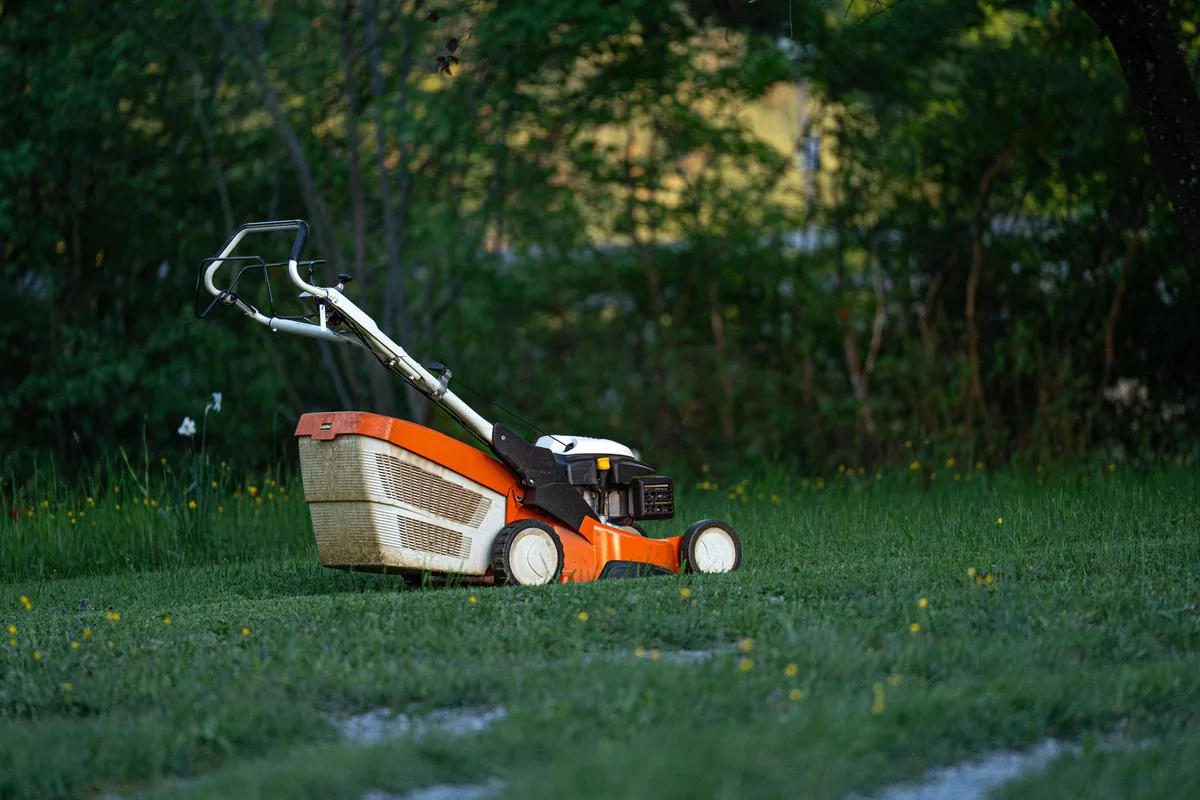
Wet soil compacts easily. When you roll a heavy mower over it, you're essentially pressing the life out of the root zone. This is especially bad with riding mowers, which can weigh over 500 pounds.
The compaction from a single pass on wet soil can last months.
Aggregate reviews from turf professionals consistently say the same thing: the damage you do in five minutes of wet mowing takes five weeks to undo.
Decision Guide: Should You Mow Right Now?
This is the practical part. Grab your shoes and walk out to the lawn. Here's what to check.
Grass Moisture Level – The Foot Test
Walk across your lawn in regular shoes. Then look behind you.
- No visible footprints? The grass is dry enough.
- Shallow footprints that disappear in a few seconds? Damp but probably okay.
- Deep footprints that stay after 10 seconds? Too wet. Wait.
- Water squeezing up around your shoes? Absolutely not. Walk away.

Your Mower Type and Weight
This matters more than most people realize.
- Light push mower (under 80 lbs): Lower risk of compaction. You can often mow damp grass if you're careful.
- Self-propelled mower (80, 120 lbs): Moderate risk. Raise the deck and slow down.
- Riding mower or zero-turn (400+ lbs): High risk. On wet ground, these machines leave ruts that ruin the lawn. Wait for it to dry.
Grass Species and Condition
Some grasses handle wet cutting better than others.
- Cool-season grasses (fescue, bluegrass, ryegrass): More susceptible to disease after wet mowing. Their growth habit makes them bend over easily.
- Warm-season grasses (Bermuda, Zoysia, St. Augustine): Tougher leaves and sturdier growth patterns. They handle damp cuts slightly better, but the soil risk remains.
If your lawn already shows signs of disease or thinning, mowing wet will make everything worse. Hold off.
Soil Type and Drainage
This is the hidden variable.
- Sandy soil: Drains fast. If the surface is damp but the ground underneath is firm, you're safer.
- Clay soil: Stays wet for days. Compacted clay on wet ground is a disaster for mowing. Wait at least 24 hours after rain.
If you don't know your soil type, do the squeeze test. Grab a handful of moist soil from a few inches down. If it holds together in a ball and feels sticky, it's clay.
Sandy soil crumbles easily.
How to Mow Wet Grass (If You Absolutely Have To)
Sometimes you just can't wait. The grass is tall, you're leaving town tomorrow, and rain won't let up. If that's your situation, here's how to minimize the damage.
Raise the Deck and Sharpen the Blades
Set your mower deck to the highest cutting height. You want to take off only the top third of the grass blade, not cut into the crown. Taller grass recovers faster.
Dull blades tear wet grass instead of cutting it. That ragged edge lets moisture escape and invites disease. Sharpen your blades before you start.
A quick file job counts. If you need help getting your mower ready after winter storage, check our guide on seasonal prep for your mower.
Slow Down and Take Narrower Passes
Walk at half your normal speed. The slower you go, the more time the mower has to lift the wet grass and cut it cleanly.
Cut your swath width by about a third. If you normally mow a 21-inch path, take a 14-inch pass. This reduces the volume of wet grass hitting the deck and prevents clogging.
Bag the Clippings, Don't Mulch
Mulching wet grass is a losing battle. The clippings clump, the deck clogs, and your lawn ends up with wet piles of grass that kill the turf underneath.
Switch to the bagging attachment. It catches the clippings and removes them from the lawn entirely. Yes, you'll have to empty the bag more often, but it's better than dealing with dead patches next week.
Clean the Deck Midway Through
Stop every 10 minutes and spray off the underside of the deck with a garden hose. Wet grass builds up fast and reduces cutting efficiency. If you let it cake on, the deck can rust and your next mow will be even worse.
After you finish, give your mower a good cleaning. The long-term maintenance is worth it. A cleaned mower prevents rust and keeps the engine running smoothly, and simple DIY repairs are easier when parts aren't crusted with wet grass.
What Not to Do
Common mistakes people make when mowing wet grass.
- Don't mow in the same direction twice. Alternate your pattern to avoid creating ruts.
- Don't mow when rain is actively falling. Wet grass plus rain means extra weight on the blades and more soil saturation.
- Don't try to mow low spots that hold water. Skip those areas entirely and come back when they're dry.
Following these steps won't make wet mowing ideal, but it will keep the damage to a minimum. You'll still need to clean the mower thoroughly afterward and probably sharpen the blades again sooner than usual.
Common Mistakes That Ruin a Wet Lawn
Most of the damage from wet mowing comes down to a few simple errors. Avoid these and you'll save yourself weeks of lawn recovery.
Mowing too low. This is the number one mistake. People think cutting shorter means they won't have to mow again as soon. On wet grass, low cutting scalps the crown and leaves bare dirt spots.
Always raise the deck to the highest setting.
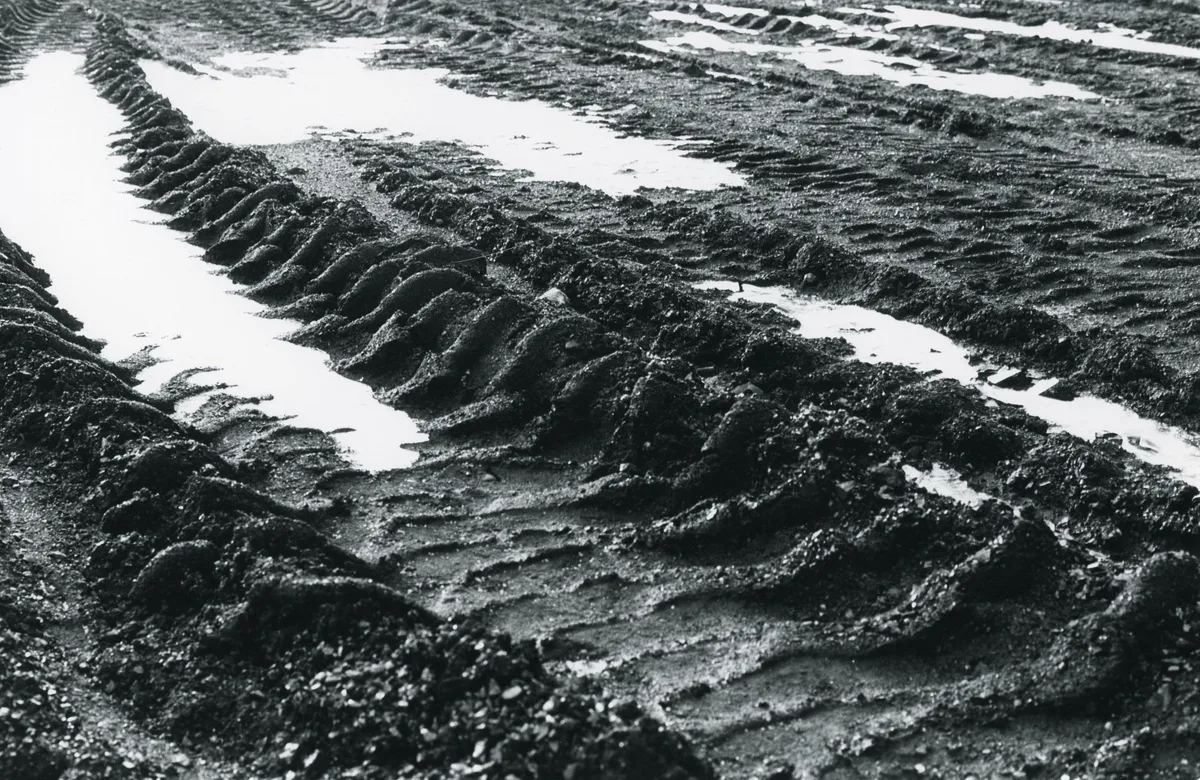
Turning sharply on wet ground. Every pivot point digs a rut. If you're on a riding mower, a tight turn on saturated soil carves a groove that stays for months. Make wide, sweeping turns instead.
Letting clumps sit. You mowed wet grass, you got clumps, and now it's raining again. Those clumps smother the grass underneath. If you see clumps, break them up with a rake or leaf blower right away.
Leaving them is a fast track to dead patches and fungal issues.
Forgetting to check the forecast. Mowing right before a heavy rain means your freshly cut lawn gets hammered by runoff. The cuts haven't healed, and water carries soil and nutrients away. Check the 24-hour forecast before you start.
Safety Risks You Need to Know About
Mowing wet grass isn't just hard on the lawn. It's hard on you too.
Slip hazards. Wet grass is slippery. On a slope, even a slight incline, you can lose your footing and slide under the mower. Walk-behind mowers don't have brakes.
If you slip, the mower keeps going. Wear boots with good tread and take slopes at an angle, not straight up and down.
Electric shock. Corded electric mowers on wet grass are a serious danger. Water conducts electricity. If the cord gets nicked or the plug gets damp, you're the path to ground.
Never use a corded mower on wet or even damp grass. Battery mowers are safer but still risky if water gets into the battery compartment.
Tip-over risk. Riding mowers lose traction on wet slopes. The tires spin, the machine slides sideways, and it can roll over. This is how serious injuries happen.
If your yard has any slope at all, don't ride-mow wet grass.
Clog clearing danger. Wet grass clogs the discharge chute constantly. People reach in to clear it while the blades are still turning. This is how fingers get lost.
Shut the mower off fully, remove the spark plug or battery, then clear the chute. No shortcuts.
When It Actually Makes Sense to Mow Wet
There are a few legitimate reasons to mow wet grass. Let's be honest about them.
The grass is dangerously tall. If your lawn has hit 6 inches or more and rain is forecast for a week, mowing damp is better than letting it go. Tall grass mats down in rain, invites pests, and stresses the root system. One careful damp mow is less damaging than two weeks of overgrowth.
You have a light push mower on sandy soil. Sand drains fast. If the surface is wet but the ground underneath is firm, a lightweight push mower won't do much damage. The key is timing.
Mow as soon as the rain stops, not the next morning when the soil has soaked in deeper.
You need to bag leaves that are wet. Wet leaves on a lawn are worse than wet grass. They smother the turf completely. If rain soaked your leaf cover, mowing them up while damp is better than waiting for them to dry and turn into a mat.
Your robotic mower is designed for light rain. Some robot mowers, like certain Husqvarna models, are rated for operation in light rain. They're lightweight and make many light passes instead of one heavy one. Check your owner's manual before trusting this.
What to Do Instead of Mowing Wet
If the lawn is too wet and you decide to wait, here's what you can do in the meantime.
Wait for the right window. The best time to mow after rain is when the grass has dried enough that no water shakes off when you walk through it. This often happens in the late afternoon after a morning rain. Morning dew usually burns off by 10 a.m.
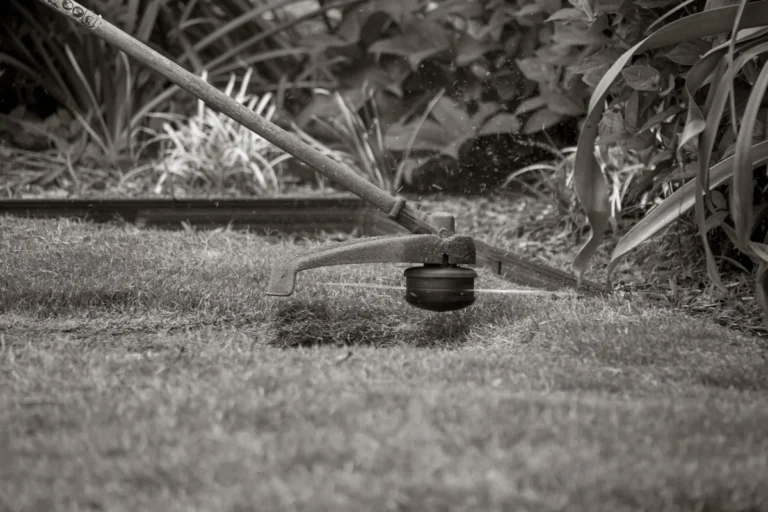
Use a string trimmer for spot work. If just one area is long and the rest is fine, don't drag the mower out. A string trimmer handles small wet patches with less damage. You won't get ruts or clumps.
It's not ideal for a full lawn but it beats the alternative.
Aerate instead. Wet soil is actually perfect for core aeration. The aerator pulls plugs easily, and the holes help the ground dry faster. If you're stuck waiting for the lawn to dry, use that time to aerate.
It will help drainage long term.
Apply fungicide preventively. If you've had to mow wet several times in a row and you see signs of disease, a preventative treatment can stop problems before they start. A good lawn fungicide applied after mowing dry protects the turf from the spores that wet mowing spreads.
Pro-Level Tricks for Better Results on Damp Days
Landscapers who have to mow in wet conditions use a few tricks to minimize damage. Here are the ones that work.
Use high-lift blades. Standard mower blades don't create enough suction to lift wet grass. High-lift blades have a steeper curve that pulls the grass upright before cutting. They work noticeably better on damp days.
You can buy them for most walk-behind and zero-turn mowers.
Mow when the grass is damp, not wet. There's a difference. Damp grass feels cool and slightly moist. Wet grass drips when you touch it.
Target the damp window. It's usually about two hours after rain stops, or right after the dew dries but before the sun fully hits.
Run the mower at full throttle. Slowing the engine to reduce noise or save gas is a mistake on wet grass. You need maximum blade tip speed to cut cleanly. Full throttle gives you the best chance at a decent cut.
Overlap your passes by half. Instead of the usual one-third overlap, overlap by half the deck width. This gives the blades two chances to cut the same grass. It slows you down, but the result is much cleaner.
Clean the deck mid-job and after. Wet grass builds up fast. A dirty deck reduces airflow and makes clumping worse. Spray the underside with a hose every 15 minutes.
After the job, a thorough cleaning prevents rust and keeps the blades sharp longer.
Real-World Examples – Morning Dew vs. Afternoon Downpour
Let's look at two common scenarios and how they play out.
Morning dew. You wake up to a lawn covered in droplets. The grass is damp but the soil underneath is still firm from yesterday's sun. Mowing now is usually fine.
Raise the deck, sharpen the blades, bag the clippings. You'll get a decent cut with minimal damage. Just wait until the dew starts evaporating.
That first hour after sunrise is the worst time.
Afternoon downpour. A heavy storm soaked the lawn. Water pools in low spots. The soil feels spongy underfoot.
This is the worst condition for mowing. Your mower will scalp the wet grass, leave ruts, and the clippings will clump into sodden piles. Wait at least 24 hours.
If you have clay soil, wait 48 hours.
The difference between these two scenarios is the difference between a minor inconvenience and a lawn repair project. One costs you an extra bag of clippings. The other costs you weeks of recovery.
Frequently Asked Questions
How long should I wait to mow after rain?
For light rain, wait 4 to 6 hours if the sun is out and the wind is blowing. For heavy rain, wait 24 hours minimum. Clay soil needs 48 hours.
Do the foot test before starting. If your footprints stay visible for more than 10 seconds, the lawn is too wet.
Can mowing wet grass damage my mower?
Yes. Wet grass clogs the deck, dulls the blades faster, and can rust metal parts. The engine or motor works harder because wet grass is heavier.
If you mow wet grass regularly, expect to sharpen blades twice as often and replace belts sooner.
Is it okay to use a robotic mower in the rain?
Some robotic mowers are rated for light rain, but most are not. Check your owner's manual. Even rated models struggle if the grass is tall and wet.
They leave clumps and the sensors can fail in heavy moisture. Best practice is to keep robots on dry days only.
Will mowing wet grass cause fungal diseases?
It can. Wet clippings left on the lawn create the perfect environment for brown patch, dollar spot, and Pythium blight. The mower blades themselves can spread fungal spores from infected spots to healthy grass.
If you must mow wet, bag the clippings and apply a preventative fungicide treatment afterward.
What is the best blade for mowing wet grass?
High-lift blades are the best choice for wet conditions. Their curved design creates more suction to lift the wet grass blades before cutting. They also throw clippings farther, which reduces clumping.
Standard mulching blades perform poorly on wet grass because they rely on the clippings recirculating.
The Final Verdict – Your Personal Decision Framework
Here's how to decide in under 30 seconds.
| If… | Then… |
|---|---|
| Grass is damp, soil is firm | Mow with precautions. Raise deck, bag clippings. |
| Grass is wet, soil is spongy | Wait 24 hours minimum. |
| Standing water is present | Do not mow. Walk away. |
| Grass is dangerously tall and rain won't stop | Mow damp, take the damage, then focus on recovery. |
The honest answer is simple. Mowing wet grass works in a pinch. It's not ideal for your lawn or your equipment.
But if you follow the guidelines above, you can do it without wrecking your turf.
The goal is not a perfect lawn every time. The goal is a healthy lawn over years. One wet mow won't ruin it.
A dozen wet mows in a row will. Make the call based on your specific soil, grass, and mower. That's the real decision framework.