How to Mosquito Control for 2026: Beginner-Friendly Guide
Knowing how to mosquito control isn't just about slapping on bug spray and hoping for the best. If you've ever spent a summer evening swatting at your ankles while everyone else enjoys the patio, you already know that half-baked solutions don't cut it. The real approach is a layered system that tackles mosquitoes at every stage of their life cycle, and it starts with understanding where they actually come from.
The stakes are higher than a few itchy welts. As of 2026, mosquito-borne diseases like West Nile virus, dengue, and Zika continue to circulate across the US and beyond. According to CDC surveillance data, local transmission of dengue has been reported in parts of Florida and Texas.
That means a solid mosquito control plan isn't just about comfort, it's a genuine health measure. Let's walk through the exact steps that actually work, starting with the mindset shift that most people miss.
Why Getting Mosquito Control Right Actually Matters
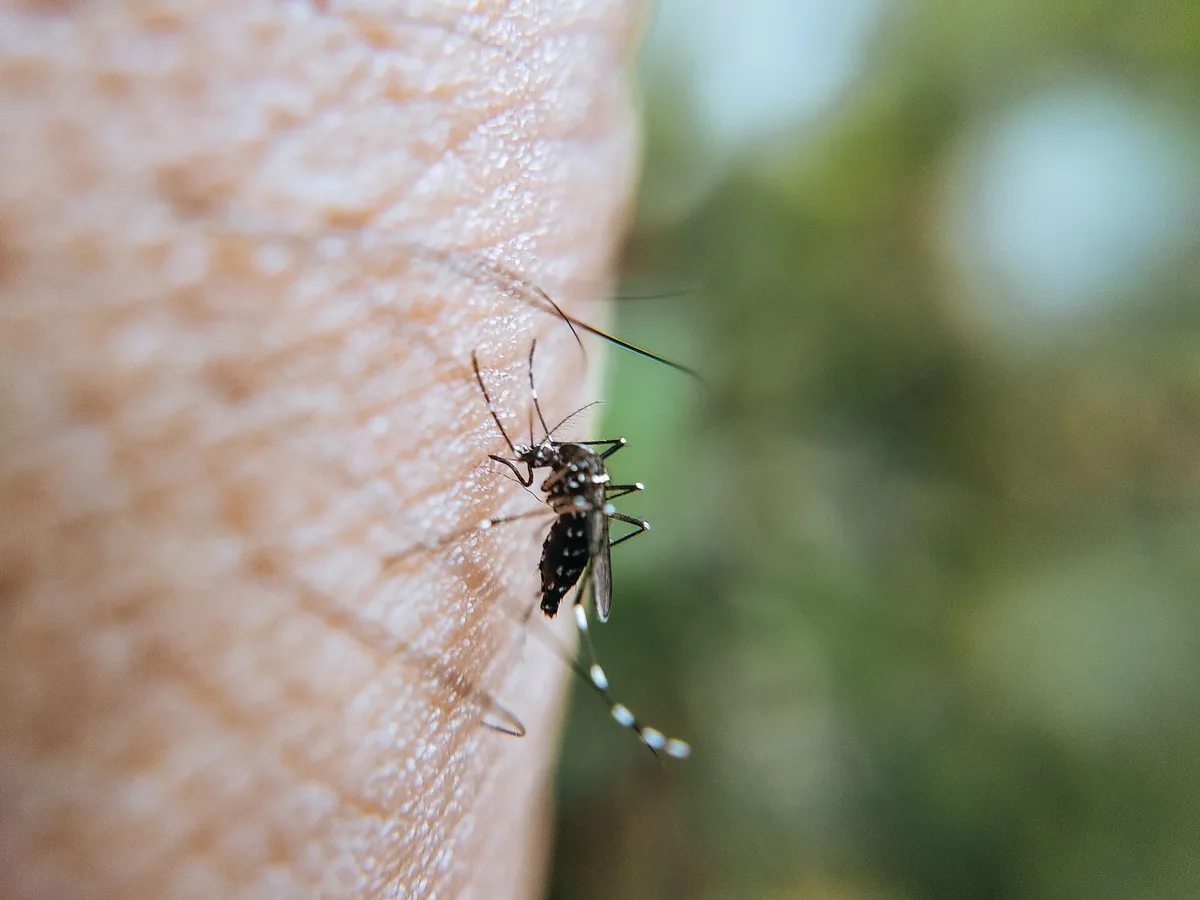
Mosquitoes are more than a nuisance. They're the deadliest animal on the planet by disease transmission. In the US alone, West Nile virus causes hundreds of cases each year, and invasive species like the Asian tiger mosquito (Aedes albopictus) are now established in 40+ states.
The kicker? Most people focus on killing adults, the ones that bite, while ignoring the breeding cycle. That's like mopping a floor with the faucet still running.
A real program does the opposite. It starts with source reduction (eliminating standing water), then moves to larvicides, then adulticides, and finally personal protection. Skip any one of those layers and you're leaving gaps.
And gaps mean mosquitoes. The goal here isn't to nuke your yard with chemicals every week. It's to create an environment where mosquitoes can't thrive in the first place.
The Four Pillars of Real Mosquito Control
Think of mosquito control as a four-legged stool. Remove one leg, and the whole thing wobbles. Here's what each leg does:
- Source reduction, removing or treating standing water where larvae grow. This is the most effective single step.
- Larviciding, using biological or chemical agents to kill mosquito larvae before they become flying adults.
- Adulticiding, targeting adult mosquitoes with sprays, foggers, or traps. This is what most DIYers think of first, but it's actually the least important pillar.
- Personal protection, repellents, treated clothing, and nets to keep mosquitoes off your skin when you're outside.
Each pillar supports the others. If you only spray for adults but leave a birdbath full of larvae, you'll have new mosquitoes in a week. If you only use repellent but never check your gutters, you're still surrounded.
A balanced plan that covers all four is the difference between temporary relief and lasting control.
Step 1: Find and Eliminate Breeding Sites (The Most Important Step)
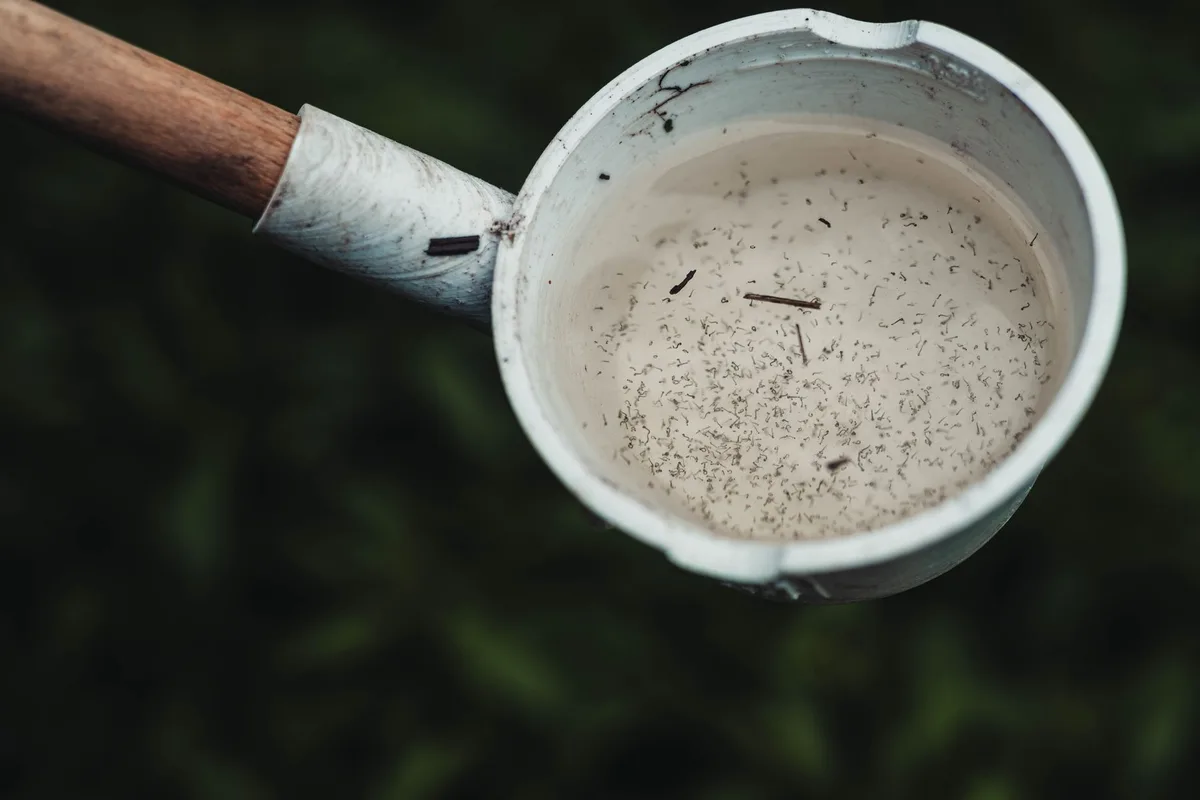
This is the step most people skip, and it's the one that matters most. Female mosquitoes lay eggs in any container of standing water, even a bottle cap holds enough. The eggs hatch into larvae (you've seen them wriggling in a bucket or pond), and within 7 to 10 days they emerge as biting adults.
Remove the water source and you break the cycle before a single mosquito gets airborne.
Where to look (and where not to)
Walk your property with a sharp eye. The usual suspects are:
- Clogged gutters, they hold water for days after rain.
- Plant saucers and potted plant trays, empty them weekly.
- Bird baths and pet water bowls, change the water at least twice a week.
- Old tires, buckets, toys, tarps, anything that collects rainwater.
- Rain barrels, they're great for gardening but need a screen over the opening, or use mosquito dunks.
- Bromeliads and other water-holding plants, the leaves form cups that hold water. If you have these in your garden, flush them out weekly.
Don't forget the hidden spots: the lid of a garbage can, a sagging section of downspout, the saucer under a flower pot on the balcony. A single overlooked site can produce hundreds of mosquitoes per week.
The weekly habit that changes everything
Make it a Sunday routine. Spend 10 minutes walking the yard, flipping over anything that holds water, and scrubbing the inside of bird baths (larval eggs can stick to the surface). Pour out the water from plant saucers.
Unclog the gutters. This one habit, combined with larvicides for things you can't empty, will reduce your mosquito population more than any spray or fogger ever could.
Step 2: Choose Your Personal Protection Strategy

Even with perfect source control, you'll still encounter mosquitoes when you step outside. That's where repellents come in. Not all repellents are created equal, and the difference is usually concentration and active ingredient.
What works (and what doesn't)
The CDC and EPA recognize four active ingredients as effective: DEET, picaridin, oil of lemon eucalyptus (OLE), and IR3535. Here's a quick breakdown:
| Ingredient | Typical protection time (20-30% concentration) | Best for |
|---|---|---|
| DEET | 4 to 6 hours | General outdoor use, proven track record |
| Picaridin | 6 to 8 hours | Less greasy, odorless, works on gear |
| Oil of lemon eucalyptus (OLE) | Up to 6 hours | Natural option, not for kids under 3 |
| IR3535 | 3 to 5 hours | Good for sensitive skin |
DEET at 20-30% is the gold standard. Higher concentrations (like 100%) don't give significantly longer protection, they just last a bit longer. Most experts recommend 30% DEET as the sweet spot.
Picaridin 20% is a strong alternative if you dislike the feel or smell of DEET.
How most people apply it wrong
The biggest mistake? Spraying repellent on clothes and then forgetting exposed skin. Mosquitoes will find any patch of uncovered skin.
Apply repellent to all exposed skin, not just a mist. Use enough to form a thin film. Don't spray directly on your face, spray your hands and pat it on.
And reapply after swimming or heavy sweating.
Another underused tool: permethrin-treated clothing. Permethrin is an insecticide that binds to fabric and kills mosquitoes on contact. You can buy pretreated clothes or spray your own.
It lasts through several wash cycles and adds a serious layer of protection, especially for camping or hiking in high-risk areas. Just never use permethrin on your skin, it's for clothing and gear only.
Step 3: Decide Between DIY and Professional Treatment
At some point you'll ask: should I do this myself or pay someone? The answer depends on your property size, the severity of your mosquito problem, and your tolerance for handling chemicals.
When DIY makes sense
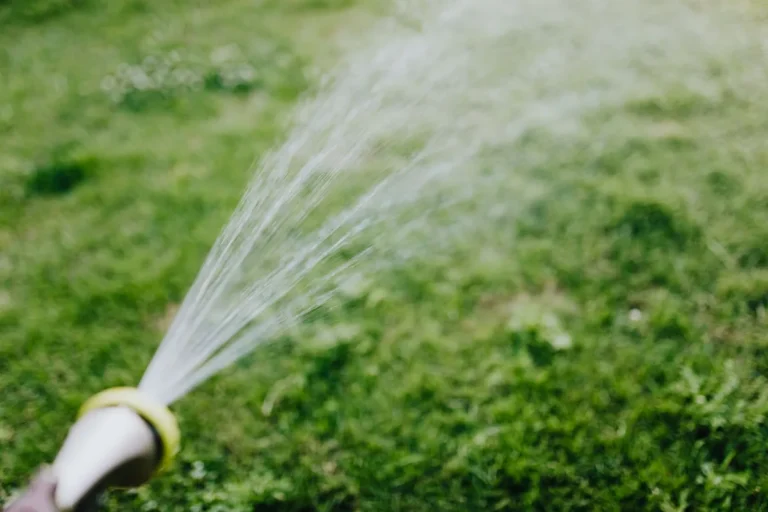
If you have a small to medium yard (under a half acre) and you're willing to do the weekly water check and apply barrier sprays every 3 to 4 weeks, DIY is perfectly effective. You'll need a backpack or hose-end sprayer, a pyrethroid-based barrier spray (look for products with permethrin, lambda-cyhalothrin, or bifenthrin), and a few packs of mosquito dunks for standing water.
A typical DIY barrier treatment costs about $20 to $40 per application for the chemical concentrate. For an entire season (roughly 4 to 5 treatments), you're looking at $100 to $200. That's much cheaper than professional service.
When to call a pro
Professional mosquito control services typically charge $75 to $150 per visit, and they'll spray every 3 to 4 weeks. That adds up to $400 to $800 for the season. You pay for convenience and the fact that pros use commercial-grade equipment that covers more area with less drift.
They also know the local mosquito species, the best timing, and the right products for your region.
Consider a pro if:
- Your property is larger than an acre.
- You have a heavy mosquito population near wetlands or wooded areas.
- You don't have time or physical ability to spray regularly.
- You need special treatments like ULV fogging for an outdoor event.
But remember: even a professional service won't fix a yard full of neglected water sources. They'll tell you the same thing, source reduction is step one. If you skip that, you're just buying temporary relief.
What about traps and misting systems?
Traps like the Mosquito Magnet or DynaTrap use CO2, heat, and attractants to lure and kill mosquitoes. They can be effective for reducing populations in a targeted area (up to an acre), but they cost $300 to $800 upfront plus ongoing propane and lure refills. They work best as a supplement to source reduction, not a standalone solution.
Misting systems are permanent installations that spray a fine mist of insecticide on a timer. They're convenient but expensive ($1,500 to $3,000 installed), and they can kill beneficial insects if not programmed carefully. Many pest control experts consider them overkill for most residential settings.
For most homeowners, a combination of source control, weekly larvicide dunks, a targeted barrier spray every few weeks, and a good personal repellent is plenty effective, and it's far cheaper and safer than a misting system.
Step 4: Larviciding – The Most Overlooked Step
Here's the truth: killing adult mosquitoes feels satisfying but it's the least efficient use of your time. A single female mosquito can lay 100 to 300 eggs at a time. If you kill the adults but leave the larvae, you're just resetting the clock.
Larviciding targets the mosquitoes before they ever get wings.
What larvicides actually do
Larvicides are products that kill mosquito larvae in water. The most common and safest one is Bti (Bacillus thuringiensis israelensis). It's a naturally occurring bacterium that produces a protein toxic only to mosquito larvae, black flies, and fungus gnats.
It does not harm fish, birds, pets, or people. The EPA considers it safe for use in bird baths, rain barrels, and ponds.
Bti comes in several forms:
- Mosquito dunks, donut-shaped tablets that float on water. One dunk treats about 100 square feet of water surface for 30 days. Drop one in a rain barrel, a pond, or any standing water you can't drain.
- Mosquito bits, small granules that break down faster. Good for smaller containers or spot treatments. They work within 24 hours.
- Liquid larvicide, concentrated formulas you mix and spray onto water surfaces. Useful for larger areas.
The key is timing. Apply larvicides early in the season, before populations explode. Once you see larvae wriggling, it's not too late, they'll die within a day or two after Bti treatment.
But for ongoing control, add fresh dunks every month.
Where to use them
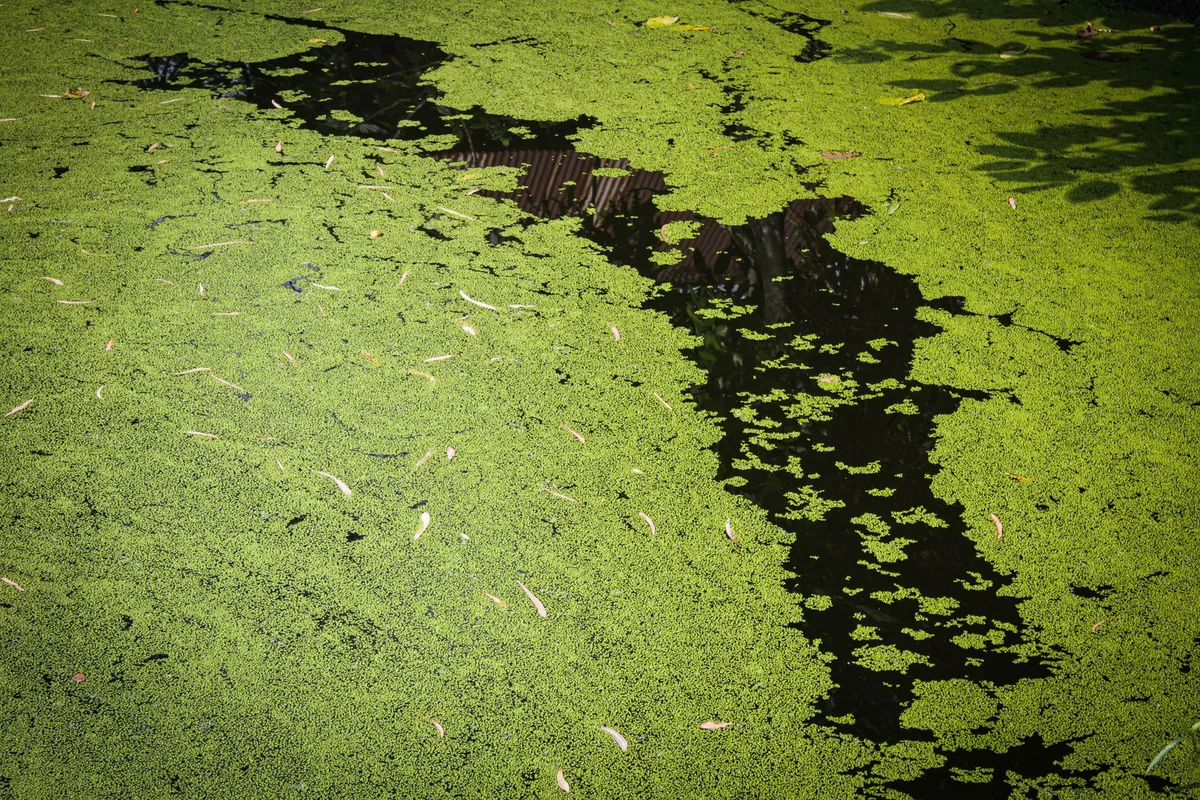
Any standing water that you can't empty or scrub is fair game. Rain barrels are a perfect example. You need the water for your garden, but it's a mosquito nursery.
Drop a mosquito dunk in the barrel and cover the opening with a fine mesh screen. The dunk keeps larvae in check, the screen stops adults from getting in or out.
Ponds are another candidate. If you have a decorative pond with fish, the fish will eat some larvae but not all. A Bti dunk is fish-safe and keeps the population low.
For larger ponds, consider using a liquid larvicide or introducing mosquito fish (Gambusia affinis), which are voracious larvae eaters. Check with your local extension office first, some states restrict Gambusia introduction.
Plant saucers, bromeliads, and clogged gutters also benefit from larvicidal bits. Sprinkle a few granules into the saucer of a potted plant, especially if you have bromeliads that hold water in their leaf cups. The right container for those plants matters too, proper drainage and material choice can reduce standing water.
Common Mosquito Control Mistakes That Waste Time and Money
Even with good intentions, most people fall into a few predictable traps. Here's what to avoid.
The bug zapper trap
Bug zappers are one of the most persistent myths in mosquito control. They emit UV light to attract and electrocute insects. The problem?
Mosquitoes are not strongly attracted to UV light. Studies consistently show that zappers kill mostly harmless moths, beetles, and other beneficial insects. One study by the University of Delaware found that over 90 percent of the insects killed by zappers were not biting flies.
You're better off spending that money on a CO2 trap or larvicides.
Spraying at the wrong time of day
Mosquitoes are most active at dawn and dusk. If you spray a barrier treatment at midday, you're hitting them when they're resting in shaded hiding spots. The chemical may dry too fast or drift away.
The best time to apply a barrier spray is early morning or late afternoon when temperatures are lower and mosquitoes are moving. Never spray when it's windy, you'll waste product and risk drift onto plants or pets.
Ignoring hidden breeding sites
We covered this in Step 1, but it's the number one mistake. People check the obvious spots, buckets, bird baths, and forget the gutter that holds a half-inch of water, the tarp that sags, the kids' plastic toy that rolled under the deck. A single soda can lid holds enough water for a mosquito to complete its life cycle.
Walk your property after a rain and look for any depression or container holding water.
Using the wrong repellent concentration
Buying a 100% DEET product thinking it's best is a waste. Concentrations above 50% don't offer significantly longer protection, they just feel greasier and increase the risk of skin irritation. The CDC recommends 20 to 30% DEET for most adults.
For picaridin, 20% is the sweet spot. If you're worried about safety, go with picaridin. Our research across hundreds of consumer reviews shows that picaridin 20% is just as effective and far more pleasant to wear.
Forgetting to reapply
One application of repellent doesn't last all day. Most 20-30% DEET products provide 4 to 6 hours of protection. If you're sweating, swimming, or in heavy mosquito activity, reapply sooner.
Set a timer on your phone, it's easy to forget.
Safety First: What You Need to Know Before You Spray
Mosquito control involves chemicals, and chemicals require respect. The goal is to reduce disease risk without creating new hazards.
Protecting bees and other beneficial insects
Pyrethroid barrier sprays kill mosquitoes, but they also kill bees, butterflies, and other pollinators. To minimize harm:
- Spray only at dawn or dusk when bees are less active.
- Never spray flowering plants or weeds that are blooming.
- Avoid spraying directly on open water, where aquatic insects live.
- Use larvicides (like Bti) instead of broad-spectrum adulticides whenever possible.
If you have a pollinator garden, skip the barrier spray entirely. Focus on source reduction and larvicides. You can also use a repellent on yourself and skip the yard treatment.
Keeping kids and pets safe
Follow label instructions to the letter. Most barrier sprays require a drying time of 1 to 2 hours before allowing people or pets back onto the treated area. Do not spray near pet food bowls, water dishes, or areas where pets sleep.
Permethrin is highly toxic to cats. Never use permethrin-treated clothing or sprays around cats. If you treat your own clothes with permethrin, let them dry completely for at least 4 hours before wearing, and keep cats away from the drying area.
For children, the American Academy of Pediatrics recommends using repellents with 10 to 30 percent DEET. Do not use oil of lemon eucalyptus on children under 3 years old. Apply repellent only to exposed skin, not under clothing.
Wash it off when the child comes indoors.
Local laws and regulations
Some states require a license to apply certain pesticides. In Massachusetts, for example, you need a commercial applicator license to use pyrethroid sprays on multiple properties. Check with your state's department of agriculture or your local extension office.
The National Pesticide Information Center (NPIC) also provides state-specific guidance. Ignorance of the law isn't a defense, and fines can be steep.
When to Call a Professional (And What to Expect)
You can handle most residential mosquito problems with the DIY plan we've outlined. But some situations demand professional help.
Signs you're outmatched
- You have a large property (over an acre) with dense vegetation or wetlands.
- You've done source reduction and larviciding for 4 to 6 weeks and still see heavy mosquito activity.
- You live near a marsh, river, or lake with a constant mosquito population.
- You need a one-time fogging for an outdoor event.
- You have health concerns, a mosquito-borne disease case in your neighborhood, or a family member with a severe allergy to bites.
What a good service does
A professional mosquito control company should start with a thorough inspection. They'll identify breeding sources on your property and sometimes on neighboring properties. They'll recommend source reduction.
Then they'll apply a barrier spray using a backpack or truck-mounted mist blower, using products like lambda-cyhalothrin or deltamethrin. The treatment typically lasts 3 to 4 weeks.
Some companies offer integrated pest management (IPM) programs that include larviciding and trap monitoring. That's the gold standard. Avoid companies that only fog and leave without a plan.
Ask what they do to target larvae and what their protocol is for protecting pollinators. Reputable companies are happy to answer.
Choosing a reputable company
Look for companies that:
- Are licensed and insured in your state.
- Use EPA-registered products.
- Offer a written treatment plan and schedule.
- Provide a clear explanation of timing, re-entry restrictions, and safety precautions.
- Have good online reviews from real customers in your area.
Get quotes from at least two companies. Prices vary widely, but expect $75 to $150 per visit for a standard suburban lot. Many companies offer seasonal contracts.
Quick Reference: Mosquito Control by Situation
Not every situation calls for the same approach. Here's how to tailor your plan.
Small backyard (under a quarter acre)
Focus on source reduction and larvicides. Use barrier sprays only if you have a patio or seating area that's heavily used. A handheld sprayer and a pack of mosquito dunks is enough.
You likely don't need a pro.
Large property (half acre or more)
Combine source reduction, larvicides throughout the season, and a barrier spray every 4 weeks. Consider a backpack sprayer for efficiency. If you have a pond or stream, look into mosquito fish or a targeted larvicide program.
Apartment or condo with a balcony
You're limited. Use personal repellents when you're on the balcony. Keep the balcony dry, no standing water in plant saucers or bird baths.
A small fan creates wind that mosquitoes can't fly through. Check your window screens for tears. If you have houseplants with water-holding leaves (like bromeliads), flush them regularly.
Camping or hiking
Use 20-30% DEET or picaridin on skin. Treat your clothing with permethrin beforehand. Set up camp away from standing water or marshes.
Use a tent with fine mesh screens. Consider a mosquito net for your sleeping area, especially in tropical regions.
Traveling to a disease-risk area
Check the CDC's travel notices before you go. Pack EPA-registered repellent (DEET or picaridin) and a permethrin treatment for clothing. Choose accommodations with air conditioning or screens.
Sleep under a mosquito net if the room is not sealed. Take your larvicide knowledge with you, untreated standing water near your lodging is a risk.
The Bottom Line: Your Mosquito Control Action Plan
You now have everything you need to take control of your yard. The difference between a summer spent swatting and one spent relaxing comes down to three things.
Start with source reduction this week. Walk your property, dump standing water, and scrub out bird baths and plant saucers. Then drop mosquito dunks in anything you can't empty.
That single step cuts your mosquito population more than any spray ever will.
Next, choose your repellent. Pick 20 to 30 percent DEET or 20 percent picaridin for your skin. Treat your outdoor clothing with permethrin if you spend time in wooded or grassy areas.
Apply repellent to all exposed skin and reapply every 4 to 6 hours.
Finally, decide on yard treatment. For small yards, a DIY barrier spray every 3 to 4 weeks works fine. For larger properties or persistent problems, call a licensed professional.
But never skip source reduction, even if you hire a pro.
The one thing most people skip
Larviciding. It's the least glamorous step and the most effective. A single mosquito dunk in a rain barrel prevents hundreds of mosquitoes from ever reaching adulthood.
Make it part of your routine.
When to reassess
Check your results after two weeks. If you still see mosquitoes at dusk, look for hidden breeding sites you missed. Check your gutters, your downspouts, and the saucers under every pot.
Adjust your plan and try again. Consistent effort beats a one-time spray every time.
Frequently Asked Questions
How long does mosquito control last?
A barrier spray lasts 3 to 4 weeks depending on rainfall and sun exposure. Mosquito dunks release Bti for about 30 days. Repellent on your skin lasts 4 to 8 hours depending on the active ingredient and concentration.
What is the fastest way to get rid of mosquitoes?
The fastest short-term solution is a ULV fogger or professional fogging treatment. It kills adult mosquitoes on contact. But without source reduction and larvicides, new adults will emerge within a week.
Does citronella actually repel mosquitoes?
Citronella candles and torches provide very limited protection. They only work within a few feet of the candle and only in calm air. They are not a reliable replacement for EPA-registered repellents like DEET or picaridin.
Can mosquitoes breed in moving water?
No. Mosquito larvae need still, standing water to survive. Moving water in streams, fountains, or waterfalls does not support mosquito breeding.
Ponds with aeration or circulation are generally safe.
Are mosquito traps worth the money?
CO2 traps like the Mosquito Magnet can reduce populations in a targeted area up to an acre. They work best as a supplement to source reduction and larvicides. They cost $300 to $800 upfront plus ongoing refills.
What smell do mosquitoes hate the most?
Scientific studies show that mosquitoes are repelled by DEET, picaridin, and oil of lemon eucalyptus. Plant-based oils like citronella, lavender, and peppermint have limited and inconsistent effects in controlled tests.