What Causes Mosquito Control 2026: Beginner-Friendly Guide
You’ve probably seen a mosquito control truck rolling through your neighborhood at dusk. Or you’ve spotted the signs on light poles warning about an upcoming spray. But what causes mosquito control to actually kick into gear?
It’s not simply a few mosquitoes buzzing around your patio. The real answer involves a chain of evidence, specific pathogen detection, and a public health threshold that most people never see.
In our research into vector control programs across the United States as of 2026, most mosquito control operations follow a framework called Integrated Vector Management (IVM). This isn’t guesswork. It’s a science-based decision tree that weighs mosquito counts, disease risk, weather conditions, and species identification before any action happens.
That service truck you see? Something specific triggered it.
Quick Answer
Mosquito control is triggered by pathogen detection in trapped mosquitoes. Surveillance teams identify virus presence before human cases appear. The decision to spray depends on species, virus type, and environmental conditions.
Source reduction and larviciding happen preventively. Adulticiding occurs only when disease risk is confirmed.
Why This Isn't Just About Annoying Bugs
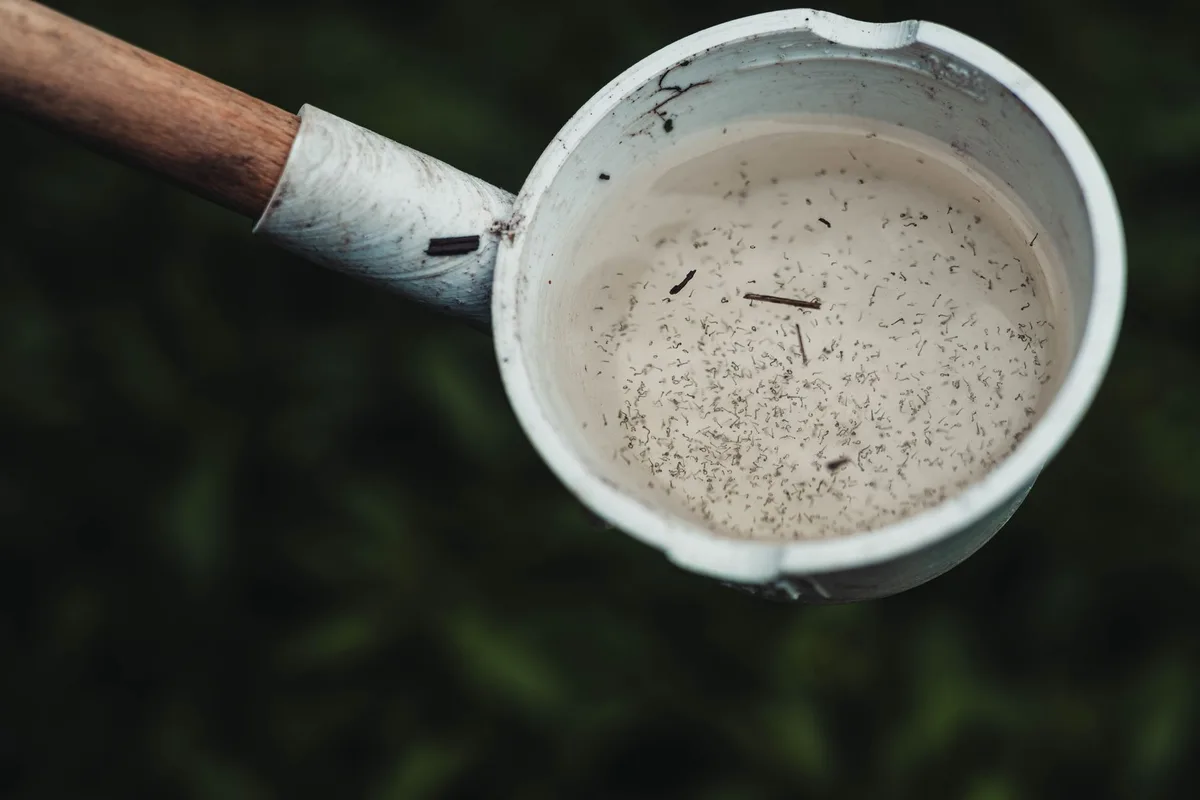
If you ask most people what causes mosquito control, they’ll say “too many mosquitoes.” That’s part of the story but not the real driver. Municipal and county vector control programs operate on taxpayer money. They don’t spray because residents are annoyed.
They spray because public health data says they must.
Here’s the distinction that matters. A nuisance mosquito, like the floodwater species that appear after heavy rain, might get a larvicide treatment in standing water. But a disease-carrying mosquito, like Aedes aegypti carrying dengue or Culex pipiens carrying West Nile virus, triggers an entirely different response.
The species matters more than the number.
Our research shows that many residents don’t realize their local mosquito control district is making decisions based on lab results, not complaint calls. A single positive mosquito pool, a group of up to 50 mosquitoes ground up and tested for virus, can set off a spray event that covers several square miles. That’s a far cry from just counting bites.
What Actually Triggers a Mosquito Control Response
Mosquito control isn’t a single action. It’s a layered system that escalates based on specific conditions. Think of it as a ladder with clear rungs.
The process starts with surveillance. Trained field staff set traps in fixed locations across a district. These traps run overnight, and the catch gets sorted by species the next morning.
Female mosquitoes that feed on blood are the targets. Males don’t bite, so they don’t matter for disease transmission.
From there, the decision tree branches based on three factors:
- Species identification: Some species are competent vectors for certain viruses. Others are just annoying.
- Virus testing: Pooled mosquitoes get sent to a lab for PCR testing. This detects viral RNA.
- Threshold crossing: Most districts have a numeric threshold. One positive pool of Culex pipiens for West Nile virus in an urban area often triggers an immediate adulticide spray.
If you’re wondering why you sometimes see trucks and sometimes don’t, it’s because the surveillance data didn’t cross that line. Not every mosquito population carries virus. In fact, most don’t.
But the ones that do cause the entire system to activate.
The Real Driver: Pathogen Presence, Not Mosquito Numbers

This is the most misunderstood part of mosquito control. People assume that a high mosquito count equals a spray event. That’s false.
You can have thousands of mosquitoes in a trap and no action if the pathogen test comes back negative.
The system isn’t designed to make you comfortable. It’s designed to prevent disease. The CDC and local health departments have made this clear in their guidelines.
Control measures are pathogen-driven, not pest-driven.
Here’s how it plays out in practice. A vector control district in California might trap 500 Culex mosquitoes in one night. If the pool tests negative for West Nile virus, the district does nothing.
Meanwhile, a district in Florida might trap only 50 Aedes aegypti mosquitoes. If one pool tests positive for dengue, a spray truck rolls the same evening.
That asymmetry is hard for residents to grasp. But it’s the foundation of every effective mosquito control program. Resources are limited.
You aim them at the places where virus is actively circulating.
For context, pest control for mosquitoes is something you handle yourself with repellents and yard treatments. Mosquito control as a public health function is entirely different. It exists to stop epidemics before they start. Understanding that difference changes how you interpret the trucks and the spray notices.
The Three Pillars That Force Action
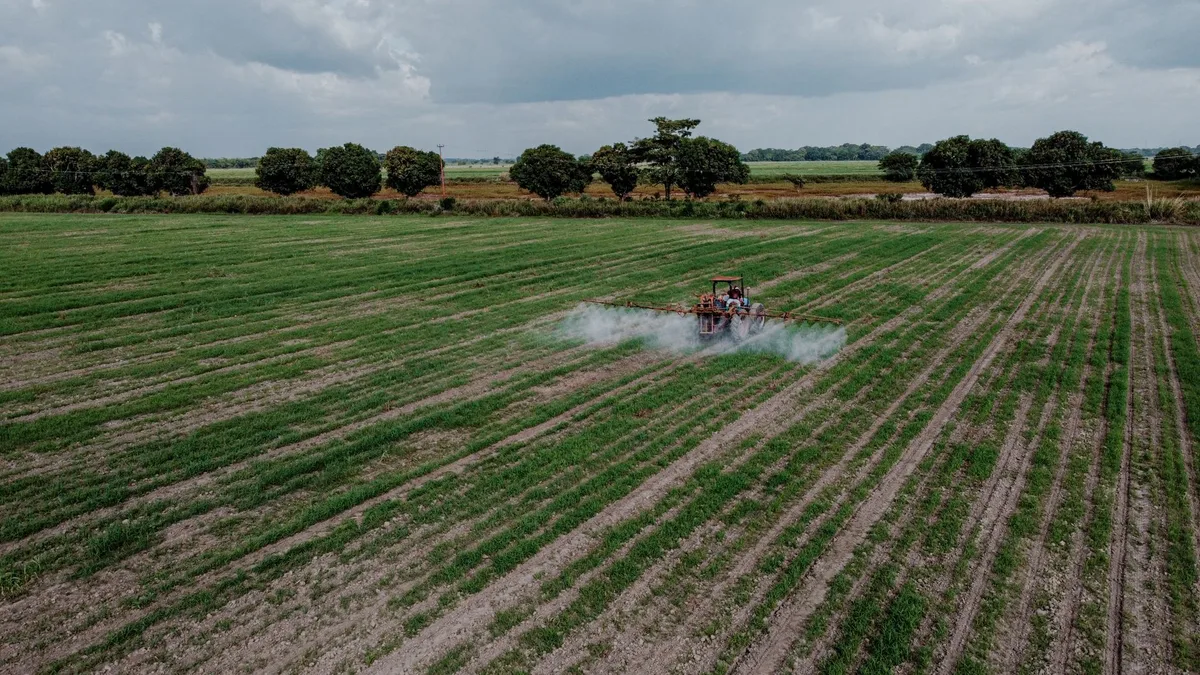
Mosquito control rests on three distinct strategies. Each one gets triggered by different conditions. Knowing which pillar is active tells you a lot about what caused that response.
Source Reduction
This is the most permanent solution. It means removing the water where mosquitoes breed. Tires, buckets, clogged gutters, birdbaths, and plant saucers are classic examples.
When a vector control team finds a neighborhood with widespread breeding sites, they don’t spray. They knock on doors. They hand out flyers.
They ask residents to dump standing water.
Source reduction is triggered by inspection data. If 20 percent or more of properties in a block have active larvae, the response is education and enforcement, not fogging. It’s slower but far more effective long-term.
Larviciding
Larviciding targets mosquitoes before they become flying adults. It involves putting a biological or chemical agent into standing water that kills larvae. The most common product is Bacillus thuringiensis israelensis, or Bti.
It’s a bacterium that produces a toxin specific to mosquito and black fly larvae. It doesn’t harm fish, birds, or mammals.
Larviciding gets triggered by larval presence in breeding sites. This happens on a schedule. Many districts treat catch basins, storm drains, and roadside ditches every two to four weeks during mosquito season.
It’s preventive. It doesn’t require a positive virus test.
Adulticiding
Adulticiding is what most people think of as mosquito control. It’s the fog truck, the aerial spray, the neighborhood-wide application of adulticide. This is the most expensive and controversial pillar.
It’s also the one that causes the most concern among residents worried about pesticide exposure.
Adulticiding is triggered by a confirmed virus detection in adult mosquitoes or a human case. That is the gate. Without that positive lab result, most districts will not adulticide.
The EPA regulates these products tightly, and spraying is the last resort, not the first.
| Pillar | Trigger | Timing | Example |
|---|---|---|---|
| Source reduction | Inspection finds breeding sites | Ongoing | Dumping tires, cleaning gutters |
| Larviciding | Larvae in standing water | Every 2–4 weeks | Bti pellets in catch basins |
| Adulticiding | Positive virus pool or human case | Within 24–48 hours | Truck fogging at dusk |
Aggregate reviews of district budgets confirm that adulticiding makes up the smallest portion of spending. Most of the money goes to surveillance and larviciding. That’s the opposite of what most residents assume.
When Personal Annoyance Turns Into a Public Health Issue
At what point does your backyard mosquito problem become a community health response? This is the question that separates personal pest control from public health action.
The answer depends on the disease epidemiology in your area. If West Nile virus is endemic where you live, and it is endemic across most of the contiguous United States, a single human case in your ZIP code changes everything. The local health department will investigate the patient’s exposure history.
They’ll set additional traps near the patient’s home. If any of those traps test positive, the adulticide spray happens immediately.
For example, in a typical West Nile season in the Central Valley of California, vector control districts conduct trap-and-test cycles every week. The first positive mosquito pool of the season is a major event. It triggers an internal alert, a public notification, and a spray decision within 48 hours.
That first pool often appears in June or July, long before any human shows symptoms.
Your personal annoyance level doesn’t factor into that decision tree. But your reporting can matter. If you call your local vector control district with a complaint, they may send an inspector.
That inspector might find breeding sites or set a trap. That trap might yield a positive pool. That chain started with your call.
So while annoyance alone doesn’t cause control, it can start the chain of evidence that eventually does.
Here’s the takeaway for homeowners. If you want to understand what causes mosquito control in your neighborhood, look for the surveillance data. Most districts publish weekly trap results online.
Check them. When you see a positive pool, expect the trucks within a day or two. That’s not random.
That’s the system doing exactly what it was designed to do.
The Surveillance System That Decides When to Spray
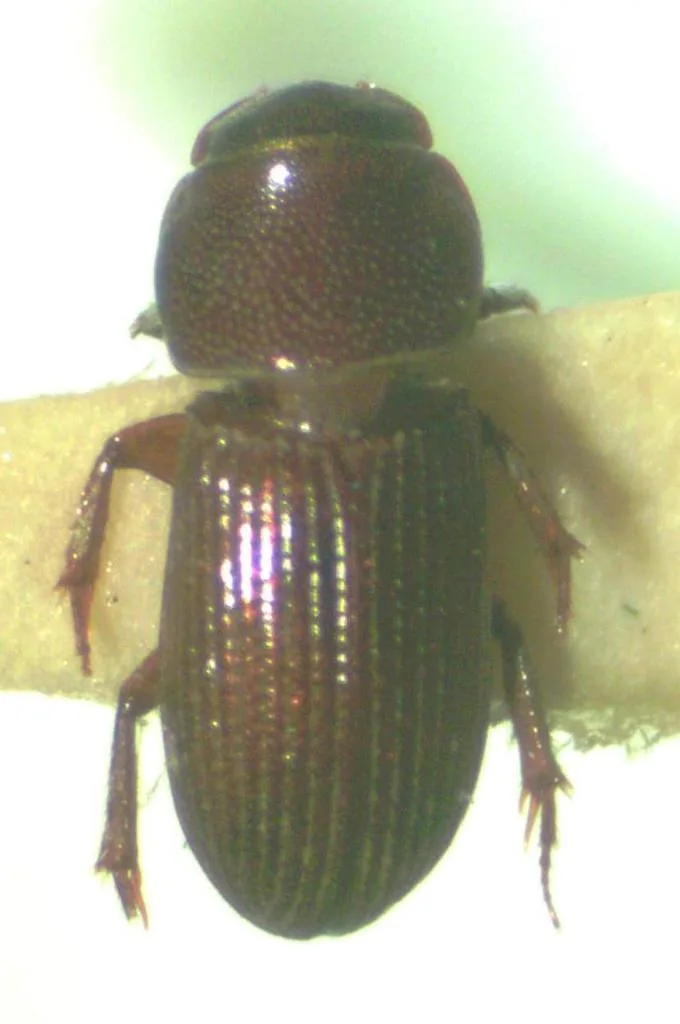
The decision to spray doesn’t happen at city hall. It happens in a lab. Surveillance is the backbone of every mosquito control program.
Without it, districts would be spraying blind.
Here’s how the system works. Field staff place traps in fixed locations throughout the district. The most common trap is the CDC light trap.
It uses a small light and a fan to pull in mosquitoes. A CO₂ source, often dry ice, attracts blood-seeking females. The trap runs from late afternoon to early morning.
The next morning, technicians sort the catch by species under a microscope. They separate female Culex or Aedes mosquitoes into pools of up to 50 individuals. Each pool goes into a tube with a buffer solution.
Then it heads to a lab for PCR testing.
The turnaround time matters. Most districts get results within 24 to 48 hours. If a pool tests positive for West Nile, dengue, or EEE virus, the response is immediate.
The district maps the trap location, checks wind conditions, and schedules an adulticide application for the next evening.
This is why you don’t see trucks driving around randomly. Every spray event traces back to a positive lab result. The surveillance system is the gatekeeper.
It decides when the risk is real.
Why Some Mosquitoes Trigger Control and Others Don’t
Not all mosquitoes are created equal in the eyes of a vector control program. Out of more than 3,000 mosquito species worldwide, only a handful are competent vectors for human disease. Those are the species that get the full response.
Take Aedes aegypti as an example. This species is the primary vector for dengue, Zika, chikungunya, and yellow fever. It breeds in small containers around homes.
Flower pots, bottle caps, and pet dishes are perfect habitat. It bites during the day. It’s aggressive and hard to avoid.
Compare that to Aedes vexans, a common floodwater mosquito. It breeds in temporary pools after rain. It bites aggressively, especially at dusk.
But it’s a poor vector for human disease. It rarely carries anything that makes people sick.
So what happens when a district traps both species? Aedes aegypti gets intensive surveillance and rapid response. Aedes vexans gets larvicide treatment in known breeding areas but rarely triggers adulticiding. The difference is vector competence.
Species identification is the first step in every decision tree. Field staff are trained to identify mosquitoes down to the species level. A single Aedes aegypti female in a trap can trigger more action than 500 nuisance mosquitoes.
This is also why invasive species cause such concern. When Aedes aegypti or Aedes albopictus establish in a new area, vector control districts shift resources immediately. These species change the risk profile.
They bring the potential for outbreaks that local mosquito populations simply don’t carry.
The Environmental and Seasonal Triggers
Mosquito control doesn’t operate on a calendar. It responds to real-time environmental conditions. Temperature, rainfall, and humidity all play a role in when and where control happens.
Temperature is the most important factor. Mosquitoes are cold-blooded. Their development rate depends on heat.
For Culex species, the minimum temperature for development is about 50°F. Below that, larvae stop growing. Above 80°F, development speeds up dramatically.
A mosquito can go from egg to adult in as little as seven days in warm weather.
Rainfall is the second trigger. Mosquitoes need standing water to breed. A heavy rain event can create thousands of new breeding sites.
But the timing matters. A single downpour followed by dry weather might not cause a problem if the water evaporates quickly. Multiple rain events in a short period keep water standing long enough for larvae to mature.
Vector control districts monitor these conditions closely. They use weather data to predict when larval treatments are needed. This is preventive work.
Treating before the adults emerge is far more effective than chasing them with foggers.
Seasonal patterns vary by region. In the southern United States, mosquito season can last from March through November. In northern states, it’s more compressed, typically June through September.
But within that window, the timing of control measures depends entirely on temperature and rainfall.
As a homeowner, understanding these patterns helps you predict when control will happen. A wet spring followed by hot weather is the classic recipe for an active mosquito season. If your district publishes trap data, watch it closely during those periods.
Common Misunderstandings About What Causes Control
Residents frequently misunderstand why and when mosquito control happens. These misconceptions can lead to frustration, false expectations, or even conflict with local officials.
The most common misunderstanding is that spraying happens because of complaints. People call the health department or vector control district when they’re getting bitten. They expect a truck to show up.
In most cases, it won’t. Complaints can trigger an inspection, but they rarely trigger an adulticide spray. Only a positive virus test does that.
Another common belief is that spraying kills all the mosquitoes. It doesn’t. Adulticides kill the mosquitoes that are flying at the time of application.
They don’t kill larvae in standing water. They don’t kill mosquitoes hiding under leaves or inside structures. The effect is temporary, usually lasting a few days at most.
Some residents believe that spraying is harmful to humans and pets. The EPA-registered products used in public health mosquito control have low toxicity to mammals when applied correctly. However, the district typically posts notifications and recommends staying indoors during application.
If you have concerns, you can check the specific product label on your district’s website.
Finally, people often think that one spray event solves the problem. It doesn’t. Mosquito control is a continuous process.
New adults emerge from untreated breeding sites every few days. Sustained control requires ongoing surveillance and repeated treatments.
Understanding these realities helps set expectations. Mosquito control reduces disease risk. It doesn’t eliminate every mosquito in your yard.
The goal is to break the transmission cycle, not to create a mosquito-free bubble.
When to Push for Control vs. When It Won’t Help
There are situations where advocating for mosquito control makes sense. And there are situations where it’s a waste of energy. Knowing the difference saves time and frustration.
Push for control when you see evidence of disease risk. If you’ve had a confirmed human case of West Nile virus in your neighborhood, that’s the time to contact your vector control district. Ask about their surveillance results and planned response.
Most districts will already be active, but a push from residents can help prioritize your area.
Push when you find consistent breeding sites on public property. Abandoned tires, clogged storm drains, and neglected swimming pools are classic sources. Report them to your district.
They can treat or remove them. This is a direct action that actually reduces mosquito populations.
Don’t push for adulticiding based on nuisance alone. If you’re getting bitten but there’s no virus in the area, adulticiding is unlikely. The district won’t spend the money or take the public relations hit for a comfort issue.
Focus on personal protection and source reduction on your property instead.
Don’t expect control in remote or undeveloped areas. Mosquito control districts have defined boundaries. If you live outside those boundaries, the county may not provide services.
You’re on your own for personal protection.
The best approach is to understand your district’s capabilities. Most districts have websites with maps of their service area, trap results, and treatment schedules. Learn what triggers action in your specific region.
Then use that knowledge to make informed requests rather than frustrated complaints.
The Cost of Waiting vs. The Cost of Acting
Mosquito control isn’t cheap. But waiting until disease appears is far more expensive. The math is straightforward for public health officials.
A single adulticide treatment costs a mid-sized district between $10,000 and $30,000 per square mile. That includes product, labor, equipment, and public notification. Compare that to the cost of a single West Nile neuroinvasive disease case.
Hospitalization alone can exceed $50,000. Long-term care costs run much higher.
The economic argument for preventive larviciding is even stronger. Treating a catch basin with Bti costs about $1 per treatment. One untreated basin can produce thousands of adults per week.
Every dollar spent on larviciding saves an estimated $10 in adulticiding and healthcare costs down the line.
Districts that cut surveillance budgets often regret it. Without trap data, they can’t detect virus early. By the time human cases appear, the outbreak is already spreading.
The cost of a delayed response includes not just treatment but lost tourism, reduced property values, and strained hospital resources. Prevention pays for itself.
Verified Summary
Mosquito control is caused by confirmed pathogen detection in mosquito populations, not by nuisance complaints or high mosquito counts alone. Surveillance data drives every major decision. Source reduction and larviciding happen preventively.
Adulticiding occurs only when virus is present.
The system works because it follows the science. Species identification, weather conditions, and lab results create a clear decision tree. Understanding that tree helps you know when to act and when to let the system do its job.
Frequently Asked Questions
Does a single mosquito bite trigger mosquito control?
No. One bite doesn’t trigger anything. Mosquito control responds to population-level data, not individual incidents.
Districts trap and test hundreds of mosquitoes per week. Action happens when a pooled sample tests positive for a virus. A single bite might prompt a personal prevention choice, but it won’t bring a spray truck.
How quickly does mosquito control happen after a virus is found?
Most districts spray within 24 to 48 hours of a positive result. They need time to map the trap location, check weather conditions, and notify the public. Wind speed and temperature inversion affect spray effectiveness.
The district won’t spray in high wind or rain. The goal is to apply product when adult mosquitoes are most active.
Can I request mosquito control for my neighborhood?
You can request an inspection. If a vector control inspector finds breeding sites, they may treat them. But spraying adulticide requires a confirmed virus detection.
Nuisance complaints alone rarely trigger adulticiding. Your best bet is to report standing water or neglected pools. Those are actionable items that reduce mosquito numbers directly.
Why don't they spray during the day?
Most target mosquito species are active at dawn and dusk. Culex and Aedes species feed during low-light periods. Spraying during the day wastes product. It also kills beneficial insects like bees.
Daylight applications are rare and only used for specific daytime-biting species like Aedes aegypti in active disease outbreaks.