Why Does Mosquito Control for 2026: Everything You Need
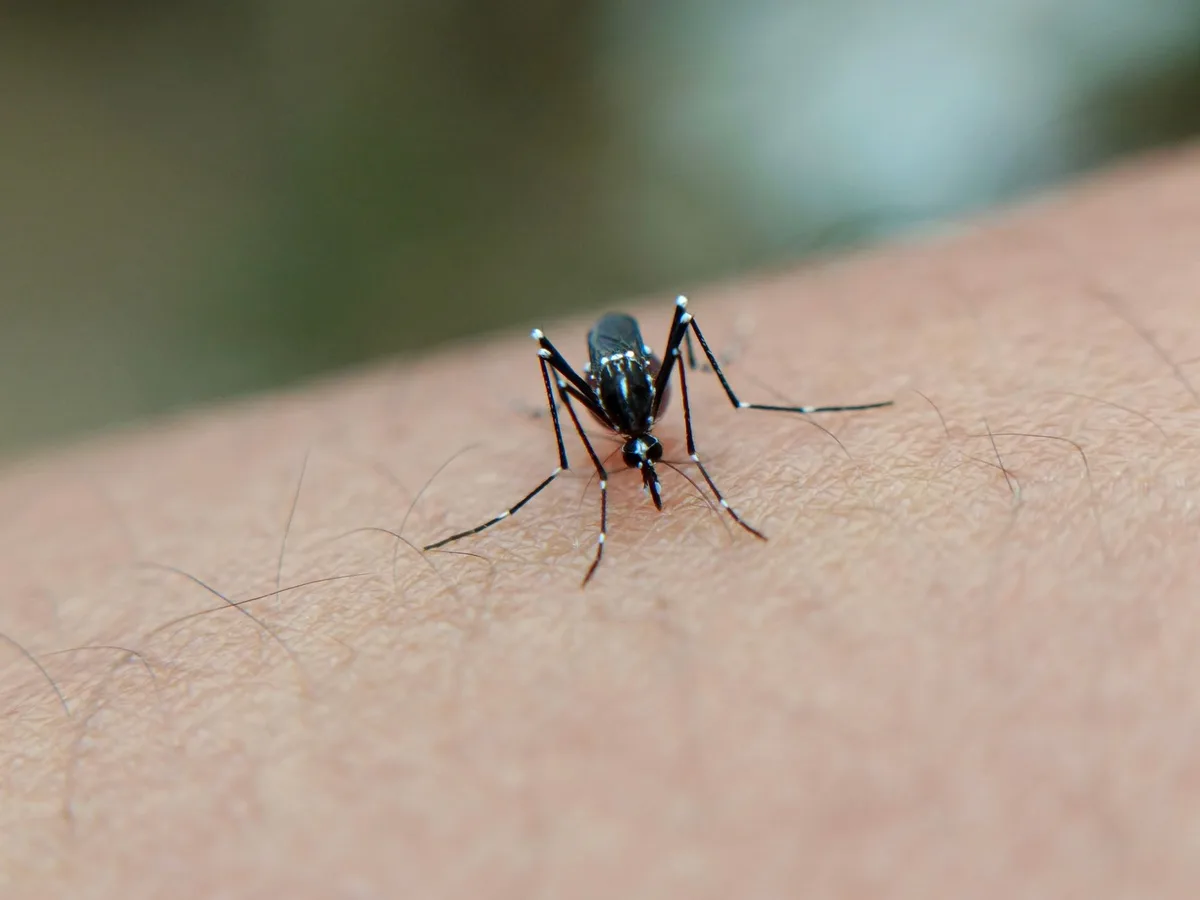
You're right to ask why mosquito control matters so much. It's not just about stopping itchy bites on your patio. The real reason goes deeper: mosquitoes are the deadliest animals on the planet, responsible for hundreds of thousands of deaths each year through the diseases they carry.
That's not hyperbole. That's the World Health Organization's data.
So when you ask "Why does mosquito control," the honest answer is that it's a public health necessity, not a convenience. As of 2026, the CDC reports that West Nile virus remains the most common mosquito-borne disease in the continental U.S., with thousands of cases annually. But the reasons for controlling mosquitoes vary depending on where you live, what diseases are circulating, and your personal tolerance for risk.
Let's break down what actually drives the decision.
Quick Answer
Mosquito control saves lives. It reduces the spread of diseases like West Nile, dengue, and Zika. It also makes outdoor spaces usable.
The goal is to lower the mosquito population enough to break the disease transmission cycle. That's the whole point.
Why This Question Matters More Than You Think
Most people don't realize how high the stakes are. Mosquitoes aren't just annoying. They're the deadliest creatures on Earth by a wide margin.
The World Health Organization estimates that mosquito-borne diseases cause over 700,000 deaths globally each year. That's more than snakes, sharks, and humans combined.
In the United States, the threat is lower but still real. West Nile virus has been detected in all 48 contiguous states. Eastern equine encephalitis (EEE) kills about 30 percent of people who get it.
And invasive species like the yellow fever mosquito (Aedes aegypti) are spreading into new regions every year.
So when you ask why mosquito control matters, the answer isn't about comfort. It's about reducing your risk of getting sick. It's about protecting your neighbors.
And it's about keeping local mosquito populations low enough that disease transmission can't take hold.
The Real Reasons We Control Mosquitoes
Let's get specific about what we're up against. The reasons fall into three categories: disease prevention, quality of life, and economic impact.
Disease Prevention
This is the big one. In the United States, the CDC tracks several mosquito-borne diseases. West Nile virus is the most common, with cases reported every year in nearly every state.
Symptoms range from mild fever to severe neurological damage. There's no vaccine and no specific treatment.
Eastern equine encephalitis (EEE) is rarer but far more dangerous. About 30 percent of people who get it die. Survivors often have lasting brain damage.
Dengue is becoming more common in the southern U.S., especially Florida and Texas. And Zika, while less active now, remains a risk for pregnant women because of birth defects.
Quality of Life
Not every mosquito problem is a disease problem. Sometimes it's just about being able to enjoy your yard. If you can't sit outside in July without getting bitten every 30 seconds, that's a real quality of life issue.
It keeps kids indoors. It ruins cookouts. It makes gardening miserable.
Economic Impact
Mosquitoes cost money. Communities spend millions on control programs. Property values drop in areas with heavy infestations.
Tourism suffers in places with active outbreaks. And healthcare costs from mosquito-borne illnesses add up fast. The CDC estimates that the economic burden of West Nile virus alone is in the hundreds of millions annually.
What Makes Mosquito Control So Tricky
Here's the honest truth: mosquito control is harder than it looks. There are several reasons why even well-intentioned efforts fail.
The Breeding Problem
Mosquitoes don't need much to reproduce. A bottle cap full of water is enough for some species. A clogged gutter.
A saucer under a flower pot. A kiddie pool you forgot to empty. The Asian tiger mosquito (Aedes albopictus) can complete its entire life cycle in a container the size of a soda can lid.
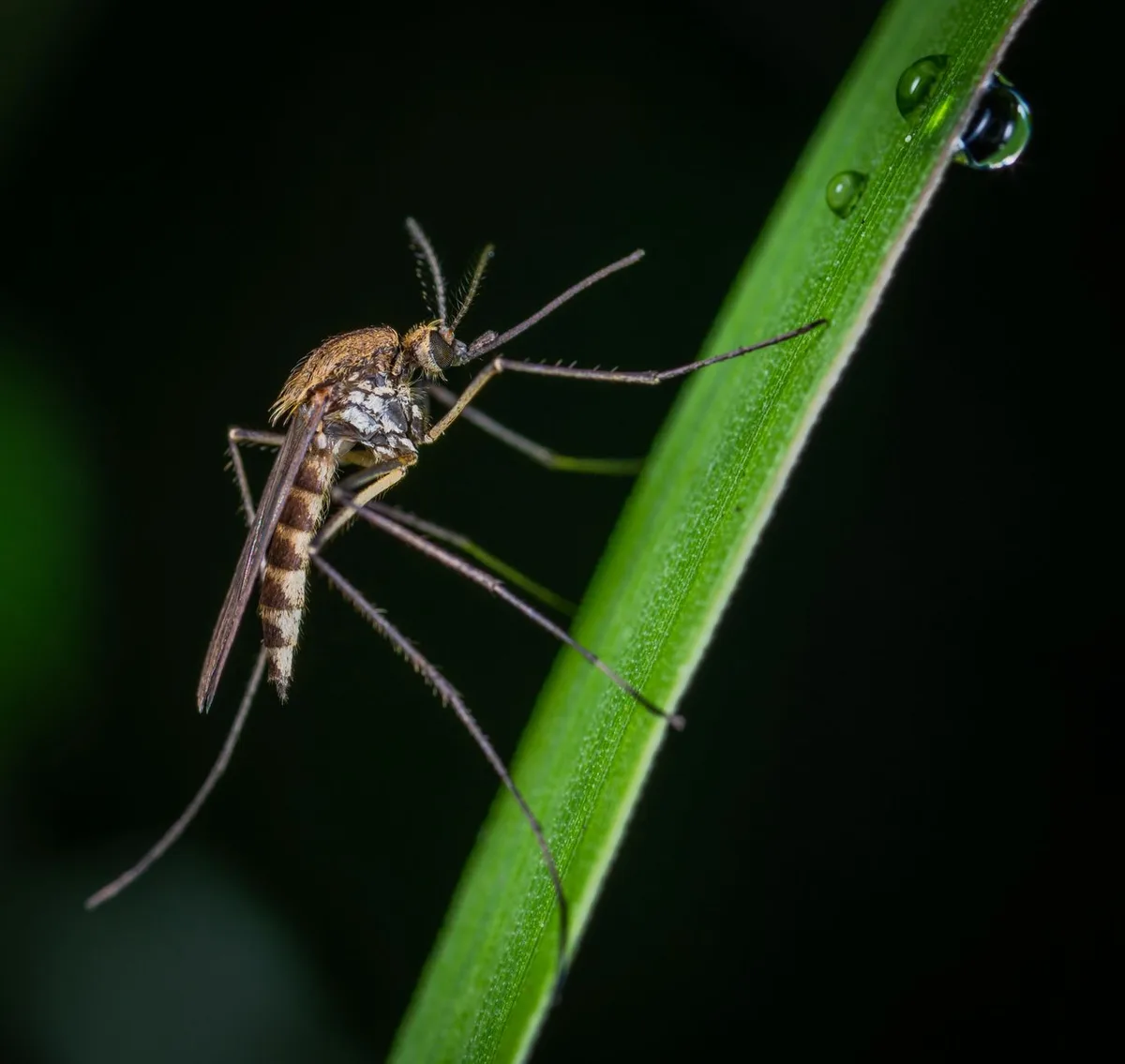
This means you can treat your yard perfectly and still have mosquitoes breeding next door. Mosquito control requires neighborhood-level coordination. One untreated property can re-infest an entire block.
Insecticide Resistance
This is a growing problem. Many mosquito populations have developed resistance to common pyrethroid insecticides. The CDC and EPA both track resistance patterns, and the data is concerning.
In some areas, standard spray treatments kill less than 50 percent of the mosquitoes they hit. That means you're spraying chemicals without getting the results you paid for.
Off-Target Effects
Spraying for mosquitoes can kill bees, butterflies, and other beneficial insects. This is a real trade-off. Pollinator populations are already under stress.
Aerial spraying during an outbreak can reduce bee activity for days. That's why integrated mosquito management emphasizes targeted treatments over blanket spraying.
The Coordination Problem
Mosquitoes don't respect property lines. A female mosquito can fly several miles looking for a blood meal. If your neighbor has standing water and you don't, you still have mosquitoes.
Effective control requires community-wide effort. That's why mosquito control districts exist in many states. They coordinate treatments across entire neighborhoods.
How Mosquito Control Actually Works
There are four main approaches, and they work best when used together. This is called Integrated Mosquito Management (IMM). The EPA and CDC both recommend this approach.
Source Reduction
This is the most effective method. It's also the cheapest. You find and eliminate standing water where mosquitoes lay eggs.
That means dumping bird baths weekly. Cleaning gutters. Filling in low spots in your yard.
Drilling holes in tire swings. Emptying plant saucers.
Source reduction is the foundation of everything else. If you skip this step, nothing else works as well.
Larviciding
You can't always eliminate every water source. That's where larvicides come in. These are products that kill mosquito larvae before they become biting adults.
The most common active ingredient is Bacillus thuringiensis israelensis (Bti), a naturally occurring bacteria that's toxic to mosquito larvae but safe for people, pets, and plants.
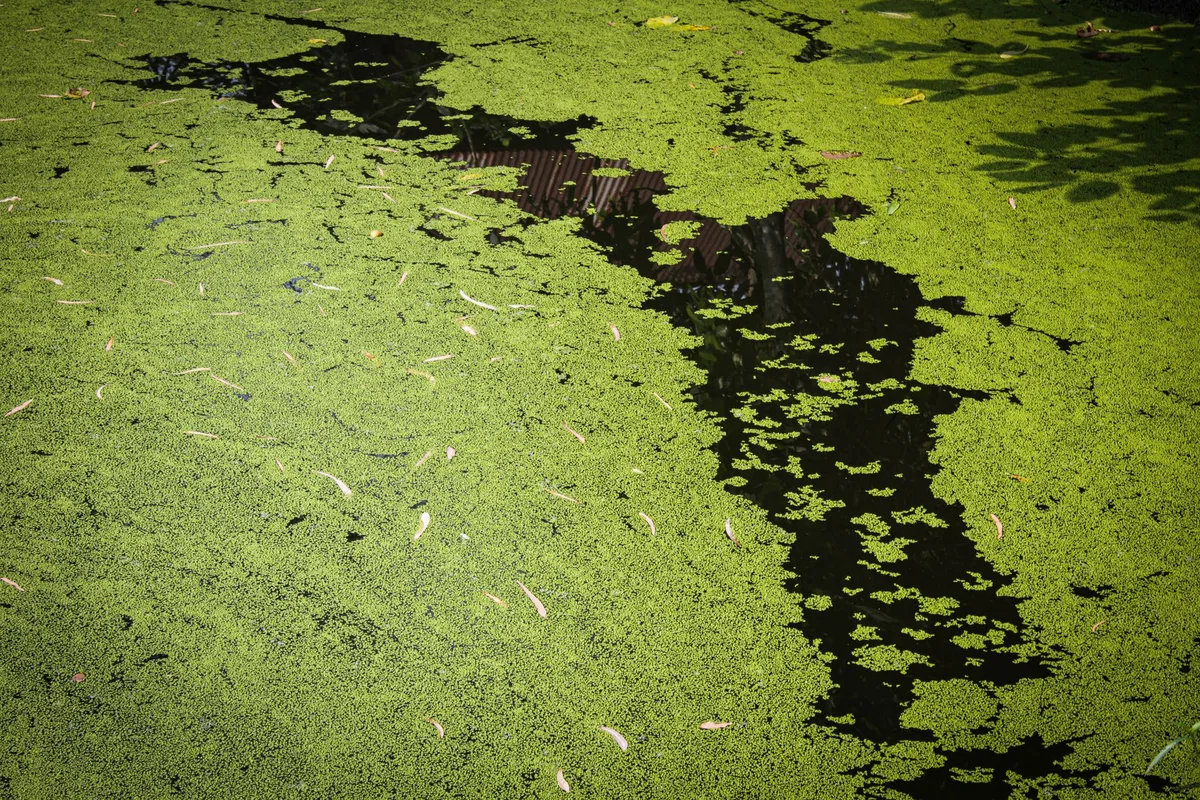
Bti comes in donut-shaped "dunks" that float in standing water. One dunk treats about 100 square feet of water surface for 30 days. It's one of the safest options available.
Methoprene is another common larvicide. It mimics a growth hormone and prevents larvae from maturing.
Adulticiding
This is what most people think of when they hear "mosquito control." It's spraying to kill adult mosquitoes. Adulticides are fast-acting but short-lived. They kill mosquitoes that are present at the time of spraying, but they don't prevent new ones from flying in.
Professional barrier sprays use pyrethroids like permethrin or bifenthrin. These can provide residual protection for several weeks. But they also kill beneficial insects.
That's why they should be used sparingly and only when necessary.
Personal Protection
This is your last line of defense. The CDC recommends EPA-registered repellents containing DEET, picaridin, IR3535, or oil of lemon eucalyptus. DEET at 20 to 30 percent concentration provides several hours of protection.
Picaridin is equally effective and feels less greasy.
Permethrin-treated clothing is another option. You can buy pre-treated gear or treat your own. It stays effective through multiple washes.
The Risks You Need to Know Before Starting
Mosquito control involves chemicals. Even the "natural" options have risks. Here's what you need to understand before you start spraying.
Human Health Concerns
Pyrethroid insecticides are generally safe when used according to the label. But they can cause skin irritation, respiratory issues, and eye discomfort. People with asthma or chemical sensitivities should be especially careful.
Always wear gloves, long sleeves, and a mask when applying any insecticide.
Pet Safety
Cats are particularly sensitive to pyrethroids. Permethrin is highly toxic to cats and can cause seizures or death. If you're using a barrier spray, keep your cat indoors until the product dries completely.
Dogs tolerate pyrethroids better, but they can still have reactions. Fish are also extremely sensitive. Never spray near ponds or aquariums.
Pollinator Impact
This is the trade-off that bothers most people. Mosquito sprays kill bees. Even products labeled as "bee-safe" can harm pollinators if applied incorrectly.
The best practice is to spray at dawn or dusk when bees aren't active. Never spray flowering plants directly. And consider skipping chemical treatments altogether if you have a pollinator garden.
Environmental Persistence
Some insecticides linger in the environment. Pyrethroids bind to soil and sediment. They can persist for weeks or months.
They're toxic to aquatic insects and fish. That's why buffer zones around water bodies are required by law in many states.
Label Compliance
This isn't optional. The product label is a legal document. Using more than the recommended amount doesn't kill more mosquitoes.
It just increases risk. Applying in the wrong conditions wastes product and harms the environment. Always read the label.
Always follow it.
When to Handle It Yourself vs. Call in a Pro
This decision comes down to three factors: the size of your property, the level of disease risk in your area, and your comfort with pesticides.
If Your Property Is Small and the Risk Is Low
You can handle this yourself. A quarter-acre lot with no standing water issues and no active disease in your area is a DIY situation. Focus on source reduction.
Walk your property weekly and dump anything that holds water. Use Bti dunks in rain barrels and bird baths. Apply a personal repellent when you go outside.
This approach costs almost nothing. It takes about 15 minutes a week. And it's the safest option for your family and the environment.
If You Have Standing Water You Can't Eliminate
Some water sources are permanent. Ponds, drainage ditches, and rain gardens can't be drained. In that case, you need larvicides.
Bti dunks are the safest choice. Drop one in every 100 square feet of water surface. Replace monthly.
This kills larvae before they become biting adults.
If you have a larger pond, consider mosquito fish (Gambusia affinis). These small fish eat mosquito larvae. Many mosquito control districts give them away for free.
They're one of the most effective biological controls available.
If There's an Active Disease Outbreak
This changes everything. When West Nile or EEE is detected in your area, the priority shifts from prevention to suppression. Local health departments may conduct aerial spraying.
This is a public health emergency response, not a routine treatment.
If you're in an outbreak zone, follow your health department's instructions. Stay indoors during spraying. Cover gardens and ponds.
And use personal repellents every time you go outside.
If You Want Professional Help
Professional mosquito control services handle the application for you. They inspect your property, identify breeding sites, and apply barrier sprays or larvicides. Costs range from $75 to $150 per visit.
Most services come monthly during mosquito season.
The advantage is convenience and expertise. Professionals have access to commercial-grade products and equipment. They know how to apply them safely.
The downside is cost and the fact that you're introducing chemicals to your property on a regular basis.
The Biggest Mistakes People Make
After years of watching homeowners try to solve mosquito problems, a few patterns keep showing up. Here are the most common mistakes and how to avoid them.
Ignoring Cryptic Breeding Sites
Most people check obvious spots like bird baths and kiddie pools. They miss the hidden ones. Clogged gutters are a major breeding source.
So are tarps covering firewood or boats. Water collects in the folds and stays there for weeks. Check your gutters monthly.
Pull tarps tight so water runs off.
Relying on Bug Zappers
Bug zappers kill the wrong insects. Research shows they kill mostly harmless moths and beetles. Mosquitoes are not strongly attracted to UV light.
One study found that less than one percent of the insects killed by bug zappers were biting flies. You're better off spending that money on a fan. Mosquitoes are weak fliers.
A strong breeze keeps them away.
Using Ultrasonic Devices
There is no credible evidence that ultrasonic mosquito repellers work. The FTC has fined companies for making false claims about these devices. Save your money.
Fogging Too Often
Some people fog their yard every few days. This is wasteful and counterproductive. Adulticides kill only the mosquitoes present at the time of spraying.
They don't prevent new ones from arriving. Overuse also accelerates insecticide resistance. Fog only when mosquito activity is high and disease risk is confirmed.
Treating Only After Bites Happen
This is the most common mistake. People wait until they're getting bitten to start control. By then, the mosquitoes have already bred and spread.
Prevention is always more effective than reaction. Start source reduction in early spring. Apply larvicides before the population explodes.
Don't wait for the first bite.
When to Handle It Yourself vs. Call in a Pro
This decision comes down to three factors: the size of your property, the level of disease risk in your area, and your comfort with pesticides.
If Your Property Is Small and the Risk Is Low
You can handle this yourself. A quarter-acre lot with no standing water issues and no active disease in your area is a DIY situation. Focus on source reduction.
Walk your property weekly and dump anything that holds water. Use Bti dunks in rain barrels and bird baths. Apply a personal repellent when you go outside.
This approach costs almost nothing. It takes about 15 minutes a week. And it's the safest option for your family and the environment.
If You Have Standing Water You Can't Eliminate
Some water sources are permanent. Ponds, drainage ditches, and rain gardens can't be drained. In that case, you need larvicides.
Bti dunks are the safest choice. Drop one in every 100 square feet of water surface. Replace monthly.
If you have a larger pond, consider mosquito fish (Gambusia affinis). These small fish eat mosquito larvae. Many mosquito control districts give them away for free.
They're one of the most effective biological controls available.
If There's an Active Disease Outbreak
This changes everything. When West Nile or EEE is detected in your area, the priority shifts from prevention to suppression. Local health departments may conduct aerial spraying.
This is a public health emergency response, not a routine treatment.
If you're in an outbreak zone, follow your health department's instructions. Stay indoors during spraying. Cover gardens and ponds.
And use personal repellents every time you go outside.
If You Want Professional Help
Professional mosquito control services handle the application for you. They inspect your property, identify breeding sites, and apply barrier sprays or larvicides. Costs range from $75 to $150 per visit.
Most services come monthly during mosquito season.
The advantage is convenience and expertise. Professionals have access to commercial-grade products and equipment. They know how to apply them safely.
The downside is cost and the fact that you're introducing chemicals to your property on a regular basis.
The Biggest Mistakes People Make
After years of watching homeowners try to solve mosquito problems, a few patterns keep showing up. Here are the most common mistakes and how to avoid them.
Ignoring Cryptic Breeding Sites
Most people check obvious spots like bird baths and kiddie pools. They miss the hidden ones. Clogged gutters are a major breeding source.
So are tarps covering firewood or boats. Water collects in the folds and stays there for weeks.
Check your gutters monthly. Pull tarps tight so water runs off. Drill drainage holes in tire swings.
And don't forget the saucers under potted plants. A single saucer can produce hundreds of mosquitoes in a week.
Relying on Bug Zappers
Bug zappers kill the wrong insects. Research shows they kill mostly harmless moths and beetles. Mosquitoes are not strongly attracted to UV light.
One study found that less than one percent of the insects killed by bug zappers were biting flies. You're better off spending that money on a fan. Mosquitoes are weak fliers.
A strong breeze keeps them away.
Using Ultrasonic Devices
There is no credible evidence that ultrasonic mosquito repellers work. The FTC has fined companies for making false claims about these devices. Save your money.
Fogging Too Often
Some people fog their yard every few days. This is wasteful and counterproductive. Adulticides kill only the mosquitoes present at the time of spraying.
They don't prevent new ones from arriving. Overuse also accelerates insecticide resistance. Fog only when mosquito activity is high and disease risk is confirmed.
Treating Only After Bites Happen
This is the most common mistake. People wait until they're getting bitten to start control. By then, the mosquitoes have already bred and spread.
Prevention is always more effective than reaction. Start source reduction in early spring. Apply larvicides before the population explodes.
Don't wait for the first bite.
When to Handle It Yourself vs. Call in a Pro
This decision comes down to three factors: the size of your property, the level of disease risk in your area, and your comfort with pesticides.
If Your Property Is Small and the Risk Is Low
You can handle this yourself. A quarter-acre lot with no standing water issues and no active disease in your area is a DIY situation. Focus on source reduction.
Walk your property weekly and dump anything that holds water. Use Bti dunks in rain barrels and bird baths. Apply a personal repellent when you go outside.
This approach costs almost nothing. It takes about 15 minutes a week. And it's the safest option for your family and the environment.
If You Have Standing Water You Can't Eliminate
Some water sources are permanent. Ponds, drainage ditches, and rain gardens can't be drained. In that case, you need larvicides.
Bti dunks are the safest choice. Drop one in every 100 square feet of water surface. Replace monthly.
If you have a larger pond, consider mosquito fish (Gambusia affinis). These small fish eat mosquito larvae. Many mosquito control districts give them away for free.
They're one of the most effective biological controls available.
If There's an Active Disease Outbreak
This changes everything. When West Nile or EEE is detected in your area, the priority shifts from prevention to suppression. Local health departments may conduct aerial spraying.
This is a public health emergency response, not a routine treatment.
If you're in an outbreak zone, follow your health department's instructions. Stay indoors during spraying. Cover gardens and ponds.
And use personal repellents every time you go outside.
If You Want Professional Help
Professional mosquito control services handle the application for you. They inspect your property, identify breeding sites, and apply barrier sprays or larvicides. Costs range from $75 to $150 per visit.
Most services come monthly during mosquito season.
The advantage is convenience and expertise. Professionals have access to commercial-grade products and equipment. They know how to apply them safely.
The downside is cost and the fact that you're introducing chemicals to your property on a regular basis.
The Biggest Mistakes People Make
After years of watching homeowners try to solve mosquito problems, a few patterns keep showing up. Here are the most common mistakes and how to avoid them.
Ignoring Cryptic Breeding Sites
Most people check obvious spots like bird baths and kiddie pools. They miss the hidden ones. Clogged gutters are a major breeding source.
So are tarps covering firewood or boats. Water collects in the folds and stays there for weeks.
Check your gutters monthly. Pull tarps tight so water runs off. Drill drainage holes in tire swings.
And don't forget the saucers under potted plants. A single saucer can produce hundreds of mosquitoes in a week.
Relying on Bug Zappers
Bug zappers kill the wrong insects. Research shows they kill mostly harmless moths and beetles. Mosquitoes are not strongly attracted to UV light.
One study found that less than one percent of the insects killed by bug zappers were biting flies. You're better off spending that money on a fan. Mosquitoes are weak fliers.
A strong breeze keeps them away.
Using Ultrasonic Devices
There is no credible evidence that ultrasonic mosquito repellers work. The FTC has fined companies for making false claims about these devices. Save your money.
Fogging Too Often
Some people fog their yard every few days. This is wasteful and counterproductive. Adulticides kill only the mosquitoes present at the time of spraying.
They don't prevent new ones from arriving. Overuse also accelerates insecticide resistance. Fog only when mosquito activity is high and disease risk is confirmed.
Treating Only After Bites Happen
This is the most common mistake. People wait until they're getting bitten to start control. By then, the mosquitoes have already bred and spread.
Prevention is always more effective than reaction. Start source reduction in early spring. Apply larvicides before the population explodes.
Don't wait for the first bite.
How to Choose Your Approach
Your approach depends on your specific situation. Here's a simple decision framework.
Consider Your Region
If you live in the southern United States, you face a longer mosquito season and more disease risk. Florida, Texas, and the Gulf Coast have year-round mosquito activity. Invasive Aedes aegypti is established in these areas.
Dengue and Zika are real concerns.
If you live in the northern states, your mosquito season is shorter but still significant. West Nile virus is present everywhere. EEE outbreaks happen in the Northeast and Great Lakes regions.
Consider Your Property
Walk your property and look for standing water. If you find multiple breeding sites, start with source reduction. If you have permanent water features, use larvicides.
If your yard is heavily shaded and stays damp, you'll have more mosquitoes. Consider improving drainage and trimming vegetation.
Consider Your Tolerance for Chemicals
Some people don't want any insecticides on their property. That's a valid choice. Focus on source reduction, larvicides, and personal protection.
You won't eliminate every mosquito, but you can reduce the population significantly.
Other people are comfortable with barrier sprays. That's also valid. Just use them sparingly and according to the label.
Target the areas where mosquitoes rest: shaded vegetation, under decks, and along fence lines.
Real Scenarios: What Actually Happens
Let's look at three real situations and how the approach changes.
Scenario One: Suburban Yard, Nuisance Mosquitoes
You have a quarter-acre lot in a suburban neighborhood. You're getting bitten when you sit on the patio. There's no active disease in your area.
Your neighbor has a bird bath and a kiddie pool.
Start with source reduction. Walk your property and dump everything. Talk to your neighbor about the bird bath.
Use Bti dunks in any water you can't eliminate. Apply a personal repellent when you're outside. This approach costs under $20 and takes 15 minutes a week.
It won't eliminate every mosquito, but it will reduce the population by 80 percent or more.
Scenario Two: Active West Nile Outbreak
You live in a county where West Nile has been detected in mosquitoes. The health department has issued a warning. You have a large property with a pond.
Follow your health department's instructions. Stay indoors during spraying. Cover your pond during treatments.
Use personal repellents every time you go outside. Consider professional barrier sprays for your property. This is the time to be aggressive.
Scenario Three: Family with Young Kids and Pets
You have a small yard, young children, and a dog. You're concerned about chemical exposure. You also want to be able to play outside.
Focus on source reduction. Walk your property weekly. Use Bti dunks in any standing water.
Keep your grass cut short. Mosquitoes rest in tall grass and shaded vegetation. Use a fan on your patio.
And use EPA-registered repellents on your family. Picaridin is a good choice for kids. It's effective and doesn't feel greasy.
Quick Reference: Key Facts at a Glance
Here are the numbers you need to know.
| Method | What It Does | How Often | Cost |
|---|---|---|---|
| Source reduction | Eliminates breeding sites | Weekly | Free |
| Bti dunks | Kills larvae | Monthly | $10 for 6-pack |
| Barrier spray | Kills adults | Every 2-4 weeks | $75-150 per visit |
| Personal repellent | Prevents bites | Per use | $5-10 per bottle |
Effective Repellent Concentrations
- DEET: 20 to 30 percent for several hours of protection
- Picaridin: 20 percent, equally effective, less greasy
- Oil of lemon eucalyptus: 30 percent, natural but not for kids under 3
- IR3535: 20 percent, good for sensitive skin
When Mosquito Season Peaks
In most of the United States, mosquito season runs from May through October. The peak is July through September. In the South, the season starts earlier and ends later.
In Florida, mosquitoes are active year-round.
Start your control efforts in early spring. That's when the first generation of adults emerges. If you knock down that generation, you reduce the population for the entire season.
Where to Go for Reliable Help
You don't have to figure this out alone. There are trusted sources of information that can help you make the right decisions.
CDC and EPA
The CDC's Division of Vector-Borne Diseases tracks disease activity and publishes prevention guidelines. The EPA registers all mosquito control products and maintains a searchable database of approved repellents. Both agencies publish clear, practical guidance for homeowners.
State Health Departments
Your state health department tracks local disease activity. Many have mosquito control programs that offer free advice, larvicides, and even mosquito fish. Check their website for current alerts and recommendations.
University Extension Services
Land-grant universities like Texas A&M, University of Florida, and UC Davis have extension services that publish research-based guidance. Their information is practical and specific to your region. If you want to know what works in your area, start here.
Your Local Mosquito Control District
Many counties have mosquito control districts that handle community-wide treatments. They also provide information to residents. Some offer free property inspections.
Find yours and see what services they offer.
The One Thing to Remember
Mosquito control isn't complicated. It just requires consistency. The single most effective thing you can do is eliminate standing water on your property.
Do that weekly. Use larvicides where you can't drain. And protect yourself with repellents when you're outside.
Everything else is secondary. You don't need expensive equipment. You don't need to spray chemicals everywhere.
You just need to be consistent. Start in early spring. Stay on schedule.
And don't wait for the first bite.
Frequently Asked Questions
Why does mosquito control matter if I don't have disease in my area?
Even without active disease, mosquitoes reduce your quality of life. They keep you indoors. They make outdoor activities miserable.
And disease can arrive at any time. Keeping the population low reduces your risk if an outbreak does occur.
How often should I treat my yard for mosquitoes?
It depends on your approach. Source reduction should be done weekly. Larvicides like Bti dunks last about 30 days.
Barrier sprays from a professional service are typically applied every 2 to 4 weeks. Personal repellents are applied each time you go outside.
Is it safe to use mosquito spray around my vegetable garden?
Most insecticides are not labeled for use on edible plants. If you're spraying near a vegetable garden, use only products labeled for that purpose. Better yet, focus on source reduction and larvicides near the garden.
Use a fan and personal repellents when you're working in it.
What's the difference between a larvicide and an adulticide?
Larvicides kill mosquito larvae before they become biting adults. They're applied to standing water. Adulticides kill adult mosquitoes.
They're sprayed into the air or onto vegetation. Larvicides are more targeted and have fewer off-target effects. Adulticides are faster but less selective.
Can I use mosquito control if I have a vegetable garden?
Yes, but you need to be careful. Avoid spraying insecticides directly on edible plants. Focus on source reduction and larvicides near the garden.
Use a fan and personal repellents when you're working in it. If you must spray, use only products labeled for use on edible plants.
How do I find my local mosquito control district?
Search for your county name plus "mosquito control district" or "vector control." Most counties have a website with contact information, current alerts, and resources for residents. If your county doesn't have a dedicated district, check with your state health department.
The One Thing to Remember
Mosquito control comes down to one principle: eliminate standing water. That's it. Everything else is a backup plan.
If you do nothing else, walk your property once a week and dump anything that holds water. Do that from early spring through late fall. It costs nothing.
It takes minutes. And it's more effective than any spray on the market.
Larvicides fill the gaps where you can't drain. Repellents protect you when you're outside. Professional services handle the heavy lifting when disease risk is high.
But source reduction is the foundation. Without it, nothing else works as well.
Start today. Walk your yard. Find the water.
Dump it. Repeat next week. That's the whole strategy.